How Cities Are Changing Bird Migration
- Why migration looks different now
- Artificial light and the night sky
- Food, feeders, and urban leftovers
- Parks, wetlands, and the stopover network
- Winners, losers, and shifting routes
- What residents and cities can do
Why migration looks different now
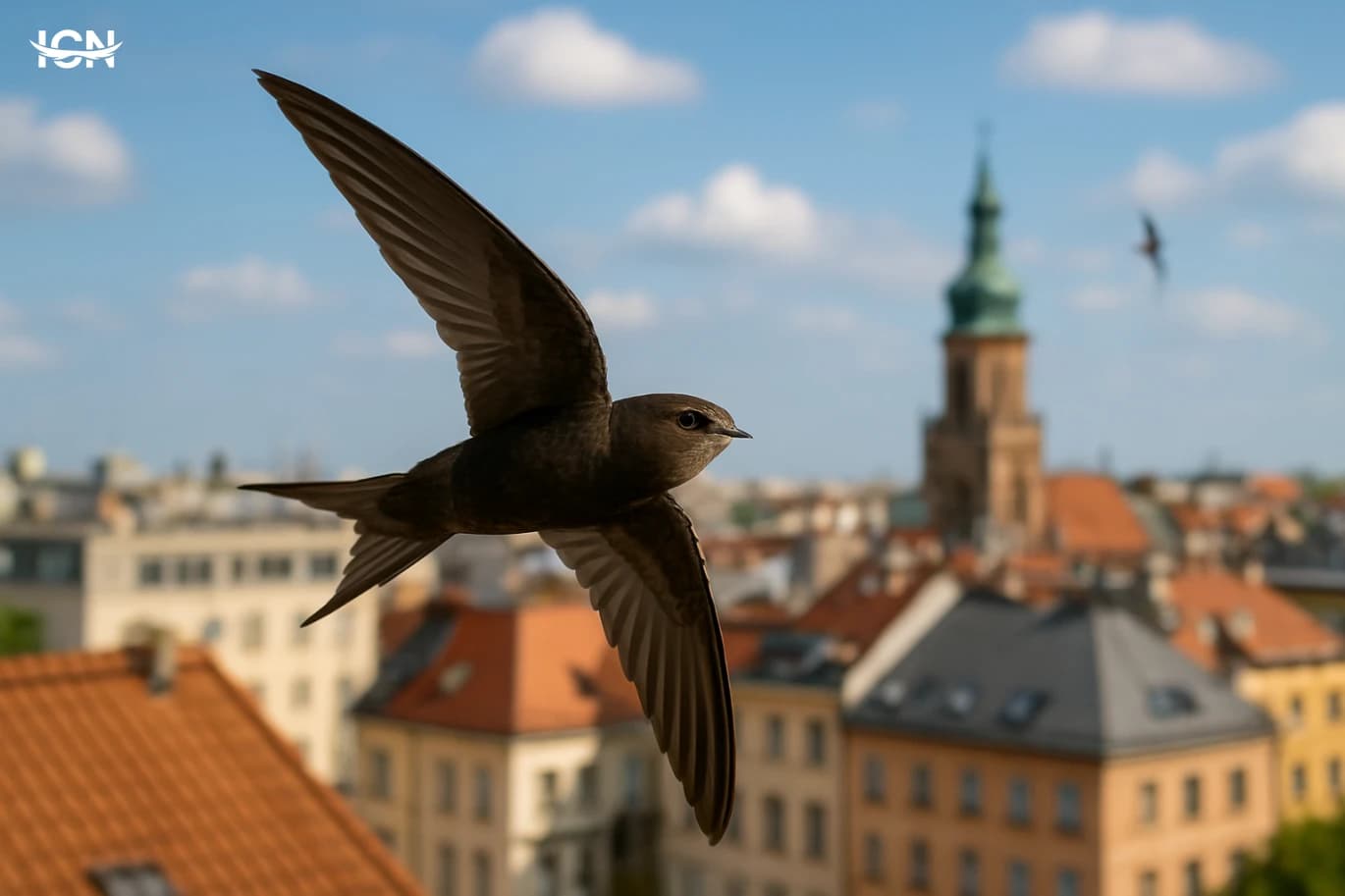
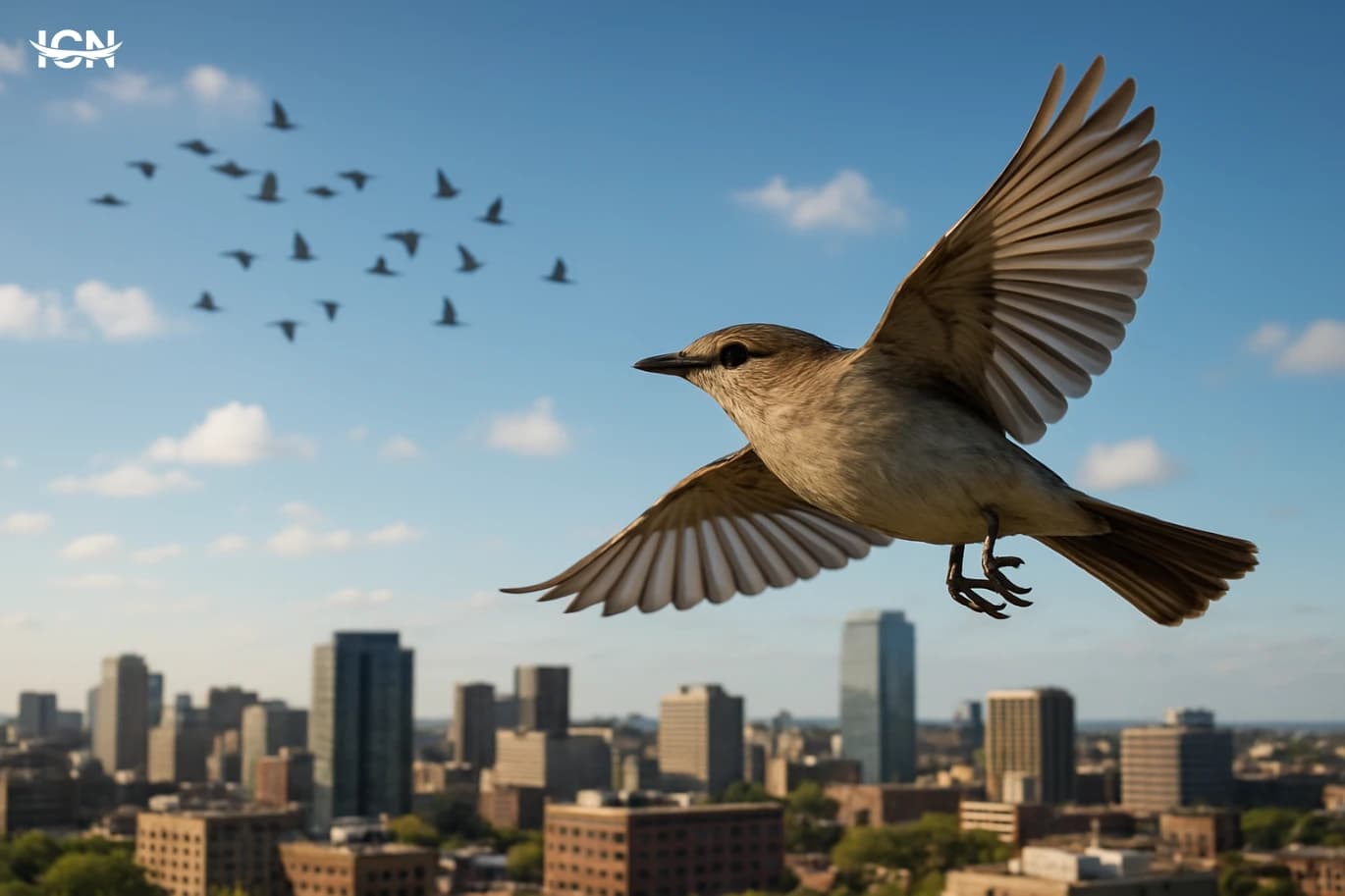
Bird migration is often described as a timeless cycle, but in many regions it is becoming noticeably less predictable. Long-term monitoring in Europe and North America shows some species arriving earlier in spring and lingering later into autumn, while others shift their routes to follow new food sources and safer stopover sites. These changes are not random; they track the rapid growth of urban areas and the way cities alter temperature, light, and habitat structure. Cities create “heat islands” that can be several degrees warmer than surrounding countryside, especially at night. For insect-eating birds, that warmth can extend the season when insects remain active, which can encourage earlier arrival or longer stays. At the same time, urban parks, street trees, and wetlands built for stormwater management can provide pockets of shelter and feeding opportunities that did not exist a few decades ago. Migration is still driven by day length and genetics, but the practical decisions birds make on the ground are increasingly shaped by urban conditions.
Artificial light and the night sky
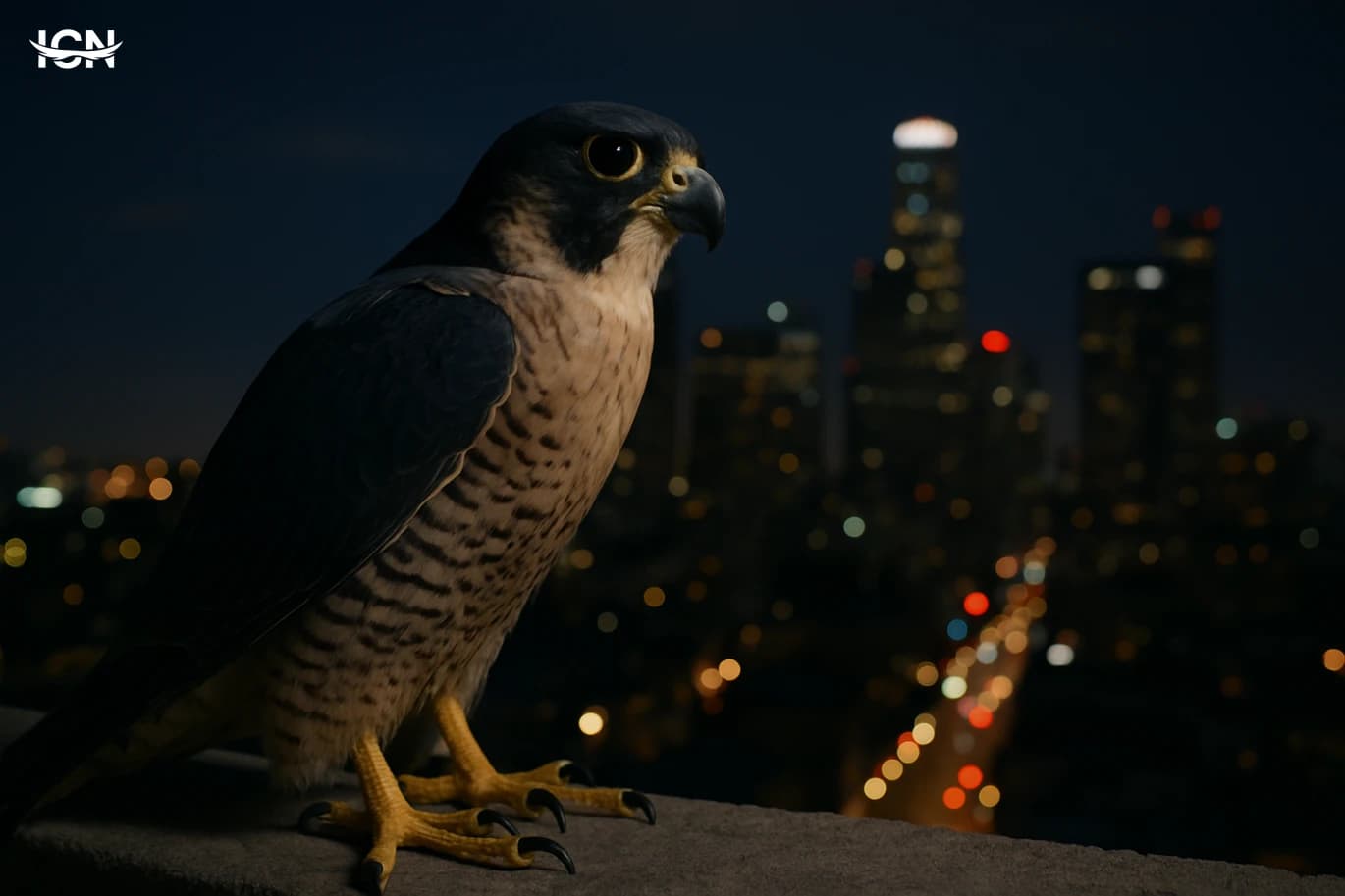
Many migratory birds travel at night, using stars, the moon, and Earth’s magnetic field to navigate. Artificial light at night can interfere with these cues and pull birds toward brightly lit areas. Researchers have documented higher collision risk around illuminated buildings, especially during low cloud cover or fog, when light scatters and creates a glowing dome over a city. Glass façades add another hazard: reflections of sky and vegetation can look like open flight paths. The impact is not limited to rare events. During peak migration weeks, a single high-rise with strong exterior lighting can attract large numbers of birds, increasing exhaustion and disorientation. Some cities have responded with “lights out” programs that encourage building owners to dim decorative lighting and reduce unnecessary illumination during migration seasons. Evidence from multiple North American cities suggests that targeted reductions in lighting can quickly lower the number of fatal collisions, making this one of the most direct urban interventions available.
Food, feeders, and urban leftovers
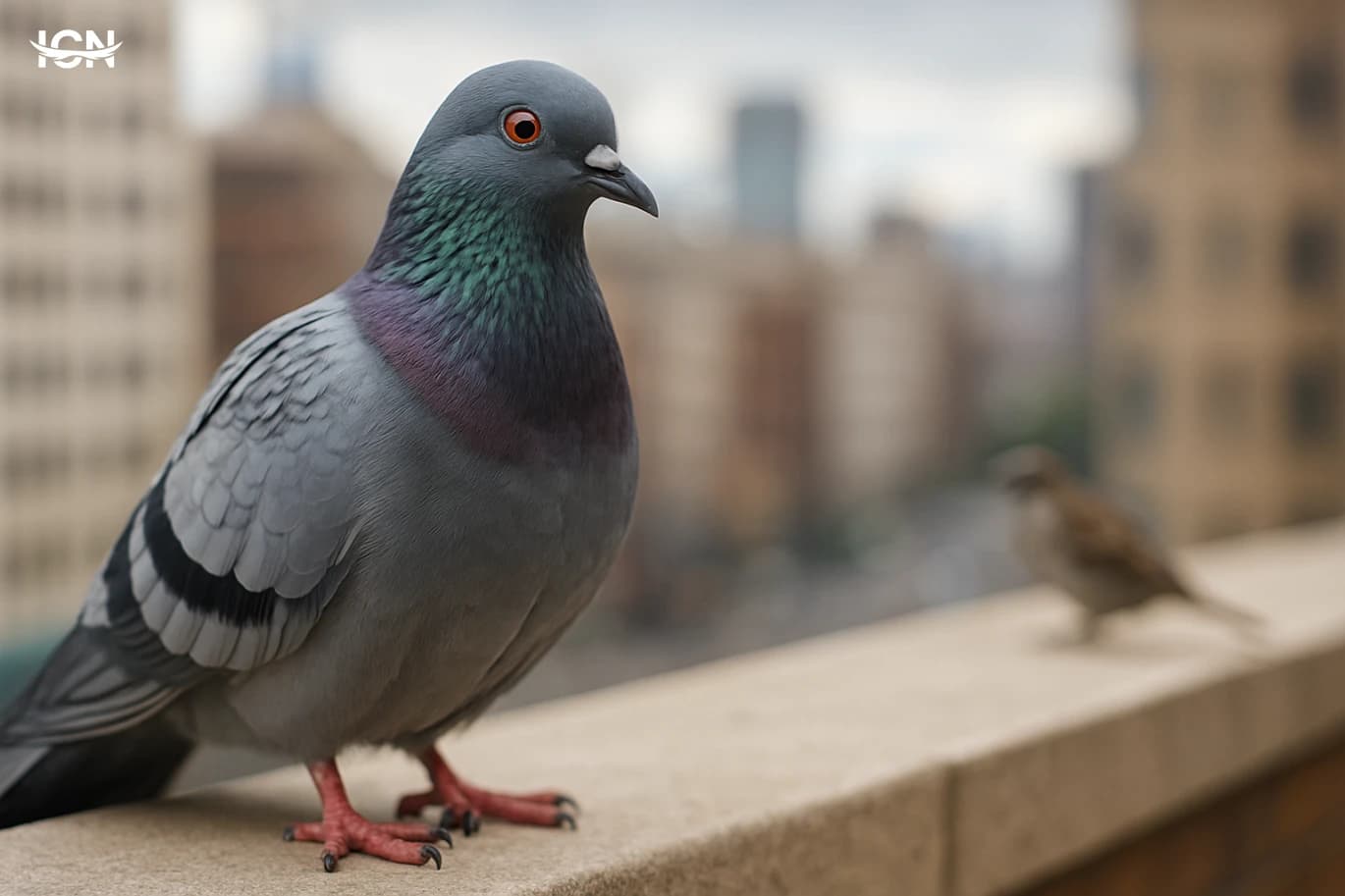
Food availability is one of the strongest forces shaping where migrants stop and how long they stay. In cities, food can be unusually reliable. Ornamental plants may flower earlier in warm microclimates, supporting insects and nectar sources. Fruit-bearing trees in parks can provide predictable calories in autumn. Backyard feeders add another layer, offering seeds and suet through cold snaps that would otherwise push birds onward. This reliability can be a mixed outcome. For some species, urban food helps them survive harsh weather and complete migration in better condition. For others, it can encourage overwintering in places that were historically only stopovers, potentially exposing birds to new disease risks or extreme cold events. Dense feeding sites can also increase transmission of pathogens such as salmonella or trichomonosis if feeders are not cleaned regularly. Urban “leftovers” matter too: open trash, outdoor dining areas, and landfills can support opportunistic birds, sometimes shifting local ecosystems by boosting populations of gulls, crows, and pigeons that compete with or prey on smaller migrants.
Parks, wetlands, and the stopover network
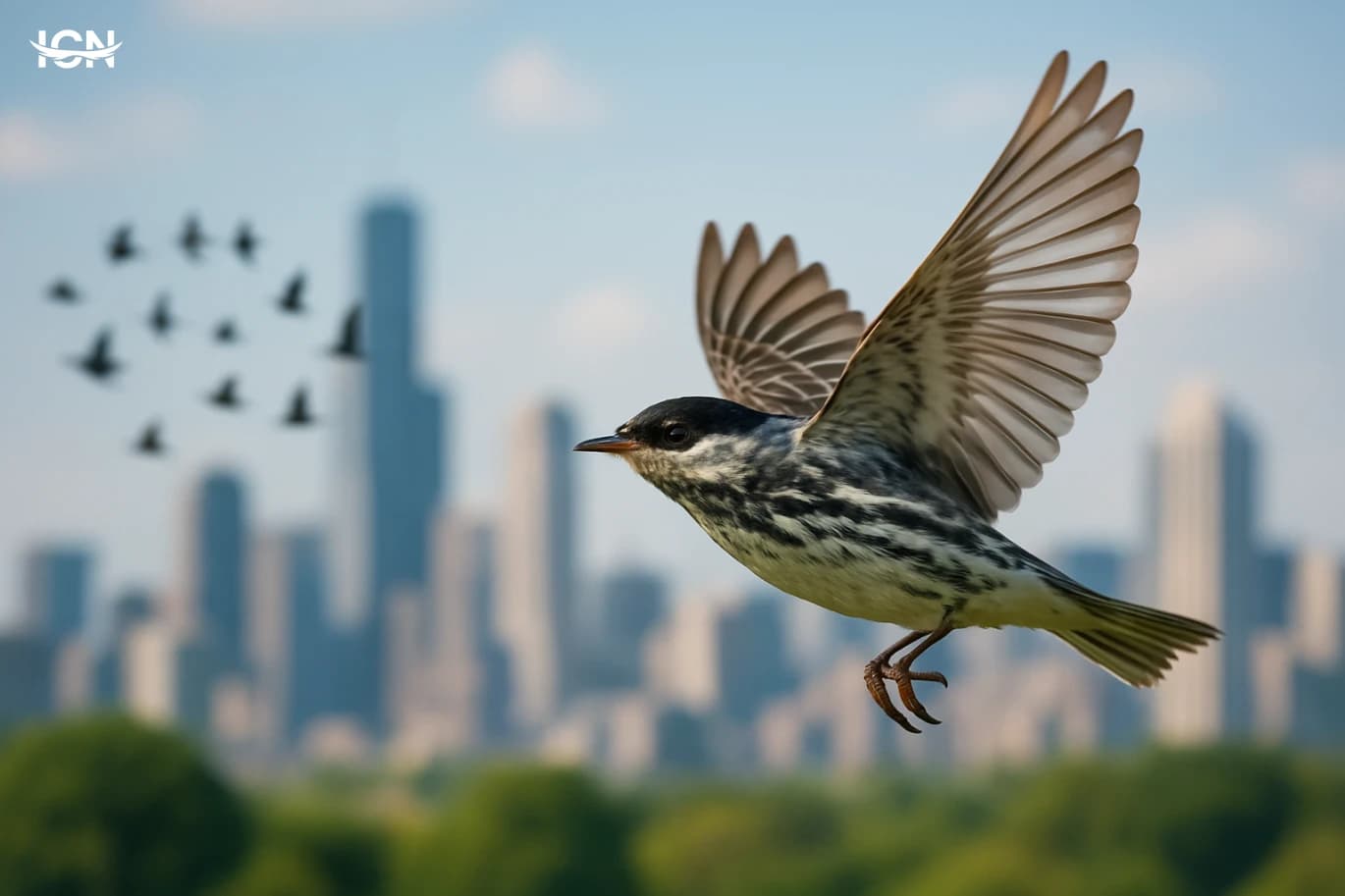
Migrants rarely fly nonstop from breeding to wintering grounds. They depend on a chain of stopover sites to rest and refuel, and cities can either break that chain or reinforce it. Large urban parks with diverse native vegetation can function as critical “green islands,” especially in heavily developed regions. Even small patches—river corridors, cemeteries with mature trees, or coastal dunes protected from construction—can matter during bad weather when birds are forced down. Urban wetlands deserve special attention. Many cities have built retention ponds and restored marshes to manage flooding and improve water quality. When designed with wildlife in mind—shallow edges, native reeds, limited disturbance—these sites can support shorebirds, ducks, and songbirds during migration. The challenge is connectivity and management. A park surrounded by high-speed roads, free-roaming cats, and constant nighttime activity may offer less value than its size suggests. Effective urban planning treats green spaces as a network, not isolated amenities, and includes measures such as native planting, reduced pesticide use, and seasonal restrictions on disruptive maintenance during peak migration.
Winners, losers, and shifting routes
Urban environments do not affect all birds equally. Generalist species that tolerate noise, people, and fragmented habitat often do well, while specialists that require large intact forests, dark skies, or specific wetland conditions can struggle. As cities expand, some migrants adjust by following coastlines, river valleys, or chains of parks that offer safer navigation and feeding. Others may be pushed into longer flights between suitable habitats, increasing energy costs and reducing survival. There are also subtle behavioral shifts. Birds may change the timing of dawn and dusk activity in response to street lighting, or alter their calling behavior to compete with traffic noise. These changes can influence breeding success after migration, because arriving in poorer condition or at the wrong time can reduce the chance of securing territory and mates. For conservationists, the key point is that migration is not only about distant breeding and wintering grounds. The quality of urban stopovers and the hazards within cities can shape population trends across entire continents.
What residents and cities can do
Practical steps can reduce urban harm to migratory birds without major disruption. Building managers can participate in seasonal lighting reductions, use motion sensors, and shield exterior lights to point downward. For glass-heavy structures, bird-safe window treatments—patterns, films, or fritted glass—can cut collisions, especially on lower floors near vegetation. City agencies can prioritize bird-friendly standards in new developments and retrofit high-risk public buildings. Residents can help by keeping cats indoors, especially during migration peaks, and by placing feeders responsibly. Cleaning feeders with hot soapy water and drying them thoroughly reduces disease risk, and spacing feeders can limit crowding. Planting native shrubs and trees that support local insects provides natural food that aligns with migration needs. Finally, citizen science platforms and local bird counts provide data that help researchers identify collision hotspots and important stopover sites. When cities treat migration as a planning issue—lighting, glass, green space design, and public awareness—urban growth does not have to mean a more dangerous journey for birds.