How Cities Can Help Swifts Thrive
- Why swifts matter in urban skies
- Where swifts nest in buildings
- Design fixes that work for homeowners
- What city planners can do at scale
- How to monitor swifts responsibly
- Checklist for swift-friendly renovations
Why swifts matter in urban skies
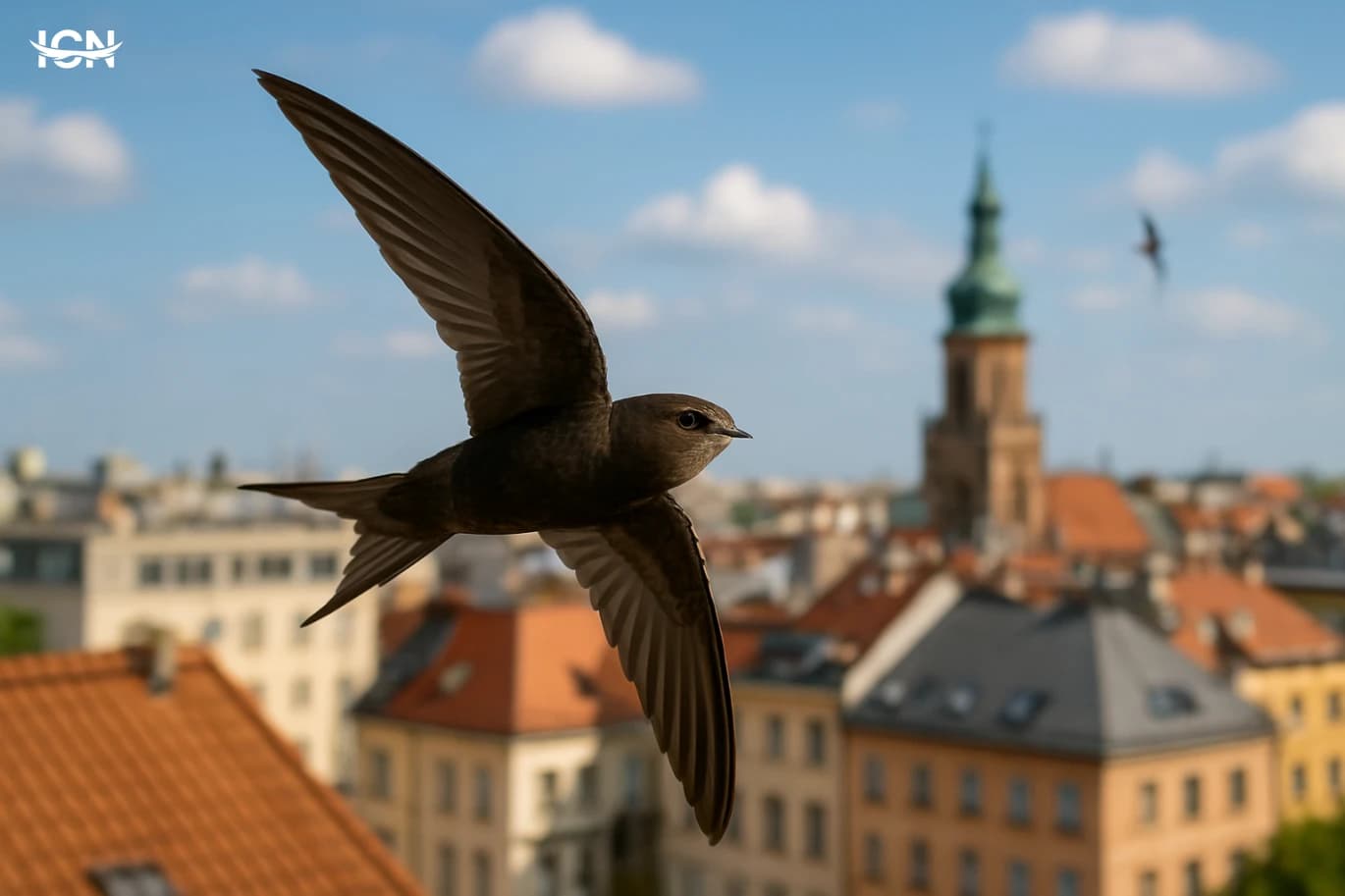
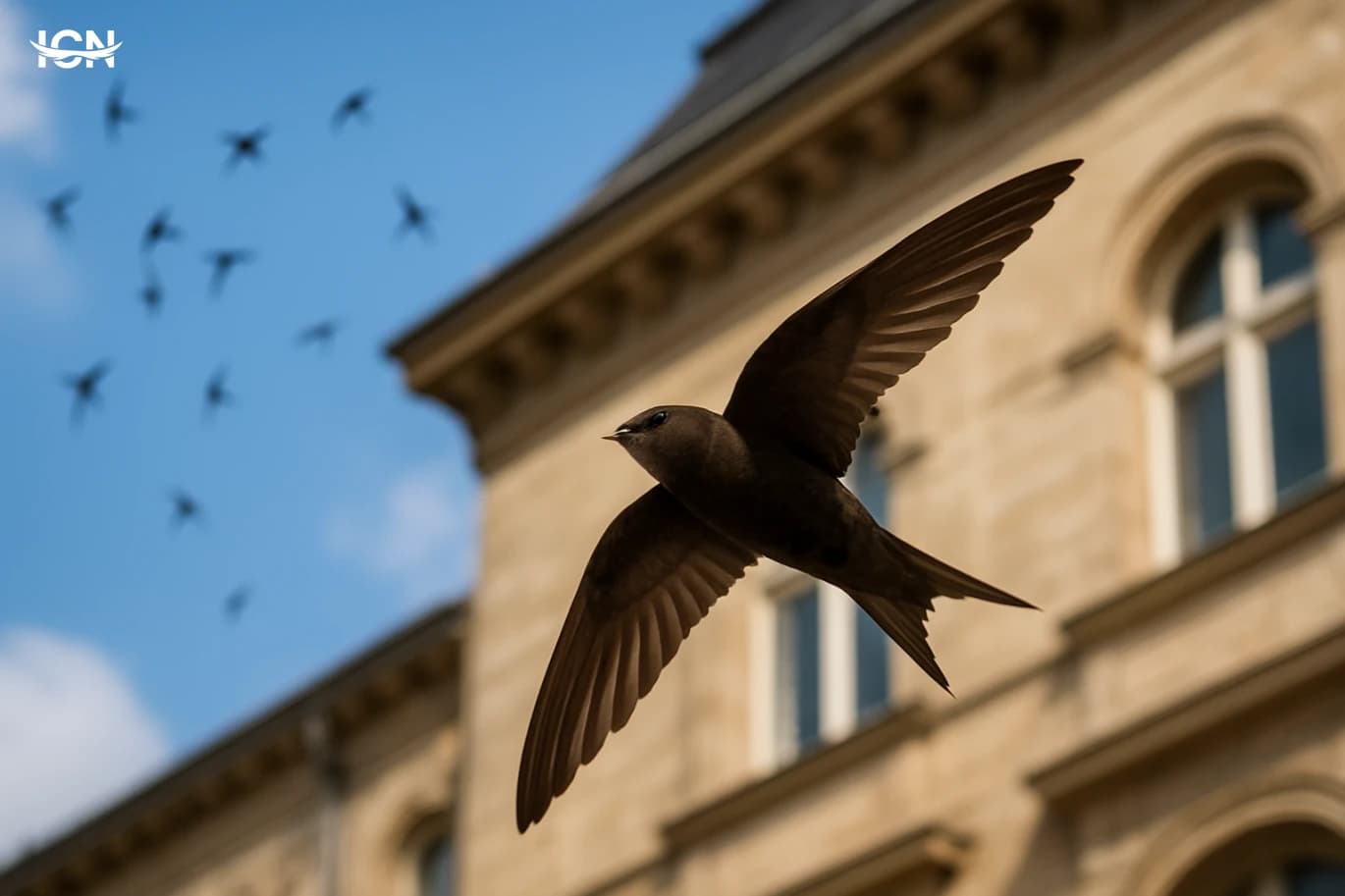
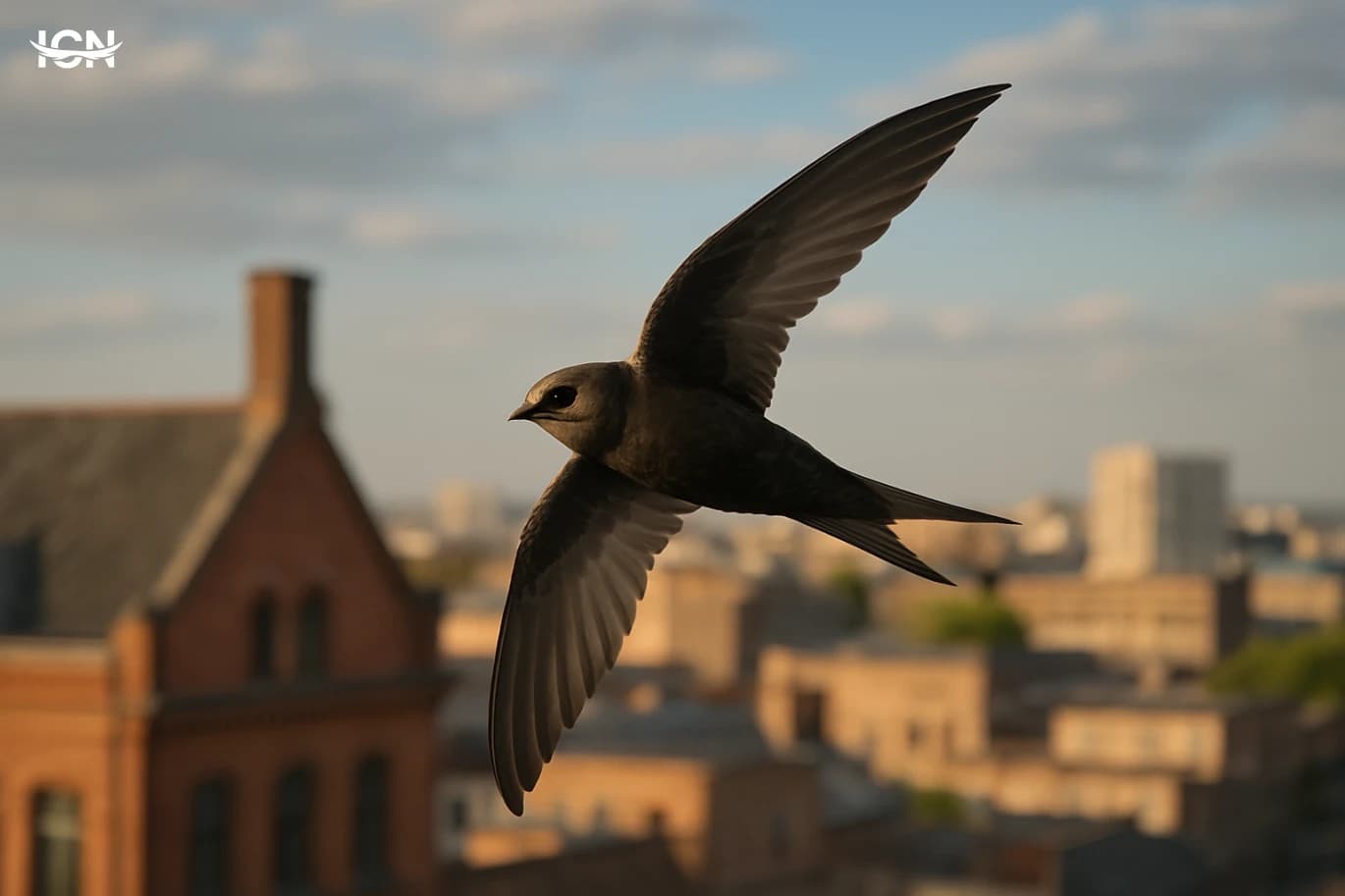
Swifts are among the most urban-adapted birds, spending most of their lives on the wing and using buildings as substitutes for cliffs. In many cities, their high, fast flights are one of the clearest signs of healthy summer biodiversity. They also provide a practical service: swifts feed on airborne insects, including midges and mosquitoes, and a single bird can consume thousands in a day during peak feeding. That makes them relevant not only to birdwatchers but also to residents who care about comfort and outdoor quality of life. Yet swift populations have declined in several regions as modern construction and renovation remove the small gaps and cavities they need for nesting. Unlike some birds, swifts do not gather twigs from the ground; they collect light materials in flight and rely on stable, sheltered spaces to raise their young. When those spaces disappear, the birds may return to traditional breeding areas and find nothing usable. Understanding this mismatch between swift behavior and building trends is the starting point for practical, non-disruptive solutions in urban planning and home maintenance.
Where swifts nest in buildings
In older neighborhoods, swifts often nest under roof tiles, behind fascia boards, in small voids near eaves, or in gaps around brickwork and ventilation openings. These spaces share a few key features: they are high off the ground, protected from heavy rain, and have a clear flight path for quick entry and exit. Swifts are not interested in large open attics with frequent human disturbance; they prefer narrow, stable cavities that stay relatively dark and calm. Modern building practices can unintentionally remove these conditions. Re-roofing may seal tile edges, new soffits can close access points, and external insulation systems can cover the cracks that once served as entrances. Even well-meaning pest-proofing can block swift sites if it is done without checking for seasonal use. A practical approach is to map likely nesting zones on a building before work begins, then decide which openings can be retained safely or replaced with purpose-built access points. This is especially important because swifts show strong site fidelity, returning to the same area year after year.
Design fixes that work for homeowners
Homeowners can support swifts with small, targeted measures that do not change daily living. One effective option is installing swift nest boxes or integrated “swift bricks” during renovation. Swift bricks are built into the wall and provide a durable cavity with a discreet entrance, while external boxes can be mounted under eaves where they remain shaded. Placement matters: boxes should be high, away from strong night lighting, and positioned so birds have a clear approach without wires or dense trees directly in front. Timing is equally important. If work is planned for spring or summer, it is sensible to check whether swifts are already using the site. If a nest is active, delaying disruptive work until after the breeding season avoids accidental loss. For buildings that must be sealed for insulation or weatherproofing, a “like-for-like” approach can help: keep a small number of access points open and safe, or add new swift bricks before closing old gaps. These steps are relatively low-cost compared with major structural changes, and they can be incorporated into standard maintenance schedules. Noise and heat management also matter. Swifts tolerate urban sound, but nest cavities that overheat can fail. In very hot climates or on sun-exposed walls, choosing shaded placements and using materials that reduce heat buildup can improve outcomes. The goal is not to create a perfect habitat, but to preserve the few essential conditions swifts need to breed successfully in a built environment.
What city planners can do at scale
Cities can make swift-friendly choices without compromising safety or energy standards. A straightforward step is to include biodiversity features in building guidelines: require or incentivize a small number of integrated nest cavities in new residential blocks, schools, and public buildings. Because swift bricks are compact and long-lasting, they can be specified early in design and installed with minimal added labor. When applied across many developments, small requirements can produce a meaningful network of nesting sites. Renovation policies are just as important. Large-scale retrofits for insulation and façade renewal can eliminate nesting opportunities across entire districts in a single season. Municipalities can reduce this risk by recommending pre-work surveys, setting seasonal windows for disruptive exterior work, and offering standard details for integrating replacement nest sites. Public procurement can lead by example: when a city renovates its own buildings, it can include swift bricks and publish the results as a practical case study. Urban lighting strategies also influence swifts indirectly. Excessive night lighting can change insect distribution and may discourage birds from approaching certain façades. Using targeted, warmer lighting and avoiding unnecessary illumination near known nesting areas supports a more balanced nighttime environment. Finally, planners can protect key feeding areas by maintaining green corridors, river edges, and parks that produce reliable insect populations, especially during the breeding season when adult swifts must feed chicks frequently.
How to monitor swifts responsibly
Monitoring swifts does not require specialized equipment, but it does require care. The most useful observations are simple: noting the dates when swifts first appear, identifying repeated entry into the same gap or box, and recording evening “screaming parties” where groups circle and call. These behaviors can indicate active nesting nearby. Residents can share observations with local nature groups or city biodiversity teams, helping build a clearer map of where protection or new nest sites are most needed. Responsible monitoring avoids disturbance. Watching from a distance with binoculars is preferable to approaching entrances or attempting to look inside cavities. Blocking access, even briefly, can cause nest failure during critical periods. If maintenance work is unavoidable, documenting activity beforehand helps contractors plan around it. For community projects, a simple annual survey route—walking the same streets at similar times in early summer—can produce comparable data year to year. Good monitoring also includes evaluating interventions. If a building installs swift bricks, tracking whether birds investigate them in the first season and whether occupancy increases over time provides practical feedback. Swifts may take time to adopt new sites, so consistent records over several years are more informative than a single season’s results. This kind of steady, low-impact evidence is what turns goodwill into measurable conservation progress in cities.
Checklist for swift-friendly renovations
A swift-friendly renovation can be planned with a short checklist that fits typical building workflows. First, identify likely nesting features: eaves, roof edges, old vents, and gaps in brickwork. Second, schedule exterior sealing, scaffolding, and noisy work outside the main breeding period when possible. Third, if openings must be closed for safety or insulation, replace them with a defined number of swift bricks or boxes in comparable locations and heights. Fourth, ensure access remains clear: avoid placing new cables, signage, or dense climbing plants directly in front of entrances. Fifth, consider heat and weather exposure by choosing shaded placements and durable materials. Sixth, document what was done—photos, locations, and dates—so future maintenance teams do not accidentally remove the features. Finally, follow up in the next seasons by watching for investigation flights and repeated entries. This checklist is intentionally practical. It does not require a major redesign, and it aligns with the reality that most urban biodiversity outcomes are decided during routine maintenance. When homeowners, contractors, and city officials treat swift nesting sites as standard building features rather than accidental gaps, cities can keep their summer skies active while still meeting modern standards for comfort and efficiency.