App Logo

Download Our App

Shop your way

logologo
Image

Beetroot and orange juice

02/04/2025By: ICN
Beetroot and orange juice

Benefits of beetroot and orange juice

Improve Heart Health Beetroot and orange juice helps boost heart health thanks to their antioxidants and vitamins. Beets improve blood flow and lower blood pressure, which promotes healthy blood vessels. Oranges are also rich in vitamin C, which boosts immunity and protects the heart from disease. Increase Energy Levels Beetroot and orange juice naturally boost energy levels. Beets contain nitrates that improve physical performance and increase endurance. Thanks to the vitamin C and antioxidants in oranges, people feel more energetic and able to face daily challenges.

How to prepare beetroot and orange juice

Required Ingredients To prepare beetroot and orange juice, you need the following ingredients: 1 medium beetroot, 2 oranges, a tablespoon of honey (optional) and a cup of water. Simple preparation steps To prepare the juice, first peel the beets and cut them into small pieces. Then, squeeze the oranges to extract their juice. You can blend the chopped beets with the orange juice in a blender, adding water and honey if desired. After that, mix the ingredients well until they are homogeneous. The juice is filtered if desired, and served cold to enjoy its health benefits and delicious taste.

Nutritional value of beetroot and orange juice

Key Nutrients Beetroot and orange juice contains a variety of beneficial nutrients. Beets are rich in vitamins such as vitamin C and B6, and minerals such as iron and magnesium. While oranges are known for their high vitamin C and fiber content, making them an excellent immune-boosting ingredient. Effect on Digestion and Immune System Drinking beetroot and orange juice supports digestive health thanks to the fiber found in oranges. The nutrients in beets also help improve blood circulation and support immune system function. Therefore, this juice is a healthy choice to promote overall health and a feeling of vitality.

Ways to improve the taste of beetroot and orange juice

Adding additional ingredients such as ginger or honey The taste of beetroot and orange juice can be enhanced by adding additional ingredients such as ginger, which gives the juice a refreshing and strong flavor. Honey can also be used to naturally sweeten the juice, adding a delicious and pleasant taste. Experimenting with sweeteners and balancing flavors Experimenting with sweeteners such as brown sugar or maple syrup can give the juice a balance of flavors, making it more appealing. With these additions, beetroot and orange juice becomes a combination rich in taste and health benefits, encouraging regular consumption.

Best times to drink beetroot and orange juice

Before exercise, beetroot and orange juice can be consumed before exercise as a way to boost energy and endurance. The juice contains a range of vitamins and minerals that help improve physical performance and increase energy. To boost the immune system in winter, beetroot and orange juice is a great option to boost the immune system during the winter. Drinking this juice helps provide essential antioxidants and vitamins that strengthen the immune system and help fight diseases, making it an ideal addition to a balanced diet during this period.
* All articles published on this blog are sourced from various websites and are provided for informational purposes only. They should not be considered as confirmed studies or accurate information. Please verify the information independently before relying on it.

Similar ARTICLES

Cold Brew at Home Without Bitter Surprises
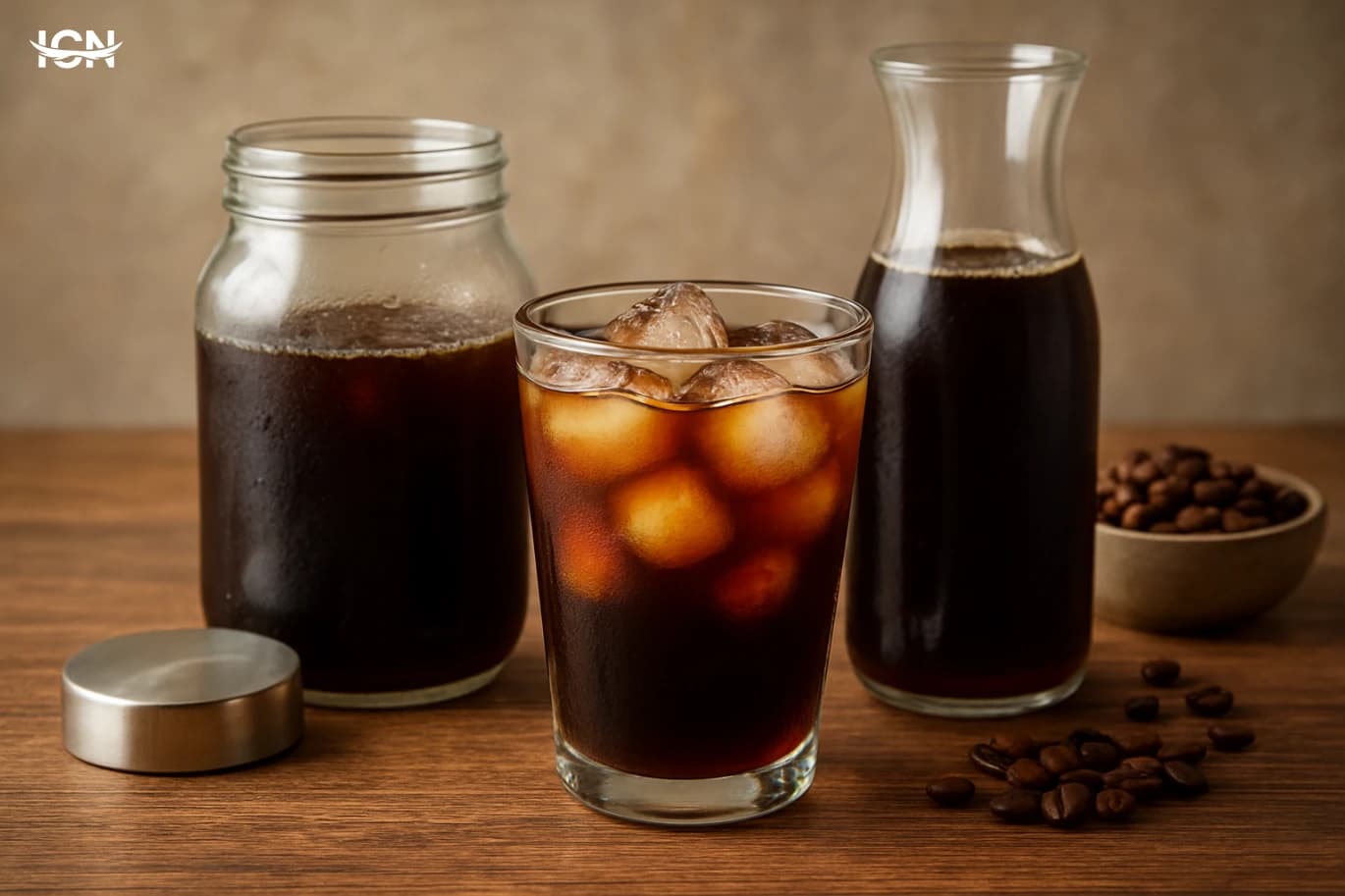
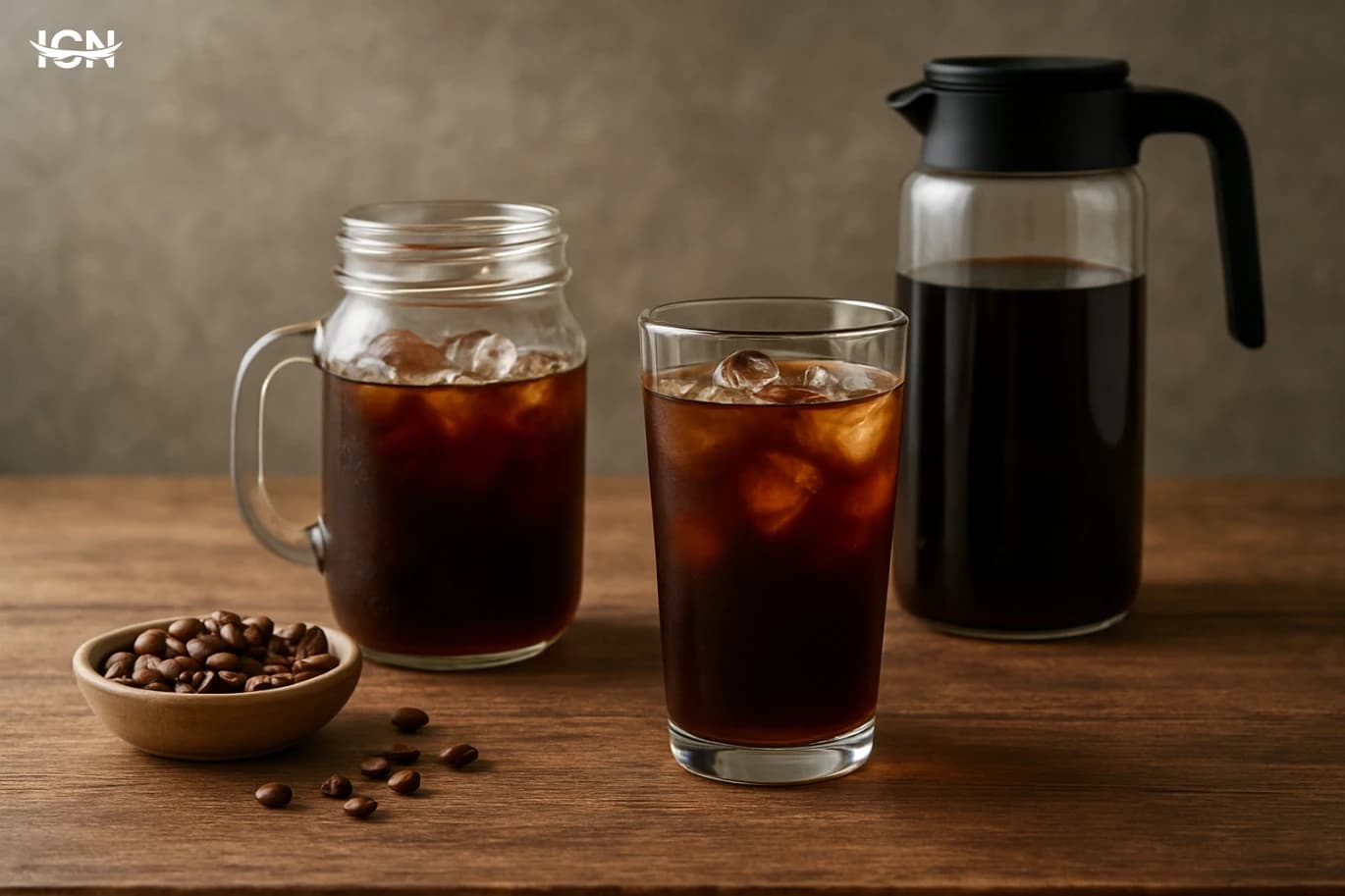
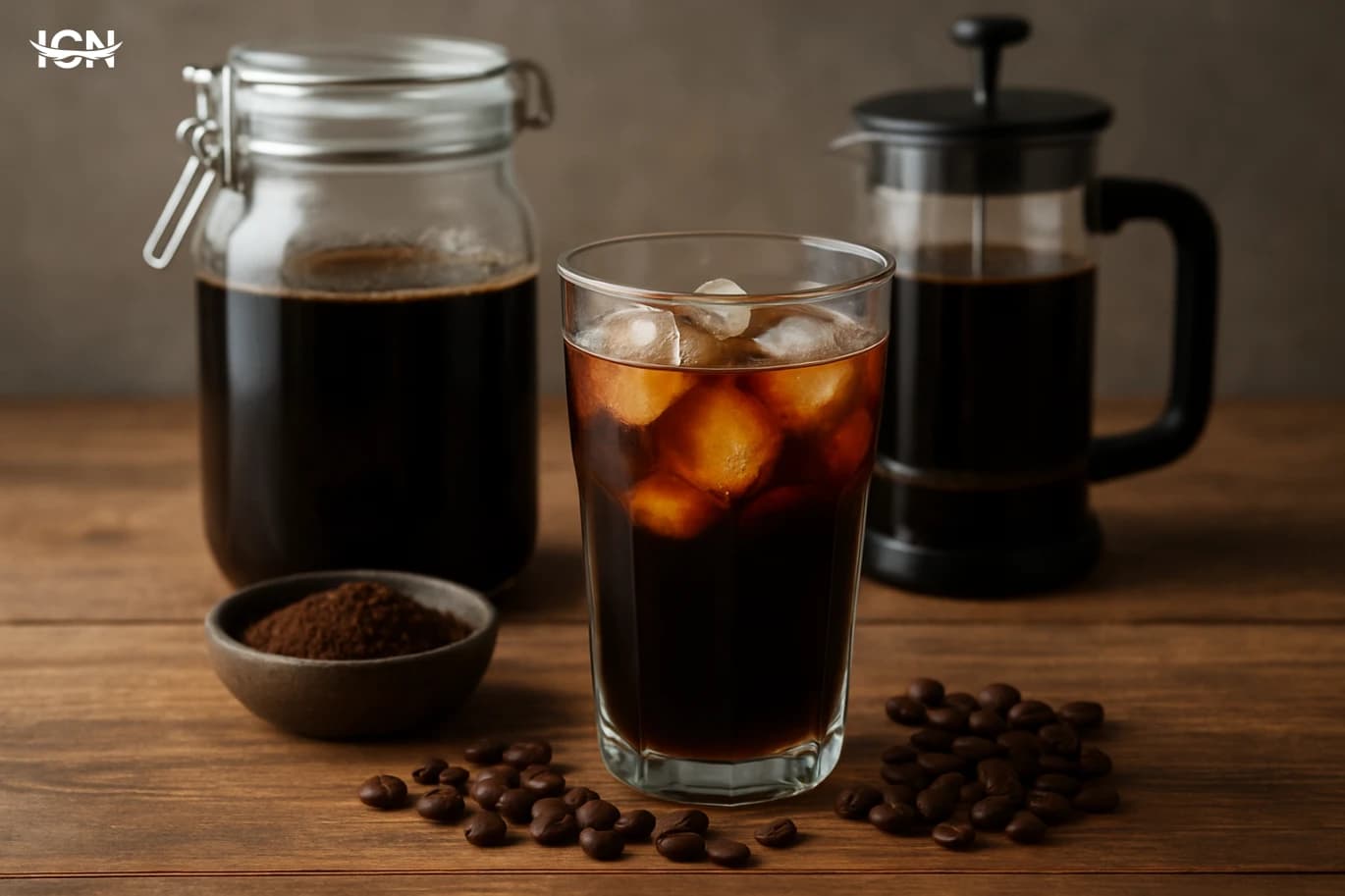
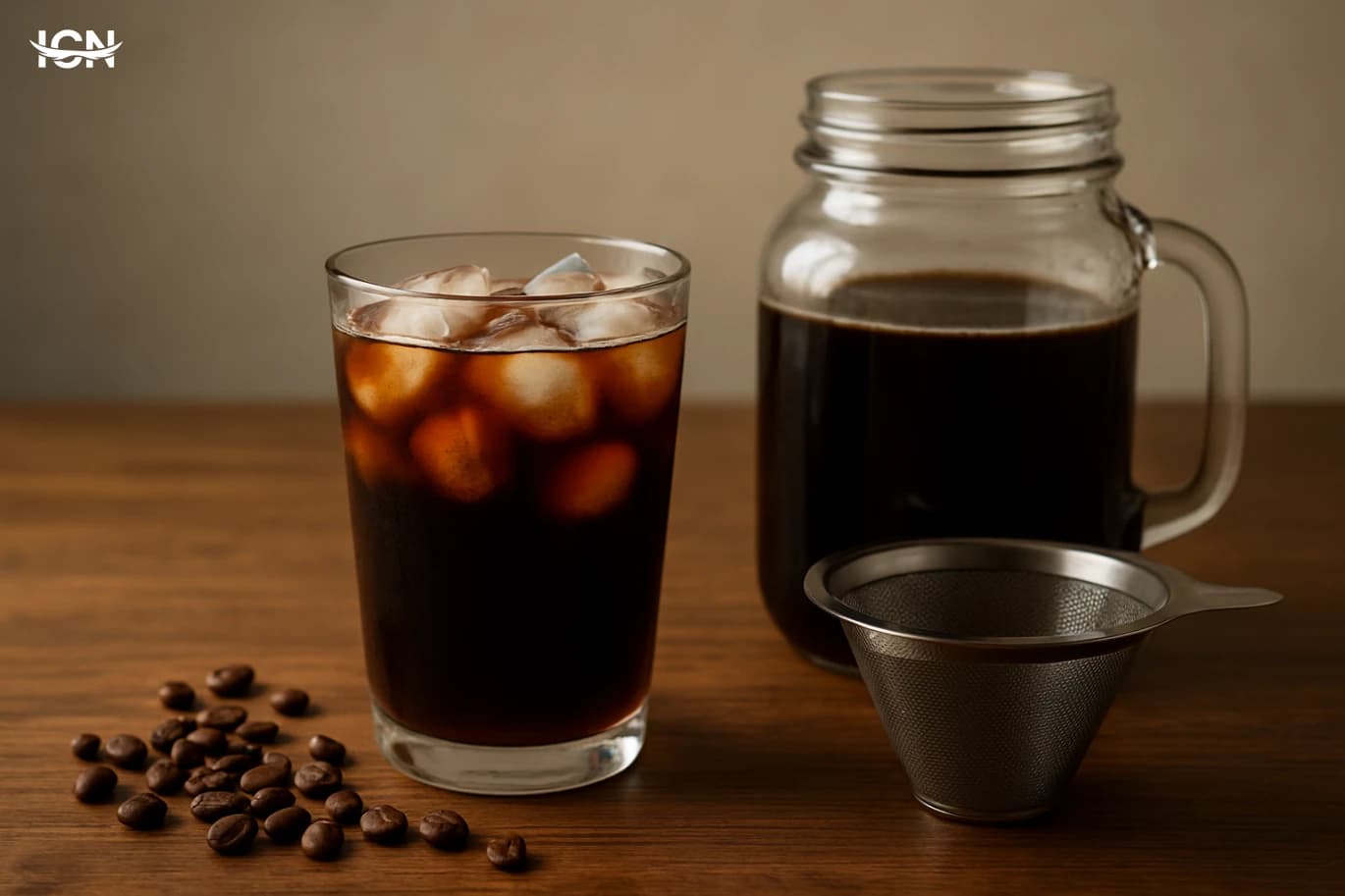
Cold brew is not just “iced coffee.” It is coffee extracted with cool water over a long time, which changes what ends up in the cup. Lower temperatures pull fewer sharp, fast-extracting compounds, so the drink often reads as smoother and less acidic than hot-brewed coffee poured over ice. That smoother profile can be a benefit, but it also makes flaws easier to miss until they show up as dullness or a woody bitterness. The biggest misconception at home is that longer is always better. In reality, cold brew has a window where it tastes sweet and chocolatey, then it can drift toward dryness and astringency if the grind is too fine or the steep runs too long. Understanding that cold brew is a controlled extraction, not a “set and forget” method, is what separates a clean concentrate from a muddy jar that needs lots of milk and sugar to be drinkable.
Cold Brew at Home Without Guesswork
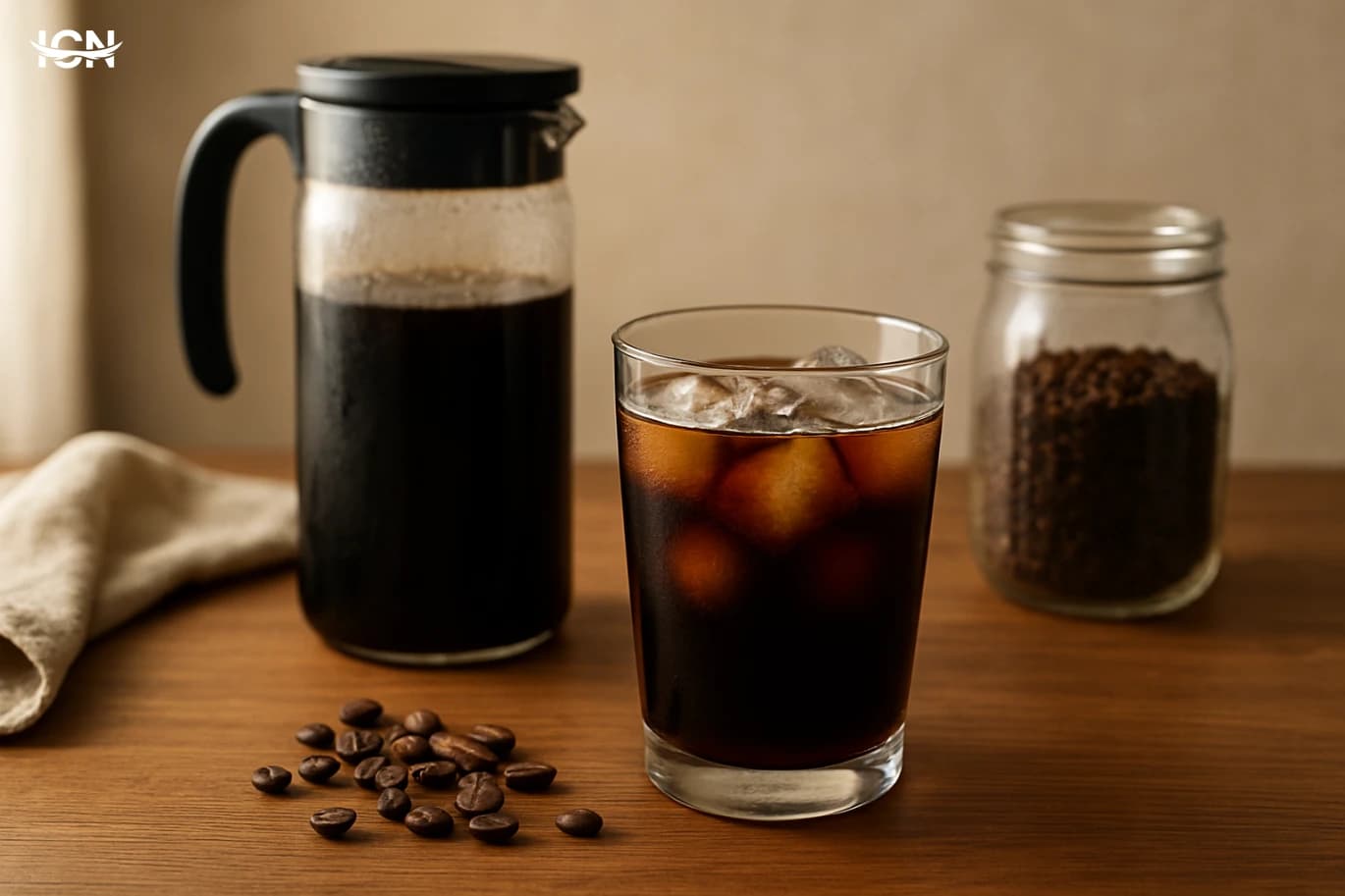
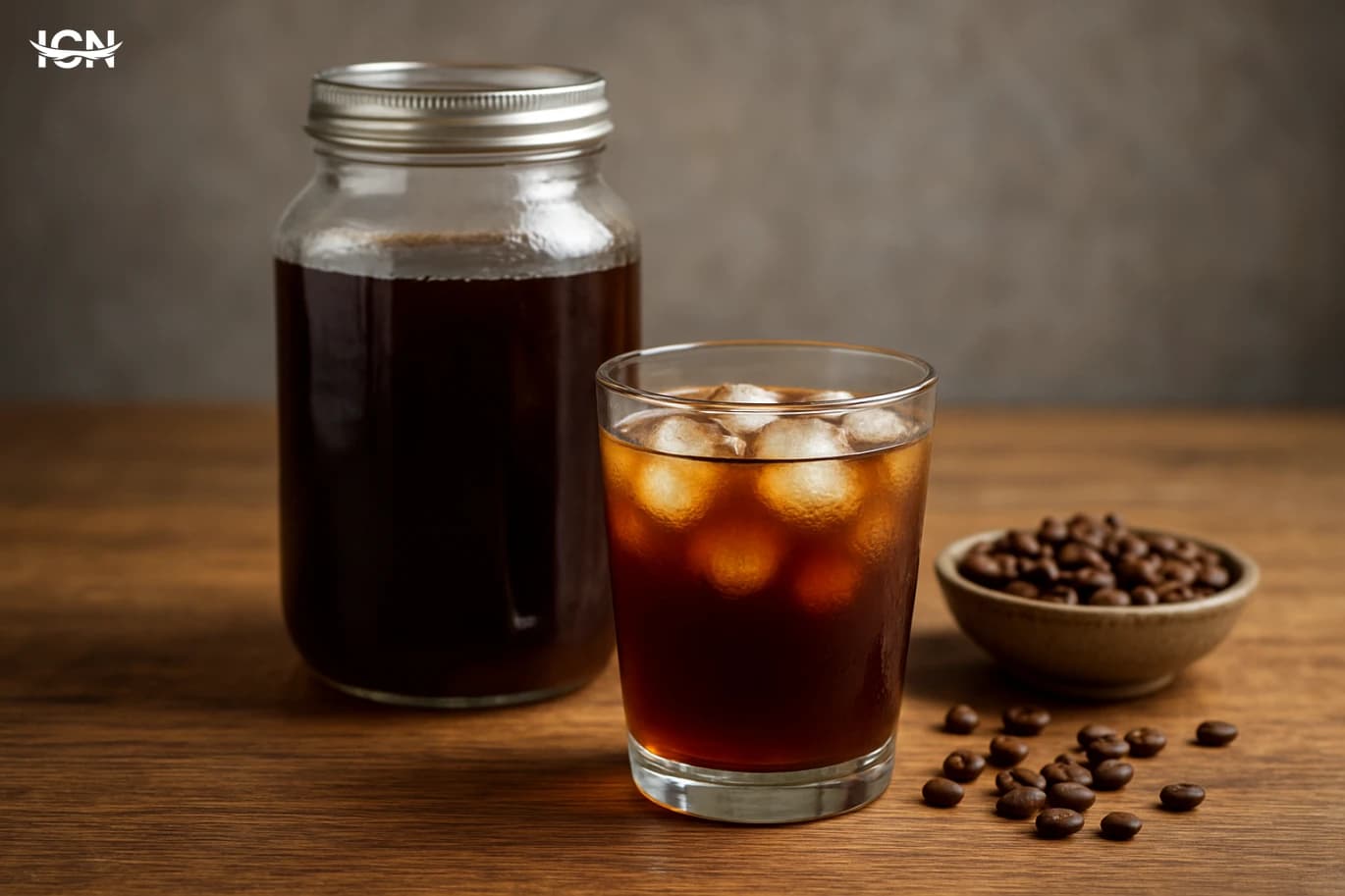
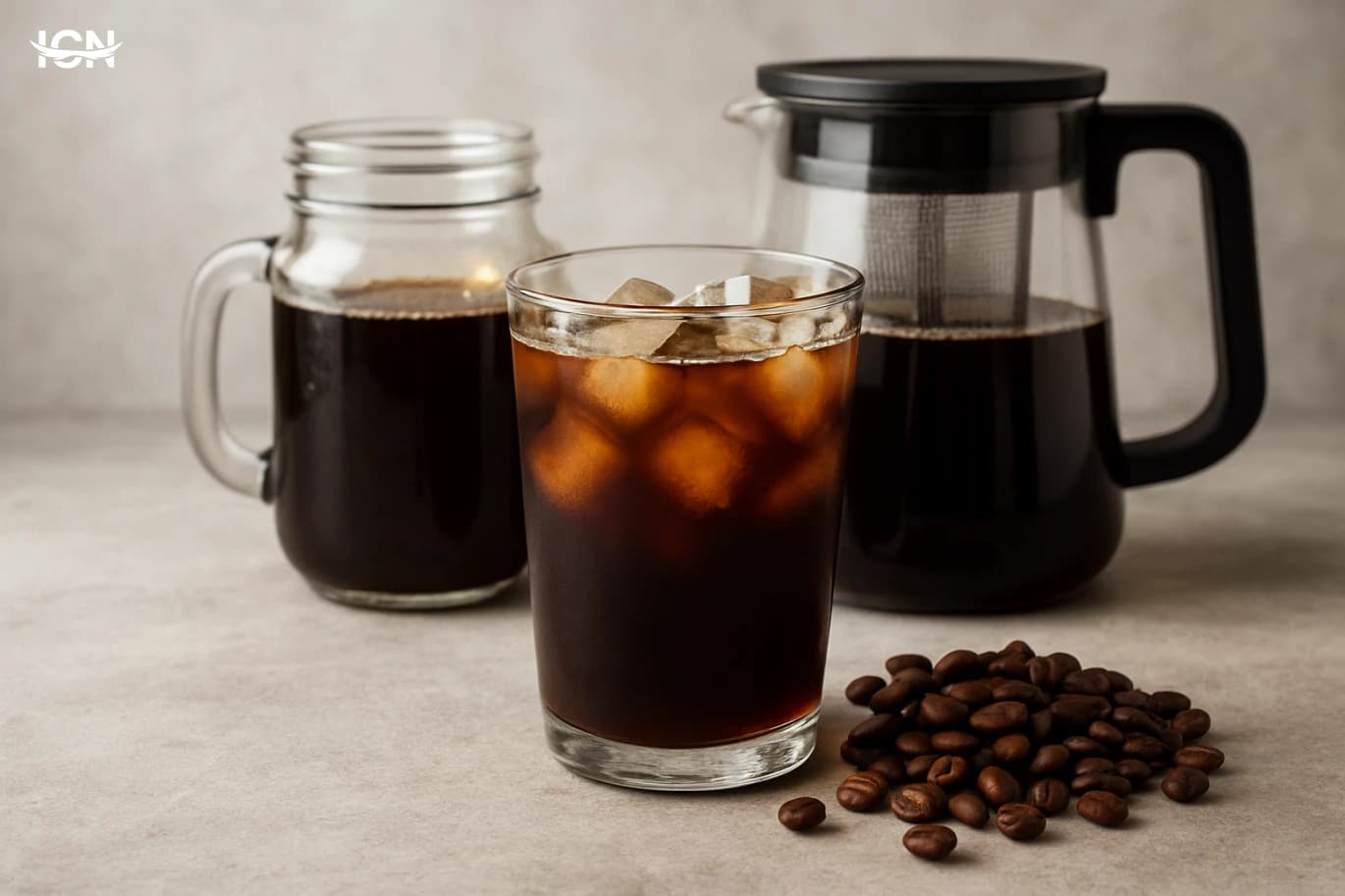
Cold brew is not just “iced coffee.” It is coffee extracted with cold or room‑temperature water over a long time, which changes what dissolves from the grounds. Lower temperatures pull fewer sharp, fast‑extracting compounds, so the cup often reads smoother and less bitter, with a rounder sweetness. That does not mean it is weak: the method is commonly brewed as a concentrate, then diluted to taste. Understanding the difference helps you make better choices at home. If you want a bright, citrusy profile, cold brew may mute that compared with hot brewing. If you want chocolate, caramel, and nut notes with a softer finish, cold brew can highlight them. The goal is consistency: once you control ratio, grind, time, and water, you can repeat the same result every week without relying on expensive bottles from cafés.
Cold Brew Coffee at Home
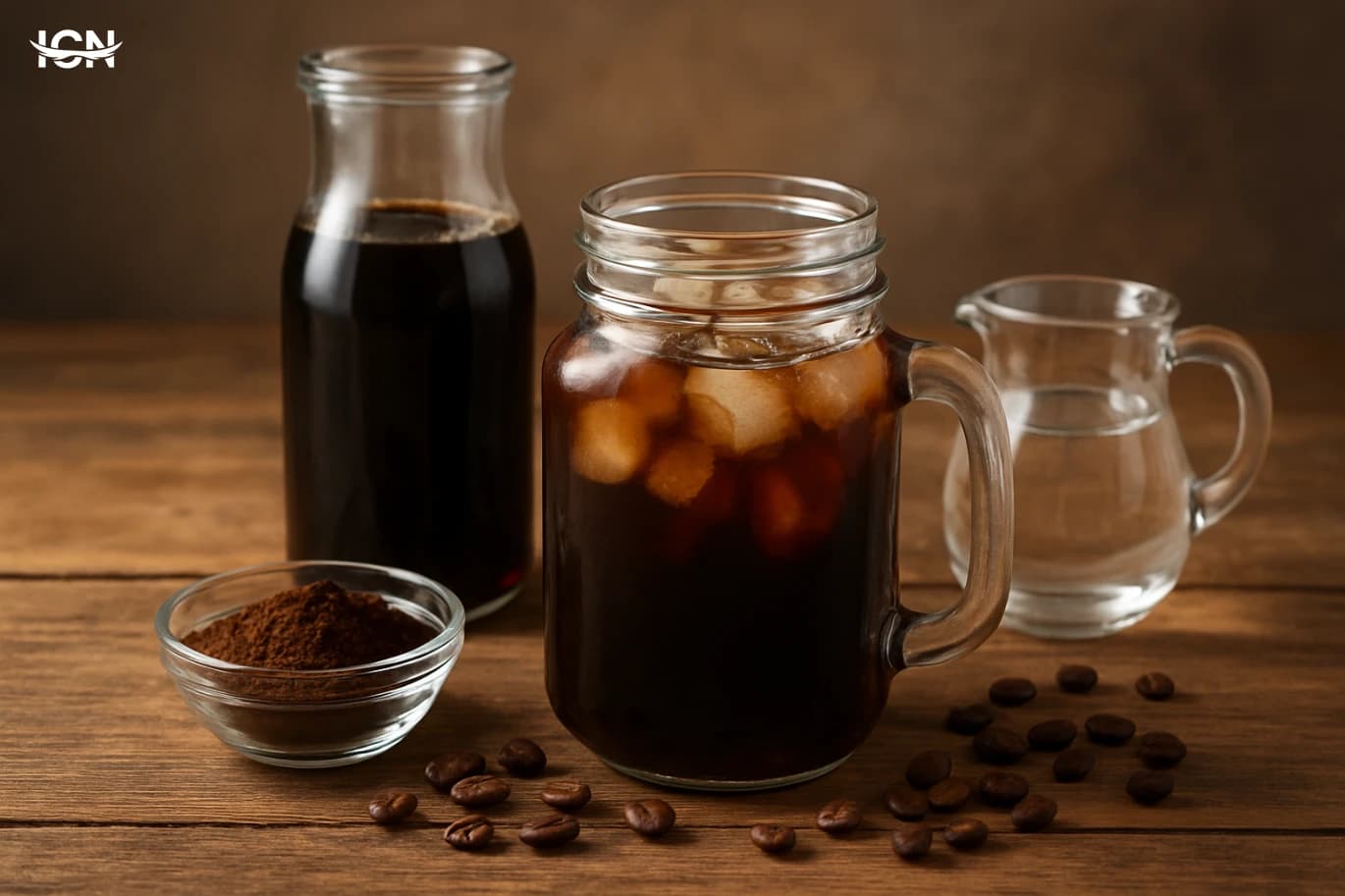
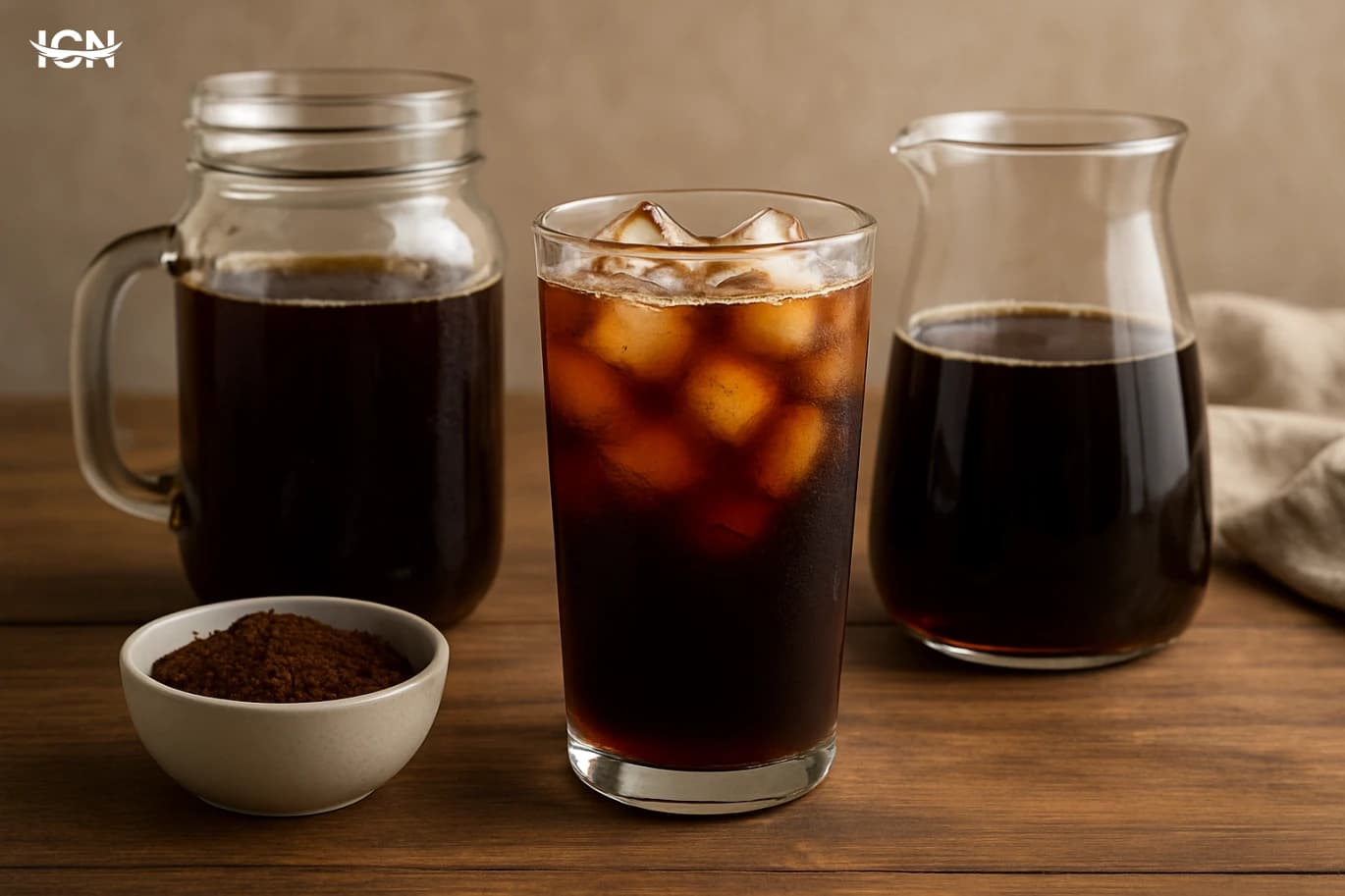
Cold brew is not just iced coffee. It is brewed with time instead of heat, typically by steeping ground coffee in cool water for 12–18 hours. That slow extraction changes what ends up in the cup: fewer sharp, high-note compounds and more rounded sweetness and chocolate-like flavors, depending on the beans. Many people describe it as smoother because the bitterness can feel lower when the brew is diluted with water or milk. From a practical standpoint, cold brew is also a concentrate-friendly method. You can make a batch once, store it in the refrigerator, and build different drinks through the week. That makes it useful for busy mornings, for households with multiple coffee preferences, and for anyone trying to reduce café spending without giving up a consistent drink. The key is to treat it like a recipe: control grind size, coffee-to-water ratio, steep time, and filtration so the results are repeatable.
Cold Brew Coffee at Home
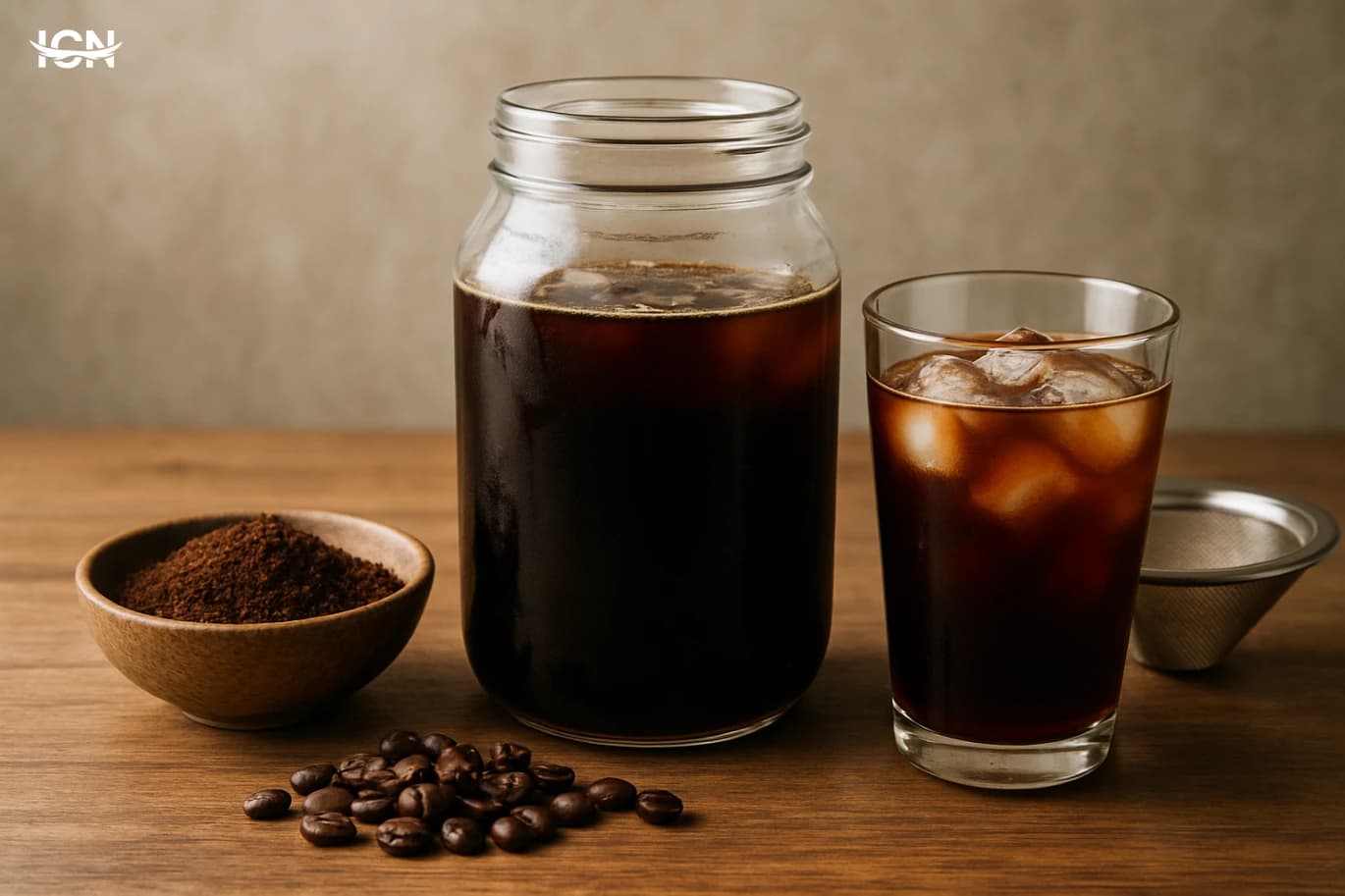
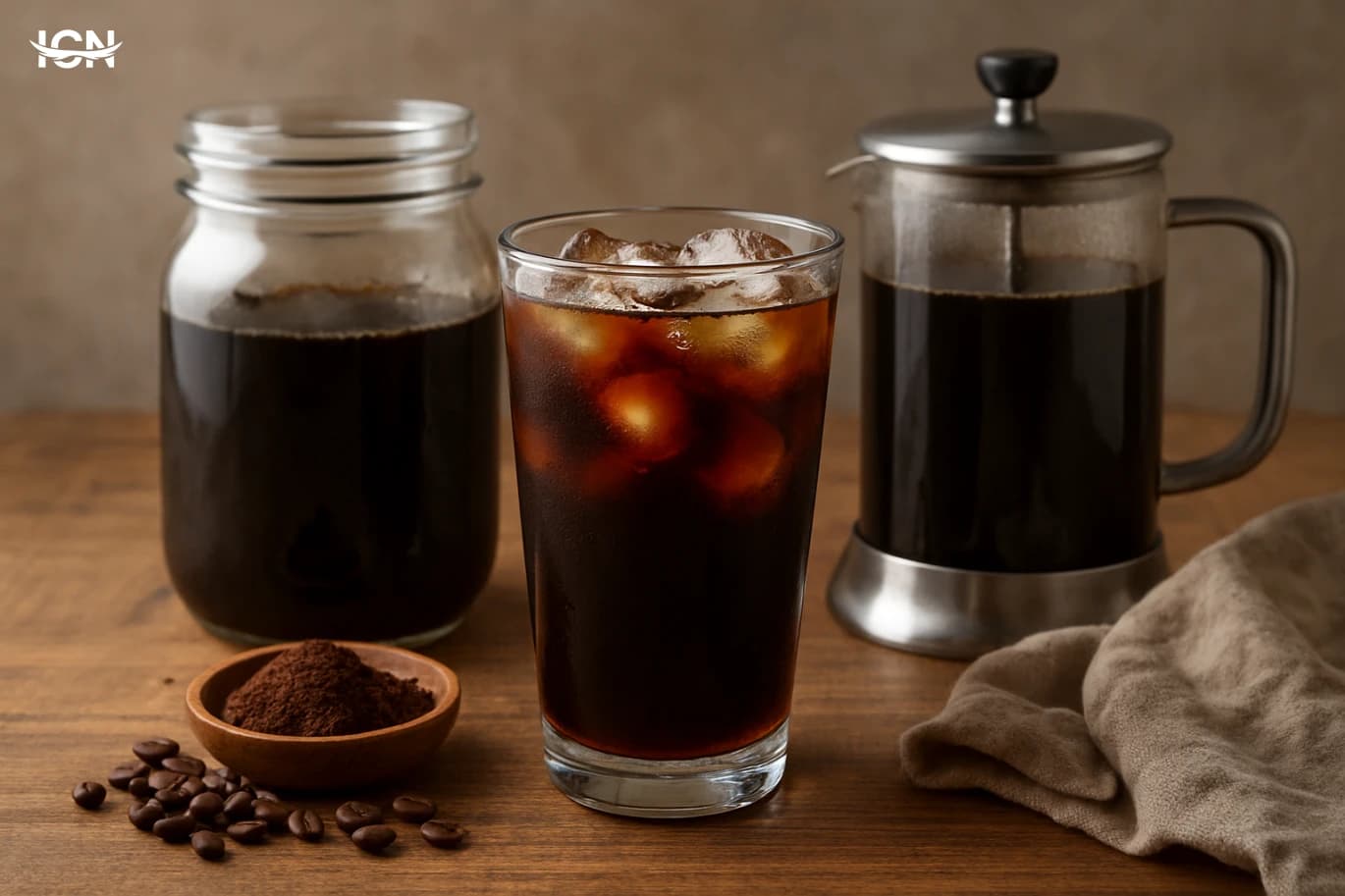
Cold brew is not just iced coffee. It is brewed with cold or room-temperature water over a long steep, typically 12–18 hours, which changes what gets extracted from the coffee grounds. Lower temperatures pull fewer sharp acids and more of the heavier, chocolatey and nutty compounds, so the cup often tastes smoother and less tangy. That does not mean it is weak; the method usually produces a concentrate that is later diluted with water or milk. This difference matters when you plan your recipe. A cold brew that tastes balanced on day one can become flat if the grind is too fine or the steep is too long, because over-extraction still happens even in cold water. The goal is a clean, sweet profile with a clear coffee aroma, not a muddy or overly bitter drink. Understanding the extraction logic helps you choose beans, grind size, and steep time with intention rather than trial and error.
Cold Brew Coffee at Home
Cold brew is not just iced coffee. It is brewed with room-temperature or cold water over a long steep, typically 12–18 hours, which changes what gets extracted from the grounds. The result is usually lower perceived acidity, a rounder sweetness, and a smoother finish compared with hot-brewed coffee poured over ice. Because extraction is slower, cold brew can highlight chocolate, nut, and caramel notes while muting sharp citrus or floral edges, depending on the beans. This difference also affects how you serve it. Cold brew is often made as a concentrate, then diluted with water, milk, or sparkling water. That flexibility makes it practical for busy mornings and for batch preparation. It also means you can control strength precisely, which is harder to do with standard iced coffee once it is already melted and diluted.
Cold Brew at Home Without Guesswork
Cold brew is not just iced coffee. It is coffee extracted with cool water over a long period, which changes what ends up in the cup. Lower temperatures slow down the extraction of certain bitter compounds and emphasize chocolate, nutty, and caramel notes that many people describe as smoother. The result is also less aromatic than hot coffee, so the flavor feels rounder and less sharp. This difference matters when you make it at home because the method is forgiving in some ways and strict in others. It forgives small temperature changes because it is brewed at room temperature or in the fridge. But it is strict about time, grind size, and ratio. If you understand what controls extraction, you can avoid the two common outcomes: a weak, watery brew or an over-extracted concentrate that tastes woody. Cold brew also behaves differently with milk and sweeteners. Because it is less acidic, it can taste muted when diluted too much. That is why many recipes create a concentrate first and then dilute to taste. Treat it as a base you can tune rather than a finished drink that must be perfect straight from the jar.
Cold Brew Coffee at Home Made Reliable
Cold brew is not iced coffee. It is brewed with cold or room-temperature water over a long steep, which changes what gets extracted from the grounds. The result is typically smoother, less sharp, and often perceived as less acidic because fewer of the fast-extracting compounds dominate the cup. That difference matters if you want a drink that stays balanced even after adding ice, milk, or a flavored syrup. For home preparation, cold brew is also forgiving. You do not need a kettle, a precise pour pattern, or a high-end espresso machine. What you do need is a consistent ratio, a suitable grind, and a clear plan for steep time and filtration. When those basics are set, you can produce a repeatable concentrate that works for quick weekday drinks and for batch preparation when guests are over.
Cold Brew Coffee at Home
Cold brew is not just iced coffee. It is coffee extracted with cold or room-temperature water over a long steep, typically 12–18 hours. That slower extraction changes what ends up in the cup. You usually get lower perceived acidity, a rounder mouthfeel, and more emphasis on chocolate, caramel, and nut notes rather than sharp citrus. The difference comes from chemistry and time: cold water pulls fewer of the compounds that read as bright or tangy, while still extracting plenty of aroma and sweetness when the grind size and ratio are right. For home brewers, this matters because cold brew is forgiving in some ways and strict in others. It is forgiving about water temperature and timing by an hour or two, but it is strict about grind size, filtration, and storage. A too-fine grind can lead to bitterness and a muddy texture, while weak filtration can leave sediment that continues extracting in the fridge. Understanding these basics helps you make a cold brew that tastes clean and consistent, not just “strong coffee served cold.”
Cold Brew at Home Without Guesswork
Cold brew is not just “iced coffee.” It is coffee extracted with cold or room‑temperature water over many hours, which changes what dissolves into the drink. Lower temperatures slow the extraction of sharp, fast‑moving compounds, so the cup often tastes smoother and less bitter than hot coffee poured over ice. That does not mean it is weak: cold brew can be highly concentrated, and many cafés dilute it before serving. Understanding this helps you set expectations at home. Cold brew tends to highlight chocolate, nut, and caramel notes, while bright citrus acidity can feel muted. If you want a crisp, high‑acid profile, you may prefer iced pour‑over or flash‑chilled coffee. If you want a steady, mellow base for milk, sparkling water, or simple syrups, cold brew is a practical choice. It is also a workflow drink. You can brew a batch once or twice a week, store it in the refrigerator, and serve it quickly. The trade‑off is that small changes in grind size, ratio, and steep time can shift the result from clean and sweet to flat or overly woody. The goal of this guide is to remove the guesswork with clear, repeatable parameters.
Cold Brew Coffee at Home
Cold brew is not just iced coffee. It is coffee extracted with cold or room-temperature water over a long steep, typically 12–18 hours. That slower extraction pulls fewer bitter compounds and less acidity than hot brewing, which is why many people describe cold brew as smoother and more chocolate-forward. The trade-off is that it can highlight roast flavors and sweetness while muting some bright, fruity notes you might expect from a pour-over. The method also changes how you should think about strength. Many home recipes produce a concentrate that is later diluted with water or milk. If you drink it undiluted, it can taste heavy and overly intense, and it may deliver more caffeine than expected. Understanding that “cold brew” often means “concentrate” helps you control flavor and avoid wasting beans while chasing a taste that is actually a dilution issue.
Cold Brew Coffee at Home
Cold brew is not just iced coffee. It is coffee extracted with cold or room‑temperature water over a long period, usually 12–18 hours. That slower extraction pulls fewer bitter compounds and less perceived acidity than hot brewing, which is why many people describe cold brew as smoother and more chocolate‑ or nut‑leaning. It also tends to highlight sweetness when the grind and ratio are right, even without added sugar. From a practical standpoint, cold brew is forgiving. Because the water is not hot, small mistakes in timing or temperature rarely create harsh flavors. The trade‑off is that it can taste flat if the coffee is stale, the grind is too coarse, or the brew is diluted too much. Understanding that balance—smoothness without losing aroma—is the key to making it taste like a café drink rather than a watered‑down coffee.
International Coffee Day
A. The beginning of the celebration and its development over the years, the date of the International Coffee Day dates back to 2015, as the International Coffee Organization announced to celebrate the coffee drink and share its culture around the world. October 1 was determined as an official day for the celebration, where it is held annually. The celebration has evolved to include various activities and activities, such as tasting coffee and discussions about their cultivation and ways to prepare them. for. Persons and sponsoring institutions participate in the celebration of many people and institutions, including local cafes and international companies. Coffee farmers and environmental organizations also participate in enhancing the sustainable culture of coffee implant, which makes this day an occasion to celebrate the heritage of this drink.
By clicking the SUBSCRIBE button, you are agreeing to our Privacy & Cookie Policy If you want to unsubsribe the marketing email, please proceed to our privacy center.
© 2005-2026 ICN. All Rights Reserved.