Cold Brew Coffee at Home
- Why cold brew tastes different
- Choosing beans and grind size
- A reliable home recipe
- Common mistakes and quick fixes
- Serving ideas and safe caffeine habits
Why cold brew tastes different
Cold brew is not just iced coffee. It is coffee extracted with cold or room-temperature water over a long steep, typically 12–18 hours. That slower extraction pulls fewer bitter compounds and less acidity than hot brewing, which is why many people describe cold brew as smoother and more chocolate-forward. The trade-off is that it can highlight roast flavors and sweetness while muting some bright, fruity notes you might expect from a pour-over. The method also changes how you should think about strength. Many home recipes produce a concentrate that is later diluted with water or milk. If you drink it undiluted, it can taste heavy and overly intense, and it may deliver more caffeine than expected. Understanding that “cold brew” often means “concentrate” helps you control flavor and avoid wasting beans while chasing a taste that is actually a dilution issue.
Choosing beans and grind size
You can make cold brew with almost any coffee, but the results vary sharply. Medium roasts often balance sweetness and body, while darker roasts can lean toward cocoa and toasted flavors that many people like in milk-based drinks. Very light roasts can work, but they may taste thin if the grind is too coarse or the steep is too short. If you are buying specifically for cold brew, look for tasting notes like chocolate, caramel, hazelnut, or stone fruit rather than very floral profiles. Grind size matters more than many home brewers realize. A coarse grind similar to French press reduces sediment and makes filtration easier, but if it is too coarse you may under-extract and end up with a watery cup. A medium-coarse grind is a practical middle ground for most kitchen strainers and paper filters. Freshness also plays a role: beans roasted within the past 2–6 weeks usually deliver clearer flavor. Pre-ground coffee is convenient, but it often produces more fines, which can make the final drink cloudy and slightly astringent.
A reliable home recipe
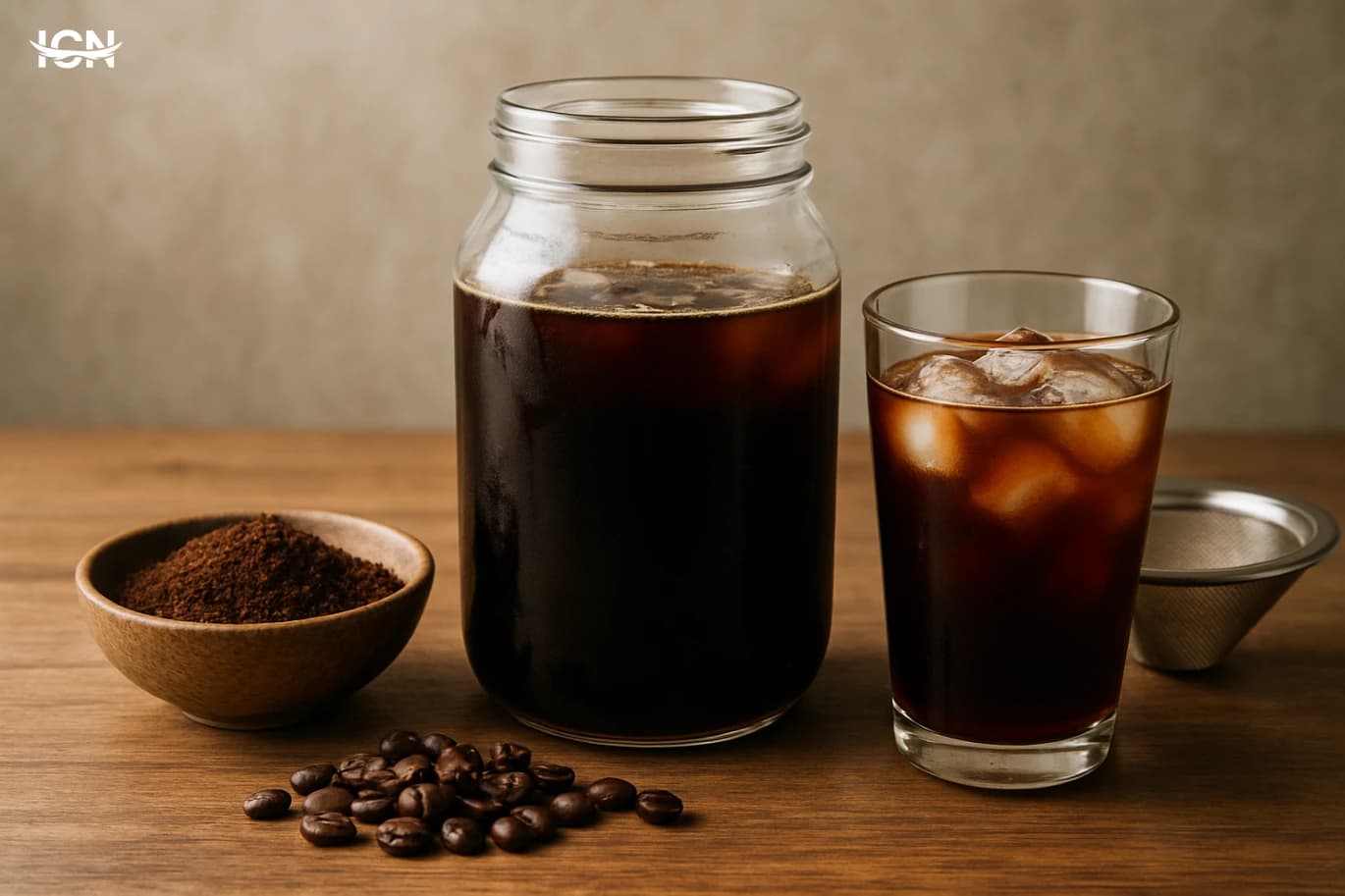
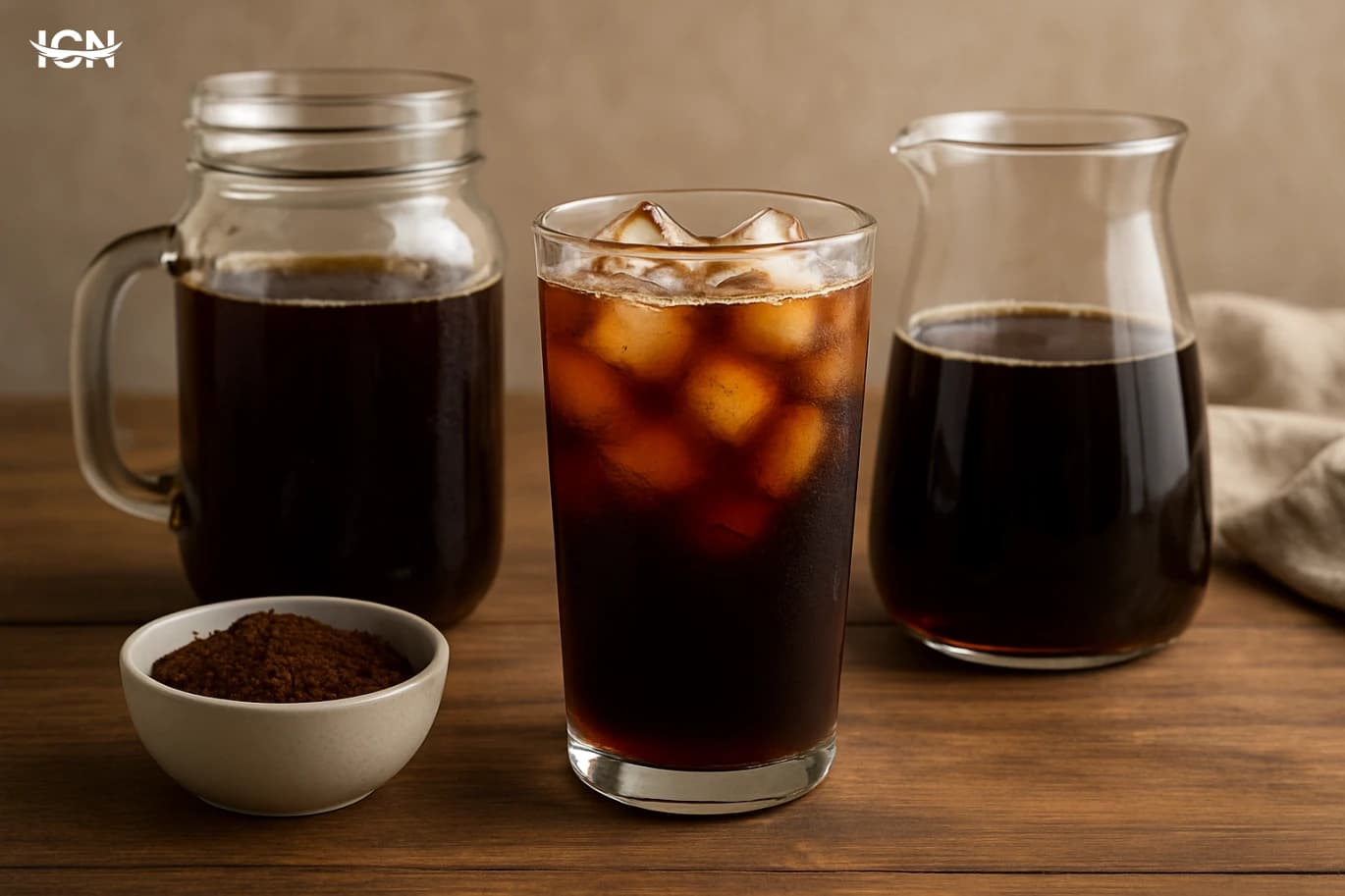
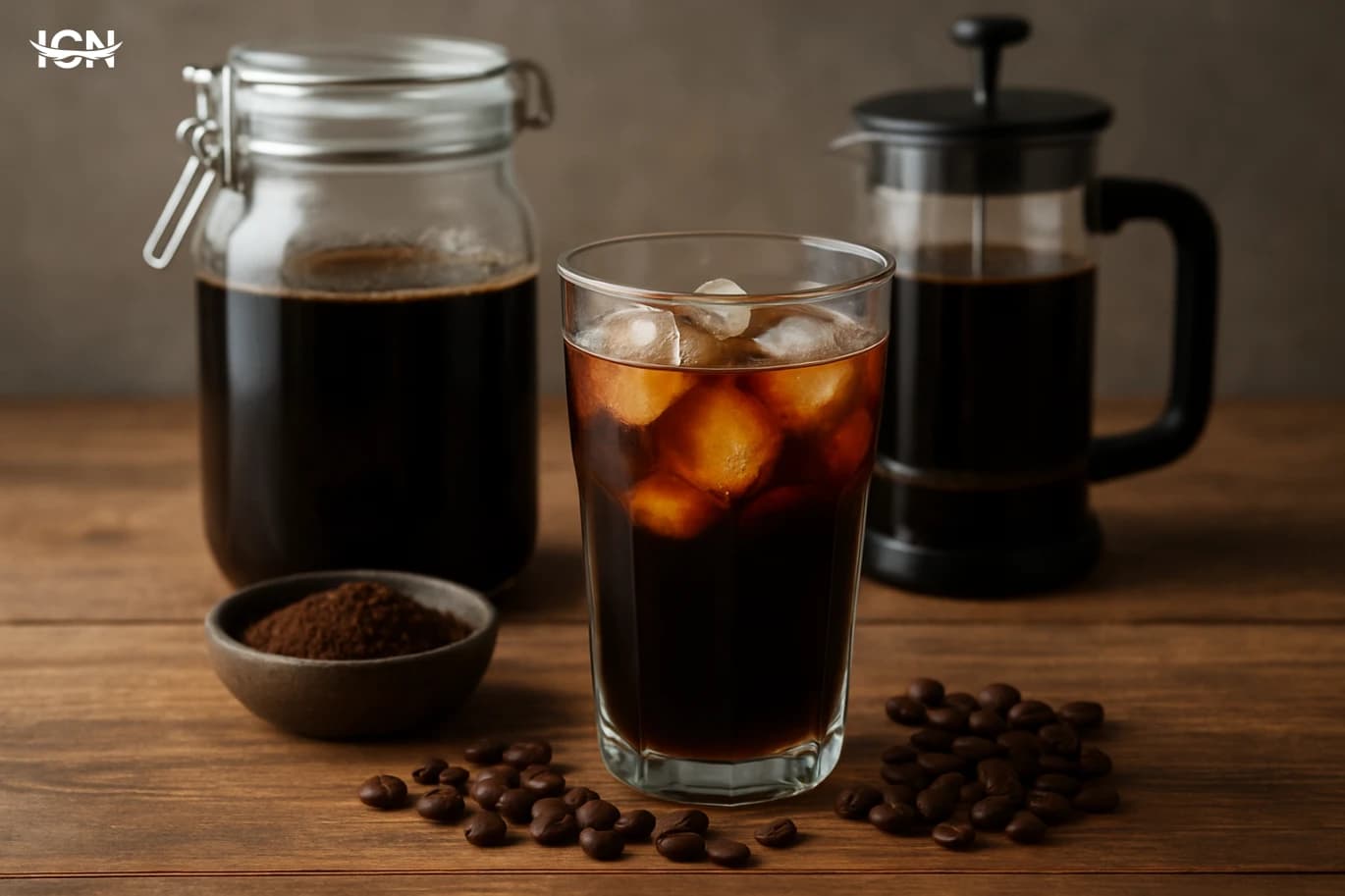
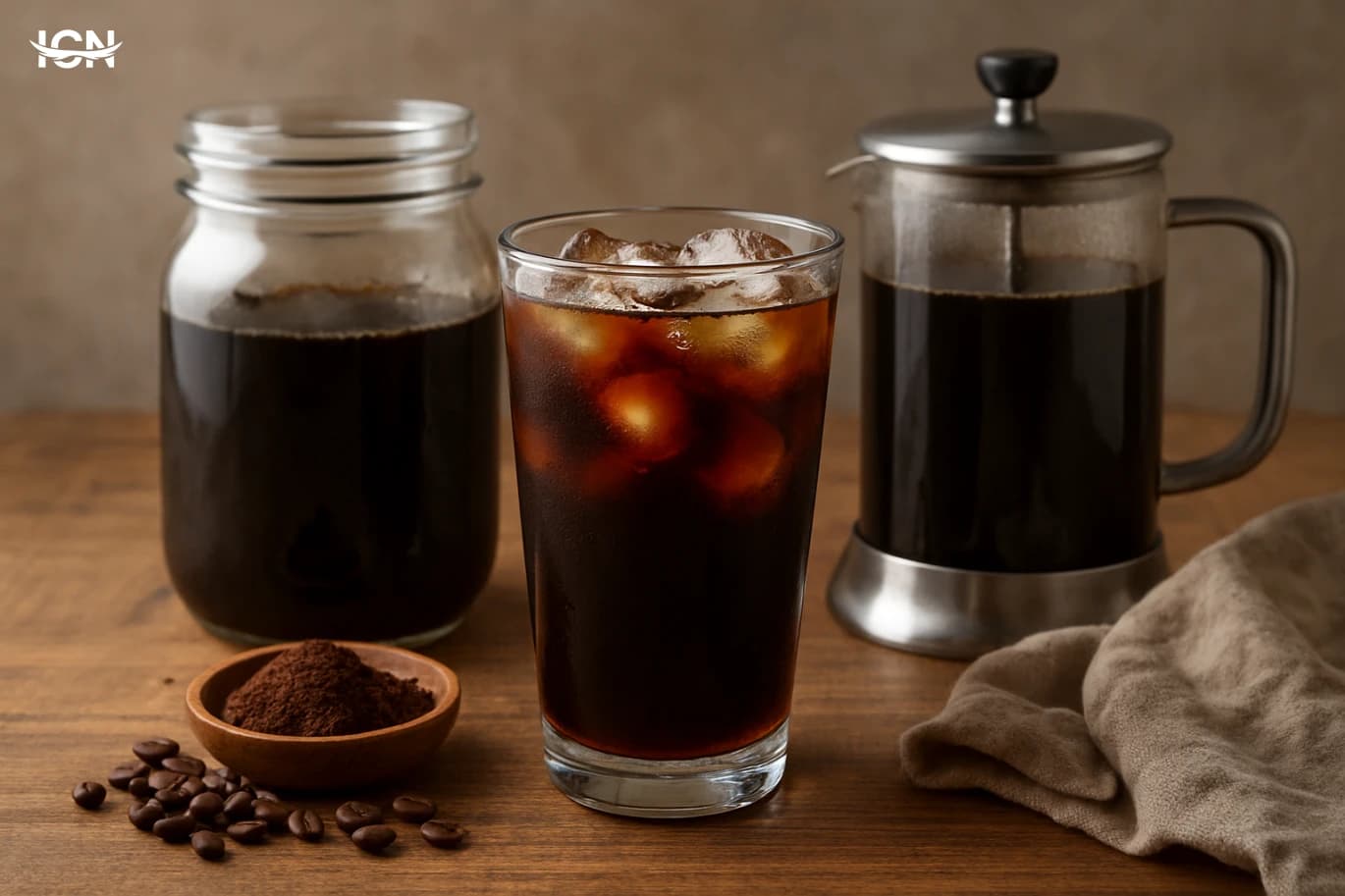
A dependable starting ratio for cold brew concentrate is 1:5 by weight: for example, 100 grams of coffee to 500 grams of water. If you prefer a ready-to-drink batch, use 1:10, such as 100 grams of coffee to 1,000 grams of water. Use filtered water if possible; water with strong chlorine or mineral taste will show up clearly in a cold extraction. Combine coffee and water in a clean jar or pitcher, stir to fully wet the grounds, then cover. Steep 12–16 hours at room temperature, or 16–20 hours in the refrigerator. Room-temperature steeping is faster and often yields a fuller body; refrigerator steeping is slower and can taste slightly cleaner. After steeping, strain through a fine mesh sieve, then filter again through a paper filter or clean cloth to reduce sediment. Store in the refrigerator in a sealed container. Concentrate typically keeps its best flavor for about 5–7 days, while ready-to-drink batches are best within 3–5 days. For serving, dilute concentrate with water or milk. A common starting point is 1:1, then adjust. If it tastes flat, reduce dilution; if it tastes harsh or heavy, increase dilution and add ice. Sweeteners dissolve more slowly in cold drinks, so simple syrup or honey syrup mixes more evenly than granulated sugar.
Common mistakes and quick fixes
The most common problem is muddiness and grit. This usually comes from too fine a grind or aggressive stirring that breaks grounds into smaller particles. Fix it by grinding coarser, stirring gently once at the start, and filtering twice. If you do not have paper filters, let the strained coffee sit for 10 minutes, then pour slowly to leave sediment behind. Another frequent issue is a sour, weak taste. Cold brew can still be under-extracted, especially with very coarse grinds or short steep times. Extend the steep by 2–4 hours, or move from refrigerator steeping to room temperature. If it tastes bitter and dry, you may be over-extracting or using a roast that is too dark for your preference. Shorten the steep, use cooler conditions, or increase dilution. Finally, pay attention to cleanliness. Because cold brew sits for many hours, any residue in jars, lids, or strainers can add off flavors. Wash equipment thoroughly and avoid storing in containers that previously held strongly scented foods. These small steps often make a bigger difference than changing beans.
Serving ideas and safe caffeine habits
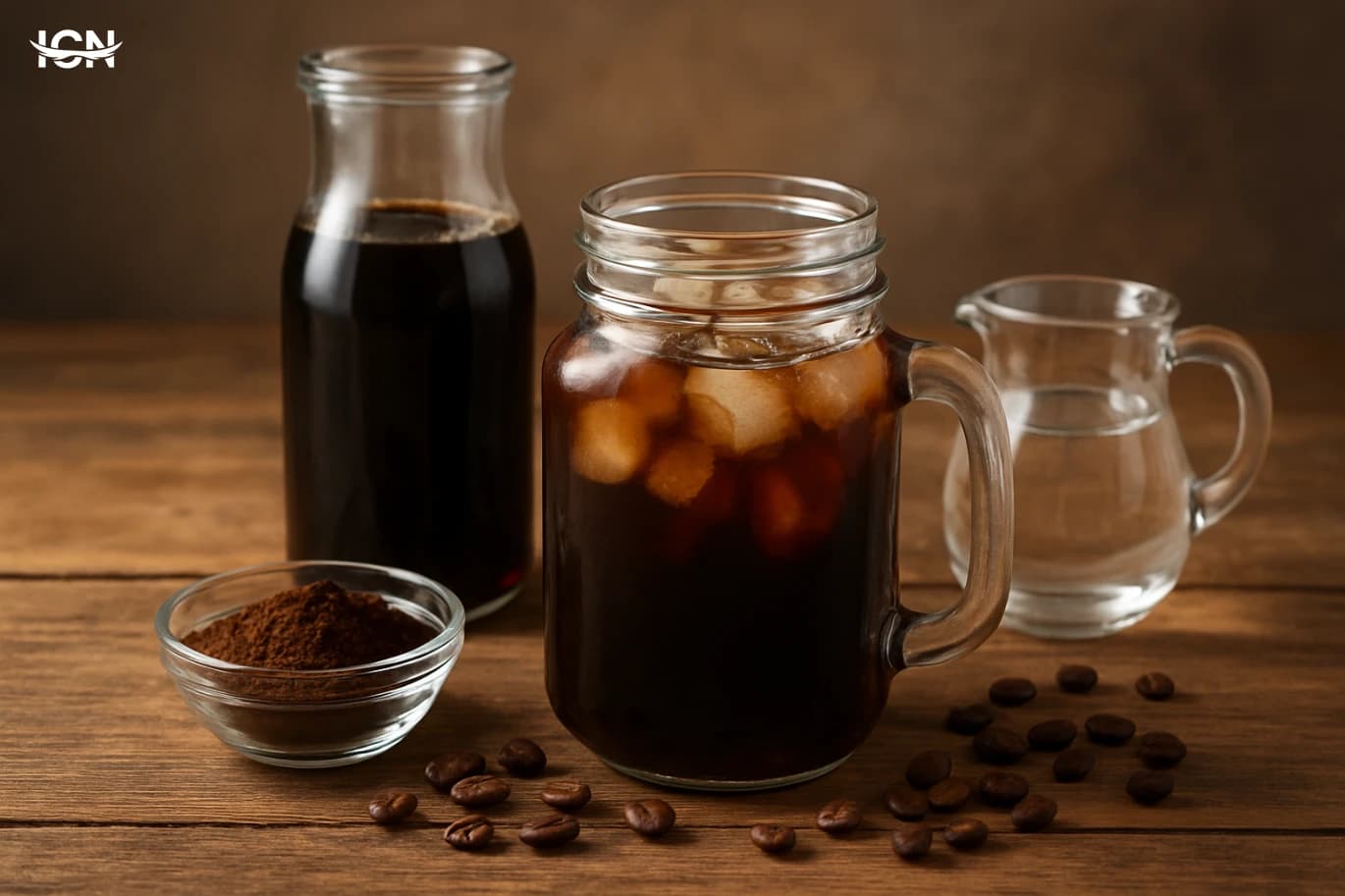
Cold brew is versatile because its lower perceived acidity pairs well with dairy and alternatives. Try it with milk and a small amount of simple syrup for a café-style drink, or mix with tonic water and a citrus peel for a sharper, refreshing option. For a batch approach, keep a bottle of concentrate and a bottle of dilution water in the refrigerator so you can adjust each glass. If you want flavor without heavy sweetness, a pinch of salt can soften bitterness, and a small amount of vanilla extract can add aroma without changing texture. Caffeine can be the hidden variable. Concentrate can deliver a large dose quickly, especially in larger cups. If you are sensitive to caffeine, start with a higher dilution, smaller servings, and avoid drinking it late in the day. Also remember that cold brew’s smoothness can make it easy to drink faster than hot coffee. Treat it like a strong beverage: measure your ratio, label the bottle with the brew date, and keep portions consistent so you can enjoy the flavor without unintended side effects.