Cold Brew Coffee at Home
- Why cold brew tastes different
- Choosing beans and grind size
- A reliable home recipe
- Common mistakes and quick fixes
- Serving ideas and safe storage
Why cold brew tastes different
Cold brew is not just iced coffee. It is coffee extracted with cold or room‑temperature water over a long period, usually 12–18 hours. That slower extraction pulls fewer bitter compounds and less perceived acidity than hot brewing, which is why many people describe cold brew as smoother and more chocolate‑ or nut‑leaning. It also tends to highlight sweetness when the grind and ratio are right, even without added sugar. From a practical standpoint, cold brew is forgiving. Because the water is not hot, small mistakes in timing or temperature rarely create harsh flavors. The trade‑off is that it can taste flat if the coffee is stale, the grind is too coarse, or the brew is diluted too much. Understanding that balance—smoothness without losing aroma—is the key to making it taste like a café drink rather than a watered‑down coffee.
Choosing beans and grind size
Start with fresh beans. If you can, buy coffee with a roast date and use it within four weeks. Medium to medium‑dark roasts often work well for cold brew because they deliver body and sweetness, but light roasts can be excellent if you want fruitier notes—just expect a more delicate aroma. Single‑origin beans can be interesting, yet blends are often easier for consistent results. Grind size matters more than many home brewers expect. For immersion cold brew, aim for a coarse grind similar to raw sugar or French press. Too fine and you will extract more bitterness and end up with sludge that is hard to filter; too coarse and the drink can taste thin. If you do not own a grinder, ask the café to grind for cold brew or French press, and store the ground coffee in an airtight container away from heat and light. Even then, ground coffee loses aroma quickly, so smaller purchases usually taste better.
A reliable home recipe
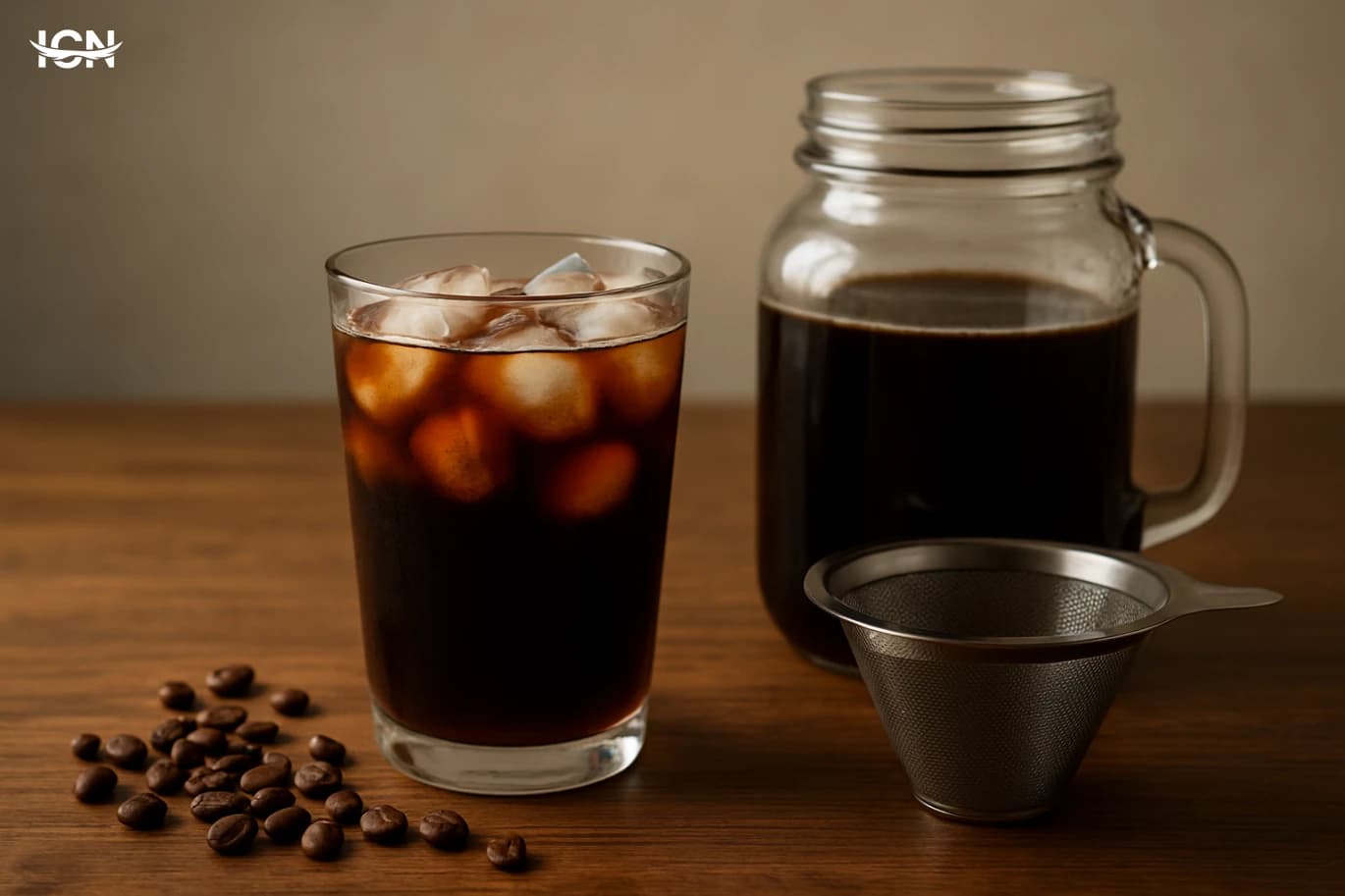
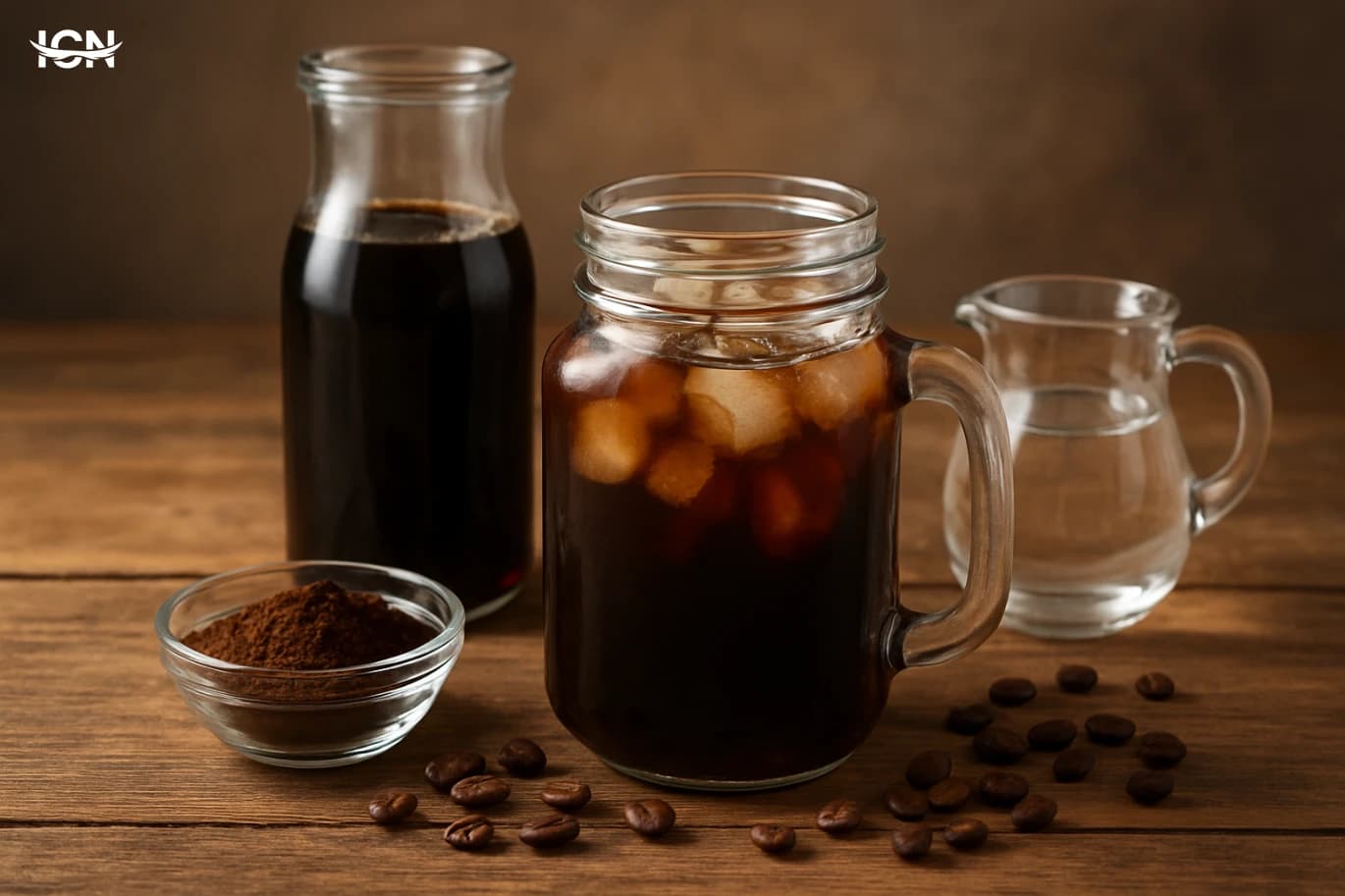
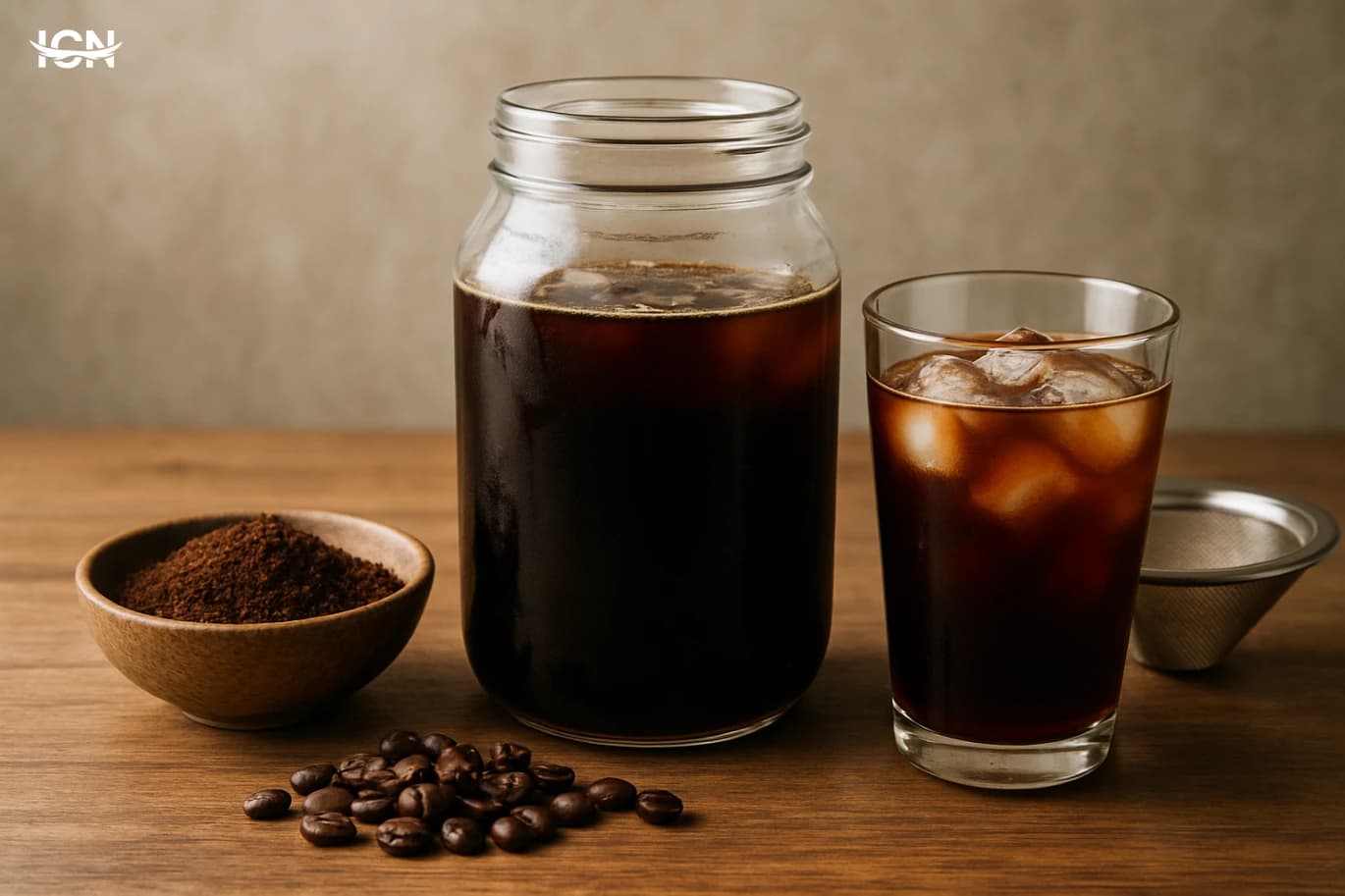
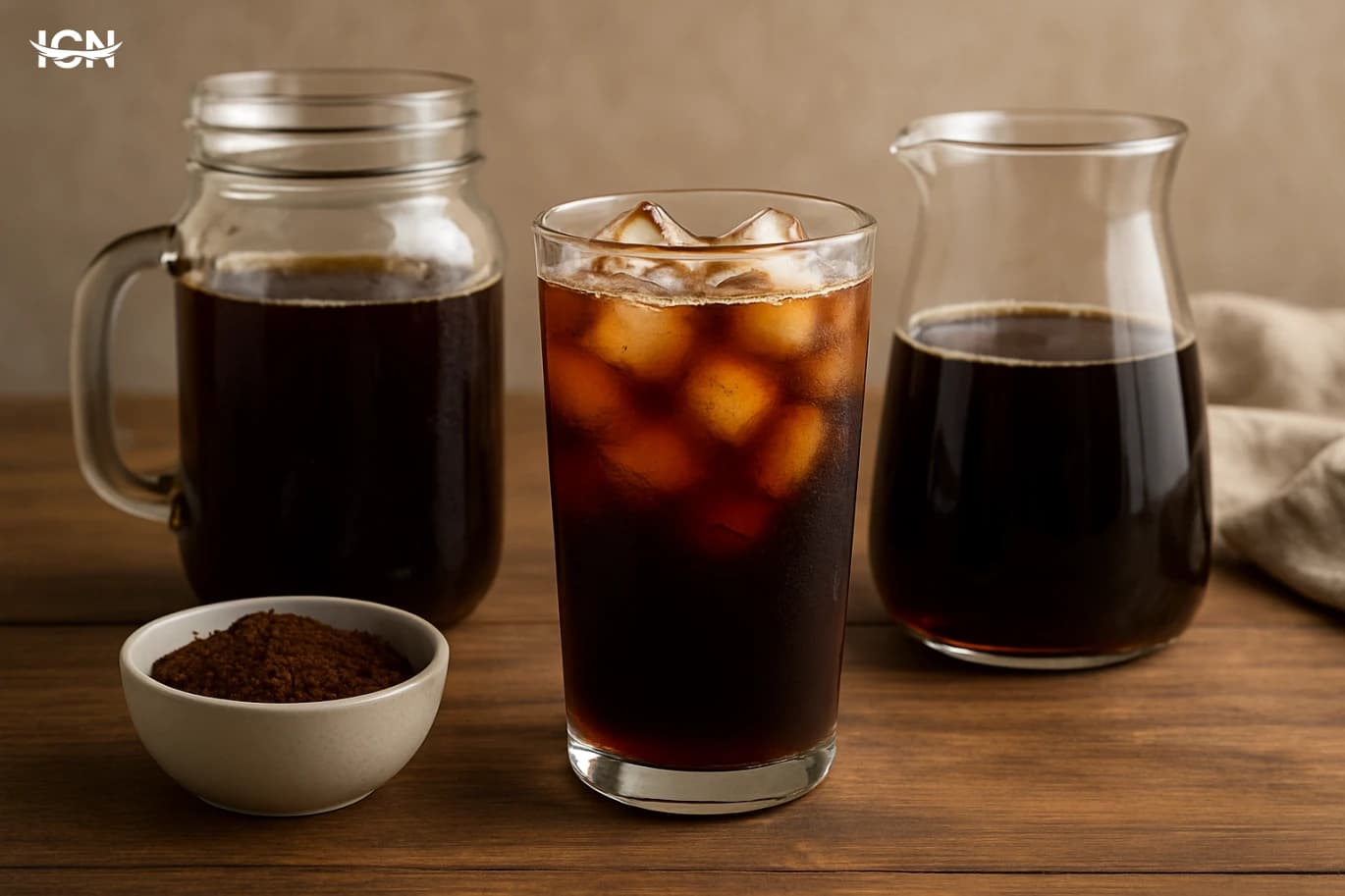
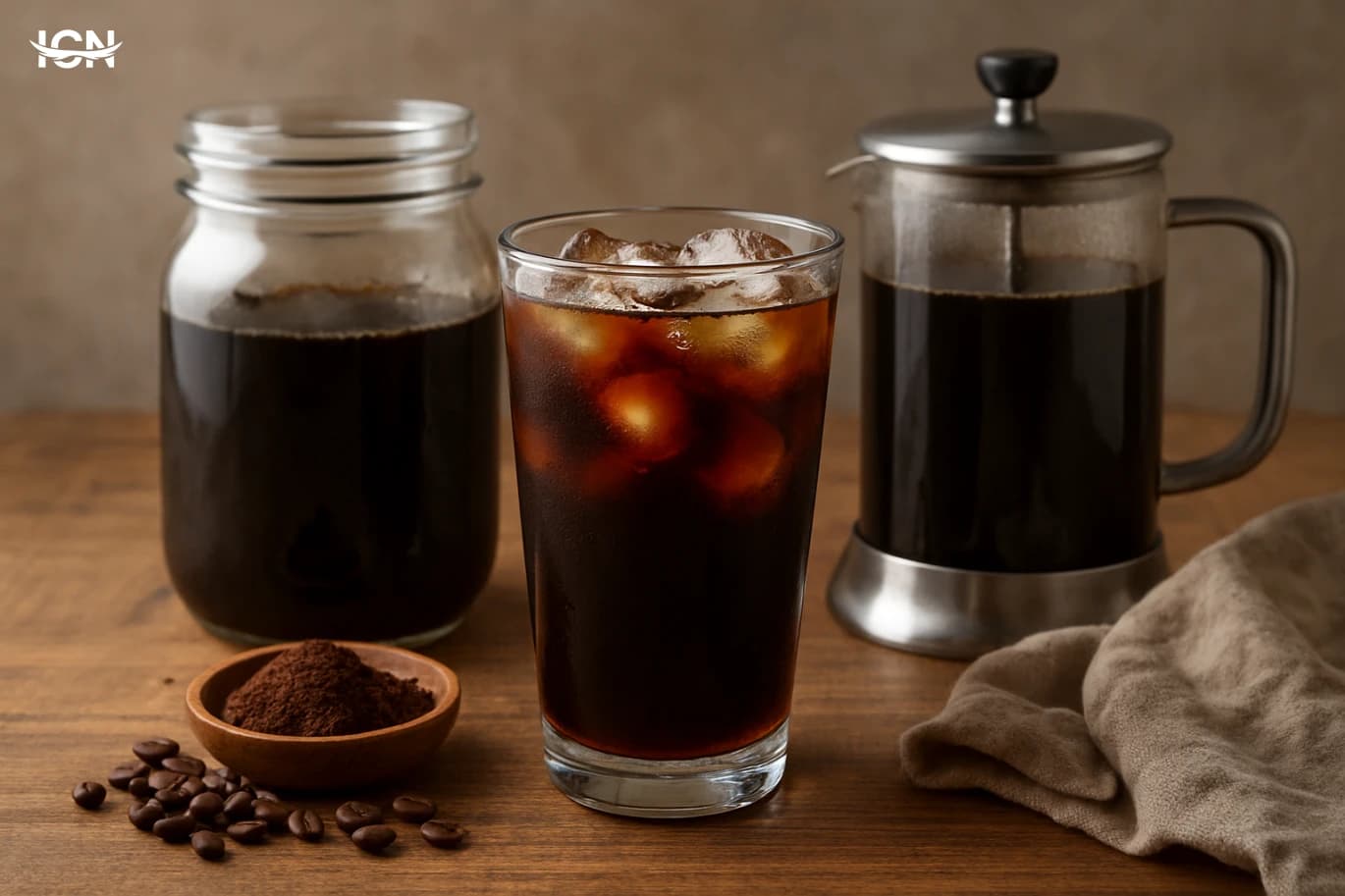
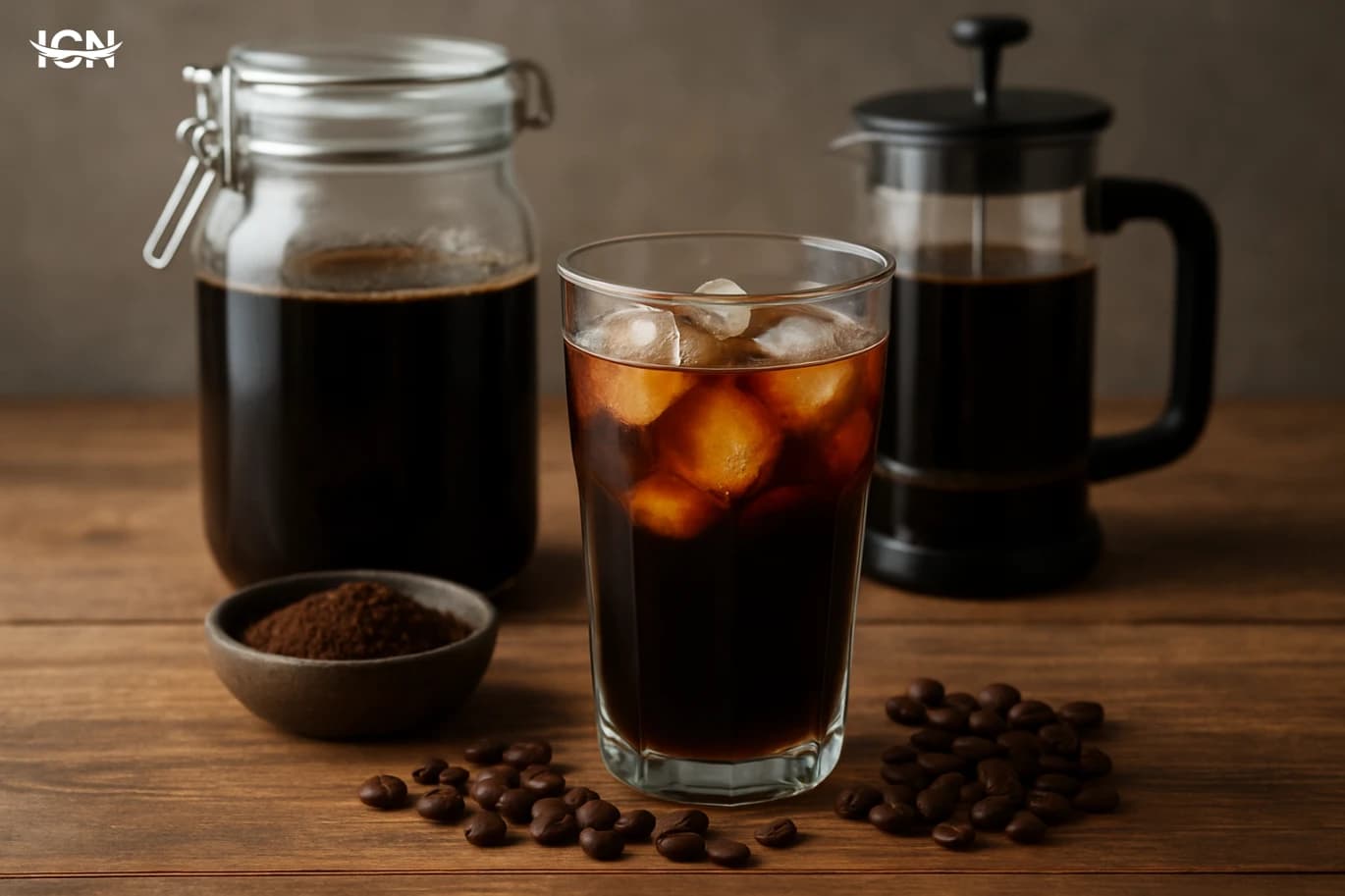
A dependable starting point is a concentrate you can dilute to taste. Use a ratio of 1:5 by weight: for example, 200 grams of coarsely ground coffee to 1,000 grams (1 liter) of filtered water. Put the coffee in a large jar or pitcher, add the water, and stir thoroughly so all grounds are wet. Cover and let it steep 14–16 hours at room temperature, or up to 18 hours in the refrigerator if your kitchen is warm. Filtering is where many batches succeed or fail. First, pour through a fine mesh strainer to remove the bulk of grounds. Then filter again through a paper filter, a clean cotton cloth, or a dedicated cold brew filter bag. The second filtration improves clarity and reduces sediment in the final drink. Store the concentrate in the refrigerator in a sealed bottle; it is best within 5–7 days. To serve, dilute with cold water or milk. A common starting mix is 1 part concentrate to 1 part water, then adjust. Over ice, remember the ice will melt, so slightly stronger is often better. If you want a café‑style drink, add a small pinch of salt to the glass to round bitterness, or use simple syrup for consistent sweetness instead of granulated sugar, which dissolves poorly in cold liquids.
Common mistakes and quick fixes
If your cold brew tastes bitter or harsh, the most common causes are a grind that is too fine, an overly long steep, or coffee that is roasted very dark. Fix it by grinding coarser next time, shortening the steep to 12–14 hours, or diluting a little more when serving. Another quick fix is to add milk or a small amount of simple syrup to balance the perception of bitterness. If it tastes weak, you likely used too coarse a grind, too little coffee, or too much dilution. Increase the coffee dose, steep a bit longer, or serve with less water. If it tastes “muddy,” filtration is the issue: add a second paper filter pass and avoid shaking the container before pouring. If it tastes stale or flat, the beans may be old or stored poorly. Cold brew can hide some flaws, but it cannot create aroma that is no longer in the coffee. Buy smaller quantities, keep beans in a sealed container, and avoid storing coffee near the stove or in direct sunlight. Finally, if you notice sourness, it can come from under‑extraction: grind slightly finer or extend the steep by 1–2 hours.
Serving ideas and safe storage
Cold brew is versatile because the concentrate acts like a base. For a simple everyday drink, mix concentrate with water and add a lemon peel twist for aroma. For a milk‑based version, use cold milk, oat milk, or a small splash of cream; the higher fat content can make the drink feel richer without extra sugar. If you like a foamy top, shake concentrate and milk in a sealed jar for 10–15 seconds and pour over ice. For flavor variations, keep them controlled so the coffee remains the focus. Vanilla simple syrup, cinnamon, or a small amount of cocoa can work well. If you use flavored syrups, measure them; inconsistent sweetness is one of the main reasons homemade drinks taste unbalanced. On storage and safety: always refrigerate the finished concentrate, use clean containers, and avoid leaving it at room temperature for extended periods after filtering. While cold brew is generally safe when handled properly, it is still a food product. If you notice off smells, visible mold, or unusual fizzing, discard it. Label the bottle with the brew date so you do not keep it too long. For best flavor, make smaller batches more often rather than stretching one batch for two weeks.