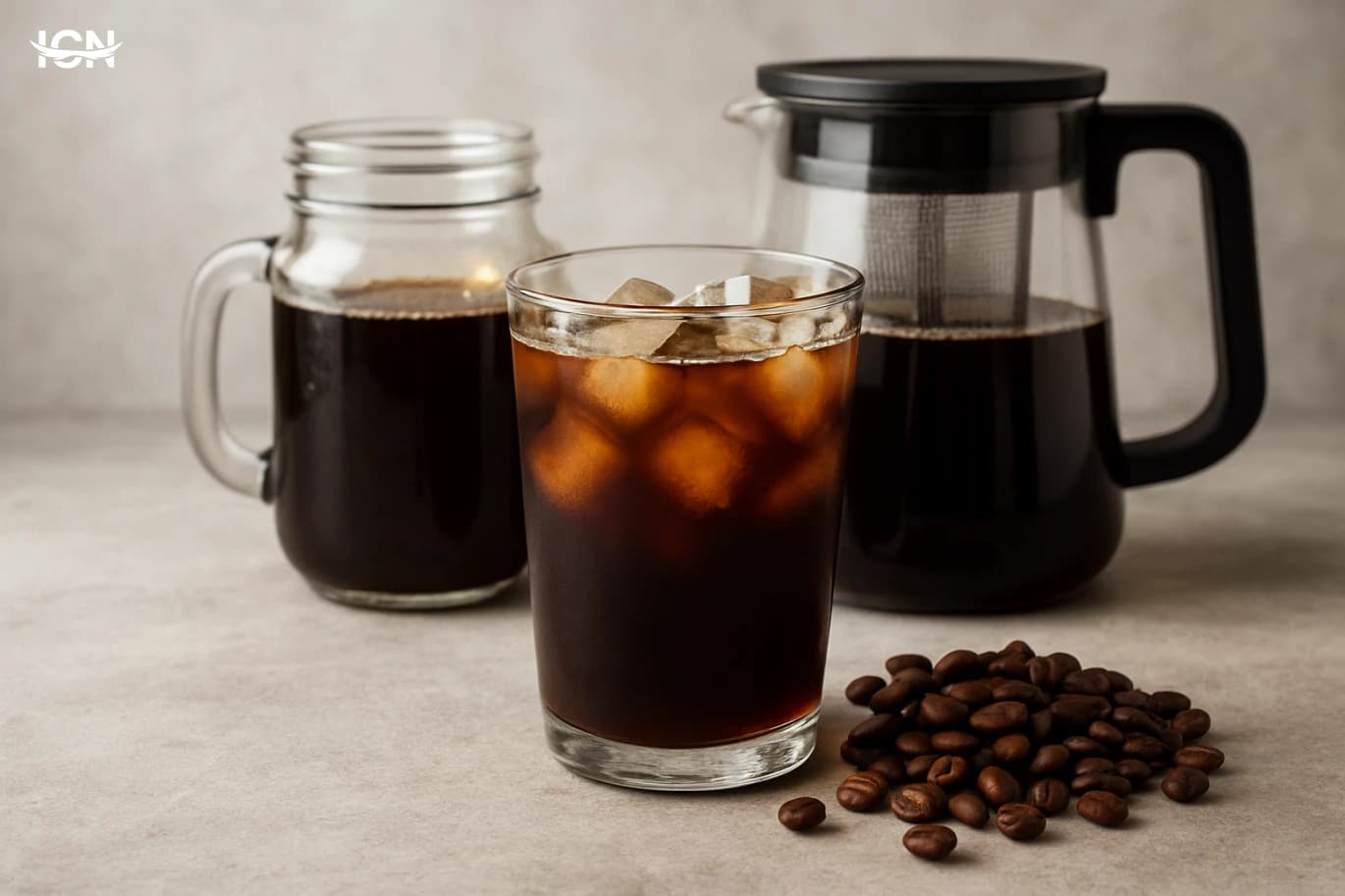
Cold Brew Coffee at Home Made Reliable
- Why Cold Brew Tastes Different
- Beans, Roast, and Grind Choices
- A Repeatable Home Recipe
- Serving, Dilution, and Flavor Options
- Troubleshooting Common Problems
- bookmark
Why Cold Brew Tastes Different
Cold brew is not iced coffee. It is brewed with cold or room-temperature water over a long steep, which changes what gets extracted from the grounds. The result is typically smoother, less sharp, and often perceived as less acidic because fewer of the fast-extracting compounds dominate the cup. That difference matters if you want a drink that stays balanced even after adding ice, milk, or a flavored syrup. For home preparation, cold brew is also forgiving. You do not need a kettle, a precise pour pattern, or a high-end espresso machine. What you do need is a consistent ratio, a suitable grind, and a clear plan for steep time and filtration. When those basics are set, you can produce a repeatable concentrate that works for quick weekday drinks and for batch preparation when guests are over.
Beans, Roast, and Grind Choices
Start with fresh coffee, but do not overthink rarity. A medium roast is a safe baseline because it balances sweetness and cocoa-like notes without pushing heavy smokiness. Light roasts can work, especially if you like brighter fruit notes, but they may taste thin if the steep is short or the ratio is too low. Dark roasts can produce a bold concentrate, yet they can also bring bitterness if the grind is too fine or the steep runs long. Grind size is the most common home mistake. Use a coarse grind similar to what you would use for a French press. Too fine and filtration becomes slow, the drink can turn muddy, and the flavor can skew harsh. If you buy pre-ground coffee, choose the coarsest option available and shorten the steep slightly to reduce over-extraction. As a practical starting point, buy 250 grams of a medium roast you already enjoy as drip coffee. That way you can judge the cold brew result against a familiar reference. If you want a simple flavor target, look for tasting notes like chocolate, caramel, nuts, or dried fruit, which tend to translate well in cold extraction.
A Repeatable Home Recipe
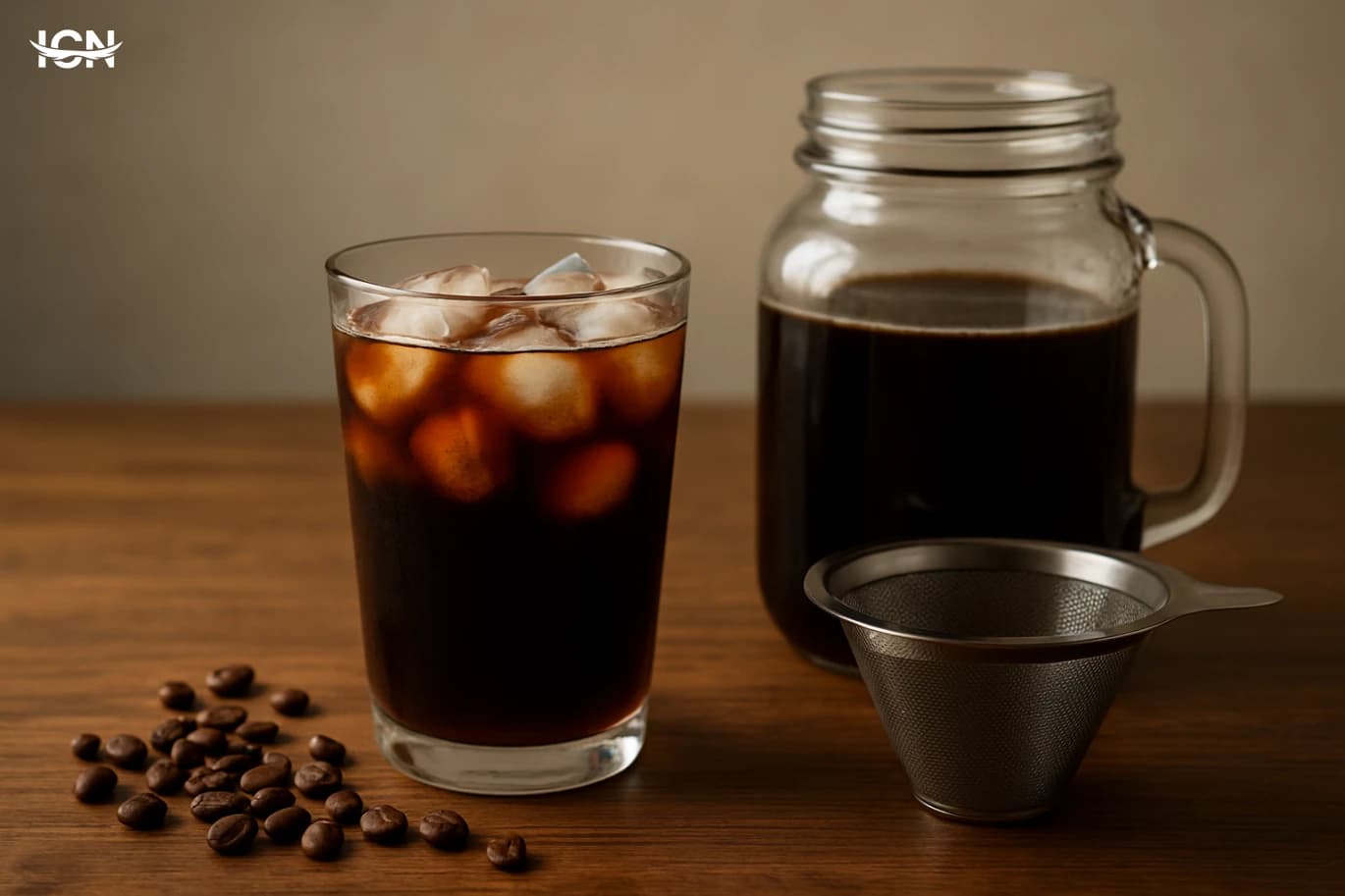
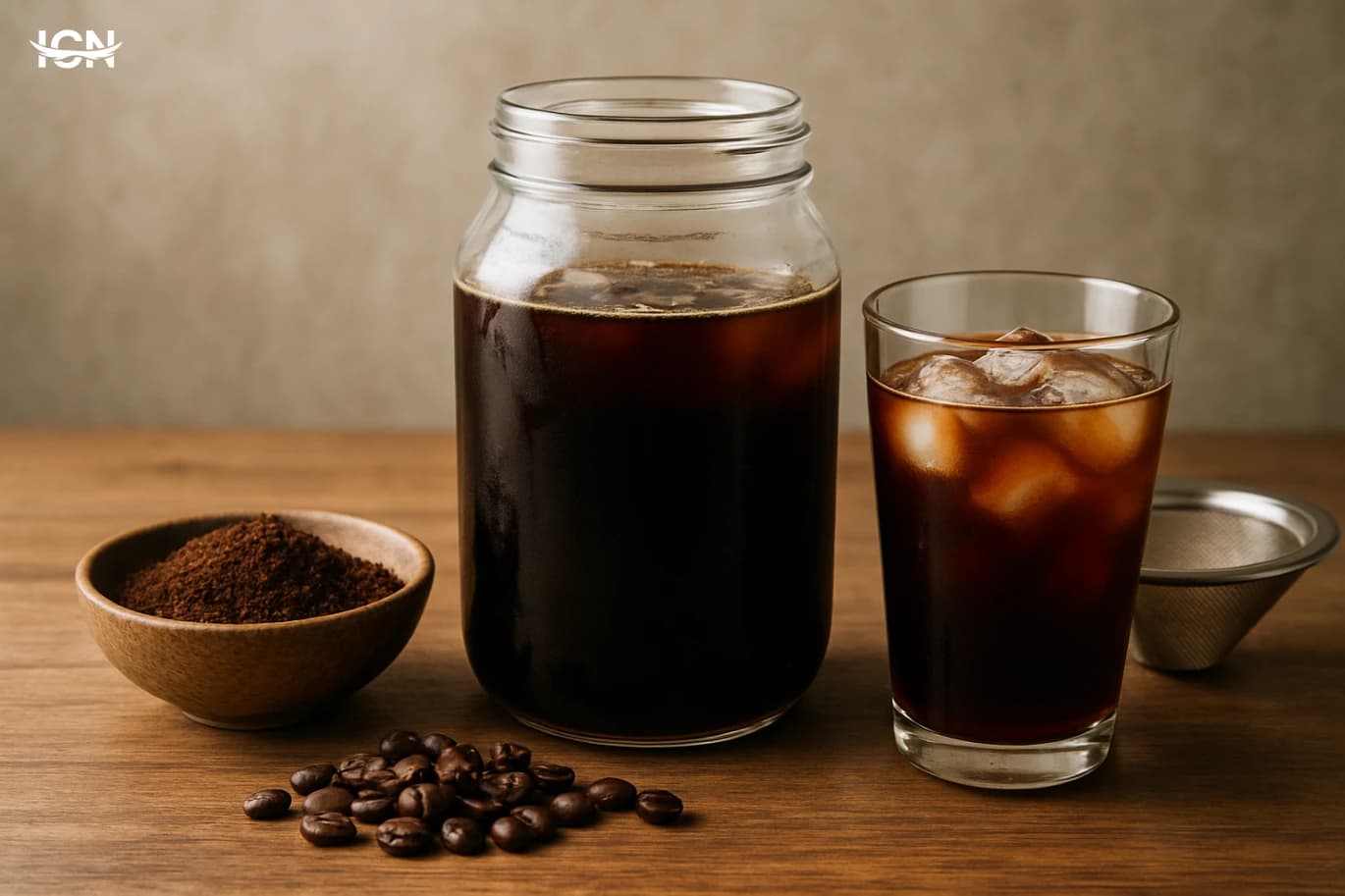
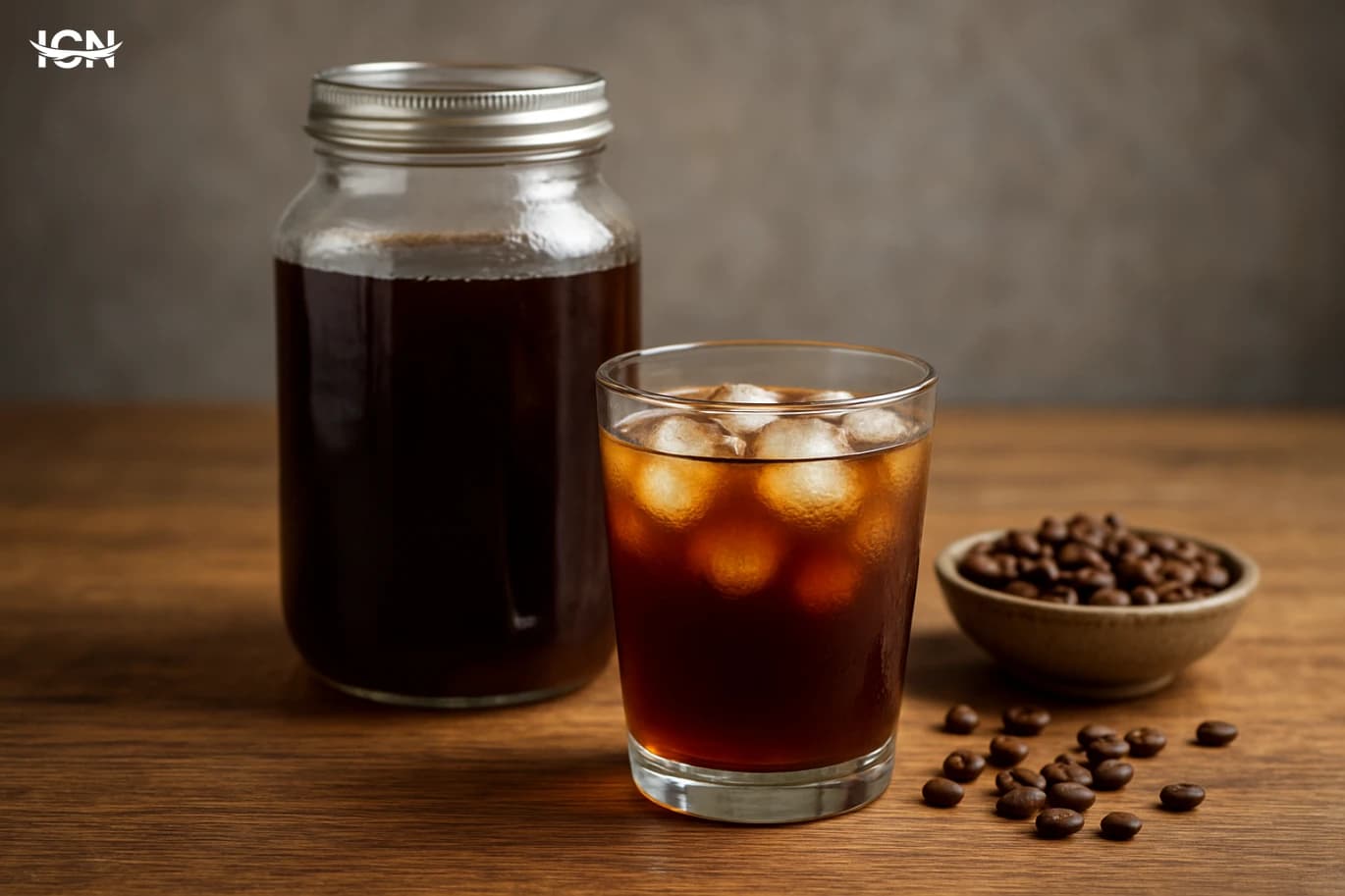
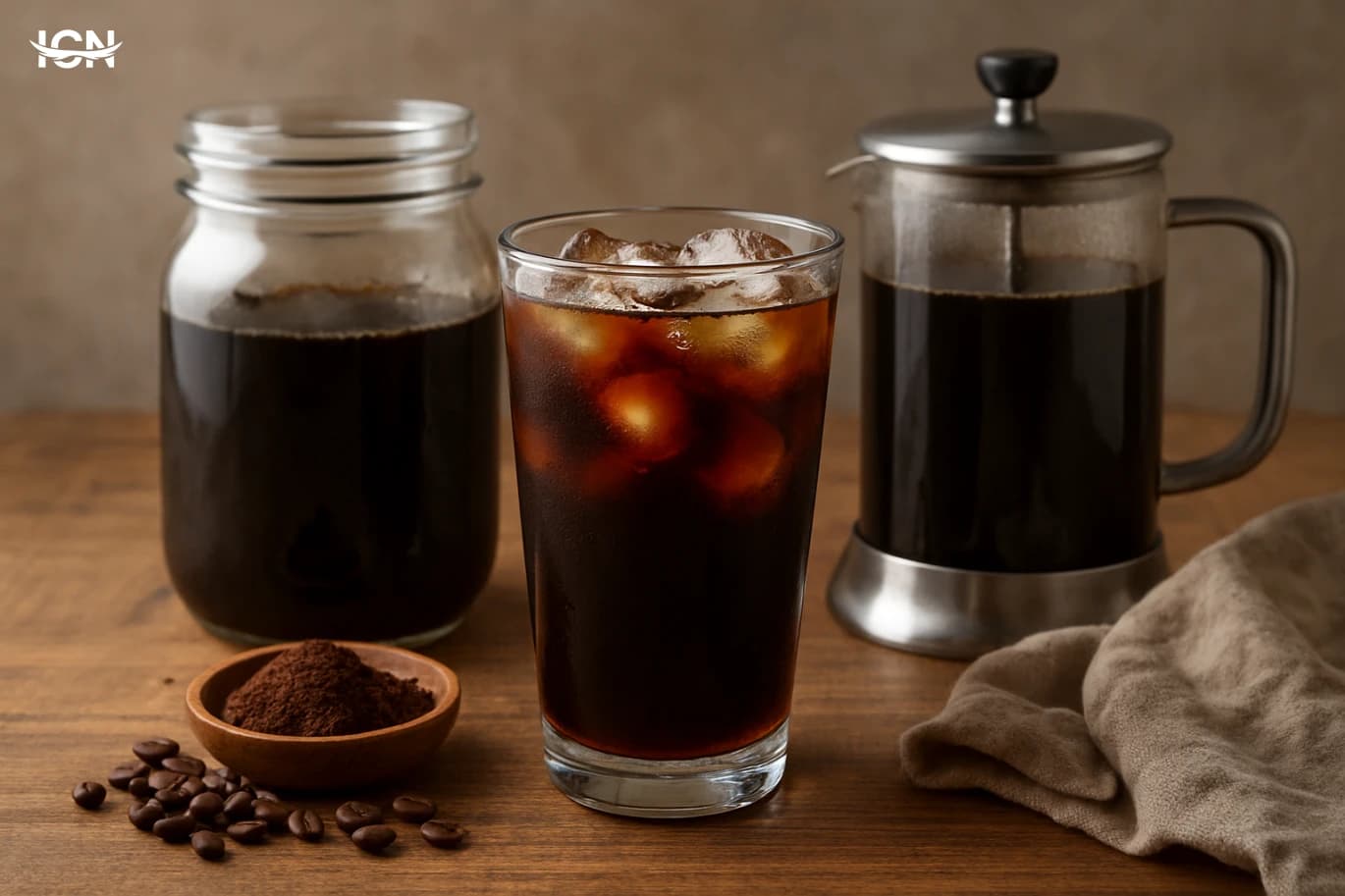
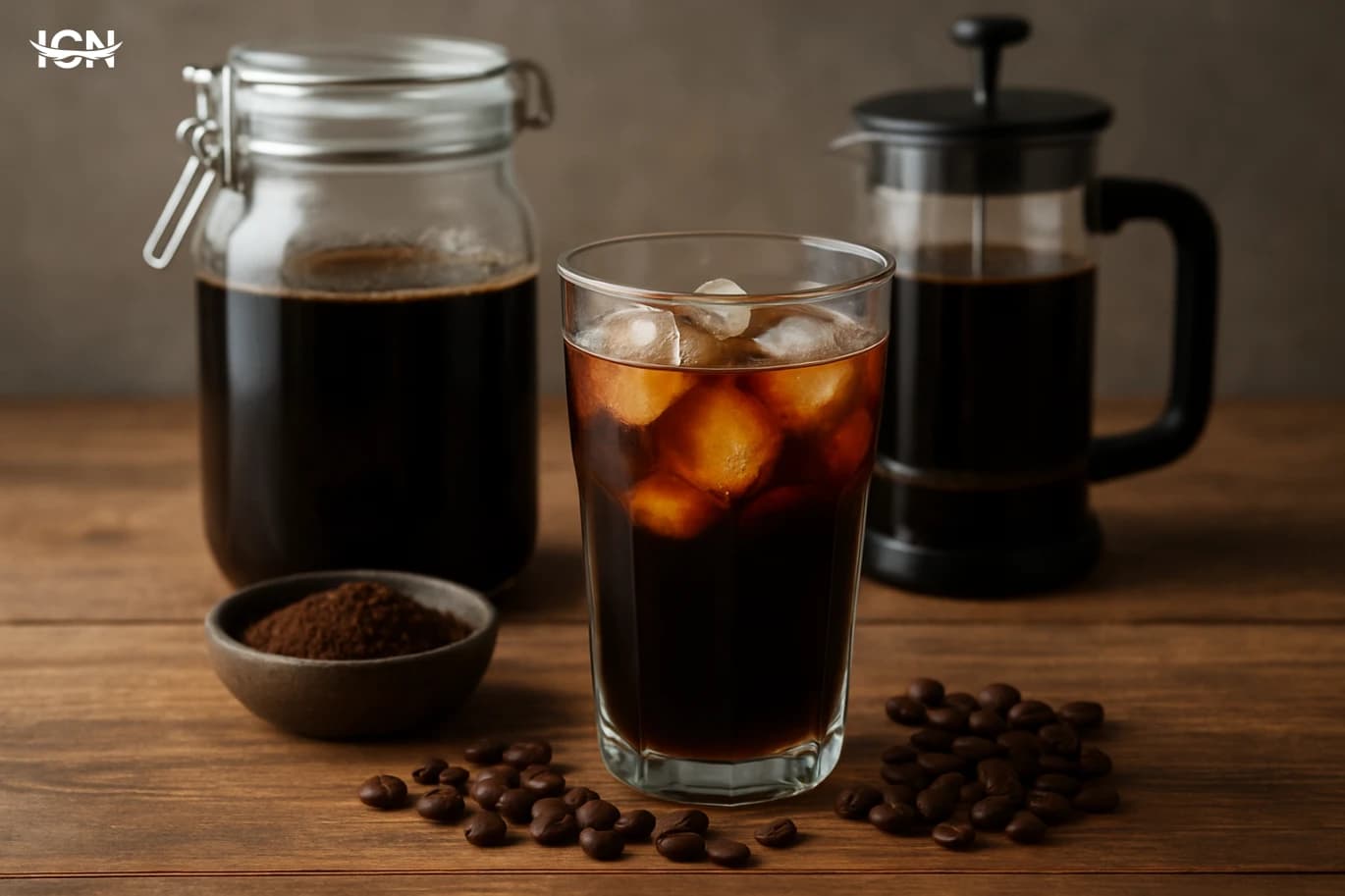
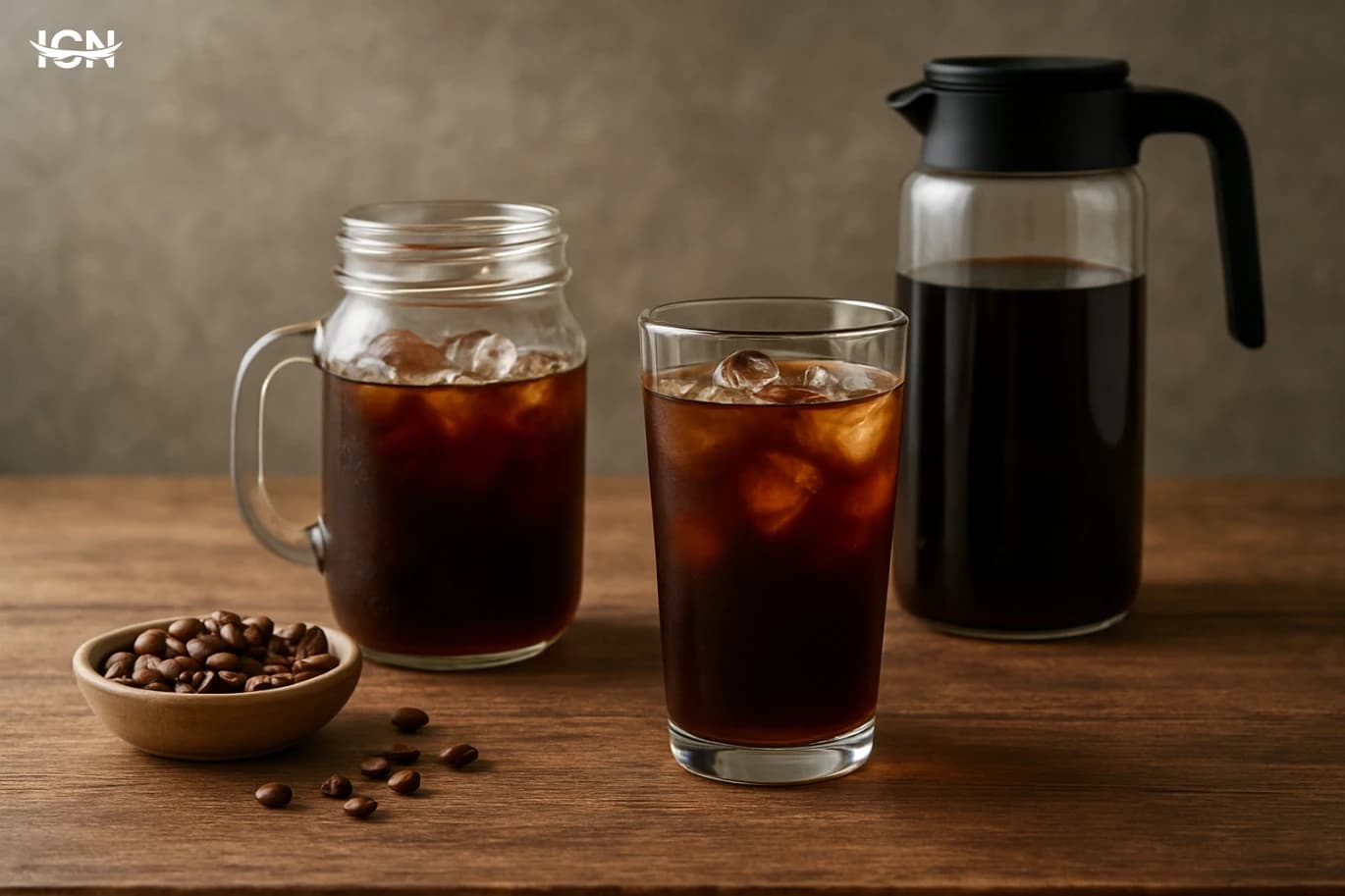
A reliable cold brew begins with a clear ratio. For a concentrate, use 1 part coffee to 5 parts water by weight. For a ready-to-drink batch, use 1 to 8. If you do not have a scale, you can approximate, but a basic kitchen scale makes the process consistent and reduces wasted coffee. Example concentrate batch: 200 grams of coarse coffee and 1,000 grams of water. Add coffee to a clean jar or pitcher, pour in water, and stir until all grounds are saturated. Cover and steep for 12 to 16 hours at room temperature. If your kitchen is very warm, aim for the shorter end. If you steep in the refrigerator, extend to 16 to 20 hours because extraction slows down. Filtration matters as much as steeping. First, pour through a fine mesh strainer to remove the bulk of grounds. Then filter again through a paper filter or a clean cloth filter to reduce sediment. Paper filtration takes longer but produces a cleaner cup that stays stable in the fridge. Label the container with the date. Cold brew concentrate typically tastes best within 5 to 7 days when refrigerated in a sealed bottle. If you notice a dull, stale note, it is time to brew a fresh batch rather than masking it with extra syrup.
Serving, Dilution, and Flavor Options
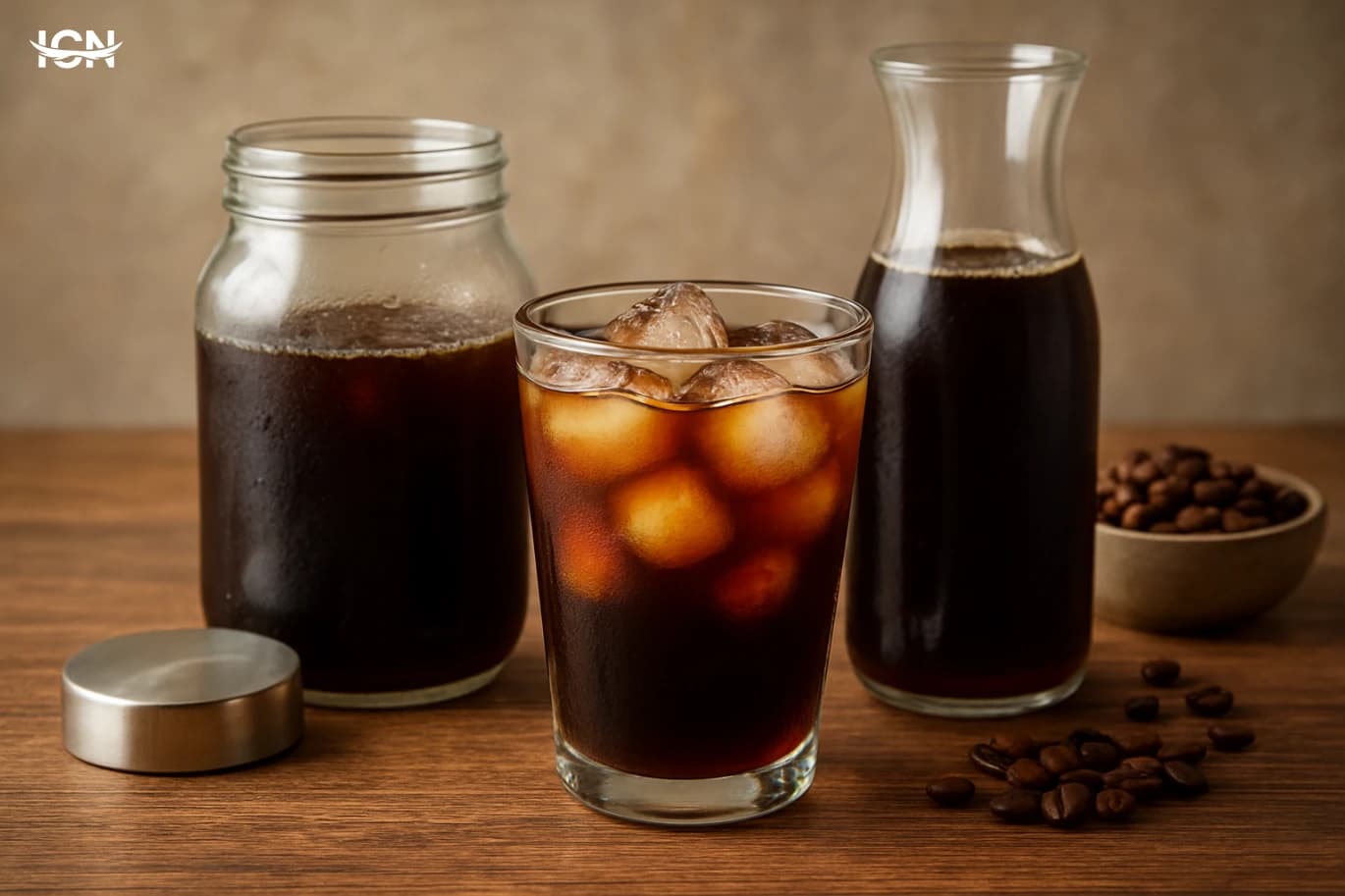
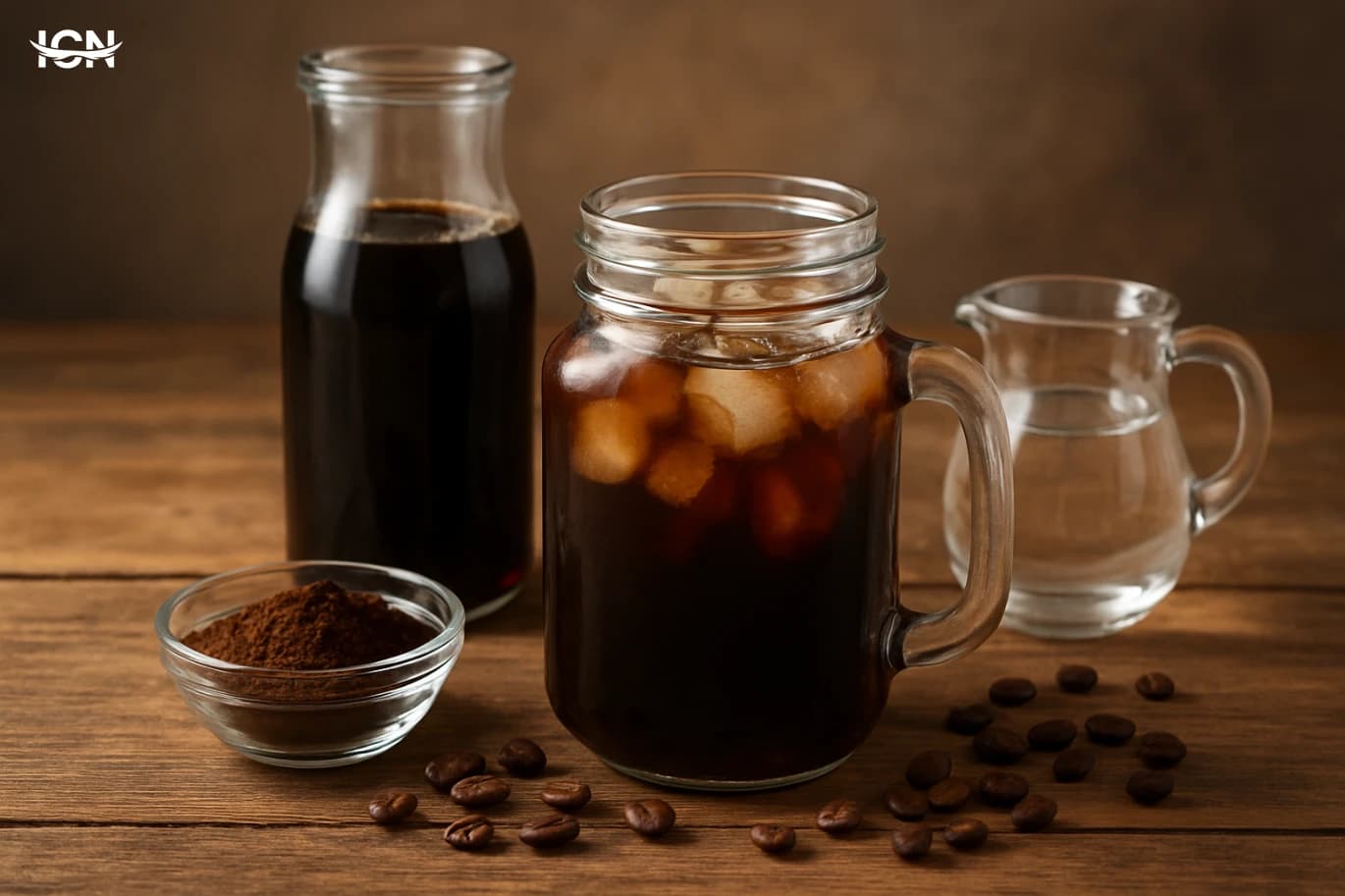
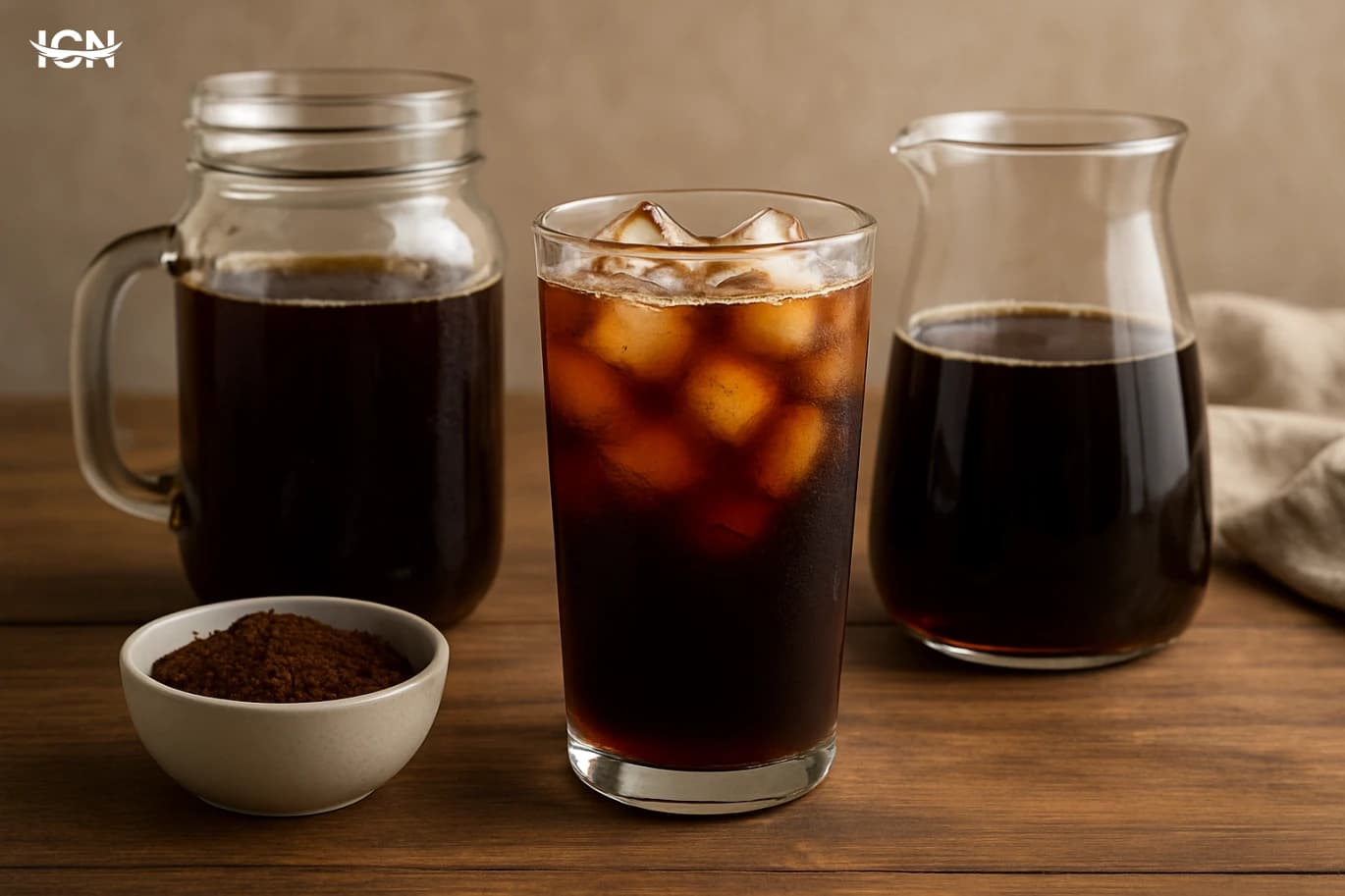
Cold brew concentrate is designed to be diluted. A common starting point is 1 part concentrate to 1 part water, then adjust. If you prefer it with milk, try 1 part concentrate to 1 part milk, or 1 to 2 for a lighter drink. Use large ice cubes when possible; they melt slower and keep the drink from turning watery in minutes. For a café-style glass at home, build it in this order: ice, dilution liquid (water or milk), then concentrate. This helps mixing without aggressive stirring that can break up ice and speed dilution. Flavor additions should be measured, not guessed. Start with 5 to 10 milliliters of simple syrup per 250 milliliters of finished drink, then increase if needed. Vanilla, cinnamon, and cocoa pair well with the smoother profile of cold brew. If you want a non-syrup option, a pinch of salt can reduce perceived bitterness, especially with darker roasts. If you are preparing for guests, offer two pitchers: one with concentrate and one with chilled water or milk. People can customize strength without you remaking drinks. Keep a small card nearby with suggested ratios so the first cup is successful.
Troubleshooting Common Problems
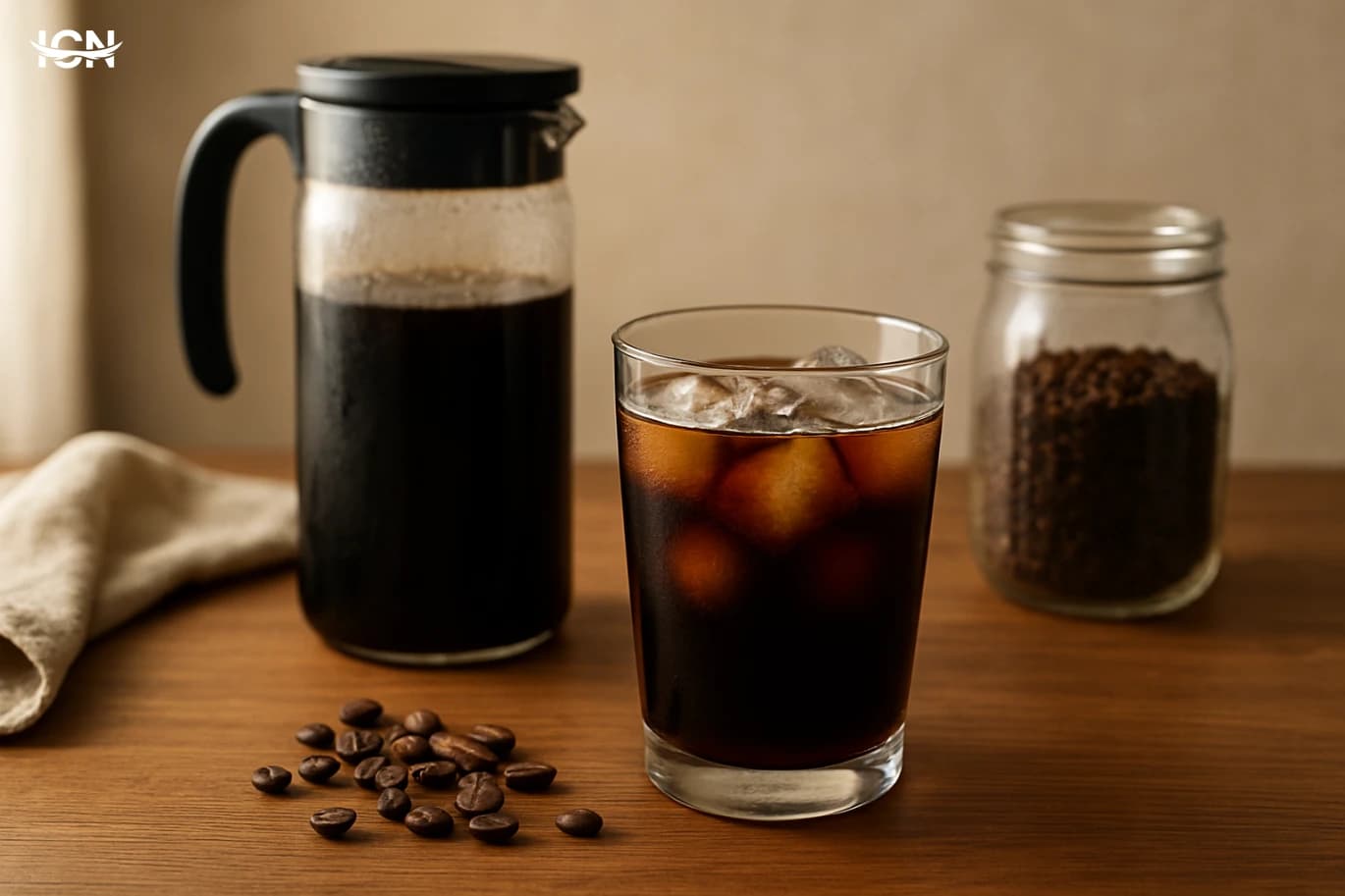
If your cold brew tastes weak, the fix is usually one of three things: increase the coffee-to-water ratio, extend the steep time, or grind slightly finer. Change only one variable at a time so you know what worked. A practical adjustment is moving from 1:8 to 1:7 for ready-to-drink, or from 1:5 to 1:4.5 for concentrate. If it tastes bitter or harsh, shorten the steep, grind coarser, or switch to a lighter roast. Over-extraction can happen even with cold water when the grind is too fine or the steep goes beyond 20 hours. Also check your filtration; excessive fines in the final drink can make it taste rough. If it tastes muddy or leaves sediment, improve filtration. A double-filter method is the simplest upgrade: mesh first, paper second. Avoid squeezing a cloth filter aggressively, which can push fines through and cloud the brew. If it tastes stale after a few days, focus on storage. Use a sealed glass bottle, keep it cold, and avoid repeatedly opening the container for long pours. Decanting into a smaller bottle as the batch shrinks reduces air exposure and helps preserve flavor.
bookmark
To make cold brew at home reliably, treat it like a simple production process: choose a medium roast you like, grind coarse, use a clear ratio, and filter in two steps. A 1:5 concentrate steeped 12–16 hours at room temperature is a strong baseline, and most serving adjustments can be handled by dilution rather than re-brewing. Once you have one successful batch, keep notes on the coffee used, the steep time, and the dilution you enjoyed. That small habit turns cold brew from an occasional experiment into a dependable drink you can prepare weekly with consistent results.