The Beauty and Diversity of Flowers
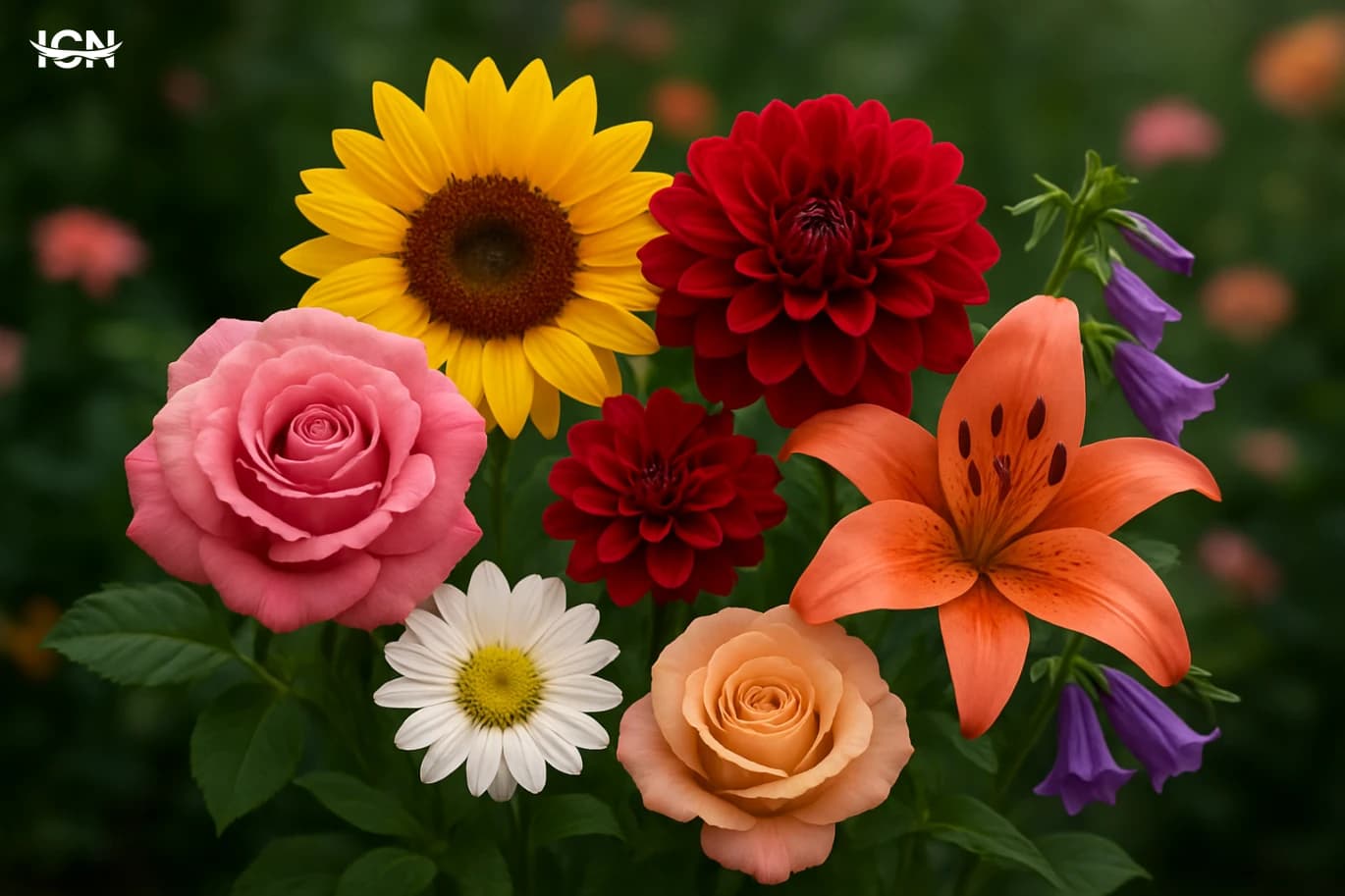
- Introduction to Flowers
- Cultural Significance
- Role in Ecosystems
- Gardening and Horticulture
- Popular Flower Types
- Conclusion
Introduction to Flowers
Flowers have long captivated human imagination and appreciation across various cultures. Known for their vibrant colors and unique forms, flowers play a significant role in both natural ecosystems and human life. They are not only aesthetically pleasing but also serve as essential components of ecological health.
Cultural Significance
Flowers hold deep cultural and symbolic meanings in societies around the world. In many cultures, they are used in rites of passage, religious ceremonies, and festive occasions. They symbolize love, peace, and renewal. Various flowers are associated with specific meanings, such as roses with love or lilies with purity.
Role in Ecosystems
Flowers play a crucial role in ecosystems as they facilitate pollination, which is vital for plant reproduction. They attract pollinators such as bees, butterflies, and birds, thus ensuring the survival of many plant species. This interaction also supports biodiversity, making flowers indispensable in maintaining ecological balance.
Gardening and Horticulture
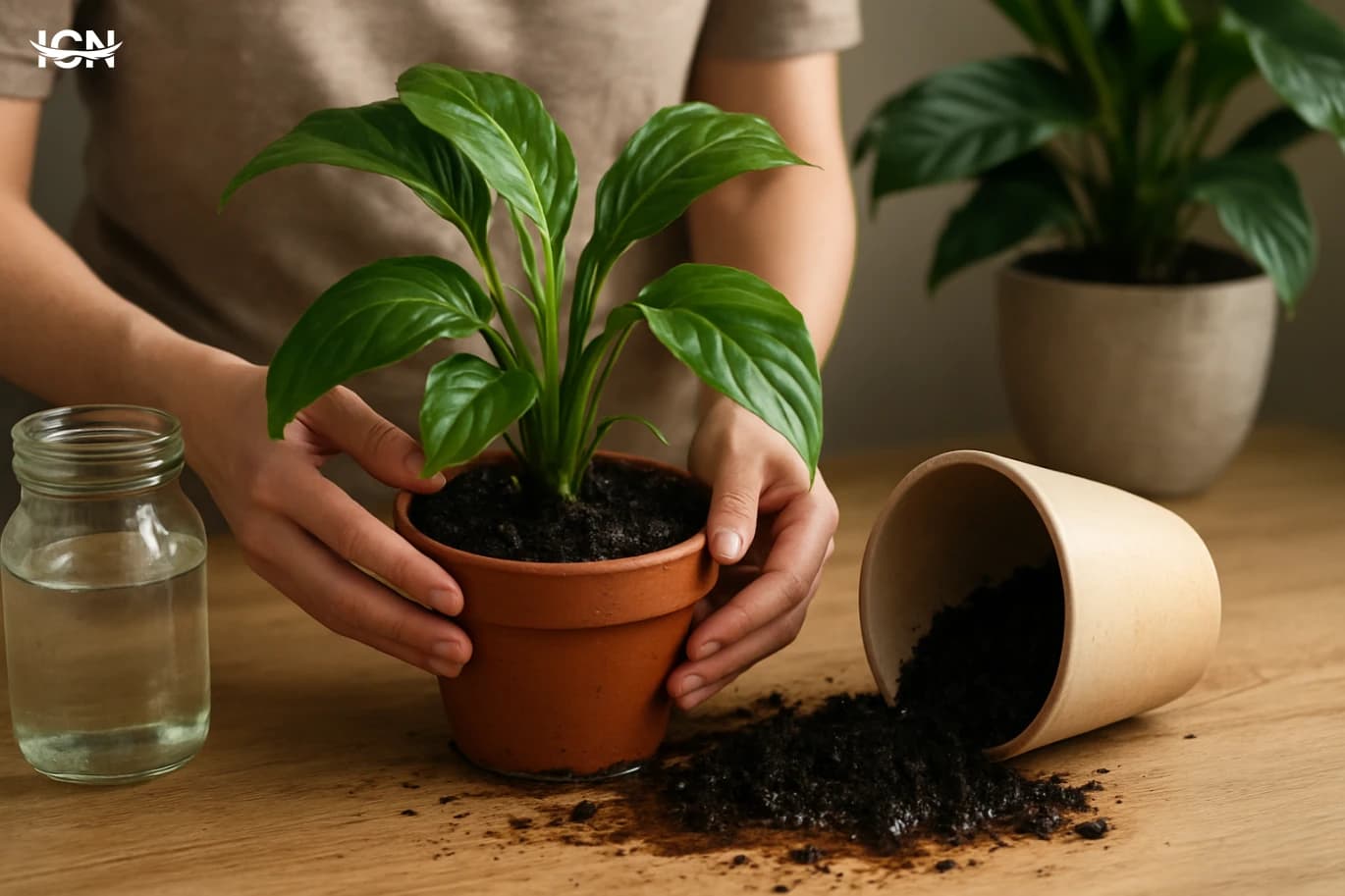
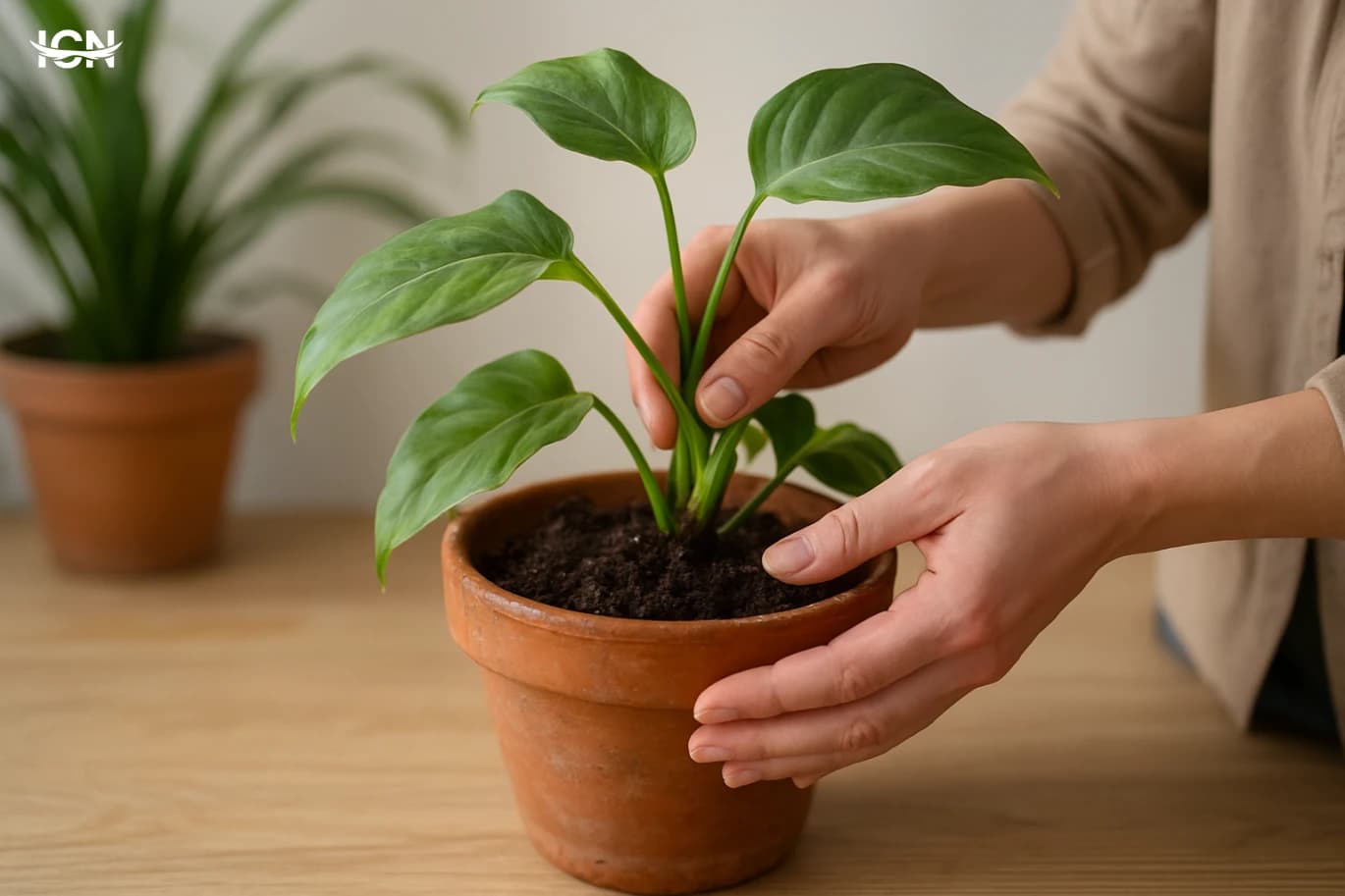
Gardening is a popular hobby that involves planting and nurturing flowers, which can enhance the beauty of personal spaces and provide therapeutic benefits. Engaging with flowers through horticulture allows individuals to connect with nature, improve mental health, and enjoy fresh air and a sense of accomplishment.
Popular Flower Types
There are countless types of flowers, each with unique characteristics and aesthetics. Some popular flowers include roses, known for their romantic symbolism, tulips which convey elegance, and sunflowers that bring joy and warmth. Each type of flower offers its own distinctive beauty and symbolism.
Conclusion
Flowers are much more than decorative elements; they are key players in ecosystems and have deep cultural significance. Whether appreciated for their beauty or used in scientific studies, flowers continue to be an essential part of our world. Their diversity and symbolism remain a fascinating subject, enriching our lives in numerous ways.