Clean Houseplants and Keep Them Healthy
- Why Cleaning Matters
- Tools and Safe Cleaning Mixes
- Step-by-Step Leaf Cleaning
- Protecting Plants from Common Indoor Stress
- Pest Prevention While You Clean
- A Simple Weekly Routine
Why Cleaning Matters
Dust and kitchen residue form a thin film on leaves that blocks light and slows photosynthesis, which can show up as pale color, weak growth, and fewer new leaves. Indoor air also carries lint and fine particles that settle on broad-leaf plants, while bathrooms may add mineral spots from misting. Regular cleaning improves light absorption and helps you spot early issues such as sticky honeydew, webbing, or small bumps on stems. Cleaning is also a practical inspection routine. When you wipe leaves, you naturally check the underside where pests hide and where fungal spots often begin. A five-minute weekly check can prevent a minor problem from spreading across multiple pots. Finally, clean foliage reduces allergens and keeps plants looking presentable in living rooms and workspaces without relying on shine sprays that can clog leaf pores.
Tools and Safe Cleaning Mixes
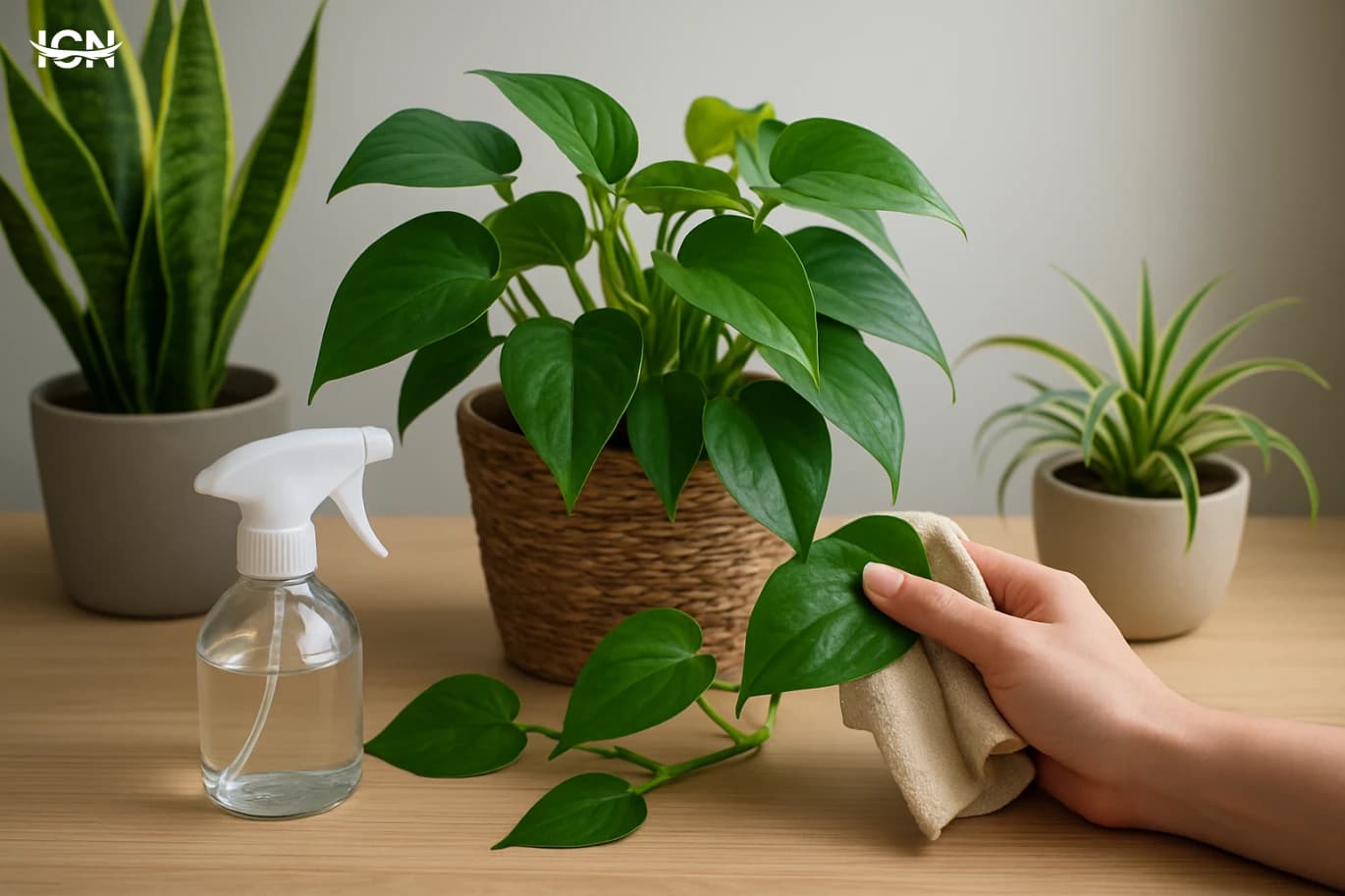
Use soft microfiber cloths, cotton pads for small leaves, a soft makeup brush for fuzzy foliage, and a hand sprayer with clean water. Keep a small bowl for mixing and a second cloth for drying. For plants with many leaves, a gentle shower in the sink can be faster than wiping each leaf. For most houseplants, plain lukewarm water is the safest option. If leaves feel greasy, add a few drops of mild, fragrance-free dish soap to one liter of water and test on a single leaf first. Wipe, then follow with a water-only wipe to remove any soap film. Avoid vinegar, alcohol, and essential oils on leaves; they can irritate tissue and leave marks, especially on thin-leaf plants. Skip commercial leaf-shine products unless the label clearly states it is safe for your specific plant type, and never apply anything to succulents with powdery coatings.
Step-by-Step Leaf Cleaning
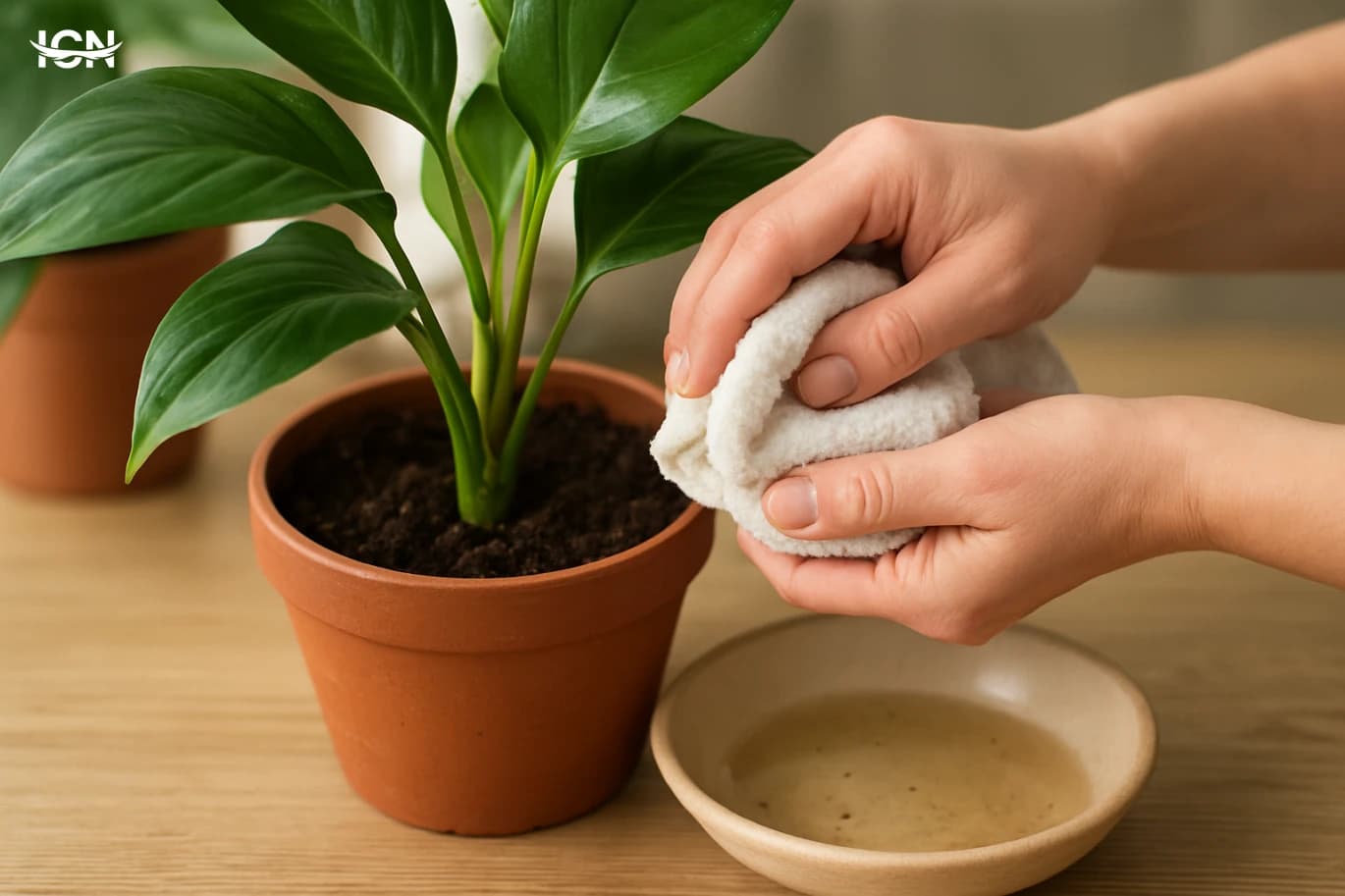
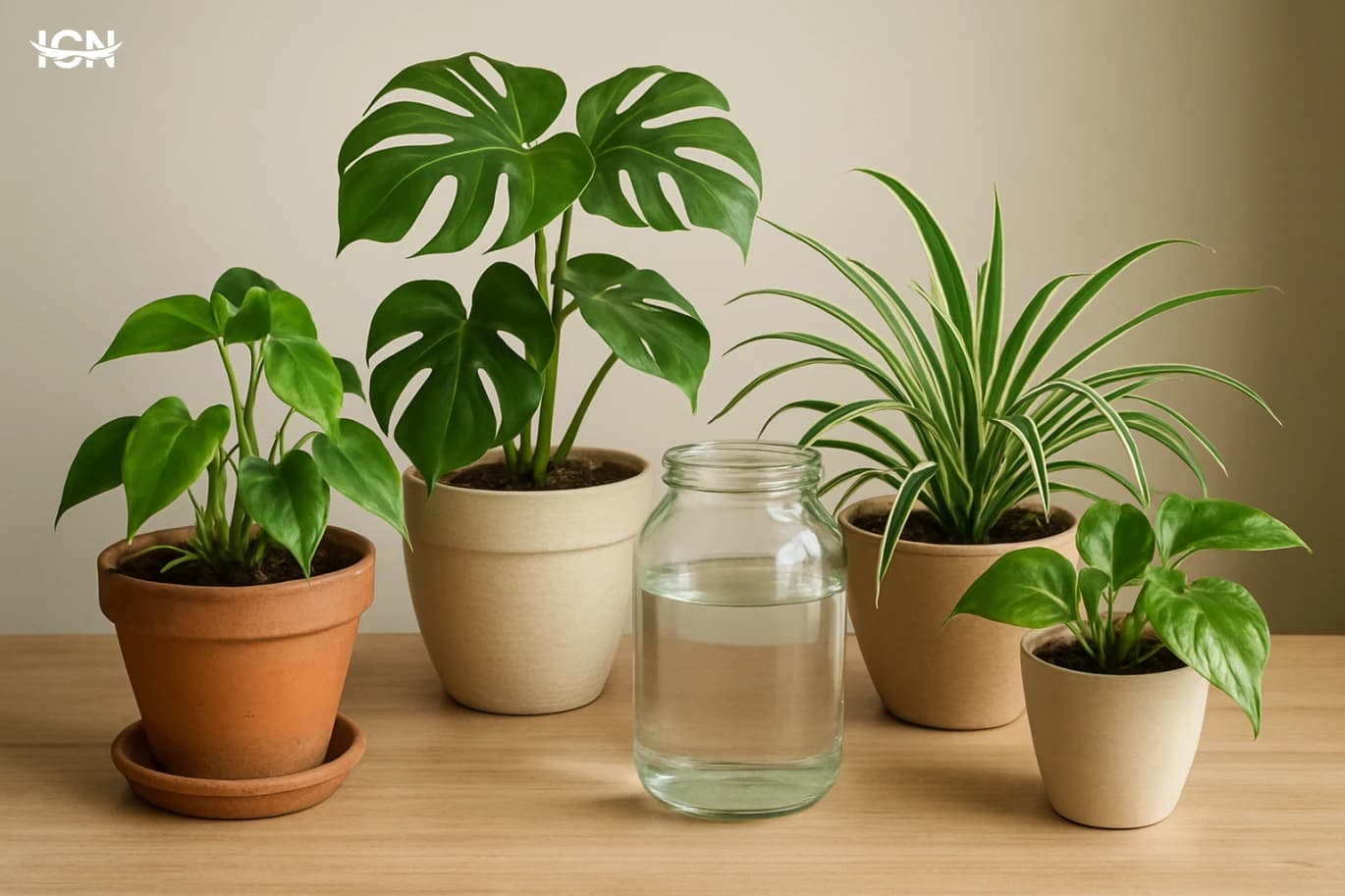
Start by protecting the soil surface with a paper towel or plastic wrap if you plan to rinse the plant, so you do not wash soil into the crown. Support each leaf from underneath with your hand to avoid bending the petiole. Wipe from the base toward the tip in one direction; this reduces tearing and helps you see what comes off. For smooth leaves like pothos, philodendron, rubber plant, and monstera, dampen a cloth with water and wipe both sides, focusing on the underside near the midrib where pests often sit. For narrow leaves like dracaena, pinch gently and slide the cloth along the length. For fuzzy leaves, do not use water; use a dry, soft brush and short strokes. If you choose a sink shower, use lukewarm water and low pressure. Rotate the plant to reach all angles, then let it drip-dry in a warm, ventilated spot away from direct sun. Finish by checking leaf joints and stems for any remaining debris. Clean plants in the morning so foliage dries before evening, which lowers the risk of fungal spots in cool rooms.
Protecting Plants from Common Indoor Stress
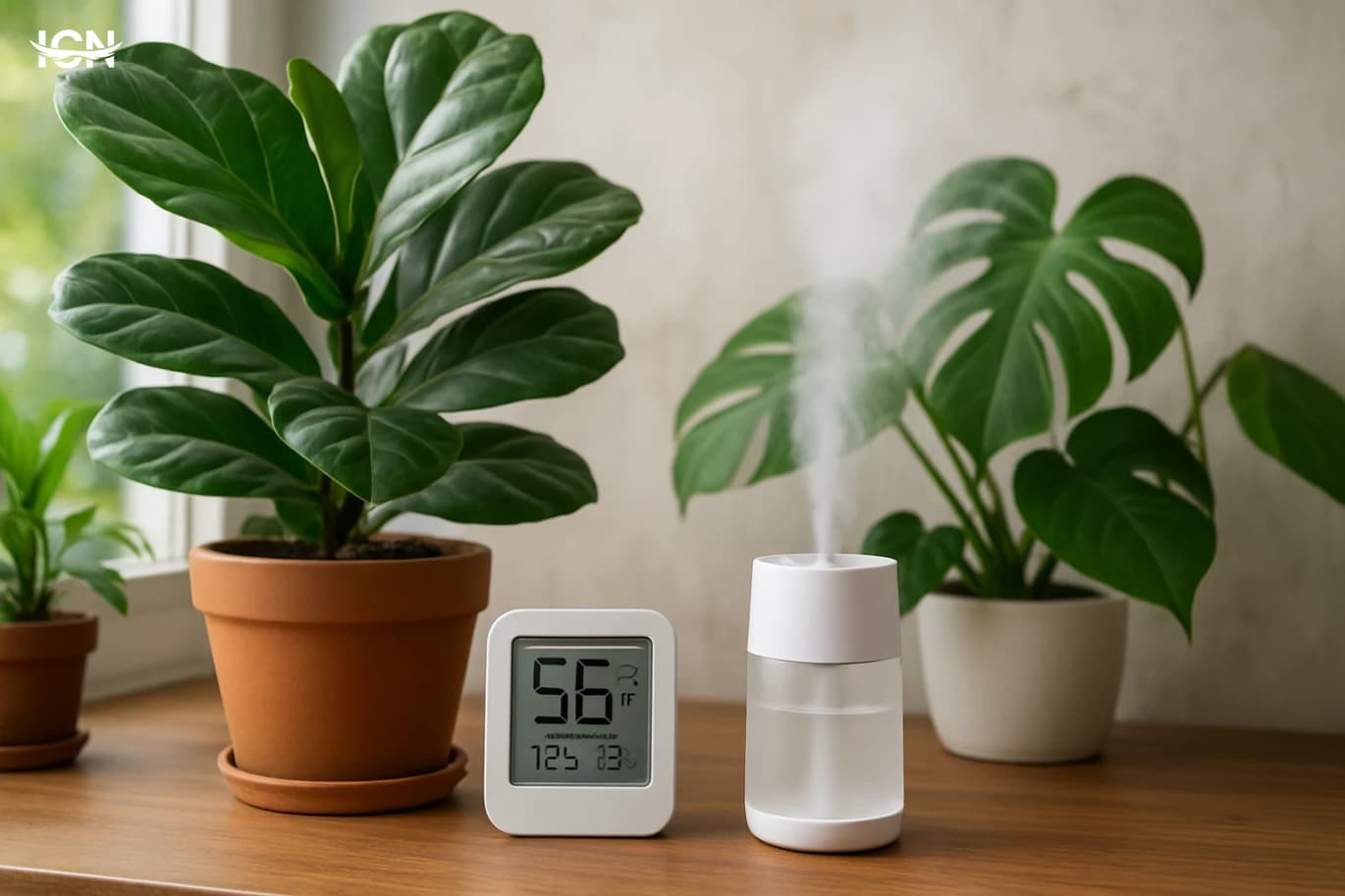
Cleaning works best when combined with basic protection from indoor stressors. Keep plants away from direct blasts of air from heaters and air conditioners; constant airflow dries leaf edges and can trigger leaf drop. Aim for stable temperatures and avoid placing pots right next to radiators or on cold window ledges in winter. Light is another key factor. Dusty leaves already struggle to use light, so place plants where they receive appropriate brightness for their species and rotate the pot every one to two weeks for even growth. For humidity, group plants together or use a tray with pebbles and water under the pot (without the pot sitting in water). In kitchens, wipe leaves more often because oil particles settle quickly; in bathrooms, use filtered or distilled water for misting to reduce mineral spotting. Finally, manage watering and drainage. Overwatered plants are more vulnerable to fungus gnats and root stress, which can mimic pest damage. Use pots with drainage holes, empty saucers after watering, and let the top layer of soil dry as recommended for your plant type before watering again.
Pest Prevention While You Clean
Use cleaning time as a structured pest check. Look for fine webbing (often linked to spider mites), sticky residue (possible sap-sucking insects), cottony clusters (mealybugs), and small brown bumps on stems (scale). Check the underside of leaves, new growth tips, and where leaves meet the stem. If you find a small issue, isolate the plant from others immediately. Remove visible pests with a damp cotton swab. Then wash the plant with water, or use a mild soap solution as described earlier, ensuring you rinse afterward. Repeat every 5–7 days for two to three cycles to catch newly hatched pests. Avoid heavy spraying in low-ventilation rooms; good airflow helps leaves dry and reduces secondary problems. Quarantine new plants for 10–14 days before placing them with your collection. During quarantine, clean the leaves, inspect closely, and keep tools and cloths separate to avoid transferring pests between pots.
A Simple Weekly Routine
A practical routine keeps plants clean without turning care into a major project. Once a week, do a quick dry dusting with a microfiber cloth or soft brush, especially for plants near windows and in kitchens. Every two to four weeks, do a deeper clean: wipe both sides of leaves with water, or give a gentle shower for larger plants. Add a monthly check of the pot and surrounding area. Remove dead leaves from the soil surface, wipe the rim of the pot, and clean the saucer to prevent algae and residue. If you use a humidifier, clean it according to the manufacturer’s schedule to avoid dispersing mineral dust that ends up on leaves. Track what you do. A simple note on your phone listing the last cleaning date and any observations—spots, sticky patches, or slowed growth—helps you connect changes in the plant’s condition to light, watering, or seasonal shifts. Over time, this routine makes cleaning faster and keeps your indoor plants healthier and more resilient.