App Logo

Download Our App

Shop your way

logologo
Image

Low Light Houseplants That Actually Thrive
06/07/2026By: ICN Writer
Low Light Houseplants That Actually Thrive

Why low light is misunderstood

Many people label a room “low light” when it is actually no light, or they assume any plant sold as “easy” will tolerate a dim corner. In practical home terms, low light usually means you can comfortably read near the plant during the day without turning on a lamp, but the sun does not hit the leaves directly. A north-facing window in many apartments, a spot a few meters from an east window, or a hallway with borrowed daylight can qualify. The difference matters because plants still need enough usable light to photosynthesize; in low light they grow slower, use less water, and show stress in subtle ways. A reliable way to judge your space is to observe it at three times: morning, mid-day, and late afternoon. If the area stays evenly lit but never bright, it is low light. If it becomes bright for a short period, it may be medium light. This distinction helps you choose species that are adapted to understory conditions, where leaves are built to capture limited light. It also prevents common mistakes like overwatering, which is the number one reason “low-light” plants fail. In dimmer rooms, soil dries slowly, so watering schedules must be based on the pot and mix, not the calendar.

Six reliable choices for dim rooms

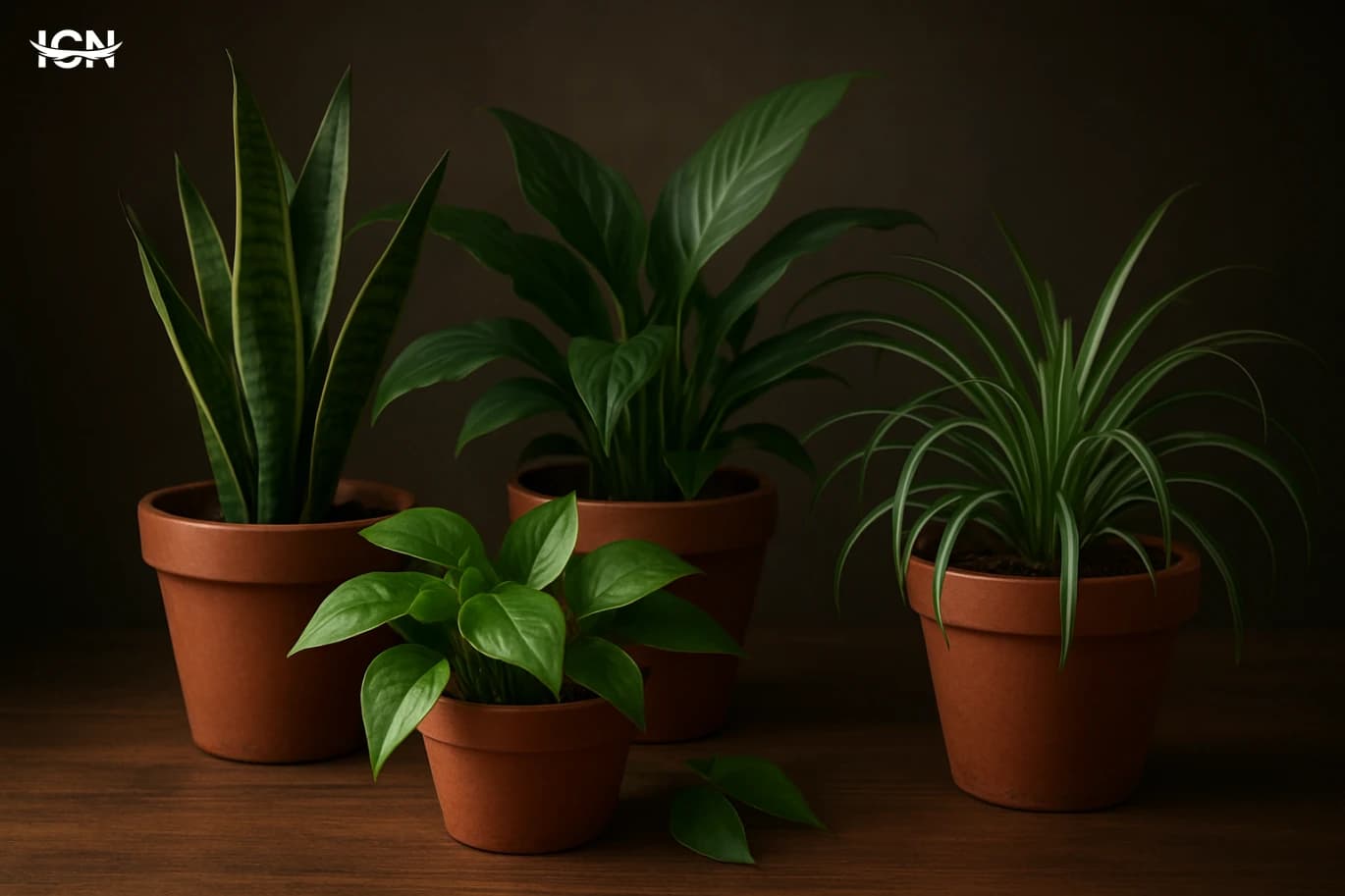
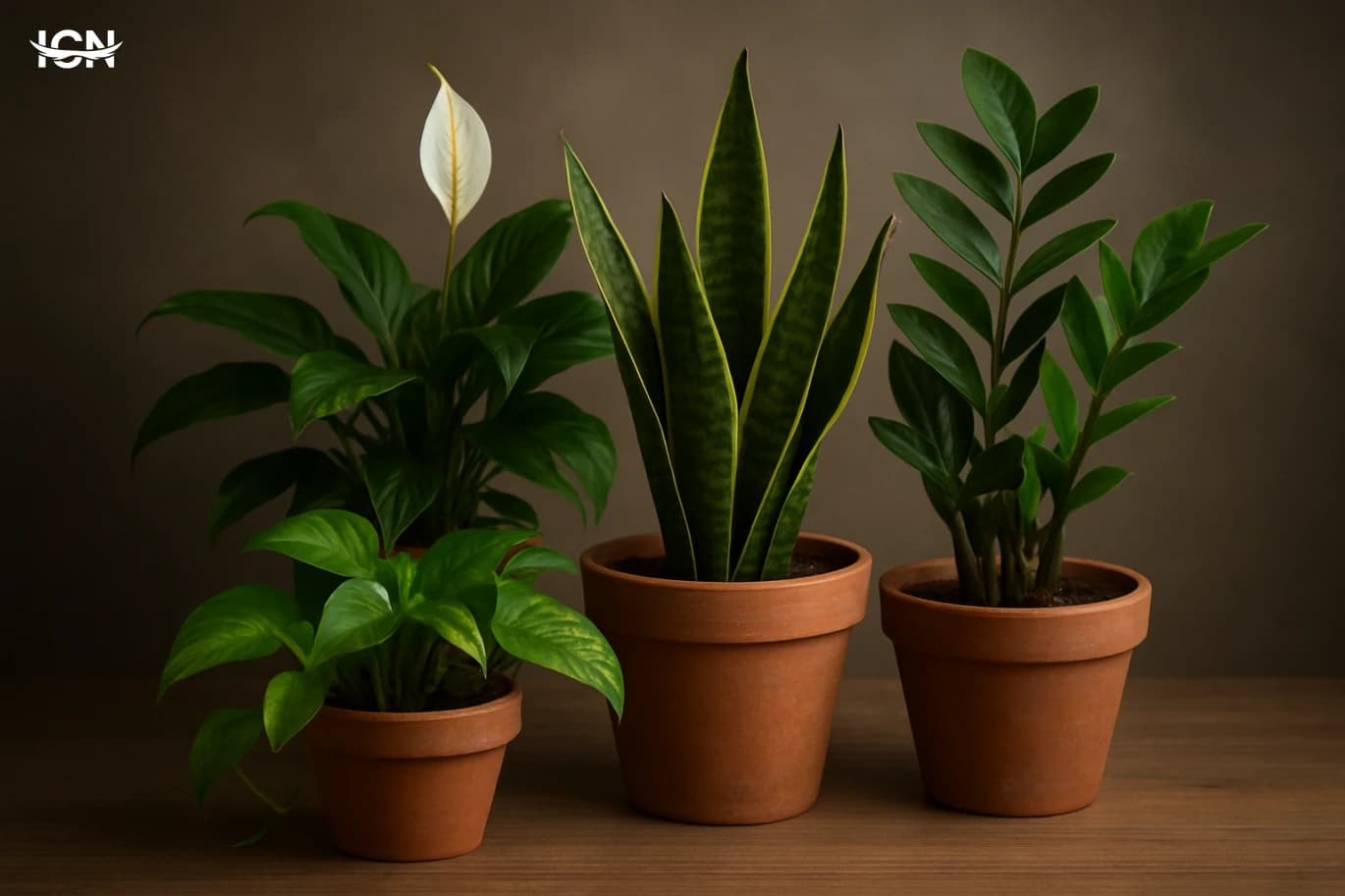
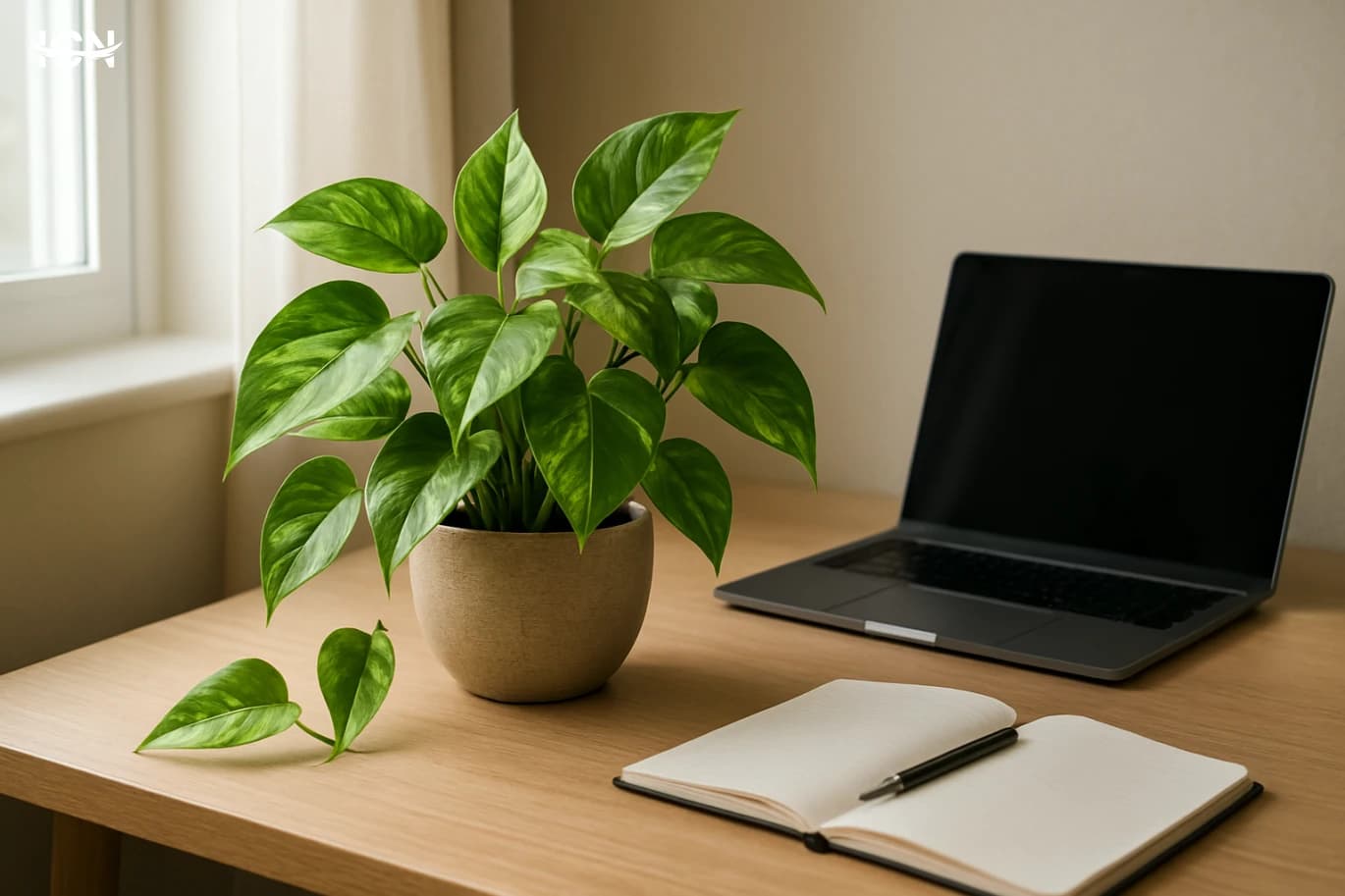
If you want plants that keep their shape and color without demanding a sunny window, start with species that have a long track record in offices and apartments. Snake plant (Sansevieria/Dracaena trifasciata) is one of the most forgiving: it tolerates low light, irregular watering, and dry indoor air. It grows slowly in dim rooms, but it stays upright and tidy. ZZ plant (Zamioculcas zamiifolia) is another standout; its thick stems and glossy leaflets store water, so it handles missed waterings well. In low light it may produce fewer new shoots, but it remains healthy if you avoid soggy soil. Cast iron plant (Aspidistra elatior) is less trendy but extremely dependable. It was named for its ability to tolerate neglect, and it performs well in shaded interiors with stable temperatures. Chinese evergreen (Aglaonema) offers more variety in leaf patterns; choose greener cultivars for the lowest light, because heavily silver or pink varieties usually need brighter conditions to keep their color. Pothos (Epipremnum aureum) is a practical trailing plant for shelves; it survives low light, though variegation fades when light is very limited. Finally, peace lily (Spathiphyllum) is useful if you want a plant that signals thirst clearly: it droops when dry and recovers after watering. In low light it may bloom less, but the foliage remains attractive. For each of these, the key is matching expectations to the room. Low light plants are not “no care” plants; they are simply more tolerant. They still need clean leaves, occasional feeding, and a potting mix that drains well. If you can provide even a small improvement—moving the pot closer to a window for part of the week, or using a simple LED grow bulb in winter—you will see steadier growth and fewer yellow leaves.

Watering rules that prevent root rot

In low light, watering is where most people go wrong. Because the plant uses less energy, it drinks less, and the pot stays wet longer. A simple rule is to water only when the top layer of the mix is dry to the touch, then water thoroughly until excess drains out. For snake plant and ZZ plant, let the pot dry deeper—often half the pot or more—before watering again. For peace lily and pothos, you can water a bit sooner, but still avoid keeping the soil constantly damp. Pot choice matters as much as frequency. A pot with drainage holes is non-negotiable for low light setups. If you use a decorative cachepot, keep the plant in a plastic nursery pot inside it and empty any collected water after 10–15 minutes. Soil mix should be airy: adding perlite, pumice, or coarse bark to a standard indoor mix reduces the chance of waterlogging. If you notice a sour smell, fungus gnats, or leaves yellowing from the base, treat it as a watering problem first. Seasonal changes also affect watering. In many homes, winter brings shorter days and cooler nights, which slows drying even more. Instead of watering on a weekly schedule, check the pot weight: lift it after watering and again a few days later. Over time you will learn what “dry enough” feels like. This habit is more reliable than any app or calendar, especially in rooms where light levels vary from one week to the next.

Light hacks without turning your home into a greenhouse

You do not need expensive equipment to improve low light conditions. Start with placement: moving a plant from 3 meters to 1.5 meters from a window can dramatically increase usable light, even if the room still feels dim. Keep windows clean and avoid heavy curtains during the day. Light-colored walls and nearby mirrors can reflect daylight, helping plants on shelves or in corners. If natural light is consistently limited, a single LED grow bulb in a standard lamp can make a measurable difference. Choose a bulb labeled for plant growth and place it 20–40 cm above the foliage, depending on the plant and bulb strength. Use a timer for 8–12 hours daily to keep the routine consistent. This is especially helpful for variegated pothos or colorful aglaonema cultivars that lose pattern in shade. Rotate pots every two weeks so growth stays even and plants do not lean. Finally, manage expectations about growth speed. In low light, a plant may look stable for months with minimal new leaves. That is not failure; it is adaptation. The goal is steady health: firm stems, clean leaves, and no ongoing yellowing. If you want faster growth, the most effective change is simply more light, not more water or more fertilizer.

Troubleshooting common low light problems

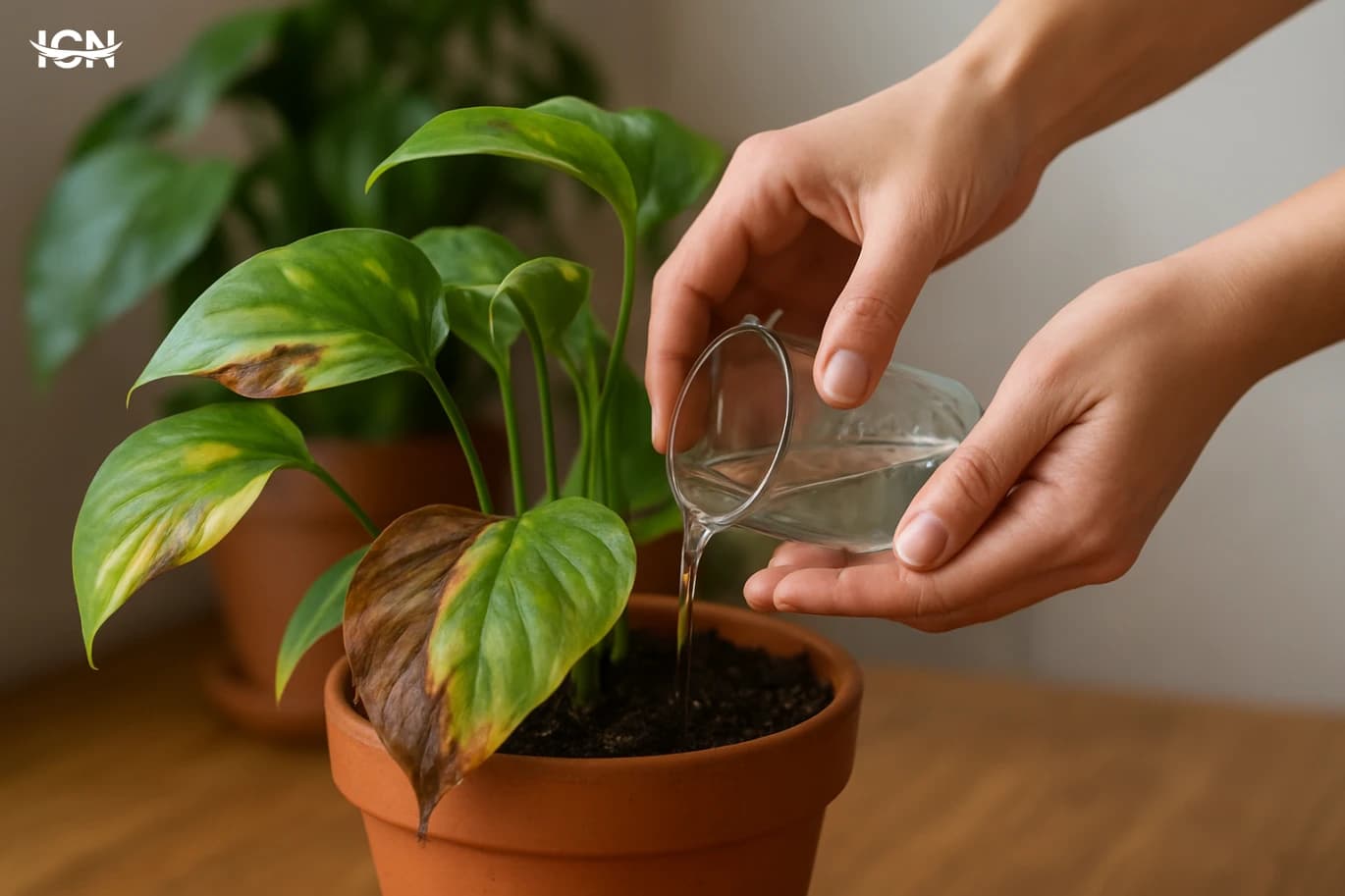
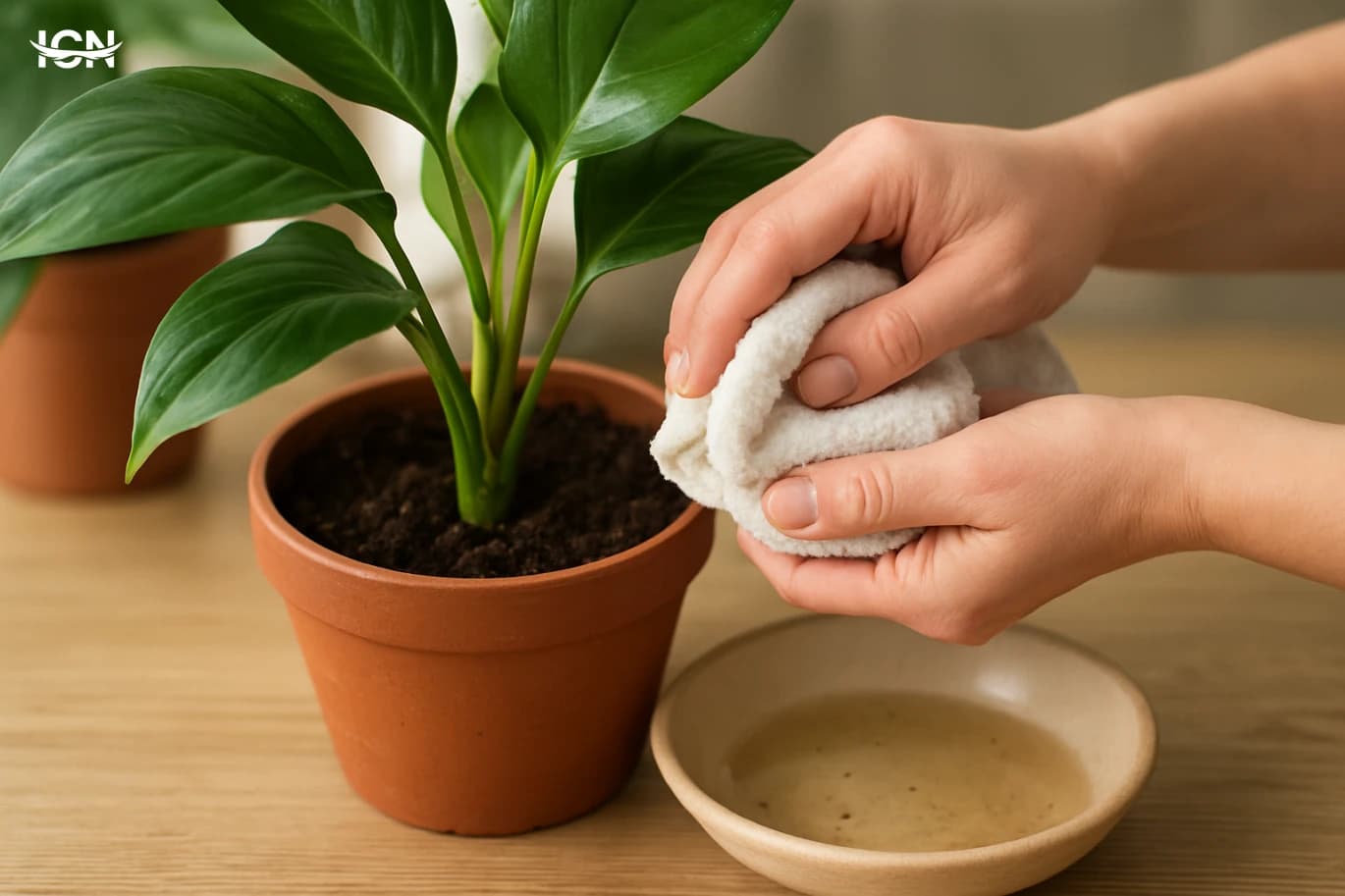
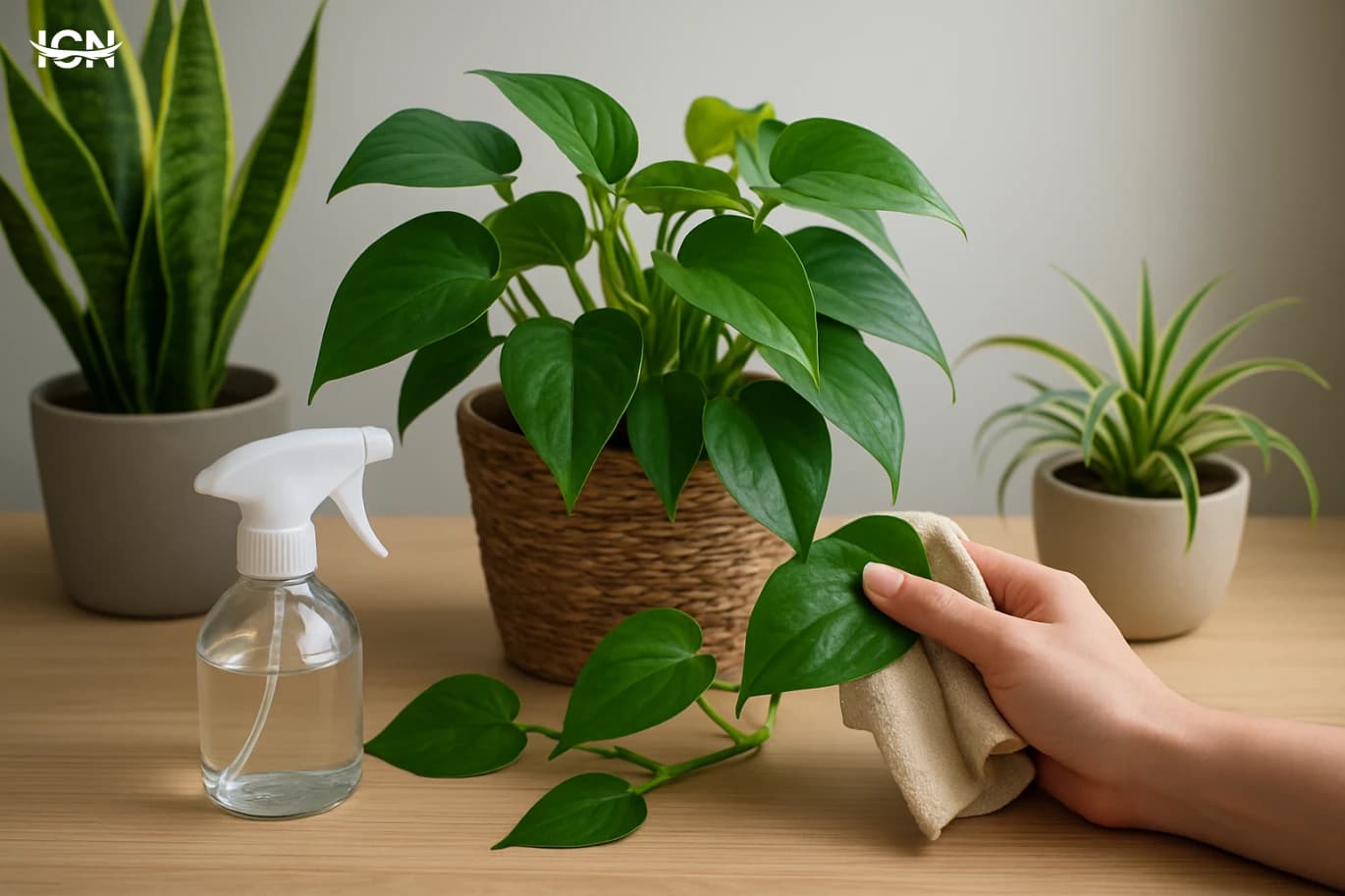
Yellow leaves are often blamed on low light, but the cause is usually water staying in the pot too long. Check the soil moisture and the drainage setup first. If the mix is wet and heavy days after watering, reduce frequency and consider repotting into a chunkier mix. Leggy growth—long stems with wide gaps between leaves—usually points to insufficient light. Move the plant closer to a window or add a grow bulb, then prune back stretched stems to encourage fuller regrowth. Brown tips can come from inconsistent watering, mineral buildup, or very dry air. For peace lily and aglaonema, using filtered water or letting tap water sit overnight can reduce tip burn in some areas. Wipe leaves monthly with a damp cloth; dust blocks light and can make a low-light situation worse. Slow pests like spider mites are less common in very dim, cool rooms, but they can appear in warm interiors; inspect the undersides of leaves and treat early with soap spray if needed. If a plant stops growing entirely, look for a combination of factors: a pot that is too large, a compacted mix, or a location that is effectively “no light.” In that case, the most practical fix is to simplify: choose one of the toughest species, use a smaller pot with drainage, and prioritize stable care over frequent changes.

bookmark

Keep this quick checklist for low light success: confirm the spot has usable daylight; pick proven plants like snake plant, ZZ, cast iron plant, aglaonema, pothos, or peace lily; use a draining pot and an airy mix; water based on dryness, not the calendar; clean leaves and rotate pots; and add a simple LED grow bulb if you want better color and steadier growth. With these steps, a dim apartment can still support healthy, long-lasting houseplants without constant replacement.
* All articles published on this blog are sourced from various websites and are provided for informational purposes only. They should not be considered as confirmed studies or accurate information. Please verify the information independently before relying on it.

Similar ARTICLES

Pothos as a Practical Indoor Workhorse
Pothos (Epipremnum aureum) earned its reputation because it tolerates the conditions most homes actually have: mixed light, occasional missed watering, and average indoor humidity. It is a climbing aroid that can trail from shelves, hang from baskets, or be trained up a support, which makes it useful in small apartments as well as larger spaces. Many people also choose it because it shows visible growth quickly; new leaves and longer vines provide feedback that the plant is settling in. Another reason it is widely adopted is availability. Garden centers and supermarkets often stock multiple cultivars at low cost, so it is easy to start with one pot and expand by taking cuttings later. For renters or office managers, pothos is also practical because it can be moved without major stress if the location changes. Its leaves are thick enough to handle indoor air that can be dry in winter, and it generally recovers after short periods of neglect. A useful angle for pothos is treating it as a “systems plant” rather than a decorative afterthought. If you set a simple routine—light check, watering trigger, and occasional pruning—it can become a stable, long-term plant that supports a consistent indoor look. That reliability is the real reason pothos keeps showing up in homes, reception areas, and workspaces year after year.
Do Houseplants Really Reduce Stress
Interest in houseplants as a stress-management tool has grown alongside remote work and smaller urban homes. Research in environmental psychology and indoor horticulture generally points in the same direction: contact with plants can support calmer moods, but it is not a medical treatment and results vary by person and setting. Controlled studies often measure stress indirectly through self-reported anxiety, attention fatigue, or physiological markers such as heart rate and blood pressure. Many experiments find modest improvements when people spend time in rooms with visible greenery compared with similar rooms without plants. The most consistent finding is that plants can improve perceived comfort and reduce mental fatigue during routine tasks. Participants frequently report that plant-filled spaces feel more pleasant and less tense, especially during computer-based work. However, the size of the effect depends on factors like lighting, plant health, and whether people actually notice and care about the plants. A neglected plant or a cluttered arrangement can undermine the benefit. The practical takeaway is that houseplants can be one supportive element in a broader stress-reduction plan that also includes sleep, movement, and manageable workloads.
Rescuing Houseplants from Overwatering
Overwatering is the most common reason houseplants decline, and it often starts with good intentions. Indoors, evaporation is slower than outdoors, especially in air-conditioned rooms or during winter when heaters dry the air but do not necessarily dry the potting mix evenly. Many people water on a schedule rather than based on the plant’s actual needs, so moisture accumulates in the root zone. Decorative cachepots, saucers, and tightly packed shelves can also trap water, leaving roots sitting in a wet environment for days. Another driver is the mismatch between pot size, soil, and light. A plant placed in low light uses less water because growth slows and transpiration drops. If it remains in a large pot filled with dense mix, the center stays wet for a long time. Some commercial potting soils hold more water than expected, especially mixes heavy in peat or fine particles. When combined with a pot that has limited drainage or a clogged hole, the result is a root system that cannot access oxygen, setting the stage for yellowing leaves, leaf drop, and stunted growth.
Rescuing Houseplants After a Move
A move changes nearly every factor a houseplant relies on, even if you keep the same pot and routine. Light is the biggest shift: a plant that sat two meters from an east window may now be beside a north window or behind a balcony overhang, cutting usable brightness by half. Temperature swings during transport and the first days in a new home can also stress leaves and roots, especially if the plant sat in a car trunk or near an air conditioner vent. Humidity often drops in a new space with different insulation, heating, or airflow, which can cause crisp leaf edges on tropical plants within a week. Plants also react to mechanical stress. Pots tip, stems bend, and fine roots break when soil shifts. Even small root damage reduces water uptake, so a plant can look thirsty while the potting mix is still wet. Finally, your own care pattern changes during unpacking: watering gets delayed, or you water too much out of concern. Understanding these specific stressors helps you respond with targeted steps instead of random fixes.
Rescuing Houseplants from Overwatering
Overwatering is rarely about “too much water once” and more about watering too often for the plant’s real pace of use. Indoors, light levels are typically lower than outdoors, even near a window, so photosynthesis slows and the plant drinks less. At the same time, homes often have stable temperatures and limited airflow, which reduces evaporation from the soil surface. The result is a pot that stays wet for days longer than expected. Container choices add to the problem. Decorative cachepots without drainage, saucers left full, and dense potting mixes that compact over time can trap moisture around roots. Many people also water on a schedule rather than checking the soil, and they treat all plants the same even though a pothos, a peace lily, and a succulent have very different needs. Understanding these indoor conditions is the first step to fixing the issue without guessing.
Rescuing Overwatered Houseplants Without Guesswork
Overwatering is less about how often you water and more about how slowly the pot dries. Indoors, evaporation is weaker than outdoors, especially in winter when heaters reduce humidity but also limit airflow. Many people follow a weekly routine that ignores changes in light, temperature, and plant growth rate. A plant near a bright window may use water quickly in summer, while the same plant in a darker corner can stay wet for days. Potting mix also plays a major role. Dense mixes with a lot of peat can hold water for a long time, and decorative cachepots can trap runoff at the bottom. Small pots dry faster than large ones, but they can still stay waterlogged if drainage holes are blocked or the saucer is never emptied. Understanding these indoor factors is the first step to fixing the problem without replacing the plant.
Rescuing Houseplants from Overwatering
Overwatering is the most common cause of decline in houseplants because indoor conditions slow down evaporation and root activity. In many homes, light levels are lower than people assume, especially a few feet away from windows, so plants use water more slowly. Airflow is also limited compared with outdoor gardens, and stable indoor temperatures reduce the natural drying cycle that plants rely on. When the potting mix stays wet for long periods, roots cannot access enough oxygen, and fine feeder roots begin to fail. Another reason is routine-based care. Many owners water on a fixed schedule rather than checking the plant and the soil. A “weekly watering” habit can be too frequent in winter, during cloudy weeks, or after repotting into a larger container. Pot choice matters as well: decorative cachepots without drainage, deep pots for small root systems, and saucers that hold runoff all increase the time water remains around roots. Understanding these indoor factors is the first step to correcting the problem without guessing.
Rescuing Houseplants from Overwatering
Overwatering is the most common reason houseplants decline, and it often comes from good intentions. Indoors, soil dries more slowly because there is less wind, weaker sun, and stable temperatures. Many people water on a schedule rather than based on the plant’s actual needs, so moisture accumulates in the pot week after week. Decorative cachepots without drainage, saucers that hold runoff, and dense “all-purpose” mixes that stay wet can turn a normal watering routine into constant saturation. Another driver is misreading symptoms. Drooping leaves can mean thirst, but they can also mean roots are stressed and cannot take up water. Yellowing leaves are frequently blamed on lack of fertilizer, yet they are a classic sign of waterlogged roots. In winter, growth slows and plants use less water, but household habits often stay the same. Understanding these indoor factors is the first step to fixing the problem without guessing.
Low Light Houseplants That Truly Thrive
Many people buy a “low light” plant and assume it can live in a dark corner. In real homes, low light usually means a spot that never receives direct sun and sits several feet away from a window. A north-facing window, a shaded courtyard view, or a room with buildings blocking daylight can all qualify. The key detail is consistency: a plant can adapt to steady, modest brightness better than to frequent moves between bright and dim rooms. A practical way to judge your space is by reading comfort. If you can comfortably read a book there for most of the day without turning on a lamp, it is often adequate for true low-light tolerant plants. If you need a lamp by late morning, you are closer to “very low light,” where growth slows and only a few species remain healthy long-term. Understanding this difference prevents the most common disappointment: a plant that survives but gradually loses leaves and looks tired.
Clean Houseplants and Keep Them Healthy
Dust and kitchen residue form a thin film on leaves that blocks light and slows photosynthesis, which can show up as pale color, weak growth, and fewer new leaves. Indoor air also carries lint and fine particles that settle on broad-leaf plants, while bathrooms may add mineral spots from misting. Regular cleaning improves light absorption and helps you spot early issues such as sticky honeydew, webbing, or small bumps on stems. Cleaning is also a practical inspection routine. When you wipe leaves, you naturally check the underside where pests hide and where fungal spots often begin. A five-minute weekly check can prevent a minor problem from spreading across multiple pots. Finally, clean foliage reduces allergens and keeps plants looking presentable in living rooms and workspaces without relying on shine sprays that can clog leaf pores.
Humidity Smart Care for Indoor Plants
Humidity is one of the most overlooked variables in houseplant care, yet it directly affects how plants lose water, how leaves stay firm, and how consistently growth continues. Most popular indoor plants evolved in environments where air moisture is higher than in heated or air-conditioned homes. When indoor air is dry, plants transpire faster, pulling water up from the roots more aggressively. That can sound positive, but it often creates a mismatch: the leaves demand water faster than the potting mix can supply it, especially if roots are stressed or the soil is compacted. The result is common and confusing symptoms such as crispy leaf edges, curling, stalled new leaves, and buds that dry before opening. Humidity also influences how forgiving your watering routine can be. In higher humidity, the plant loses water more slowly, so the pot stays moist longer and overwatering becomes more likely if you keep the same schedule. In low humidity, the opposite happens: the pot dries quickly, and a plant may look thirsty even when the soil is still damp deeper down. Understanding this balance is the foundation for smarter care. Instead of chasing problems with fertilizer or constant repotting, you can stabilize the environment and make every other step—light, watering, and feeding—more predictable.
Self Watering Houseplants Without Gadgets
Indoor plants fail more often from inconsistent watering than from lack of light. A week of overwatering can suffocate roots, while a weekend away can dry a pot so far that fine feeder roots die back. Self-watering methods reduce these swings by keeping moisture available in a controlled way, so the plant takes what it needs rather than receiving a full soak on a fixed schedule. This is especially useful in heated or air-conditioned homes where humidity is low and pots dry unevenly. A practical self-watering setup also makes care predictable. Instead of guessing by calendar, you monitor a reservoir level or a wick’s performance and adjust. It can cut down on fungus gnats by avoiding constantly wet topsoil, and it helps new plant owners build confidence because the system provides a buffer against mistakes. The goal is not to keep soil wet; it is to keep the root zone evenly moist with enough air, using simple materials you already have at home.
Rescuing Houseplants from Overwatering
Overwatering is rarely about “too much water once” and more often about repeated watering before the pot has a chance to breathe. Indoors, evaporation is slower than outdoors, especially in air-conditioned rooms or during winter when light levels drop. Many people also follow a fixed schedule—every two or three days—without checking the soil, so moisture accumulates around the roots. Container choices add to the problem. Decorative cachepots without drainage, saucers that hold runoff, and dense potting mixes that compact over time can keep the root zone wet for days. Even a pot with drainage can become risky if the plant sits in a corner with low airflow. The result is a root environment with less oxygen, which weakens roots and makes them prone to rot. Another common trigger is misreading plant signals. Drooping leaves can mean thirst, but they can also mean roots are stressed and unable to take up water. People see droop, water again, and the cycle worsens. Understanding the indoor factors—light, temperature, airflow, pot design, and soil structure—sets the foundation for a realistic rescue plan.
By clicking the SUBSCRIBE button, you are agreeing to our Privacy & Cookie Policy If you want to unsubsribe the marketing email, please proceed to our privacy center.
© 2005-2026 ICN. All Rights Reserved.