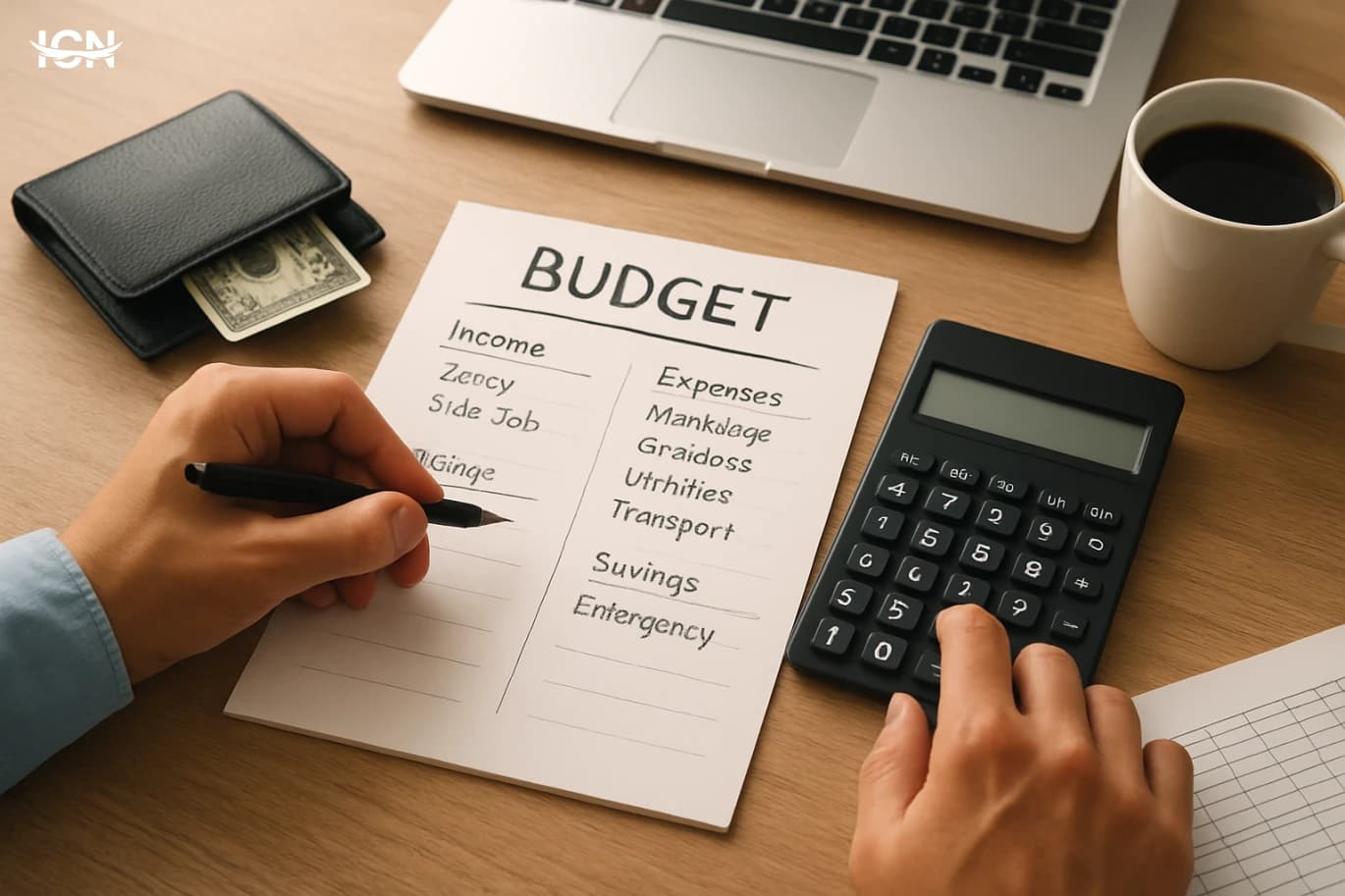
The 30-Day Cashflow Reset Plan
- Why cashflow beats budgeting
- Week 1 Map your money calendar
- Week 2 Stabilize essentials first
- Week 3 Control variable spending with weekly caps
- Week 4 Build a buffer and prevent relapses
- A simple checklist to start today
Why cashflow beats budgeting
Many people try to “budget harder” and still feel stuck because the real issue is cashflow timing, not willpower. Cashflow is the pattern of money entering and leaving your account across the month. If your bills hit before your income arrives, you can be “good with money” and still pay late fees or rely on overdrafts. A cashflow reset focuses on dates, categories, and minimum balances so your plan matches how money actually moves. This topic is a practical 30-day plan that helps readers map paydays, bill due dates, and variable spending, then redesign the month so essentials are covered first and surprises are less damaging. It also highlights how small timing changes—like moving a due date, splitting a payment, or setting a weekly spending cap—often deliver faster relief than cutting every expense. The goal is stability: fewer emergency transfers, fewer missed payments, and a clearer picture of what’s truly affordable.
Week 1 Map your money calendar
Start by building a one-page money calendar for the next 30 days. List every income event with the exact date and expected net amount: salary, freelance invoices, benefits, or regular transfers. Then list every fixed obligation with its due date and amount: rent, utilities, phone, internet, insurance, subscriptions, loan payments, and any school or childcare fees. Add annual or quarterly items that may land this month. The point is to see the month as a sequence, not a set of categories. Next, estimate variable spending using the last two months of statements. Break it into four weekly buckets: groceries, transportation, eating out, personal care, household items, and small online purchases. Don’t aim for perfect accuracy; aim for a realistic range. Finally, mark “high-risk days” when several payments cluster or when your balance historically runs low. This calendar becomes the baseline for every decision in the reset plan.
Week 2 Stabilize essentials first
In week two, set a minimum “floor balance” that you try not to cross, even if it’s small. This floor is not savings; it’s a buffer to prevent fees and panic transfers. Choose a number that matches your reality, such as one week of groceries plus transportation. Then prioritize essentials by creating a payment order: housing, utilities, core transportation, basic groceries, and critical insurance. Everything else becomes secondary until the floor is protected. Use practical tools to make this work. If your bank allows it, schedule bill payments right after payday rather than on the due date, so essentials are covered while cash is available. If that creates a tight mid-month gap, split one or two payments into two smaller dates. Many service providers allow changing due dates; a single phone call can shift a bill away from a high-risk day. Also review subscriptions and “silent renewals.” Canceling two low-value subscriptions can be more effective than trying to cut groceries below a healthy level.
Week 3 Control variable spending with weekly caps
Week three is about the spending that quietly drains cashflow: small purchases, delivery fees, and unplanned convenience spending. Instead of a strict monthly limit, set weekly caps aligned with your calendar. Weekly caps are easier to track and they match the rhythm of daily life. For example, if you have a heavy bill week, lower the cap for that week and raise it slightly in a lighter week. Pick two tracking methods that you can sustain. One option is a separate “spend account” or prepaid card that you top up weekly; when it’s empty, discretionary spending stops. Another option is a simple note on your phone where you record only three numbers each day: today’s discretionary spend, remaining weekly cap, and any upcoming event that might trigger extra spending. Add two rules to reduce leakage: a 24-hour pause for non-essential online purchases, and a default “no delivery” weeknight rule unless planned in advance. The goal is not perfection; it is predictability.
Week 4 Build a buffer and prevent relapses
In the final week, convert the stability you created into a small, repeatable buffer. Start with a micro-emergency fund target that is achievable within one to two months, such as the cost of one essential bill or a fixed amount like $200–$500 depending on your income. Automate it on payday, even if the amount is modest. Automation matters because it removes decision fatigue. Then create a “next month preview” using your money calendar. Look ahead to the first 10 days of the next month and ensure the floor balance plus expected income can cover the early bills. If not, adjust now by moving a due date, reducing a weekly cap, or planning a no-spend weekend. Finally, set two relapse alarms: a balance alert from your bank that triggers before you hit the floor, and a monthly 20-minute review appointment with yourself to update dates, amounts, and any new obligations. A cashflow reset works when it becomes a routine, not a one-time cleanup.
A simple checklist to start today
To make the plan actionable, use a short checklist. First, download or open the last 60 days of bank and card statements and highlight all recurring payments. Second, write your next two paydays and the five largest bills with their dates. Third, choose your floor balance and set a bank alert slightly above it. Fourth, cancel one subscription you rarely use and redirect that amount to your buffer. Fifth, pick a weekly cap for discretionary spending and decide how you will track it. This checklist keeps the reset from turning into a complicated personal finance project. Within a few hours, you can see your month clearly, reduce the chance of fees, and create a structure that supports better decisions. Over time, the same system helps you plan for irregular expenses, negotiate due dates with confidence, and make saving feel like a scheduled event rather than a leftover.