The 30-Day Cashflow Reset Plan

- Why a 30-day reset works
- Week 1 setup and tracking
- Week 2 cut leaks without pain
- Week 3 build a realistic budget
- Week 4 automate and protect progress
- A simple checklist to repeat
Why a 30-day reset works
A 30-day cashflow reset is long enough to capture real spending patterns and short enough to stay focused. Most people underestimate how much “small” purchases add up because they remember the big bills but forget the daily transactions. In one month, you will see recurring charges, weekend spikes, and the timing gaps between paydays and due dates. This is not a strict “no spending” challenge; it is a structured review that turns your bank activity into decisions. The goal is to create a clear picture of where money is going and to build a simple routine you can repeat. You will separate fixed obligations from flexible spending, identify avoidable fees, and set a realistic weekly limit for categories that usually drift. By the end of the month, you should have a workable baseline budget, a plan for upcoming bills, and a short list of changes that improve cashflow without relying on unrealistic willpower.
Week 1 setup and tracking
Start by collecting the last 60–90 days of bank and card statements. Use one sheet or app view that shows every transaction in date order. Create five labels only: Housing, Transport, Food, Bills and Subscriptions, and Other. Keep it simple so you actually finish. In the first week, your job is not to cut spending; it is to label every transaction and note whether it was necessary, optional, or unclear. Next, list your income dates and amounts, then list every fixed payment with its due date: rent, utilities, phone, insurance, loan payments, school fees, and any automatic transfers. The key output for Week 1 is a calendar view of cashflow: when money comes in, when it must go out, and which days are usually tight. If you often pay late fees, this calendar will show whether the problem is timing or total cost. Finally, set a “pause list” for the next three weeks: any subscription you can pause without penalties, any app trial you forgot about, and any delivery habit that can be reduced. Do not cancel everything immediately; just mark what you will review in Week 2 after you see the totals.
Week 2 cut leaks without pain
In Week 2, look for “leaks,” meaning spending that repeats quietly or adds fees without improving your life. Start with subscriptions and memberships. Make a list with three columns: cost per month, last time used, and whether there is a cheaper alternative. Cancel or pause anything unused in the last 30 days, and downgrade plans where possible. Even small changes matter because they repeat every month. Next, target bank fees and interest. Check for overdraft charges, late fees, and cash advance fees. If you are paying overdraft fees, set a low-balance alert and move bill due dates where possible. Many service providers allow changing the billing date once. If credit card interest is a major line item, stop adding new balances during the reset and switch to debit for daily spending until you stabilize. Then address the three categories that usually inflate: food, transport, and “Other.” Set one practical rule for each. Examples: plan two low-cost meals at home on weekdays, limit ride-hailing to a fixed number of trips, and create a weekly cash envelope or prepaid card limit for miscellaneous spending. The point is not perfection; it is to create friction where spending is automatic.
Week 3 build a realistic budget
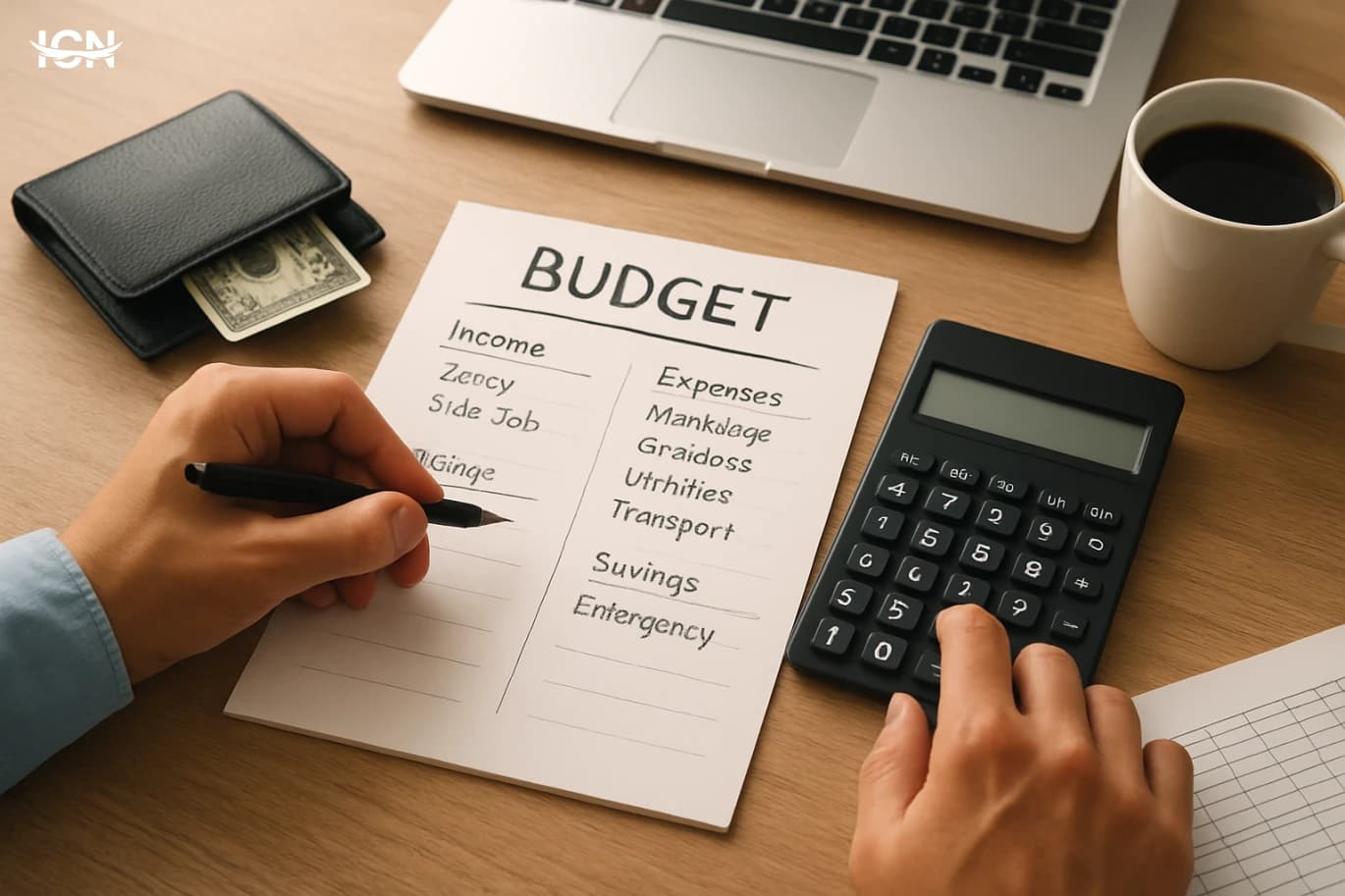
By Week 3 you have enough data to build a budget that matches your life. Start with fixed costs: housing, essential bills, minimum debt payments, and necessary transport. Subtract these from your monthly income to find your “available” amount. Then split the available amount into weekly limits for food, transport, and personal spending. Weekly limits work better than monthly limits because they prevent overspending early in the month. Add a “true expenses” line for costs that are not monthly but are predictable: annual insurance, car maintenance, school supplies, gifts, and medical checkups. Divide each by 12 and save that amount monthly. This is one of the fastest ways to reduce financial stress because it turns surprises into planned expenses. If your numbers do not balance, adjust in this order: reduce optional categories, renegotiate fixed bills where possible, and only then consider increasing income. For renegotiation, call providers, ask for a retention discount, compare competitor offers, and remove add-ons. Keep notes on the date, the person you spoke to, and the new terms so you can repeat the process next year.
Week 4 automate and protect progress
In the final week, turn your new budget into a system. Automate the essentials first: schedule bill payments right after income arrives, and set an automatic transfer to savings on the same day. Even a small amount builds consistency. If you have debt, automate at least the minimum payment and add a small extra payment if your cashflow allows. Create two safety buffers. The first is a “bill buffer” of one week of fixed expenses kept in your main account to prevent overdrafts. The second is an emergency fund kept separate, starting with a target of one month of essential expenses. If that feels too large, set a first milestone such as 500 or 1,000 in your local currency and build from there. Finally, set a monthly review appointment with yourself. Use three questions: What category exceeded the limit and why? What bill or subscription can be reduced next month? What upcoming expense needs planning now? A 20-minute review prevents the slow drift back to old habits and keeps your cashflow aligned with your priorities.
A simple checklist to repeat
To keep the reset useful, repeat a lighter version every month. Checklist: export transactions and label them within 48 hours; confirm all bills and due dates for the next 30 days; review subscriptions and cancel one low-value item; set weekly spending limits every Monday; and move money to savings immediately after payday. If you share expenses with family, agree on one shared rule such as a weekly food cap or a limit on delivery orders. Track two numbers only: your end-of-month cash balance and your total “flexible spending” (food, transport, and other). If the cash balance improves and flexible spending stays within the weekly limits, the system is working. If not, adjust one lever at a time so you can see what actually changes the outcome. Over time, this approach builds financial awareness that is practical, measurable, and easy to maintain.