App Logo

Download Our App

Shop your way

logologo
Image

Inflation and What It Means for Your Money
02/02/2026By: ICN Writer
Inflation and What It Means for Your Money

What inflation really is

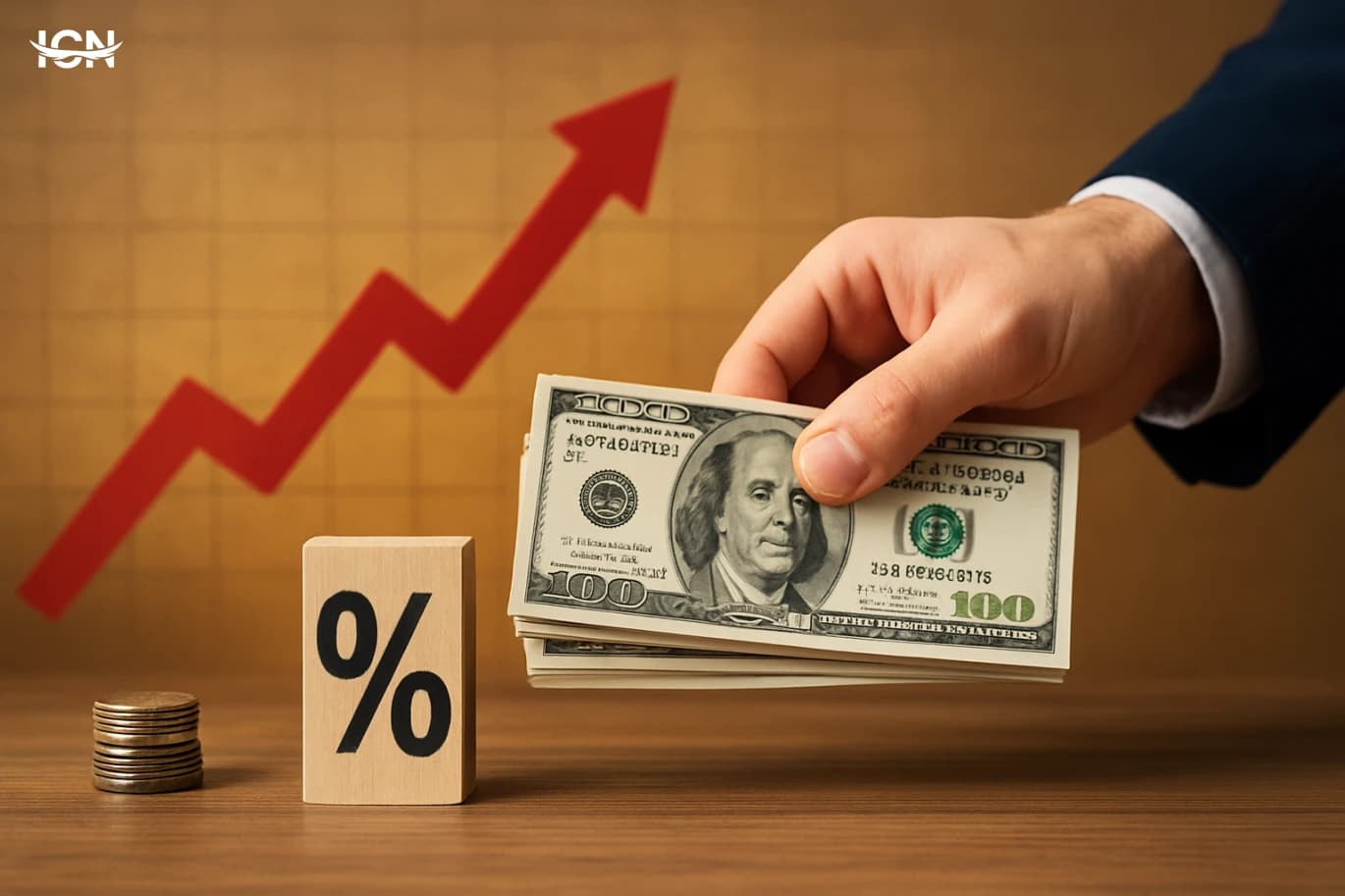
Inflation is the broad rise in prices over time, which reduces the purchasing power of money. If a basket of everyday items costs 100 today and 105 next year, inflation is 5% for that basket. Economists track inflation using consumer price indexes that follow hundreds of goods and services such as food, rent, transportation, healthcare, and education. Because households buy different mixes of items, the “official” rate may not match what a specific family feels. Inflation is not the same as a one-time price jump in a single product. A temporary spike in tomatoes due to bad weather is a relative price change; inflation is when many prices rise together and keep rising. Inflation can also vary by category: rents may climb faster than electronics, while fuel prices can move sharply month to month. Understanding inflation starts with separating short-term volatility from a sustained, economy-wide trend.

Why prices rise

Inflation has several common drivers. Demand-pull inflation happens when consumers and businesses spend more than the economy can produce in the short run. This can occur after strong job growth, tax cuts, or large stimulus programs that increase purchasing power. When demand outpaces supply, sellers can raise prices without losing customers. Cost-push inflation starts from higher input costs. Energy, shipping, wages, and imported materials can become more expensive, pushing companies to raise final prices to protect margins. Supply shocks—such as droughts, geopolitical disruptions, or factory shutdowns—can reduce availability and lift prices. In many countries, currency depreciation also plays a role: when the local currency weakens, imports cost more, and that feeds into food, fuel, and manufactured goods. Expectations matter as well. If businesses and workers believe prices will keep rising, they may set higher prices and demand higher wages in advance, which can make inflation more persistent. Central banks watch these expectations closely because they influence how quickly inflation cools when conditions improve.

How inflation hits households

Inflation affects households unevenly. Families that spend a large share of income on essentials—food, rent, utilities, and transportation—often feel inflation more because these categories can rise quickly and are hard to cut. Rent increases can be especially painful because housing is typically the largest monthly expense. When inflation is high, landlords may raise rents to keep up with costs and market conditions. Inflation also changes the real value of wages. If salaries rise 3% but prices rise 6%, purchasing power falls even though the paycheck is larger. This “real wage” squeeze can lead households to reduce discretionary spending, delay major purchases, or take on more debt. Variable-rate loans can become more expensive when central banks raise interest rates to fight inflation, increasing monthly payments on mortgages or consumer credit. Not all effects are negative. Borrowers with fixed-rate debt may benefit because they repay loans with money that is worth less over time, while savers holding cash lose purchasing power. The key is that inflation reshuffles winners and losers depending on income sources, debt structure, and spending patterns.

What central banks do

Central banks are typically responsible for price stability, often with an explicit inflation target such as 2% annually. Their main tool is monetary policy, especially interest rates. When inflation is too high, raising policy rates makes borrowing more expensive and encourages saving, which can cool demand. Higher rates can also strengthen the currency, reducing the cost of imports, though the effect depends on global conditions. Central banks also use communication to guide expectations. Clear statements about future policy can influence how businesses set prices and how workers negotiate wages. In some cases, central banks reduce liquidity through open market operations or adjust reserve requirements, though these tools vary by country. Monetary policy has limits. It cannot quickly fix supply shortages, rebuild shipping capacity, or produce more food after a drought. That is why inflation episodes often require time to resolve, and why coordination with fiscal policy, competition policy, and supply-side reforms can matter. The trade-off is that aggressive rate hikes can slow growth and raise unemployment, so policymakers balance inflation control with economic stability.

Practical steps to protect your budget

Households can reduce inflation damage with targeted actions. Start by tracking spending for at least one month and separating essentials from discretionary items. This helps identify categories where prices are rising fastest, such as groceries or transportation. Switching brands, buying in bulk for non-perishables, and planning meals can lower food costs without reducing nutrition. Review recurring bills. Negotiating internet or mobile plans, comparing insurance offers, and adjusting electricity usage can produce savings that compound over time. For debt, prioritize high-interest balances first. If you have variable-rate loans, ask your bank about refinancing to a fixed rate or shortening the repayment period when feasible. Keep an emergency fund, even if small, because inflation periods often come with economic uncertainty. On the income side, document achievements and market pay data before salary discussions. For freelancers and small businesses, update pricing regularly and communicate changes clearly to clients. For savings, avoid leaving large amounts idle in cash for long periods; consider diversified options appropriate to your risk tolerance and local regulations, such as term deposits, inflation-linked instruments where available, or broad investment funds. The goal is not to “beat inflation” every month, but to prevent long-term erosion of purchasing power.

Bookmark

Inflation is a sustained, broad increase in prices that reduces what your money can buy. It can be driven by strong demand, higher production costs, supply disruptions, currency weakness, and rising expectations. The impact differs by household, with essentials like rent and food often causing the most pressure. Central banks mainly respond by adjusting interest rates and managing expectations, but supply problems take time to heal. For personal finances, focus on measurable actions: track spending, cut waste in key categories, review recurring bills, manage debt costs, and build a buffer for emergencies. Protecting purchasing power is usually about consistent habits and smart decisions, not one perfect investment or a single quick fix.

* All articles published on this blog are sourced from various websites and are provided for informational purposes only. They should not be considered as confirmed studies or accurate information. Please verify the information independently before relying on it.

Similar ARTICLES

Smart Cash Flow for Irregular Income
Many people earn money that changes month to month: freelancers, commission-based employees, seasonal workers, small business owners, and anyone with overtime that comes and goes. The common mistake is building a budget around a “good month” and then scrambling when income drops. A better approach starts by accepting variability as normal and designing a system that works in both high and low months. Irregular income creates two practical risks. First, fixed bills do not adjust automatically when earnings fall, so the gap must be covered by savings or debt. Second, it becomes harder to make long-term decisions—like signing a lease, financing a car, or committing to subscriptions—because you cannot reliably predict next month’s cash. The goal of financial literacy here is not to guess income perfectly, but to build a cash-flow method that stays stable even when income is not. This topic focuses on concrete steps: calculating a “baseline income,” separating essential and flexible spending, creating a buffer that prevents panic, and using simple rules to decide what to do with extra money in strong months. The result is a plan that reduces stress, protects credit, and makes saving possible without needing a perfectly steady paycheck.
The Real Cost of Buy Now Pay Later
Buy Now Pay Later (BNPL) has moved from a niche checkout button to a default option across fashion, electronics, travel add-ons, and even everyday purchases. The pitch is simple: split a payment into several installments, often with “no interest” messaging, and finish the purchase in seconds. For retailers, BNPL can lift conversion rates and average order values because shoppers feel the immediate price is smaller. For consumers, it can feel like a budgeting tool, especially when cash flow is tight. But BNPL is not the same as a traditional installment plan from a bank, and it is not the same as a credit card either. The product design is built for speed: minimal friction, quick approvals, and small scheduled payments that look manageable in isolation. The financial literacy challenge is that the true cost is not always in an interest rate. It can show up in late fees, stacked obligations across multiple merchants, and the way BNPL changes spending behavior. Understanding the mechanics behind the “easy payments” message is the first step to using it safely.
The 30 Day Cashflow Reset
A 30 day cashflow reset is a practical way to see where your money actually goes, not where you think it goes. One month is long enough to capture recurring bills, weekly spending patterns, and the small purchases that quietly add up. It is also short enough to stay focused without turning the process into a long, exhausting project. The goal is not to “stop spending” for a month. The goal is to build a clear picture of inflows and outflows, then make a few targeted changes that you can keep. Most people do better with a reset that produces two outcomes: a realistic weekly spending limit and a simple system for paying bills on time. If you finish the month knowing your true baseline costs and your controllable spending, you can plan savings and debt payments with less guesswork. This approach is especially useful for anyone who feels their salary disappears quickly, who relies on credit for routine expenses, or who saves inconsistently. By the end of the month, you should be able to answer three questions with confidence: what is my minimum cost to live, what spending categories are most flexible, and what changes will free up cash without harming daily life.
Your First Personal Budget That Actually Works
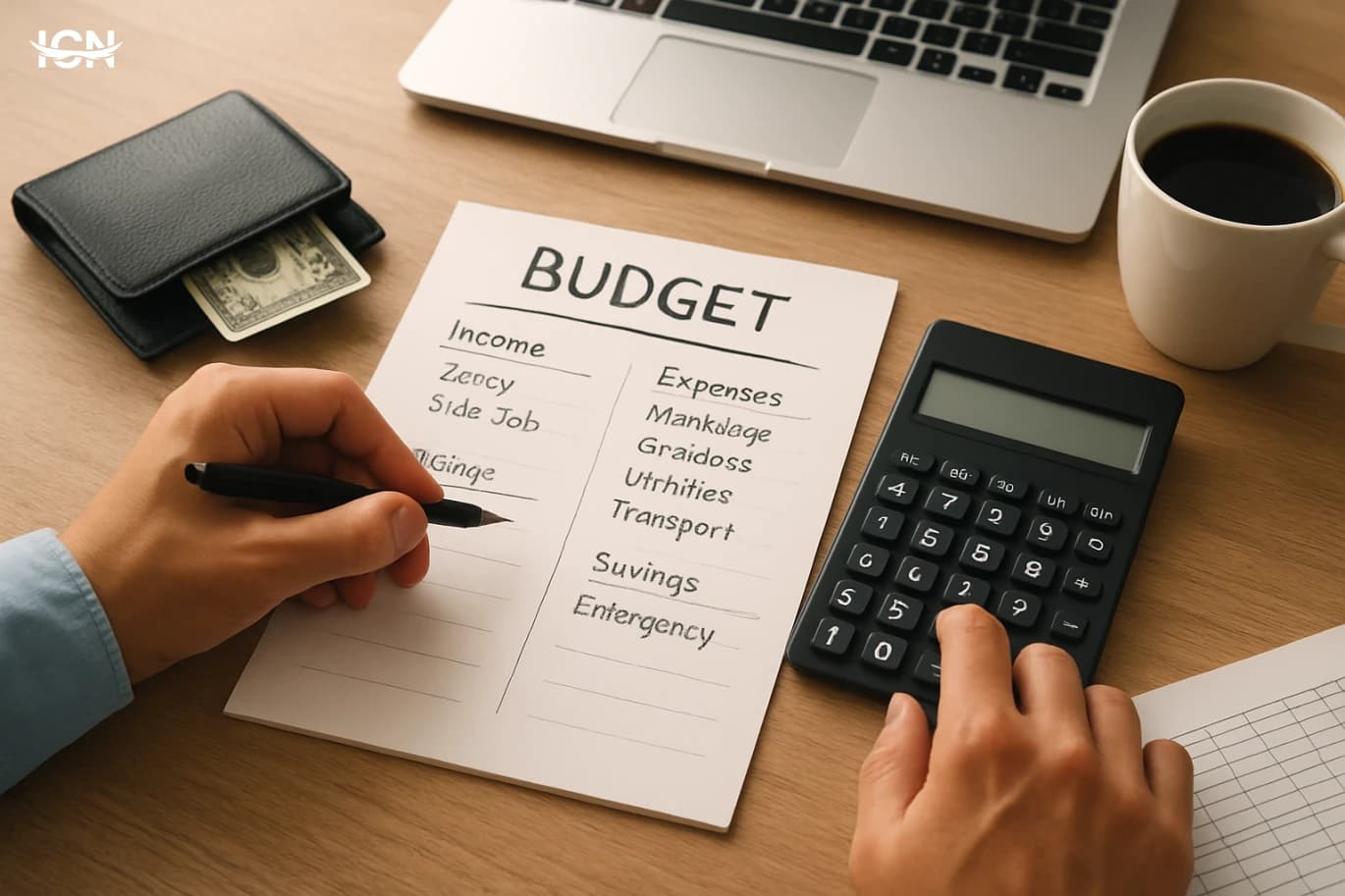
Many people start budgeting with motivation but without a system that matches real life. A common failure point is building a plan around “perfect” behavior: cooking every meal, never taking a taxi, or cutting entertainment to zero. When the first unexpected expense appears, the budget feels broken and gets abandoned. Another issue is using categories that are too vague. “Miscellaneous” becomes a black hole, while “Food” mixes groceries, coffee, and delivery, making it impossible to see what is actually driving spending. Budgets also fail when they ignore timing. Bills arrive on specific dates, while income may come weekly, biweekly, or irregularly. If the budget is monthly but cash flow is not, you can be “on budget” and still run out of money mid-month. Finally, many budgets are built without a clear purpose. If the only goal is restriction, it creates friction. A working budget is a decision tool: it tells you what you can spend today while still paying bills and building savings. The rest of this guide focuses on a simple structure that is realistic, trackable, and flexible enough for normal life.
The 30-Day Cashflow Reset Plan
Many people try to “budget harder” and still feel stuck because the real issue is cashflow timing, not willpower. Cashflow is the pattern of money entering and leaving your account across the month. If your bills hit before your income arrives, you can be “good with money” and still pay late fees or rely on overdrafts. A cashflow reset focuses on dates, categories, and minimum balances so your plan matches how money actually moves. This topic is a practical 30-day plan that helps readers map paydays, bill due dates, and variable spending, then redesign the month so essentials are covered first and surprises are less damaging. It also highlights how small timing changes—like moving a due date, splitting a payment, or setting a weekly spending cap—often deliver faster relief than cutting every expense. The goal is stability: fewer emergency transfers, fewer missed payments, and a clearer picture of what’s truly affordable.
The Real Cost of Buy Now Pay Later
Buy Now Pay Later (BNPL) is marketed as a simple way to split a purchase into smaller payments, often with “no interest.” That framing makes the cost feel close to zero, especially compared with credit cards. The reality is that BNPL changes how people perceive prices and timing. A $240 purchase can feel like “only $60 today,” even though the full amount still leaves your budget over the next few weeks. BNPL also reduces the friction that normally slows spending. When you pay in full, you see the immediate hit to your account. With BNPL, the first payment is smaller and the rest is delayed, so the purchase feels less consequential. Many shoppers end up adding items, upgrading options, or buying sooner than planned because the monthly or biweekly payment looks manageable. The key financial literacy point is that affordability is not the size of the first installment; it is whether the entire schedule fits your cash flow alongside rent, groceries, transport, and existing debt. Another reason BNPL feels cheaper is the way fees are presented. Late fees, rescheduling fees, or account restrictions are often described in the fine print rather than in the headline offer. Even when fees are capped, they can still turn a small purchase into an expensive one if you miss a payment. Understanding the psychological and presentation factors is the first step to evaluating BNPL like any other form of credit: by total cost, timing, and risk of penalties.
The 30-Day Cashflow Reset Plan
A 30-day cashflow reset is long enough to capture real spending patterns and short enough to stay focused. Most people underestimate how much “small” purchases add up because they remember the big bills but forget the daily transactions. In one month, you will see recurring charges, weekend spikes, and the timing gaps between paydays and due dates. This is not a strict “no spending” challenge; it is a structured review that turns your bank activity into decisions. The goal is to create a clear picture of where money is going and to build a simple routine you can repeat. You will separate fixed obligations from flexible spending, identify avoidable fees, and set a realistic weekly limit for categories that usually drift. By the end of the month, you should have a workable baseline budget, a plan for upcoming bills, and a short list of changes that improve cashflow without relying on unrealistic willpower.
The Real Cost of Subscriptions
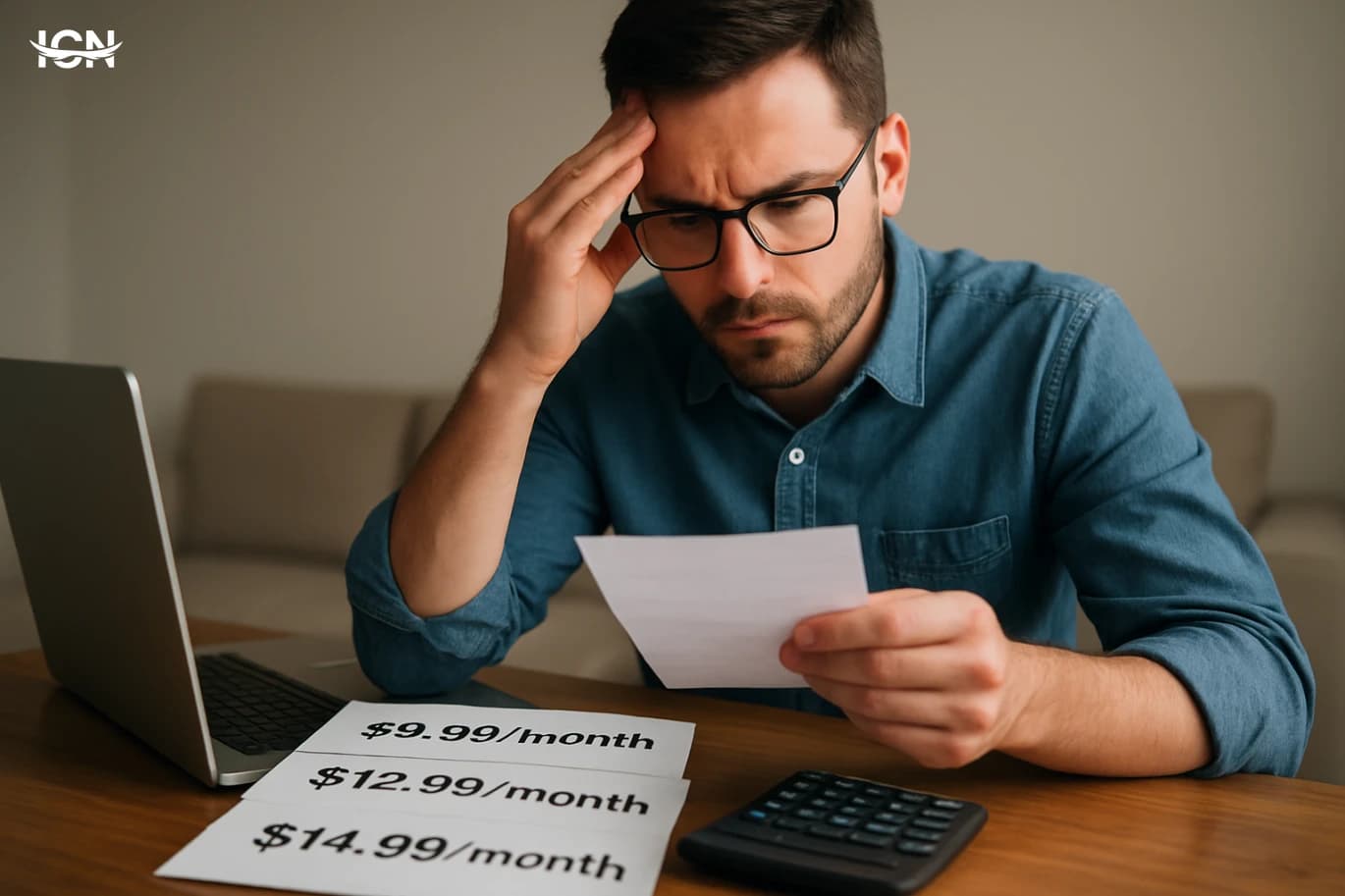
Subscription pricing is designed to feel small, predictable, and easy to ignore, which is exactly why it can become a major budget leak. A single streaming service, a music app, cloud storage, a fitness platform, and a few “pro” upgrades can add up to a meaningful monthly bill without ever triggering the same caution as a one-time purchase. Many people also pay for overlapping services that solve the same problem, such as multiple entertainment platforms or several productivity tools with similar features. The biggest issue is not the existence of subscriptions, but the lack of visibility. When charges are spread across different dates and payment methods, it becomes difficult to see the total cost. Auto-renewal reduces the need to make an active decision, so the default becomes “keep paying.” Over a year, even modest fees can rival the cost of a short trip, a professional course, or a meaningful emergency fund contribution. Financial literacy starts here: understanding that small recurring costs deserve the same scrutiny as large purchases.
Your First Personal Budget That Actually Works
Many first-time budgets collapse quickly because they are built on guesses, not real spending data. People often start with a strict plan that ignores irregular costs like annual subscriptions, school fees, car maintenance, or gifts. When those expenses appear, the budget feels “broken,” and the person stops tracking altogether. Another common issue is using categories that are too broad, such as “miscellaneous,” which becomes a dumping ground that hides patterns. Budgets also fail when they rely on willpower instead of systems. If every purchase requires a mental debate, fatigue sets in and the plan gets abandoned. A workable budget is less about perfection and more about creating clear limits, simple rules, and a routine that takes minutes, not hours. The goal is to make spending visible and predictable, so you can make choices before the money is gone.
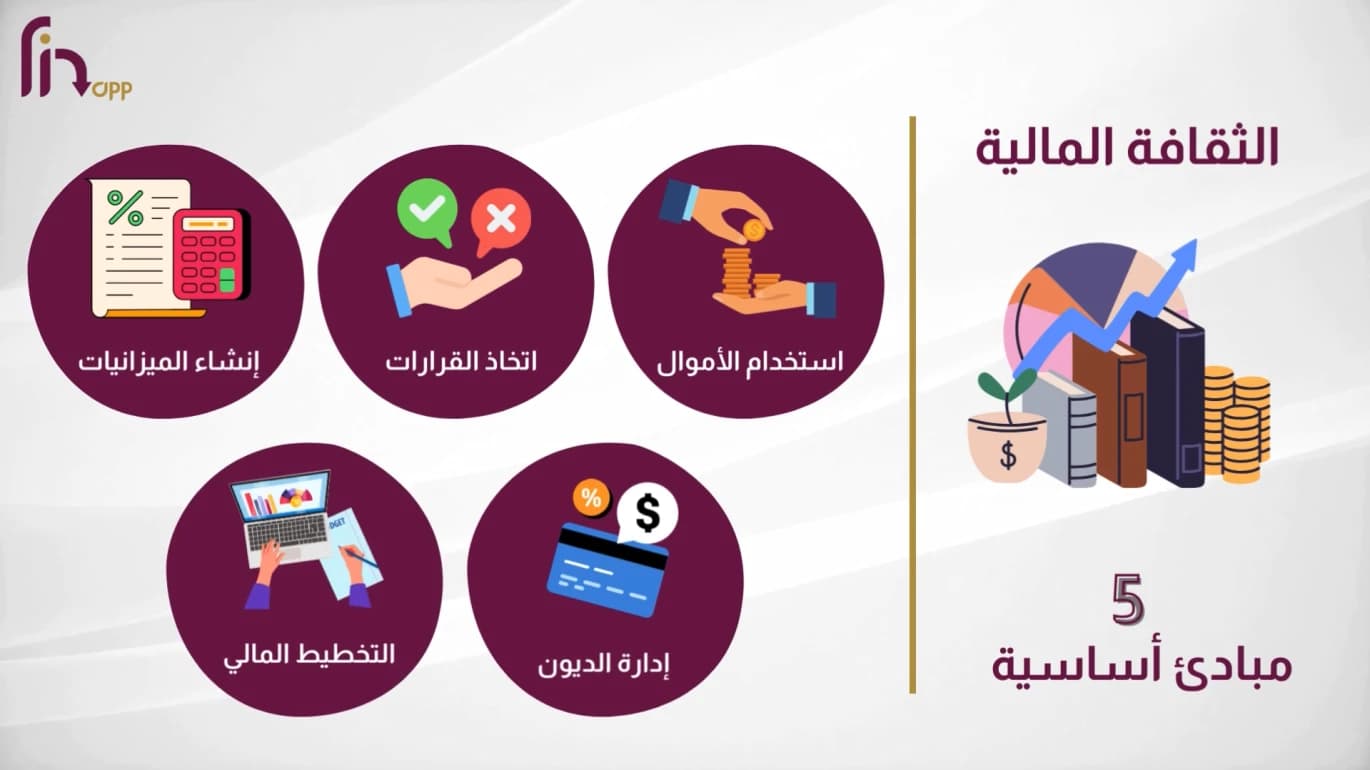
Principles of financial culture
A. The importance of financial culture in daily life Financial culture is considered one of the necessary foundations that help individuals manage their money better. It enables them to make informed financial decisions, which contributes to improving their quality of life. Individuals who possess financial knowledge are able to plan for the future, avoid debt, and invest intelligently. for. Objectives of enhancing the financial culture of society: Communities seek to enhance financial culture with the aim of enabling individuals to build sustainable wealth. Through awareness and training programmes, financial understanding can be enhanced and contribute to creating a stable economic society. Financial culture is a means to support innovation and bring about positive changes that meet the needs of current and future generations.
By clicking the SUBSCRIBE button, you are agreeing to our Privacy & Cookie Policy If you want to unsubsribe the marketing email, please proceed to our privacy center.
© 2005-2026 ICN. All Rights Reserved.