Rescuing Houseplants from Overwatering
- Why overwatering is so common indoors
- Early warning signs you should not ignore
- A quick diagnosis before you act
- First aid steps for an overwatered plant
- How to rebuild a safer watering routine
- When recovery fails and what to do next
Why overwatering is so common indoors
Overwatering is the most frequent cause of houseplant decline because indoor conditions rarely match the assumptions people make about “daily watering.” Potting mixes hold moisture longer in homes with air conditioning, low airflow, and cooler nights, and decorative cachepots can trap runoff that keeps roots wet for days. Many plants sold as “easy” are also grown in bright greenhouses and then moved to lower light in apartments, where they use less water. A plant that needed watering every 3–4 days at the store might need it every 10–14 days at home. Another common trigger is watering by schedule instead of by soil condition. Two identical plants can dry at different rates depending on pot size, soil type, window exposure, and whether the plant is actively growing. Understanding these indoor variables is the first step to preventing repeat damage and setting realistic expectations for recovery.
Early warning signs you should not ignore
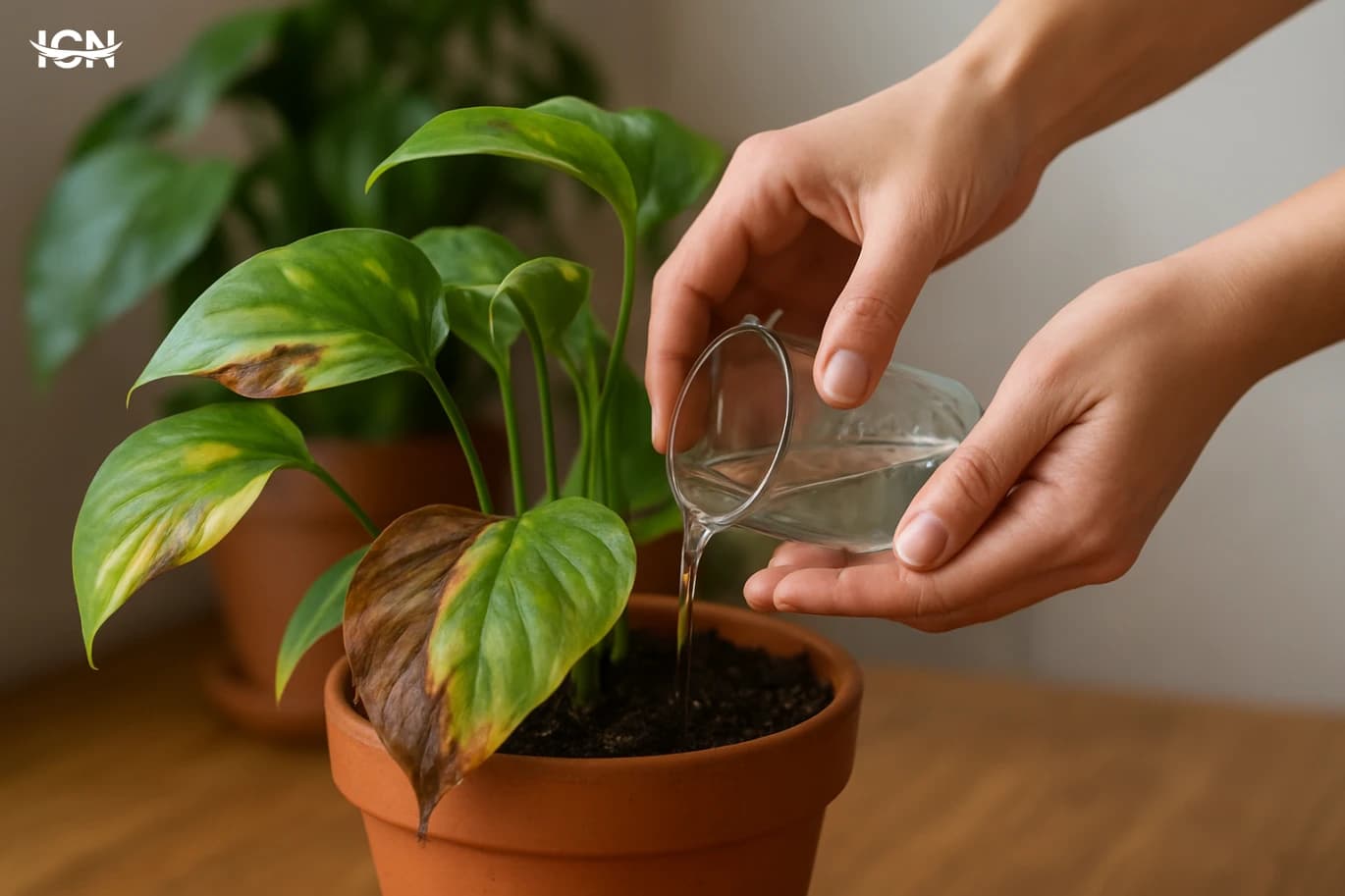
Overwatering does not always look like “too much water” on the surface. One of the earliest signs is leaves that turn yellow while the soil still feels damp several centimeters down. Another is soft, limp growth that looks like thirst but does not improve after watering. You may also notice a musty smell from the pot, fungus gnats hovering near the soil, or a white film and algae on the surface. In more advanced cases, stems darken near the soil line, lower leaves drop quickly, and new growth stalls. A simple check is to lift the pot: if it feels heavy for many days after watering, the mix is staying saturated. If the plant is in a cachepot, check whether water is pooling at the bottom. Catching these signals early matters because root damage progresses silently; once roots lose oxygen, they begin to die back, and the plant can no longer regulate water uptake even if the top looks fine.
A quick diagnosis before you act
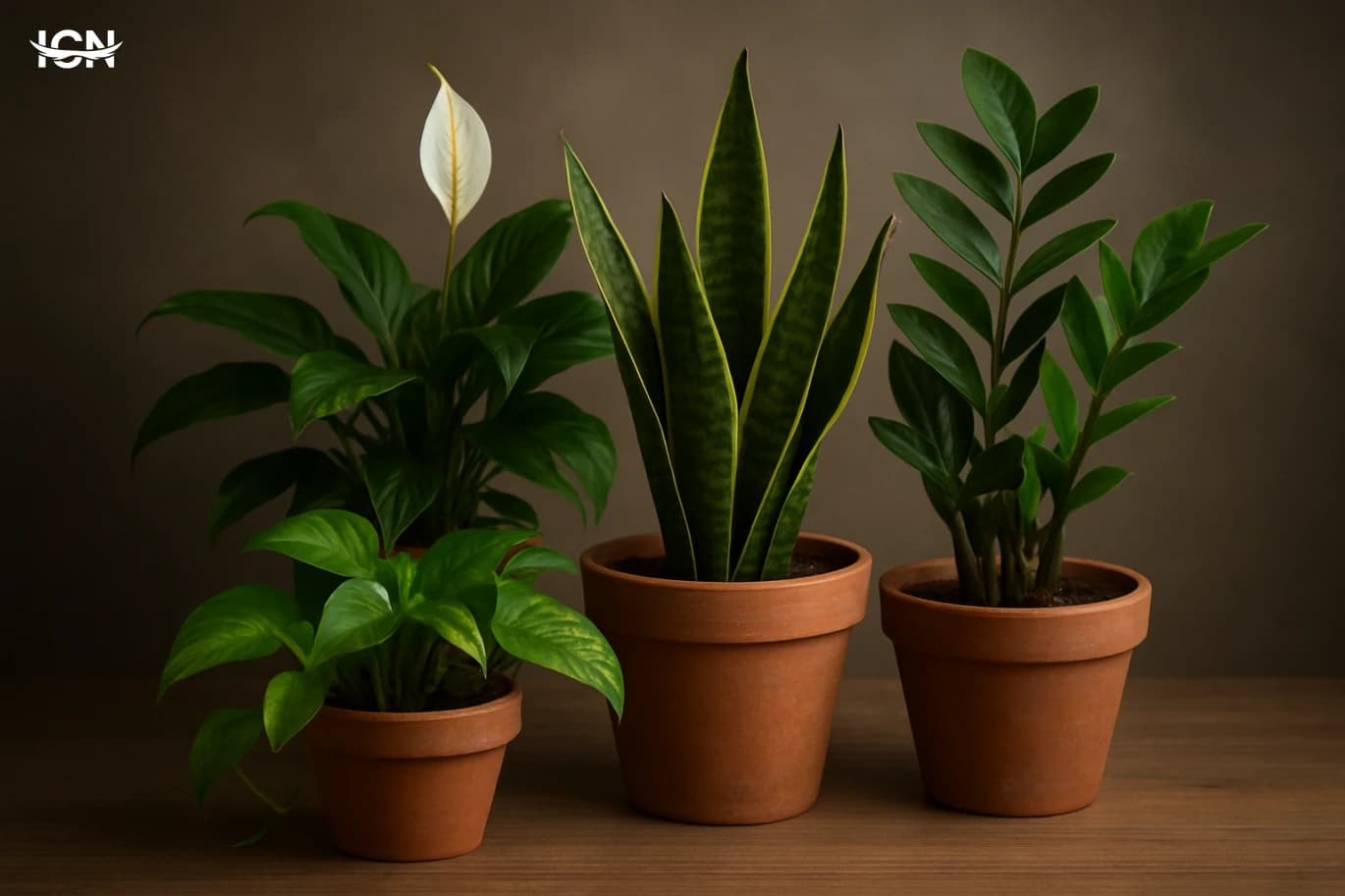
Before changing anything, confirm what you are dealing with. Push a wooden skewer or chopstick deep into the pot and leave it for a minute; if it comes out dark and wet, the root zone is still saturated. Check drainage: a healthy pot should have holes, and water should flow out within seconds of watering, not minutes. Look at the potting mix itself. Dense, peat-heavy mixes can become hydrophobic when dry and waterlogged when wet, creating extremes that stress roots. If you can slide the plant out, inspect the root ball. Healthy roots are firm and light-colored (often white or tan). Overwatered roots may look brown or black, feel mushy, and smell sour. Also note the plant type: succulents, snake plants, and ZZ plants tolerate drought better than constant moisture, while ferns and peace lilies prefer evenly moist soil but still suffer in stagnant, airless mixes. This diagnosis tells you whether you can dry the plant in place or need to intervene with pruning and repotting.
First aid steps for an overwatered plant
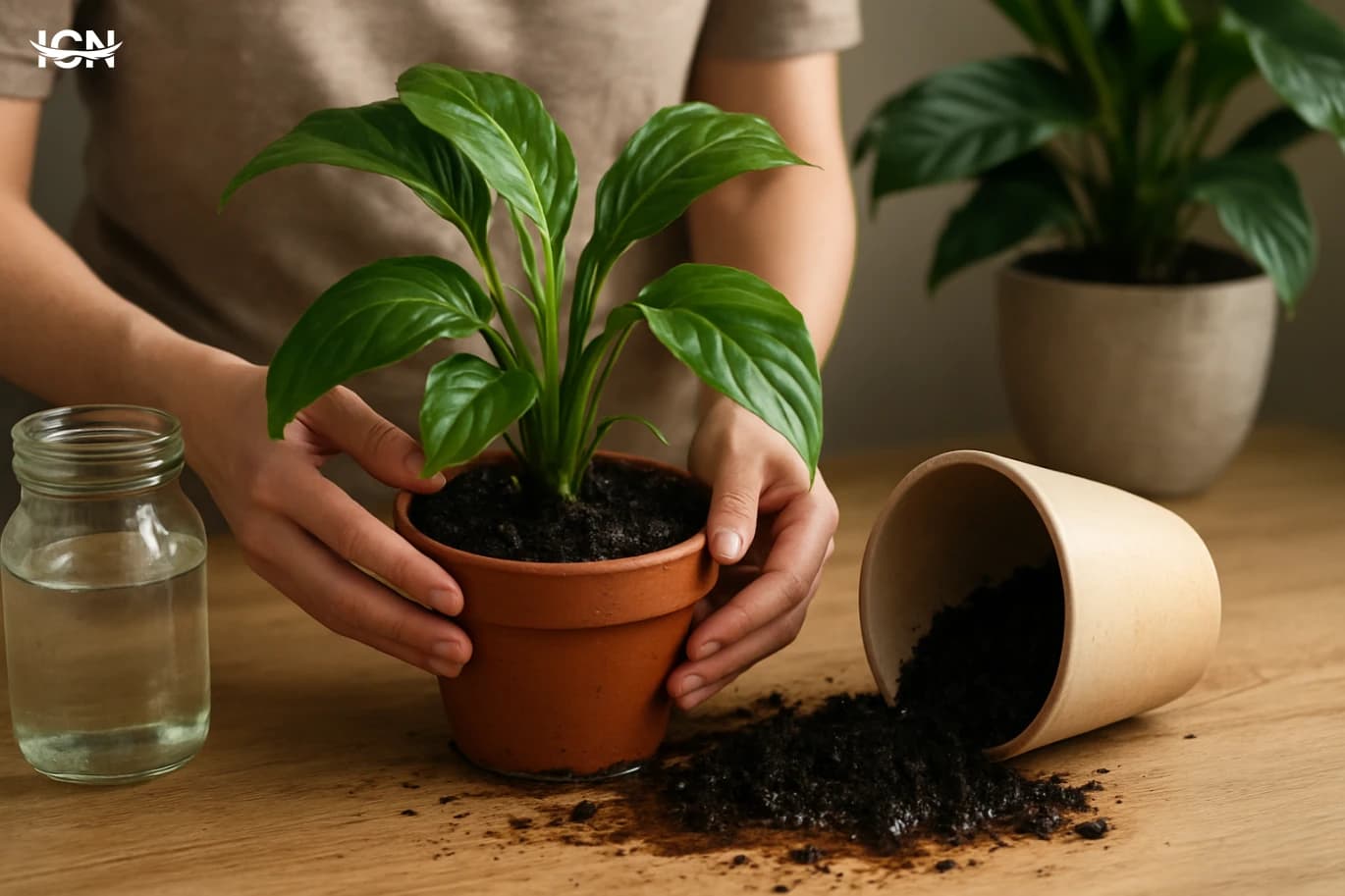
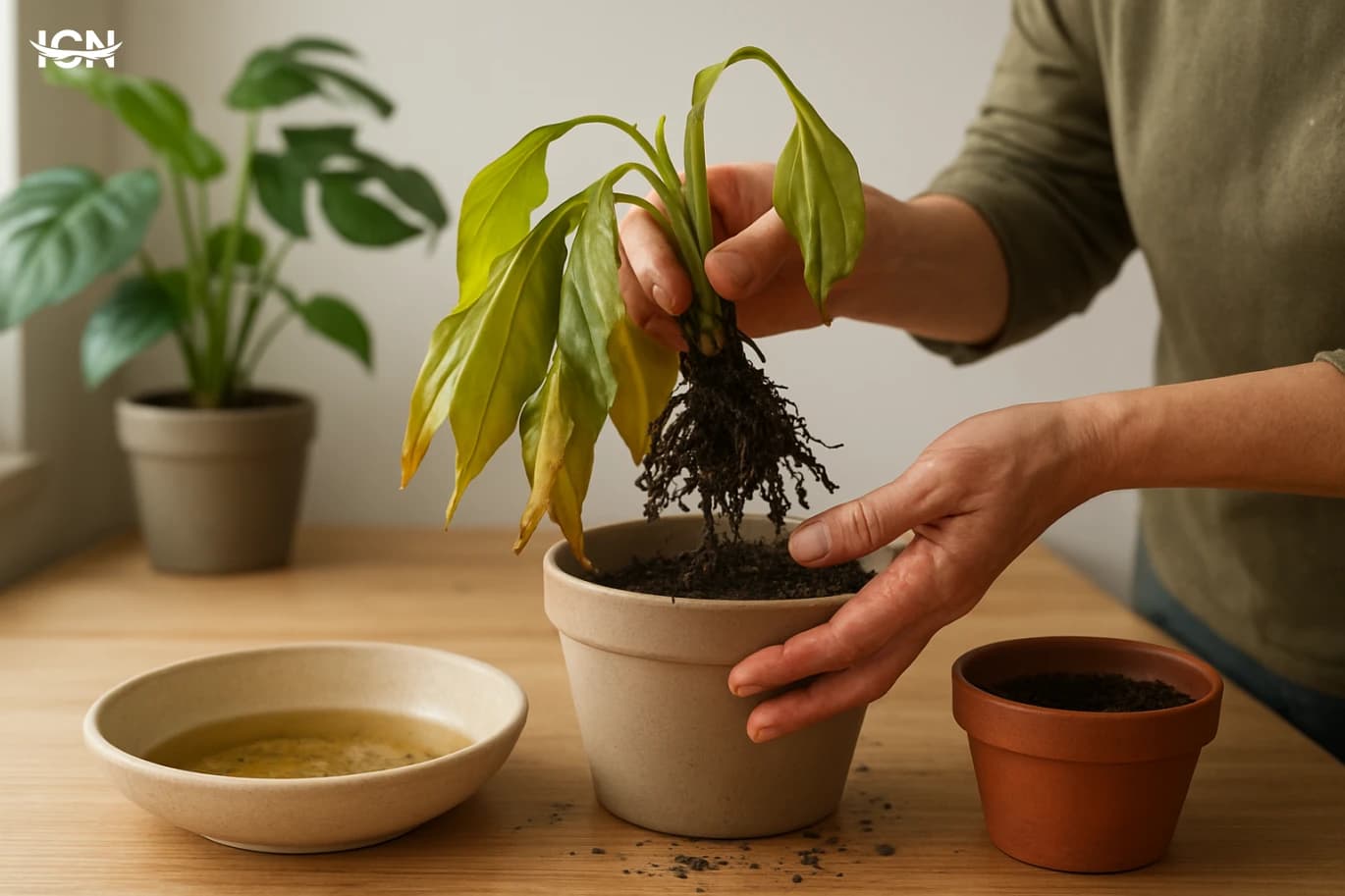
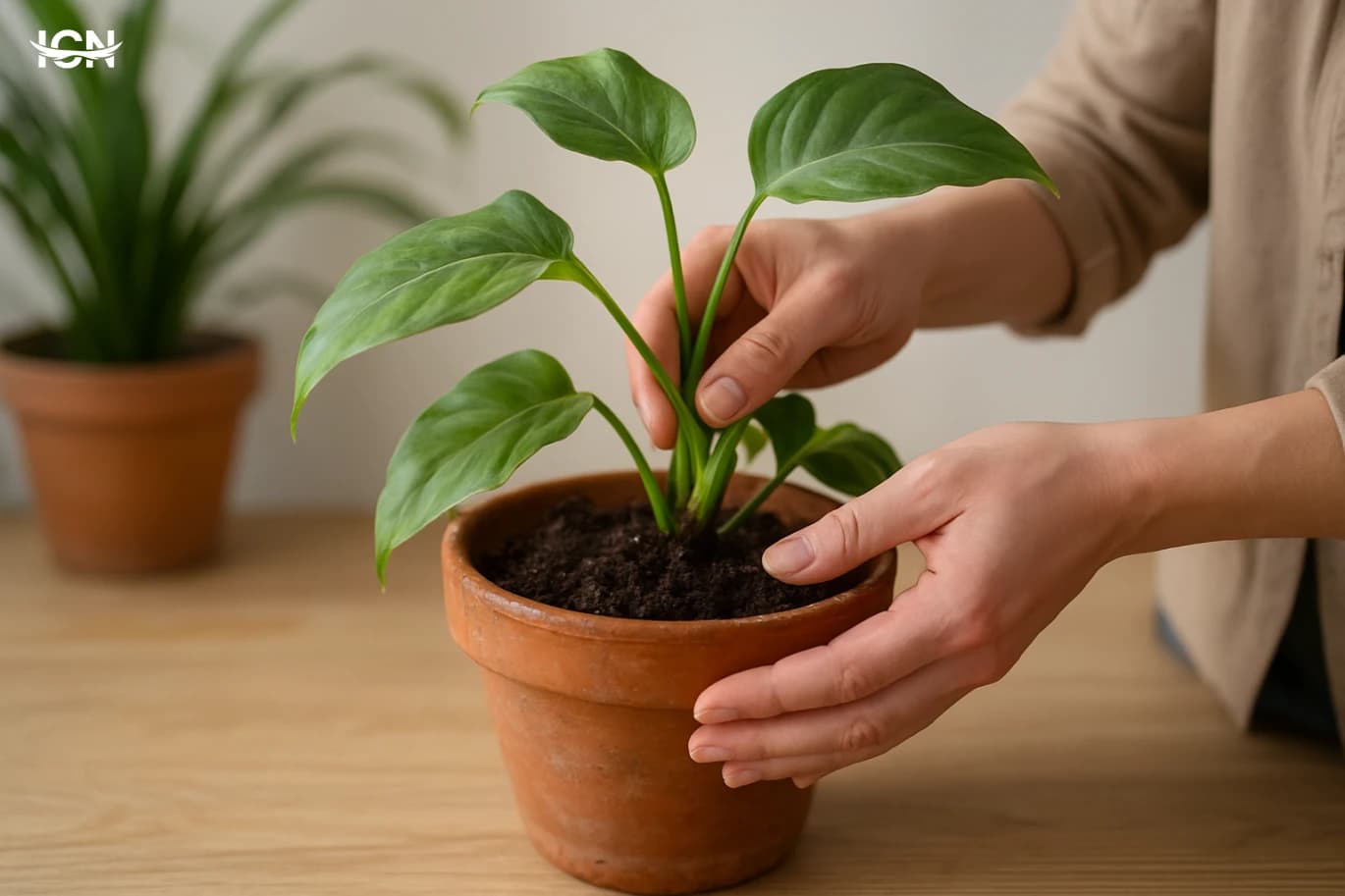
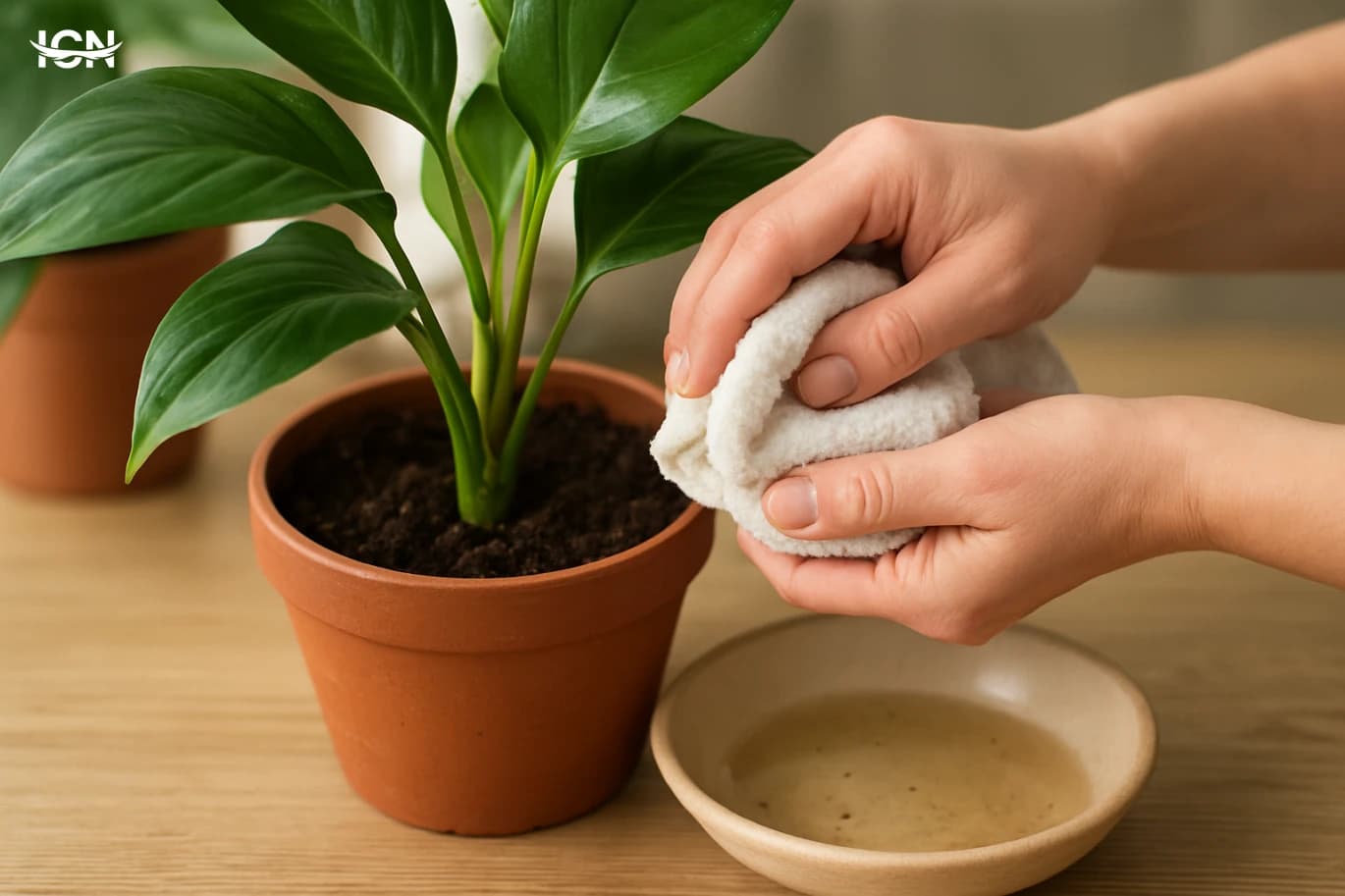
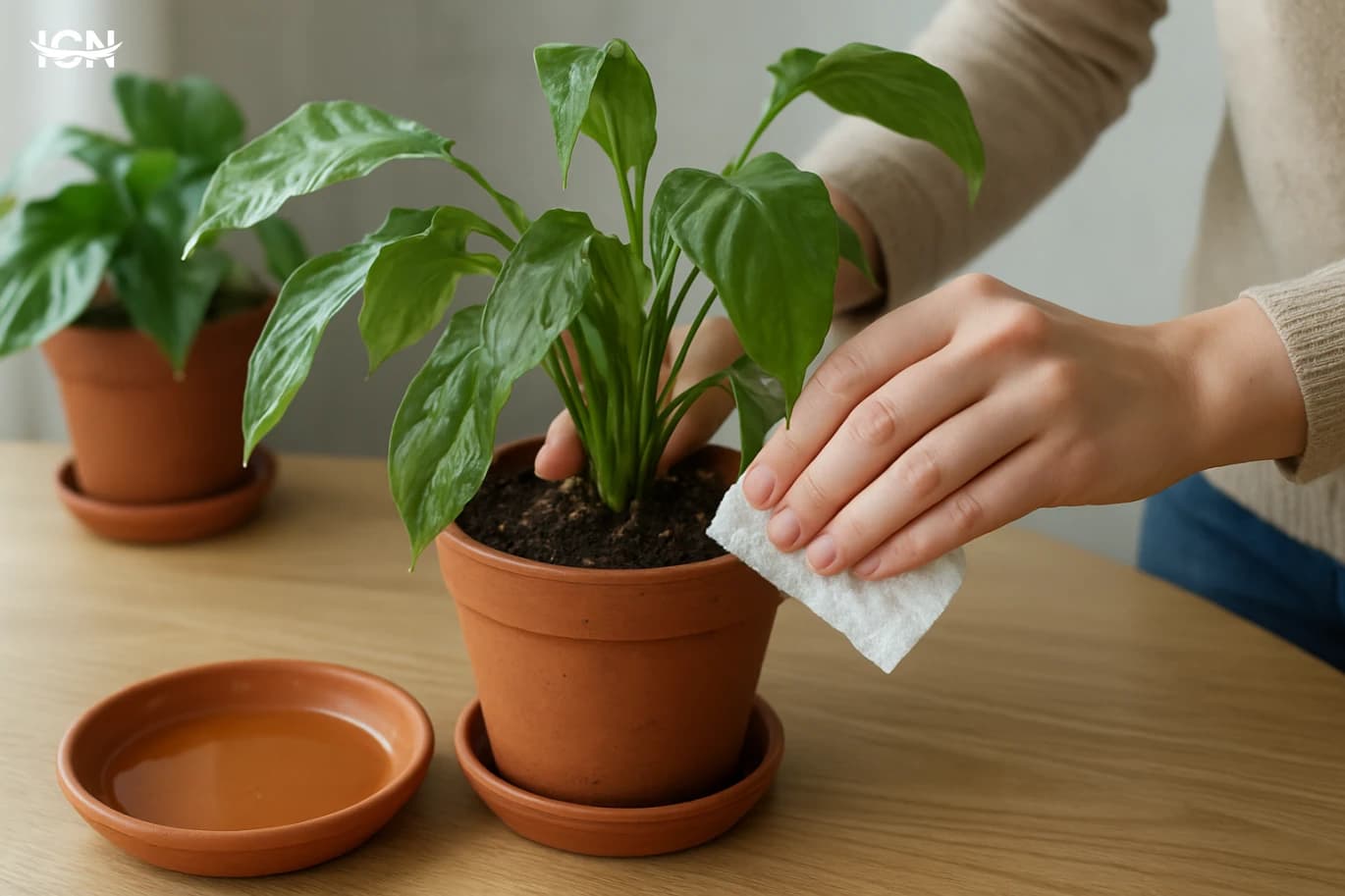
If the plant is only mildly affected, stop watering immediately and improve evaporation. Move it to brighter indirect light, increase airflow with a fan on low, and remove it from any cachepot so excess water cannot sit underneath. Tilt the pot and let it drain fully. If the soil is very wet, you can wick moisture out by inserting a few paper towels at the drainage holes for 10–20 minutes, replacing them as they saturate. For more serious cases, repotting is often the fastest rescue. Gently remove the plant, rinse or shake off soggy mix, and trim any black, mushy roots with clean scissors. Dusting cuts with cinnamon is popular, but the more reliable approach is simply letting the roots air-dry for 30–60 minutes before replanting. Use a fresh, airy mix suited to the plant: add perlite or pumice for most tropicals, and use a gritty cactus mix for succulents. Choose a pot with drainage and avoid upsizing too much; a pot that is only 2–3 cm wider than the root ball dries more predictably. After repotting, wait to water until the top few centimeters are dry and the plant shows signs of recovery.
How to rebuild a safer watering routine
A safer routine starts with measuring, not guessing. Check moisture at root depth with a skewer, or use your finger for the top 3–5 cm and then confirm by lifting the pot. Water thoroughly only when the plant is ready: for many common houseplants, that means when the top third of the pot has dried; for succulents, wait until the mix is dry almost all the way through. When you water, do it fully so the entire root ball is moistened and excess drains out; partial sips encourage shallow roots and uneven moisture pockets. Empty saucers and cachepots within 10 minutes. Adjust for seasons: growth slows in winter and in low light, so intervals often double. Also match the mix and pot to your habits. If you tend to water often, use a chunkier mix and terracotta pots that breathe. If you travel or forget, a slightly more water-retentive mix may be appropriate, but still prioritize drainage. Finally, track patterns for two weeks: note the day you water, the pot weight, and how long it takes to dry. This simple log quickly reveals what “normal” looks like in your specific home.
When recovery fails and what to do next
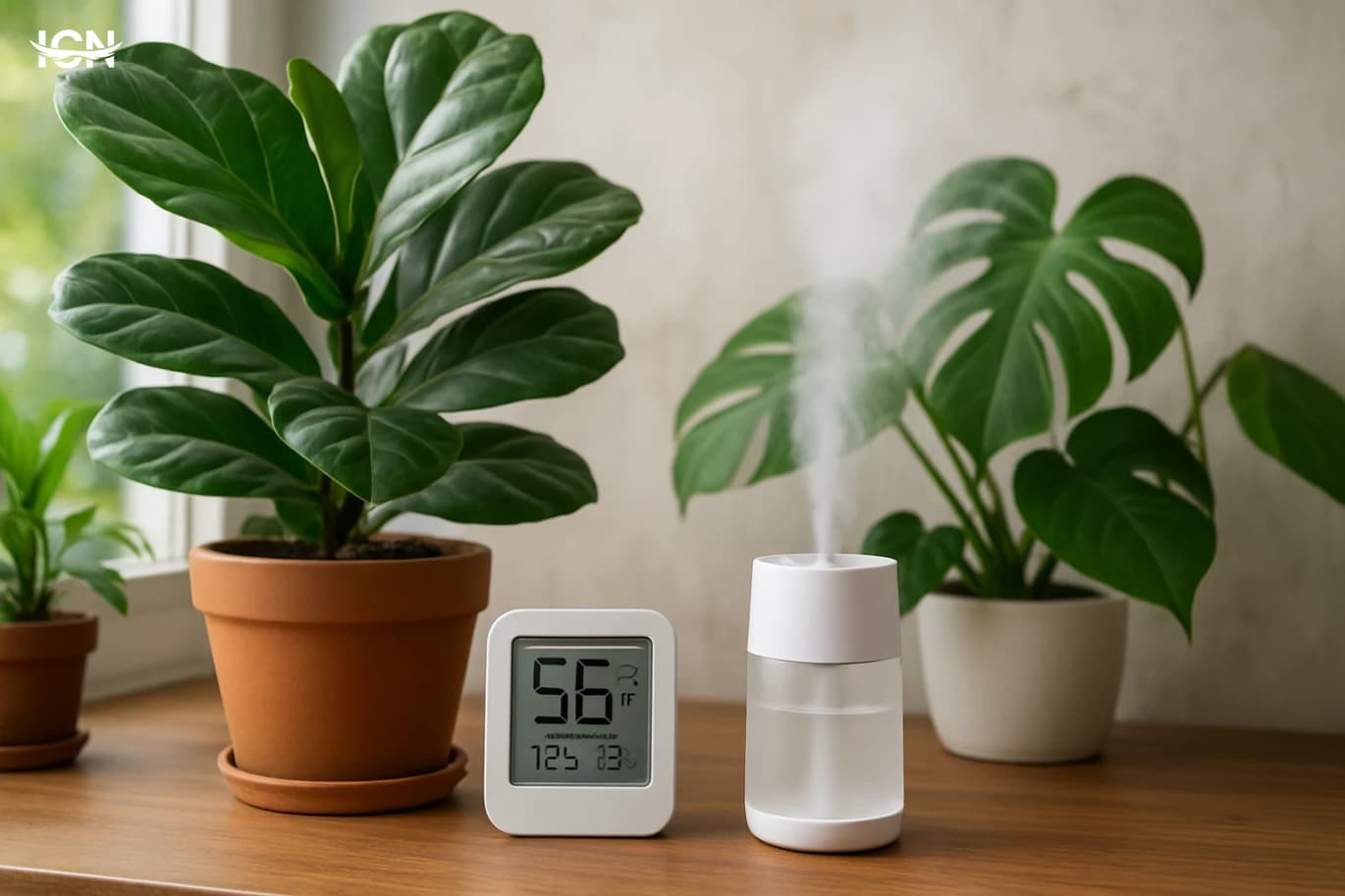
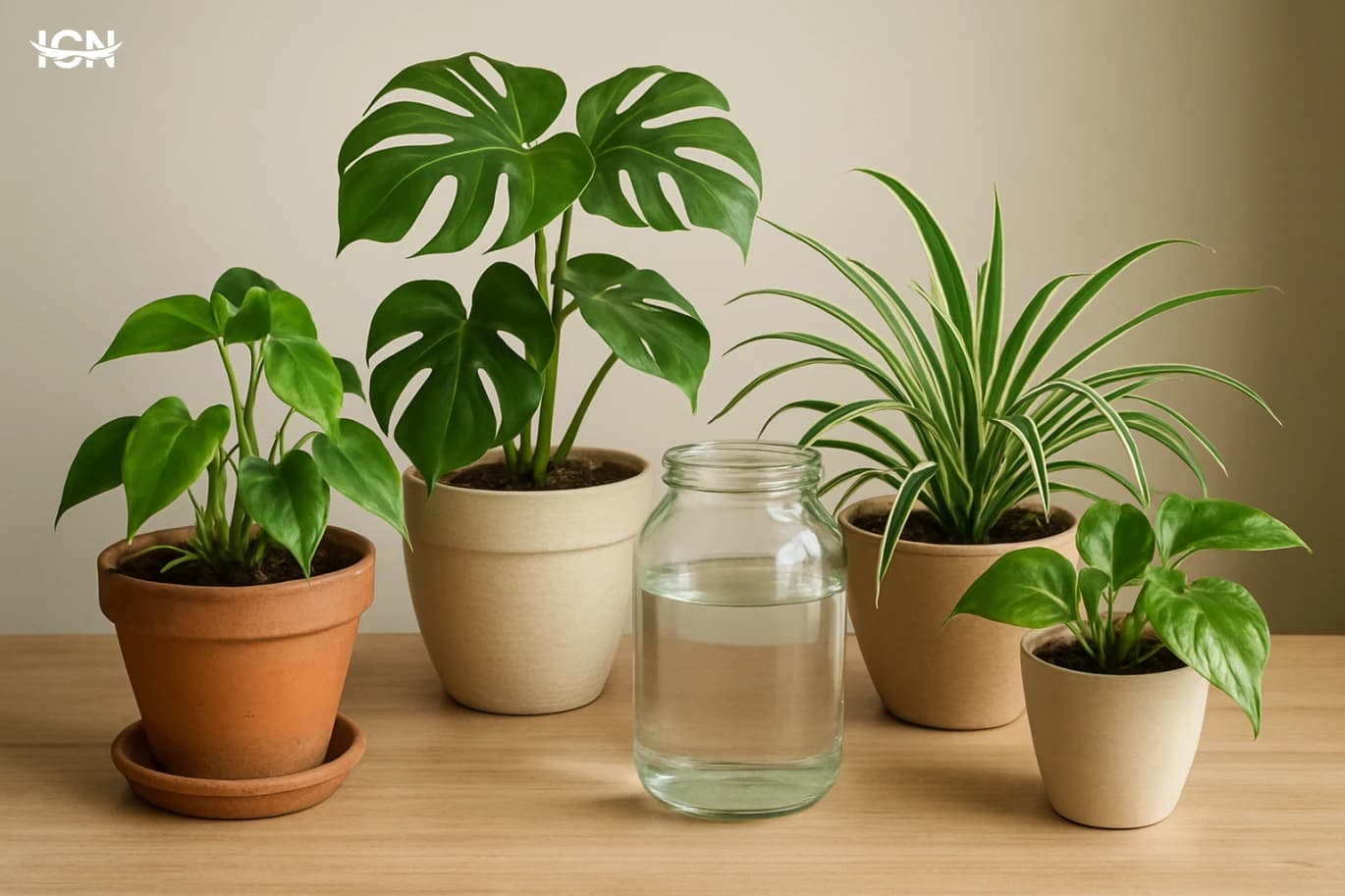
Not every plant can be saved, especially if rot has reached the crown or main stem. If the base is soft, dark, and collapsing, or if most roots are gone, focus on propagation rather than full recovery. Take healthy cuttings from firm stems or leaves, depending on the species, and root them in water or a sterile, lightly moist medium. For plants like pothos, philodendron, and tradescantia, cuttings often rebound faster than a damaged root system. If the plant is a rosette type (such as some succulents), remove healthy offsets if available. Also consider hygiene: discard severely contaminated soil, wash the pot with hot soapy water, and sanitize tools to avoid spreading pathogens. Finally, treat the episode as a systems problem, not a one-time mistake. If multiple plants are struggling, reassess light levels, pot drainage, and whether your home’s humidity and airflow are causing mixes to stay wet too long. A small change—like switching to pots with holes, using a faster-draining mix, or moving plants closer to a window—often prevents the same loss from repeating.