Perfume Primer for Longer Wear
- What a perfume primer actually does
- Types of primers and how to choose
- How to apply it for best results
- Common mistakes that reduce longevity
- Primer versus layering and other boosters
- Buying checklist and who benefits most
What a perfume primer actually does
A perfume primer is a prep layer applied before fragrance to help it last longer and smell more consistent throughout the day. It works by improving how perfume adheres to skin, reducing the quick “flash off” that happens when alcohol evaporates, and creating a smoother surface so the scent develops more evenly. Many primers also add light hydration, which matters because very dry skin tends to absorb and disperse fragrance faster. In practice, a primer does not “make a perfume stronger” in a simple way. Instead, it supports the fragrance’s structure: top notes stay present a bit longer, the heart notes feel less abrupt, and the base notes can remain noticeable into the late hours. The result is usually better longevity and a cleaner scent trail, not an overpowering cloud. For people who reapply often, a primer can also reduce the need for frequent touch-ups, which helps preserve the original character of the perfume rather than layering multiple fresh sprays over fading notes.
Types of primers and how to choose
Perfume primers generally fall into a few practical categories. Unscented hydrating primers are the most versatile: they add moisture and a light barrier without competing with your perfume. Oil-based primers (often with jojoba, squalane, or similar emollients) can be effective for very dry skin, but they may slightly soften sharp citrus or airy notes. Silicone-like smoothing primers exist too; they can create a uniform feel on skin, though some users find they mute delicate florals. There are also lightly scented primers designed to pair with a fragrance family, such as clean musk, soft vanilla, or gentle amber. These can enhance cohesion, but they require more care: if the primer’s scent profile clashes with your perfume, the blend may feel off. For everyday use, an unscented option is the safest starting point. When choosing, match the primer to your skin and climate. In hot, humid conditions, a lightweight gel or lotion primer can prevent a heavy feel while still improving adherence. In cold or dry weather, a richer balm-style primer may perform better. If you wear fresh, transparent fragrances, pick a primer that is truly low-odor. If you prefer deeper orientals or gourmand styles, a neutral-to-warm base primer can support the dry-down without changing the perfume’s identity.
How to apply it for best results
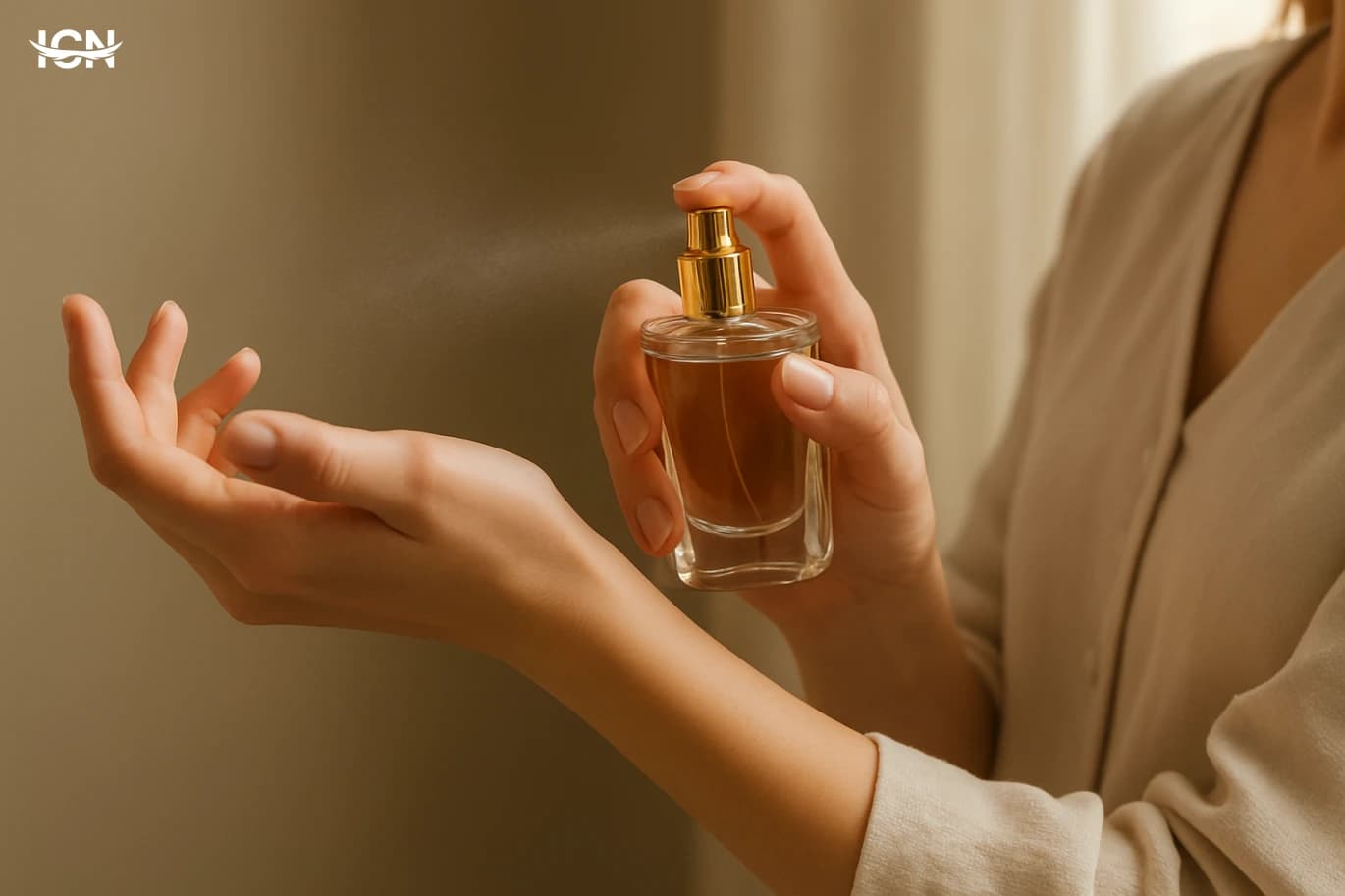
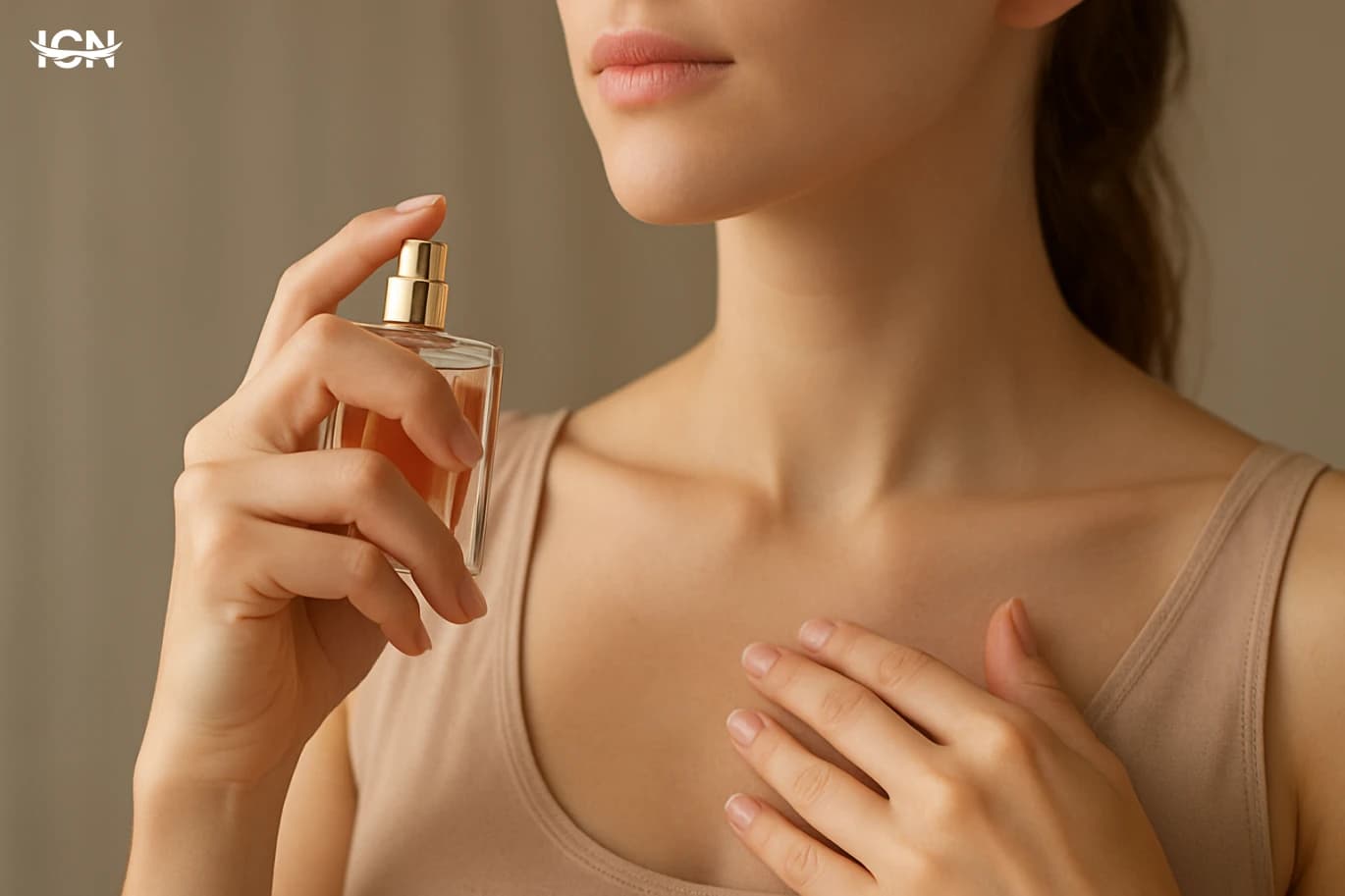
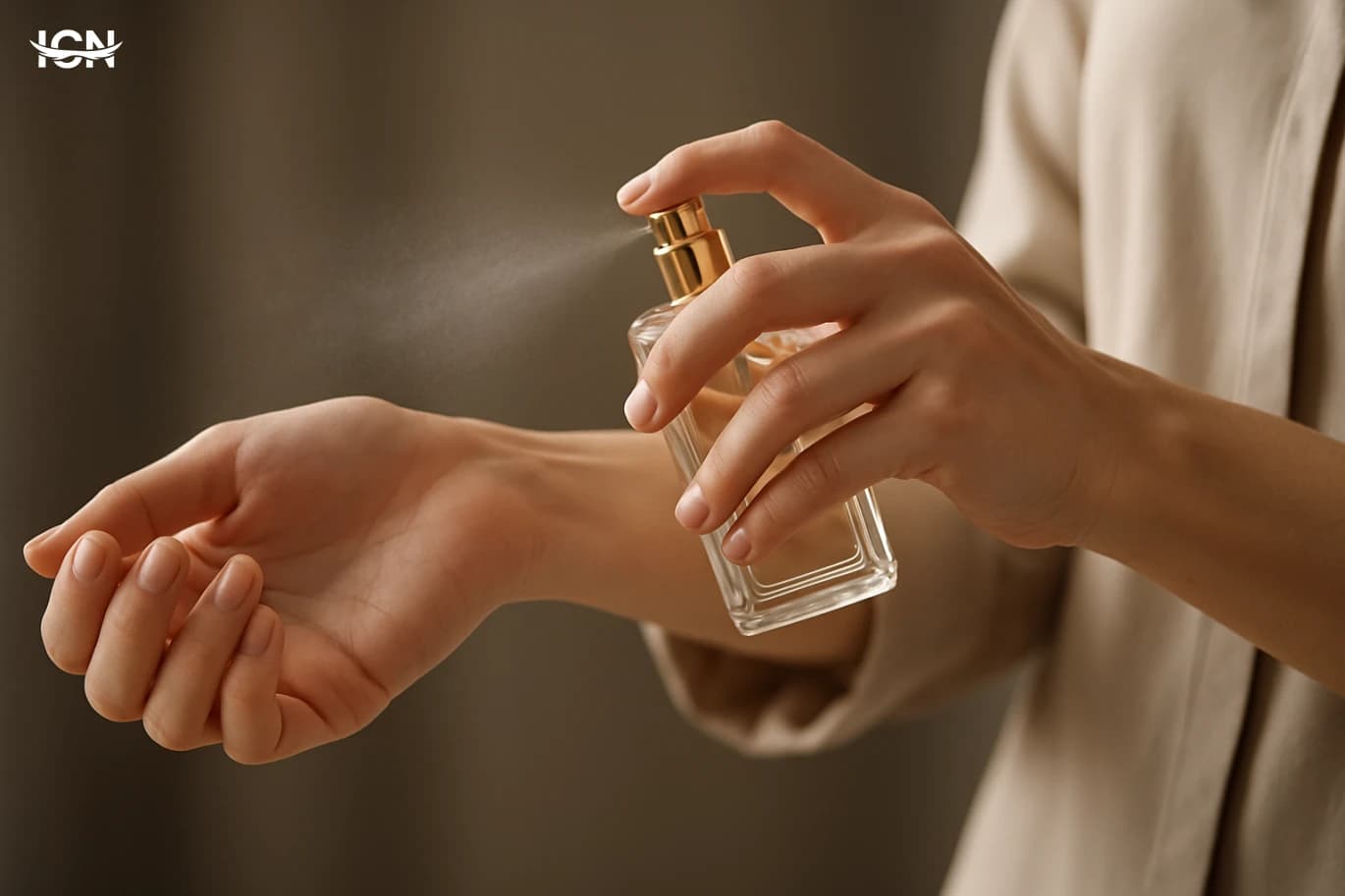
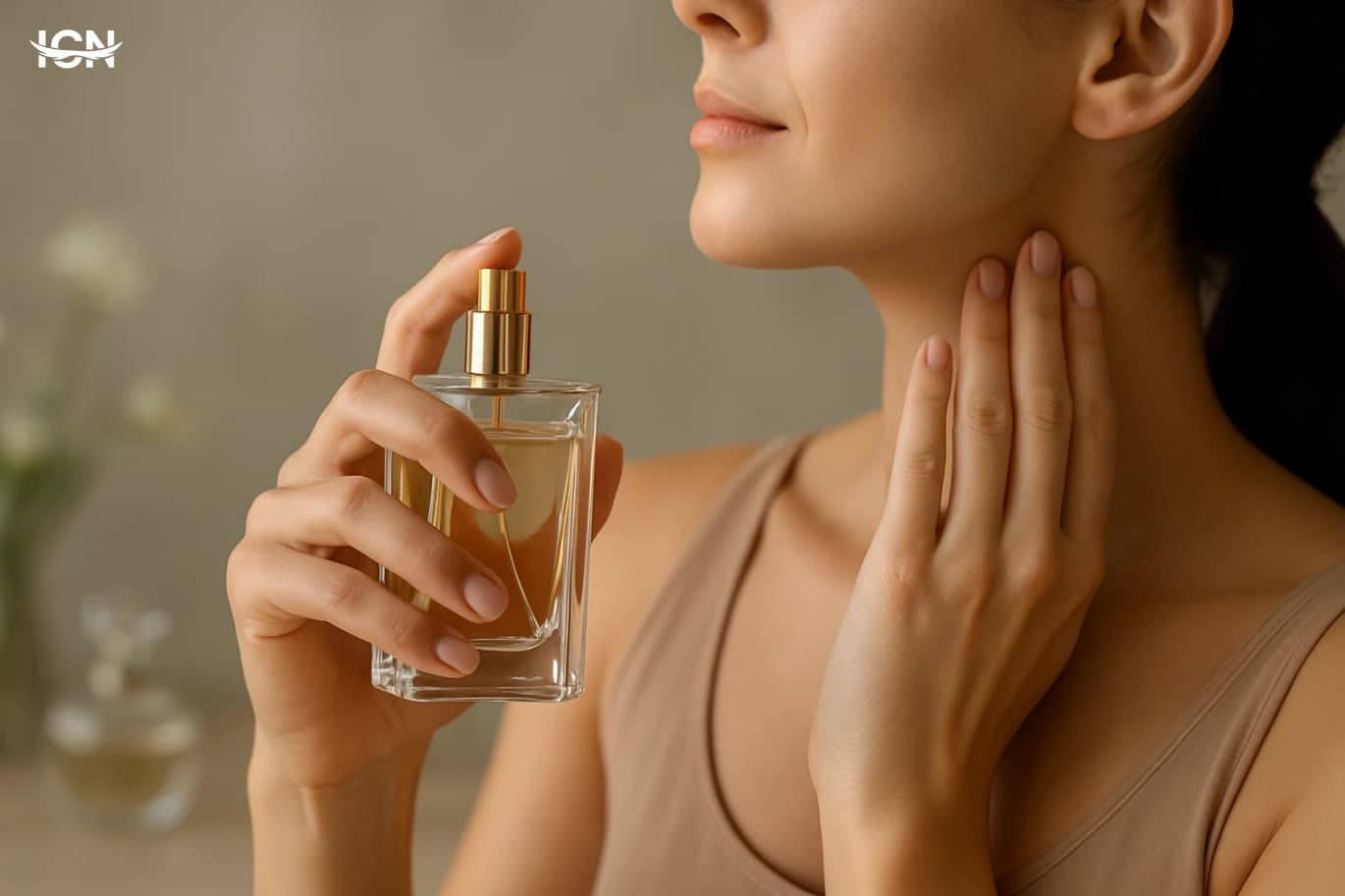
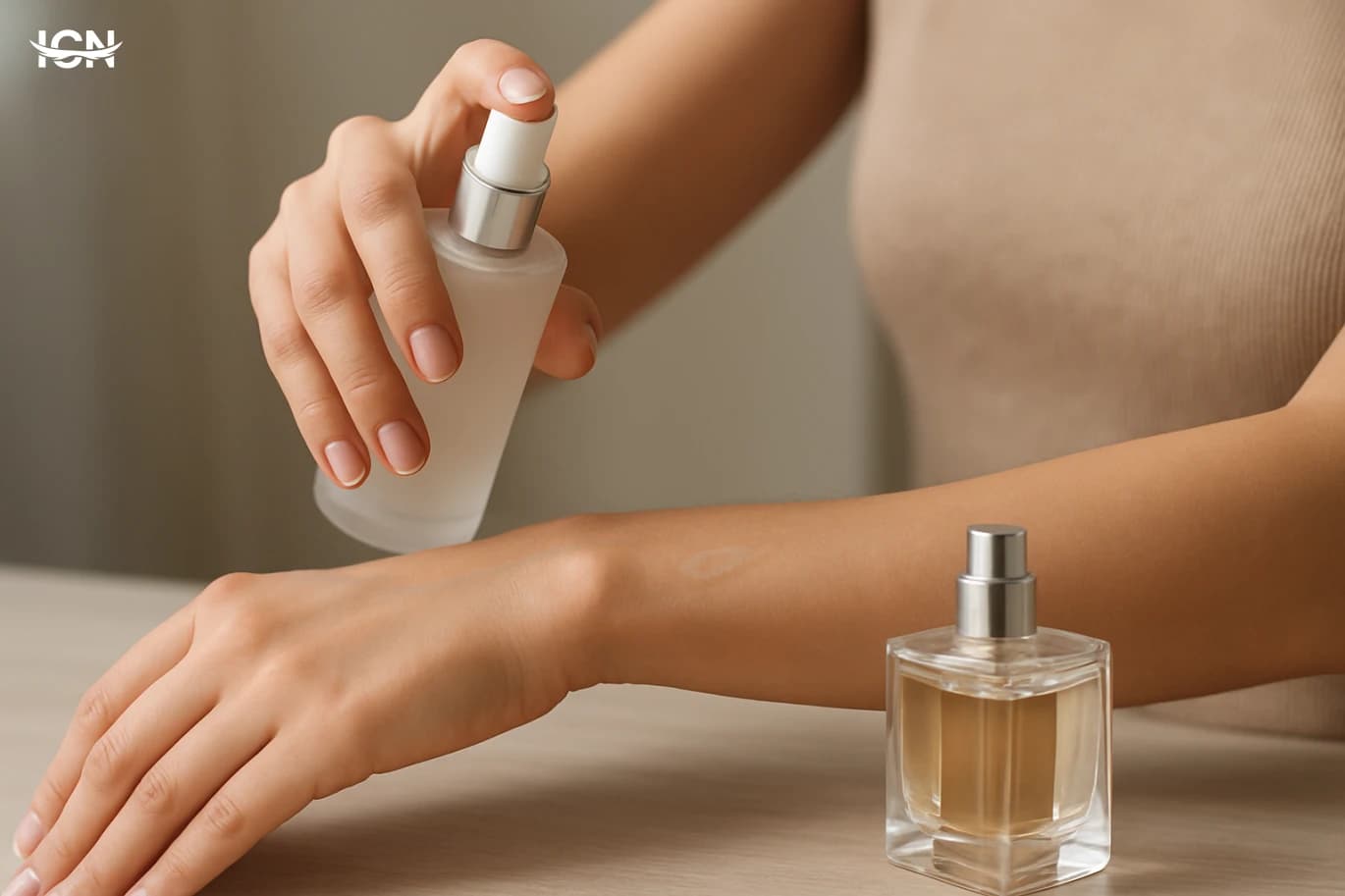
Application is simple, but timing and placement matter. Start with clean, dry skin. Apply a small amount of primer to pulse points where you typically spray: wrists, inner elbows, neck, and behind the ears. Use a thin layer; too much product can feel greasy and may interfere with diffusion. Let it settle for about one to three minutes so it becomes a stable base. Then spray your perfume from a short distance, usually 10–15 cm, so droplets land evenly. Avoid rubbing wrists together. Rubbing creates heat and friction that can distort the opening and shorten the life of volatile notes. If you want more projection, add one spray to clothing, but test first: some fabrics can stain, and certain perfumes behave differently on textiles. For long days, focus on strategic placement rather than extra sprays. A primer on the neck and inner elbows often provides better perceived longevity because these areas warm naturally and release scent gradually. If you reapply, do it lightly and on top of the same primed zones. This keeps the scent profile consistent and reduces the “mixed phases” effect where fresh top notes sit on top of an older dry-down.
Common mistakes that reduce longevity
One frequent mistake is using a strongly scented body lotion or deodorant right before priming and spraying. Competing aromas can mask the perfume’s top notes and make the fragrance feel “muddy.” Another issue is applying primer on damp skin right after a shower without letting the skin dry; excess water can dilute the primer layer and reduce its ability to hold the scent. Over-application is also common. A thick layer of balm or oil may trap the perfume too much, lowering projection and making the fragrance feel flatter. On the other hand, skipping hydration entirely—especially on dry skin—often leads to quick fading even if you use a primer, because the skin barrier remains compromised. Storage and product age matter as well. If your perfume has been exposed to heat and sunlight, its volatile components can degrade, and no primer will fully restore performance. Finally, rubbing, wiping, or frequent handwashing can remove fragrance from wrists quickly. In those cases, choose inner elbows or the sides of the neck as primary spray zones and treat wrists as secondary.
Primer versus layering and other boosters
A primer is one tool among several longevity strategies, and it helps to know how it compares. Traditional layering uses matching products—shower gel, body lotion, and perfume from the same line—to build a consistent scent base. This can work well, but it requires buying multiple items and may feel too intense for people who prefer subtle fragrance. Another approach is using an unscented moisturizer or a small amount of petroleum jelly on pulse points. These can improve adherence, but they are not designed specifically for fragrance performance and may feel heavy or shiny. Fabric spraying is a separate category: it can extend presence because textiles hold scent longer than skin, yet it changes how a perfume projects and may emphasize base notes. A dedicated perfume primer sits between these methods. It is typically lighter than heavy occlusives, more neutral than scented body products, and easier to control than full layering routines. For many users, the most practical setup is: light, unscented hydration after showering, a thin primer on pulse points, then perfume. This combination supports longevity without altering the perfume’s intended profile.
Buying checklist and who benefits most
When shopping for a perfume primer, focus on performance and compatibility rather than marketing claims. Look for a formula labeled unscented or low-fragrance if you want your perfume to remain the main character. Check texture: a fast-absorbing lotion or gel suits most skin types, while a balm may be better for very dry skin. If you have sensitive skin, prioritize simple ingredient lists and patch-test on the inner arm for 24 hours. Consider packaging and use habits. A pump bottle helps control dosage and keeps the product stable. Travel sizes are useful if you apply primer before events or keep it in a work bag. Also pay attention to how the primer behaves under heat: if it feels sticky, it may become uncomfortable in summer. The people who typically benefit most are those with dry skin, those living in dry climates, and anyone who wears lighter fragrance styles that fade quickly. It is also helpful for long workdays, formal occasions, and situations where reapplying perfume is inconvenient. If you already get strong longevity from your fragrances, a primer may still improve smoothness and consistency, but the difference will be subtler. The best test is simple: wear the same perfume on two days, one with primer and one without, and compare how it smells after four, six, and eight hours.