How to Make Perfume Last All Day
- Why fragrance fades faster than you expect
- Choose the right concentration and note profile
- Prep your skin for better longevity
- Application techniques that actually work
- Common mistakes that ruin performance
- bookmark
Why fragrance fades faster than you expect
Many people assume a perfume’s staying power is only about price or concentration, but the real reasons are more practical. Evaporation is the main factor: lighter molecules in citrus, aromatic herbs, and some fruity notes lift quickly, especially in warm, dry air. Skin chemistry also matters. Oilier skin tends to hold scent longer, while very dry skin can “drink” the top notes and leave little projection after an hour. Daily habits add another layer: hot showers, vigorous towel drying, and frequent handwashing remove fragrance from skin and hair. Storage and application mistakes can shorten performance too. Keeping bottles near windows or in humid bathrooms accelerates oxidation and can dull the formula over time. Spraying into the air and walking through the mist wastes product and places scent mostly on clothes at random spots rather than on pulse points. Finally, nose fatigue is real: after wearing the same scent for a while, your brain filters it out, so you think it disappeared even when others can still smell it. Understanding these factors helps you choose the right strategy instead of simply overspraying.
Choose the right concentration and note profile
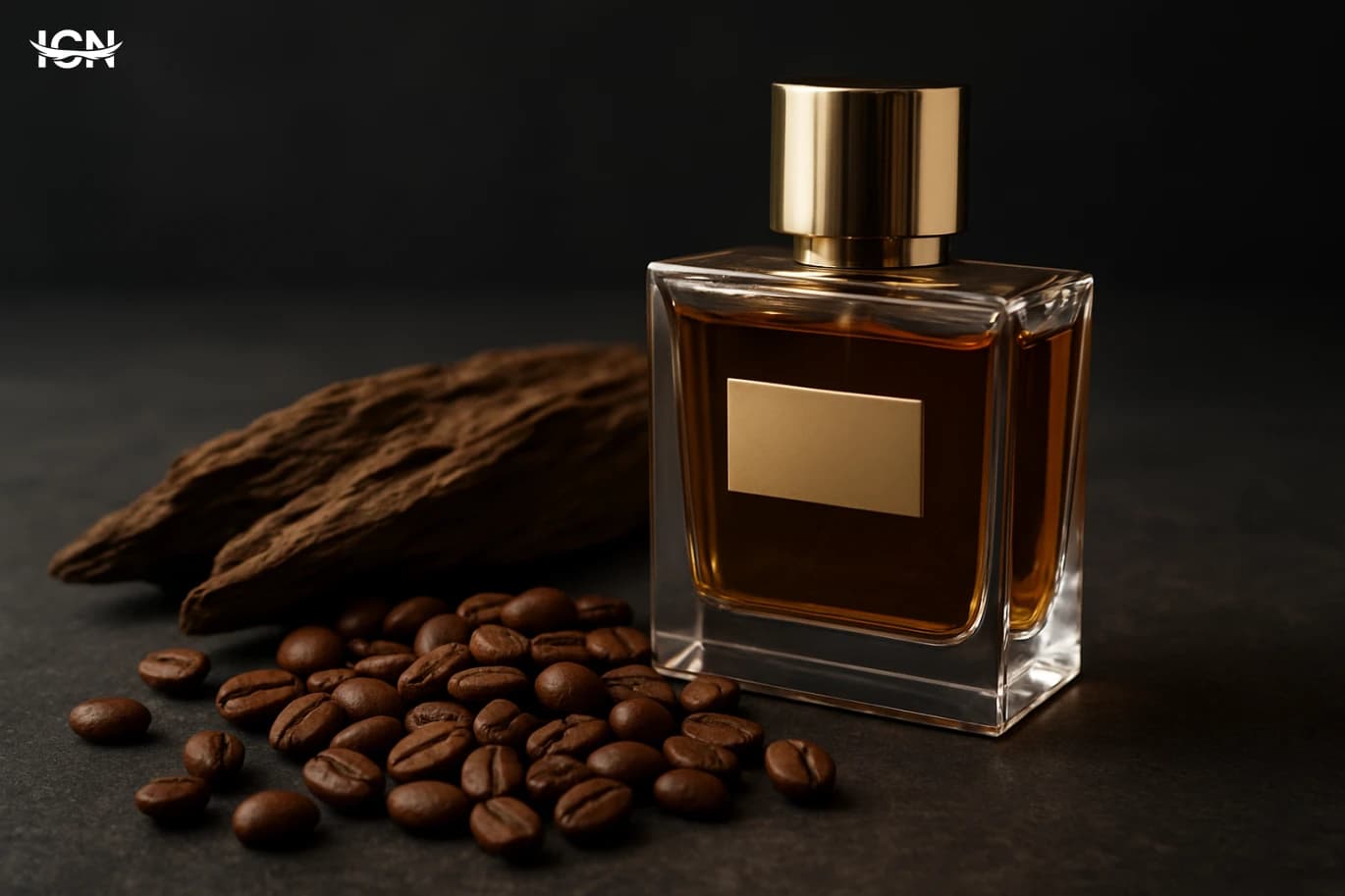
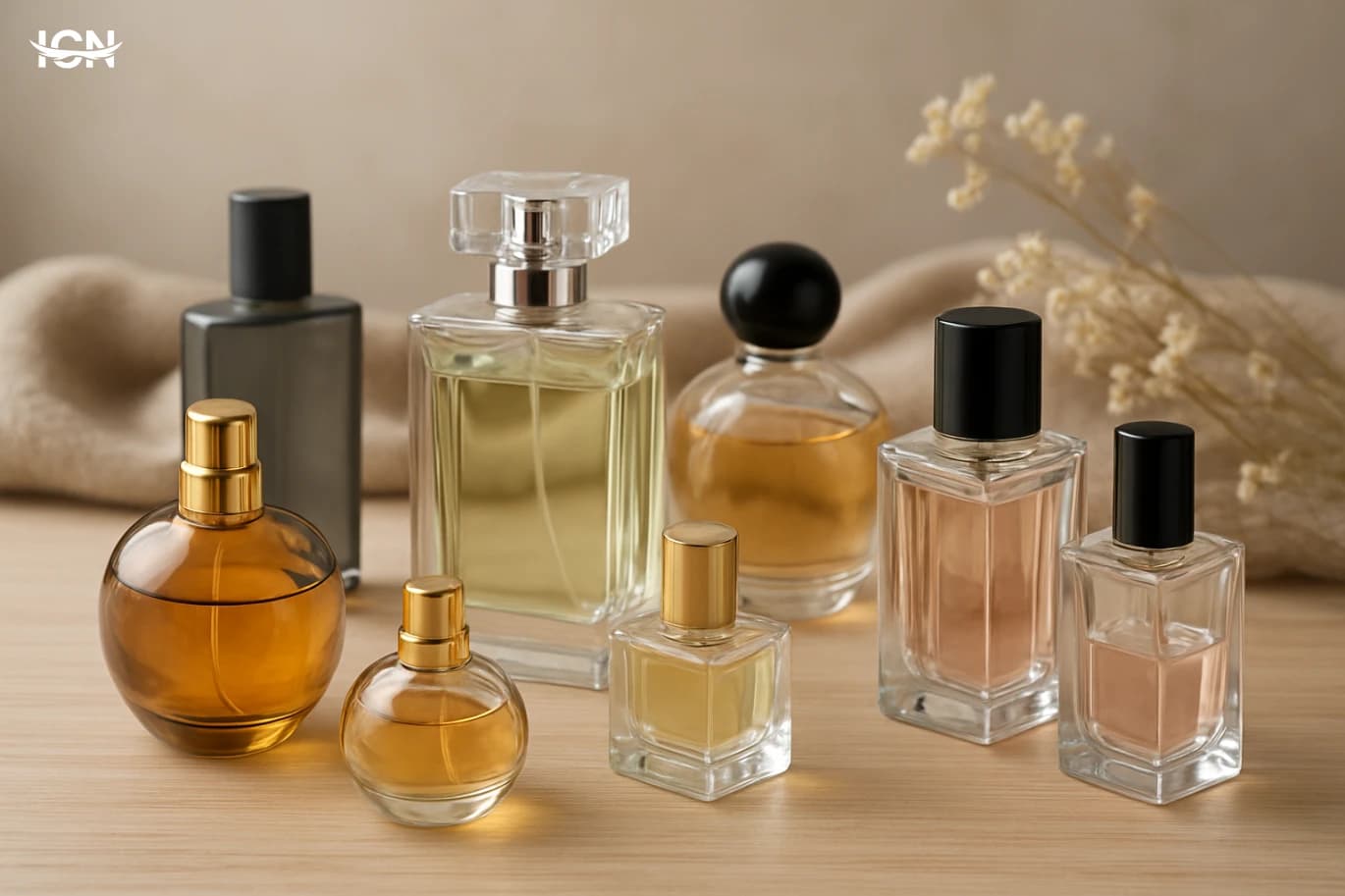
If your goal is all-day wear, start with the product type. Eau de Cologne and many body mists are designed for freshness and frequent reapplication; they can be perfect for the gym bag but rarely last from morning to evening. Eau de Toilette typically gives moderate longevity, while Eau de Parfum and Parfum/Extrait usually provide longer wear because they contain a higher proportion of aromatic compounds. That said, concentration is not the only predictor. A fresh citrus Eau de Parfum can still fade sooner than a woody Eau de Toilette. Look at the note structure. Base notes such as woods (cedar, sandalwood), resins (benzoin, labdanum), amber accords, musk, and some gourmand notes tend to anchor a fragrance for hours. Florals vary: rose and jasmine can last well, while airy white florals may feel lighter. If you love bright openings, consider scents that pair citrus or aromatic tops with a strong base, so the fragrance transitions into something lasting rather than disappearing. Sampling on skin is essential; paper strips show the opening but not how the base behaves with your body chemistry over a full day.
Prep your skin for better longevity
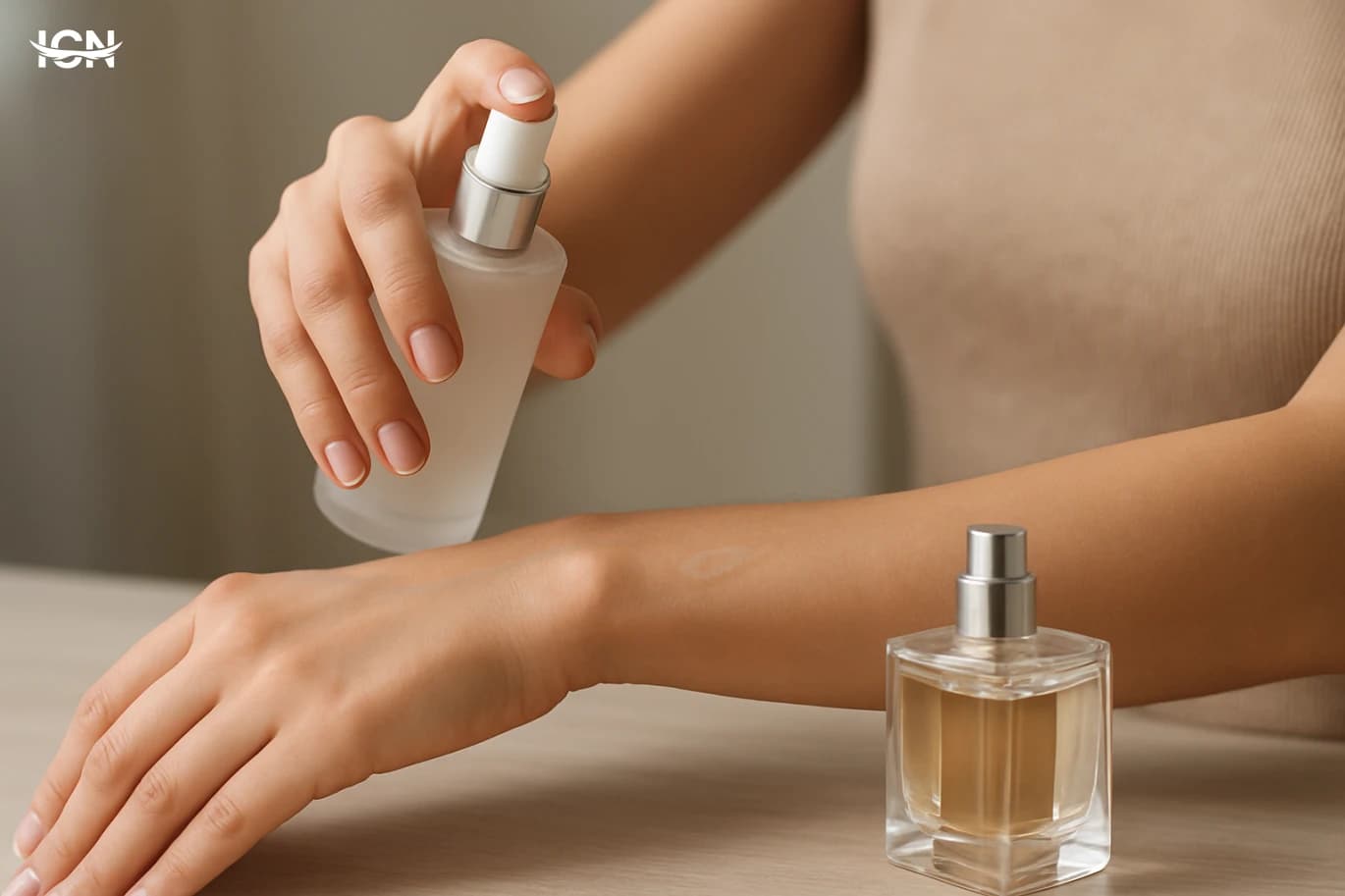
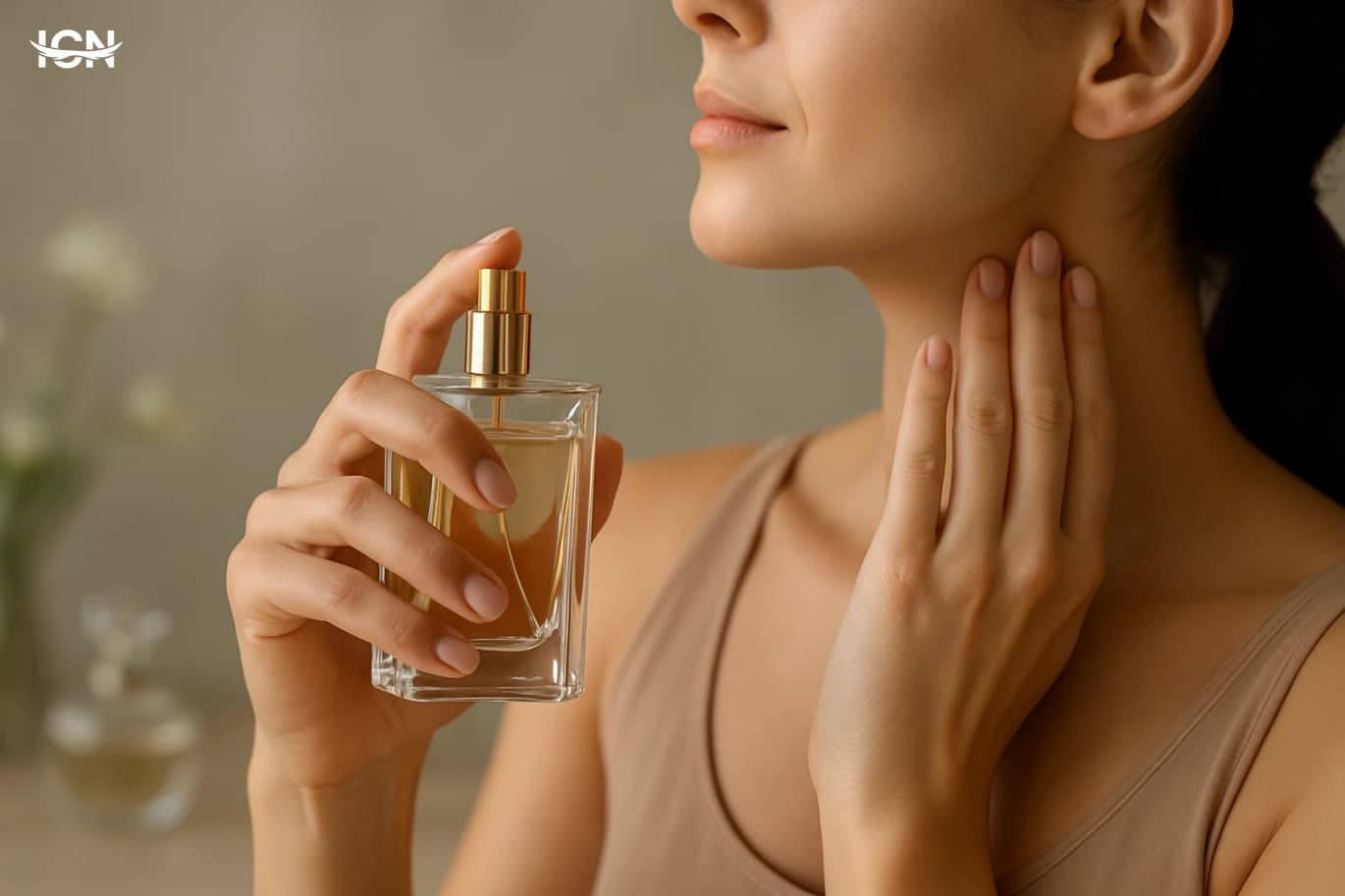
Longevity improves dramatically when fragrance has something to “hold on to.” The simplest step is moisturizing. Apply an unscented lotion or a light body cream after showering, when skin is slightly damp. This reduces dryness and slows evaporation. If you prefer scented body products, choose a matching or neutral profile so you don’t distort the perfume’s character. For very dry areas like elbows and forearms, a richer cream can make a noticeable difference. Timing matters. Spraying immediately after a hot shower can cause faster lift-off because heat opens pores and increases evaporation. Give your skin a few minutes to cool, then apply. Also consider where you apply. Pulse points are popular because warmth helps diffusion, but too much heat can shorten the top notes. A balanced approach is to apply to one or two pulse points (neck or wrists) and add a cooler area such as the chest or the back of the shoulders. Avoid rubbing wrists together; friction breaks down delicate top notes and changes how the scent develops. Hair and fabric can extend presence, but use them wisely. Hair holds scent well, yet alcohol-based perfume can dry it out. A light spray on a brush, or using a dedicated hair mist, is safer. On clothing, test first: some formulas stain silk or light fabrics. A single spray on a scarf or the inside of a jacket can create a subtle trail without overwhelming the room.
Application techniques that actually work
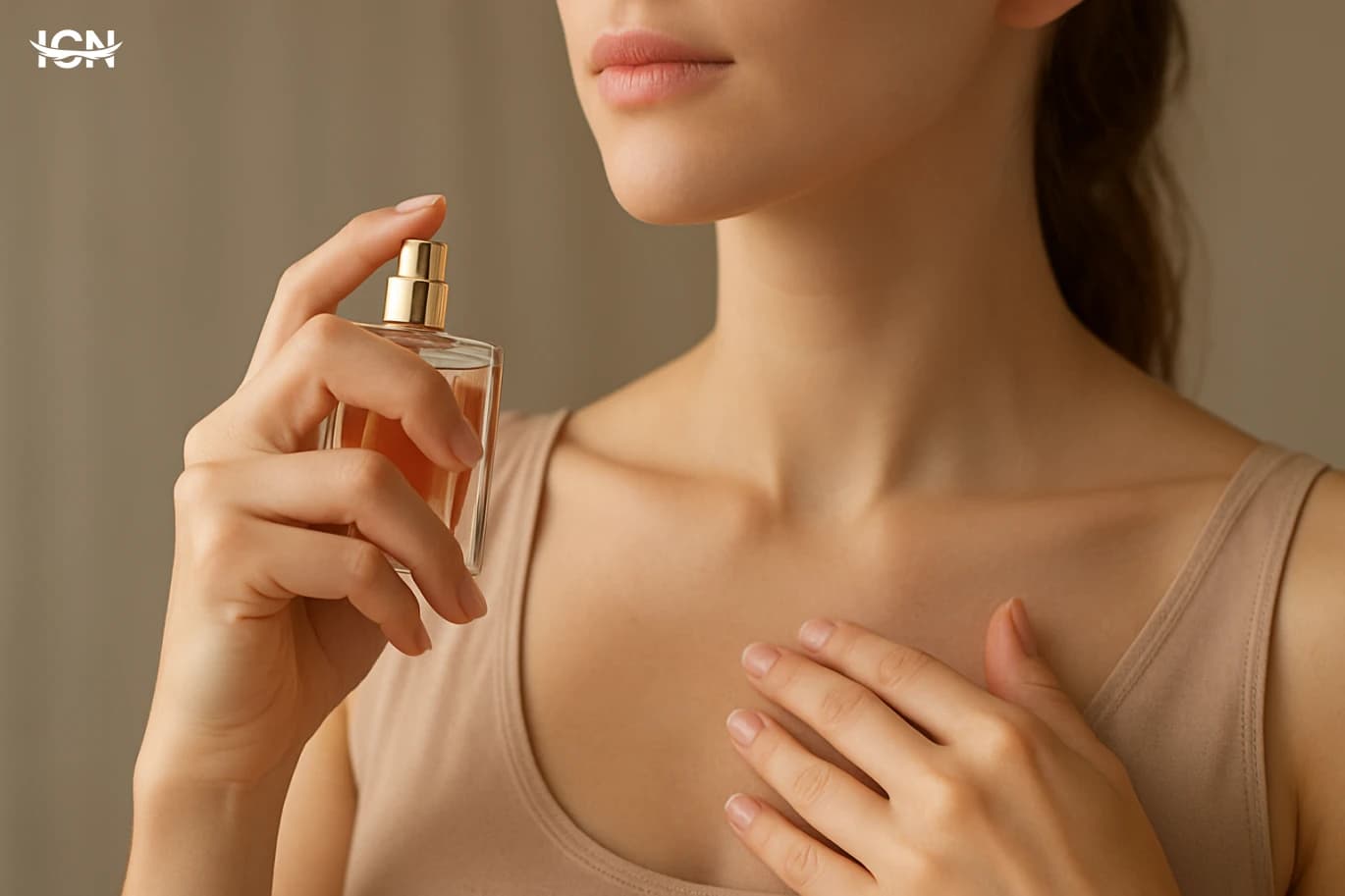
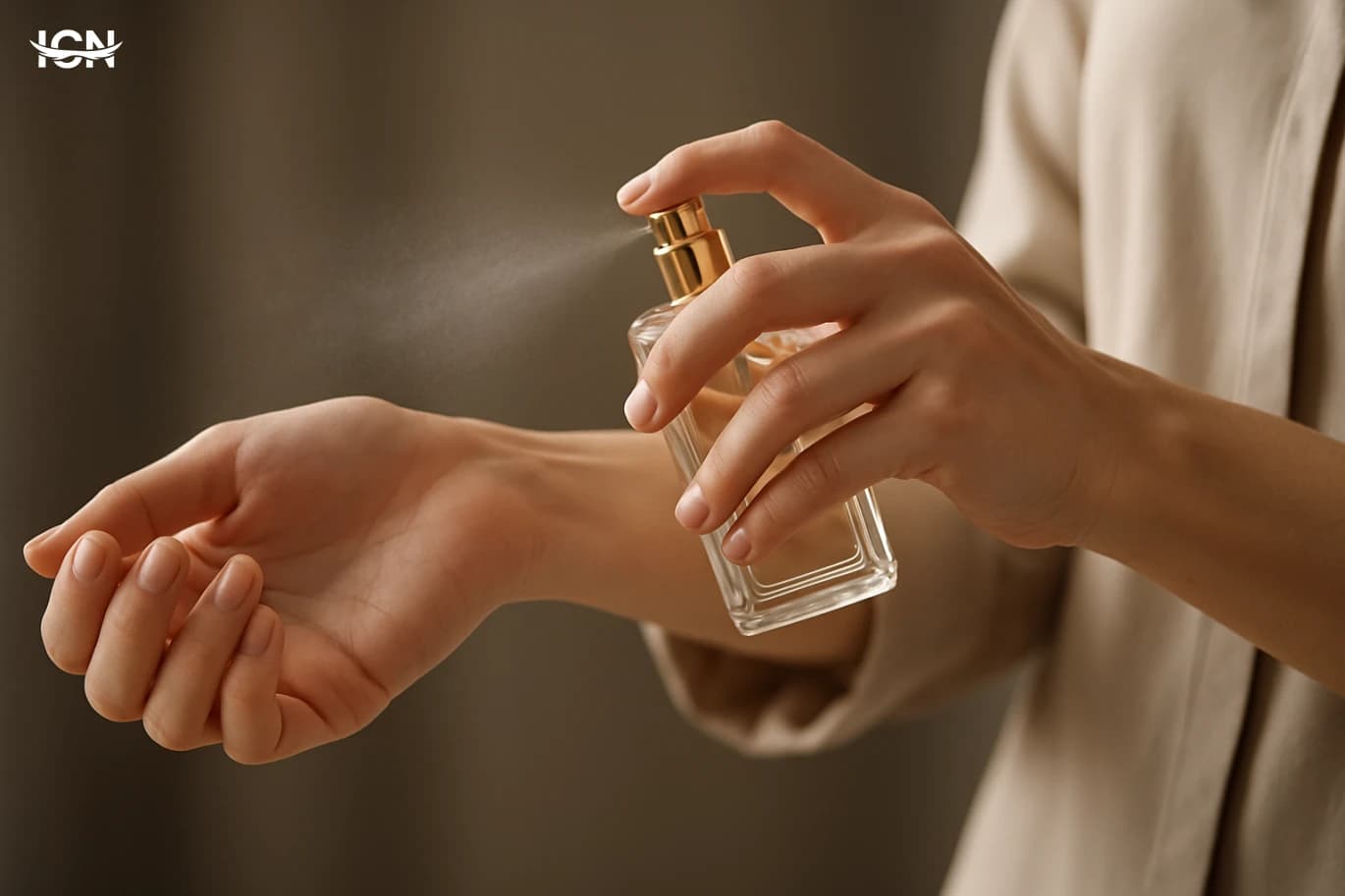
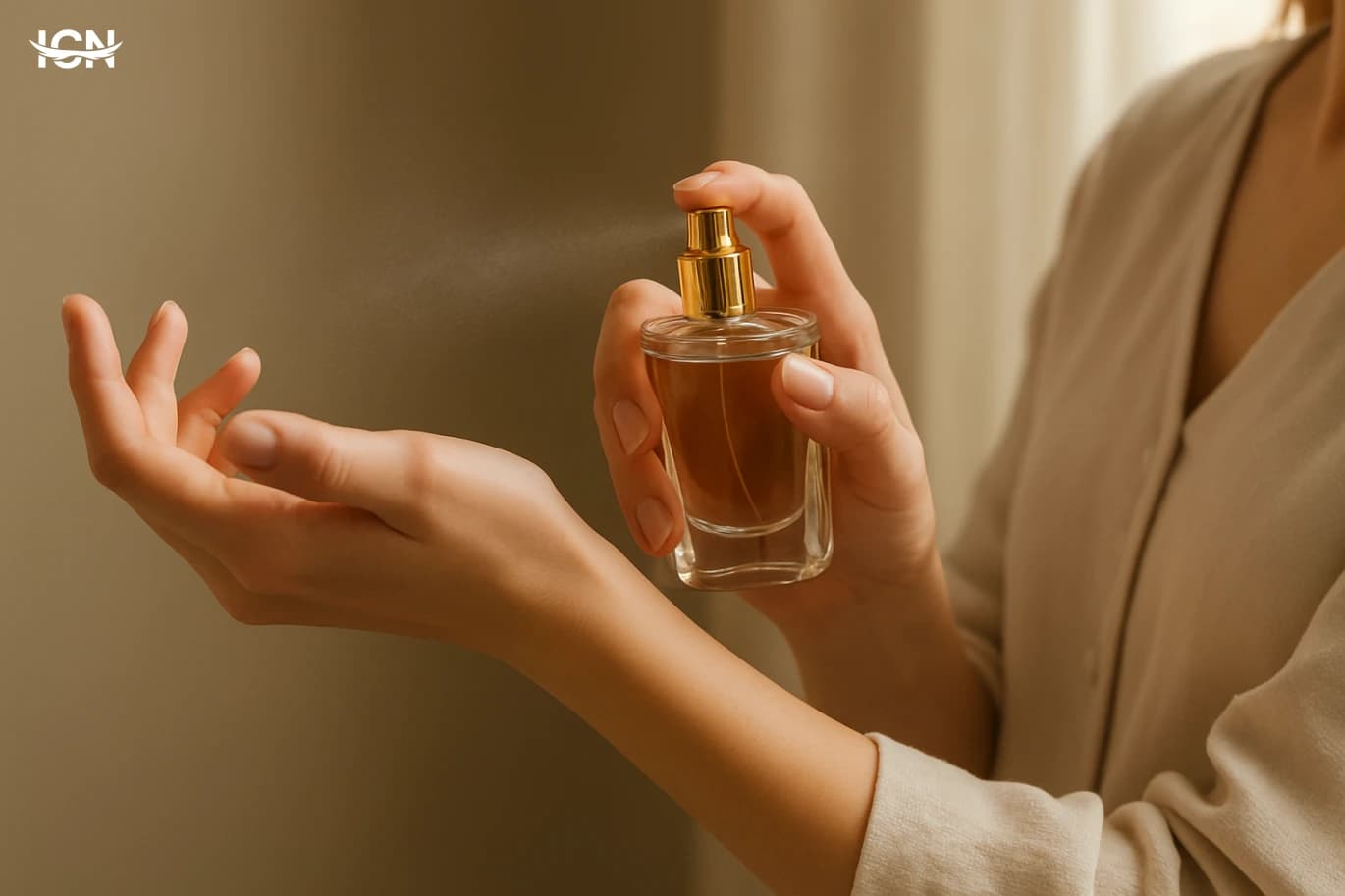
A reliable routine is more effective than adding extra sprays at random. Start with two to four sprays depending on strength: one on the chest or collarbone area, one on the back of the neck, and optionally one on each wrist. For very strong perfumes, reduce to one or two sprays. The goal is even distribution, not a single saturated spot. Layering can extend wear when done carefully. The cleanest method is to use an unscented moisturizer plus the perfume. If the brand offers a matching body lotion, it can enhance the base notes and improve longevity, but only if you enjoy the combined intensity. Another practical technique is “fabric anchoring”: apply one spray to an accessory you’ll keep on (scarf, overshirt, coat lining). This creates a steady background presence even if skin scent fades. Reapplication should be strategic. Instead of carrying the full bottle, decant into a small atomizer and refresh once in the afternoon, focusing on one area like the chest rather than repeating the full routine. If you work in close quarters, choose lighter refreshes to avoid building an overpowering cloud. Also remember that climate changes everything: in high heat, fewer sprays can last longer because diffusion is stronger; in cold weather, you may need an extra spray because projection is reduced.
Common mistakes that ruin performance
Several habits quietly reduce longevity. The first is storing perfume in the bathroom. Steam and temperature swings degrade aromatic materials faster than a stable, cool drawer. Another mistake is leaving the cap loose or the bottle exposed to sunlight, which accelerates oxidation and can make the scent smell flatter or sharper over time. Overapplying is also counterproductive. Too many sprays can trigger nose fatigue quickly, making you think the perfume vanished, and it can overwhelm people nearby. Rubbing the fragrance into skin is a classic error; it crushes volatile top notes and can make the opening feel harsh or short-lived. Mixing multiple strong scented products—shampoo, deodorant, body spray, and perfume—often creates a muddled result where none of the scents perform well. Finally, don’t ignore the role of clothing care. Heavy detergent fragrance and fabric softeners can clash with perfume and mask it. If you want your perfume to be the main scent, choose neutral laundry products for items like scarves and jackets where you might apply fragrance. Small adjustments like these often improve performance more than buying a stronger concentration.
bookmark
Use this quick checklist before you judge a perfume as “weak.” Store it in a cool, dark place; moisturize with an unscented lotion; apply to a mix of warm and cooler areas; avoid rubbing; and consider one fabric anchor spray. If the scent still fades quickly, it may simply be a light style built for freshness, and the best solution is a planned midday refresh with a travel atomizer. When testing new fragrances, wear them on skin for a full day and note when the base becomes noticeable. Compare two options in similar weather and with the same routine, because heat, humidity, and clothing can change results dramatically. With a consistent method, you can make most perfumes last longer without increasing the dose, and you’ll also get a clearer sense of which scent profiles truly match your daily schedule.