How to Make Perfume Last All Day
- Why longevity varies
- Prep your skin the right way
- Where to spray for real performance
- Spraying technique and common mistakes
- Layering without overpowering
- Storage and smart touch-ups
Why longevity varies
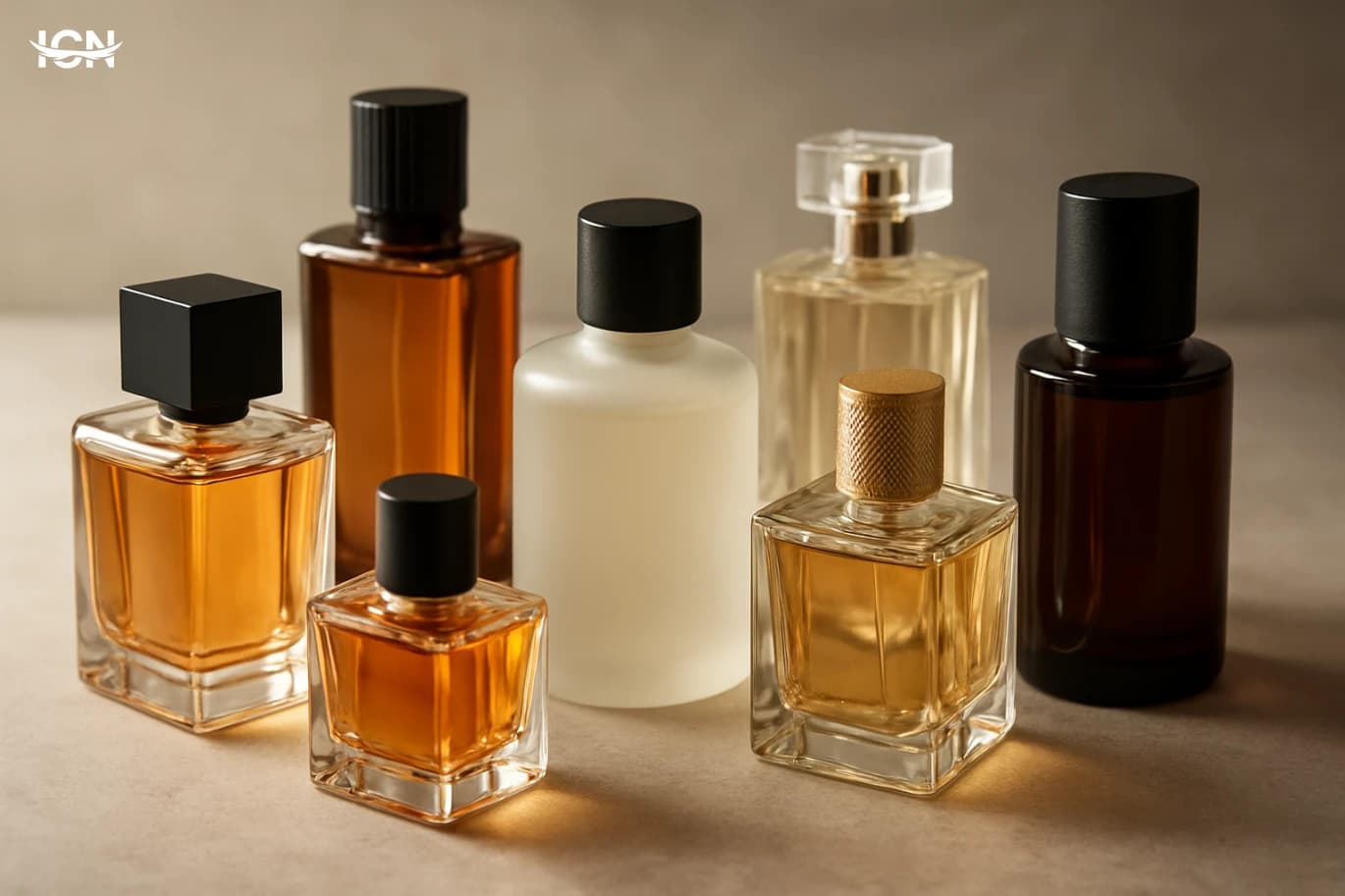
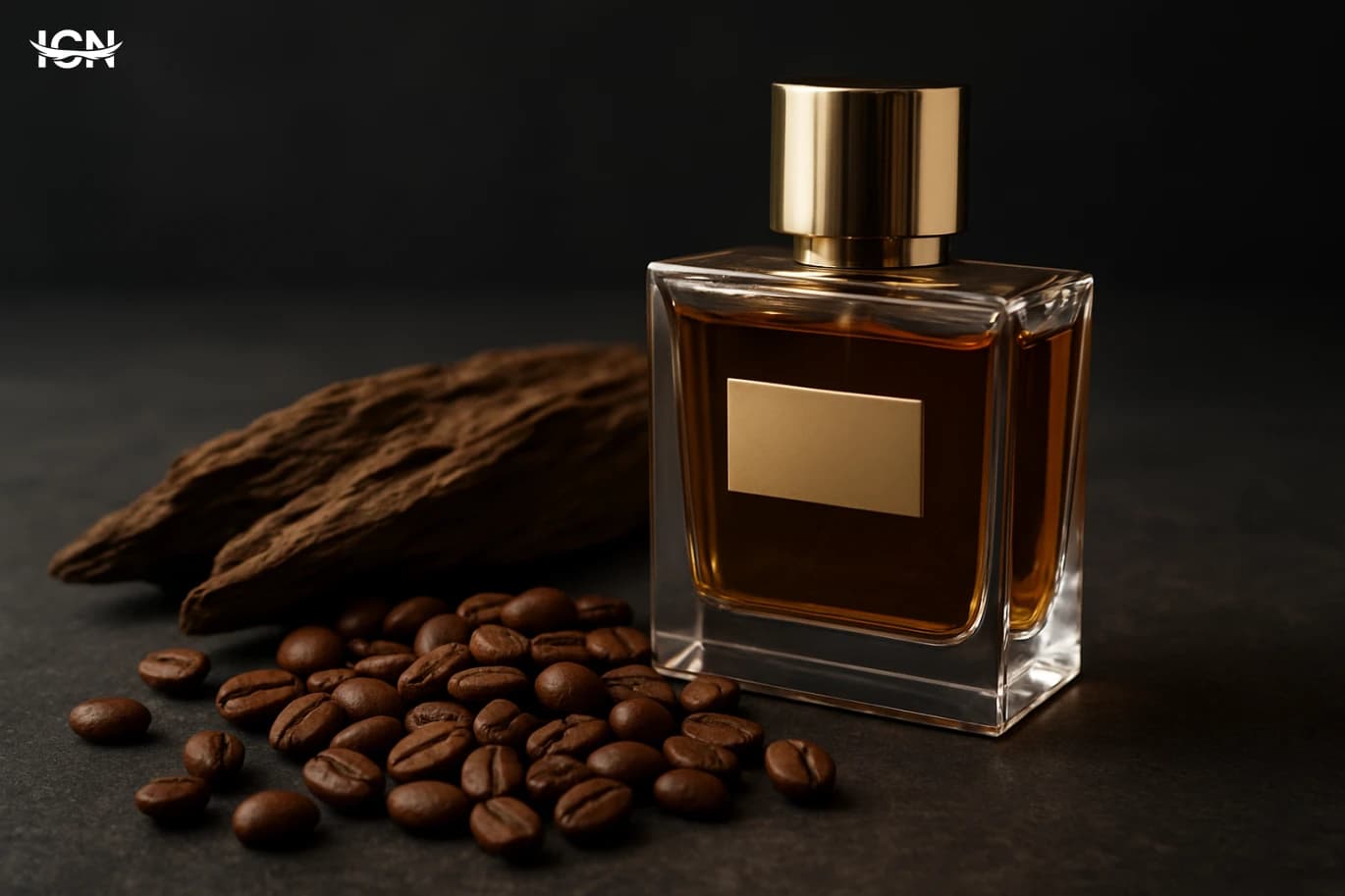
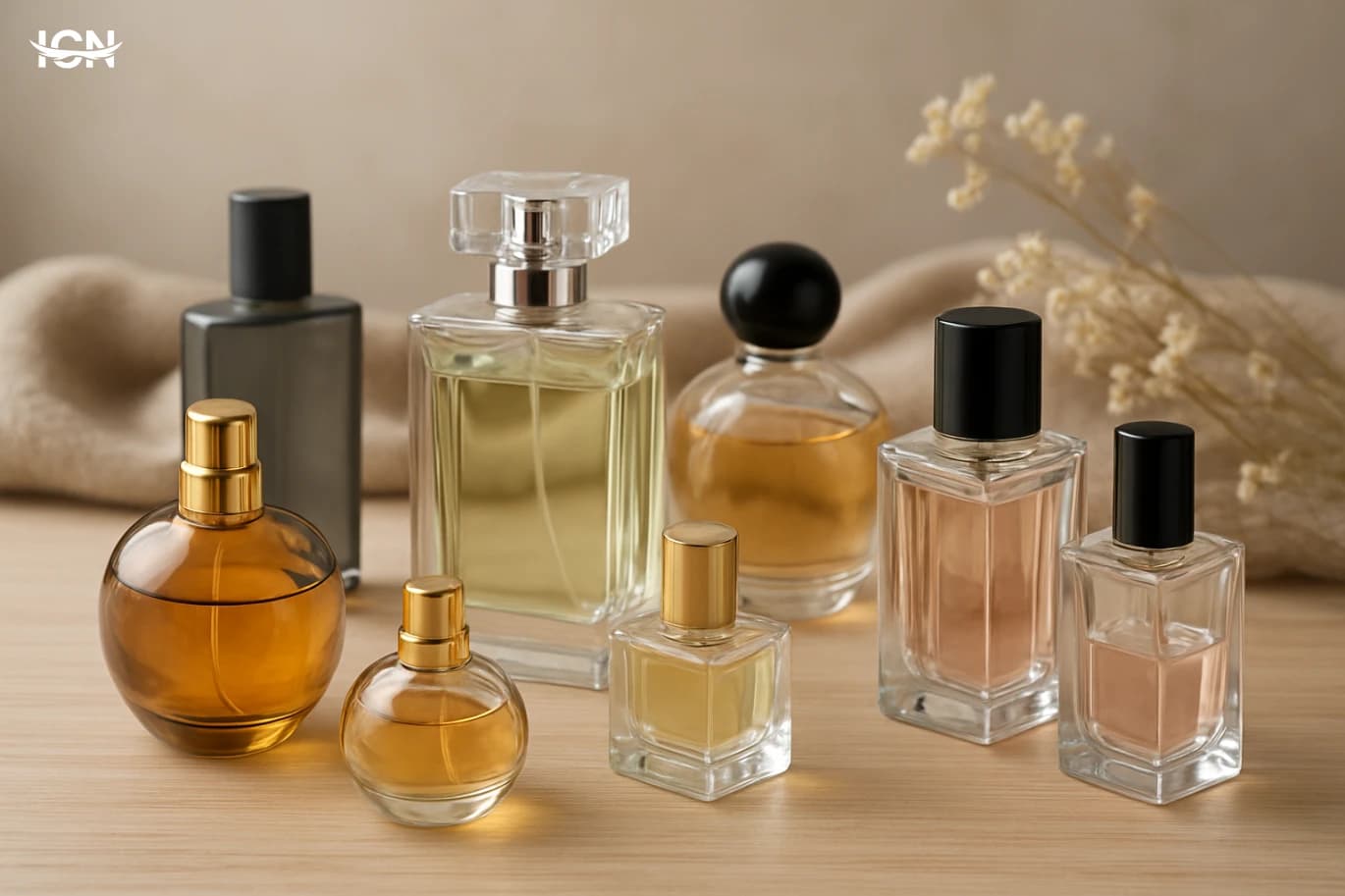
Perfume longevity is not just about price or brand; it is a mix of formula, skin chemistry, and daily conditions. Concentration matters: parfum typically contains more aromatic compounds than eau de parfum or eau de toilette, so it often lasts longer. But two fragrances with the same concentration can still behave differently because of their note structure. Citrus, green, and many aquatic notes evaporate quickly, while resins, woods, amber-style accords, and musks tend to cling to skin and fabric. Your skin also plays a measurable role. Dry skin can make top and heart notes disappear faster because there is less natural oil to hold the scent. Diet, hydration, and even medications can subtly change skin odor and pH, shifting how a fragrance develops. Environment is another factor: heat speeds evaporation, wind disperses scent, and air-conditioned dryness can reduce projection. Understanding these variables helps you choose the right strategy instead of simply spraying more.
Prep your skin the right way
If you want a fragrance to last, start before the first spray. Apply an unscented moisturizer after showering, when skin is slightly damp. This creates a smoother surface and adds oils that slow evaporation. For very dry areas—wrists, elbows, and neck—use a richer cream rather than a light lotion. Avoid heavily scented body products that can clash with your perfume and make the overall smell confusing. Timing matters. Spraying immediately after a hot shower can cause faster evaporation because your skin is warm and pores are open. Give yourself 10–15 minutes to cool down and dry. If you use body oil, let it absorb fully; a greasy layer can distort the opening notes and make the scent feel flat. The goal is balanced hydration, not a slippery surface.
Where to spray for real performance
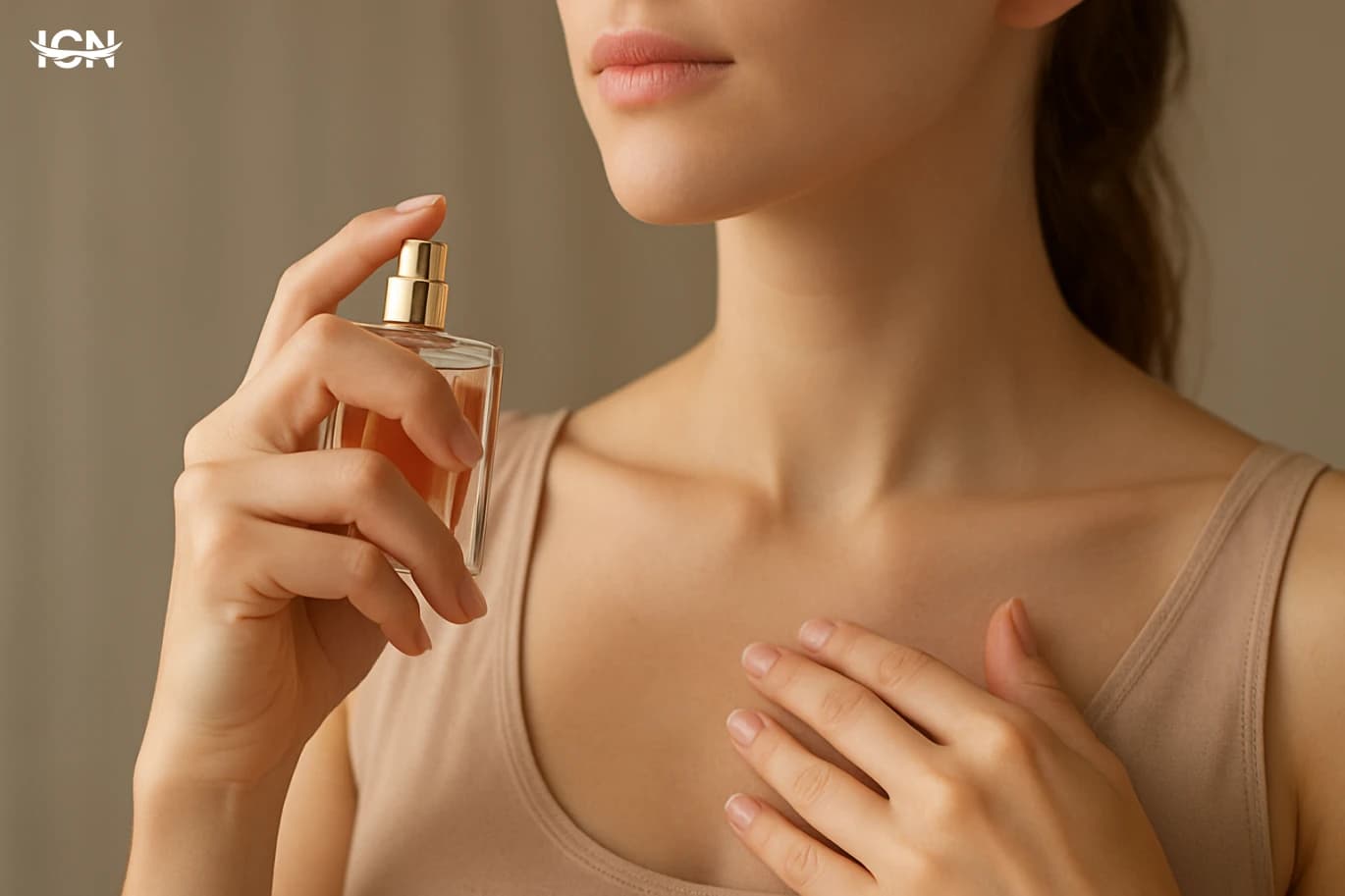
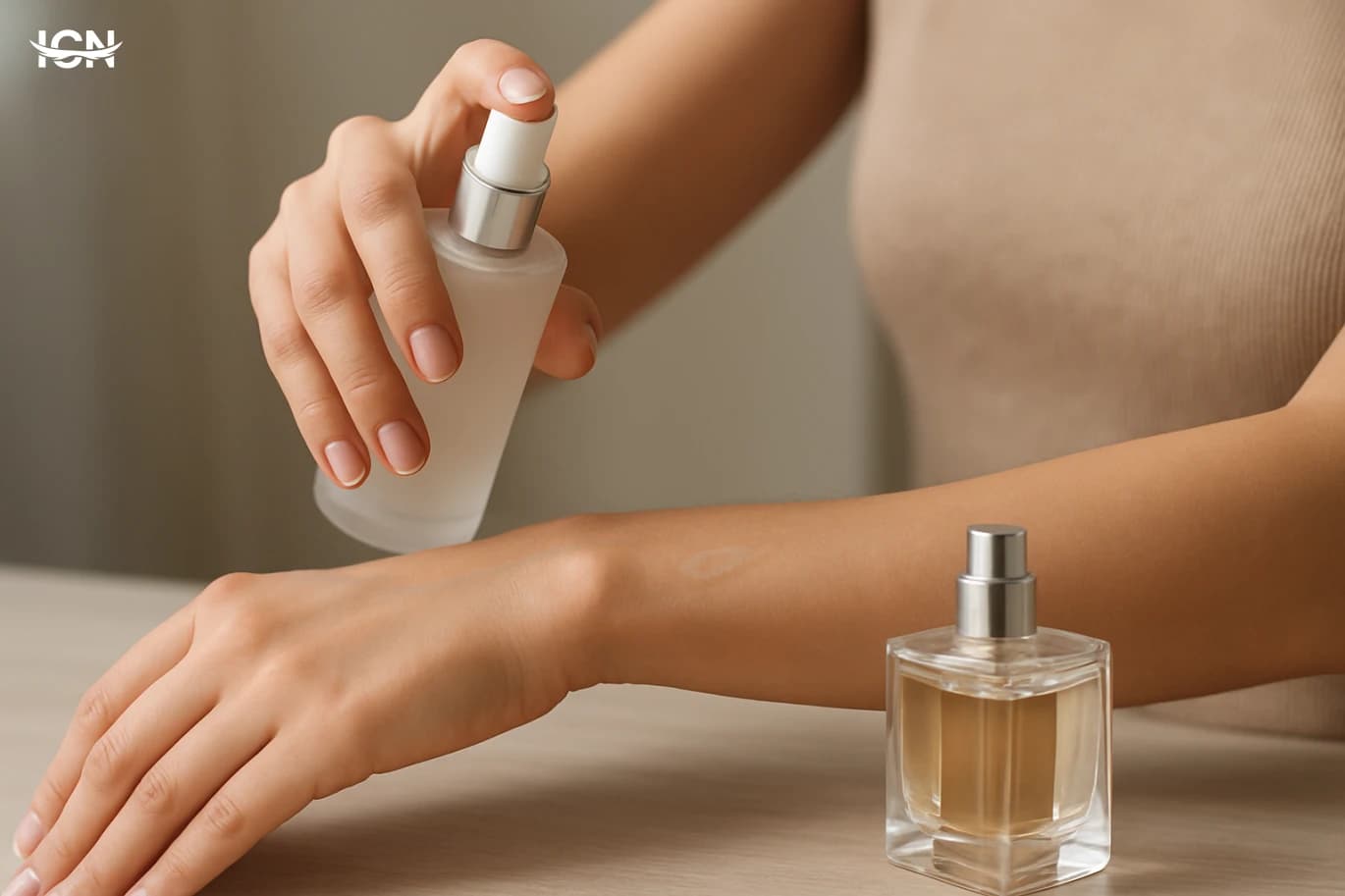
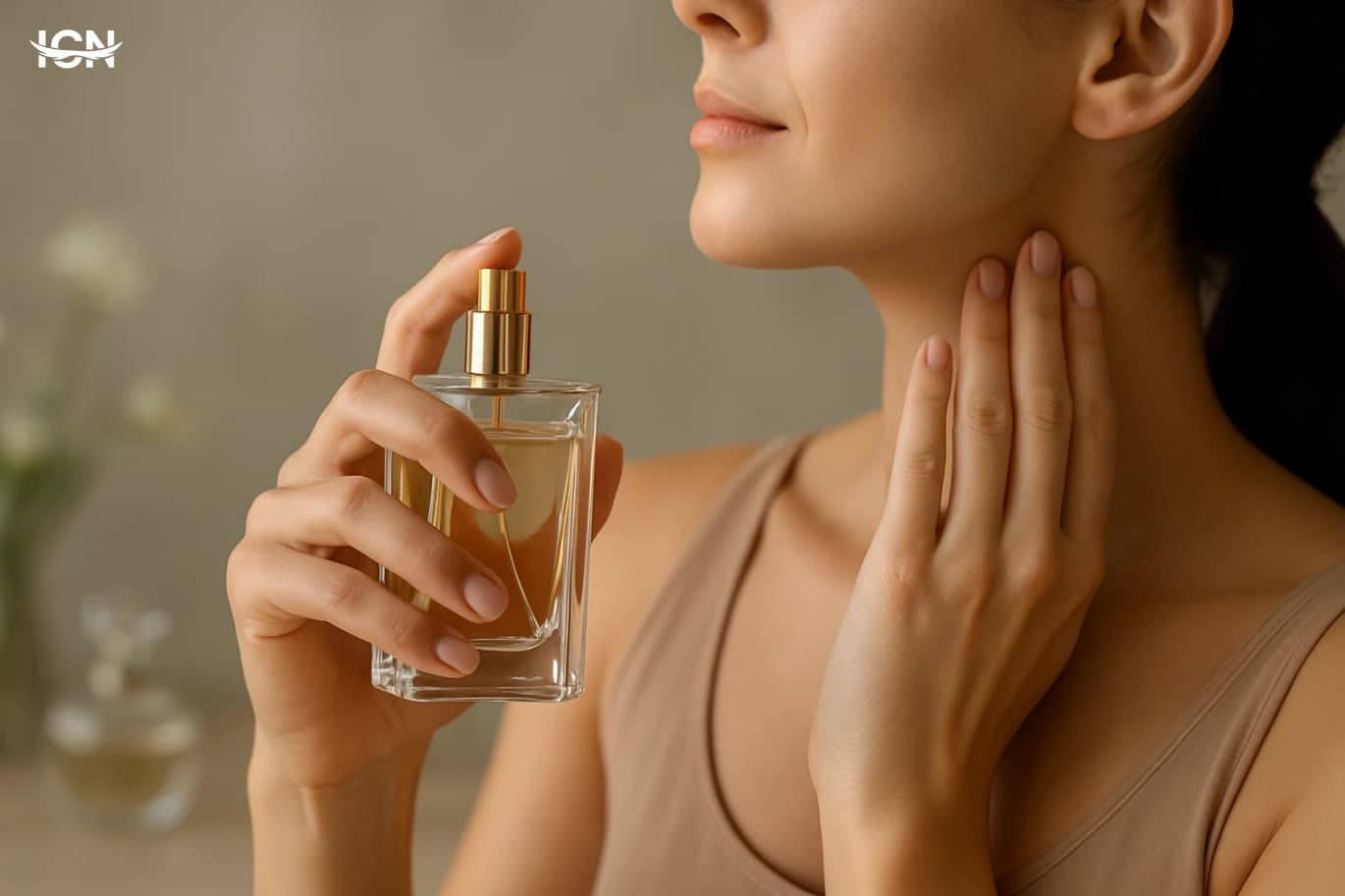
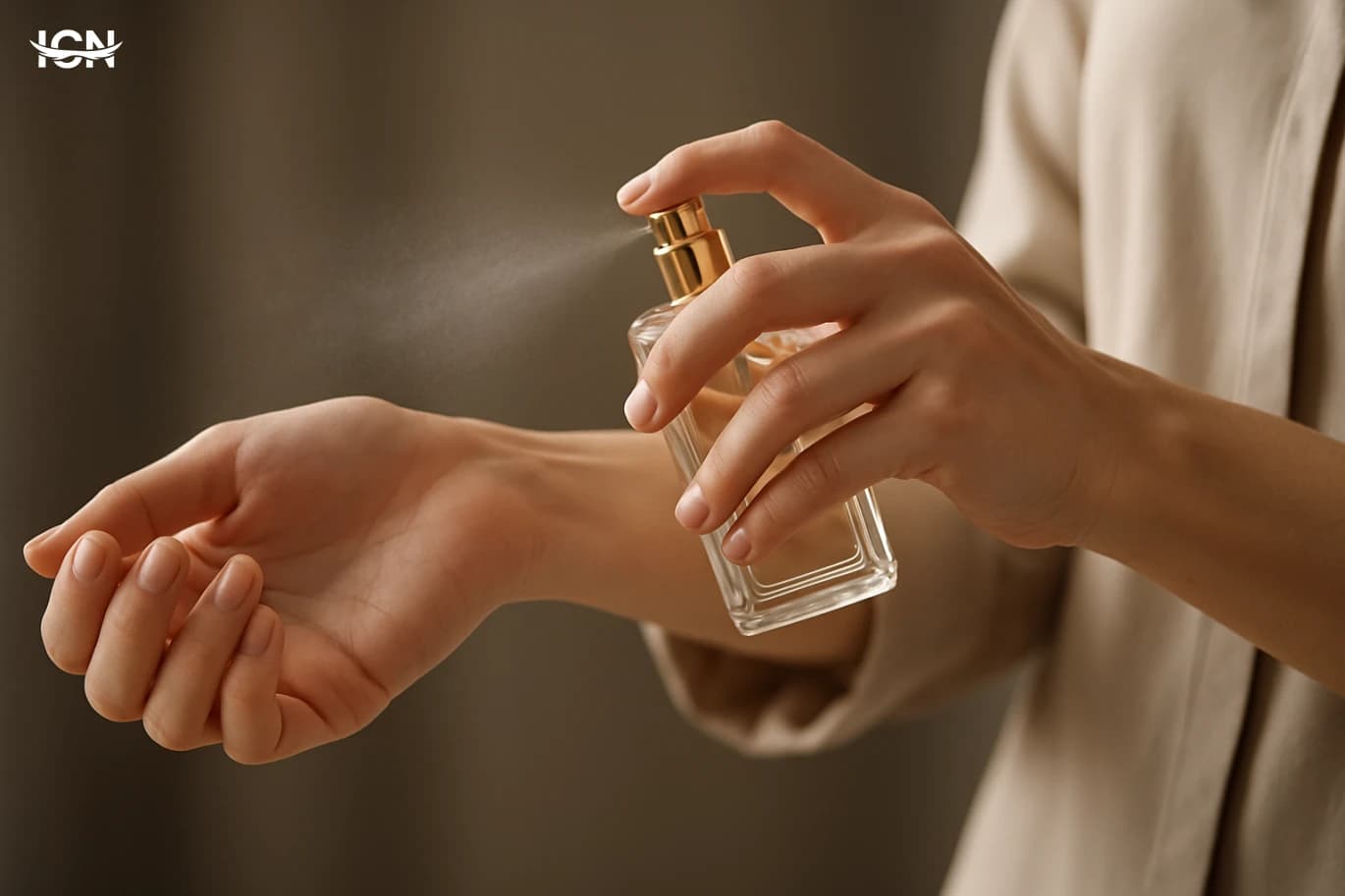
Pulse points are popular because warmth helps diffusion, but the best placement depends on your goal: longevity, projection, or subtlety. For longer wear, focus on areas with less friction and less frequent washing. The sides of the neck, behind the ears (not directly on hair), the collarbone area, and the inner forearms can hold scent well. Wrists are convenient but often underperform because they rub against sleeves, desks, and phones. Consider a two-layer approach: one or two sprays on skin for personal scent, and one light spray on clothing for extended presence. Fabric holds fragrance longer than skin, especially for woody and musky profiles. However, test first on an inside seam because some formulas can stain delicate materials like silk. Avoid spraying directly onto jewelry; alcohol can dull certain finishes over time.
Spraying technique and common mistakes
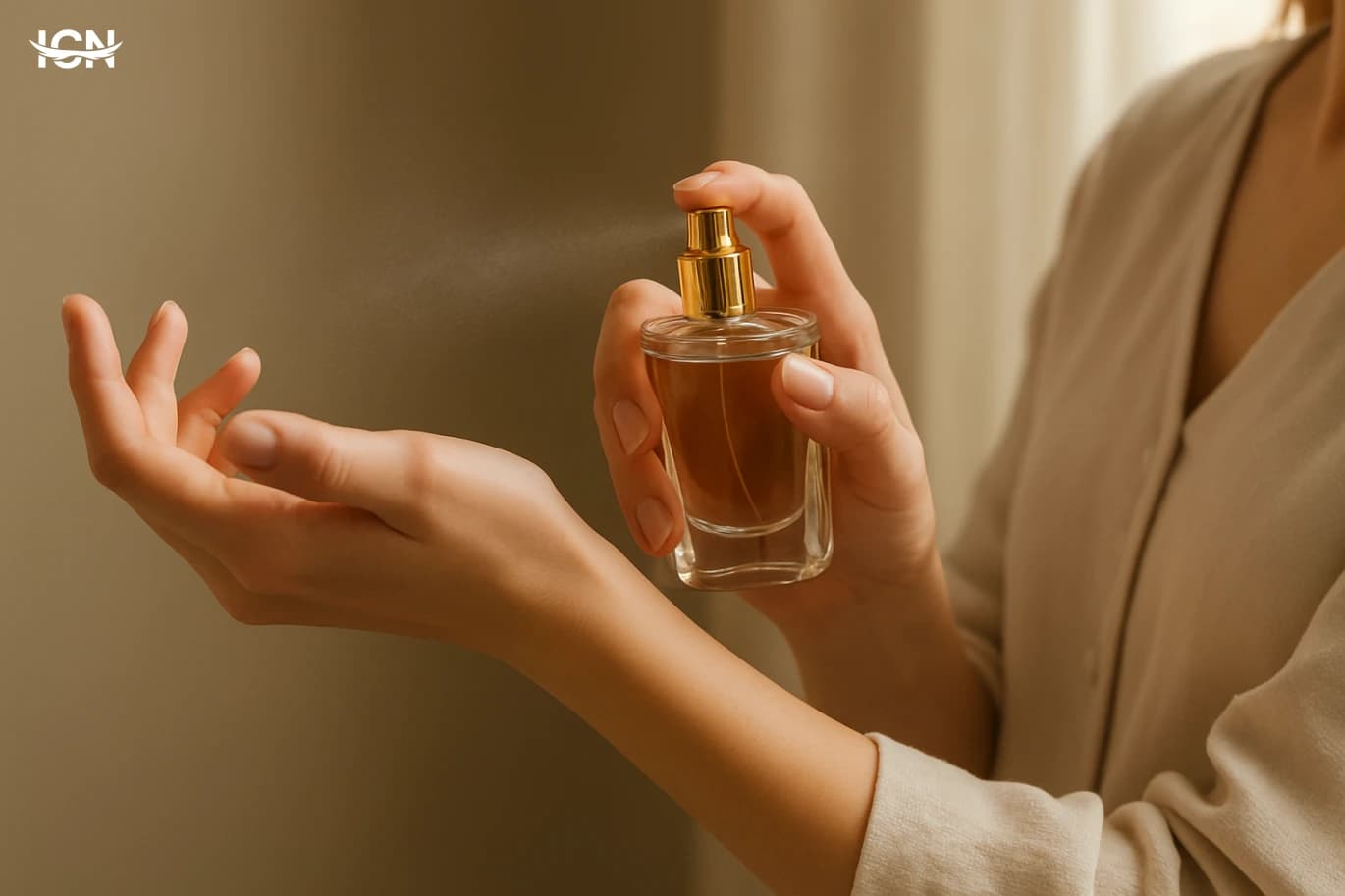
Distance and quantity change everything. Spray from about 15–20 cm away to create an even mist; spraying too close can leave a wet spot that evaporates unevenly and may smell harsher at first. Let the fragrance dry naturally. Rubbing wrists together is one of the most common mistakes because friction can break down delicate top notes and shorten the bright opening. Another mistake is “chasing” the scent by reapplying too soon. Many fragrances go quiet after the first hour as they transition into the heart, then become noticeable again later. If you keep adding sprays during that transition, you can overload the air around you and still feel like it is disappearing because your nose adapts. A better approach is to set a reapplication plan: one touch-up after 4–6 hours for lighter scents, or none for heavier evening styles.
Layering without overpowering
Layering can extend longevity, but it works best when it is controlled. The simplest method is matching: use an unscented cleanser and moisturizer, then your perfume. If you want more impact, add a body mist in a similar family—fresh citrus with fresh citrus, or warm vanilla with warm amber—rather than mixing unrelated profiles. Be careful with strong combinations. A heavy gourmand perfume layered over a sweet lotion can become cloying, especially in warm weather. For office or daytime settings, keep the base clean and let the perfume do the talking. If you own a fragrance oil version of the same scent, apply a small amount to pulse points first, then spray lightly on top; oils can anchor the scent, but too much can reduce projection and feel dense.
Storage and smart touch-ups
Even the best application cannot compensate for poor storage. Heat, light, and air exposure degrade fragrance materials and can make a perfume smell dull or sharp. Store bottles in a cool, dark place—away from windows and bathroom humidity. Keep the cap on, and avoid leaving travel atomizers half-empty for long periods because extra air inside can speed oxidation. For touch-ups, choose targeted methods. A small travel spray is practical, but apply less than you think you need, especially if you are reapplying over fabric. If you cannot respray, use a lightly scented hand cream that matches your perfume family; it refreshes your personal scent zone without filling the room. Finally, if longevity is a priority when buying, test on your skin for a full day and note when it becomes a skin scent. That timeline is more useful than any claim on a box.