How to Make Perfume Last All Day
- Why longevity varies between perfumes
- Choose the right concentration and format
- Prep your skin for better hold
- Layering techniques that actually work
- Smart reapplication and storage habits
Why longevity varies between perfumes
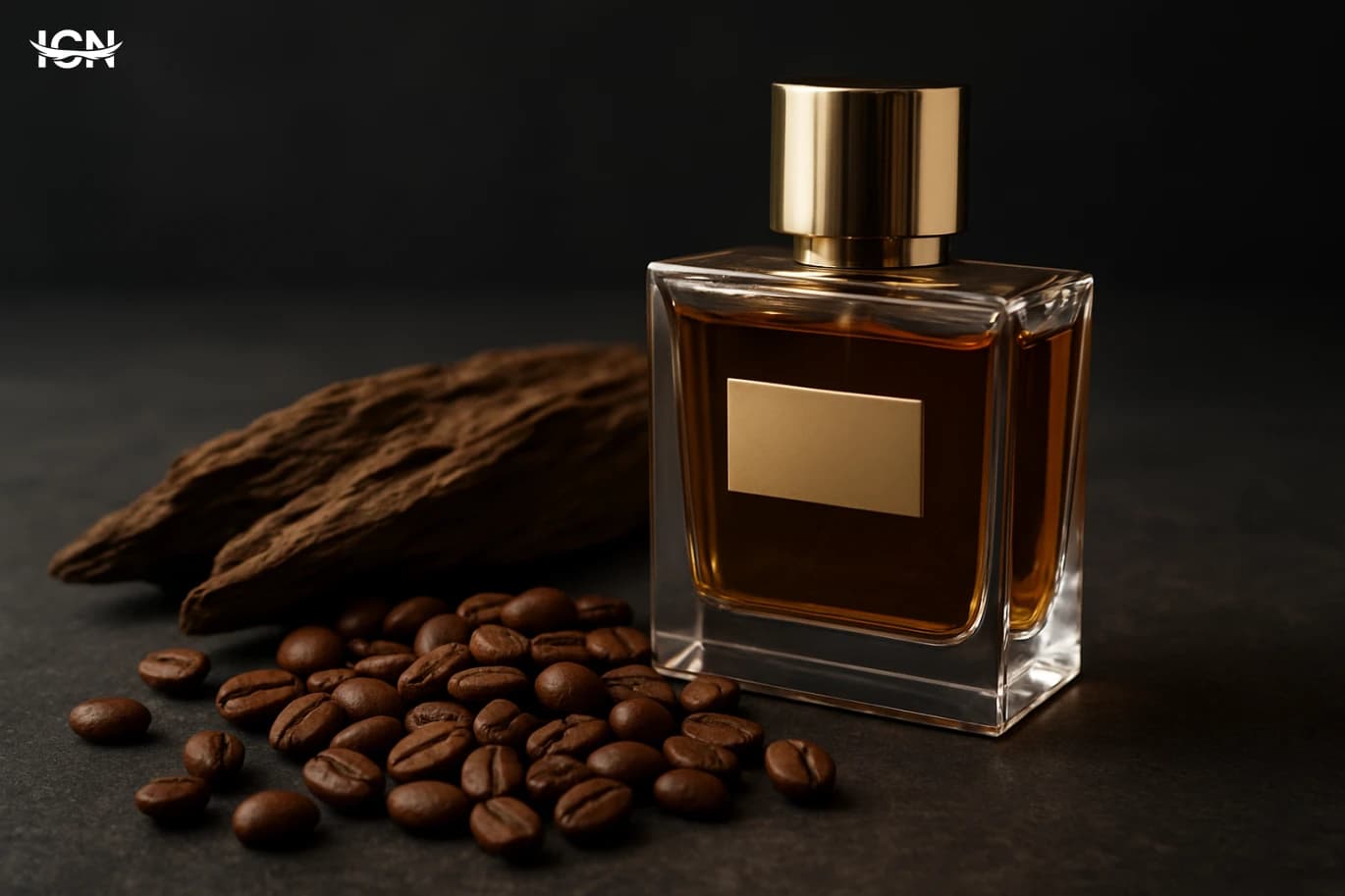
Perfume longevity is not a simple “good or bad” measure; it is the result of formula design, concentration, and how your skin and environment interact with the scent. Eau de Parfum typically lasts longer than Eau de Toilette because it contains a higher proportion of aromatic compounds, but the raw materials matter just as much. Notes built around woods, resins, amber, patchouli, and musks tend to cling longer than bright citrus, watery florals, or airy aromatics that evaporate quickly. Even within the same family, different ingredients have different volatility, which is why a fragrance can smell vivid for the first hour and then soften into a quieter skin scent. Skin chemistry also plays a measurable role. Dry skin usually “drinks” fragrance faster, while well-moisturized skin holds it longer. Body temperature, natural oils, and even where you apply the fragrance affect diffusion and endurance. External factors can shorten wear time: high heat accelerates evaporation, strong wind disperses the scent cloud, and frequent handwashing can erase fragrance from wrists. Understanding these variables helps you choose the right product and build a routine that improves performance without over-spraying.
Choose the right concentration and format
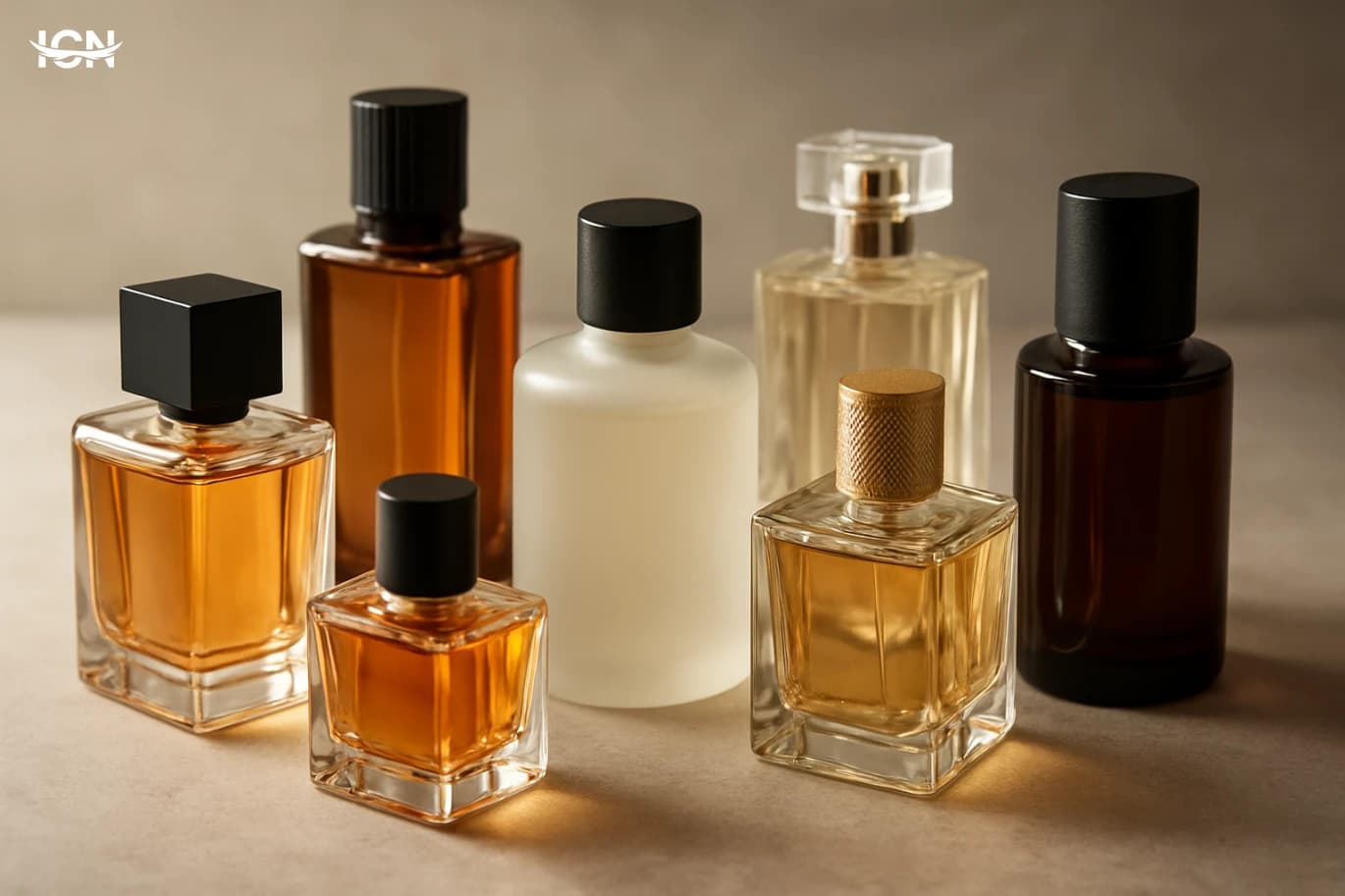
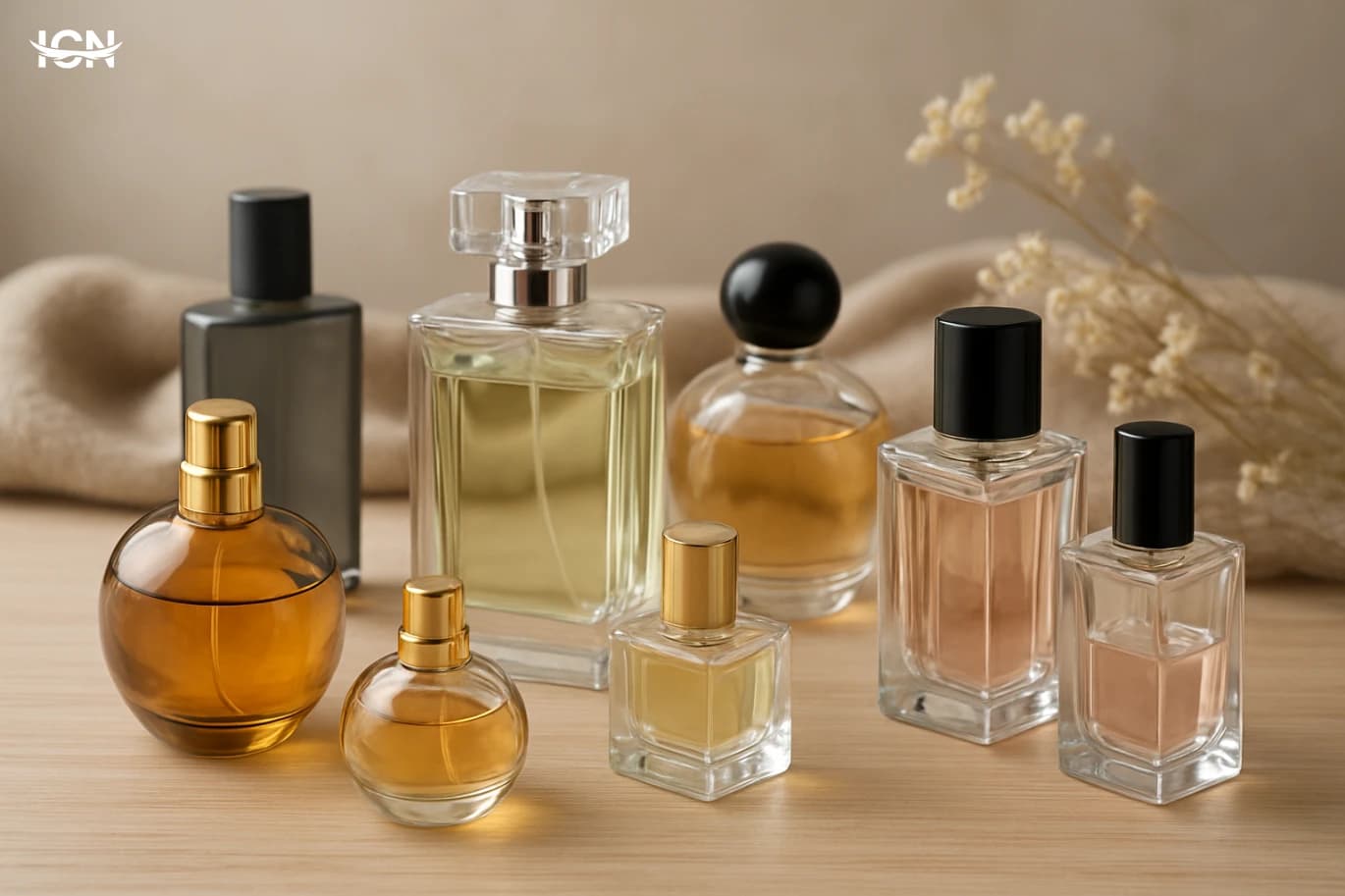
If your priority is all-day wear, start with concentration and product format. Eau de Parfum and Parfum/Extrait generally deliver longer wear than Eau de Toilette and Eau de Cologne, but they can project differently. A higher concentration often means a denser base and slower evaporation, which supports longevity. However, some modern Eau de Parfum formulas are intentionally sheer, while some Eau de Toilette releases are surprisingly persistent. The most reliable approach is to test on skin for a full day rather than judging from a blotter strip. Consider alternative formats that extend wear in practical ways. A matching body lotion or body oil can create a scented base layer that holds the fragrance. Hair mists can be useful because hair retains scent, but they are formulated to be lighter and less drying than spraying regular perfume directly onto hair. Solid perfumes and travel sprays are not always stronger, but they make reapplication easy and discreet, which is often the simplest path to “all day” performance in real life. When shopping, look for note structures that naturally last: woody-amber, resinous, leather, gourmand bases, and musky clean scents often have better endurance than purely citrus or aquatic profiles. If you love fresh styles, choose versions that include a lasting backbone such as cedar, vetiver, ambroxan, or soft musks.
Prep your skin for better hold
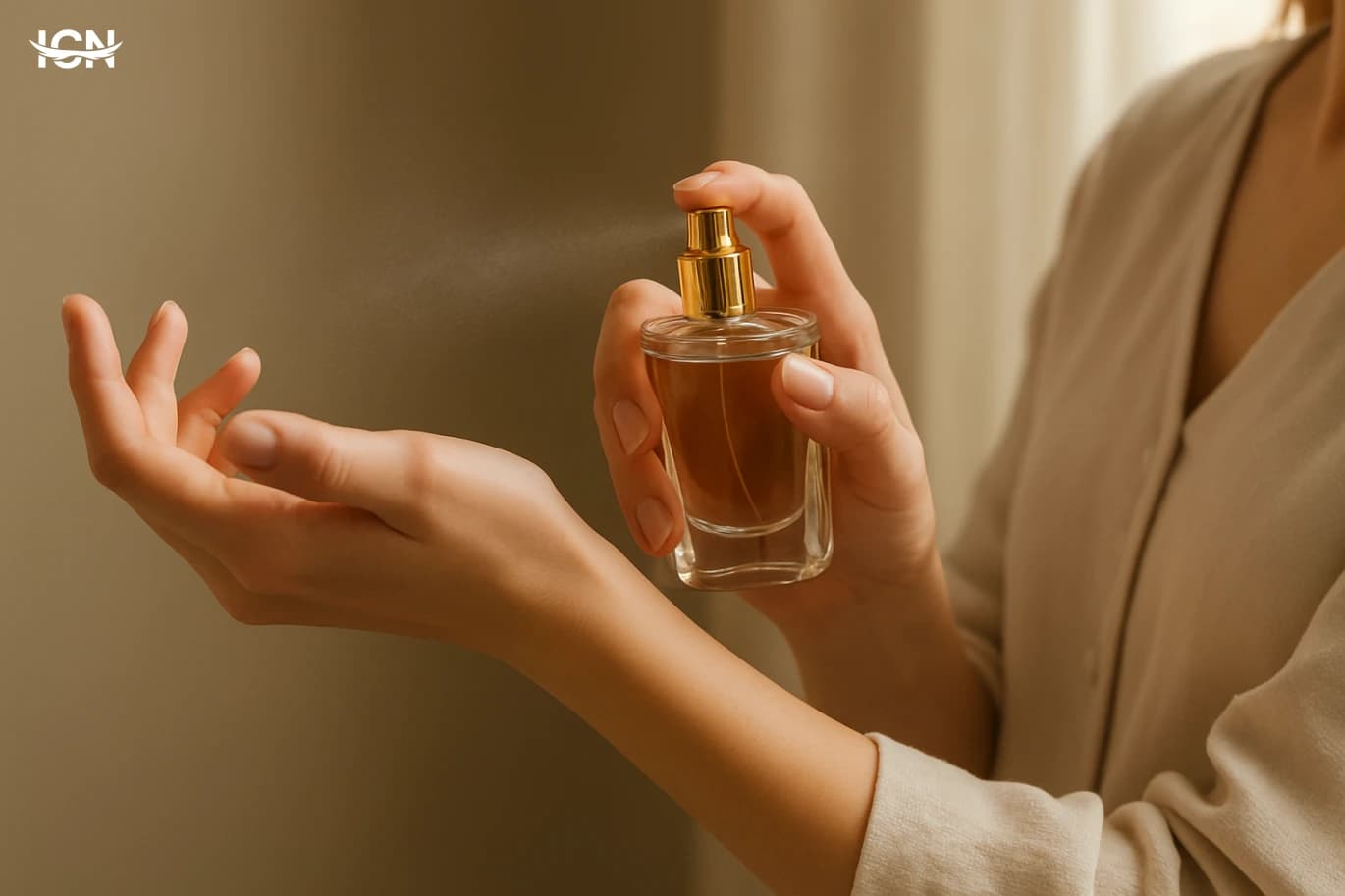
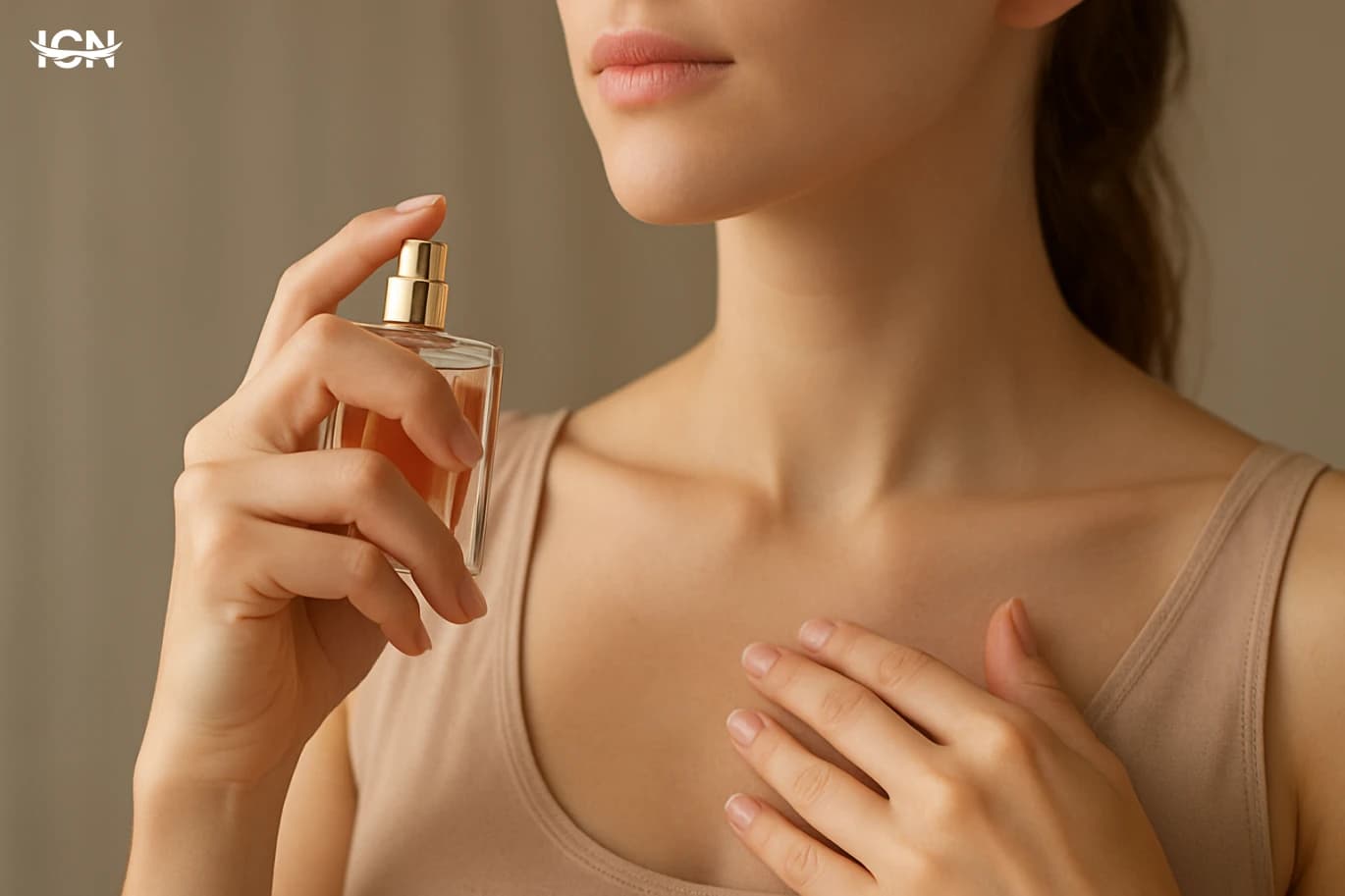
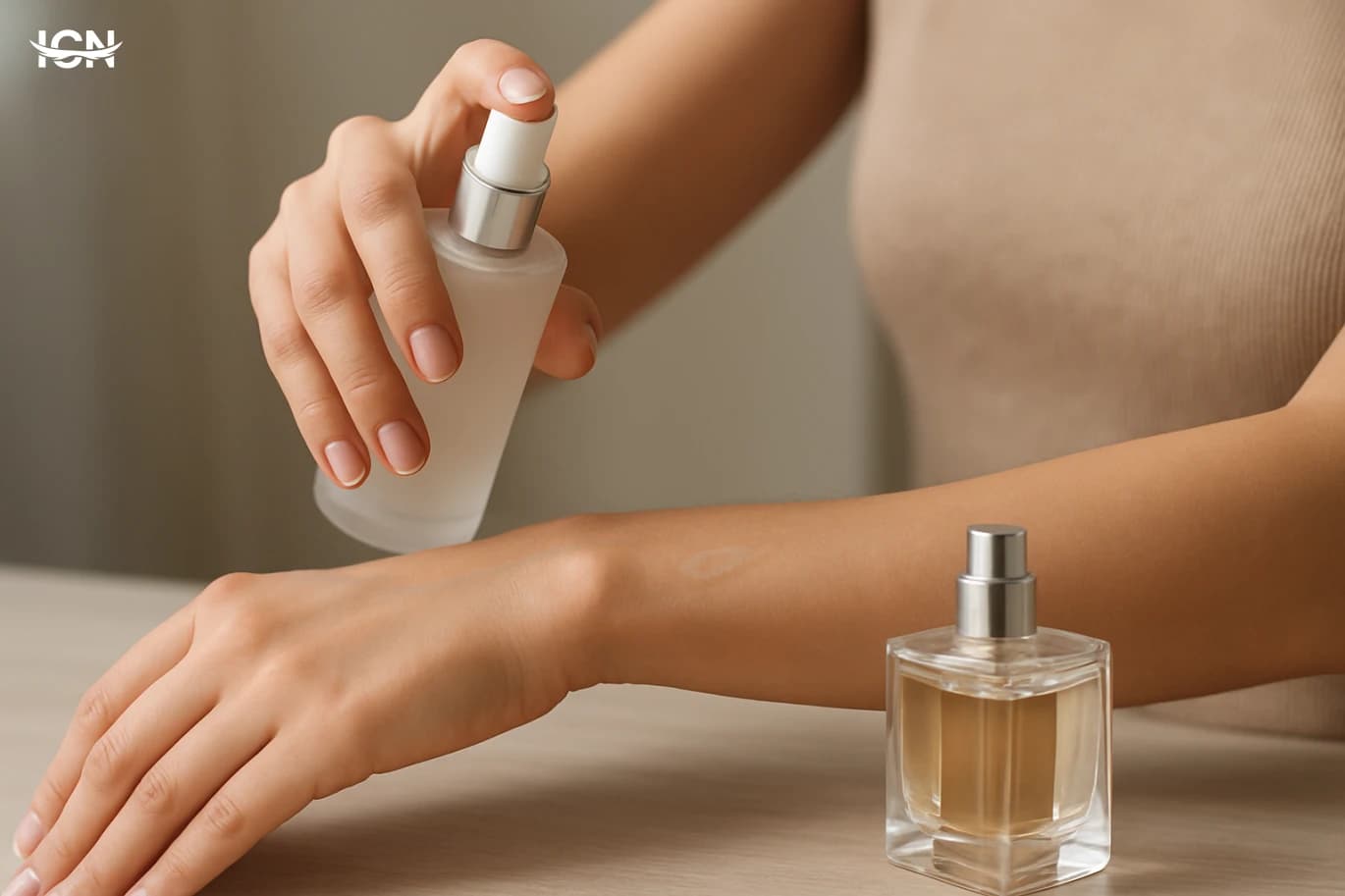
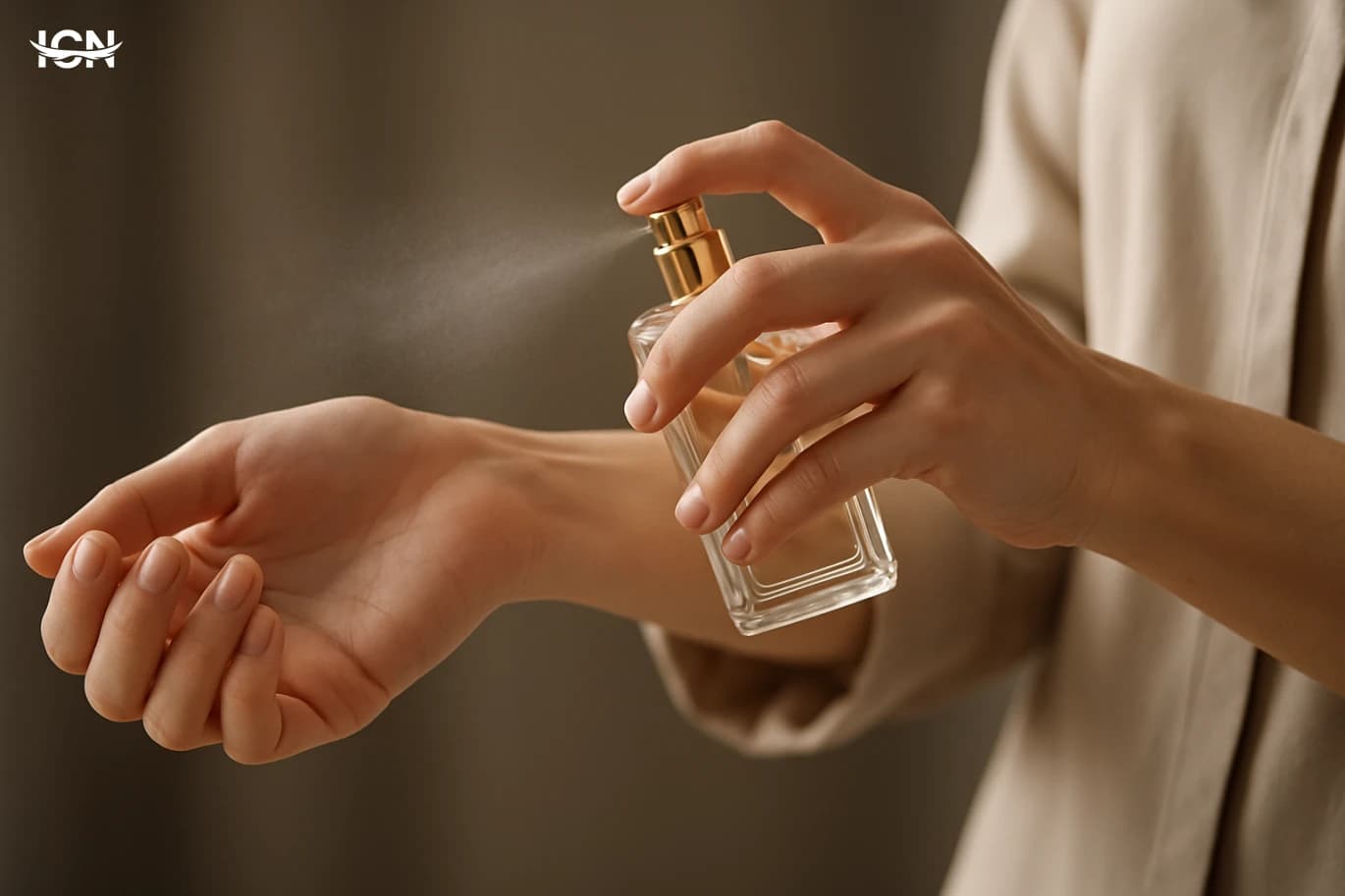
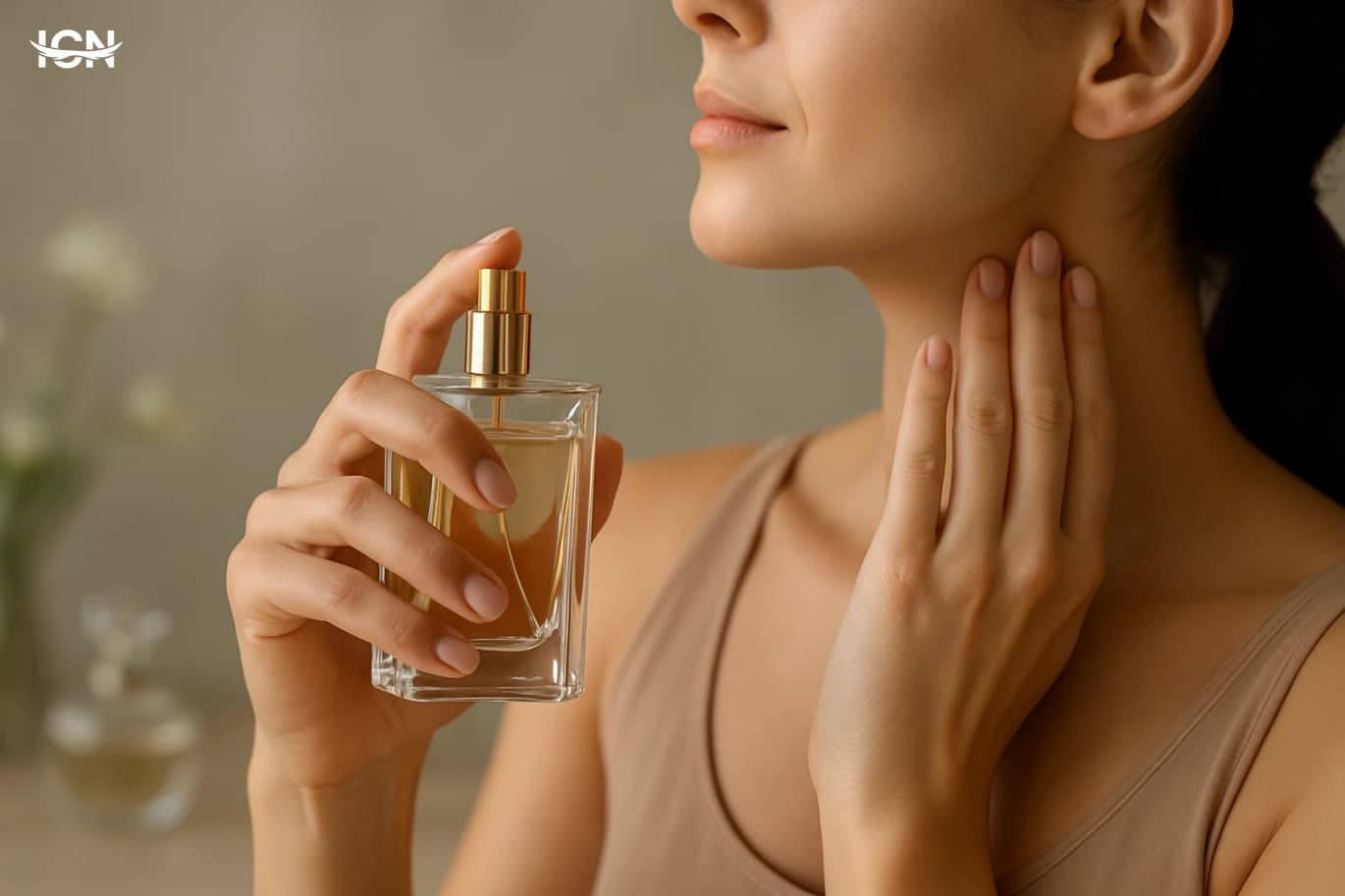
Skin preparation is one of the most effective, low-cost ways to improve longevity. Apply fragrance after a shower when skin is clean and slightly warm, then lock in moisture first. A fragrance-free moisturizer is ideal because it won’t compete with the scent profile, but a lightly scented lotion from the same line can also work if you want stronger presence. The key is hydration: perfume molecules adhere better to moisturized skin, while dry skin allows faster evaporation. Pay attention to where you apply. Pulse points such as the sides of the neck, behind the ears, and inner elbows provide warmth that helps diffusion, but too much heat can also make top notes burn off quickly. For longer wear with controlled projection, include one or two cooler zones such as the chest under clothing or the back of the neck. Clothing can hold scent for many hours, but test first because some formulas may stain delicate fabrics. If you spray on clothes, aim for the inside of a jacket or scarf rather than the outer surface to reduce exposure to sun and wind. Avoid rubbing wrists together after spraying. Rubbing can break down the opening and change how the fragrance develops, making it seem to fade faster. Instead, spray and let it dry naturally for a few seconds.
Layering techniques that actually work
Layering is often mentioned, but effective layering is specific and controlled. The simplest method is “same-scent layering”: use a matching shower gel, lotion, and perfume. This builds a consistent base and can noticeably extend wear because the scent is present in multiple formats. If you don’t have matching products, use a neutral, unscented moisturizer and rely on the perfume itself. If you want to layer different scents, keep the structure logical. Pair a fresh top-heavy fragrance with a clean musk or a soft woody base to give it staying power without changing the character too much. For example, a citrus aromatic can sit well over a light cedar-musk skin scent. Avoid stacking two loud, sweet, or heavily spiced fragrances, which can become muddy and harder to wear in warm weather. Another practical technique is “anchor spraying”: apply one spray to a long-lasting area such as the chest under clothing, then add one spray to a projection point like the neck. This creates a core that lasts and a halo that people notice early on. The goal is not maximum intensity but consistent presence across the day.
Smart reapplication and storage habits
Even with the best routine, some days require reapplication. The most effective approach is targeted touch-ups rather than repeating your full morning dose. Carry a travel spray or decant and apply one light spray to the chest or back of the neck. If you work in close quarters, avoid spraying into the air or over-applying on wrists where it can become distracting during hand movements. Storage also affects performance over time. Heat, light, and oxygen can degrade aromatic compounds and make a fragrance smell flatter or fade faster. Keep bottles in a cool, dry place away from direct sunlight, ideally in a drawer or cabinet rather than on a bathroom shelf. Bathrooms experience frequent temperature and humidity swings, which can accelerate aging. Make sure caps are closed tightly, and avoid leaving atomizers uncapped for long periods. Finally, manage expectations by matching fragrance style to schedule. A crisp citrus scent may be perfect for a morning workout or a short meeting, while a woody-amber or musky fragrance is better for long office days. Choosing the right profile for the day can reduce the need for constant touch-ups.