How to Build a Versatile Fragrance Wardrobe
- Why a fragrance wardrobe beats one signature scent
- Start with four core slots
- Choose families that complement, not compete
- Test properly and track performance
- Seasonal rotation and smart storage
Why a fragrance wardrobe beats one signature scent
Relying on a single “signature” can feel simple, but it often leads to mismatches: a heavy scent in a warm office, a bright citrus that disappears at night, or a sweet profile that clashes with formal settings. A fragrance wardrobe is a small, intentional set of scents chosen for different contexts, similar to having shoes for work, weekends, and events. The goal is not collecting dozens of bottles; it is selecting a few profiles that cover climate, time of day, and mood while staying consistent with your personal taste. A practical wardrobe also saves money over time. Instead of buying impulsively and ending up with bottles you rarely wear, you plan around gaps: something clean for daytime, something deeper for evenings, and a flexible option for travel. It also reduces “nose fatigue,” where you stop noticing a scent you wear daily. Rotating between a few styles keeps each one feeling fresh and helps you understand what notes and structures you truly enjoy.
Start with four core slots
A versatile wardrobe can start with four slots that cover most real-life situations. First, a “clean daytime” scent: think fresh musks, soft woods, light citrus, or airy florals that stay polite in close spaces. Second, a “smart work” option that feels structured and confident without being loud; many people do well with aromatic herbs, gentle spices, tea notes, or modern woody-amber styles kept at moderate intensity. Third, an “evening” scent with more depth and persistence. This is where richer ambers, resins, darker woods, leather-like accords, or gourmand touches can work, especially in cooler weather. Fourth, a “weekend casual” fragrance that is easy and expressive: fruity-fresh, green, aquatic, or a relaxed woody profile. If you live in a very hot climate, prioritize freshness and diffusion control; if you live in a cold climate, make sure at least one slot has warmth and staying power. These slots are not rigid categories. They are decision shortcuts. When you are shopping, you can ask: which slot is missing, and what performance do I need—projection for outdoors, or a close-to-skin scent for meetings? This keeps you focused and prevents buying duplicates that smell different in the store but behave the same on your skin.
Choose families that complement, not compete
Many wardrobes fail because the bottles are all variations of the same idea: five blue-fresh scents, or multiple sweet ambers that feel identical in daily wear. Instead, aim for contrast with a shared thread. For example, if you like woody bases, you can pick one clean woody-musk for daytime, one aromatic-woody for work, and one resinous woody-amber for evenings. The shared woodiness keeps the set coherent, while the top and heart notes create variety. A useful way to map this is by “temperature” and “texture.” Temperature refers to how warm or cool a scent feels: citrus, mint, and watery notes read cool; vanilla, amber, and resins read warm. Texture refers to how the scent sits: airy and transparent versus dense and creamy. A balanced wardrobe usually includes at least one cool-airy option and one warm-dense option, plus two in the middle. Also consider how your grooming products interact. Strongly scented deodorants, hair products, or laundry detergents can clash with complex perfumes. If your daily products are scented, keep your daytime slot simpler. If you prefer unscented basics, you can explore more nuanced compositions without interference.
Test properly and track performance
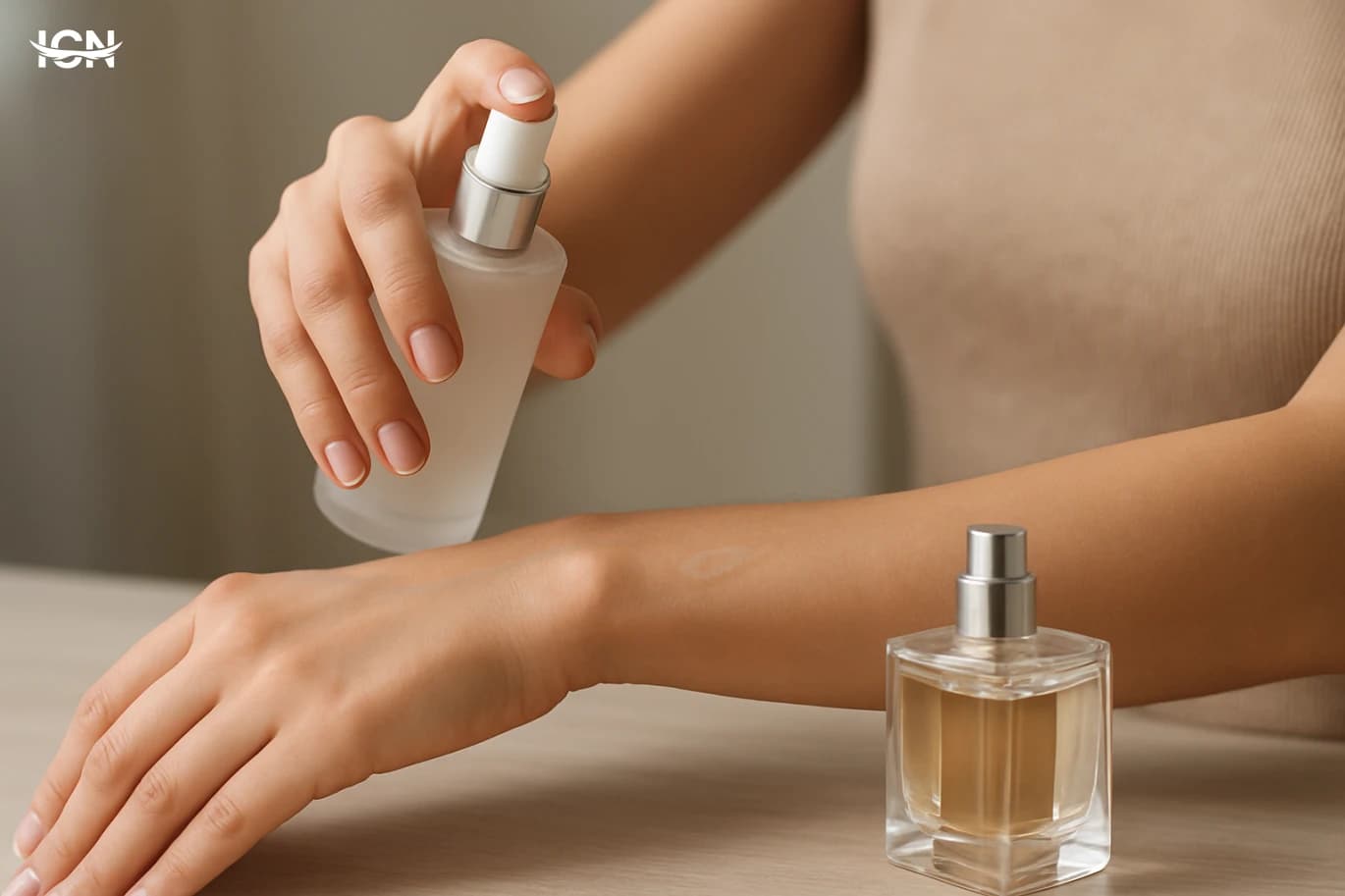
Store testing is misleading because paper strips flatten the scent and the air is saturated with other perfumes. For a wardrobe purchase, skin testing is essential. Spray once on the wrist or inner elbow, avoid rubbing, and check the scent at three points: the opening (first 10 minutes), the heart (after 1–2 hours), and the dry-down (after 4–8 hours). This reveals whether the fragrance stays pleasant and whether it turns overly sweet, sharp, or powdery on your skin. Keep a simple log on your phone: name, date, weather, number of sprays, and how long it lasted before you stopped noticing it. Note projection in practical terms: could people smell it at arm’s length, or only close? This data helps you assign each fragrance to a slot. A scent that is beautiful but projects strongly may be better for evenings or outdoor weekends than for a small office. If you can, sample before buying full bottles. Travel sprays or decants let you test across multiple days, including stressful days, hot commutes, and long meetings. A fragrance that feels perfect for 20 minutes can become tiring after six hours. Sampling protects your budget and keeps the wardrobe tight and functional.
Seasonal rotation and smart storage
A wardrobe works best when you rotate by season. In warm months, lighter concentrations and fresher structures usually feel more comfortable and less intrusive. In cooler months, richer bases and heavier materials perform better and can feel more natural. You do not need separate wardrobes; you can simply shift which two bottles are “front of shelf” and which two are “backup.” Storage matters more than many people think. Heat, light, and frequent temperature swings can degrade fragrance over time. Keep bottles in a cool, dry place away from direct sunlight, ideally in a drawer or cabinet. Bathrooms are often poor storage locations because humidity and temperature changes are common. If you own backup bottles, keep them boxed. Finally, plan replenishment like an editor, not a collector. When you finish a bottle, decide whether it truly earned its slot. If it did, repurchase. If you wore it less than expected, replace it with something that fills the same role but better matches your preferences. Over a year, this approach produces a wardrobe that reflects your real life, not just your shopping history.