Espresso Aoud in Modern Perfumery
- Scent Profile at a Glance
- Why Coffee and Oud Work Together
- Quality Markers in an Oud-Coffee Blend
- When and How to Wear It
- Buying Tips and Storage
Scent Profile at a Glance
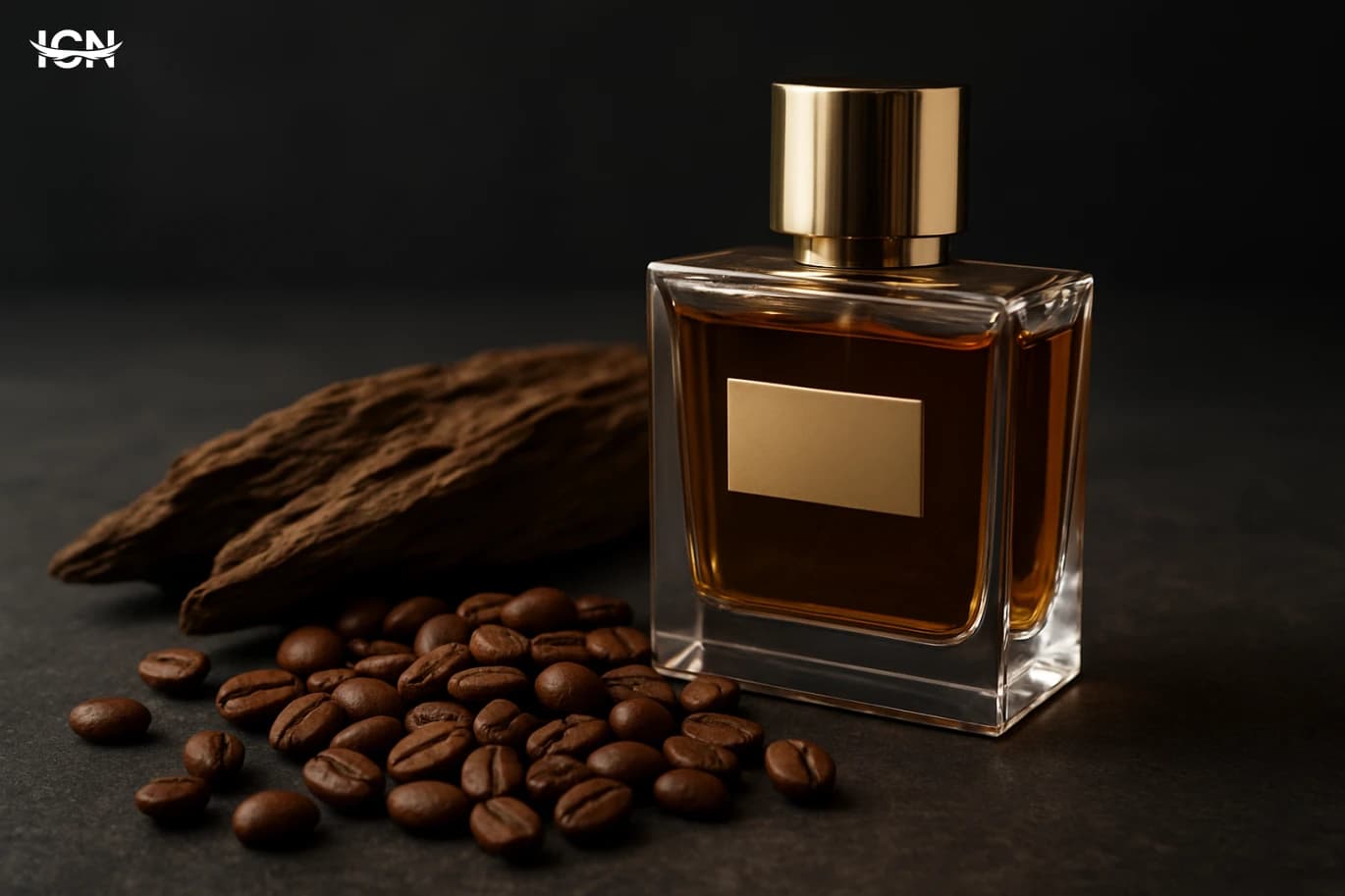
Espresso Aoud is built around a clear idea: pairing the roasted, slightly bitter edge of espresso with the depth and polish of premium oud. The opening typically reads as coffee-forward, with a dark roast impression that can feel dry, smoky, and lightly sweet at the same time. Within minutes, the coffee note is often supported by warm spices and a soft amber tone that rounds the bitterness and keeps the scent wearable rather than harsh. As the fragrance settles, oud becomes more noticeable, but in a modern style that emphasizes smooth woods and resinous warmth over sharp, animalic facets. Many wearers describe the mid as a blend of coffee crema, woody amber, and a refined oud accord that feels clean and contemporary. The dry-down usually leans into woods, amber, and musks, leaving a lingering trail that still hints at roasted beans without turning into a gourmand dessert scent. The overall profile is dense and elegant, designed for people who want a statement fragrance without sacrificing refinement.
Why Coffee and Oud Work Together
Coffee and oud share a key trait: both are naturally intense materials that can dominate a composition if not carefully balanced. When handled well, their strengths complement each other. Espresso brings a roasted, aromatic darkness that reads as urban and contemporary, while oud contributes depth, texture, and a sense of luxury associated with fine wood and resin. From a structure perspective, coffee notes often sit in the top-to-heart transition, giving immediate character and a recognizable signature. Oud, by contrast, anchors the base and extends longevity, acting as a framework that keeps the fragrance from fading into a simple coffee accord. Perfumers frequently bridge the two with amber, patchouli, or soft spices, which connect roasted facets to woody warmth. The result is a scent that feels both familiar and distinctive: familiar because coffee is a daily reference point, distinctive because oud adds complexity and a high-end finish. This pairing also suits modern tastes that favor contrast. The tension between bitter roast and smooth woods creates a dynamic evolution on skin, which is part of the appeal for fragrance enthusiasts who want noticeable development over several hours.
Quality Markers in an Oud-Coffee Blend
Not every coffee-oud fragrance feels premium. One quality marker is how the coffee note is rendered. A well-made espresso accord suggests roasted beans, crema, and a dry aromatic bitterness without smelling like sugary syrup or artificial flavoring. If the opening is overly sweet or flat, the coffee can read as a generic gourmand note rather than a realistic espresso impression. Oud quality is another differentiator, even when the formula uses an oud accord rather than rare natural oil. In a refined blend, oud feels smooth, woody, and resinous, with controlled smokiness. It should support the composition rather than overwhelm it with harsh medicinal edges. Balance is the key: the oud should deepen the coffee, and the coffee should brighten the oud with aromatic lift. Performance also signals craftsmanship. A strong but controlled projection in the first hour, followed by a steady presence close to the skin, is often more elegant than constant loudness. Longevity should come from the base structure—woods, amber, musks—rather than from a heavy, sticky sweetness. Finally, transitions matter: the best versions move from espresso to woods in a coherent way, without abrupt shifts that feel like separate fragrances layered together.
When and How to Wear It
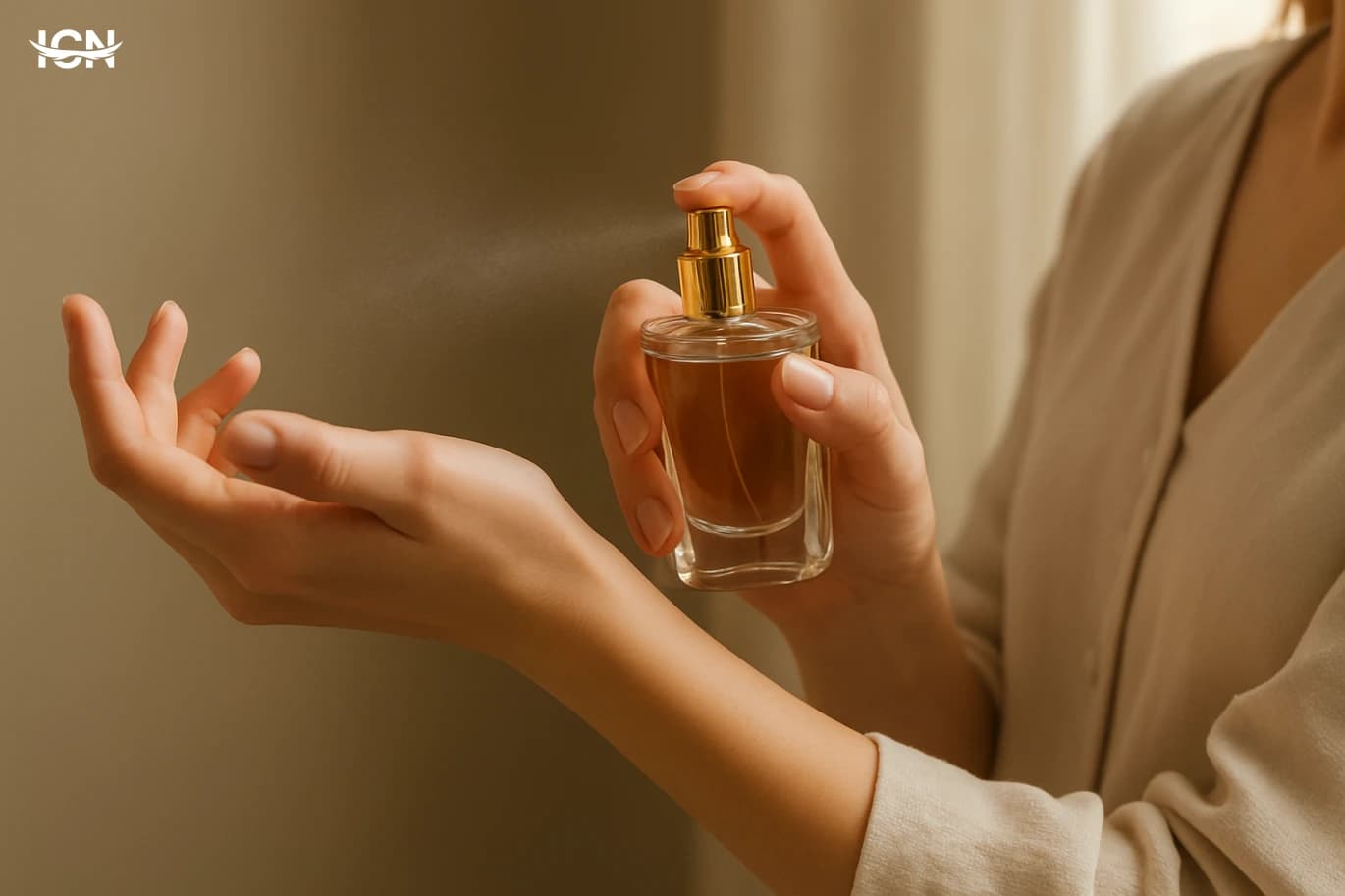
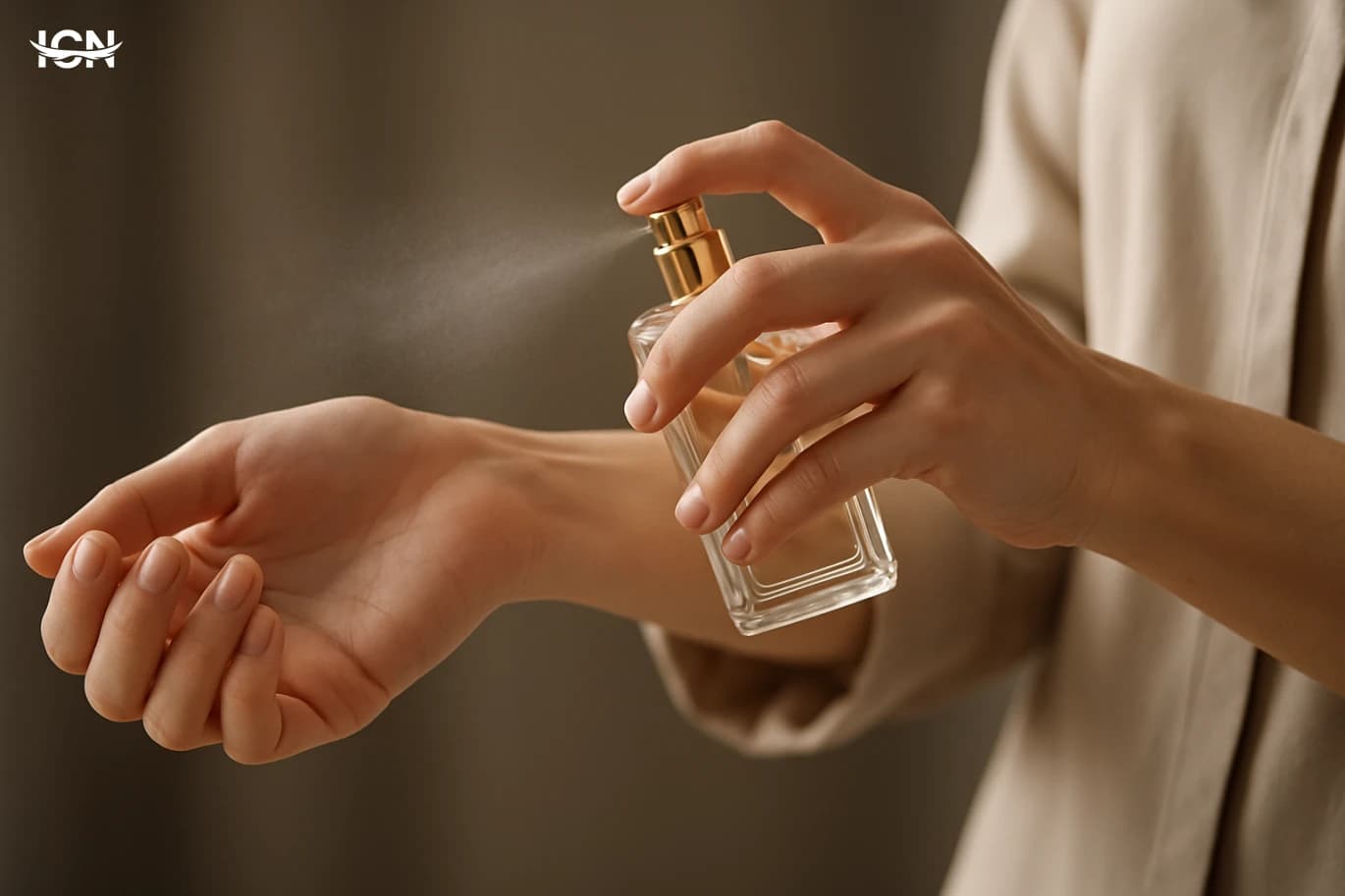
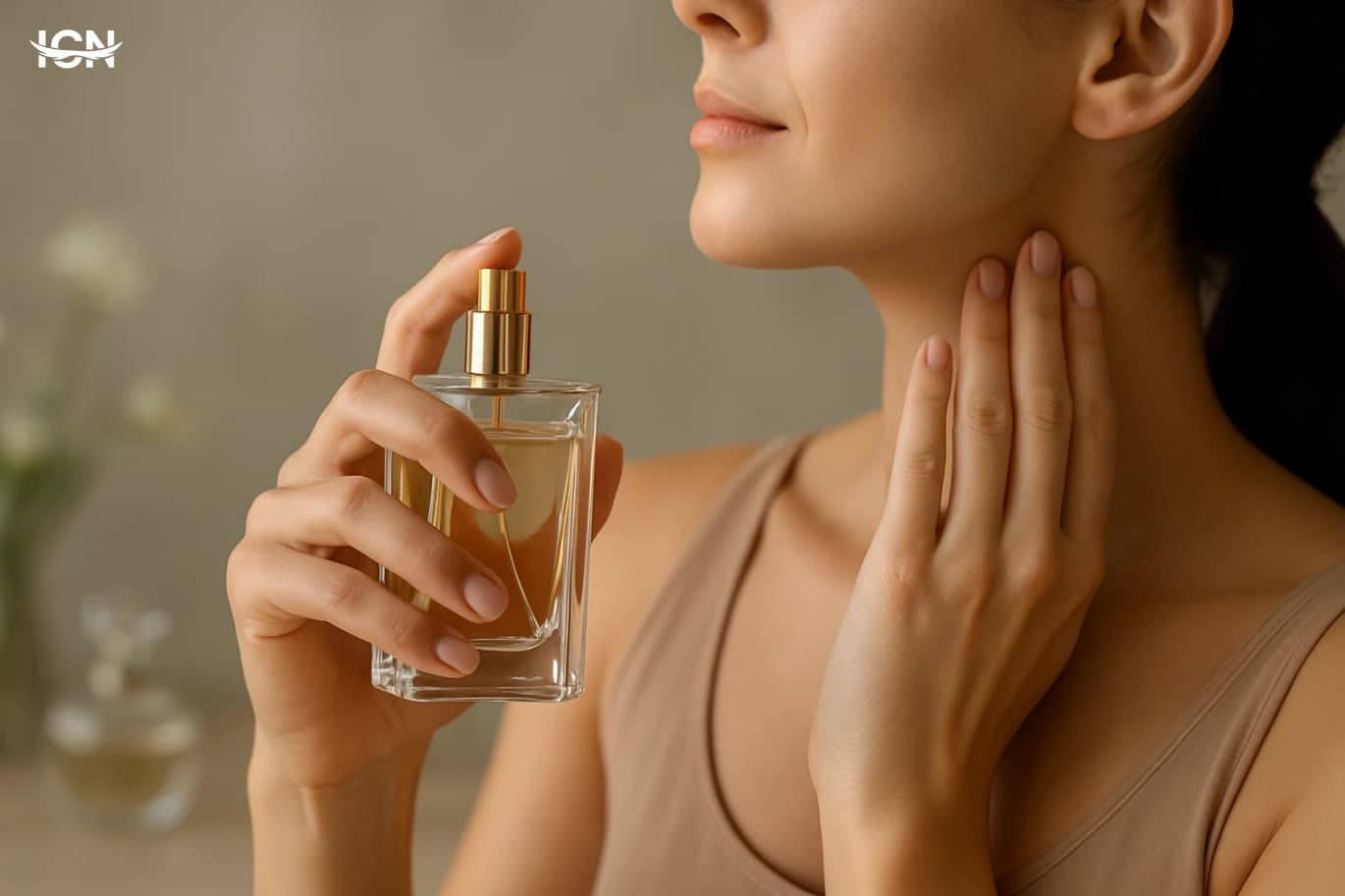
Espresso Aoud is generally best in cooler weather, evenings, and indoor settings where its density can feel comfortable rather than overpowering. In autumn and winter, the roasted and woody facets match heavier fabrics and lower temperatures, and the scent tends to project in a controlled way. In warm climates, it can still work, but lighter application is important—one to two sprays, preferably on the back of the neck or under clothing, can keep the profile refined. For professional environments, moderation matters. The coffee-oud signature is distinctive, so a minimal dose is safer in offices or meetings. For social occasions, it performs well in restaurants, galleries, and night events where a deeper scent profile feels appropriate. It also pairs naturally with a well-groomed style: clean lines, neutral colors, and quality materials complement the fragrance’s polished character. Layering can be done carefully. A simple amber or clean musk can soften edges and extend the base, while adding sweet vanilla-heavy scents may push it into dessert territory and reduce the espresso realism. If you want more freshness, a light citrus or aromatic body product can brighten the opening, but it should be subtle to avoid clashing with the oud.
Buying Tips and Storage
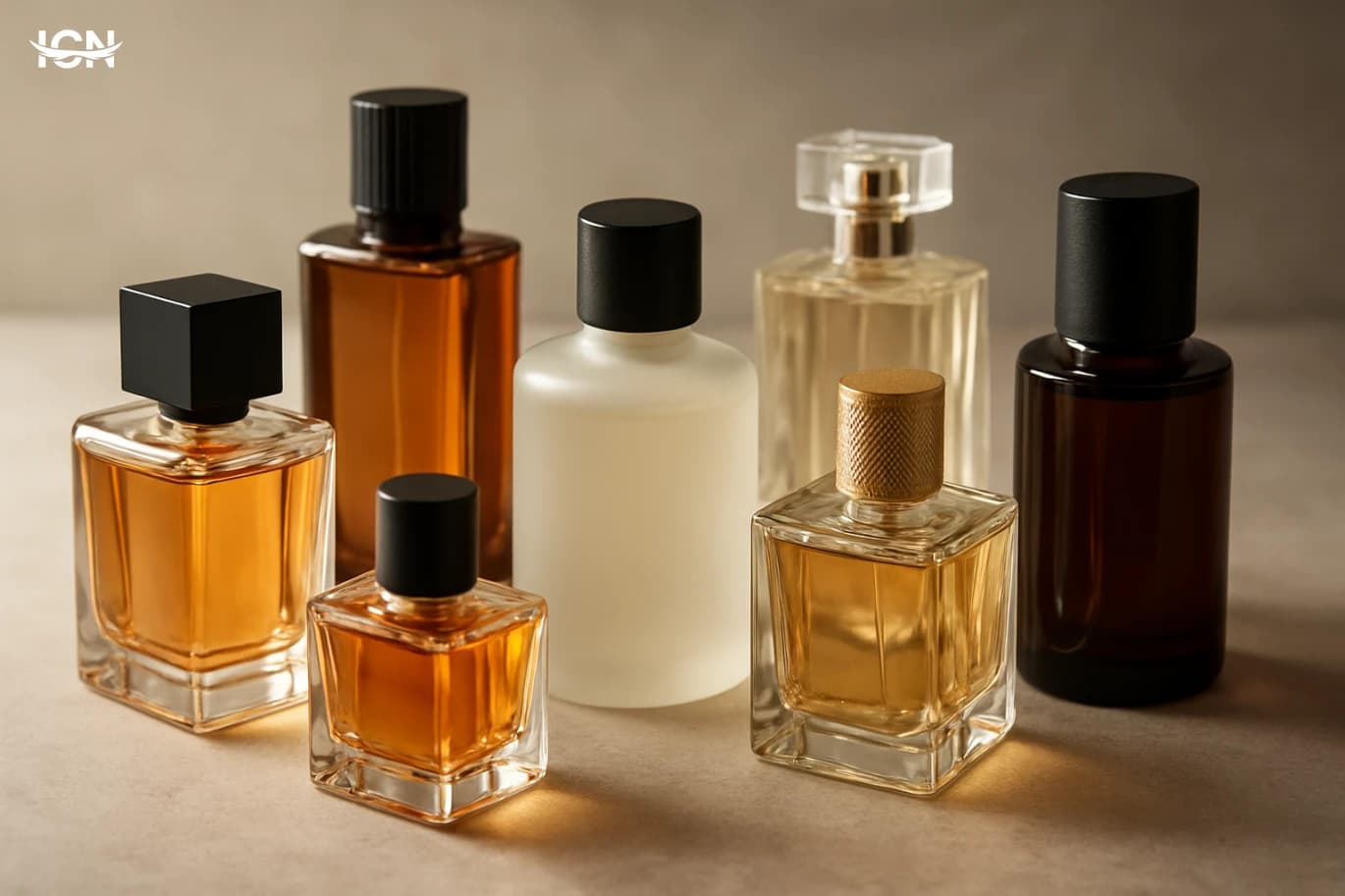
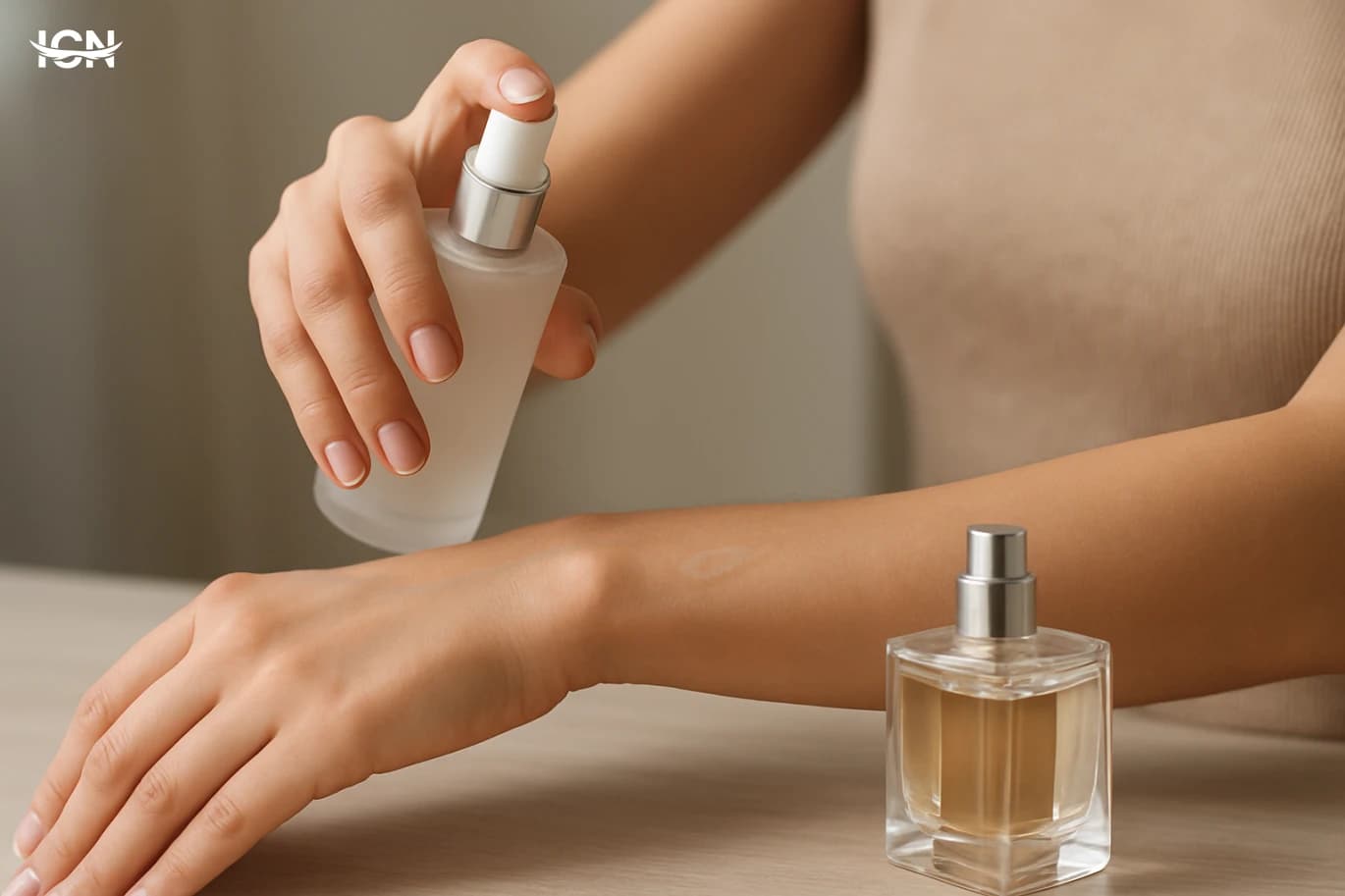
When shopping for an espresso-oud fragrance, test it on skin rather than paper. Coffee notes can smell impressive on a blotter but may turn sharper or sweeter on skin depending on body chemistry. Give it time: evaluate the first 10 minutes for the espresso impression, then reassess after one to three hours to judge how the oud and base materials settle. Check concentration and batch consistency. Eau de parfum and extrait styles often suit this profile because they hold the dense notes longer, but higher concentration is not automatically better if the balance is off. If possible, sample before committing to a full bottle, especially because coffee-oud blends can be polarizing. For storage, keep the bottle away from heat, direct sunlight, and frequent temperature swings. A closed cabinet is better than a bathroom shelf. Tighten the cap and avoid leaving the atomizer exposed for long periods. Proper storage helps preserve the clarity of the coffee top and the smoothness of the woody base, which can dull if the fragrance oxidizes over time.