App Logo

Download Our App

Shop your way

logologo
Image

How Everyday Questions Shape a General Topic Into Insight

01/29/2026By: ICN Writer
How Everyday Questions Shape a General Topic Into Insight

Starting with a general topic on purpose

A “general topic” can sound like a placeholder, but it is also a practical starting point for thinking. When you begin broadly, you give yourself room to notice what matters before you commit to a narrow frame. In everyday life, we often encounter issues that feel too big to name: work stress, changing relationships, news cycles, health goals, or the sense that time is moving faster. Calling it a general topic is not avoidance; it can be a method. It lets you gather signals, observe patterns, and decide what deserves attention. General topics are useful because they are shared. Nearly everyone can enter a conversation about “change,” “learning,” “community,” “technology,” or “well-being.” That shared entry point is valuable in families, teams, classrooms, and online communities. It creates a low-barrier invitation: you do not need expert vocabulary to participate. Yet the risk is vagueness. If a general topic stays general, it becomes a fog of opinions. The goal is to keep the openness while adding structure. A helpful way to treat a general topic is to see it as a container. You can place observations inside it without deciding too early what they mean. Over time, the container reveals its shape: recurring concerns, repeated questions, and tensions that refuse to disappear. The general topic becomes a map rather than a label. And once you have a map, you can choose a direction with more confidence. The key is to resist the pressure to sound definitive. Broad topics invite performance: big statements, quick takes, and the temptation to declare a single cause. Instead, treat the topic as an exploration. Ask: What is changing? Who is affected? What do people hope for? What do they fear? Those questions turn a general topic into a practical lens. In that sense, the general topic is not “nothing.” It is the first draft of meaning, the place where curiosity begins before it becomes a plan.

Finding the hidden structure in broad ideas

Even the broadest idea has structure if you look for it. Structure does not mean forcing a rigid framework; it means noticing how the topic behaves. A simple approach is to break the general topic into three layers: experiences, interpretations, and decisions. Experiences are the raw events: a meeting that felt tense, a new tool introduced at work, a friend moving away, a habit that keeps slipping. Interpretations are the stories we tell about those events: “People don’t listen,” “Technology is taking over,” “I’m falling behind,” “Nothing ever changes.” Decisions are what we do next: speak up, withdraw, learn a skill, change routines, or do nothing. When a conversation stays stuck at the interpretation layer, it becomes repetitive and emotional. When it stays only at experiences, it becomes a list of anecdotes. When it jumps straight to decisions, it can feel like advice without understanding. The power of a general topic is that it can hold all three layers, but you have to move among them intentionally. Another way to find structure is to identify tensions. Most general topics contain polarities that cannot be “solved” once and for all: stability versus growth, individuality versus belonging, speed versus quality, privacy versus convenience, ambition versus rest. Naming the tension helps you avoid false choices. Instead of arguing for one side, you can ask how to balance both in a specific context. Finally, look for time scales. A general topic often mixes short-term discomfort with long-term direction. For example, learning something new feels awkward today, but it expands options over months. A community disagreement may be painful now, but it can clarify values over years. Sorting what is immediate from what is enduring reduces panic and improves planning. With layers, tensions, and time scales, a general topic becomes navigable. You are no longer “talking about everything.” You are tracing how life actually works: events, meaning, action, trade-offs, and time.

Turning curiosity into useful questions

A general topic becomes productive when you ask questions that create movement. Not every question helps. Some questions are traps: they demand certainty, invite blame, or assume the answer. Useful questions do the opposite: they open options, clarify constraints, and reveal what people value. Start with scope questions. “What part of this matters most right now?” “Where is this showing up in daily routines?” “Who is closest to the problem?” These questions shrink the topic without killing it. They turn a vague concern into a workable slice. Then ask evidence questions. “What have we actually observed?” “What would count as progress?” “What examples contradict our assumption?” Evidence questions are not about being cold or academic; they are about being fair. They prevent the general topic from turning into a mood. Next come perspective questions. “How would someone with a different role describe this?” “What would a newcomer notice that we ignore?” “If we had to argue the opposite view, what would we say?” Perspective questions reduce polarization and make collaboration easier. Finally, ask design questions. “What small experiment could we run this week?” “What is the lowest-risk step?” “What would we stop doing to make room?” Design questions shift the general topic from analysis to action. They respect uncertainty by using iteration rather than grand plans. If you are exploring alone, you can still use the same sequence. Write down the topic, then list three scope questions, three evidence questions, three perspective questions, and three design questions. You will feel the topic tighten into something you can carry. The point is not to interrogate life. The point is to give your attention a shape. With the right questions, a general topic stops being a cloud and becomes a set of doors you can choose to open.

From general topic to daily practice

Insight is only half the value. The other half is what changes in your day. A general topic becomes meaningful when it shows up in small practices that are easy to repeat. The trick is to translate the topic into behaviors that fit real constraints: limited time, imperfect motivation, and competing responsibilities. One practice is the “two-minute capture.” When the topic appears—anxiety about the future, frustration with communication, curiosity about a new skill—write a two-minute note: what happened, what you felt, what you need. This prevents the topic from living only in your head, where it grows distorted. Another practice is “one conversation upgrade.” Choose a single interaction per day to do slightly better: ask one clarifying question, reflect what you heard, or state a boundary calmly. Over weeks, this shifts relationships more than occasional dramatic talks. A third practice is “weekly experiment.” Pick a small change that tests an assumption: mute notifications for two hours, schedule a walk after lunch, set a 25-minute focus block, or prepare questions before a meeting. The goal is not perfection; it is feedback. Experiments turn a general topic into data. It also helps to create a personal definition. Broad words like “balance” or “success” can mean anything. Write a definition that is specific enough to guide choices: “Balance means I sleep seven hours and protect one evening for family,” or “Success means I improve one skill per quarter and keep my health stable.” A definition converts a general topic into a standard you can revisit. Over time, these practices build trust with yourself. You stop waiting for clarity to arrive from outside. You create clarity through repeated, modest actions. The general topic remains broad, but it becomes grounded—less like a headline and more like a lived pattern.

Keeping the topic open without losing direction

The challenge with any general topic is staying open while still moving forward. If you close too quickly, you miss nuance and lock into a story that may be wrong. If you stay open forever, you drift. The balance is to treat conclusions as temporary and direction as adjustable. One way is to set review points. Decide that you will revisit your understanding weekly or monthly. Between reviews, act as if your current view is good enough. At the review, ask: What did I learn? What surprised me? What should I keep, change, or drop? This rhythm prevents both rigidity and endless hesitation. Another way is to separate identity from ideas. General topics often touch identity: “I’m not a leader,” “I’m bad at relationships,” “I’m not creative.” When identity fuses with the topic, feedback feels like a threat. Instead, treat your current approach as a strategy, not a personality. Strategies can change without shame. It also helps to watch language. Words like “always” and “never” make a general topic feel final. Replace them with “often,” “lately,” “in this situation,” or “with these constraints.” That small shift keeps you honest and makes improvement possible. Finally, remember that general topics connect. Work affects health, health affects mood, mood affects relationships, relationships affect work. You do not need to solve everything at once, but you do need to notice spillover. When you choose one small practice, ask what else it might influence. That turns a general topic into a network of leverage points. If you keep your conclusions light and your practices steady, the general topic will keep giving you value. It becomes a companion to thinking—broad enough to include real life, structured enough to guide real change.

* All articles published on this blog are sourced from various websites and are provided for informational purposes only. They should not be considered as confirmed studies or accurate information. Please verify the information independently before relying on it.

Similar ARTICLES

Persimmon for Energy and Stomach Comfort
Persimmon, often called kaki, is a seasonal fruit that combines quick-to-use carbohydrates with water, minerals, and plant compounds that support daily vitality. People who describe “laziness” or low drive in the afternoon often face a mix of mild dehydration, irregular meals, and heavy snacks that spike and crash blood sugar. A medium persimmon can fit as a practical alternative: it is naturally sweet, easy to digest for many people, and typically more satisfying than candy or sweetened drinks. From a nutrition perspective, persimmon provides dietary fiber, vitamin C, and carotenoids, along with potassium and small amounts of magnesium. These elements do not act like stimulants; they support normal body functions that influence perceived energy, including fluid balance and muscle function. The fruit’s pleasant sweetness also makes it easier to replace ultra-processed snacks, which can leave people feeling sluggish after a short burst of energy. The “reset” effect many notice is often about timing and portion size. Eating persimmon as part of a balanced snack—paired with a handful of nuts or plain yogurt—can slow digestion slightly and help maintain steadier energy. This approach is especially useful on busy workdays when lunch is delayed or when coffee intake is already high and adding more caffeine would worsen jitters or sleep quality.
Whole Grain Bread Explained Clearly
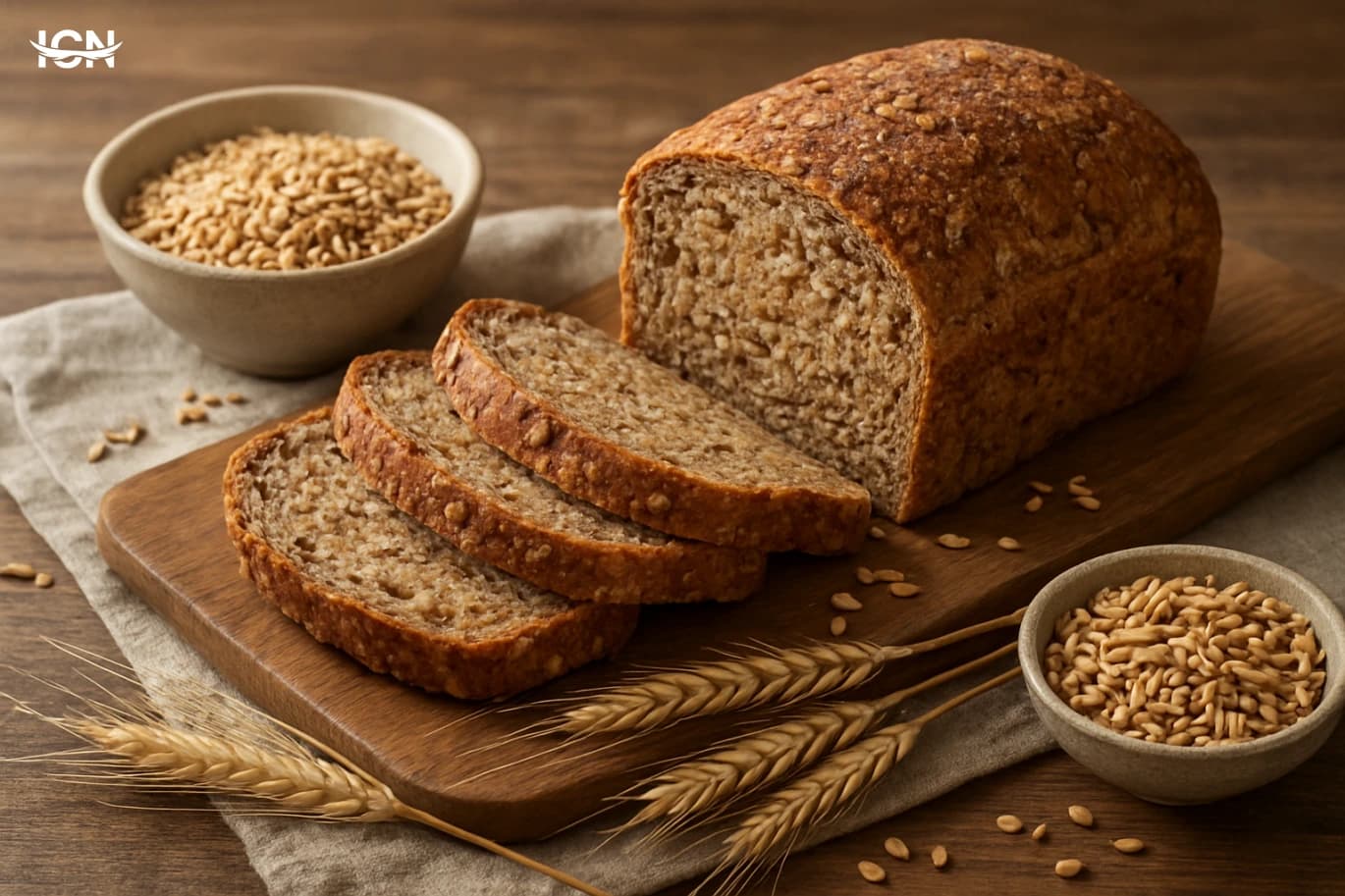
Whole grain bread is bread made with flour that keeps all parts of the grain kernel: the bran, germ, and endosperm. That matters because each part contributes different nutrients and fiber. In practical terms, a true whole grain loaf uses whole wheat, whole rye, whole oats, or other whole-grain flours as its main ingredient, not just a small addition for color or marketing. It is not the same as “brown bread” or “multigrain bread.” Brown bread can be colored with molasses or caramel and still be mostly refined flour. Multigrain simply means more than one grain is used; those grains can be refined. “Wheat bread” is also ambiguous in many markets, because refined wheat flour is still wheat. The reliable definition is about the grain being intact in the flour, not the shade of the crust or the number of seeds on top.
Cooling Summer Foods That Actually Help
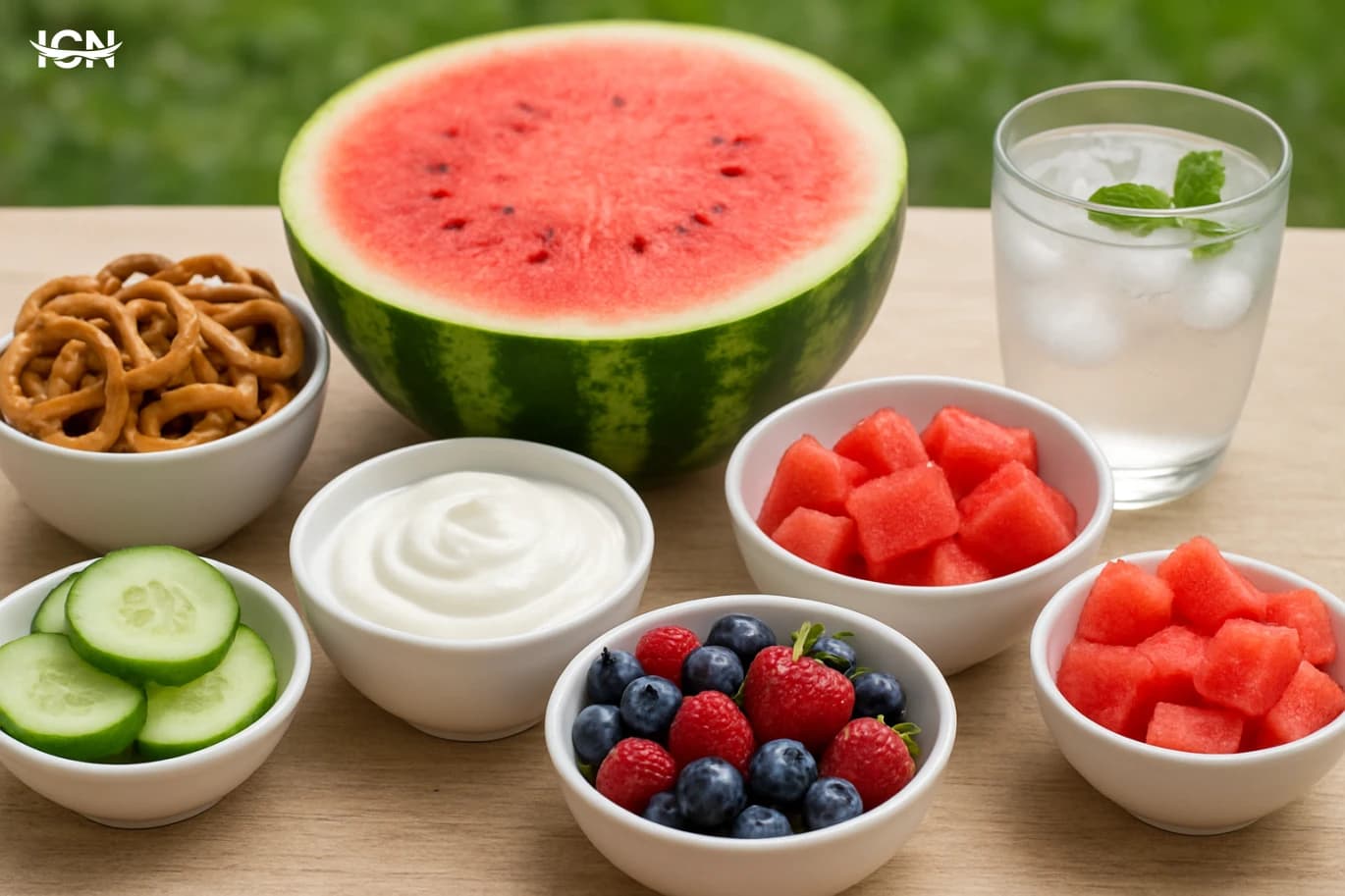
In hot weather, “cooling” is less about the food’s temperature and more about how it supports hydration, digestion, and heat release. Foods with high water content help replace fluids lost through sweat, while those rich in potassium and magnesium support normal muscle function and fluid balance. Light, easy-to-digest meals can also reduce the body’s internal heat load compared with heavy, fatty dishes that take longer to process. Another practical factor is how foods influence thirst: salty, spicy, and very sugary items can make you feel more dehydrated, while water-rich fruits and vegetables often make it easier to drink and eat enough during heat. This article focuses on seven refreshing foods that are widely available and simple to include in daily meals. The goal is not a “detox” or a strict plan, but a realistic summer approach: more water from food, more electrolytes from natural sources, and fewer ingredients that leave you feeling sluggish. For best results, pair these foods with regular water intake, and consider timing them around the hottest hours of the day when appetite is lower and hydration needs are higher.
Bread Mold and the Fungi Behind It
Bread mold is not “dirt” and it is not a simple sign of old food. It is the visible growth of fungi that feed on the nutrients in bread, especially starches and small amounts of sugars and proteins. In many homes the first clue is a small fuzzy spot that can look white, green, blue, or even black depending on the species and the stage of growth. Those colors come from dense clusters of spores and the structures that produce them. Fungi spread mainly through microscopic spores that float in indoor air and settle on surfaces. Bread is a convenient landing place because it is moist enough, rich in nutrients, and often stored at room temperature. Once spores find suitable conditions, they germinate and form thread-like filaments called hyphae. These filaments grow through the bread, breaking down complex molecules with enzymes and absorbing the resulting nutrients. What you see on the surface is only part of the organism; a larger network can extend below the visible spot.
Clove Home Fragrance for Cleaner Air
Clove is more than a strong, pleasant scent. Its aroma comes from natural compounds, most notably eugenol, which is widely studied for antimicrobial activity in laboratory settings. In practical home use, this means clove can help reduce the “stale” smell that builds up in closed rooms, kitchens, and entryways, while also supporting a cleaner-feeling environment. It does not replace cleaning, ventilation, or safe disinfectants, but it can be a useful layer in a routine focused on odor control. Many household odors are not just “bad smells”; they are volatile compounds released from cooking, damp fabrics, trash, pet areas, and poorly ventilated bathrooms. Clove’s warm, spicy profile can mask these odors, but the bigger advantage is that it pairs well with habits that actually remove odor sources: airing out rooms, drying wet textiles quickly, and cleaning drains and bins. When used thoughtfully, clove-based methods can make a home smell fresh without relying on heavy synthetic perfumes that may irritate sensitive noses. Clove is also accessible. Whole cloves store well, a small amount goes a long way, and the scent can be adjusted by changing the number of cloves, the heating time, or the placement. For families trying to reduce aerosol sprays or strongly perfumed products, clove offers a simple, low-cost alternative that can be prepared in minutes and refreshed as needed.
Keep Cheese Fresh in the Fridge
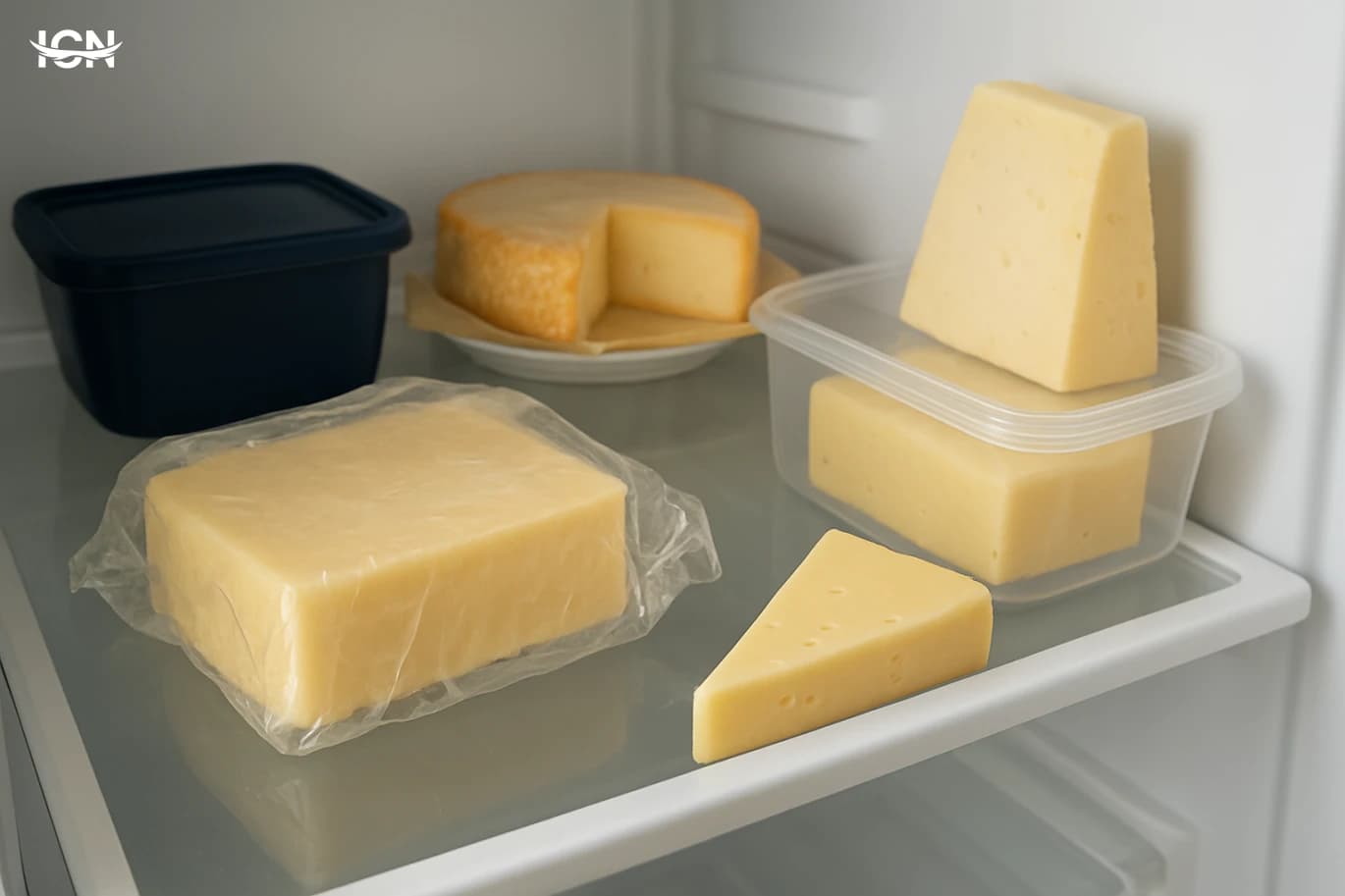
Cheese keeps its best flavor when the fridge stays consistently cold, ideally around 1–4°C. The biggest enemy is temperature fluctuation, which speeds up drying and can push strong aromas into other foods. Avoid storing cheese in the door because it warms up every time you open the fridge. A better choice is the lower shelf or a dedicated drawer where the temperature is steadier. If your refrigerator has adjustable humidity drawers, use a medium-humidity setting for most cheeses. Very dry zones can crack the surface of semi-hard cheeses, while overly humid corners can encourage unwanted surface moisture. Keep cheese away from foods with strong odors like onions, fish, or heavily spiced leftovers; cheese absorbs smells easily and the taste changes quickly. If possible, group cheeses together in a small container to reduce exposure to circulating air.
A Practical Guide to Digital Decluttering
Digital clutter is not just an aesthetic problem; it directly affects how quickly you can find information and make decisions. When your phone has thousands of photos, your inbox is full of unread messages, and your desktop is crowded with random files, simple tasks take longer. Searching becomes less reliable because you cannot remember where you saved something, and you waste time checking multiple places. Many people also keep duplicate versions of the same document across email, cloud drives, and messaging apps, which increases confusion and the risk of using the wrong file. The cost shows up in small, repeated delays. You open a folder and scan dozens of filenames. You re-download a PDF because you cannot locate it. You keep notifications on because you fear missing something, then lose focus every few minutes. Digital clutter also increases storage use, which can slow device performance and trigger paid upgrades you may not need. A practical decluttering approach focuses on reducing friction: fewer places to store things, clearer naming, and predictable routines that prevent the mess from returning.
Foods That Keep You Full Naturally
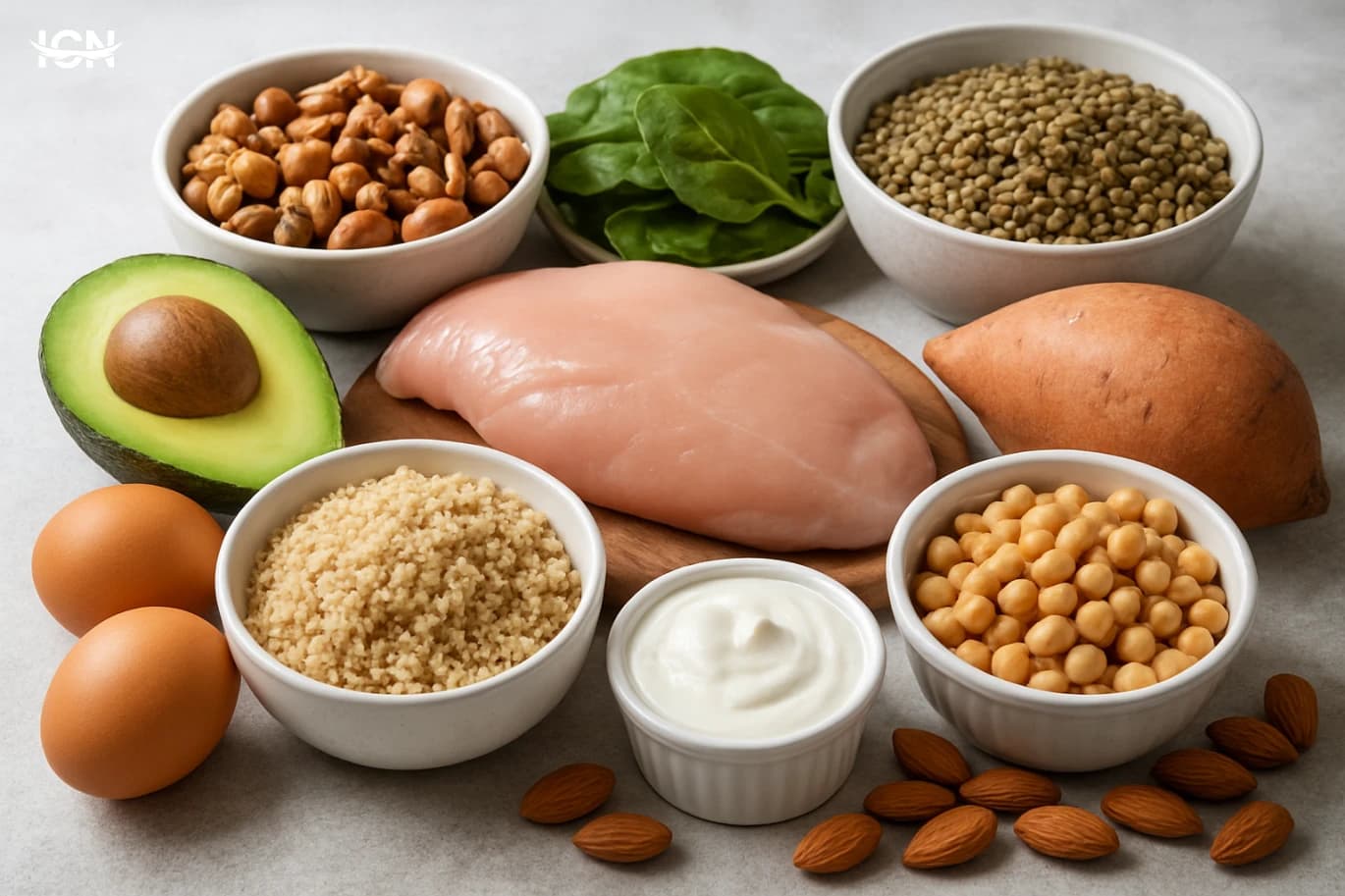
Feeling hungry all day is rarely about “weak will.” It is often a predictable result of meals that are low in protein, fiber, and water, or high in refined carbs that digest quickly. Fullness (satiety) is influenced by how fast food leaves the stomach, how steadily blood sugar rises, and how strongly the brain receives signals from gut hormones after eating. In practical terms, the most filling meals tend to combine three features: a solid protein source, a high-fiber plant component, and enough volume from water-rich foods. This combination slows digestion and reduces the urge to snack shortly after eating. It also makes it easier to keep portions reasonable without counting every calorie. A useful way to think about appetite control is “designing” meals. Instead of focusing on what to avoid, focus on what to add: protein at breakfast, legumes or whole grains at lunch, and vegetables with dinner. Over a week, these choices can reduce the frequency of cravings and make hunger feel more predictable rather than urgent.
How to Build a Personal Knowledge System
A personal knowledge system is a practical way to capture what you learn, retrieve it quickly, and turn it into decisions, writing, or better work. Many people save links, screenshots, and notes across multiple apps, then struggle to find anything when it matters. The result is repeated searching, duplicated effort, and missed insights. A lightweight system reduces that friction by giving every piece of information a clear home and a predictable path from “captured” to “used.” This topic fits everyday life and professional work: students organizing research, managers tracking meeting outcomes, freelancers building reusable templates, and anyone trying to learn consistently without feeling overwhelmed. The goal is not to store everything. The goal is to store the right things in a way that supports action. A good system also respects time: it should take seconds to capture and minutes to review, not hours of maintenance.
Kitchen Organizers That Actually Work
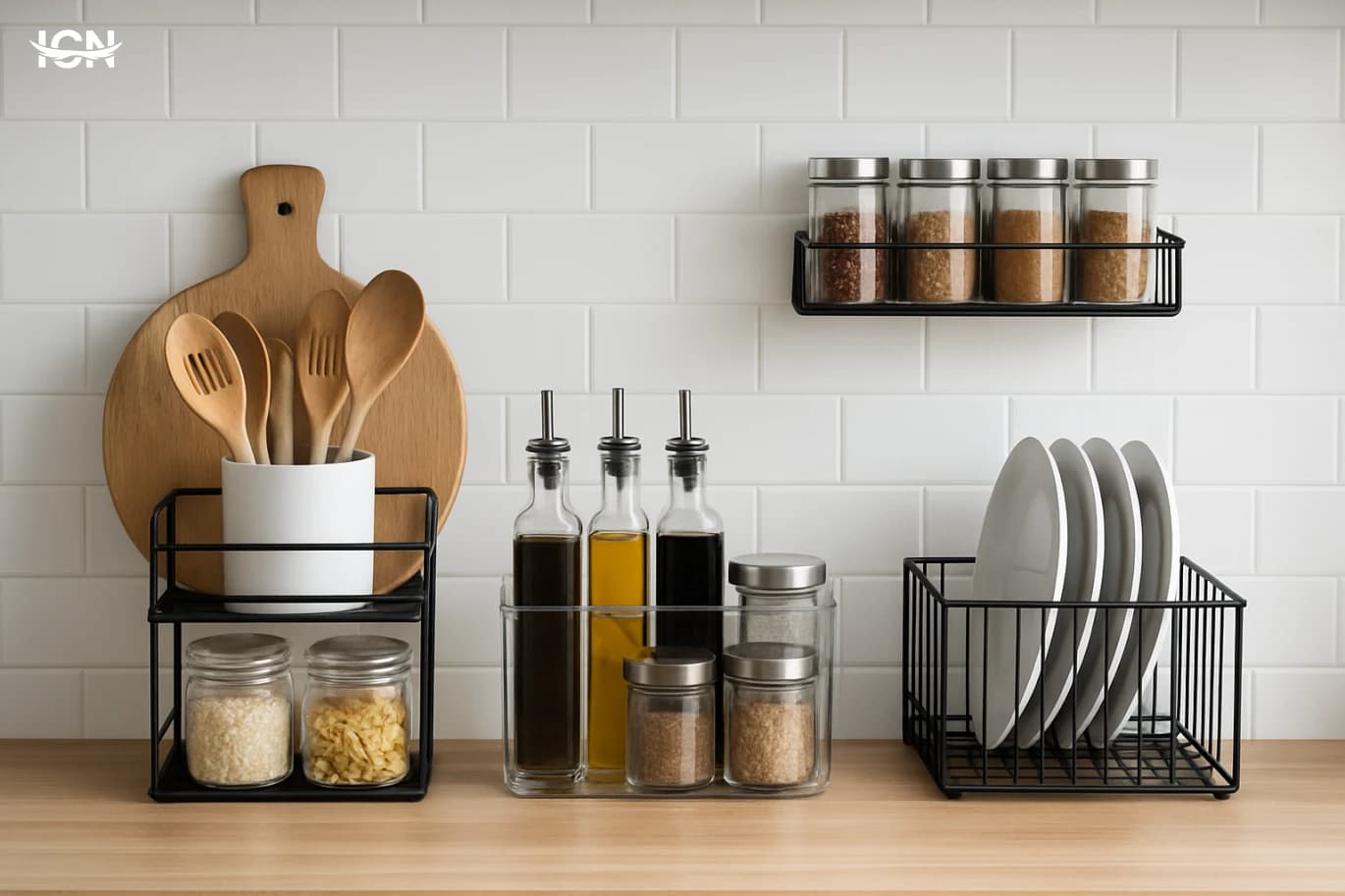
Kitchen organizers are not decorative extras; they are practical tools that reduce daily friction. When utensils, spices, and cookware have fixed places, you spend less time searching and more time cooking. A well-organized kitchen also supports safer routines: clear countertops reduce accidental spills, and properly stored knives and glassware lower the risk of breakage. The biggest benefit is consistency. A drawer divider or a shelf riser creates a repeatable system that everyone in the household can follow. That matters in busy kitchens where multiple people cook, clean, and restock. Organizers also protect your tools. Stacking pans without separators scratches nonstick coatings, and loose utensils can chip wooden handles. With the right organizers, you extend the life of what you already own and avoid unnecessary replacements.
Fork Shapes That Change How You Eat
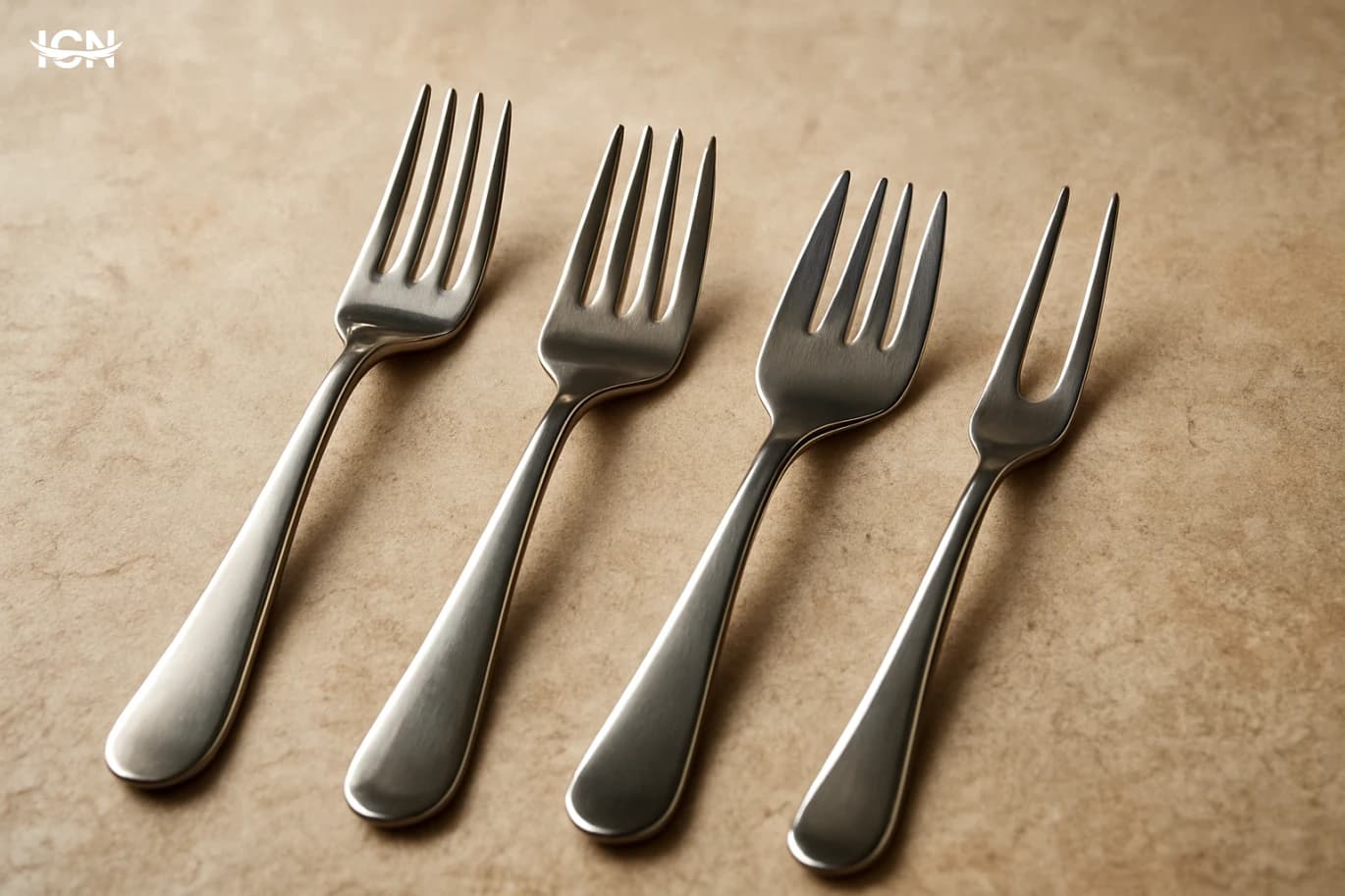
A fork looks like a simple tool, but its shape quietly guides how you cut, scoop, and pace your meal. The length of the handle affects leverage and comfort, especially when eating tougher foods or when the plate is deep. The angle of the neck changes how naturally the fork meets your mouth, which can influence bite size and how often you pause. Even the balance point matters: a fork that feels front-heavy encourages quicker, more direct movements, while a well-balanced fork tends to support slower, more controlled bites. Design also shapes etiquette and practicality. In many dining settings, people unconsciously match their behavior to the tool: a heavier, formal fork often leads to smaller bites and more frequent cutting, while a lighter everyday fork encourages faster eating and more scooping. For households, the “right” fork is not just about tradition; it is about reducing effort, improving grip, and making common foods easier to manage. When you notice these details, you start to see why restaurants and cutlery brands offer multiple fork types rather than one universal option.
Lemon Juice for Smarter Laundry Fixes
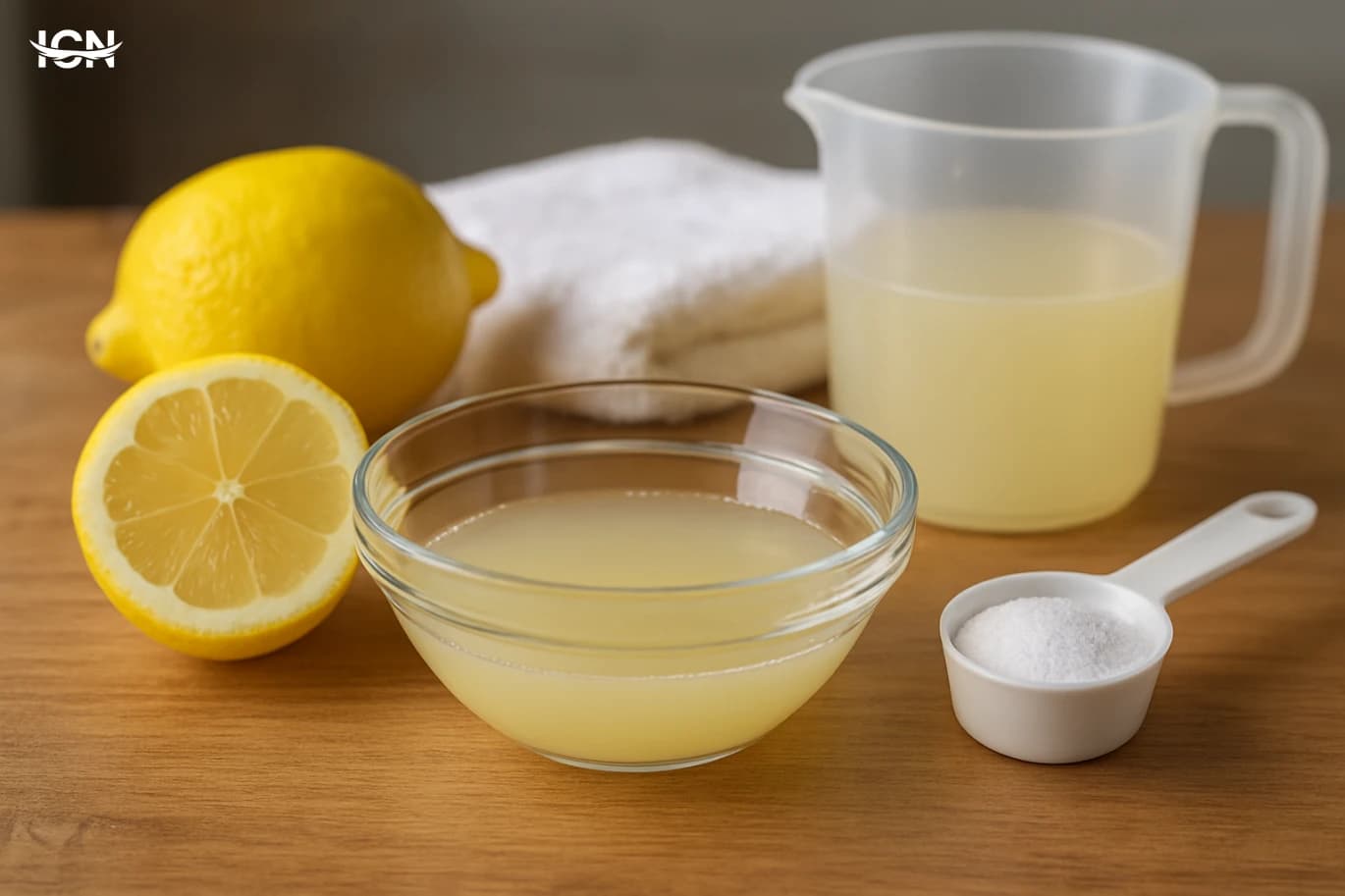
Lemon juice is more than a kitchen staple; it is a practical helper in laundry because of its natural citric acid. Citric acid can loosen mineral buildup, reduce dullness caused by hard water, and support the removal of certain everyday stains. It also helps neutralize some odor sources by shifting the pH on fabric surfaces, which can make clothes smell fresher after washing. What makes lemon a “smart” option is that it can be used in small, targeted amounts rather than relying on extra products for every issue. A few tablespoons in the right step—pre-treating, soaking, or the rinse cycle—can address common problems like yellowing, soap residue, and light discoloration. Lemon is not a replacement for detergent, and it is not suitable for every fabric, but it can be a useful add-on when used carefully. Before using lemon juice routinely, it helps to understand its limits. It can weaken some dyes and may affect delicate fibers if used too often or in high concentration. It can also react with chlorine bleach, which should never be mixed with acids. Used with basic precautions, lemon juice can be a simple, low-cost tool for improving wash results.
How to Build a Personal Knowledge System
A personal knowledge system is a practical way to capture what you learn, retrieve it quickly, and turn it into decisions, writing, or better work. Without a system, useful information stays scattered across browser tabs, chats, notebooks, and half-remembered ideas. The result is repeated searching, duplicated effort, and missed connections between topics. A good system reduces that friction by creating a reliable place for notes, sources, and your own conclusions. This is not about collecting everything. It is about building a workflow that fits your daily reality: how you read, how you take notes, and how you revisit them. The best systems are simple enough to maintain and structured enough to scale. They also make your learning visible over time, so you can see what you have covered, what you still need, and where your thinking has changed.
By clicking the SUBSCRIBE button, you are agreeing to our Privacy & Cookie Policy If you want to unsubsribe the marketing email, please proceed to our privacy center.
© 2005-2026 ICN. All Rights Reserved.