Galaxy S25 vs S25 Ultra Buying Guide
- What separates the two models
- Design, size, and durability
- Display and everyday experience
- Performance, battery, and charging
- Cameras and who benefits most
- Price, longevity, and which one to buy
What separates the two models
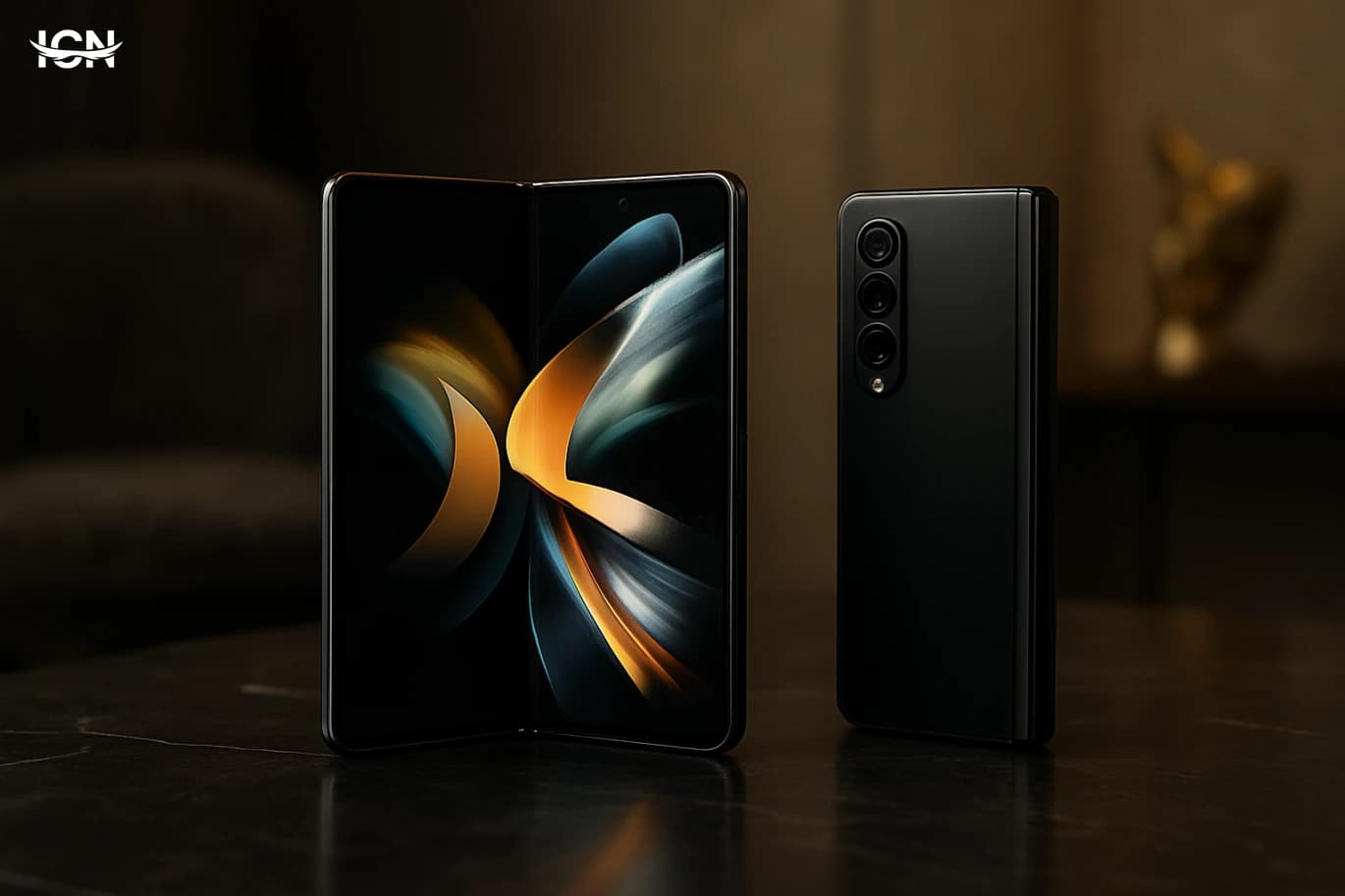
Samsung typically positions the Galaxy S25 as the mainstream flagship and the S25 Ultra as the no-compromise option. In practice, that usually means the Ultra gets the largest display, the most advanced camera hardware, the biggest battery, and extra productivity features, while the standard model focuses on a more compact size and a lower price. If you care about one-handed use, pocketability, and a lighter phone for daily commuting, the S25 class is usually the easier device to live with. If you want the most screen space for work, gaming, and video, the Ultra is designed to dominate that category. Another separation is how Samsung allocates “headline” features. The Ultra line is where Samsung tends to introduce the most ambitious zoom camera, the highest-tier display options, and premium materials. The standard S25 often shares the same core performance platform and software experience, but with fewer hardware extras. For many buyers, the decision is less about speed and more about whether the Ultra’s camera reach, larger battery, and productivity tools justify the added cost and size.
Design, size, and durability
The most immediate difference is physical. The Galaxy S25 is expected to remain the smaller, lighter device with a friendlier grip for long sessions of messaging and browsing. The S25 Ultra is typically wider and taller, which improves typing space and media viewing but can be harder to manage with one hand. If you frequently use your phone while walking, carrying bags, or commuting, the standard model’s ergonomics can be a real advantage. Durability and materials are also part of the Ultra’s pitch. Samsung often reserves its most premium frame materials and the most robust glass protection for the Ultra tier, along with a flatter, more squared-off design language. Both models generally target strong water and dust resistance, but the Ultra usually feels more “tool-like” and substantial. Buyers who keep phones for several years should also consider repairability factors such as screen replacement cost, which tends to be higher on the Ultra due to size and panel complexity.
Display and everyday experience
Samsung’s flagship displays are usually excellent across the lineup, but the Ultra tends to get the best version: a larger panel, higher peak brightness, and sometimes additional display tuning for outdoor readability. The practical impact is clear if you use your phone in bright sunlight, edit photos on-device, or watch a lot of HDR video. The standard S25 is still expected to deliver a sharp, smooth screen with high refresh rates, but the Ultra’s size makes split-screen multitasking and document review noticeably easier. Day-to-day experience also includes speakers, haptics, and thermal behavior. The Ultra’s larger chassis can help with heat dissipation during extended gaming or long camera sessions, which may translate into steadier performance over time. The S25 can still be fast and fluid, but smaller phones have less room to spread heat. If your routine includes heavy navigation, hotspot use, or long video calls, the Ultra’s physical headroom can be an advantage, even when both models share similar processors and software.
Performance, battery, and charging
In most recent Samsung generations, the standard and Ultra models share the same flagship chipset family, which means everyday speed is rarely the deciding factor. App launches, camera processing, and UI smoothness should be strong on both. Differences show up under sustained load: long gaming sessions, 4K/8K recording, or heavy multitasking. The Ultra’s larger body and often more generous cooling design can help it maintain peak performance longer before throttling. Battery is where the Ultra typically pulls ahead in a way most users can feel. A larger battery combined with a bigger phone that can accommodate more power management hardware often results in longer screen-on time, especially for video, navigation, and camera use. The standard S25 can still last a full day for many people, but if you travel frequently, use dual SIM, or rely on 5G in weak coverage areas, the Ultra’s extra capacity can reduce anxiety. Charging speeds and wireless charging features can be similar across both, so the more meaningful question is how much reserve you want by evening.
Cameras and who benefits most
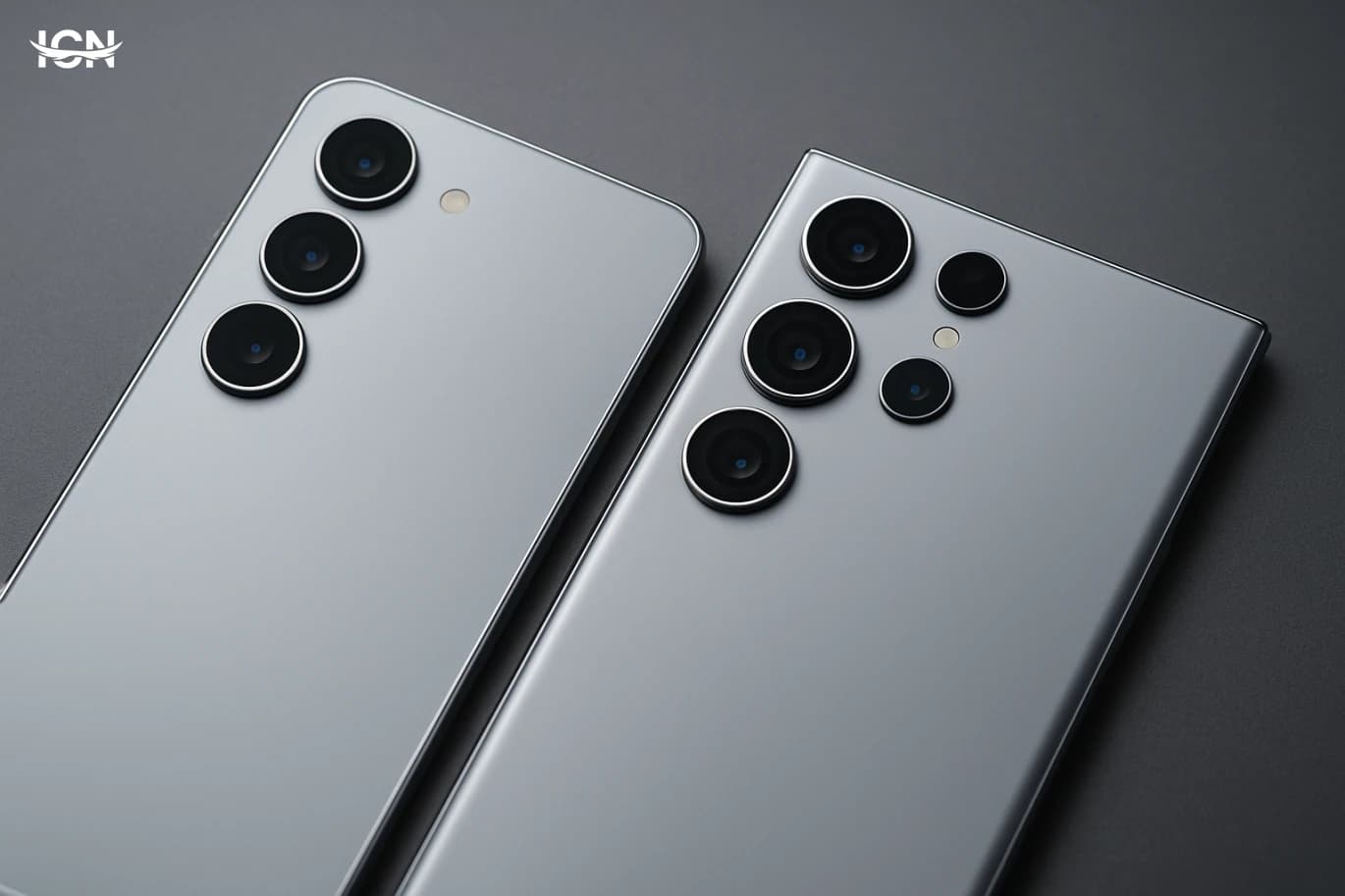
Camera hardware is traditionally the Ultra’s biggest differentiator. The standard Galaxy S25 usually delivers high-quality main and ultra-wide photos with strong computational processing, making it a reliable point-and-shoot for family, food, and travel. The Ultra, however, is where Samsung tends to add more advanced zoom options and higher-end sensors. The practical benefit is not just “more megapixels,” but more flexibility: cleaner zoom shots, better framing from a distance, and more consistent results in mixed lighting. If you frequently photograph kids or pets from across a room, shoot concerts or sports from the stands, or want portrait options at multiple focal lengths, the Ultra’s camera system is typically worth the premium. For social media creators, the Ultra’s extra camera reach can reduce the need to crop, which preserves detail. On the other hand, if most of your photos are taken at 1x and 0.5x in good light, the standard S25 can be the smarter value, especially when paired with Samsung’s editing tools and cloud backup options.
Price, longevity, and which one to buy
The decision often comes down to budget and how long you plan to keep the phone. The Galaxy S25 is usually the better value because it delivers flagship performance and a premium display without the Ultra’s cost and size. It also tends to be easier to resell because it fits more users’ preferences. The S25 Ultra commands a higher price, and accessories such as cases and screen protectors can cost more due to the larger form factor. For longevity, both models should receive strong software support, but the Ultra’s extra hardware can age more gracefully for demanding users. If you expect to keep the device for three to five years and your usage is camera-heavy, travel-heavy, or productivity-focused, the Ultra’s battery headroom and camera flexibility can remain useful longer. If you want a high-end phone that feels fast, takes great photos in most situations, and is comfortable to carry every day, the standard S25 is the more balanced choice. A practical rule: choose the Ultra only if you can name at least two features you will use weekly, such as long zoom, larger screen multitasking, or extended battery endurance.