Common reasons behind weak fetal heartbeat
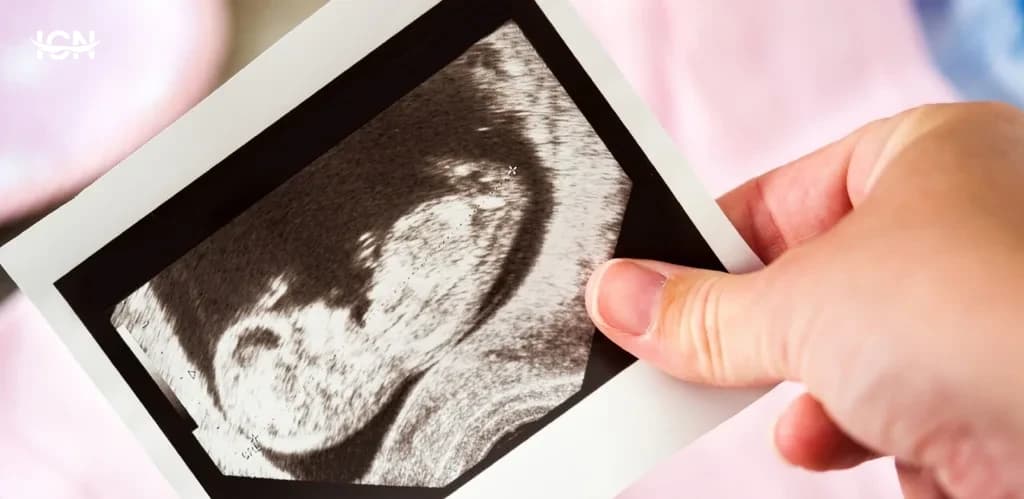
- Understanding Weak Fetal Heartbeat Causes
- Hormonal Factors Affecting Fetal Heartbeat
- Placental Issues Causing Weak Fetal Heartbeat
- Genetic and Chromosomal Abnormalities
- Oxygen Deprivation and Fetal Heartbeat
- Maternal Health Conditions and Fetal Heartbeat
- Other Contributing Factors to a Weak Fetal Heartbeat
- Monitoring and Prevention of Weak Fetal Heartbeat
- When to Seek Medical Attention for a Weak Fetal Heartbeat
- Frequently Asked Questions About Weak Fetal Heartbeat
Understanding Weak Fetal Heartbeat Causes
Monitoring your baby's heartbeat is a vital part of prenatal care. A weak fetal heartbeat can be a source of significant concern for expectant parents. Understanding the common reasons behind this can help you stay informed and work closely with your healthcare provider. Today, March 31, 2026, we'll explore the various factors that can contribute to a weak fetal heartbeat, drawing on insights from experts like Hoda Abdel Nasser and Dr. Ayman Al-Khairy, and institutions such as El Consolto and Cleveland Clinic. Hormonal imbalances can significantly impact fetal health and lead to a weak fetal heartbeat. Studies indicate that low progesterone levels contribute to a weak fetal pulse, and hormonal disorders, such as thyroid problems, directly affect pregnancy stability. In fact, hormonal disturbances like low progesterone are linked to 35% of cases involving a weak fetal heartbeat. Problems with the umbilical cord are critical factors in a weak fetal heartbeat. Umbilical cord prolapse or compression can restrict blood flow, leading to oxygen deprivation. Research shows that the likelihood of a stable fetal pulse decreases by up to 40% when the umbilical cord experiences these types of complications. Placenta issues, such as placental abruption or placental insufficiency, severely impede the flow of oxygen and nutrients to the fetus. This can cause a deterioration in the fetal pulse. Cases of placental abruption account for approximately 20% of weak fetal heartbeat causes in later stages of pregnancy. Genetic and chromosomal abnormalities are significant contributors to a weak fetal heartbeat and, in severe cases, sudden fetal death or early miscarriage. Chromosomal disorders, such as Turner Syndrome and Edwards Syndrome, explain 50-60% of early miscarriages and the cessation of fetal heartbeat. Chromosomal abnormalities are the most common cause in the early months of pregnancy. Fetal oxygen deprivation, often resulting from placental issues or maternal factors like smoking, is a primary reason for a weak fetal heartbeat. Studies demonstrate that a lack of oxygen increases the probability of miscarriage by up to 45%. Ensuring adequate oxygen therapy and managing pregnancy complications are vital for fetal health.
Hormonal Factors Affecting Fetal Heartbeat
Studies indicate that the stability of the fetal pulse is less likely when the umbilical cord experiences these types of problems, with probabilities reaching up to 40%. This highlights the critical role of a healthy umbilical cord in maintaining a strong fetal heartbeat. When umbilical cord complications arise, it's a significant cause of concern for a weak fetal heartbeat, often requiring immediate fetal monitoring and intervention to prevent further issues like sudden fetal death or early delivery.
Placental Issues Causing Weak Fetal Heartbeat
A key issue is early placental abruption or placental insufficiency. These conditions hinder the crucial flow of oxygen and nutrients from you to your baby, causing a deterioration in the fetal heartbeat. This can lead to severe oxygen deprivation, putting your baby's health at risk. Data indicates that cases of placental abruption account for approximately 20% of weak fetal heartbeat causes in later stages of pregnancy. Regular prenatal care, as emphasized by experts like Dr. Ayman Al-Khairy and institutions like Cleveland Clinic, is essential for monitoring for such issues and ensuring fetal health. Catching these placenta issues early can make a critical difference in outcomes, preventing severe pregnancy complications or even sudden fetal death.
Genetic and Chromosomal Abnormalities
Chromosomal abnormalities, such as Turner syndrome and Edwards syndrome, are significant factors. These conditions explain 50-60% of early miscarriages and instances where the fetal pulse stops. Genetic disorders, including specific genetic mutations, can severely impact fetal health and development. In fact, chromosomal abnormality is the most common cause of a weak fetal heartbeat in the first months of pregnancy. Understanding these genetic factors is crucial for prenatal care and for managing potential sudden fetal death. El Consolto and Cleveland Clinic both emphasize the importance of early detection through fetal monitoring.
Oxygen Deprivation and Fetal Heartbeat
Studies show that oxygen deprivation increases the likelihood of miscarriage causes by up to 45%. Factors like placenta issues or maternal smoking can significantly reduce oxygen levels, directly impacting the fetal pulse. This underscores the importance of healthy maternal habits and consistent prenatal care to ensure optimal fetal health. While oxygen therapy can sometimes offer support, preventing oxygen deprivation is paramount. Healthcare providers like Dr. Ayman Al-Khairy emphasize that maintaining good prenatal care, as recommended by institutions such as Cleveland Clinic, is crucial. This proactive approach helps mitigate risks associated with umbilical cord problems and placental insufficiency, both of which can lead to reduced oxygen flow and a weak fetal heartbeat.
Maternal Health Conditions and Fetal Heartbeat
Conditions such as preeclampsia, high blood pressure, and gestational diabetes are significant concerns. High blood pressure, for example, can restrict blood flow to the placenta, leading to oxygen deprivation for the fetus. Maternal anemia can also directly reduce oxygen delivery, impacting fetal health and potentially causing a weak fetal heartbeat. Beyond these, other maternal chronic diseases like thyroid disorders, blood clotting disorders, and antiphospholipid syndrome can also affect the fetal pulse. Close monitoring and management of these conditions are essential to support fetal health and prevent pregnancy complications. Data from sources like Cleveland Clinic emphasizes the importance of early detection and intervention. Hormonal imbalances, such as low progesterone levels, are another critical factor. Studies indicate that hormonal disorders, including thyroid problems, directly impact pregnancy stability. Specifically, low progesterone is linked to approximately 35% of weak fetal heartbeat cases. Managing these hormonal aspects is crucial for a stable pregnancy and a strong fetal pulse.
Other Contributing Factors to a Weak Fetal Heartbeat
Hormonal imbalances can significantly contribute to a weak fetal heartbeat. Key among these is low progesterone levels, which are critical for maintaining a stable pregnancy. Studies, including those referenced by El Consolto, indicate that hormonal disorders like thyroid problems directly affect pregnancy stability. Data shows that hormonal imbalances, such as low progesterone, are linked to approximately 35% of weak fetal heartbeat cases. Monitoring hormone levels is a vital part of fetal monitoring. Umbilical Cord Problems and Oxygen Deprivation Problems with the umbilical cord are a critical cause of a weak fetal heartbeat. Conditions like umbilical cord prolapse or compression restrict blood flow to the baby, leading to oxygen deprivation. Research indicates that the stability of the fetal pulse is compromised in up to 40% of cases when the umbilical cord experiences these types of issues. This lack of oxygen can lead to serious pregnancy complications, including sudden fetal death if not addressed promptly. Placental Issues and Fetal Oxygen Deprivation Placental insufficiency or premature placental abruption can severely impede the flow of oxygen and nutrients to the fetus, causing a deterioration in the fetal pulse. This can result in significant fetal oxygen deprivation. Data from sources like Cleveland Clinic suggests that placental abruption accounts for about 20% of weak fetal heartbeat causes in later stages of pregnancy. Such placenta issues demand immediate medical attention to prevent further pregnancy complications. Genetic and Chromosomal Abnormalities Chromosomal abnormalities and genetic disorders are major causes of a weak fetal heartbeat and, in many cases, early miscarriage. Conditions like Turner syndrome and Edwards syndrome explain 50-60% of early miscarriages and cessation of fetal heartbeat. Chromosomal abnormality is the most common cause in the early months of pregnancy. These genetic mutations can profoundly impact fetal health and development, making genetic counseling an important part of prenatal care. Oxygen Deprivation: A Primary Cause Oxygen deprivation, or fetal oxygen deprivation, is a critical factor leading to a weak fetal heartbeat. This can stem from various sources, including placental issues or even maternal smoking. Studies show that a lack of oxygen increases the likelihood of miscarriage by up to 45%. Ensuring adequate oxygen supply is paramount for fetal health and the prevention of sudden fetal death. This often involves careful fetal monitoring and, in some cases, oxygen therapy or bed rest. Infections and Uterine Factors Infections can cross the placenta and harm the fetus, impacting the fetal pulse. Additionally, early contractions or uterine contractions can restrict blood flow to the baby, contributing to a weak fetal heartbeat. Structural problems, such as fetal heart defects, though rare, can also be a direct cause. These factors underscore the need for vigilant prenatal care and prompt intervention. You should seek immediate medical attention if you experience vaginal bleeding or abdominal pain. These symptoms can indicate early miscarriage or other serious pregnancy complications that require urgent assessment and management to protect both maternal and fetal health.
Monitoring and Prevention of Weak Fetal Heartbeat
Placental Issues and Nutrient Flow Problems with the placenta, including placental abruption or placental insufficiency, profoundly hinder the flow of oxygen and essential nutrients to the fetus. This impairment can lead to a deterioration in the fetal pulse. Placental abruption accounts for approximately 20% of weak fetal heartbeat cases in later stages of pregnancy, underscoring the importance of monitoring placental health throughout gestation to prevent pregnancy complications. Genetic Factors and Chromosomal Abnormalities Genetic factors and chromosomal abnormalities are significant miscarriage causes, often leading to the sudden cessation of fetal heartbeat. Conditions like Turner syndrome and Edwards syndrome explain 50-60% of early miscarriages. Chromosomal abnormalities are the most common cause of weak fetal heartbeat in the first few months of pregnancy, highlighting the role of genetic disorders in fetal health. Oxygen Deprivation and Fetal Health Fetal oxygen deprivation, whether due to placental issues, maternal smoking, or other factors, is a primary cause of a weak fetal heartbeat. Studies show that oxygen deprivation increases the risk of miscarriage by up to 45%. This critical lack of oxygen can lead to severe fetal distress and is a major concern for fetal health, emphasizing the need for robust prenatal care and lifestyle adjustments. Maternal Chronic Diseases and Fetal Well-being Maternal chronic diseases such as high blood pressure (preeclampsia) and gestational diabetes can significantly impact fetal health, leading to fetal distress and a weak fetal pulse. Other conditions like maternal anemia, blood clotting disorders, and antiphospholipid syndrome also pose risks. Effective management of these conditions through consistent prenatal care is essential to mitigate the risk of pregnancy complications and ensure a healthy fetal heartbeat. Consider this overview of common causes: Category Specific Cause Impact on Fetal Heartbeat Hormonal Issues Low Progesterone Contributes to 35% of weak fetal heartbeat cases. Umbilical Cord Prolapse or Compression Reduces blood flow, affecting pulse stability by up to 40%. Placental Problems Abruption, Insufficiency Hinders oxygen/nutrient flow, 20% of late-pregnancy cases. Genetic Factors Chromosomal Abnormalities Accounts for 50-60% of early miscarriages. Oxygen Supply Deprivation (e.g., smoking) Increases miscarriage risk by up to 45%. Maternal Health High Blood Pressure, Diabetes Can lead to fetal distress and weak pulse.
When to Seek Medical Attention for a Weak Fetal Heartbeat
Umbilical Cord Complications and Fetal Pulse Problems with the umbilical cord, such as a prolapsed cord or obstruction, can severely restrict blood flow and lead to a weak fetal heartbeat. This reduction in blood supply means the baby receives less oxygen and nutrients. Research shows that the likelihood of stable fetal pulse significantly decreases by up to 40% when the umbilical cord experiences these types of complications. Such issues can quickly lead to fetal oxygen deprivation. Placental Issues and Fetal Well-being Placental insufficiency or early placental abruption can severely hinder the flow of oxygen and nutrients to the fetus, causing a deterioration in the fetal pulse. These placenta issues are critical pregnancy complications. Data indicates that cases of placental abruption account for approximately 20% of weak fetal heartbeat causes in later stages of pregnancy, underscoring the importance of vigilant prenatal care. Genetic and Chromosomal Factors in Weak Fetal Heartbeat Chromosomal abnormalities, such as Turner's syndrome and Edward's syndrome, explain 50-60% of early miscarriages and sudden cessation of fetal heartbeat. Chromosomal abnormalities are the most common causes in the first months of pregnancy, often leading to a weak fetal heartbeat and, in severe cases, sudden fetal death. Genetic disorders and mutations can profoundly impact fetal development and heart function. Oxygen Deprivation: A Key Factor in Weak Fetal Heartbeat Oxygen deprivation, often resulting from placental issues or maternal factors like smoking, is a primary cause of a weak fetal heartbeat. Studies demonstrate that a lack of oxygen significantly increases the chances of miscarriage by up to 45%. Ensuring adequate oxygen supply to the fetus through proper prenatal care and addressing maternal anemia or high blood pressure is crucial for preventing this critical issue. Maintaining a healthy lifestyle, including folic acid supplementation and avoiding harmful substances, supports optimal fetal health. Regular prenatal care, consistent fetal monitoring, and awareness of fetal movement decrease are your best defense against many pregnancy complications. Experts like Hoda Abdel Nasser continually emphasize the importance of these preventative measures for a strong fetal pulse.
Frequently Asked Questions About Weak Fetal Heartbeat
You might not feel a weak fetal heartbeat directly, but you may notice other signs. These can include a significant decrease in fetal movement, vaginal bleeding, or abdominal pain. During prenatal care appointments, your doctor will use equipment for fetal monitoring to detect any irregularities in the fetal pulse. Always report any concerning symptoms to your healthcare provider promptly, as they could signal serious pregnancy complications. How is a weak fetal heartbeat diagnosed? A weak fetal heartbeat is typically diagnosed during routine prenatal care appointments. Your doctor will use tools like a Doppler ultrasound or a more comprehensive ultrasound scan to measure the fetal pulse. If an abnormal heartbeat is detected, further tests may be conducted to determine the exact cause, such as detailed fetal heart monitoring or genetic testing for chromosomal abnormalities and genetic disorders. What actions can be taken if a weak fetal heartbeat is detected? The actions taken depend on the cause and severity of the weak fetal heartbeat. Options can range from bed rest, oxygen therapy, and medication to manage maternal conditions like high blood pressure or gestational diabetes. In some cases, if the fetal health is severely compromised, early delivery might be recommended to protect the baby from further oxygen deprivation. Your healthcare team, including experts like Dr. Ayman Al-Khairy, will discuss the best treatment plan for your specific situation. Hormonal Imbalances and Weak Fetal Heartbeat Hormonal imbalances, particularly low progesterone levels, are a significant contributor to a weak fetal heartbeat. Studies indicate that progesterone deficiency is linked to approximately 35% of cases of weak fetal heartbeat. Thyroid disorders also directly impact pregnancy stability and fetal pulse. Maintaining optimal hormone levels is crucial for fetal health and reducing the risk of early miscarriage. Umbilical Cord Problems and Fetal Pulse Umbilical cord complications, such as a prolapsed umbilical cord or cord compression, can severely restrict blood flow and lead to a weak fetal heartbeat. When the umbilical cord's blood supply is compromised, the likelihood of stable fetal pulse decreases by up to 40%. This restriction can cause significant oxygen deprivation, posing a serious threat to the baby's well-being and potentially leading to sudden fetal death. Placental Issues and Fetal Heart Health Problems with the placenta, including placental insufficiency or early placental abruption, are critical factors in a weak fetal heartbeat. These conditions impede the flow of oxygen and nutrients to the fetus. Placental abruption accounts for about 20% of weak fetal heartbeat cases in later stages of pregnancy, highlighting the placenta's vital role in supporting fetal health. Such issues can quickly lead to fetal oxygen deprivation. Genetic and Chromosomal Abnormalities Genetic disorders and chromosomal abnormalities, like Turner syndrome and Edwards syndrome, explain 50-60% of early miscarriages and cessation of fetal heartbeat. Chromosomal abnormalities are the most common cause of weak fetal heartbeat during the first trimester. Genetic testing plays a crucial role in identifying these underlying issues, which are often beyond medical intervention. Oxygen Deprivation: A Primary Cause of Weak Fetal Heartbeat Fetal oxygen deprivation, resulting from placental problems, umbilical cord complications, or maternal smoking, is a major reason for a weak fetal heartbeat. Research shows that oxygen deprivation increases the probability of miscarriage by up to 45%. This critical lack of oxygen can severely compromise fetal health, necessitating urgent medical attention and potentially early delivery to safeguard the baby.