High Prolactin and Pregnancy Chances
- What prolactin does in the body
- How high prolactin reduces fertility
- Common causes and risk factors
- Testing and diagnosis that support conception plans
- Treatment options and expected outcomes
- Practical steps for couples trying to conceive
What prolactin does in the body
Prolactin is a hormone produced by the pituitary gland, and its best-known role is preparing the breasts for milk production after childbirth. Outside breastfeeding, prolactin still has a normal baseline level in both women and men, and it interacts with the reproductive system through its influence on other hormones. In women who are trying to conceive, the key point is that prolactin can affect the signals between the brain, pituitary gland, and ovaries, which are responsible for regular ovulation. Prolactin levels naturally rise during pregnancy and after delivery, and they can also increase temporarily with stress, sleep changes, intense exercise, nipple stimulation, or certain medications. A single elevated reading does not always mean a chronic problem. Clinicians typically interpret prolactin results alongside symptoms, menstrual patterns, and other hormone tests. Understanding prolactin’s normal role helps explain why sustained elevation can interfere with fertility, even when other aspects of health seem stable.
How high prolactin reduces fertility
Sustained high prolactin can reduce pregnancy chances mainly by disrupting ovulation. Elevated prolactin may suppress the release of gonadotropin-releasing hormone (GnRH) from the brain, which in turn lowers the pituitary hormones that stimulate the ovaries. When ovarian stimulation is reduced, ovulation may become irregular or stop altogether, and cycles can become longer, unpredictable, or absent. Even when ovulation still occurs, high prolactin can be associated with a weaker luteal phase, the part of the cycle after ovulation when progesterone supports the uterine lining. If progesterone production is insufficient, implantation may be less likely or early pregnancy may be harder to sustain. Some women also notice symptoms that signal hormonal imbalance, such as milky nipple discharge unrelated to breastfeeding, headaches, or changes in libido. However, symptoms are not always present, which is why unexplained infertility or irregular periods often prompt prolactin testing. The impact on fertility is not identical for everyone. Mild elevations may have little effect, while higher levels are more strongly linked to anovulation. The practical takeaway is that prolactin is one of the few fertility-related factors that can be measured easily and, in many cases, treated effectively once the cause is identified.
Common causes and risk factors
High prolactin can have several causes, and identifying the driver is essential because treatment depends on it. Medications are a frequent contributor. Some antidepressants, antipsychotics, anti-nausea drugs, and certain blood pressure medicines can raise prolactin by affecting dopamine pathways, which normally keep prolactin in check. If a medication is suspected, clinicians may consider alternatives or dose adjustments, balancing mental and physical health needs. Thyroid function is another common link. Hypothyroidism can lead to higher prolactin, and correcting thyroid hormone levels often improves both prolactin and menstrual regularity. Pituitary-related causes also exist, including benign pituitary tumors called prolactinomas, which can produce very high prolactin levels. These may be associated with headaches or visual changes, but some people have no obvious symptoms. Lifestyle and physiological factors can cause temporary elevations. Blood draws taken soon after waking, after intense exercise, or during periods of acute stress may show higher readings. For this reason, repeat testing under standardized conditions is often recommended. Less commonly, chronic kidney or liver disease can affect hormone clearance. A structured evaluation helps separate transient, mild elevations from persistent hyperprolactinemia that is more likely to affect fertility.
Testing and diagnosis that support conception plans
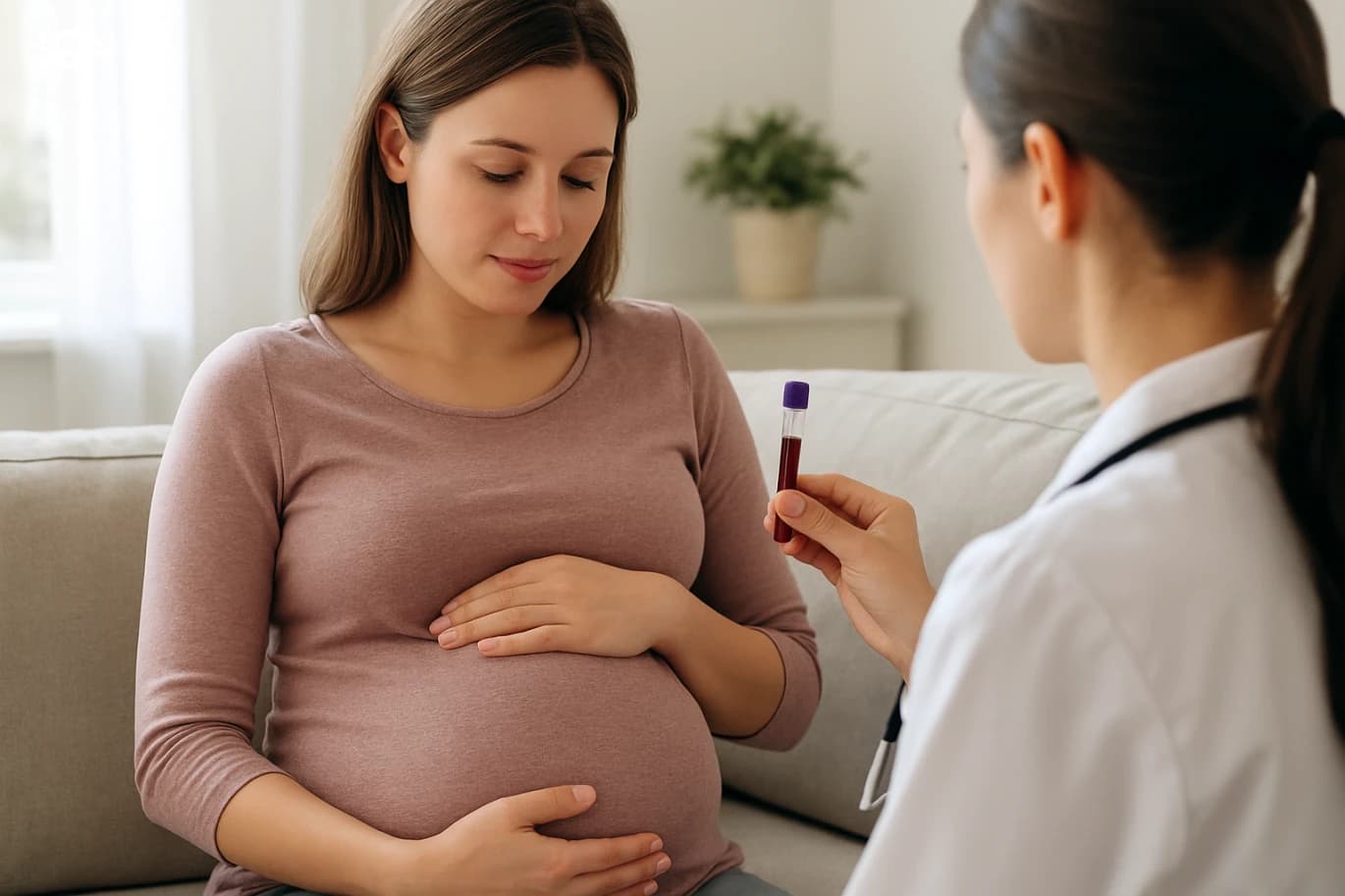
Prolactin testing is usually done with a blood sample, but the details matter. Because prolactin can fluctuate, many clinicians prefer a morning test after a normal night’s sleep, avoiding heavy exercise and breast stimulation beforehand. If the first result is mildly elevated, repeating the test can clarify whether the elevation is persistent. Laboratories also report reference ranges that vary slightly, so results should be interpreted with the specific lab’s range and the patient’s situation. When prolactin is confirmed high, additional tests often follow. A pregnancy test is commonly done because pregnancy itself raises prolactin. Thyroid-stimulating hormone (TSH) helps screen for hypothyroidism. Depending on symptoms and prolactin level, clinicians may check other reproductive hormones to understand ovulation status. If prolactin is markedly elevated or if there are symptoms such as headaches or vision changes, imaging of the pituitary gland with MRI may be recommended to look for a prolactinoma or other pituitary changes. For people trying to conceive, diagnosis is not just about labeling a condition; it is about mapping a path back to regular ovulation. Tracking cycles, confirming ovulation with mid-luteal progesterone or ultrasound when appropriate, and coordinating timing with fertility goals can turn a confusing hormonal finding into a clear plan.
Treatment options and expected outcomes
Treatment depends on the cause, the prolactin level, symptoms, and pregnancy goals. If a medication is responsible, changing to an alternative that has less effect on prolactin may be considered, but this should be done only with the prescribing clinician. If hypothyroidism is present, thyroid hormone replacement often lowers prolactin and can restore more regular cycles over time. For prolactinomas or persistent hyperprolactinemia, dopamine agonist medications are commonly used to lower prolactin and shrink prolactin-secreting pituitary tumors. Many patients see prolactin levels fall and ovulation return, sometimes within weeks to a few months, though timelines vary. Side effects can occur, so dosing is typically started low and adjusted gradually. Follow-up blood tests monitor response, and imaging may be repeated in selected cases. Once prolactin is controlled, pregnancy chances often improve because ovulation becomes more predictable. Some people may still need additional fertility support depending on age, ovarian reserve, male factor issues, or other gynecologic conditions. The key outcome measure is not only a normal lab value but also the return of regular ovulation and a cycle pattern that supports implantation.
Practical steps for couples trying to conceive
If you are trying to conceive and suspect high prolactin, start with documentation. Track cycle length, bleeding patterns, and ovulation signs for at least two to three months. If cycles are irregular, consider ovulation predictor kits, but remember that hormonal imbalances can sometimes affect their reliability. Bring a clear list of all medications and supplements to your appointment, including herbal products, because some can influence hormones or interact with treatments. Ask your clinician about the best timing for prolactin testing and whether repeat testing is needed. If treatment is started, discuss how often prolactin will be monitored and when ovulation is expected to return. Couples can also benefit from a parallel evaluation of other fertility factors, such as semen analysis and basic gynecologic assessment, to avoid losing time if more than one issue is present. Lifestyle choices cannot replace medical treatment when prolactin is persistently high, but they can support overall reproductive health. Prioritize consistent sleep, manage stress with practical routines, and avoid extreme exercise patterns that disrupt cycles. Most importantly, do not self-medicate with dopamine-related supplements or stop prescribed medications without medical guidance. With a clear diagnosis and follow-up plan, many people with high prolactin are able to restore ovulation and improve their chances of pregnancy.