Reducing Abdominal Adhesions After C-Section
- Why adhesions can happen after a C-section
- Questions to discuss before surgery
- What happens in the operating room that matters
- Recovery habits that support healthier healing
- When symptoms deserve medical attention
- Practical checklist for your next appointment
Why adhesions can happen after a C-section
Abdominal adhesions are bands of scar-like tissue that can form as the body heals after surgery. After a cesarean delivery, healing involves the uterus, abdominal wall layers, and the thin lining that covers abdominal organs. When these surfaces are inflamed or dry during surgery, or when there is bleeding and tissue handling, the body may create fibrous connections between tissues that normally slide smoothly. Many adhesions cause no symptoms and are discovered only during a later operation, but some can contribute to chronic pelvic or abdominal discomfort, pain with certain movements, or challenges during future abdominal surgery. Several factors can increase the likelihood of adhesions after a C-section. Repeat cesareans are a major contributor because each operation adds new healing surfaces and scar formation. Longer operative time, significant bleeding, infection, and emergency procedures can also raise risk. Individual healing tendencies vary as well, and conditions such as endometriosis or prior abdominal surgery may already have created adhesions. Understanding that adhesions are a common surgical outcome—rather than a rare complication—helps set realistic expectations and supports proactive steps to reduce risk where possible.
Questions to discuss before surgery
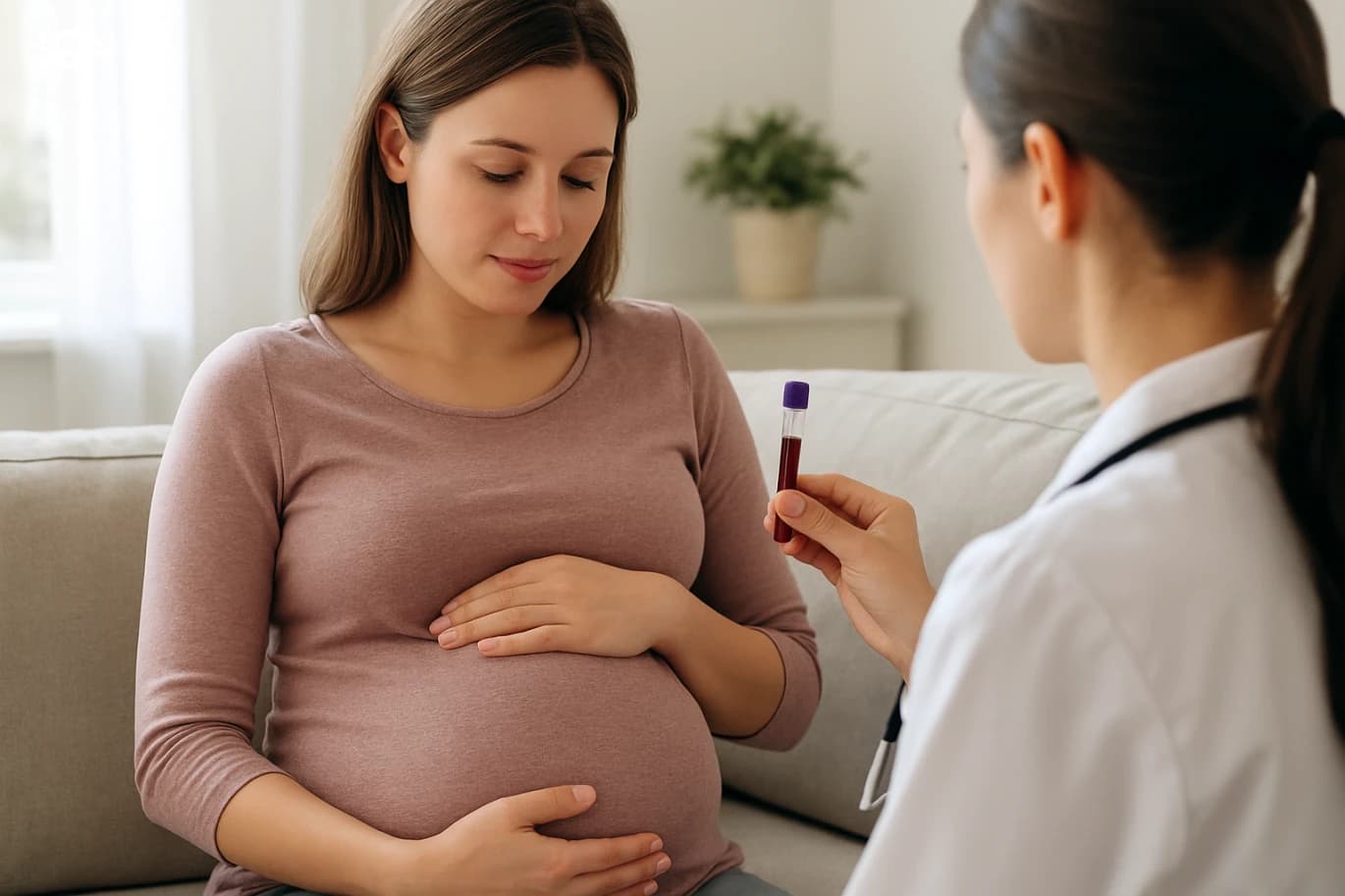
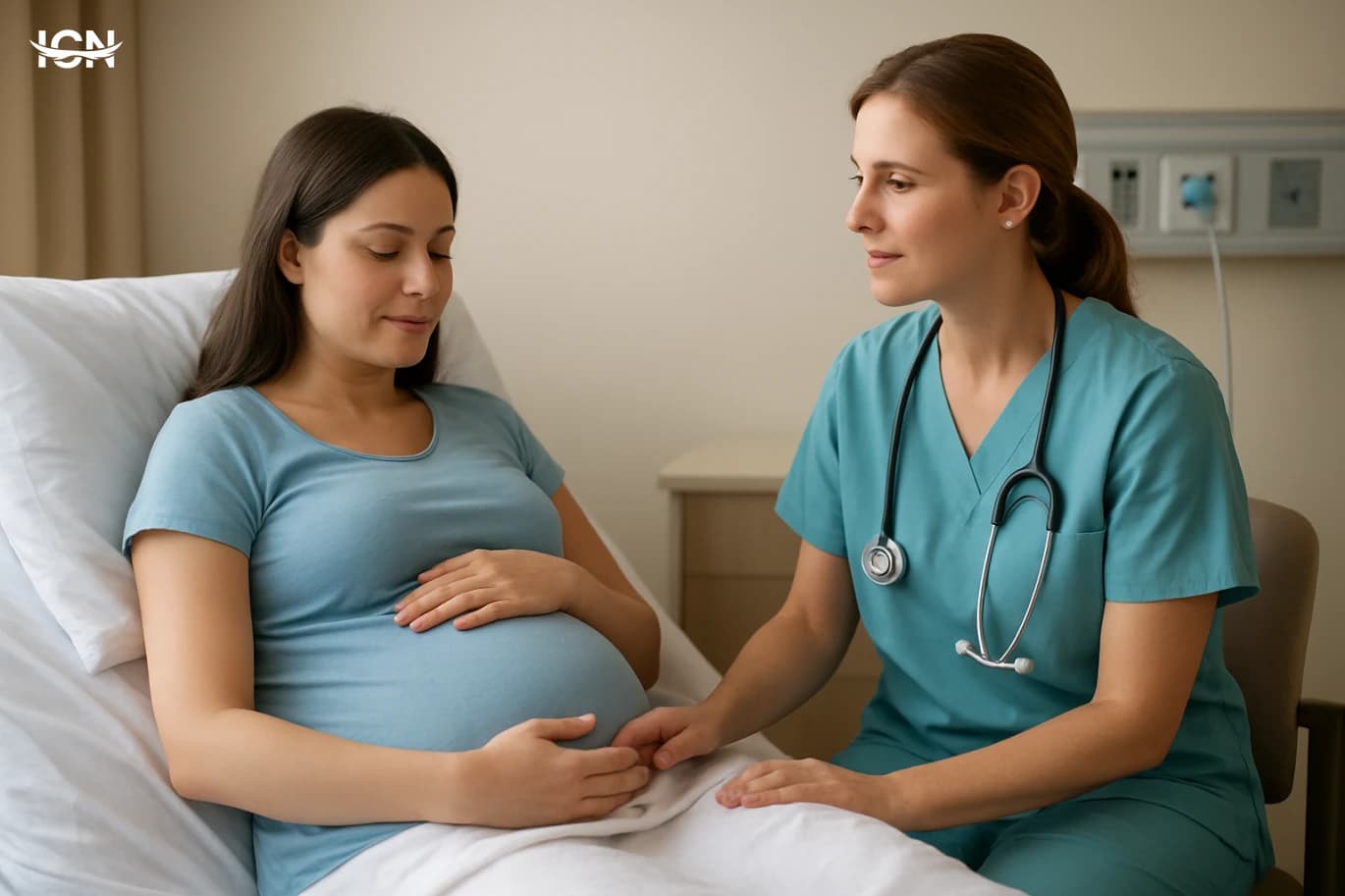
If a planned C-section is on the schedule, a short preoperative discussion can meaningfully influence adhesion risk. Ask your obstetrician how many prior abdominal surgeries you have on record and whether that changes the surgical plan. If you have had a previous C-section, ask whether the team anticipates dense scar tissue and how they prepare for it. It is also reasonable to ask about measures used to reduce adhesions, such as gentle tissue handling, keeping tissues moist, careful control of bleeding, and minimizing unnecessary dissection. Some hospitals use adhesion-reduction barriers in selected cases, particularly when there is a history of multiple cesareans or complex surgery. These products are not used universally, and the decision depends on clinical judgment, availability, and the details of the operation. You can ask whether your facility uses any barrier materials and in what situations. Also ask about infection prevention steps, including antibiotic timing, skin preparation, and postoperative wound care guidance, because infection and inflammation can increase adhesion formation. Finally, clarify what recovery milestones the team expects: when you can start walking, how pain will be managed to support movement, and what warning signs should prompt a call. A clear plan reduces delays in mobilization and follow-up, both of which matter for overall recovery.
What happens in the operating room that matters
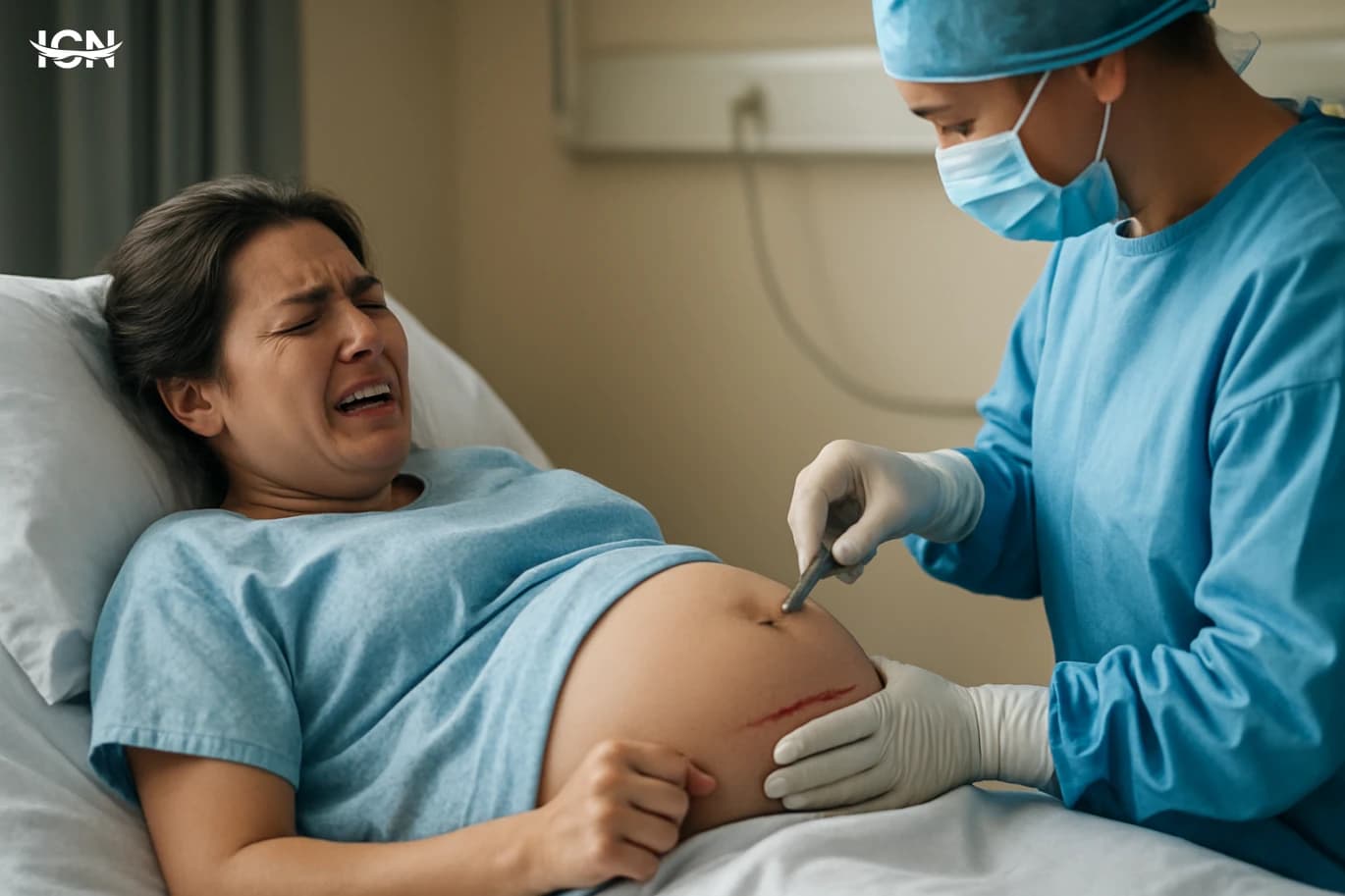
Many adhesion-reduction steps are surgical technique details that patients do not see, but understanding them helps you ask informed questions. Surgeons generally aim to minimize tissue trauma by using precise dissection, limiting unnecessary manipulation, and avoiding excessive cautery when possible. Keeping tissues irrigated and preventing drying of the peritoneal surfaces can reduce irritation that contributes to adhesion formation. Careful hemostasis—controlling bleeding efficiently—matters because pooled blood can promote inflammation and scar tissue. Operative time can be relevant. A longer procedure may reflect complexity, prior scarring, or an emergency situation, and it can increase exposure of tissues. While patients cannot control this directly, choosing a facility with experienced teams for repeat cesareans and ensuring complete medical records are available can help the team plan and work efficiently. Closure choices may also influence healing. Different approaches to closing layers are used based on anatomy and surgeon preference. The key point for patients is not to request a specific technique without context, but to ensure the team is aware of prior complications, wound healing issues, or infections. If you had a prior C-section with difficult recovery, mention it early so the surgeon can consider strategies that reduce inflammation and support smoother healing.
Recovery habits that support healthier healing
After surgery, the goal is to support normal tissue movement and reduce prolonged inflammation. Early, safe mobilization is one of the most practical steps. Most patients are encouraged to sit up and walk with assistance within the first day, depending on anesthesia and overall stability. Walking supports bowel function, reduces stiffness, and helps circulation. It does not “break” adhesions, but it can reduce the conditions that contribute to prolonged immobility and discomfort. Pain control is part of adhesion prevention indirectly because unmanaged pain leads to shallow breathing, limited movement, and delayed activity. Ask about a balanced pain plan that may include scheduled non-opioid medications when appropriate, plus additional options if pain spikes. Also pay attention to hydration, fiber intake, and stool softeners if recommended, because constipation can increase abdominal strain and make movement harder. Wound care and infection prevention are critical. Follow instructions on keeping the incision clean and dry, changing dressings if advised, and watching for fever, increasing redness, foul drainage, or worsening pain. If you have diabetes or anemia, discuss postpartum monitoring because these conditions can affect healing. Finally, return to activity gradually: short walks several times a day are often more realistic than a single long walk, especially in the first two weeks.
When symptoms deserve medical attention
Because many adhesions are silent, it is important to focus on symptoms that may signal a complication or a need for evaluation. Persistent or worsening abdominal pain that does not improve with expected postpartum recovery, pain associated with fever, or pain with increasing incision redness should be assessed promptly to rule out infection or other postoperative issues. Severe bloating, repeated vomiting, inability to pass stool or gas, or escalating cramping can indicate bowel problems that require urgent medical review. While adhesions can be associated with bowel obstruction in some surgical contexts, postpartum symptoms should never be self-diagnosed. For longer-term concerns, contact your clinician if you develop recurring pelvic pain, pain during certain movements, or new digestive discomfort that persists beyond the early recovery window. Keep a simple symptom timeline: when it started, what makes it better or worse, and whether it is linked to meals, activity, or menstrual cycles after they return. This information helps clinicians decide whether imaging, lab tests, pelvic exam, or referral is appropriate. If you are planning another pregnancy, discuss your surgical history at preconception or early prenatal visits. Knowing how many cesareans you have had, whether there were operative difficulties, and whether you had postoperative infection can help the team plan a safer delivery and consider strategies to reduce additional scarring.
Practical checklist for your next appointment
Use your follow-up visit to turn general advice into a personalized plan. Bring a list of your prior surgeries, including dates and any complications such as infection, heavy bleeding, or delayed wound healing. Ask what your operative note showed, especially if this was a repeat cesarean: Was there significant scar tissue? Were there any challenges separating tissue layers? This information matters for future pregnancies and surgeries. Discuss recovery targets for the next two to six weeks: daily walking goals, safe lifting limits, and when you can resume driving or return to work based on your pain control and mobility. Ask whether pelvic floor physiotherapy or guided postpartum rehabilitation is appropriate for you, particularly if you have core weakness or persistent discomfort. While physiotherapy does not remove adhesions, it can improve function, posture, and movement patterns that reduce strain. Finally, confirm your red-flag list and how to reach the care team after hours. Clear access to advice reduces delays in addressing infection or bowel symptoms, which is one of the most practical ways to protect healing tissues and reduce the cascade of inflammation that can contribute to adhesion formation.