Labor Pain or C-Section Incision
- What the two pains actually are
- Timeline and intensity in the first week
- Pain relief options and what to ask for
- Recovery realities at home
- How to decide without turning it into a contest
- When pain needs medical attention
What the two pains actually are
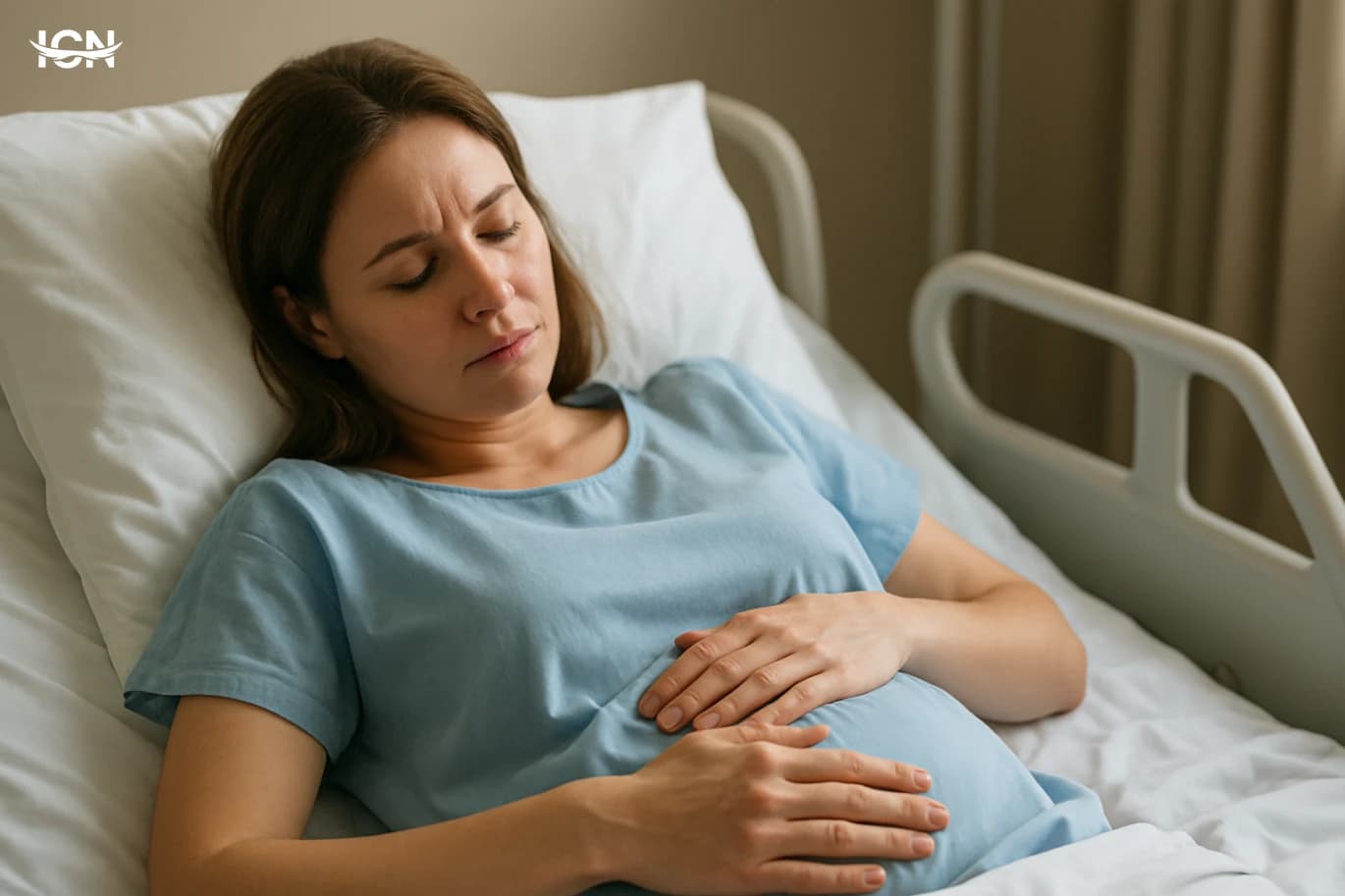
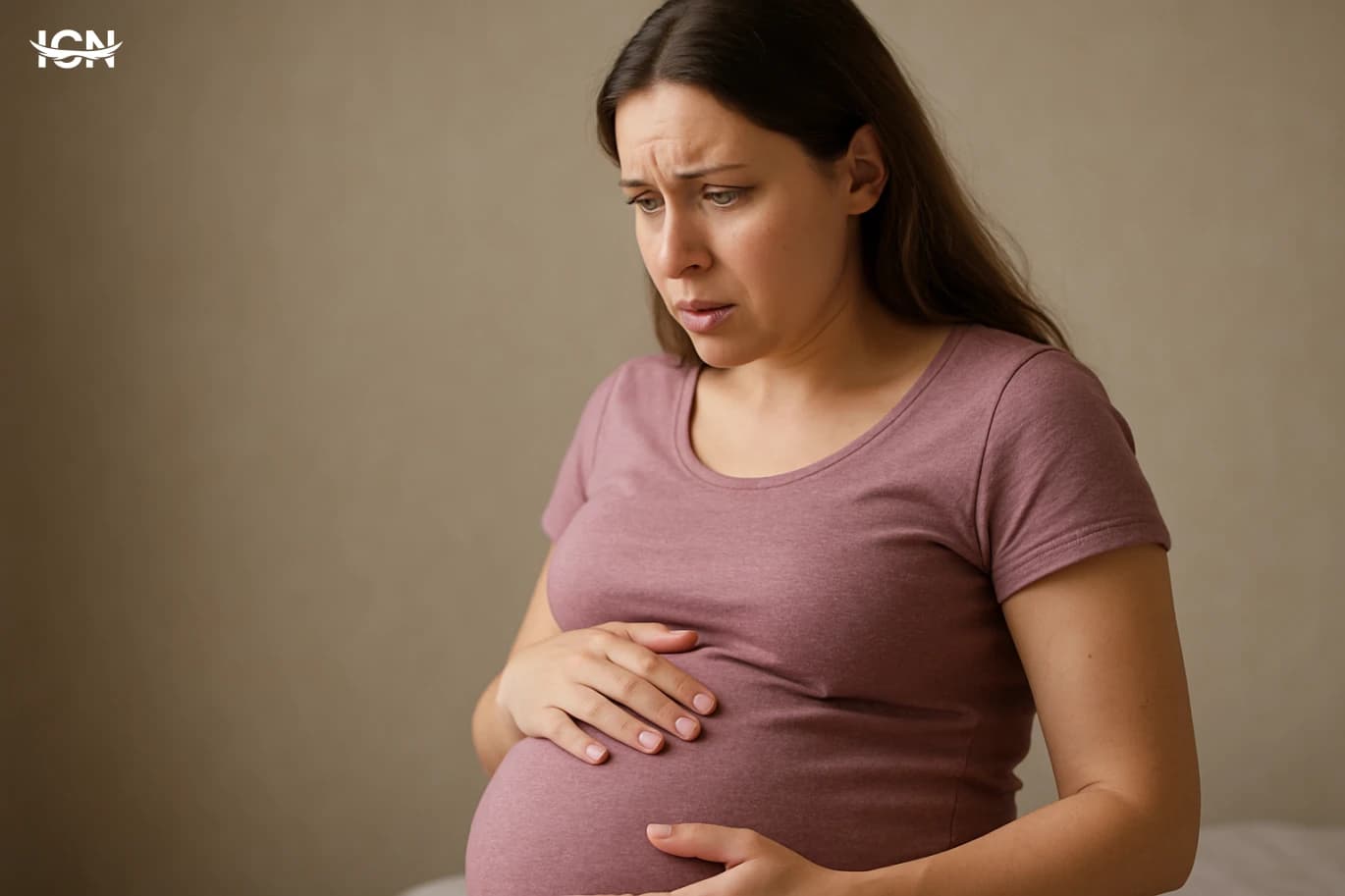
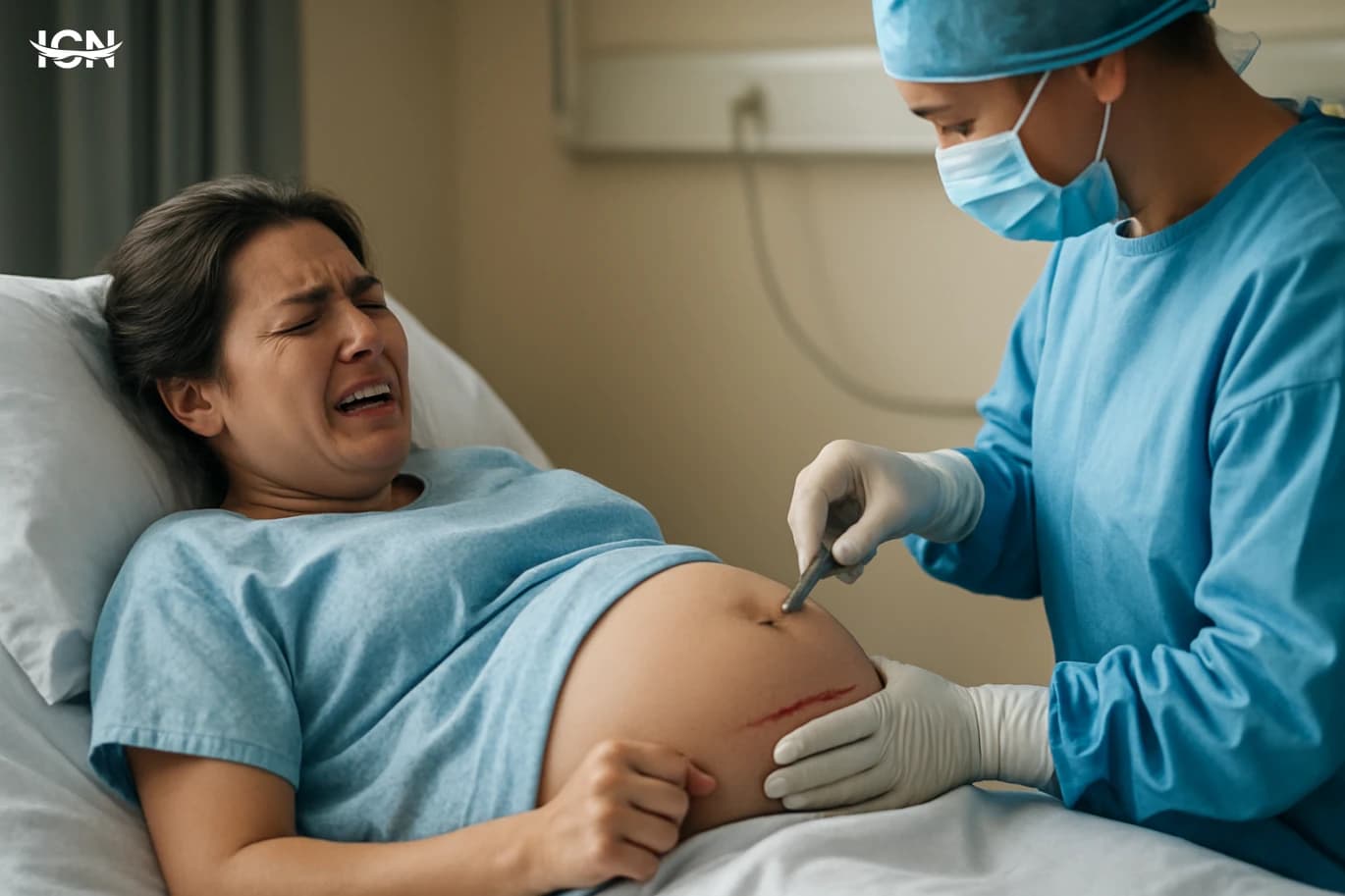
People often compare labor pain with the pain after a cesarean, but they are not the same type of experience. Labor pain is driven by uterine contractions and cervical changes. It usually comes in waves, builds, peaks, and then eases, and its intensity can change quickly as labor progresses. It is also influenced by position, breathing, support, hydration, and pain relief options. Many describe it as intense pressure and cramping that can radiate to the back, hips, or thighs, especially during active labor. Pain after a cesarean is primarily surgical pain. It is linked to an incision through skin and abdominal layers and the healing process that follows. Instead of waves, it is more constant in the first days, and it can flare with movement such as standing up, coughing, laughing, or lifting the baby. It also comes with practical limits: getting in and out of bed, walking to the bathroom, and managing stairs. Comparing them is less useful than understanding what each involves and what recovery looks like in real life.
Timeline and intensity in the first week
For vaginal birth, the most intense pain is typically during active labor and the pushing stage. Once the baby and placenta are delivered, contraction pain usually drops quickly, though afterpains can continue for a few days, especially during breastfeeding. Many people feel sore in the perineal area, and discomfort depends on whether there was tearing or an episiotomy. Sitting, urinating, and bowel movements can be uncomfortable early on, but mobility is often easier within hours. After a cesarean, the first 24–72 hours are usually the most challenging. Pain is often strongest when changing positions and walking, and the abdomen can feel tight and tender. Hospitals commonly encourage early walking to reduce stiffness and support recovery, but it can be slow at first. By days 4–7, many can move more comfortably, yet they may still need scheduled pain relief, careful posture, and help with household tasks. Sleep can be disrupted because lying down and getting up require technique and support. Intensity varies widely. A planned cesarean can feel different from an emergency cesarean after long labor. Likewise, a straightforward vaginal birth differs from a prolonged labor with instrumental delivery. The key is to plan for the first week with realistic support, regardless of delivery mode.
Pain relief options and what to ask for
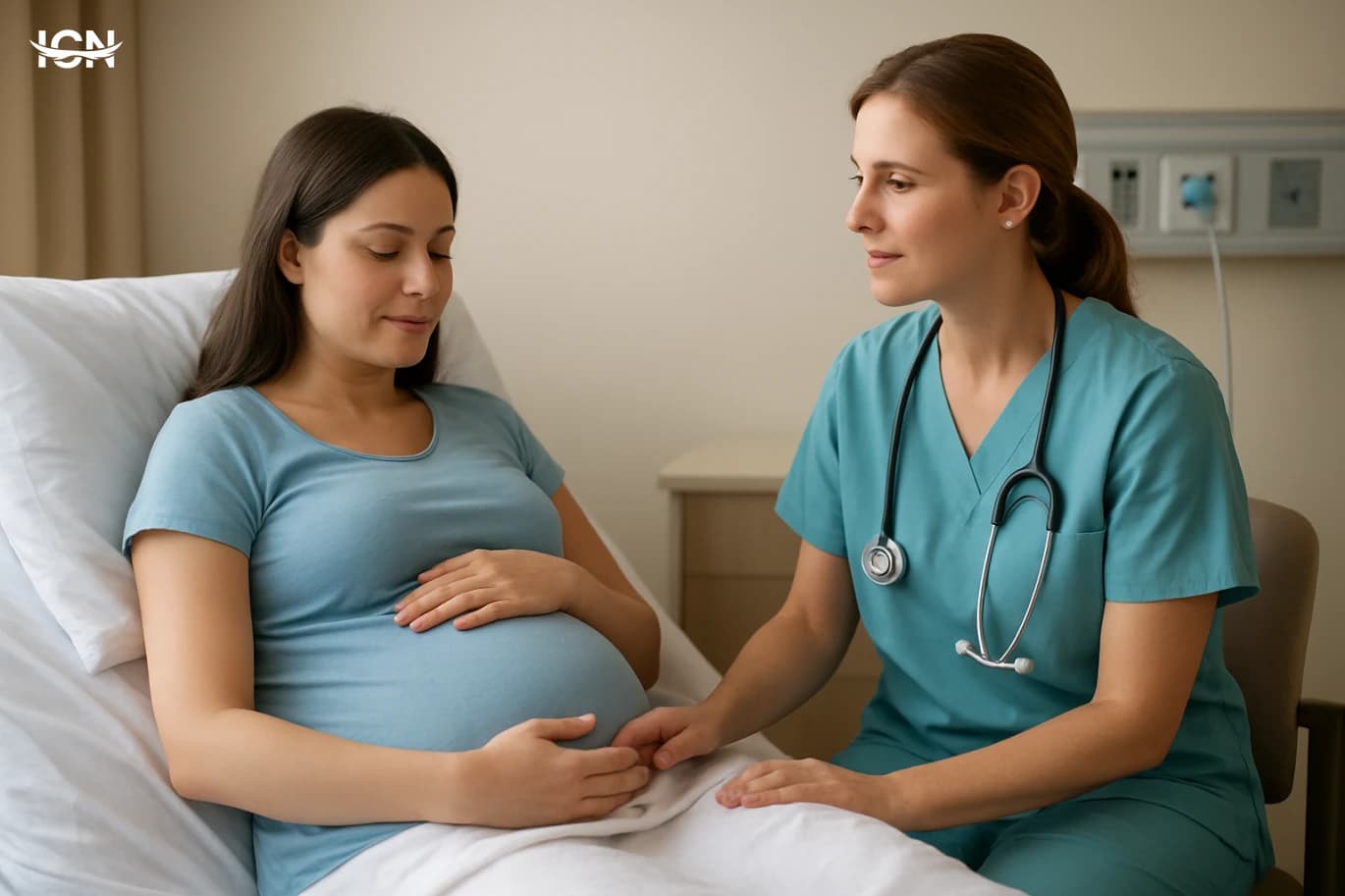
During labor, pain relief can range from non-medication methods to medical options. Movement, warm showers, massage, counter-pressure for back labor, breathing techniques, and continuous support from a trained companion can make a measurable difference for some people. Medical options may include nitrous oxide, IV medications, or an epidural, depending on local practice and individual factors. Asking early about availability, timing, and side effects helps avoid last-minute decisions. After a cesarean, pain control is often based on a stepwise plan. Many hospitals use a combination of medications that target pain in different ways, sometimes starting with stronger options and then transitioning to milder ones. It is reasonable to ask how often medication can be taken, what is safe during breastfeeding, and what to do if pain is not controlled. Good pain control is not only about comfort; it supports walking, deep breathing, and caring for the baby. For both birth types, practical tools matter: ice packs for perineal soreness, a supportive pillow for coughing or feeding after surgery, and guidance on safe movement. People should also ask about constipation prevention, because reduced mobility and pain medication can make bowel movements difficult, which can worsen discomfort.
Recovery realities at home
At home after a vaginal birth, many can walk, shower, and care for the baby with fewer movement restrictions, but they may still face fatigue, bleeding, pelvic heaviness, and perineal discomfort. If there was significant tearing, sitting and prolonged standing can be difficult. Planning for frequent rest, easy meals, and help with older children can reduce strain. Pelvic floor recovery is also a practical issue; gentle guidance from a clinician can help with safe exercises and expectations. After a cesarean, home recovery often requires more logistical planning. Lifting limits are common, and many clinicians advise avoiding heavy lifting and intense activity for several weeks. Getting up from low couches, carrying laundry baskets, and driving may be restricted for a period depending on pain control and local guidance. Setting up a “recovery station” with diapers, wipes, water, snacks, and medications near the bed or main seating area can reduce unnecessary trips. In both cases, sleep deprivation can amplify pain perception. A realistic plan for night support, even for a few hours, can improve recovery. Hydration, protein-rich meals, and gradual walking are practical supports. People should also know what normal healing looks like for their situation, so they can act early if something changes.
How to decide without turning it into a contest
Choosing between aiming for vaginal birth and planning a cesarean is not a simple pain comparison. The decision is usually shaped by medical history, pregnancy factors, fetal position, placenta location, prior uterine surgery, and the likelihood of needing an urgent change of plan. Some people prioritize avoiding surgery; others prioritize predictability or have clear medical indications for cesarean delivery. A useful approach is to discuss scenarios rather than labels. Ask your clinician what a typical vaginal birth plan would look like for your situation, what pain relief options are available, and what signs would prompt a cesarean. If a cesarean is likely or planned, ask about the surgical steps, anesthesia, immediate skin-to-skin policies, partner presence, and the expected hospital stay. Also ask how breastfeeding support is provided after each type of birth. It also helps to consider your home setup. Do you have help for the first two weeks? Are there stairs? Who can drive you to follow-up visits? These practical details often matter more than the abstract question of which pain is worse. A good plan includes flexibility, clear communication, and a support system that matches the reality of postpartum recovery.
When pain needs medical attention
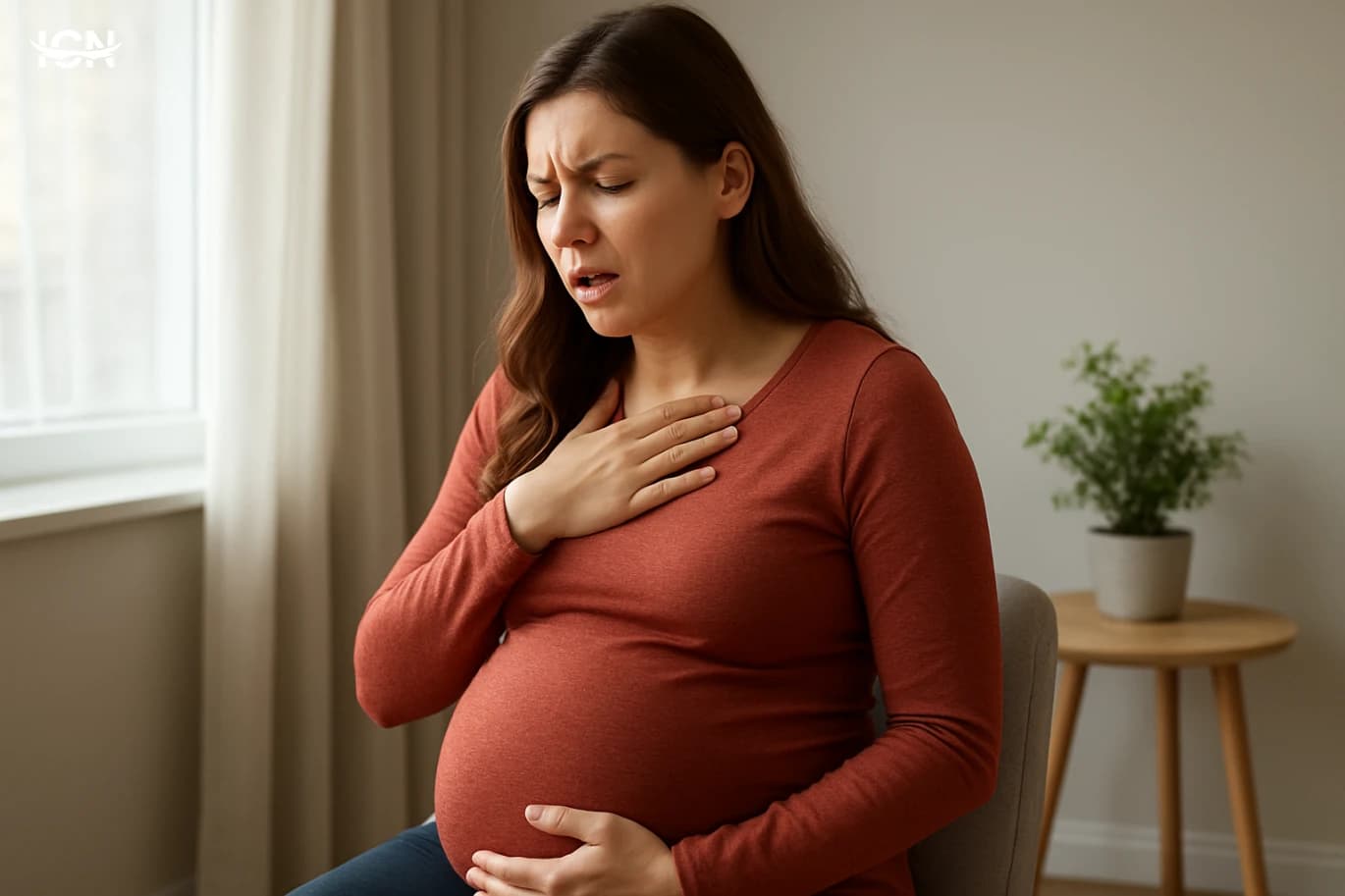
Some discomfort is expected after any birth, but certain patterns should prompt medical advice. Pain that suddenly worsens instead of gradually improving, pain that prevents walking or deep breathing despite medication, or pain paired with fever should be assessed. After a cesarean, increasing redness, swelling, warmth, drainage, or separation at the incision site needs prompt review. Severe headaches, vision changes, or shortness of breath should also be evaluated urgently. After a vaginal birth, escalating perineal pain, foul-smelling discharge, or difficulty urinating can indicate a problem that deserves assessment. Heavy bleeding that soaks pads quickly, large clots, or dizziness should be treated as urgent. Emotional distress can also affect pain and recovery; if someone feels persistently overwhelmed, unable to sleep when the baby sleeps, or unable to function, they should seek professional support. The practical takeaway is to leave the hospital with clear instructions: who to call, what symptoms are red flags, and when follow-up is scheduled. Knowing what is normal for your specific delivery reduces anxiety and helps ensure that genuine warning signs are not missed.