When the Postpartum Belly Truly Changes

- What “back to normal” really means
- A practical timeline from weeks to a year
- Why the belly may stay rounded
- Habits that support recovery safely
- When to seek professional help
What “back to normal” really means
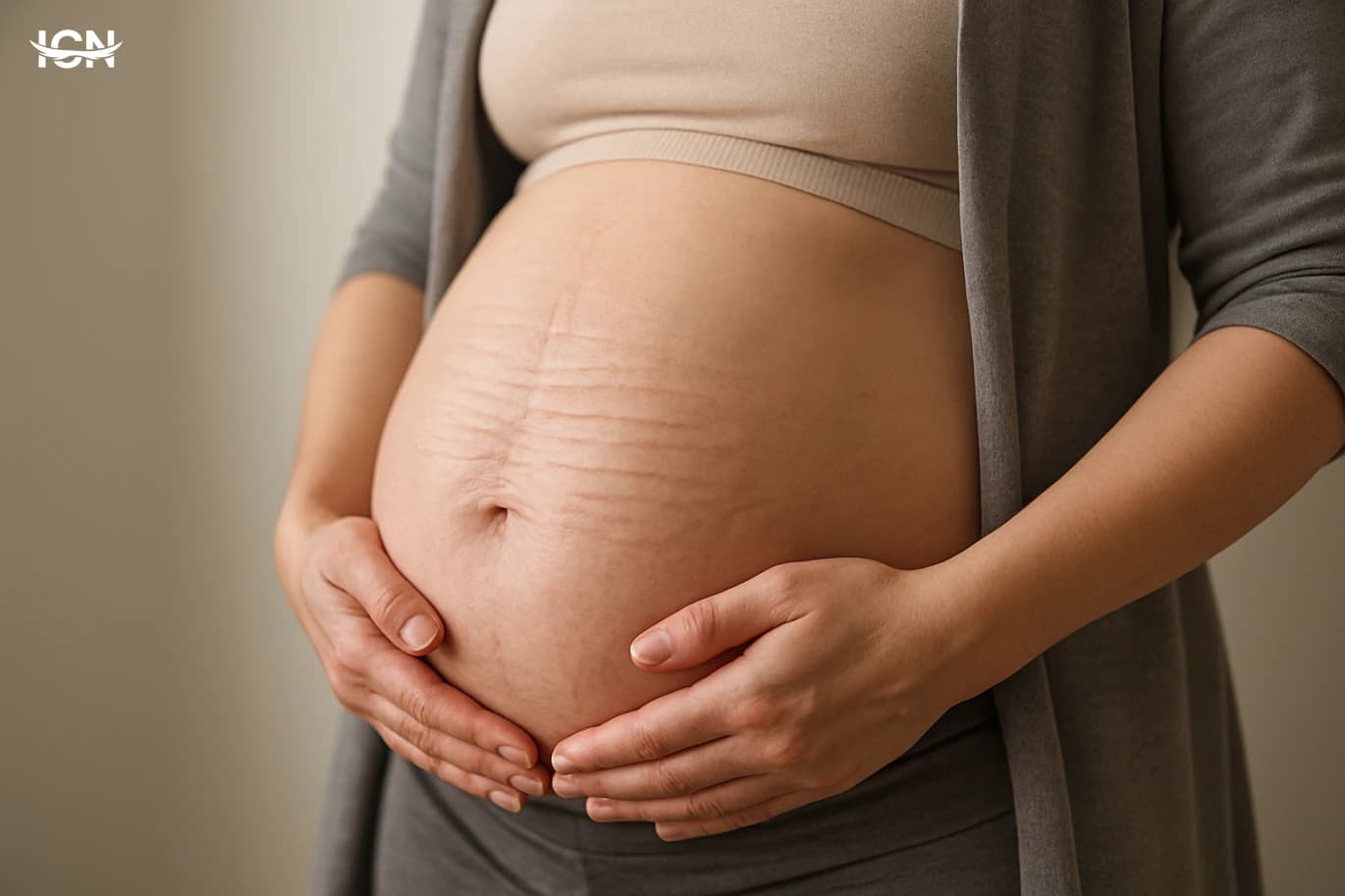
Many new mothers expect the abdomen to “go back” within weeks, but postpartum changes involve several layers: the uterus shrinking, abdominal muscles recovering, skin and connective tissue tightening, and body fat redistributing. The uterus is the fastest to change; it contracts dramatically in the first days after birth and continues to shrink over the following weeks. That internal change can reduce the belly’s forward projection, yet it does not automatically restore a flat waistline. Muscles and connective tissue take longer. During pregnancy, the linea alba (the connective tissue between the rectus abdominis muscles) stretches, and the abdominal wall adapts to the growing uterus. After delivery, the tissue gradually regains tension, but the pace varies widely. Skin also behaves differently depending on genetics, age, hydration, sun exposure history, and how quickly the belly expanded during pregnancy. “Normal” is therefore not a single look or a single date. For some women, the abdomen appears close to pre-pregnancy within a few months; for others, it remains softer or more rounded for a year or longer. A realistic goal is functional recovery—comfortable movement, stable core control, and absence of pain—while appearance continues to evolve over time.
A practical timeline from weeks to a year
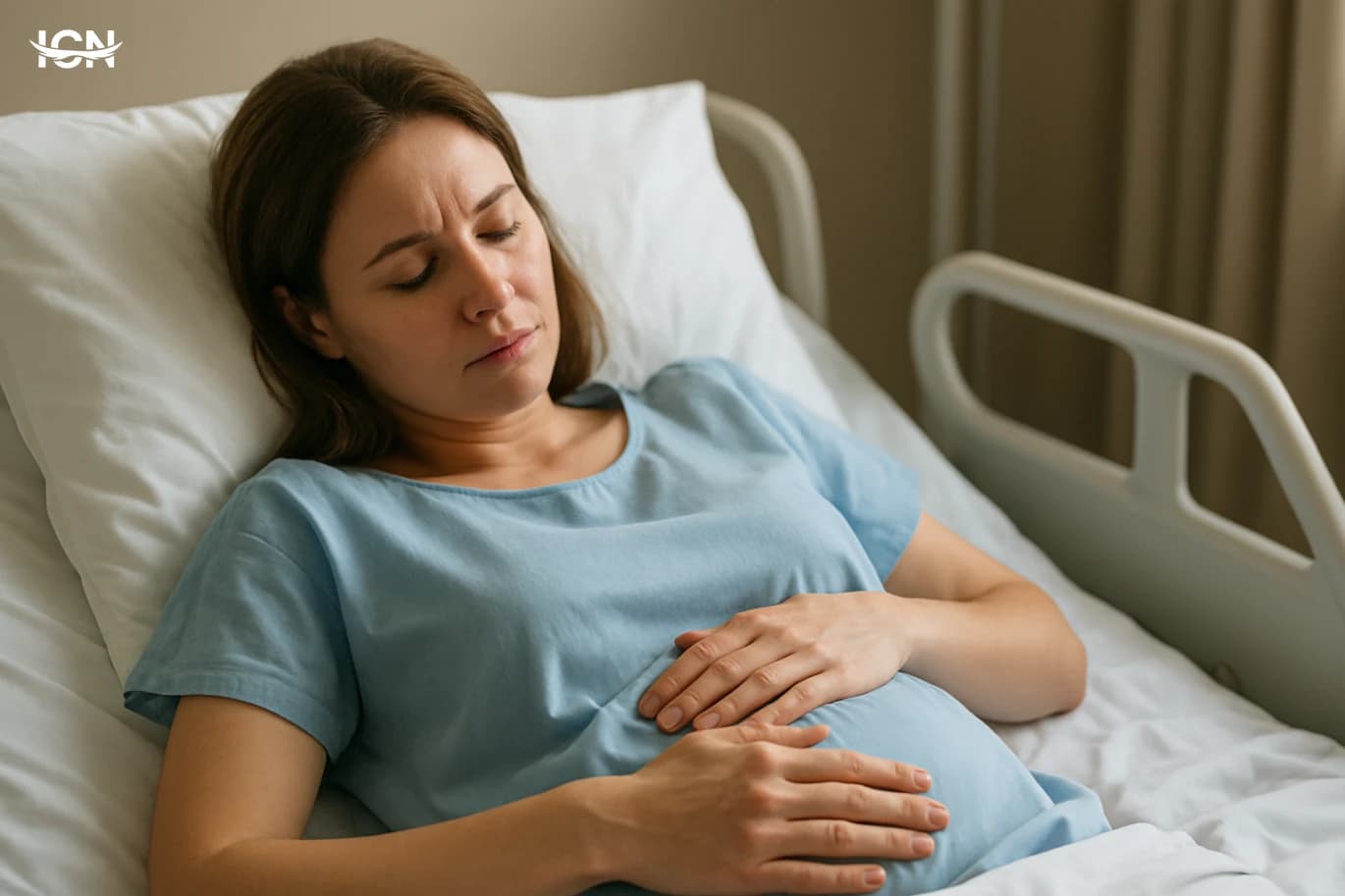
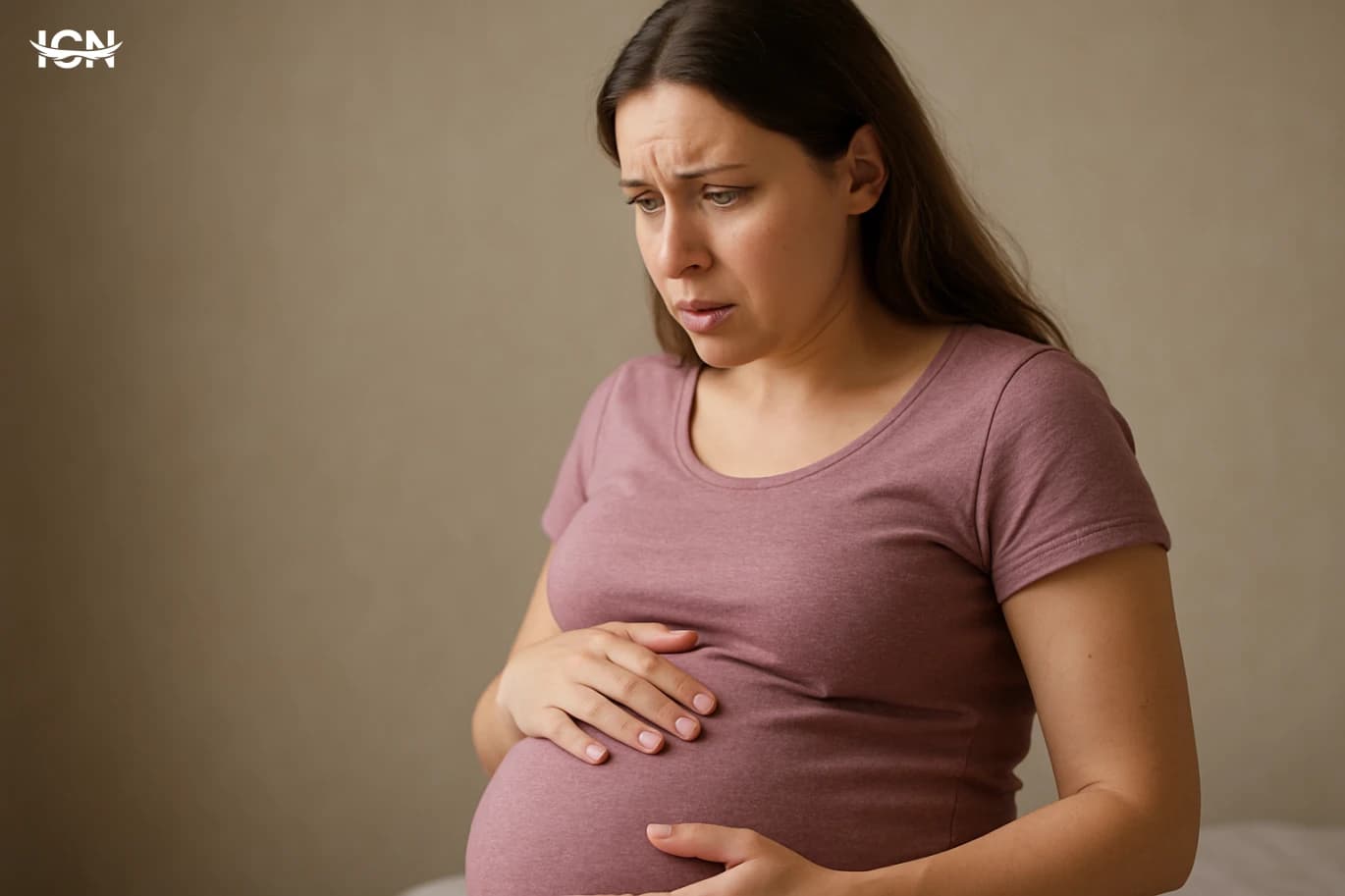
In the first 1–2 weeks, the belly often looks similar to mid-pregnancy. This is normal: the uterus is still enlarged, there may be swelling, and posture is adjusting after months of carrying extra weight. You may also notice afterpains—cramping as the uterus contracts—especially during breastfeeding. From weeks 2–6, uterine involution continues and many women see a noticeable reduction in abdominal size. At the same time, fatigue, sleep disruption, and limited time for self-care can make it hard to focus on nutrition and gentle activity. If you had a cesarean birth, the incision area may feel tight or numb, and swelling around the lower abdomen can persist. Between 6–12 weeks, many clinicians clear patients for more structured exercise, depending on recovery. This is often when core retraining begins to make a visible difference. However, it is also a period when expectations can become unrealistic; the body is still healing, and connective tissue remodeling continues. From 3–6 months, strength and endurance can improve substantially with consistent, appropriate training. Some women find their waistline returns close to pre-pregnancy, while others still have a “pooch,” especially if diastasis recti is present or if pelvic floor weakness affects core stability. From 6–12 months, gradual tightening and body composition changes may continue, particularly as routines stabilize. Breastfeeding, weaning, return to work, and stress levels can all influence appetite, sleep, and activity, which in turn affects the abdomen’s appearance. For many women, the one-year mark is a more realistic point to assess longer-term changes and decide whether professional support is needed.
Why the belly may stay rounded
A persistent postpartum belly is not always about weight. One common factor is diastasis recti, a separation or widening between the left and right sides of the rectus abdominis. Mild separation is common in late pregnancy and early postpartum. What matters is not only the gap but also the tension and control of the abdominal wall. Poor tension can allow the abdomen to dome outward during movement. Another factor is pelvic floor recovery. The pelvic floor and deep core muscles work as a system. If the pelvic floor is weak or overactive, it can change breathing patterns and core coordination, sometimes contributing to a protruding lower belly. Posture also plays a role; many new mothers develop an exaggerated arch in the lower back or a forward-tilted pelvis from feeding positions and carrying the baby, which can push the abdomen forward. Skin laxity and stretch marks reflect changes in the dermis and connective tissue. While skin can tighten over time, it may not return fully to its previous texture. Scar tissue after a cesarean can also affect how the lower abdomen looks and feels, especially if there is tightness or reduced mobility around the incision. Finally, body fat distribution can shift after pregnancy due to hormonal changes, sleep deprivation, and reduced activity. Even with stable weight, the abdomen can look different if muscle tone is reduced and fat is stored differently than before.
Habits that support recovery safely
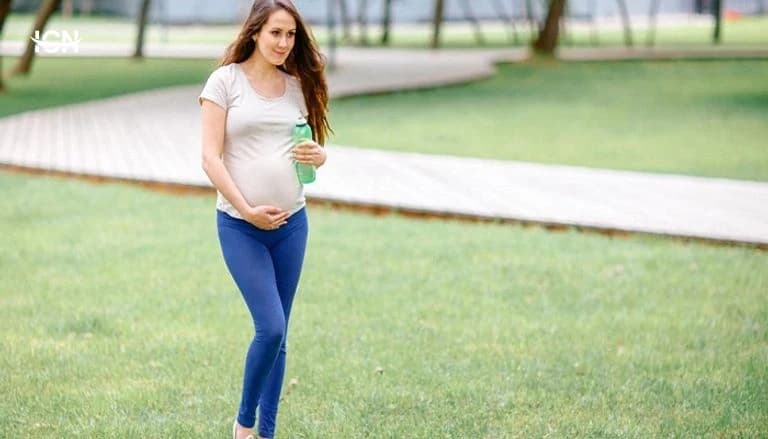
Start with breathing and gentle core engagement. Many postpartum rehabilitation programs begin with diaphragmatic breathing, coordinated with a light activation of the deep abdominal muscles. This approach supports the core without excessive pressure. Short sessions—5 to 10 minutes—can be realistic in early weeks. Progress gradually to functional strength. Walking is often the most accessible activity and can be increased in duration and pace as energy returns. When cleared by a clinician, add strength work that emphasizes posture, glute strength, and controlled core stability. Exercises that cause visible doming of the abdomen, pain, or heaviness in the pelvis should be modified. Nutrition and hydration matter for tissue repair. Aim for regular meals with adequate protein, fiber, and micronutrients such as iron and vitamin C, especially after blood loss during delivery. Extreme calorie restriction can backfire by reducing energy, impairing milk supply for those breastfeeding, and making it harder to maintain consistent activity. Sleep is a major variable. While uninterrupted sleep may be unrealistic, small strategies can help: resting when possible, sharing nighttime duties when available, and keeping caffeine timing earlier in the day. Chronic sleep deprivation is linked with increased appetite and reduced recovery capacity. If you had a cesarean, scar care and gradual mobility can be important once the incision is healed and you have medical approval. Gentle massage around the scar, posture work, and progressive strengthening can improve comfort and movement patterns over time.
When to seek professional help
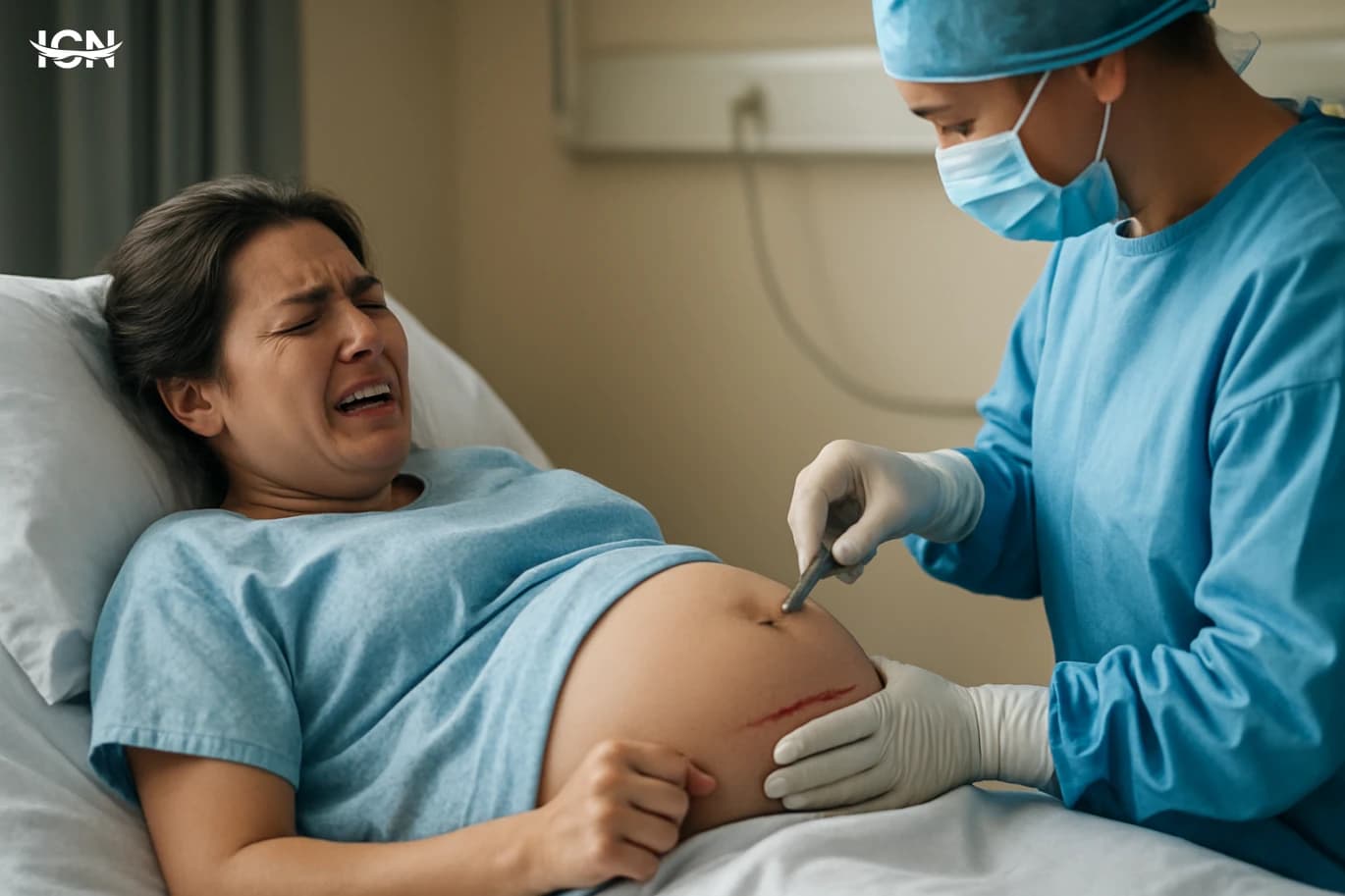
Consider professional assessment if you have persistent abdominal doming during basic movements, significant back pain, or a sense that your core is not supporting you months after birth. Pelvic floor symptoms are also important signals: heaviness, pressure, urinary leakage, or pain during activity should be evaluated. A pelvic health physiotherapist can assess coordination of breathing, core, and pelvic floor and provide a tailored plan. For cesarean recovery, seek help if the scar remains very painful, increasingly red, or if you notice ongoing swelling or unusual discharge. Even when healing is normal, persistent tightness or numbness that limits movement can benefit from guided rehabilitation. If the abdomen remains markedly distended well beyond the early postpartum period, discuss it with a clinician to rule out issues such as hernias or thyroid-related changes that can affect weight and energy. Also seek support if rapid weight changes, severe fatigue, or dizziness interfere with daily function. A useful mindset is to treat postpartum recovery like a long rehabilitation process rather than a quick “bounce back.” With appropriate care, many women see meaningful improvements in strength, comfort, and abdominal appearance over time, but the most reliable measure of progress is how well the body functions in daily life.