Why Postpartum Belly Wrinkles Persist
- What those belly wrinkles really are
- Why they rarely disappear on their own
- A realistic recovery timeline and what to track
- What actually helps at home
- When professional options make sense
- Making peace with progress while staying proactive
What those belly wrinkles really are
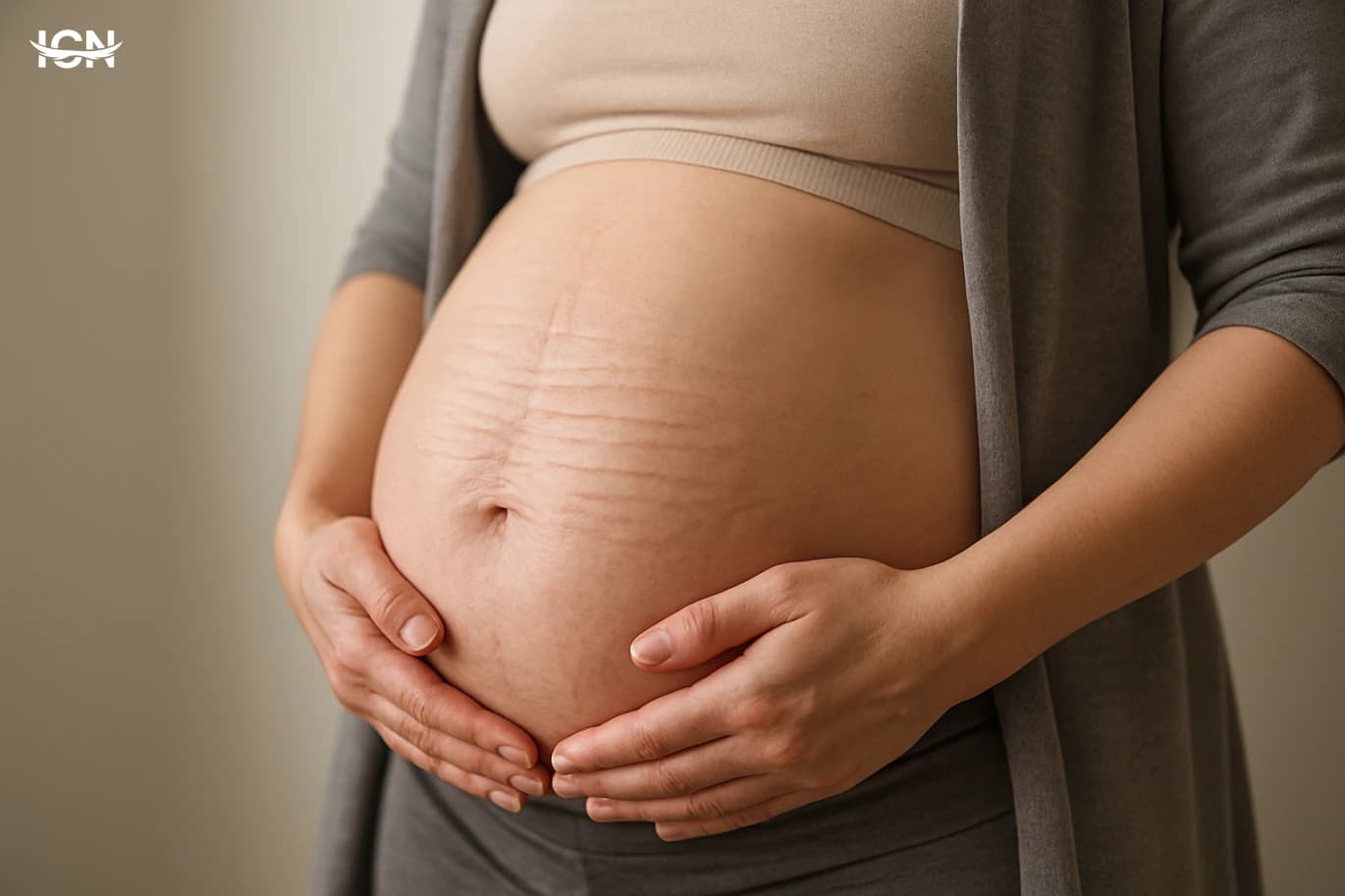
Many people call them “wrinkles,” but postpartum belly changes usually include a mix of skin creasing, looseness, and texture shifts. The most common contributors are stretched skin that has not fully recoiled, and stretch marks that can look like fine lines or shallow folds when the skin is relaxed. Some women notice a “crinkled” look when they sit, bend, or after a shower, while the belly may look smoother when standing. This is normal and reflects how skin behaves when it has been stretched for months. It helps to separate three issues that often get lumped together: (1) skin laxity, meaning the skin is looser and forms folds more easily; (2) stretch marks, which are small scars in the deeper skin layers and can change color over time; and (3) abdominal wall changes, such as diastasis recti, where the midline connective tissue has widened and the belly can protrude, making skin folds more visible. These can overlap, but each responds differently to time, lifestyle, and treatment. Understanding which one is dominant in your case is the first step toward realistic expectations and a practical plan.
Why they rarely disappear on their own
Skin has elastic fibers and collagen that allow it to stretch and then tighten again. During pregnancy, these fibers are under sustained tension, and hormonal shifts can affect how collagen is produced and remodeled. After birth, some tightening happens naturally, but it is not guaranteed to return to the pre-pregnancy baseline. When the deeper skin structure has been altered, the body may improve the appearance, yet it often leaves residual looseness or fine creasing. Stretch marks are a key reason “waiting it out” has limits. They are not just surface lines; they represent micro-tears and remodeling in the dermis. Over months, they typically fade from red or purple to lighter tones, and the texture can soften. However, the underlying change is scar-like, so complete disappearance is uncommon. If there is also diastasis recti, the abdominal wall may not provide the same support, and the skin can continue to fold even if weight returns to normal. Other factors influence persistence: rapid weight changes, genetics, age, sun exposure, smoking, and nutrition. Breastfeeding and sleep disruption can also affect recovery indirectly by shaping stress levels and daily routines. None of this means improvement is impossible; it means that “time alone” is rarely a full solution, and targeted steps are usually needed to get meaningful change.
A realistic recovery timeline and what to track
Most postpartum body changes evolve over months, not weeks. In the first 6–12 weeks, the uterus shrinks, fluid shifts settle, and early skin tightening may occur. From 3 to 6 months, many women see the biggest visible changes if they are gradually returning to movement, stabilizing weight, and sleeping more consistently. Between 6 and 12 months, improvements can continue, but they tend to be slower and more dependent on targeted habits and, for some, professional treatments. Tracking the right indicators can prevent frustration. Instead of focusing only on the scale, note: how your skin looks in the same lighting and posture every month; whether stretch marks are fading; whether the belly feels supported during daily tasks; and whether you notice doming or bulging along the midline when you sit up, cough, or lift. That last sign can suggest diastasis recti and is worth discussing with a qualified postpartum physiotherapist. It is also useful to track hydration, protein intake, and consistency of gentle strength work, because these factors influence tissue remodeling. If you had a cesarean birth, scar mobility and comfort can affect how you move and engage your core, which indirectly affects the belly’s appearance. A timeline mindset helps: the goal is steady improvement and function, not a quick “snap back.”
What actually helps at home
At-home improvement is mostly about supporting skin health and rebuilding core function. Start with nutrition that supports tissue repair: adequate protein, vitamin C sources, zinc, and healthy fats. Extreme dieting can backfire by reducing the building blocks needed for collagen remodeling and by causing rapid weight swings that make laxity more noticeable. Movement matters, but the type matters more than intensity. Early on, focus on breathing mechanics and gentle deep-core activation, then progress to full-body strength that includes glutes, back, and hips. This improves posture and abdominal support, which can reduce the appearance of folds. If you suspect diastasis recti, avoid exercises that consistently create midline bulging, and seek individualized guidance. Daily walking, gradual resistance training, and safe core work are more effective than high-volume crunches. Skin care can help with comfort and incremental texture change, though it will not erase stretch marks completely. Regular moisturizing reduces dryness and can make creasing less obvious. Products with ingredients such as retinoids are often discussed for texture, but postpartum and breastfeeding considerations vary, so it is important to consult a clinician before using strong actives. Sun protection is practical: UV exposure can worsen contrast and slow the fading of marks. Finally, manage expectations around “waist trainers” and tight wraps. Some women feel more supported wearing a comfortable postpartum support garment, especially early on, but these do not rebuild muscle or change skin structure. If a garment causes pain, pressure on the pelvic floor, or interferes with breathing, it is not a good choice.
When professional options make sense
If you have persistent skin laxity, prominent stretch marks, or functional issues such as back pain and core weakness, professional evaluation can clarify what is treatable. A postpartum physiotherapist can assess diastasis recti, breathing patterns, and pelvic floor coordination, then build a plan that improves support and reduces strain. This can change how the belly looks by improving the underlying mechanics. For skin texture and stretch marks, dermatology and aesthetic medicine offer options that may improve appearance, not guarantee removal. Procedures such as certain lasers, radiofrequency, microneedling, or combination approaches are often used to stimulate collagen remodeling. The best choice depends on skin type, mark maturity, and medical history. Timing matters: many clinicians prefer waiting until the body has stabilized postpartum and, if relevant, until breastfeeding-related considerations are addressed. Surgical options, such as abdominoplasty, are typically reserved for significant excess skin or when other methods have not met goals. They require recovery time and careful planning around childcare and overall health. A responsible consultation should cover realistic outcomes, scarring, costs, and the importance of being at a stable weight. The practical takeaway is that professional options can be effective for selected cases, but they work best when paired with sustainable habits and when the main issue—skin, marks, muscle separation, or a combination—is clearly identified.
Making peace with progress while staying proactive
The statement “postpartum belly wrinkles won’t disappear on their own” is not meant to discourage; it is meant to set a workable frame. Many women can achieve noticeable improvement, but it usually comes from a combination of time, stable routines, and targeted support rather than passive waiting. A practical approach is to set 8–12 week goals: consistent walking, two to three strength sessions per week, daily core-friendly breathing work, and nutrition that supports recovery. It also helps to define success beyond appearance. Better trunk strength can make lifting your baby easier, reduce back discomfort, and improve posture, which often changes the belly’s silhouette. If you choose professional treatments, treat them as part of a plan, not a last-minute fix. Finally, know when to seek medical advice promptly: if you have severe abdominal pain, unusual swelling, wound concerns after a cesarean, or symptoms that limit daily function. For most women, though, the path is gradual and measurable. With the right expectations and consistent steps, you can reduce the visibility of wrinkles and improve how your midsection feels and performs.