App Logo

Download Our App

Shop your way

logologo
Image

Benefits of Matha tea for the skin

09/30/2025By: ICN
Benefits of Matha tea for the skin

Antioxidants in the match and its effect on the skin

A. Protecting the skin from free radicals is that the antioxidants in the Match are very effective in protecting the skin from free radicals that contribute to cell damage. It works on Neutralizing these roots, which reduces the damage caused by environmental factors such as the sun and pollution. for. Reducing the signs of premature aging. Match also contains compounds that help reduce the signs of premature aging, such as wrinkles and dark spots. By enhancing collagen production and stimulating cell regeneration, it contributes to improving the appearance of the skin in general and enhancing its health.

Improving skin elasticity and reducing wrinkles

A. Promoting collagen production helps the Matching enhance collagen production, which is the protein responsible for skin elasticity and youth. Collagen enhances the cohesion of the skin and reduces the appearance of wrinkles, which makes the skin seem softer and fresh. for. Restoration of damaged skin, in addition, the Match contains regenerative properties that help restore damaged skin. It speeds up the healing process, and thus contributes to improving the appearance of tired and affected skin by environmental factors, which makes it appear brighter and healthy.

The role of the Match in reducing infections and irritating the skin

A. Anti -inflammatory properties The Match contains antioxidants that reduce inflammation in the skin. These properties help calm the irritation and redness caused by external factors. for. Calm sensitive skin is an excellent choice for people with sensitive skin, moisturizing and calming it. Its use as part of the skin care routine can help reduce the feeling of heartburn or discomfort resulting from environmental factors, which contributes to enhancing the health and freshness of the skin.

Improving skin radiance and pigmentation

A. Standardizing the skin tone The Match contributes to improving the skin color through its luminous properties. The antioxidants in it unify the skin color, which helps reduce the appearance of dark spots and impurities. for. Lightening dark pigmentation, moreover, the use of the Match in the skin care routine is effective in lightening the dark pigmentation. With regular use, it can help reduce the appearance of dark spots and thus enhance the appearance of the skin in general, which gives it natural and healthy radiance.

Benefits of Matching to purify the skin and reduce pimples

A. The organization of fat secretion helps the Match helps regulate the secretion of oils in the skin, which reduces the chances of acne. Where the natural materials in it controls the percentage of fat, which contributes to obtaining pure and brighter skin. for. Anti -acne bacteria, in addition to the above, matches contain antibacterial properties, which helps in combating them. Regular use can contribute to reducing infections and pimples, which makes the skin look healthier and more beautiful.


* All articles published on this blog are sourced from various websites and are provided for informational purposes only. They should not be considered as confirmed studies or accurate information. Please verify the information independently before relying on it.

Similar ARTICLES

Fillers During Pregnancy What Medicine Says
Most dermatologists and obstetricians take a cautious position on cosmetic fillers during pregnancy. The main reason is not that fillers are proven harmful, but that high-quality evidence in pregnant people is limited. Ethical and practical constraints mean clinical trials rarely include pregnant participants, so doctors cannot rely on the same level of safety data available for the general population. In medicine, when benefits are optional and data are incomplete, the default recommendation is to postpone. Another factor is that pregnancy changes the body in ways that can affect both results and side effects. Blood volume increases, fluid retention is common, and the immune system shifts. These changes can make swelling more noticeable and can alter how the face looks from month to month. A filler result that seems balanced early in pregnancy may look different later due to natural puffiness, weight changes, or hormonal skin shifts. Clinicians also consider the “risk stack” around the procedure, not only the filler material. Even if a product is considered biocompatible, the appointment may involve topical anesthetics, disinfectants, possible antibiotics if complications occur, and stress or pain responses. Each additional exposure adds uncertainty. Because fillers are elective, many physicians prefer to minimize avoidable variables until after delivery and the early postpartum period. Finally, doctors often prioritize predictable care pathways. If a complication such as a vascular issue, infection, or severe inflammation occurs, treatment may require medications or procedures that are less desirable during pregnancy. The possibility is low, but the consequences can be complex, which reinforces the conservative approach.
Natural Ways to Ease Leg Fluid Retention
Leg fluid retention is a buildup of excess fluid in the tissues, most often around the ankles, feet, and lower legs. It can show up as swelling that worsens later in the day, tight shoes or socks, and a feeling of heaviness. A common sign is “pitting”: when you press a finger into the swollen area for a few seconds, a dent remains briefly. Some people notice shiny skin, reduced ankle definition, or sock marks that look deeper than usual. Not all swelling is the same. Temporary swelling after a long flight, a salty meal, or standing for hours is common and often improves with simple habits. Ongoing swelling that appears most days, keeps returning, or is paired with other symptoms needs more attention. Track patterns for one week: time of day, what you ate, how long you sat or stood, and whether one leg is more swollen than the other. This simple log helps you identify triggers and decide whether you should seek medical advice. Natural strategies work best when the cause is lifestyle-related, such as prolonged sitting, low activity, high sodium intake, or mild circulation sluggishness. If swelling is new, rapidly worsening, or clearly one-sided, do not rely on home measures alone. The goal is to reduce fluid pooling, support circulation, and lower dietary factors that encourage water retention.
Smart Summer Hydration for Kids
Children lose water faster than adults in hot weather because their bodies heat up quickly and they often keep playing without noticing thirst. A child’s sweat response and body surface area make fluid loss more significant relative to their size, especially during outdoor activities, sports camps, or long car rides. Air-conditioned spaces can also contribute by drying the air and reducing the natural reminder to drink, while salty snacks and sugary treats increase the need for fluids. Dehydration in summer is not only about water. When kids sweat, they lose electrolytes such as sodium and potassium that help the body maintain fluid balance. If a child replaces sweat losses with only small sips of water or waits until they feel very thirsty, they may already be behind. The risk rises during heat waves, when schedules change, and when families travel and routines get disrupted. The practical takeaway for parents is to treat hydration as a planned routine, not a reaction to thirst.
Time nutrition.. A 'new secret' for better health and weight loss
Temporal nutrition, also known as time restricted eating, centers on when you eat, not only what you eat. It explores how meal timing aligns with the body’s internal clock to influence metabolism and health. The approach involves confining daily calories to a consistent eating window and extending the fasting period outside it. Aligning intake with natural rhythms can support energy balance, glucose regulation, and sleep health. Why timing may matter for health and weight management Your internal clock governs key processes from hormone release to digestion. Eating in sync with this rhythm can support weight management and may reduce disease risk. Aligned meal timing can help stabilize blood glucose and blood pressure. Regular schedules may improve sleep quality and daytime energy. Structured eating windows can complement diet quality for weight loss.
A Practical Plan for Kids’ Screen Eyes
Digital eye strain in children is usually a mix of tired focusing muscles, reduced blinking, and long periods of close-up viewing. Parents often notice frequent eye rubbing, squinting, headaches after homework on a tablet, or a child who avoids reading right after screen time. Some children complain that letters look blurry for a few minutes when they look up from a device, or they say their eyes “burn” or feel dry. It helps to separate eye strain from other issues. If symptoms happen mainly after screens and improve with breaks, the trigger is likely viewing habits. If a child consistently sits very close to the TV, struggles to see the board at school, or has headaches even on low-screen days, an uncorrected vision problem may be involved. Also watch for light sensitivity, persistent redness, or one eye turning in or out; these are not typical “just screen fatigue” signs and should be assessed by an eye-care professional. A useful approach is to keep a simple two-week log: when screens are used, for how long, and what symptoms appear. This gives you a clear baseline and makes it easier to see whether changes like better lighting or shorter sessions are actually working.
A Practical Reset for Overthinking
Overthinking is usually a process issue, not an intelligence issue. It shows up as repetitive mental loops: replaying conversations, forecasting worst-case outcomes, or trying to find a perfect decision with incomplete information. A useful first step is to label what is happening in real time. Instead of “I’m failing,” name the pattern: “I’m ruminating,” “I’m catastrophizing,” or “I’m searching for certainty.” This small shift reduces emotional intensity and makes the next step practical. Track your triggers for one week with a simple log. Note the situation (meeting, message, deadline), the theme (health, work, money, social), the time of day, and what you did next (scrolling, asking for reassurance, delaying a task). Many people discover predictable patterns: overthinking spikes when they are tired, hungry, under-caffeinated or over-caffeinated, or after long stretches of screen time. The goal is not to analyze every thought, but to identify the conditions that repeatedly start the loop. Also separate “thinking” from “problem-solving.” Thinking becomes productive when it leads to a decision, a plan, or a next action. If you have spent 10–15 minutes and you are still circling the same points, you are likely in rumination. Treat that as a cue to switch tools rather than to push harder.
Flaxseed Benefits for Women
Flaxseed is a small ingredient with an unusually dense nutrition profile, which is why it shows up in many evidence-based diet patterns. Two components make it especially relevant for women across life stages: alpha-linolenic acid (ALA), a plant-based omega-3 fat, and lignans, naturally occurring compounds that act as antioxidants and are studied for their interaction with hormone metabolism. Flaxseed also provides soluble and insoluble fiber, plus minerals such as magnesium and manganese. From a practical standpoint, flaxseed is versatile and easy to add to everyday meals without changing the overall diet. Ground flaxseed mixes into yogurt, oatmeal, soups, and baked goods, while whole seeds can be sprinkled on salads for texture. The key detail is that many of flaxseed’s nutrients are more available when it is ground, because the hard outer shell can pass through the digestive tract intact. For women trying to improve diet quality with minimal effort, flaxseed offers a high “nutrient return” per spoonful.
Pregnancy With Low Vitamin D
Vitamin D is more than a “bone vitamin.” During pregnancy it supports calcium and phosphorus balance, which helps build the baby’s skeleton and teeth, and it also contributes to normal muscle and immune function for the mother. Low vitamin D is common because modern routines limit sunlight exposure, many people use sunscreen daily, and dietary sources are relatively few. Pregnancy can reveal the gap because needs rise and blood tests become more frequent. When vitamin D is low, the body may struggle to keep calcium levels steady without drawing more from the mother’s stores. That can increase the likelihood of muscle aches, fatigue, and bone discomfort, symptoms that can be mistaken for “normal pregnancy changes.” For the fetus, adequate vitamin D supports healthy bone mineralization and growth. The goal is not to chase very high numbers, but to reach a safe, sufficient range guided by your clinician and your lab results.
Body Recomposition Made Practical
Body recomposition is the process of reducing body fat while increasing or preserving muscle mass, so your weight on the scale may change slowly even as your shape improves. It differs from a classic “cut” (fat loss with some muscle loss risk) or “bulk” (muscle gain with some fat gain). In practice, recomposition is most realistic for beginners, people returning after a long break, and those who have higher body fat to start with. It can also work for trained people, but progress is usually slower and requires tighter control. The key idea is that fat loss and muscle building respond to different signals. Fat loss depends mainly on overall energy balance over time, while muscle gain depends on resistance training, adequate protein, recovery, and a sufficient training stimulus. Recomposition aims to create a small calorie deficit or near-maintenance intake while keeping training quality high and protein consistently elevated. This combination helps your body use stored energy from fat while still having the building blocks and stimulus to maintain or add muscle. A practical way to think about it is “improving the ratio.” If your waist measurement decreases, strength numbers rise, and progress photos show more definition, you are likely recomposing even if body weight stays similar. That is why tracking should focus on multiple indicators, not just the scale.
Korean Diet Basics for Weight Loss
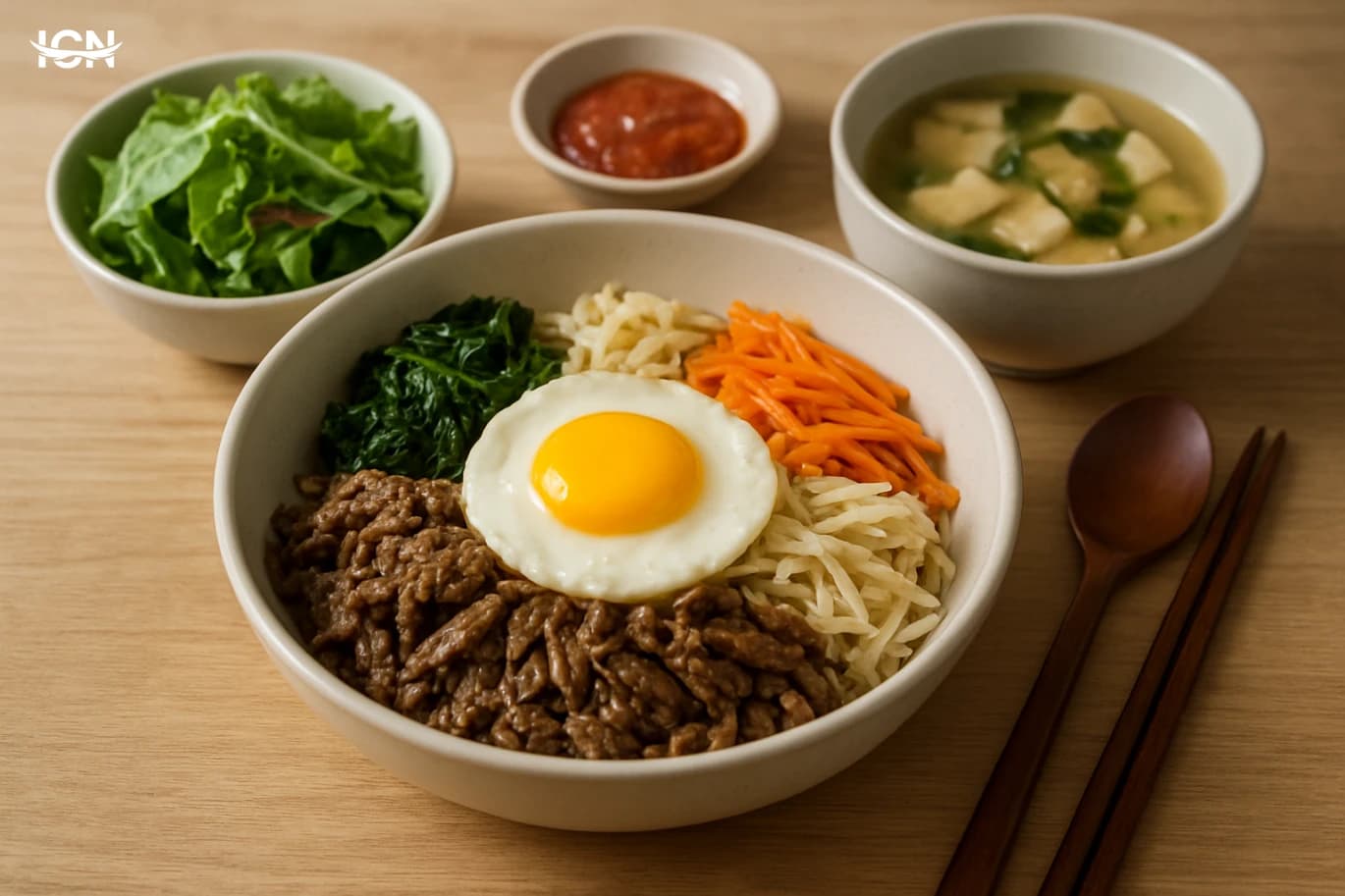
The “Korean diet” for weight loss usually refers to a way of eating inspired by everyday Korean home meals rather than a single strict program. It tends to be built around rice or other grains in modest portions, plenty of vegetables, fermented foods such as kimchi, soups, and lean proteins like fish, tofu, eggs, and small servings of meat. Meals are often structured with several side dishes, which can increase variety without relying on heavy sauces or large portions. For weight loss, the practical appeal is that many traditional-style meals are relatively high in fiber and water content (soups, vegetables, stews), which can support fullness. Another common feature is the use of strong flavors from garlic, ginger, chili, scallions, and fermented pastes, helping food feel satisfying without needing a lot of added sugar or fat. However, not every modern Korean dish is “diet-friendly.” Fried chicken, sugary drinks, and heavy cheese-based street foods can be calorie-dense. The weight-loss version focuses on home-style patterns and portion control, not on copying trending restaurant items.
Coffee Timing Around Breakfast
Coffee is not just a drink; it is a mix of caffeine and bioactive compounds that affect alertness, digestion, and blood sugar. The same cup can feel “perfect” on one day and uncomfortable on another because timing changes how your body absorbs caffeine and how your stomach responds. Before breakfast, caffeine reaches the bloodstream faster for many people, which can make the energy boost feel stronger but also increase the chance of jitters or stomach discomfort. After breakfast, absorption is often slower, and the meal can buffer acidity and reduce sudden spikes in stimulation. Timing also interacts with your daily routine. If you drink coffee very early and then delay eating, you may unintentionally replace breakfast with caffeine, which can lead to mid-morning hunger and overeating later. If you drink it after a balanced meal, coffee becomes an add-on rather than a substitute. The “best” choice depends on your digestive sensitivity, sleep quality, stress level, and what you eat in the morning.
Safe Eating on the Go
Travel changes your routine in ways that make food safety harder to control. You may eat at unfamiliar places, rely on street vendors, or keep snacks in a warm bag for hours. Long drives, flight delays, and busy sightseeing often mean meals are rushed and hands are not washed as often as usual. In many destinations, the climate is hotter or more humid than what your body is used to, and that speeds up bacterial growth in foods left at room temperature. Another factor is limited access to clean water and proper refrigeration. A hotel mini-fridge may not be cold enough, and a cooler bag without ice packs warms up quickly. Even in modern airports and stations, food may sit in display cases for extended periods. These small details matter because common foodborne germs multiply fast in the “danger zone” between about 5°C and 60°C. The goal while traveling is not to avoid all outside food, but to make simple choices that reduce exposure and keep meals within safe temperatures.
Keto or Intermittent Fasting Choices
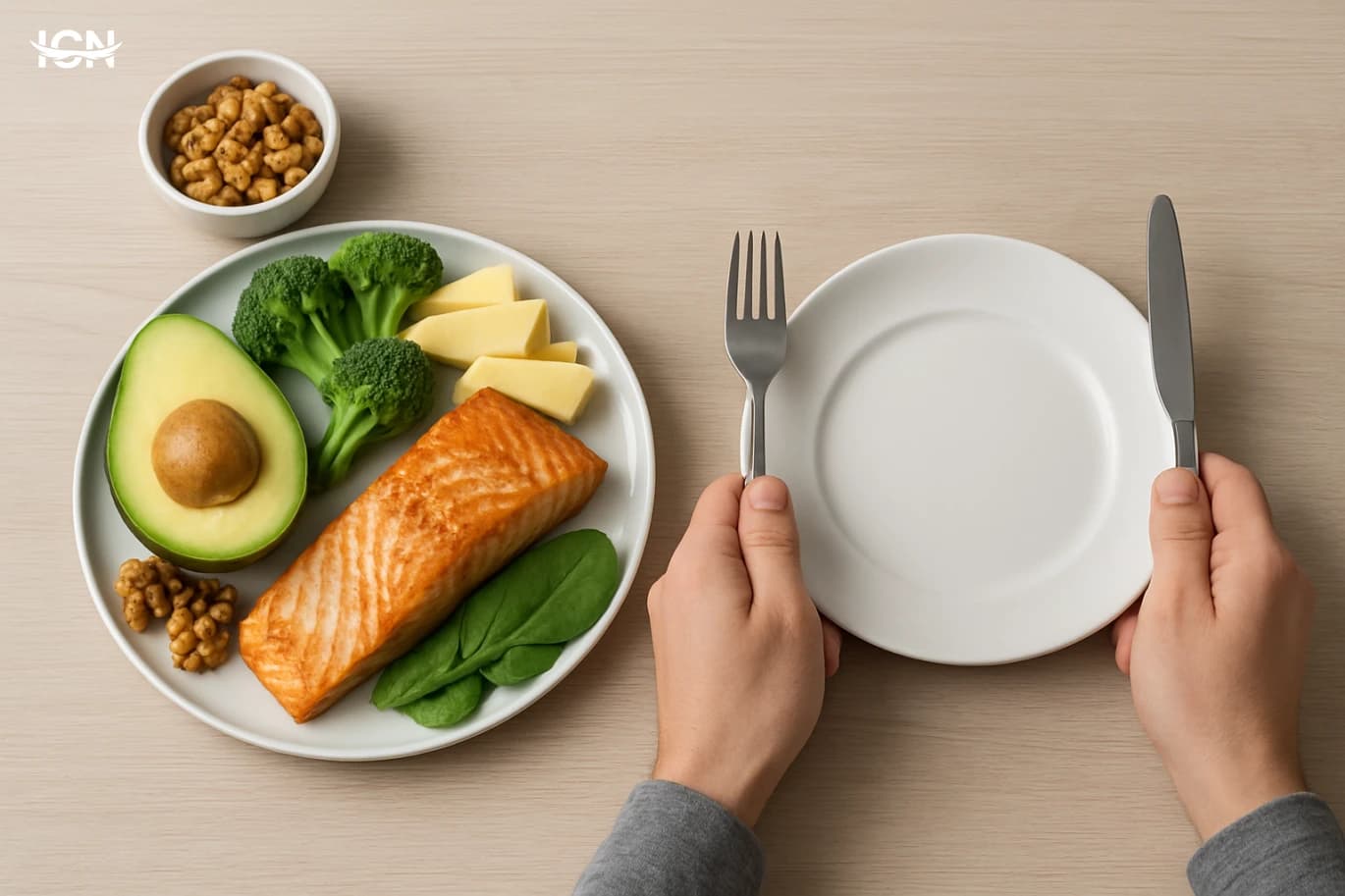
Keto and intermittent fasting are often compared as if they are the same type of plan, but they work through different levers. A ketogenic diet is a way of eating that sharply reduces carbohydrates and increases fat while keeping protein moderate. Many people aim for very low carbs per day, then build meals around foods like eggs, fish, meat, full-fat dairy, olives, avocado, nuts, and non-starchy vegetables. The goal is to shift the body toward using fat as a primary fuel source, which can change appetite and water balance in the first weeks. Intermittent fasting is not a specific food list; it is a schedule for when you eat. Common patterns include 16:8 (fast for 16 hours, eat within an 8-hour window) or 5:2 (eat normally most days and reduce calories on two days). People still choose what foods to eat, but the time restriction often reduces total daily intake without counting every calorie. In practice, fasting works best when the eating window is filled with balanced meals rather than frequent snacks. Both approaches can lead to weight loss, but neither is “automatic.” Weight change still depends on overall energy intake over time, food quality, sleep, stress, and activity. The practical question is which method you can follow consistently while meeting your nutrition needs and supporting your daily routine.
By clicking the SUBSCRIBE button, you are agreeing to our Privacy & Cookie Policy If you want to unsubsribe the marketing email, please proceed to our privacy center.
© 2005-2026 ICN. All Rights Reserved.