Pregnancy With Low Vitamin D

- Why Vitamin D Matters in Pregnancy
- Know Your Numbers and Risk Factors
- Sunlight Without Overdoing It
- Food Choices That Actually Help
- Supplements and Prenatal Vitamins
- A Simple Weekly Protection Checklist
Why Vitamin D Matters in Pregnancy
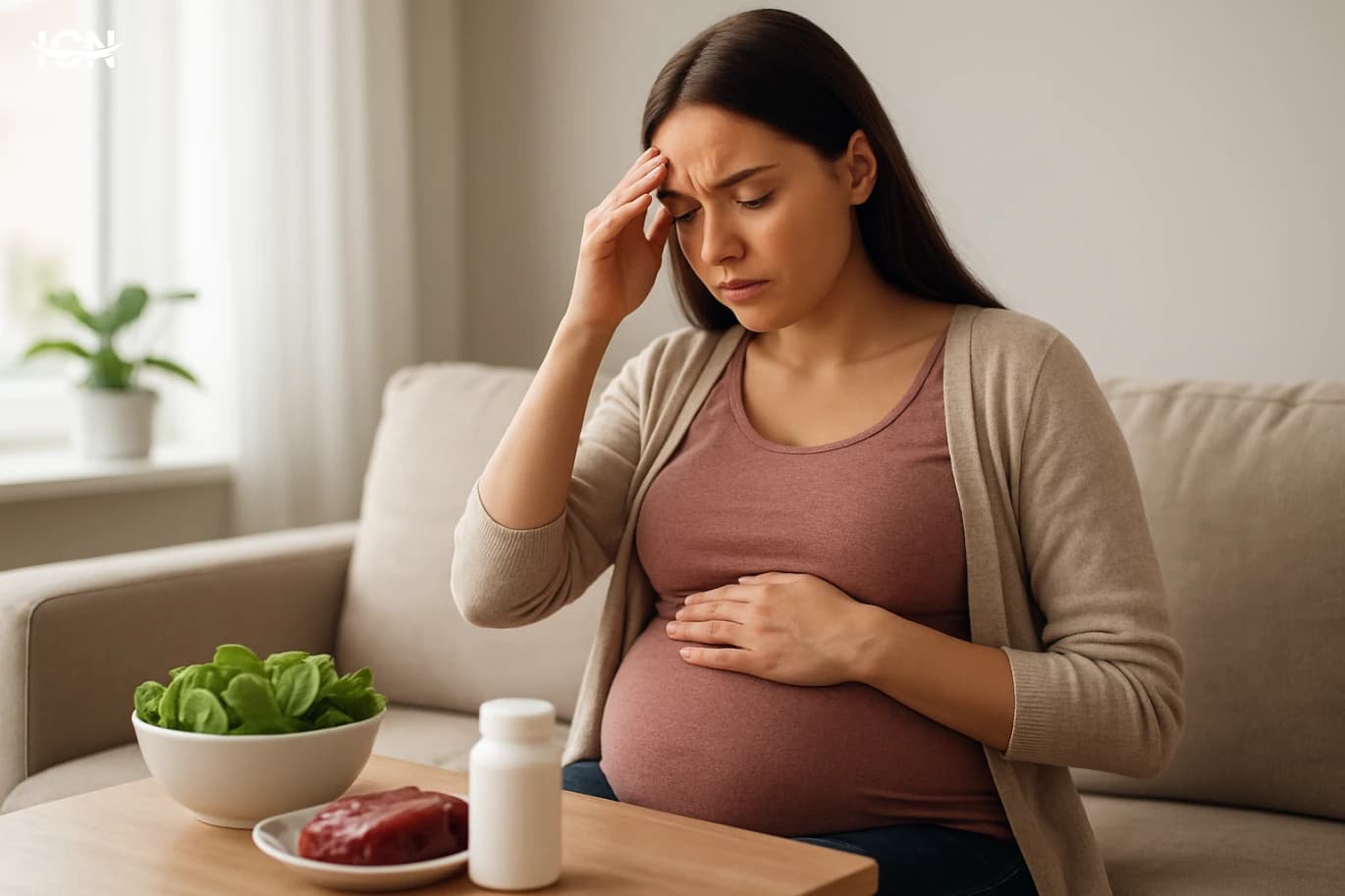
Vitamin D is more than a “bone vitamin.” During pregnancy it supports calcium and phosphorus balance, which helps build the baby’s skeleton and teeth, and it also contributes to normal muscle and immune function for the mother. Low vitamin D is common because modern routines limit sunlight exposure, many people use sunscreen daily, and dietary sources are relatively few. Pregnancy can reveal the gap because needs rise and blood tests become more frequent. When vitamin D is low, the body may struggle to keep calcium levels steady without drawing more from the mother’s stores. That can increase the likelihood of muscle aches, fatigue, and bone discomfort, symptoms that can be mistaken for “normal pregnancy changes.” For the fetus, adequate vitamin D supports healthy bone mineralization and growth. The goal is not to chase very high numbers, but to reach a safe, sufficient range guided by your clinician and your lab results.
Know Your Numbers and Risk Factors
The standard test is a blood level of 25-hydroxyvitamin D. Your clinician may order it early in pregnancy or when symptoms, diet patterns, or medical history suggest risk. People at higher risk include those with limited sun exposure, darker skin, obesity, malabsorption conditions, or diets low in fortified foods and fatty fish. Living in regions with long winters or heavy air pollution can also reduce effective UVB exposure. Ask for your exact result and the lab’s reference range, because “low” can be defined differently across countries and laboratories. Also ask whether your prenatal vitamin already contains vitamin D and how much. Many prenatal formulas include vitamin D, but the amount may not be enough to correct a deficiency. If you are already taking a supplement, tell your clinician the dose and brand so they can calculate total daily intake and avoid accidental over-supplementation.
Sunlight Without Overdoing It
Sunlight can help the body produce vitamin D, but the right approach depends on skin type, season, latitude, and daily routine. In many places, short periods of midday sun on forearms and lower legs can be effective, while early morning or late afternoon may be less efficient for vitamin D production. However, pregnancy can make skin more sensitive, and the priority is preventing sunburn. A practical plan is to discuss with your clinician whether brief, regular exposure is appropriate for you, then keep it consistent: a few times per week, for a limited duration, and stop well before any redness. If you have a history of skin conditions or are at high risk for pigmentation changes, you may need a more conservative approach and rely more on diet and supplements. Sunscreen remains important for longer outdoor time; you can still support vitamin D through food and medically guided supplementation rather than extended unprotected sun exposure.
Food Choices That Actually Help
Diet alone may not fully correct a deficiency, but it can meaningfully support your plan. Focus on foods naturally rich in vitamin D and those commonly fortified. Fatty fish such as salmon, sardines, and mackerel are among the best natural sources. Eggs provide smaller amounts, mainly in the yolk. Many countries fortify milk, yogurt, plant-based alternatives, breakfast cereals, and some orange juices with vitamin D, but the amount varies widely by brand. Read labels and look for vitamin D per serving, then build predictable intake: for example, a fortified dairy or alternative at breakfast, eggs a few times per week, and fish once or twice weekly if it fits your preferences and pregnancy-safe seafood guidance. Also remember that vitamin D works together with calcium and protein for bone health. If you avoid dairy, ask about calcium sources such as fortified plant milks, leafy greens, and calcium-set tofu, and confirm what is appropriate for pregnancy in your region.
Supplements and Prenatal Vitamins
If your blood test shows deficiency, supplements are often the most reliable way to correct it. The exact dose and duration should be set by your clinician based on your level, trimester, diet, sun exposure, and any medical conditions. Some people need a higher “repletion” dose for a limited period, followed by a maintenance dose. Others can adjust with a moderate daily dose plus diet. Bring all products you take to your appointment, including prenatal vitamins, vitamin D drops, calcium tablets, and any multivitamins. Vitamin D can accumulate in the body, so more is not automatically better. Your clinician may recommend a follow-up blood test after a set period to confirm that the level is improving and staying within a safe range. If you experience symptoms such as persistent nausea beyond typical pregnancy patterns, unusual thirst, or new constipation after starting high-dose supplements, report it promptly so your plan can be reviewed.
A Simple Weekly Protection Checklist
Managing low vitamin D during pregnancy becomes easier when you turn it into a routine. Start with one clear medical anchor: your lab result and your clinician’s target range. Then build weekly habits that support that goal without adding stress. Use this checklist: (1) Take your prenatal vitamin consistently and any prescribed vitamin D supplement at the same time each day to improve adherence. (2) Plan two vitamin D–supporting meals per week, such as a pregnancy-safe fatty fish dish and a fortified breakfast option. (3) Schedule brief outdoor time on days that fit your climate and skin sensitivity, stopping well before any redness. (4) Track total vitamin D from all products to avoid doubling doses. (5) Keep your follow-up test date on your calendar and bring questions about symptoms, diet, and brands to the visit. With consistent steps and medical monitoring, most pregnant people can correct deficiency and maintain a safe level that supports both maternal wellbeing and fetal development.