Korean Diet Basics for Weight Loss
- What People Mean by the Korean Diet
- Core Foods and Smart Portions
- A Simple Day of Korean-Style Eating
- Fermented Foods, Sodium, and Bloating
- Common Mistakes and How to Avoid Them
- Who It Fits, Safety Notes, and Next Steps
What People Mean by the Korean Diet
The “Korean diet” for weight loss usually refers to a way of eating inspired by everyday Korean home meals rather than a single strict program. It tends to be built around rice or other grains in modest portions, plenty of vegetables, fermented foods such as kimchi, soups, and lean proteins like fish, tofu, eggs, and small servings of meat. Meals are often structured with several side dishes, which can increase variety without relying on heavy sauces or large portions. For weight loss, the practical appeal is that many traditional-style meals are relatively high in fiber and water content (soups, vegetables, stews), which can support fullness. Another common feature is the use of strong flavors from garlic, ginger, chili, scallions, and fermented pastes, helping food feel satisfying without needing a lot of added sugar or fat. However, not every modern Korean dish is “diet-friendly.” Fried chicken, sugary drinks, and heavy cheese-based street foods can be calorie-dense. The weight-loss version focuses on home-style patterns and portion control, not on copying trending restaurant items.
Core Foods and Smart Portions
A weight-loss friendly Korean-style plate can be planned using three anchors: vegetables, protein, and a controlled portion of carbohydrates. Vegetables often come from banchan (side dishes) such as seasoned spinach, bean sprouts, cucumber salad, radish, or sautéed mushrooms. Choose versions that are lightly seasoned and not heavily sweetened. Kimchi and other fermented vegetables add flavor, but they can be high in sodium, so portioning matters. Protein options include grilled fish, tofu (braised or pan-seared with minimal oil), eggs, and lean cuts of chicken or beef. Soups like doenjang-jjigae (soybean paste stew) or seaweed soup can be filling, but watch added oil and salty broths. For carbohydrates, rice is common; the key is to keep it measured. Many people do well with about 1/2 to 3/4 cup cooked rice per meal, adjusting based on activity level and hunger. You can also rotate in barley, mixed grains, or sweet potato for variety. Practical portion cues: fill half the plate with vegetables (including soup and sides), one quarter with protein, and one quarter with rice or other starch. If you snack, choose fruit, plain yogurt, roasted seaweed, or a small handful of nuts rather than pastries or sweetened coffee drinks.
A Simple Day of Korean-Style Eating
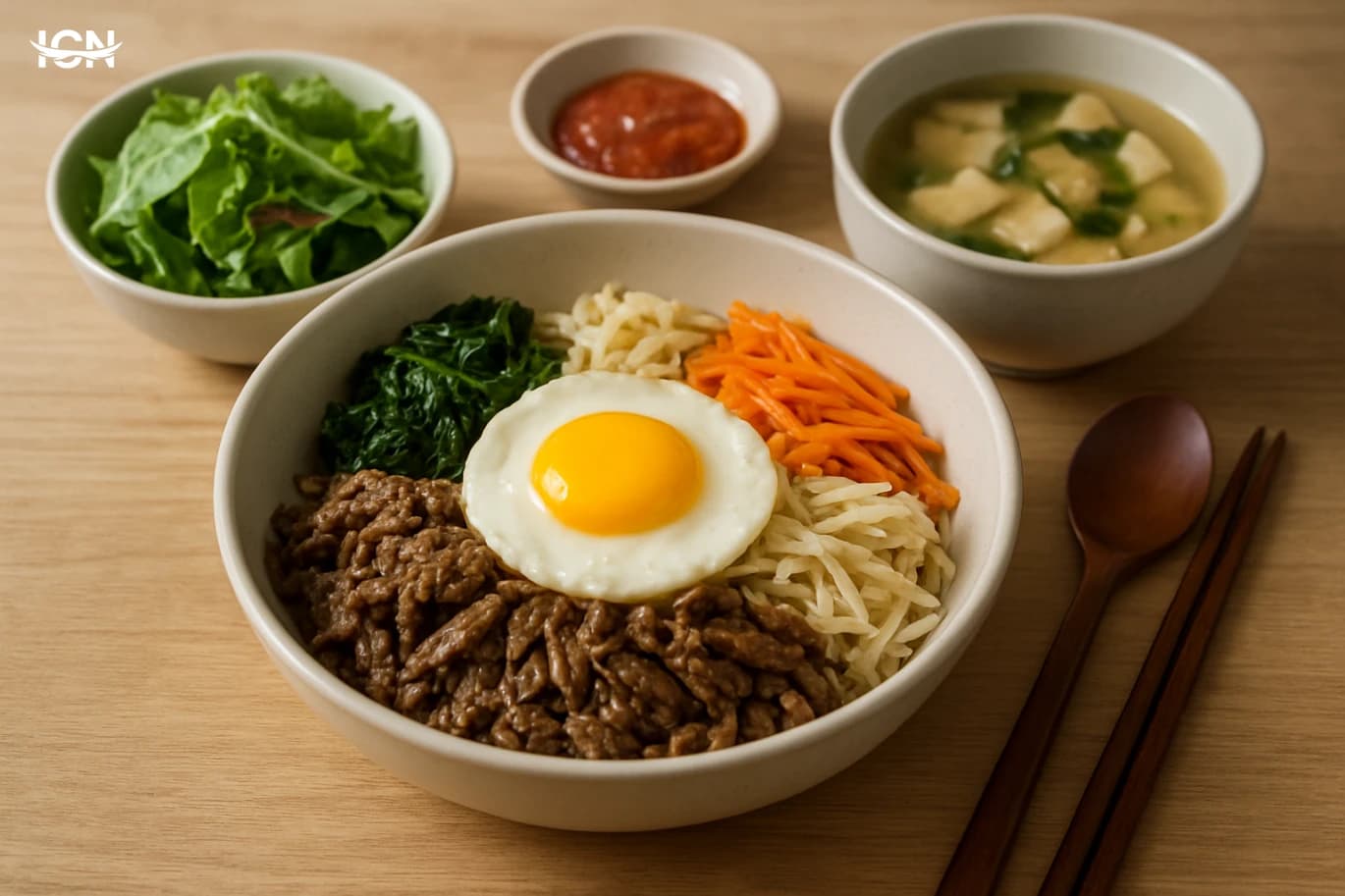
A realistic day does not need rare ingredients. The goal is consistency and balanced meals. Breakfast can be a small bowl of rice porridge (juk) made with vegetables and a bit of shredded chicken or tofu, plus a side of kimchi if tolerated. If you prefer a faster option, a boiled egg, fruit, and a small serving of plain yogurt can still fit the pattern. For lunch, try a bibimbap-style bowl built for weight loss: start with a base of mixed greens and steamed vegetables, add a palm-sized portion of protein (tofu, fish, or chicken), and keep rice to a measured amount. Use gochujang (chili paste) sparingly because some brands contain added sugar; mixing a teaspoon with vinegar and a little sesame oil can stretch flavor without overdoing calories. Dinner can be a vegetable-forward stew or soup with protein, such as doenjang-jjigae with tofu and zucchini, served with a small rice portion and two or three vegetable sides. If you eat out, choose grilled items, soups, and vegetable sides, and ask for sauces on the side. Hydration matters too: prioritize water or unsweetened tea, and limit sweetened drinks that can quietly add hundreds of calories per day.
Fermented Foods, Sodium, and Bloating
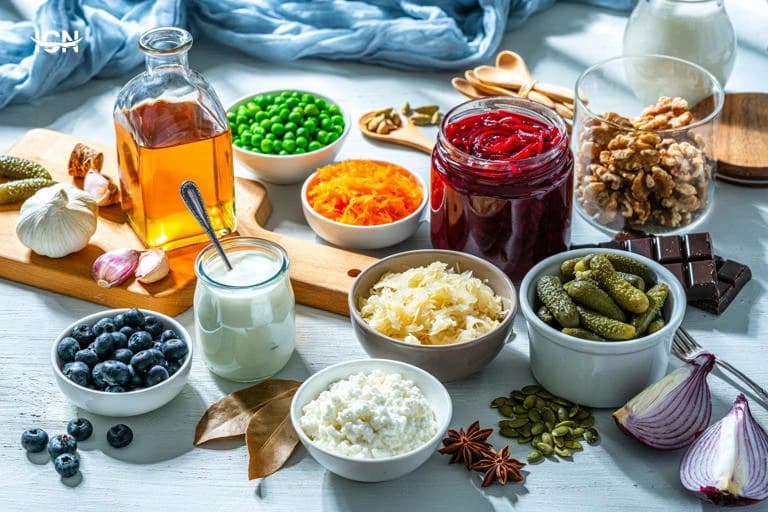
Fermented foods are a signature of Korean cuisine. Kimchi, fermented soybean products, and pickled vegetables can add taste and variety, and they may help some people maintain regular meals because flavors are strong and satisfying. Still, fermentation in this context often comes with high sodium. If you are trying to lose weight, excess sodium can cause temporary water retention that looks like stalled progress on the scale. To manage this, keep kimchi portions moderate (for example, a small side serving rather than unlimited refills), balance it with fresh vegetables, and choose soups with lighter broths when possible. If you cook at home, rinse very salty kimchi briefly or buy lower-sodium versions, and taste before adding extra salt or soy sauce. Also pay attention to packaged items such as instant noodles, ready-made sauces, and processed fish cakes, which can be high in sodium and calories. If you experience frequent bloating, reduce very spicy and very salty items for a week and track how you feel. Weight loss should be evaluated over several weeks using trends, not day-to-day changes that can be driven by water balance.
Common Mistakes and How to Avoid Them
One common mistake is assuming that any Korean food automatically supports weight loss. Dishes that are deep-fried, coated in sweet sauces, or served with large portions of rice can exceed your calorie target quickly. Another issue is treating side dishes as “free.” Many banchan are vegetable-based, but some are cooked with sugar, sesame oil, or mayonnaise-style dressings. A second mistake is skipping protein. If meals become mostly rice, noodles, and vegetables, hunger can rebound and lead to overeating later. Aim to include a clear protein source at each main meal. A third mistake is relying on “detox” claims around fermented foods or teas. Weight loss still depends on overall calorie intake, food quality, and consistency. To avoid these pitfalls, plan meals with measured rice portions, prioritize grilled or boiled cooking methods, and keep sauces minimal. When dining out, share calorie-dense items, start with soup or salad-like sides, and stop eating when comfortably satisfied rather than finishing everything by default.
Who It Fits, Safety Notes, and Next Steps
A Korean-style approach can fit many people because it is flexible and can be adapted to different budgets and cooking skills. It often works well for those who like savory flavors, enjoy vegetables, and prefer structured meals. It can also be adapted for vegetarian eating by emphasizing tofu, eggs, legumes, and vegetable sides. Safety and comfort matter. If you have high blood pressure, kidney concerns, or you are sensitive to sodium, you may need to limit salty soups, kimchi, and sauces and focus more on fresh vegetables and home-cooked meals. If you have digestive sensitivity to spicy foods, choose milder banchan and use chili pastes in small amounts. For sustainable weight loss, set a realistic target such as 0.25–0.75 kg per week depending on your starting point, and track progress using weekly averages, waist measurements, and how your clothes fit. Next steps: pick two or three core meals you can repeat, stock your kitchen with vegetables, a protein you like, and a grain option, and plan one restaurant meal per week with a clear strategy. Consistency over several months matters more than perfect adherence for a few days.