Safe Eating on the Go
- Why travel increases food poisoning risk
- Choosing safer places to eat
- Smart packing for snacks and meals
- Water, ice, and drinks
- Hand hygiene and simple habits
- If you feel unwell during the trip
Why travel increases food poisoning risk
Travel changes your routine in ways that make food safety harder to control. You may eat at unfamiliar places, rely on street vendors, or keep snacks in a warm bag for hours. Long drives, flight delays, and busy sightseeing often mean meals are rushed and hands are not washed as often as usual. In many destinations, the climate is hotter or more humid than what your body is used to, and that speeds up bacterial growth in foods left at room temperature. Another factor is limited access to clean water and proper refrigeration. A hotel mini-fridge may not be cold enough, and a cooler bag without ice packs warms up quickly. Even in modern airports and stations, food may sit in display cases for extended periods. These small details matter because common foodborne germs multiply fast in the “danger zone” between about 5°C and 60°C. The goal while traveling is not to avoid all outside food, but to make simple choices that reduce exposure and keep meals within safe temperatures.
Choosing safer places to eat
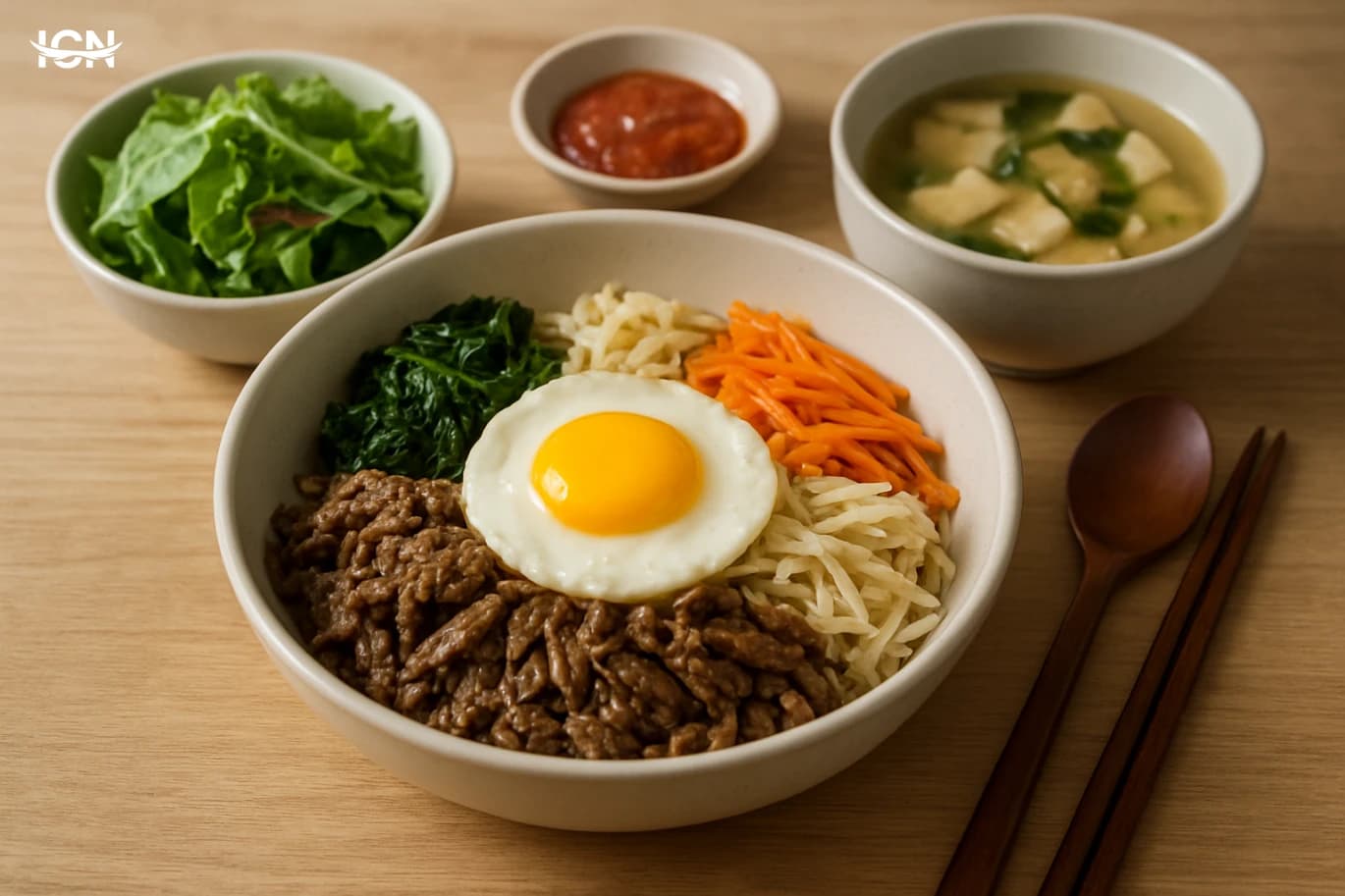
When you are hungry on the road, the safest option is usually a place with high turnover, where food is cooked and served quickly. Busy restaurants and cafés often replace ingredients more frequently, and hot dishes are more likely to be kept hot. Look for signs of basic hygiene: clean tables, staff handling money separately from food when possible, and a general sense of order in the kitchen area if it is visible. Be cautious with buffets and open displays, especially in warm environments. Food that should be hot must be steaming or clearly kept on a heat source, and cold items should be on ice or in a chilled unit. If you cannot tell how long something has been sitting out, choose a freshly cooked item instead. For street food, focus on vendors who cook to order, use high heat, and serve the food immediately. Avoid sauces or toppings that sit in open containers all day. If you have dietary restrictions or allergies, ask clear questions and keep it simple. The more complex the dish, the more steps and handling it involves. A grilled item with a side you can identify is often safer than a mixed dish that has been sitting. When in doubt, pick sealed packaged foods from reputable brands, and check that the packaging is intact.
Smart packing for snacks and meals
Packing your own snacks reduces risk and saves time, but only if you pack items that tolerate travel conditions. Choose foods that are stable at room temperature: whole fruits you can wash or peel (bananas, oranges), unsalted nuts, roasted chickpeas, crackers, and single-serve nut butter packs. For longer trips, consider shelf-stable milk or protein drinks that do not require refrigeration until opened. If you want to carry perishable foods like sandwiches, yogurt, cheese, or cut fruit, use an insulated bag with at least two ice packs. Pack perishables last, keep the bag closed, and avoid leaving it in a hot car. A practical rule is to discard perishable items that have been unrefrigerated for more than two hours, or more than one hour if the environment is very hot. When you arrive, move food to a reliable fridge as soon as possible. Use clean containers and separate raw items from ready-to-eat foods. If you are packing a salad, keep dressing in a separate small container to reduce sogginess and limit handling. Bring a small pack of wipes or hand sanitizer for situations where soap and water are not available, and include a few disposable utensils to avoid using questionable shared cutlery. These small steps reduce the chances of contamination during a long day of travel.
Water, ice, and drinks
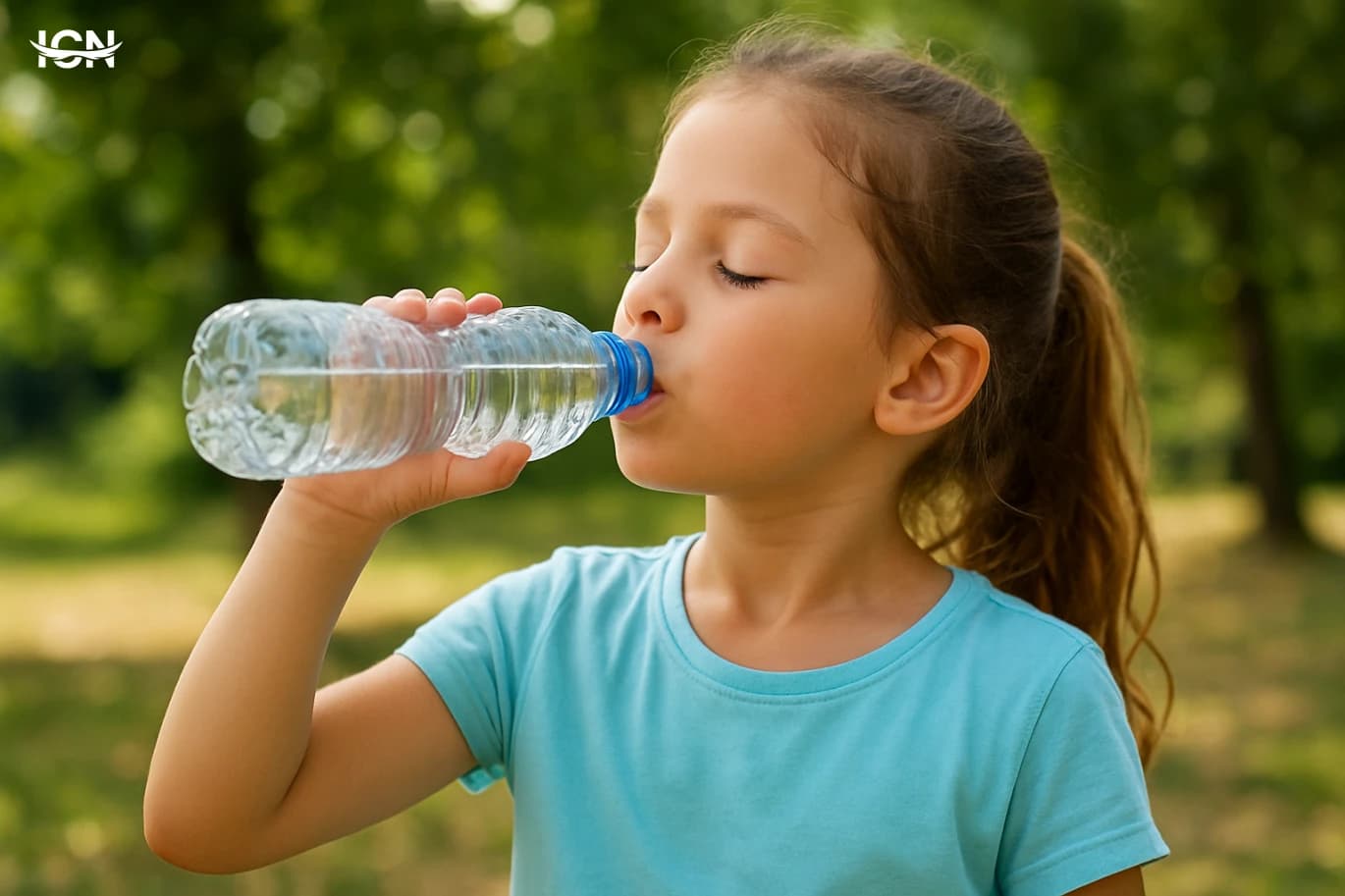
Safe hydration is part of food safety. In many places, tap water quality varies by neighborhood and season, and travelers may not know local advisories. When you are unsure, choose sealed bottled water from reputable sources and check that the cap is intact. For refilling, use trusted refill stations in airports, hotels, or well-maintained public facilities. Ice can be a hidden risk because it is often made from tap water. If you are uncertain about water safety, skip ice in drinks and avoid blended beverages made with unknown ice. Hot drinks such as tea or coffee are generally safer when prepared with boiling water, but pay attention to cleanliness of cups and serving areas. For sports bottles and reusable cups, wash them daily with soap and safe water, and let them dry fully. A damp bottle kept in a warm bag can develop odors and microbial buildup. If you cannot wash properly, use single-use bottles for that day. Also be cautious with unpasteurized juices or drinks sold in open containers, especially in warm weather. Choose sealed, pasteurized options when available.
Hand hygiene and simple habits
Many cases of stomach upset during travel come from contaminated hands rather than a single “bad meal.” Airports, train stations, and tourist sites involve frequent contact with shared surfaces such as railings, screens, and door handles. Wash your hands with soap and water for at least 20 seconds before eating and after using the restroom. When soap and water are not available, use an alcohol-based sanitizer and let it dry fully. Avoid touching ready-to-eat foods with unwashed hands. Use utensils, napkins, or the food’s wrapper as a barrier. If you are sharing snacks with family or friends, pour items into a clean hand rather than letting everyone reach into the same bag. For children, keep wipes accessible and clean their hands before snacks, especially after playgrounds or public transport. Also pay attention to small choices that reduce exposure: avoid tasting food with the same spoon used for stirring, do not place cooked food back on a plate that held raw items, and keep your phone off the table when possible. These habits are easy to follow and reduce the chance of transferring germs to your meal.
If you feel unwell during the trip
Even with good precautions, stomach issues can happen. If you develop nausea, vomiting, diarrhea, or stomach cramps, focus first on hydration. Sip safe fluids frequently, and consider oral rehydration solutions if diarrhea is significant, especially in hot climates. Rest when possible and avoid heavy, greasy meals; choose simple foods you tolerate, such as plain rice, toast, or bananas. Know when to seek medical help. Get professional advice promptly if symptoms are severe, if you cannot keep fluids down, if there is persistent high fever, or if symptoms last more than a couple of days. Travelers with chronic conditions, older adults, and young children should be more cautious because dehydration can develop faster. Keep a list of local emergency numbers and the nearest clinic or hospital at your destination. For prevention on future days, review what you ate and how it was stored. Replace ice packs, adjust your snack choices, and prioritize freshly cooked meals. A small travel kit can help: hand sanitizer, wipes, a thermometer for checking cooler temperature if you use one, and a few packets of oral rehydration salts. These practical steps support safer travel without turning meals into a constant worry.