Smart Summer Hydration for Kids
- Why summer dehydration hits kids faster
- Early signs parents can spot at home
- Smart hydration routines that actually work
- Electrolytes, ORS, and when water isn’t enough
- Heat-proof planning for outings and school breaks
- Common mistakes and safer alternatives
Why summer dehydration hits kids faster
Children lose water faster than adults in hot weather because their bodies heat up quickly and they often keep playing without noticing thirst. A child’s sweat response and body surface area make fluid loss more significant relative to their size, especially during outdoor activities, sports camps, or long car rides. Air-conditioned spaces can also contribute by drying the air and reducing the natural reminder to drink, while salty snacks and sugary treats increase the need for fluids. Dehydration in summer is not only about water. When kids sweat, they lose electrolytes such as sodium and potassium that help the body maintain fluid balance. If a child replaces sweat losses with only small sips of water or waits until they feel very thirsty, they may already be behind. The risk rises during heat waves, when schedules change, and when families travel and routines get disrupted. The practical takeaway for parents is to treat hydration as a planned routine, not a reaction to thirst.
Early signs parents can spot at home
The most useful signs are the simple ones you can check without tools. Dark yellow urine, fewer bathroom trips, dry lips, and a sticky mouth are common early indicators. Some children become unusually tired, irritable, or less interested in play. Headache complaints, dizziness when standing up, and muscle cramps after activity can also signal that fluids and electrolytes are running low. A practical home check is to watch the pattern, not a single moment. If a child has not urinated for several hours, or if urine stays consistently dark despite drinking, it is a warning. Another clue is how quickly they recover after a break: a well-hydrated child usually bounces back after rest and a drink, while dehydration tends to linger. Parents should also pay attention after vomiting or diarrhea, which can rapidly deplete fluids in summer. Seek medical advice promptly if a child is very sleepy, confused, unable to keep fluids down, has no urination for a long stretch, or shows signs of worsening. The goal is to act early, before dehydration becomes severe.
Smart hydration routines that actually work
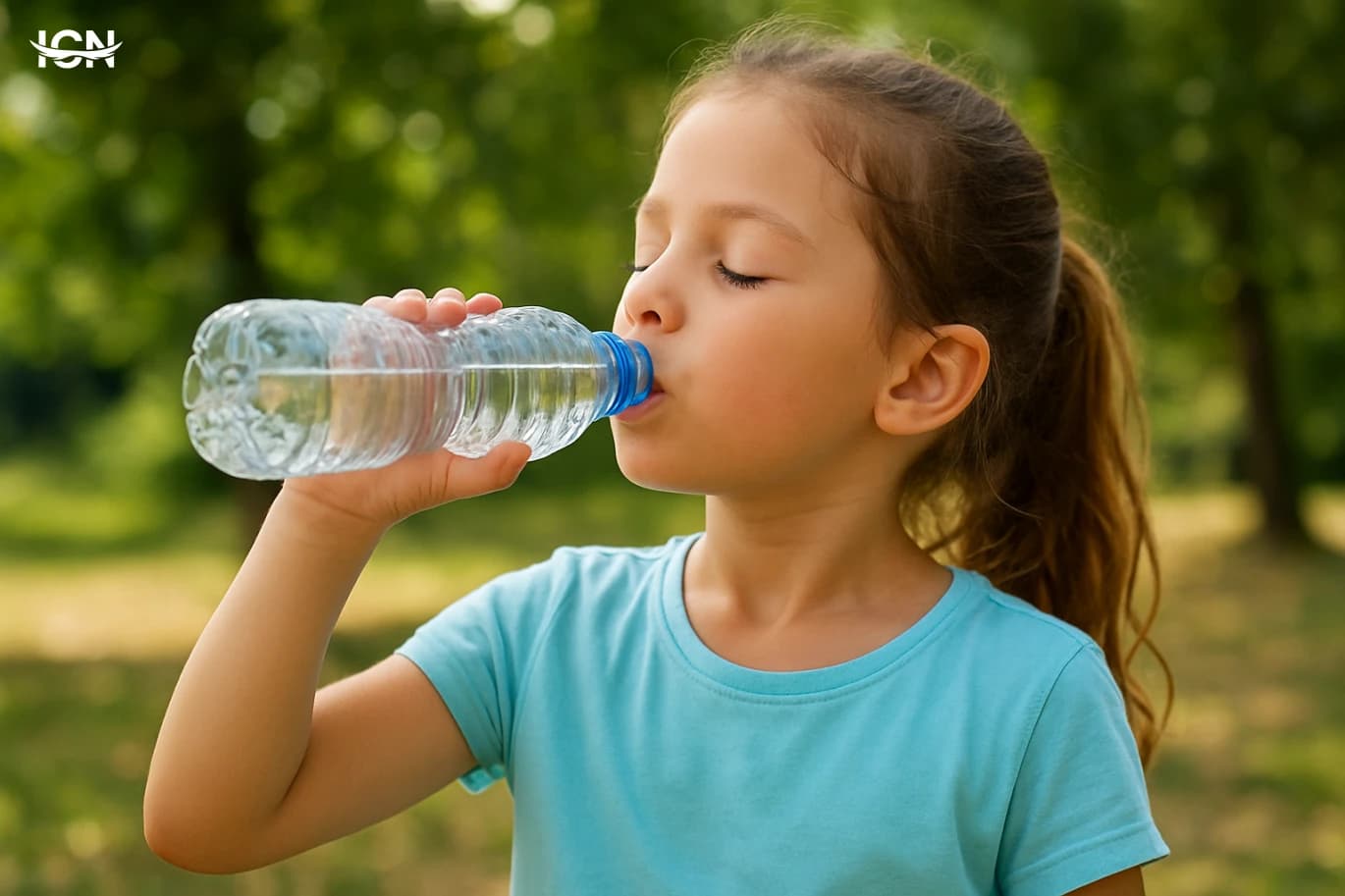
A smart routine is built around timing, access, and small targets. Instead of telling a child to “drink more,” set predictable moments: after waking up, with each meal, before leaving the house, at every break during play, and right after returning. For many families, a simple rule works well: a few good sips every 20–30 minutes during active outdoor time, plus a full cup with meals. The exact amount varies by age and activity, but consistency is what prevents falling behind. Make water easy to reach. Keep a labeled bottle within sight, and use a straw lid for younger kids who drink more when it is effortless. Cold water can be more appealing in heat, but avoid over-iced drinks that some children refuse. Add natural flavor without turning it into a dessert: slices of cucumber, orange, or mint can improve acceptance without adding sugar. Use food as hydration support. Water-rich options such as watermelon, oranges, strawberries, cucumbers, tomatoes, yogurt, and soups contribute meaningful fluids. For picky eaters, offer a “hydration plate” mid-afternoon: fruit plus yogurt or a small sandwich, paired with water. Be careful with drinks that undermine hydration. Sugary juices and sodas can increase thirst and add unnecessary calories. Sports drinks are usually not needed for casual play; they may be considered for prolonged intense activity in high heat, but parents should choose lower-sugar options and use them strategically rather than routinely.
Electrolytes, ORS, and when water isn’t enough
Water is the first choice for most summer days, but there are situations where electrolytes matter. If a child has been sweating heavily for a long period, or has vomiting or diarrhea, the body may lose sodium and other minerals along with water. In these cases, oral rehydration solution (ORS) can be more effective than plain water because it is designed to improve absorption and restore balance. Parents should keep ORS at home during summer travel and heat waves. Use it according to the package instructions and offer small, frequent sips, especially if the stomach is sensitive. Avoid homemade mixes unless advised by a clinician, because incorrect ratios can be unsafe. Also avoid using soda, energy drinks, or undiluted juice as a replacement; they can worsen stomach upset and do not provide the right electrolyte balance. A practical guideline: for routine play and normal meals, water plus water-rich foods is enough. Consider ORS when there is clear fluid loss from illness, when a child cannot keep up with drinking, or when symptoms like persistent fatigue and cramps appear after heavy sweating. If symptoms are significant or the child is very young, consult a healthcare professional promptly.
Heat-proof planning for outings and school breaks
Hydration succeeds when it is built into the day’s logistics. For outings, pack a “hydration kit”: two bottles per child (one water, one backup), a small ORS pack, salty crackers or nuts if age-appropriate, and water-rich snacks. Set a timer on a phone or watch for drink breaks, especially at beaches, parks, and amusement areas where kids get distracted. Clothing and schedule choices reduce fluid loss. Light-colored, breathable fabrics and a hat lower heat load. Plan active play for early morning or late afternoon, and use shaded breaks every 30–45 minutes. In cars, keep water within reach and offer drinks before the child asks; many kids do not request water until they are already uncomfortable. For school breaks and camps, align with caregivers. Ask what the drink policy is, whether bottles are allowed, and where refill stations are located. Teach children a simple self-check: “If your mouth feels dry or your pee is dark, drink water now.” This kind of practical cue is easier for kids to remember than abstract health advice.
Common mistakes and safer alternatives
One common mistake is relying on thirst alone. By the time a child is asking repeatedly for a drink, they may already be mildly dehydrated. Another is offering large amounts at once after long play; this can cause stomach discomfort and does not rebuild hydration as effectively as steady intake. Parents also sometimes overuse sweet drinks to “get fluids in.” A better approach is to keep water as the default and use flavor only as a light nudge. If a child refuses plain water, try a colder temperature, a different bottle, or a small amount of natural flavor. For children who sweat a lot, pair water with a snack that contains some salt, rather than jumping straight to high-sugar sports drinks. Finally, do not ignore the role of sleep and indoor air. Late bedtimes, long screen sessions, and dry air can reduce drinking and increase headaches that are mistaken for other issues. A simple evening routine helps: water with dinner, a small glass an hour before bed, and a bottle by the bedside for older kids. These small steps reduce morning dehydration and make the next hot day easier to manage.