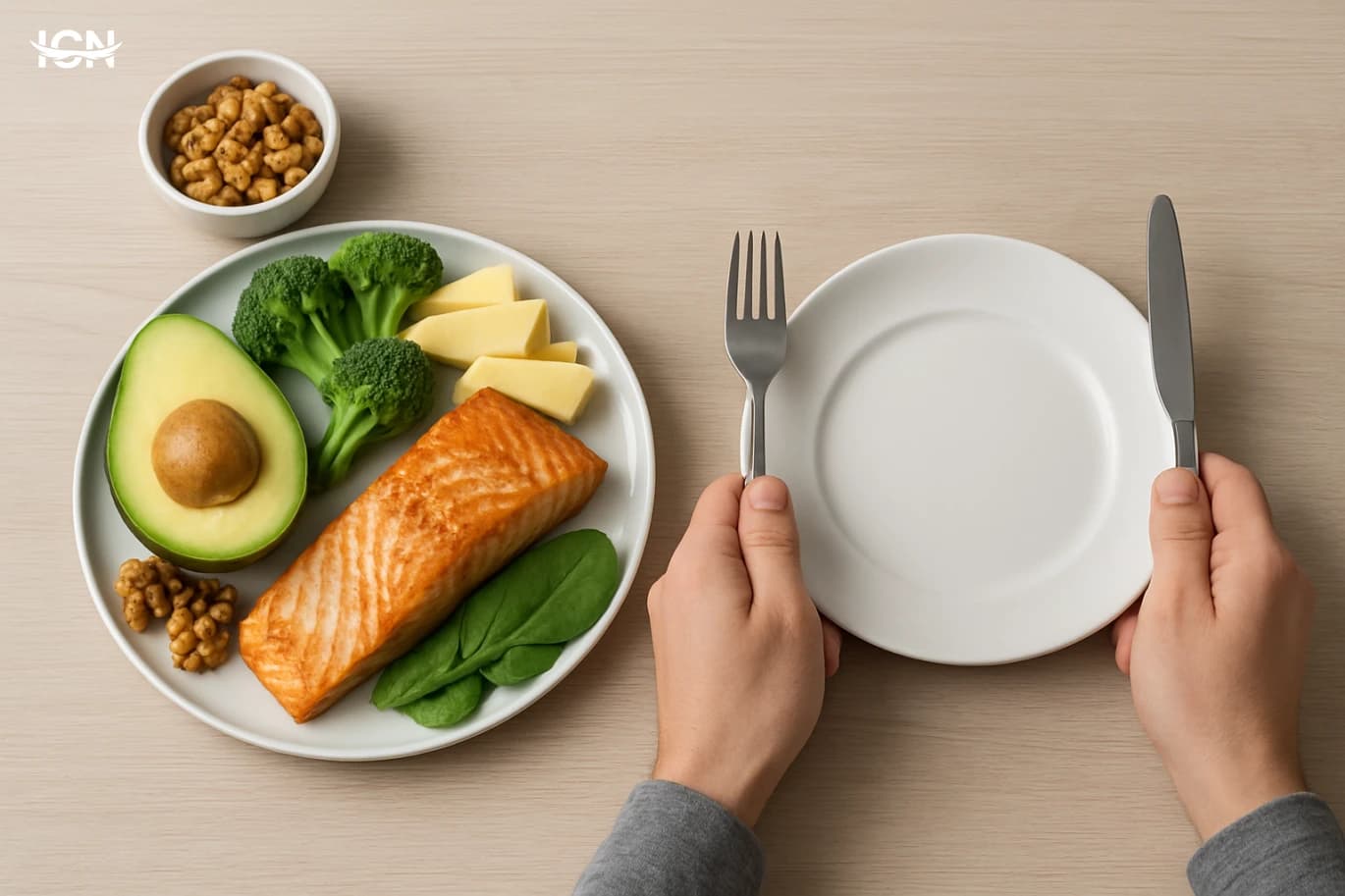
Healthy food in Ramadan

الغذاء الصحي في رمضان
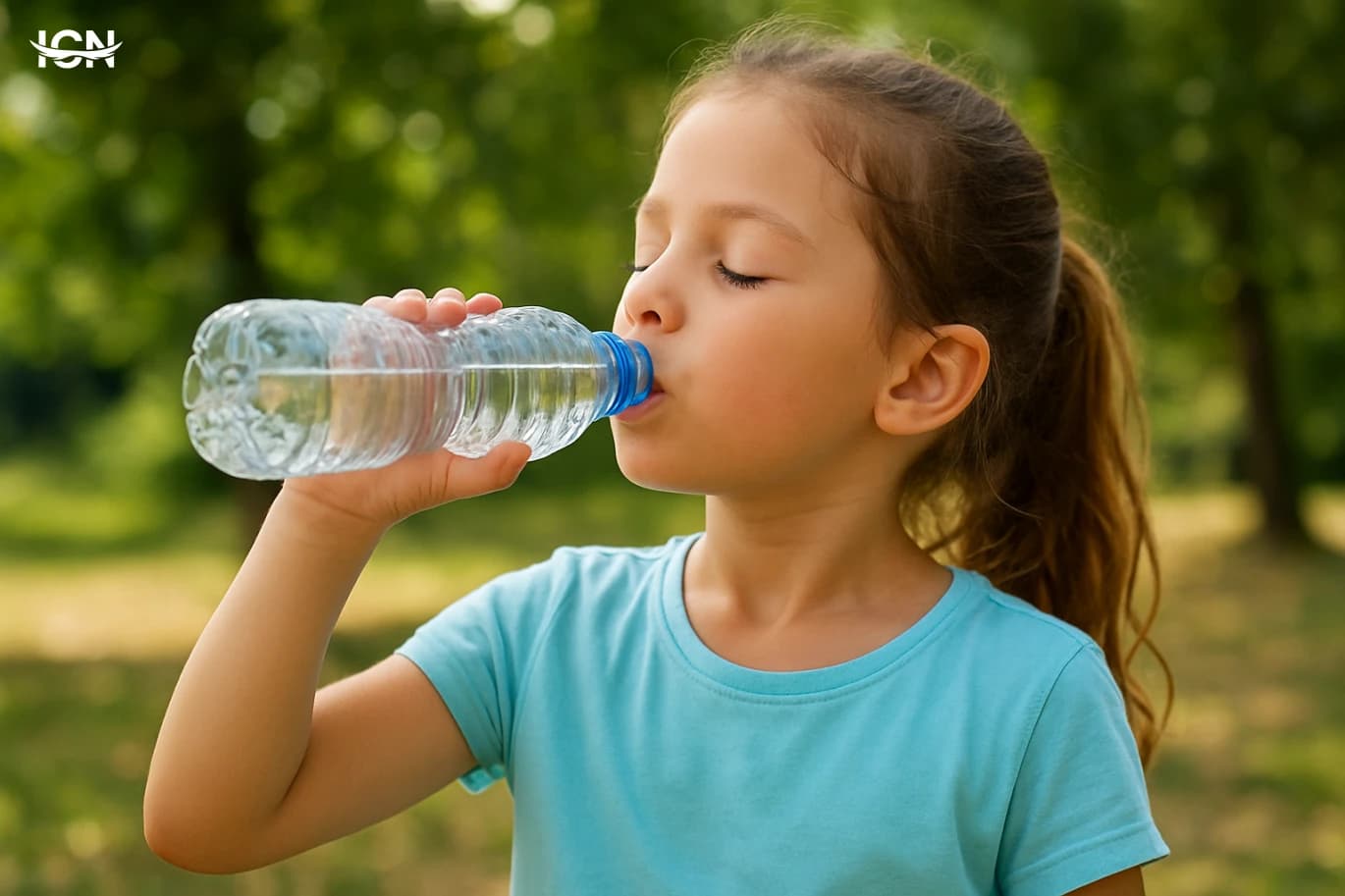
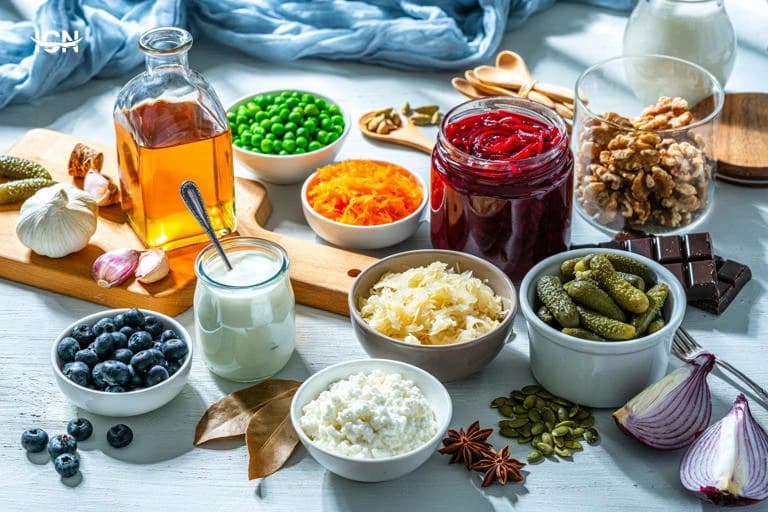
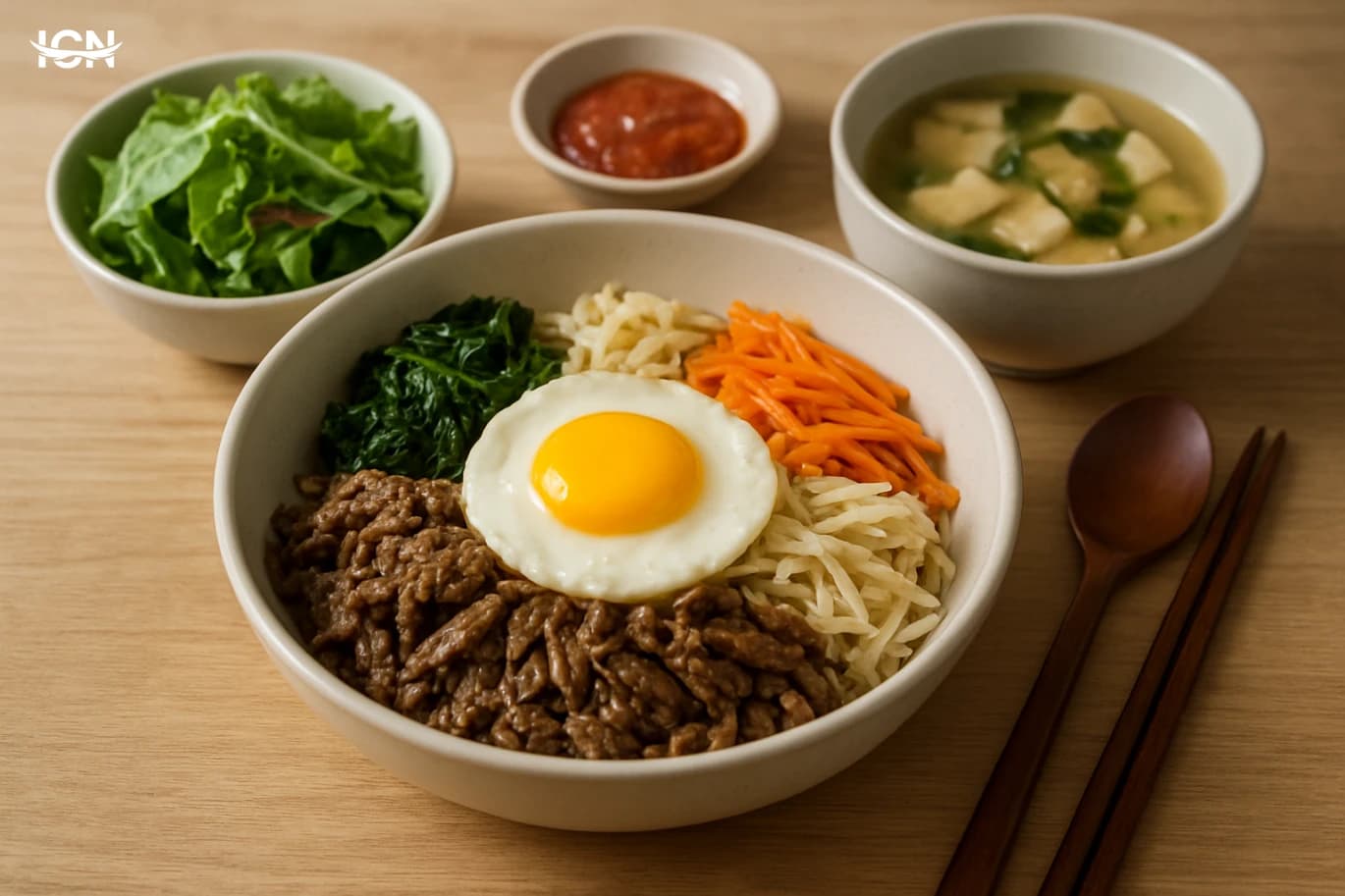
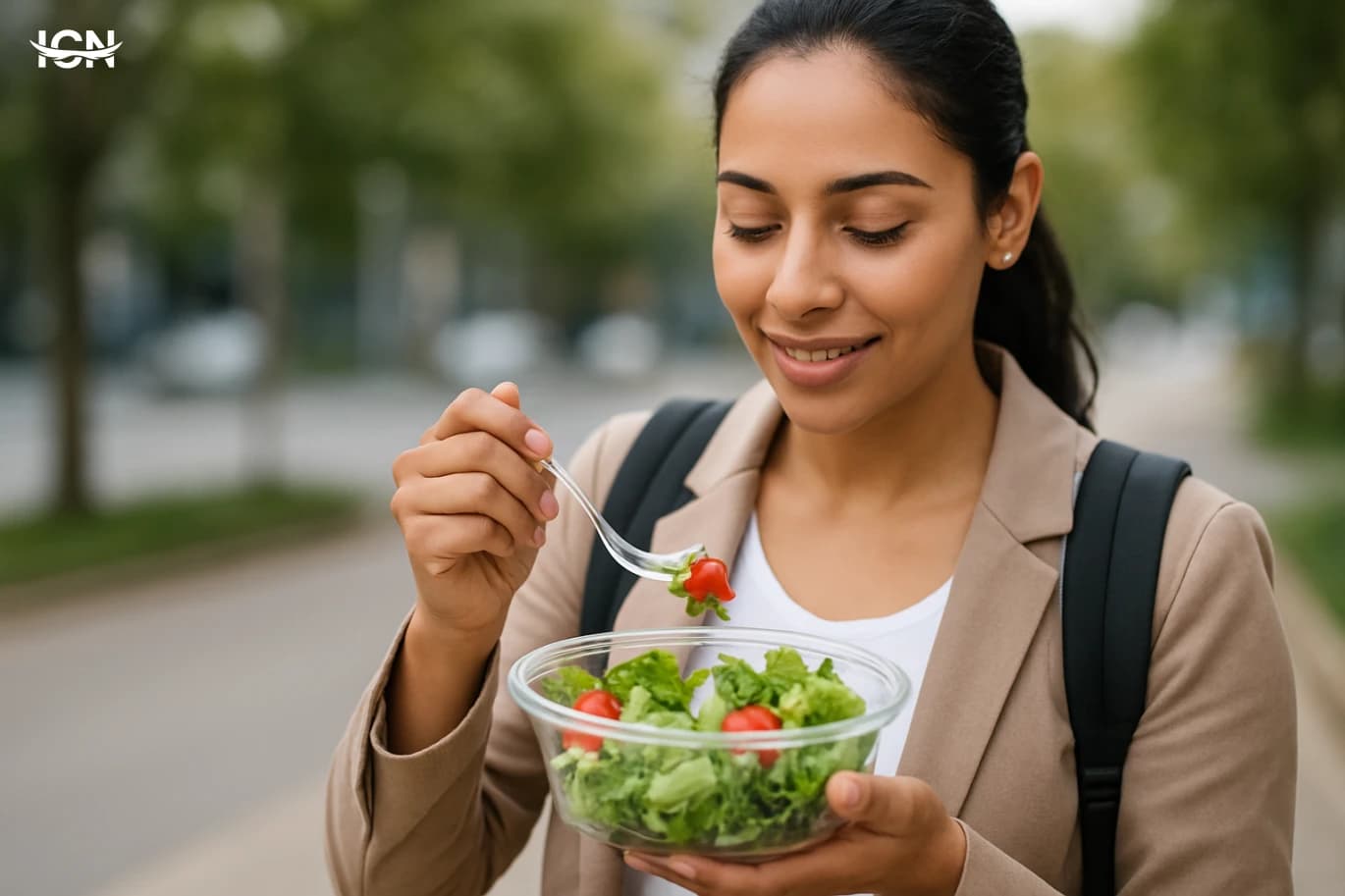
Suhoor: Whole grains: such as oatmeal or brown bread, because they contain fiber that helps you feel full for longer. Proteins: such as eggs or low-fat cheese, because they provide the body with the protein needed for energy. Vegetables and fruits: contain vitamins and minerals that help maintain hydration and provide energy. Fluids: Drink enough water to avoid dehydration. Iftar: Dates: Dates are a good source of energy because they are rich in natural sugars and minerals. Soups: Especially light soups, such as lentil or chicken soup, which contain protein and help with hydration. Salads: Fresh vegetables provide fiber and vitamins. Natural drinks: such as orange juice or tamarind, which contain vitamin C and help replenish fluids. Main meals: Proteins: such as chicken, fish, or meat, grilled or cooked in a healthy way. Complex carbohydrates: such as brown rice, bulgur, or sweet potatoes, which provide sustained energy. Healthy fats: such as olive oil or avocado, because they aid in the proper absorption of vitamins. Avoid: Fried foods: Try to avoid fried foods like samosas or French fries, which contain unhealthy fats. High-sugar foods: Try to eat them in moderation, such as Ramadan sweets. Drink water: It's important to drink enough water between iftar and suhoor to avoid dehydration throughout the day. By following these tips, you can maintain good health throughout Ramadan and boost your energy levels.