App Logo

Download Our App

Shop your way

logologo
Image

wedding anniversary wishes

02/10/2025By: ICN
wedding anniversary wishes

introduction

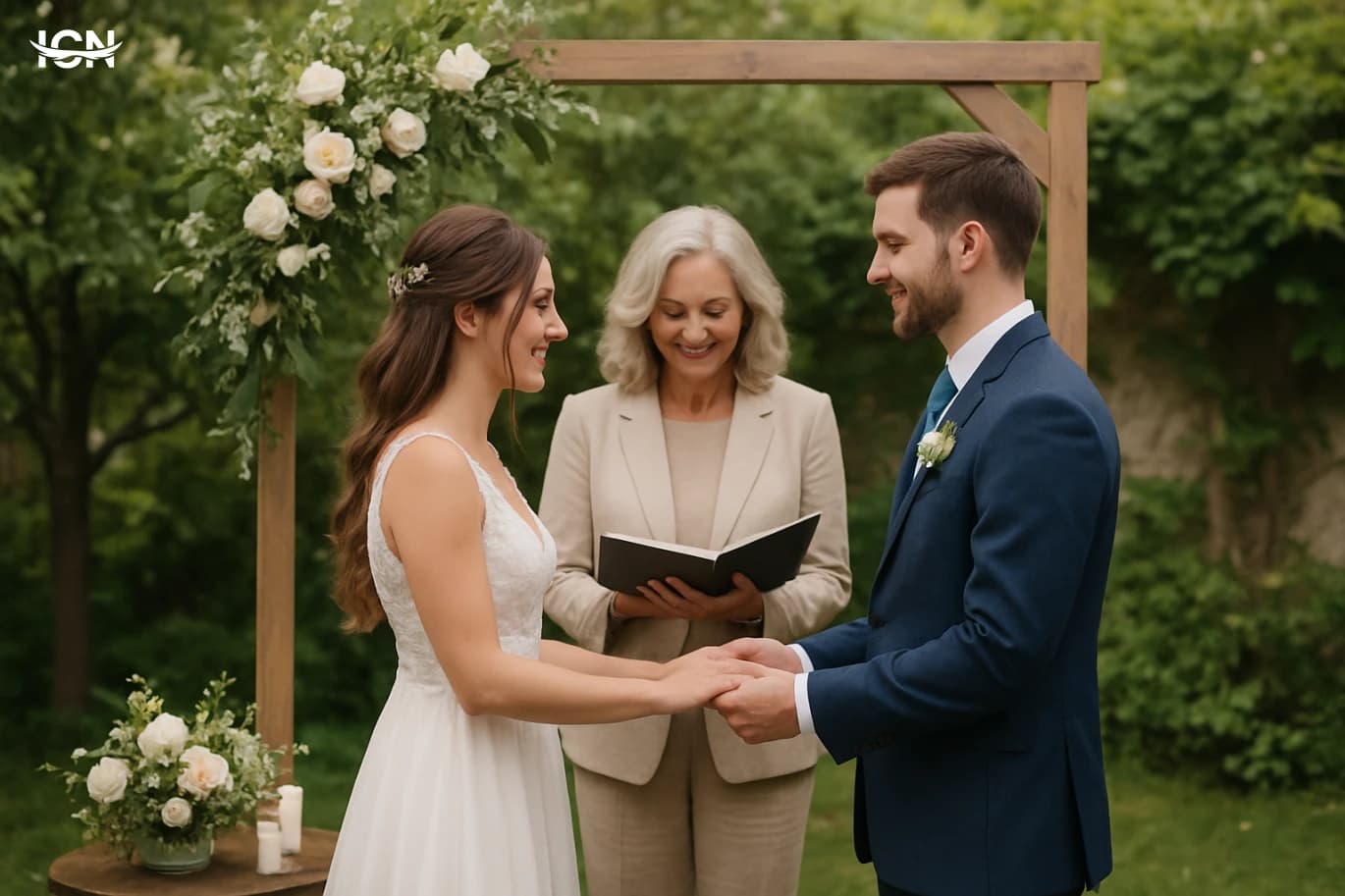
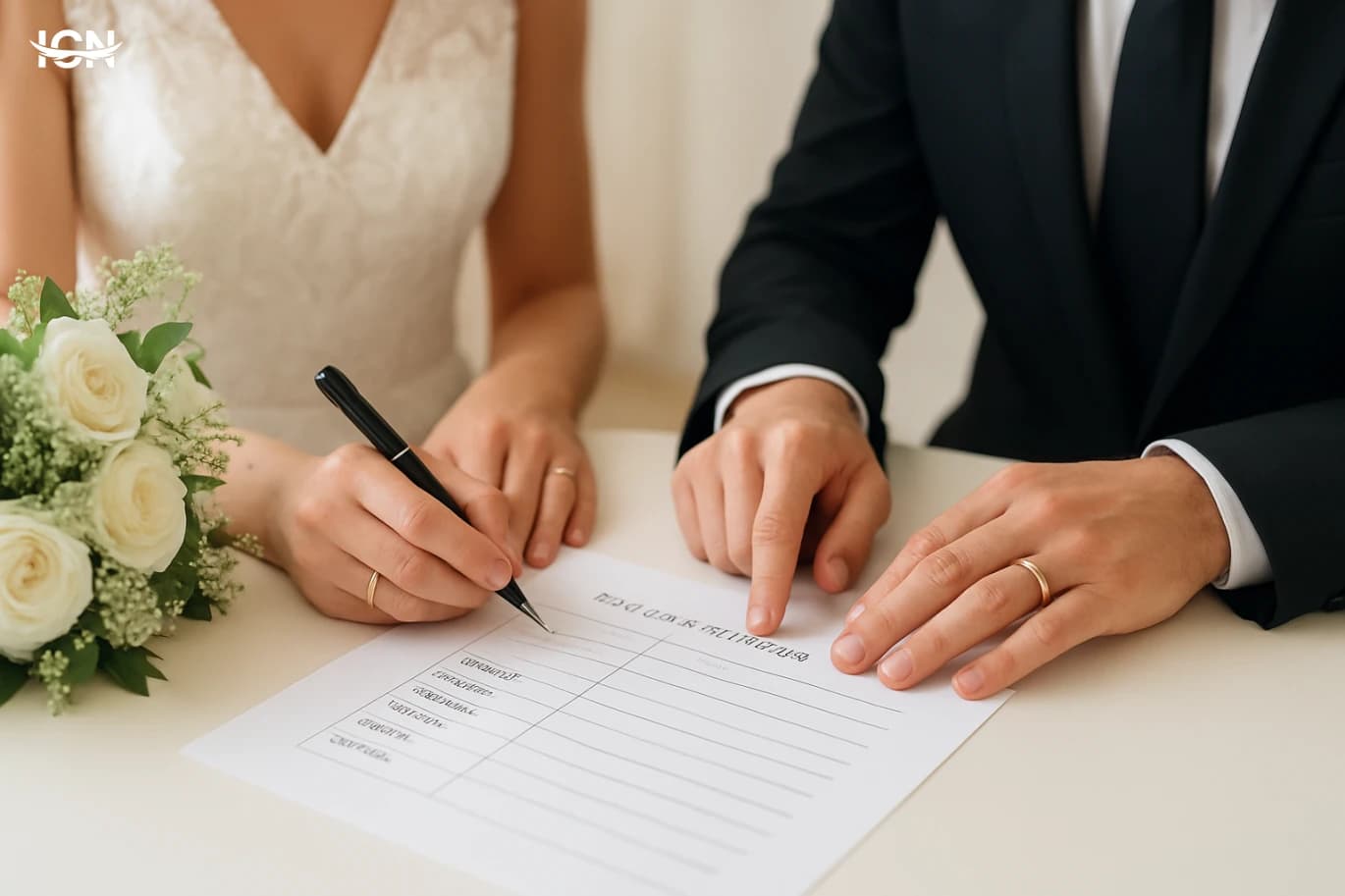
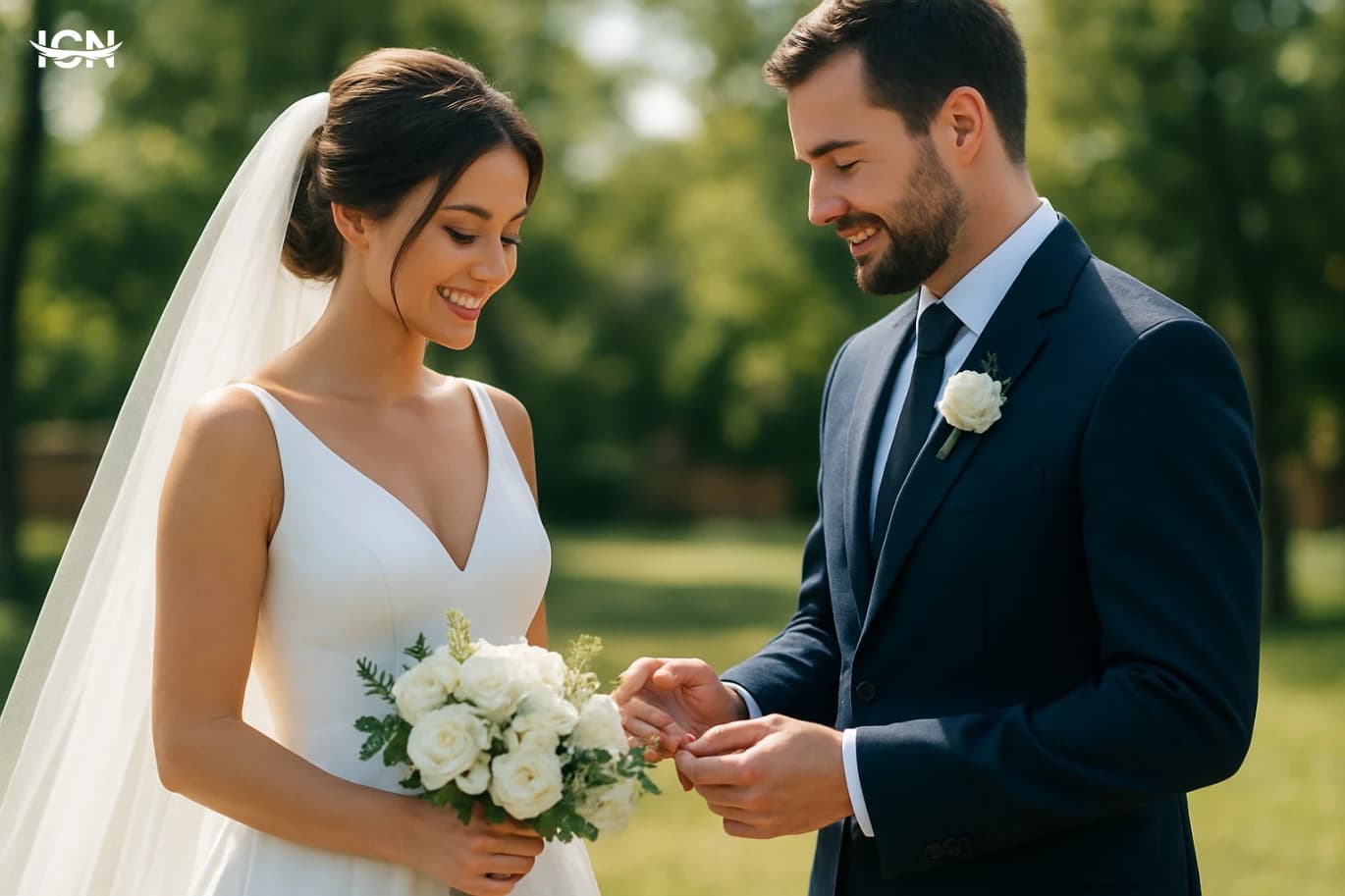
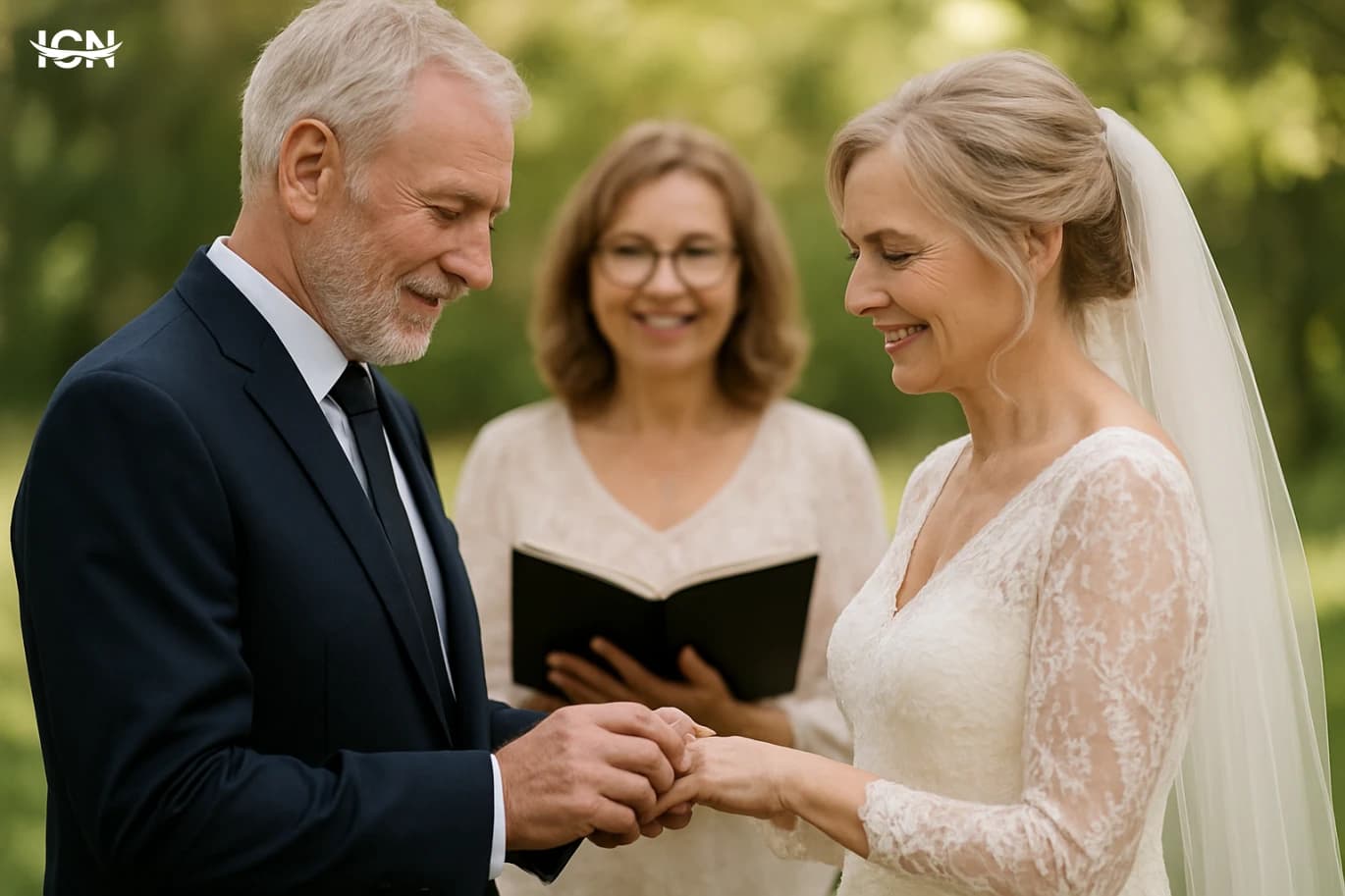
The importance of congratulating marriage is congratulations on the occasion of marriage as a symbol of joy and celebration of love between the spouses. This congratulations reflects the feelings of friends and family, and contribute to enhancing social ties. In addition, giving congratulations is the embodiment of the recognition of happy moments in the lives of others. The date of celebration of the anniversary of the anniversary of the wedding celebration is due to old ages, where it was believed that marriage represented a holy union. Over time, the celebration of the annual memories evolved into a tradition celebrated by husbands to revive their ties. Today, the celebration of this day is a distinctive occasion to express love and gratitude to the other party.

Ideas for congratulatory messages on the occasion of marriage

Expressive congratulatory messages, expressive messages are among the most beautiful ways to congratulate the couple. It can contain honest words that express joy and gratitude, such as: "I wish you a life full of love and happiness" or "Blessed are you with a new beginning and a life full of blessing." The use of hair in the greeting messages hair is a great way to transmit feelings. Some poetic verses can be, for example: "Your voice is comfortable, your enough is guaranteed, your marriage is joy, and your life is a blog." Such words give a special beauty to congratulations, and make them unique.

How to write a special congratulatory message

The ingenuity in choosing words when writing a congratulatory message, words should be carefully selected to reflect positive feelings. Exports such as "I am pleased with your marriage news" or "I hope that love will fill your life." In addition to personal touches of presenting personal touches, such as mentioning beautiful memories between the spouses or their special wishes for them helps to make the message deeper and meaningful. It is important for the couple to feel that the message is from the heart, which enhances happy feelings on this happy occasion.

The best phrases and sayings to congratulate the marriage

Romantic phrases are romantic phrases as one of the most beautiful means of congratulations to the couple on their wedding day. Phrases such as "Your love is the most beautiful story written in your life" or "I hope that your life is full of love and happiness." These phrases reflect deep feelings and add a beautiful touch to the message. Inspiring words of inspiring words play an important role in congratulating the wedding. It can be said, "Let your marriage be the beginning of a trip full of successes and familiarity" or "always remember that love is the basis of happiness and success." These phrases contribute to enhancing the positive spirit and the spouses want to build a bright future together.

Using pictures and cards to congratulate the marriage

The anniversary cards designs are a great source of greeting cards. Romantic or inspiring phrases can be designed, with the addition of beautiful artistic touches. These cards allow the sender to express his congratulations in a unique way, and make the memory more distinctive. The participation of family photos in congratulation The family photos are an impressive way to congratulate the marriage, as the happy moments and beautiful situations that the family went through can be shared. These images help enhance family ties, and the spouses remember the importance of the family in their lives. By collecting these memories, a personal touch can be congratulated and enhanced the beautiful moments that the couple will go together.
* All articles published on this blog are sourced from various websites and are provided for informational purposes only. They should not be considered as confirmed studies or accurate information. Please verify the information independently before relying on it.

Similar ARTICLES

A Practical Timeline for a Two-Day Wedding
A two-day wedding is not about making the event bigger; it is about making it smoother. Splitting key moments across two days reduces schedule pressure, gives guests clearer expectations, and helps couples avoid the common problem of rushing through meaningful parts of the celebration. It also creates space for different types of gatherings: a more intimate welcome event and a more formal main ceremony and reception. This format is especially effective when guests are traveling, when families want time for introductions, or when cultural traditions require multiple gatherings. Instead of forcing everything into one long day, you can design two shorter, well-paced experiences. The result is often better attendance at each part, fewer delays, and a calmer couple who can actually be present. From a planning perspective, two days can improve vendor performance because load-in, sound checks, and styling can be distributed. It also helps with weather risk if one part is outdoors, because you can keep the most essential moments in the most controlled setting. The key is to treat the two days as one story with two chapters, not two separate events competing for attention.
A Practical Guide to Micro Weddings
Micro weddings are no longer a niche choice; they have become a mainstream format for couples who want a focused, well-run celebration. In most cases, the guest list ranges from about 10 to 50 people, which changes everything: venue options expand, timelines become easier to control, and the couple can spend more per guest on food, comfort, and details that actually matter. A smaller event also reduces the number of decisions that typically cause delays, such as complex seating plans, multiple transportation routes, and large-scale décor installations. This format is especially appealing to couples who value meaningful time with guests. With fewer tables to visit and fewer formalities to manage, the couple can host rather than perform. Micro weddings also work well for city venues, private dining rooms, boutique hotels, galleries, gardens, and family properties where a large crowd would be impractical. The result can feel more personal while still maintaining the structure and polish of a traditional wedding day.
A Practical Guide to Micro Weddings
Micro weddings—typically 10 to 50 guests—are becoming a deliberate choice rather than a compromise. Couples are using smaller guest lists to prioritize meaningful time with attendees, reduce logistical pressure, and redirect budgets toward higher-quality food, photography, or a more comfortable venue. The format also supports flexible scheduling, including weekday ceremonies or short lead times, which can be helpful when venues are booked months in advance. This approach is not the same as an elopement. A micro wedding still includes the core elements of a traditional celebration—ceremony, vows, and hosted hospitality—just scaled down. The smaller size makes it easier to personalize the experience, from handwritten place cards to curated music and a menu that reflects family heritage. For guests, micro weddings often feel more intimate because they can actually talk with the couple and spend time together without the rush of a large reception.
A Practical Guide to Micro Weddings
Micro weddings—typically 10 to 50 guests—are becoming a deliberate choice rather than a compromise. Couples are prioritizing meaningful time with the people who matter most, and the smaller format makes the day feel less like a production and more like a shared experience. It also reduces logistical pressure: fewer invitations, simpler seating plans, shorter timelines, and fewer moving parts that can go wrong. Budget clarity is another driver. With a smaller guest count, couples can redirect spending toward what they value: a better venue, higher-quality photography, a chef-led dinner, or live music. Micro weddings also fit modern schedules. Many couples want a ceremony and dinner that start on time, end at a reasonable hour, and leave space for travel or a next-day brunch. The format works well for city venues, boutique hotels, private dining rooms, and outdoor locations where capacity is limited but atmosphere is strong.
A Practical Timeline for a Smooth Wedding Weekend
A wedding weekend can feel effortless to guests while being tightly coordinated behind the scenes. A clear timeline reduces last‑minute decisions, prevents vendor overlap, and protects the couple’s time for photos, greetings, and rest. It also helps families understand where they are needed and when, which is especially important when multiple locations are involved. The goal is not to schedule every minute, but to set dependable anchors: arrival windows, setup blocks, ceremony start, meal service, and key transitions. When those anchors are shared early, vendors can plan staffing and transport, and guests can arrange travel without confusion. A strong timeline also improves the guest experience. People remember whether the ceremony started on time, whether they waited long for dinner, and whether transportation was clear. By mapping the weekend from check‑in to farewell brunch, you can spot pressure points such as hair and makeup running late, photo sessions overlapping with cocktail hour, or speeches extending into dancing time. This section sets the standard: a timeline is a service tool for everyone, not just a planning document.
A Practical Plan for a Meaningful Vow Renewal
A vow renewal is not a second wedding; it is a structured way to mark a milestone and document what your partnership looks like today. Many couples choose it after a major anniversary, a move, a career change, or simply when they want to pause and recognize the work behind the relationship. The value comes from clarity: you decide what you want to celebrate, who should be present, and what traditions still feel relevant. This also makes vow renewals flexible in scale, from a private exchange at home to a small gathering with close family and friends. Start by defining the purpose in one sentence, such as “We want to celebrate ten years with the people who supported us,” or “We want a calm ceremony that reflects our current values.” That sentence becomes a filter for every decision: venue, guest list, budget, and tone. It also prevents the event from turning into an expensive imitation of the original wedding. When the purpose is clear, the renewal feels intentional, not performative, and guests understand why they were invited.
Planning a Micro Wedding That Feels Grand
Micro weddings, typically 10–50 guests, have moved from a niche choice to a mainstream format. Couples cite clearer budgeting, less logistical stress, and the ability to prioritize what actually matters: time with the people closest to them. A smaller guest list also makes it easier to choose venues that would be impractical for 150 guests, such as boutique hotels, private dining rooms, galleries, or family homes with meaningful history. The shift is not only about cost. Many couples want a wedding day that feels personal rather than performative, with fewer obligations to “work the room” and more room for conversation. Micro weddings also allow for higher-quality experiences per guest, such as a chef-led dinner, curated wine pairings, or a live musician for an intimate set. The key is to treat the smaller scale as a design advantage, not a compromise, and to plan the day with the same discipline as any larger event.
Planning a Meaningful Second Wedding
A second wedding often carries a different set of expectations than a first. Many couples want a celebration that reflects what they have learned about partnership, family dynamics, and priorities. The focus tends to shift from “doing it right” to “doing it honestly,” with fewer traditions followed automatically and more choices made intentionally. Practical factors also change the planning. Guests may include children from previous relationships, blended families, or long-established friend groups who have already attended one wedding. Some couples prefer a smaller event to avoid comparisons or to keep the day centered on the relationship rather than the spectacle. Others want a full celebration because they never had the wedding they wanted the first time. Both approaches can work when the couple is clear about what the day should accomplish: a public commitment, a family milestone, and a comfortable gathering for the people who matter most.
A Practical Plan for a Meaningful Anniversary Party
Start by deciding what the anniversary is meant to celebrate: a private milestone for the couple, a family gathering, or a larger social event that includes friends and colleagues. This single decision shapes every other choice, from budget to venue size. A 10th or 25th anniversary often brings extended family expectations, while a 1st or 5th anniversary may feel more appropriate as a smaller dinner. Write a short statement of intent such as “an evening to thank our families and reconnect with close friends,” then use it to filter ideas that do not fit. Build the guest list in tiers. Tier one is non-negotiable: the couple, children, parents, and the closest friends who have been part of the marriage story. Tier two is “nice to have” guests such as cousins, neighbors, or work friends. Tier three is optional and should only be added if the venue and budget allow. This tiered approach prevents last-minute pressure and helps you handle declines without reshaping the entire plan. If you anticipate sensitive dynamics—divorced relatives, blended families, or friends who no longer speak—decide early whether you will separate seating, limit invitations, or choose a cocktail-style format that reduces forced interactions. Set a realistic budget range before you book anything. Include venue, food and beverage, photography, décor, entertainment, invitations, and a 10–15% contingency. If family members are contributing, clarify whether they want to host, co-host, or simply gift funds. Clear roles reduce misunderstandings and keep the event focused on the couple rather than on competing opinions.
A Practical Plan for a Meaningful Anniversary
Many couples start with big expectations, then fall into a predictable routine: dinner reservation, a quick gift, a photo, and back to normal. The issue is rarely a lack of love; it is usually a lack of planning that reflects real life. Work deadlines, childcare, travel costs, and family obligations compress the day into a narrow window, so the celebration becomes a task to complete rather than an experience to share. Another common problem is mismatched assumptions: one partner expects a surprise, the other expects a quiet night, and both feel disappointed. A meaningful anniversary is less about spending more and more about choosing a clear purpose. Some couples want reconnection after a demanding year, others want to mark a recovery, a move, a new baby, or a shared achievement. When the goal is vague, the plan becomes generic. When the goal is specific, even a simple celebration can feel intentional. The most successful anniversaries are designed like a small project: define what matters, set a realistic budget and time frame, and build a few moments that feel personal rather than performative.
A Practical Plan for an Unforgettable Anniversary
An unforgettable anniversary starts with alignment, not spending. Set a 20-minute planning chat where each of you answers three questions: What do we want to feel that day (relaxed, adventurous, romantic, social)? What do we want to avoid (crowds, long drives, late nights)? What is one non‑negotiable detail (a specific restaurant, a quiet hotel, a family visit, a photo session)? Write the answers down and agree on one shared theme. Next, set a budget range and split it into simple buckets: experience (dinner, hotel, activity), logistics (transport, parking, babysitter), and a small “surprise” line item. A practical split is 60% experience, 25% logistics, 15% surprise, but adjust to your reality. Decide early whether you are celebrating on the exact date or the nearest weekend; this single choice affects availability and pricing. If you have kids or work constraints, confirm childcare and time off before booking anything else. Finally, pick a planning timeline. For a major milestone, start 4–6 weeks ahead; for a simple evening, 7–10 days can work. Put two reminders on your calendar: a booking deadline and a confirmation day to re-check reservations, dress code, and travel time. This structure prevents last-minute stress and keeps the day focused on the relationship rather than logistics.
By clicking the SUBSCRIBE button, you are agreeing to our Privacy & Cookie Policy If you want to unsubsribe the marketing email, please proceed to our privacy center.
© 2005-2026 ICN. All Rights Reserved.