A Practical Guide to Micro Weddings
- Why Micro Weddings Are Rising
- Setting the Guest List Without Stress
- Budgeting for Quality Over Quantity
- Choosing the Right Venue and Layout
- Personal Touches That Actually Matter
- A Simple Planning Timeline and Vendor Checklist
Why Micro Weddings Are Rising
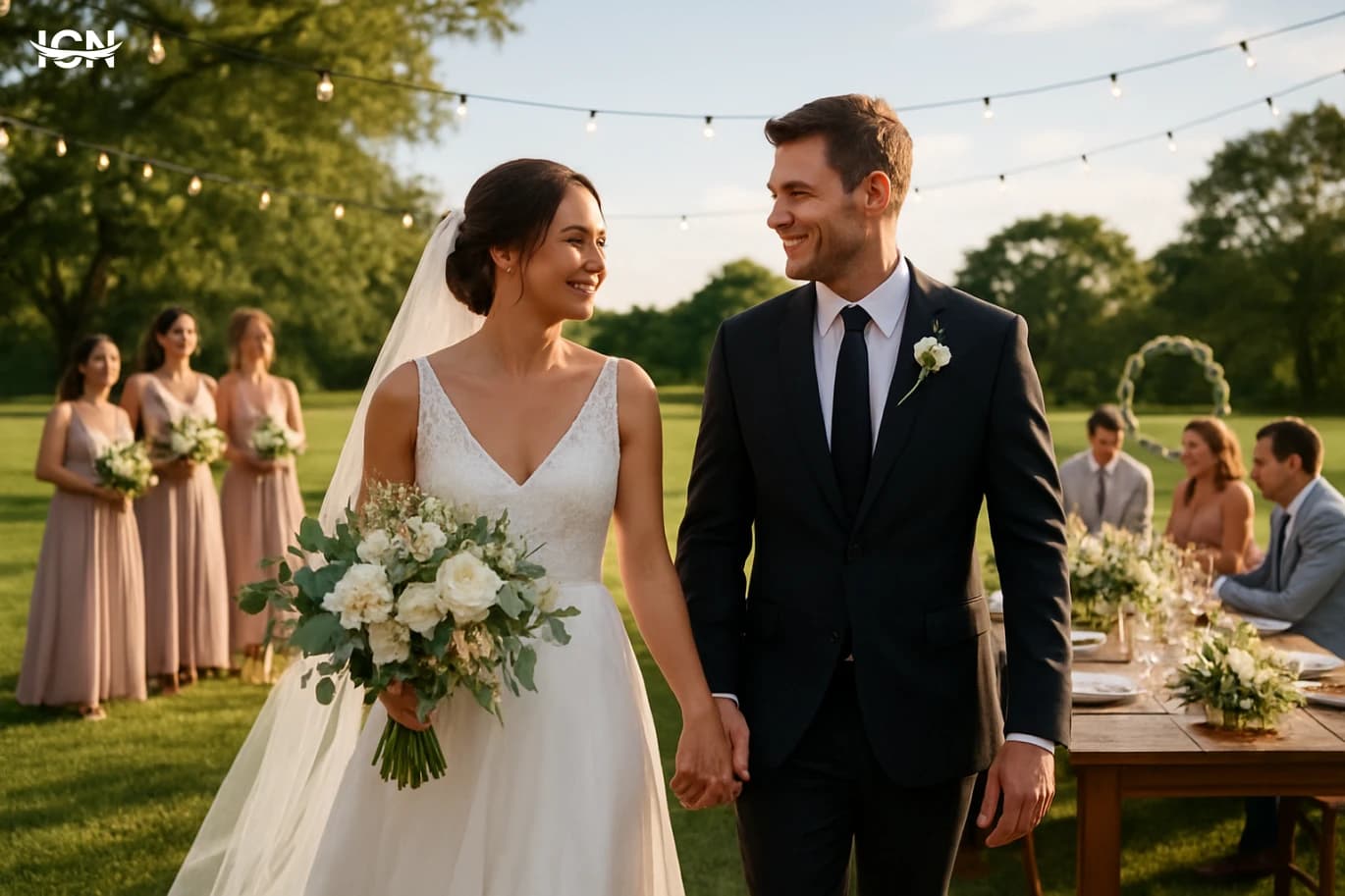
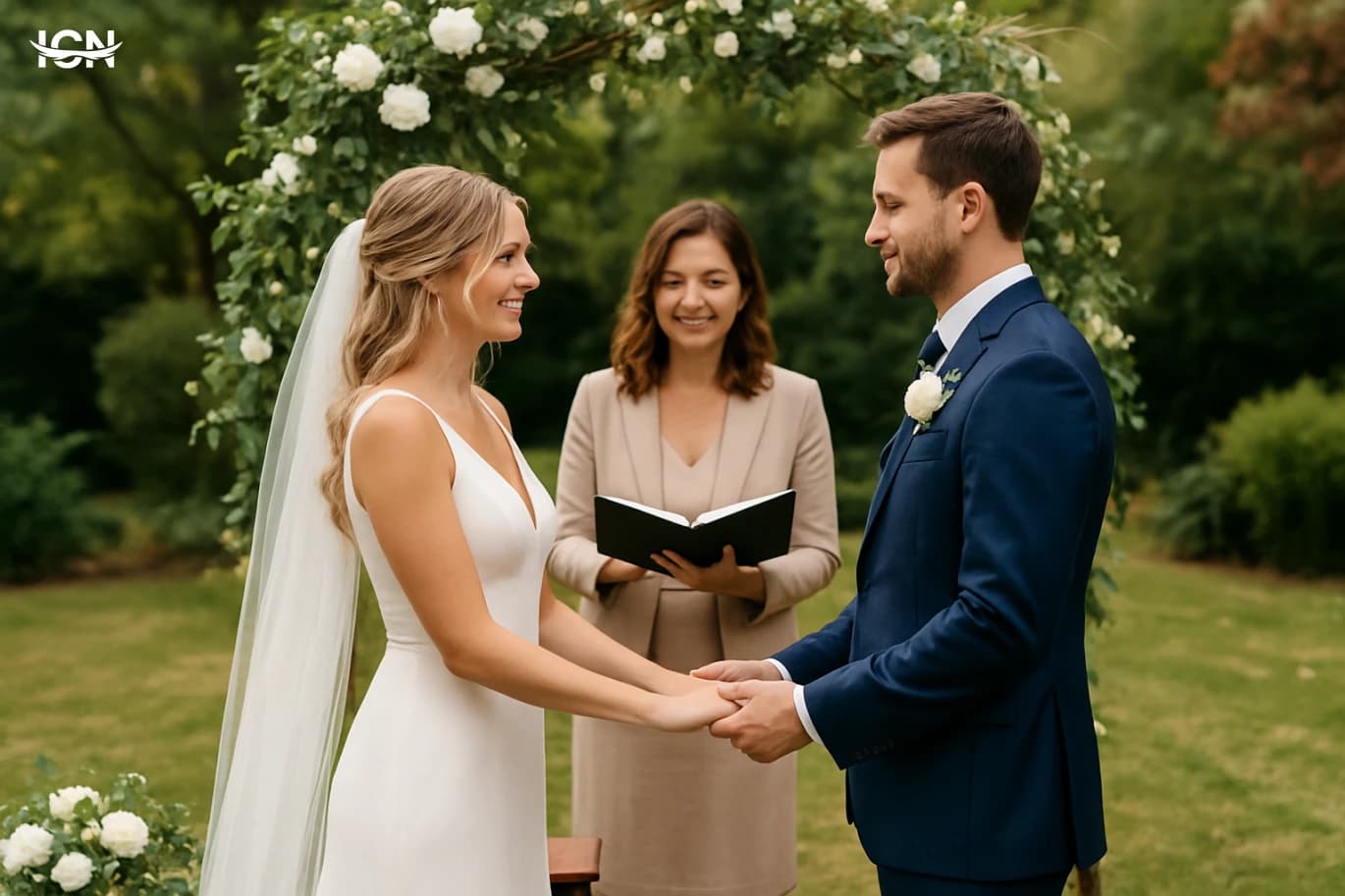
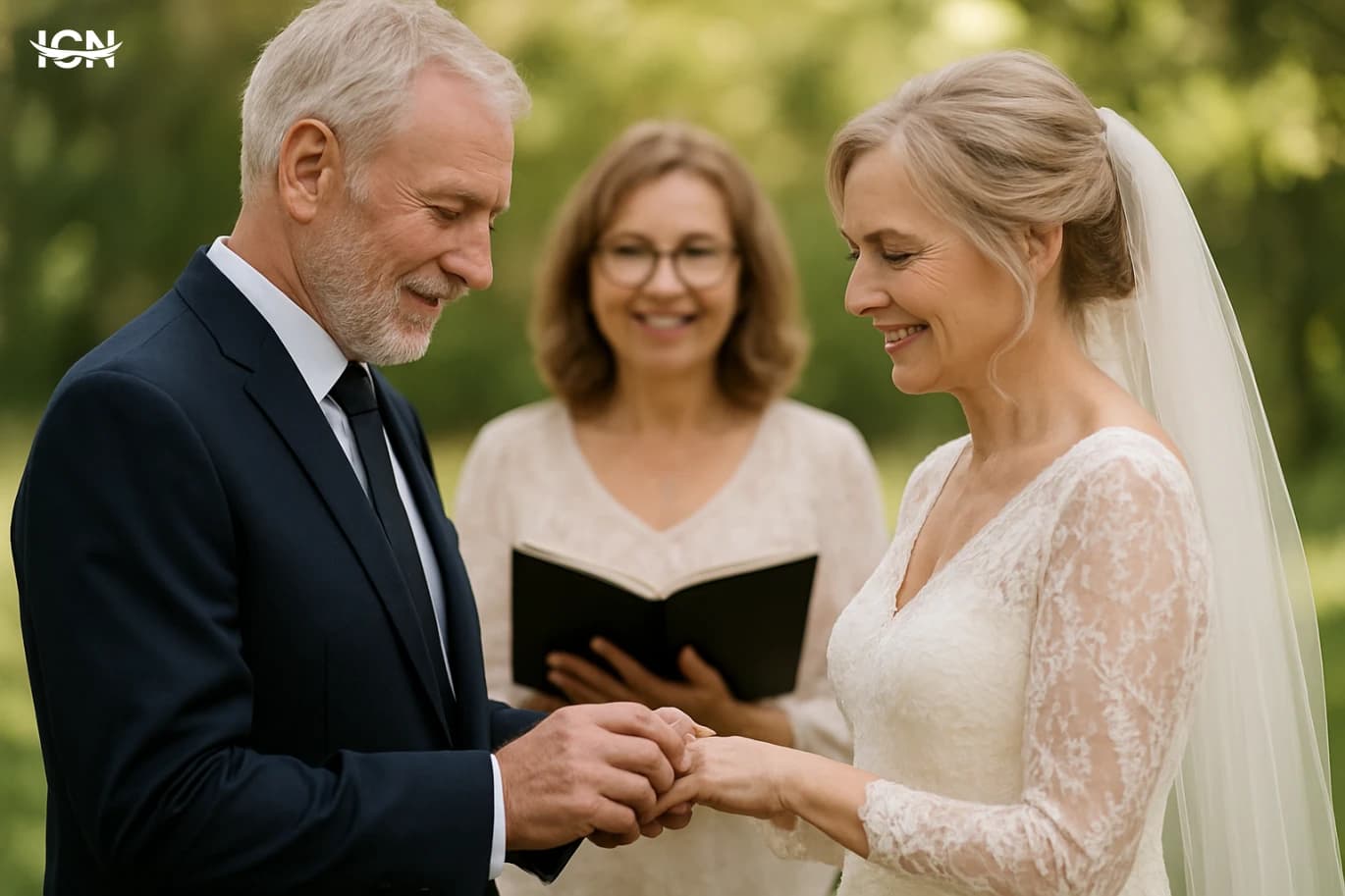
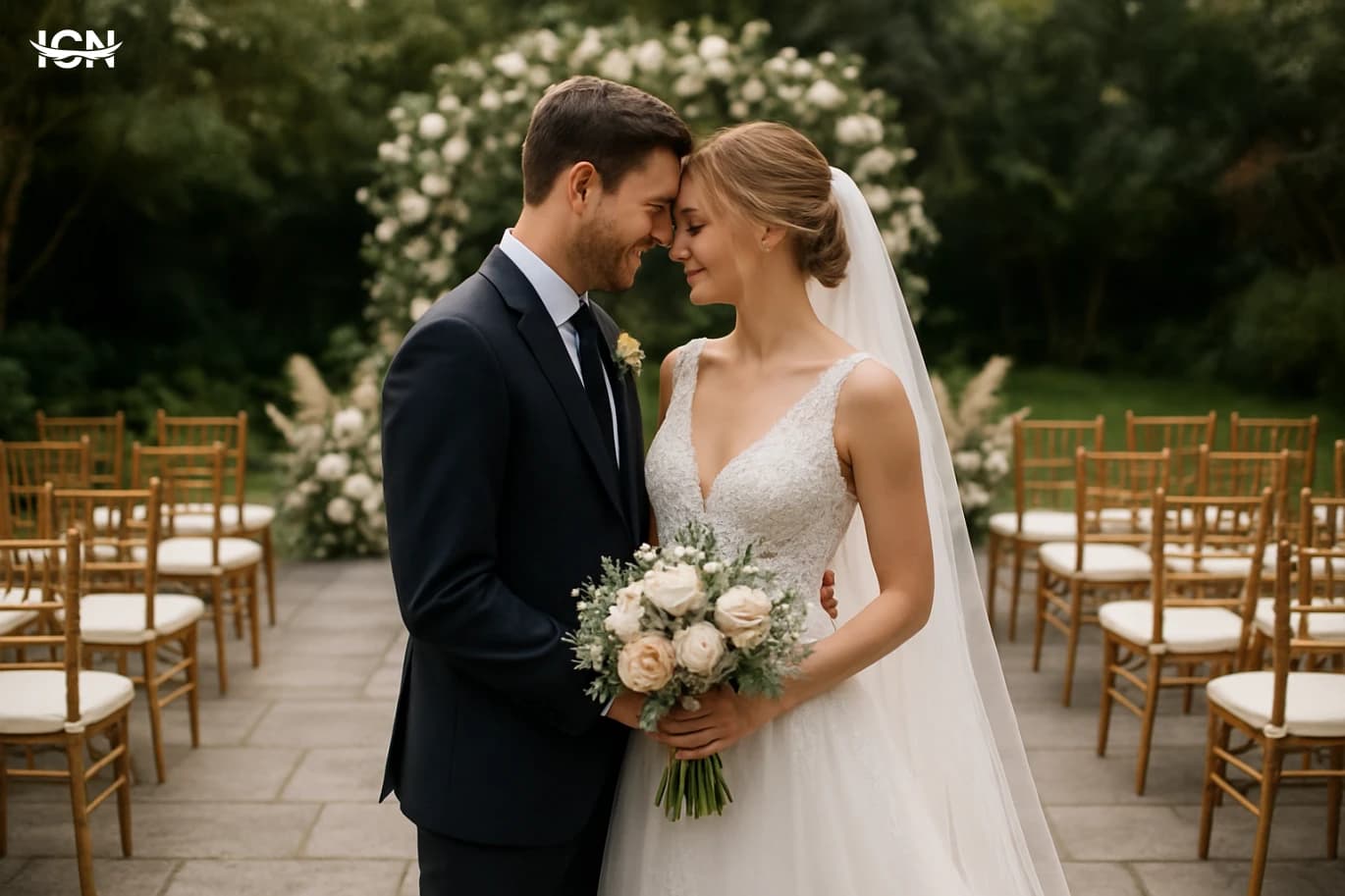
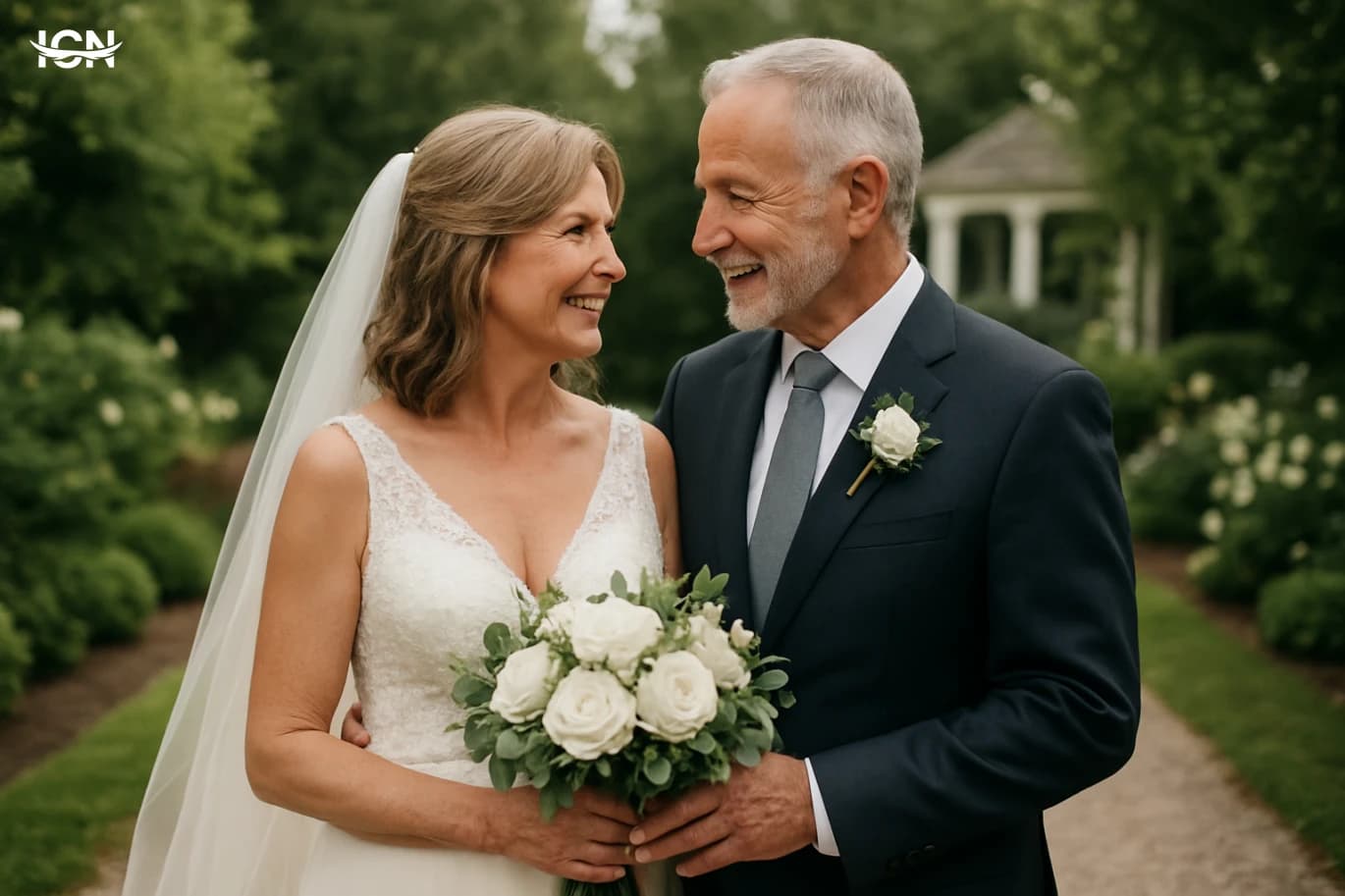
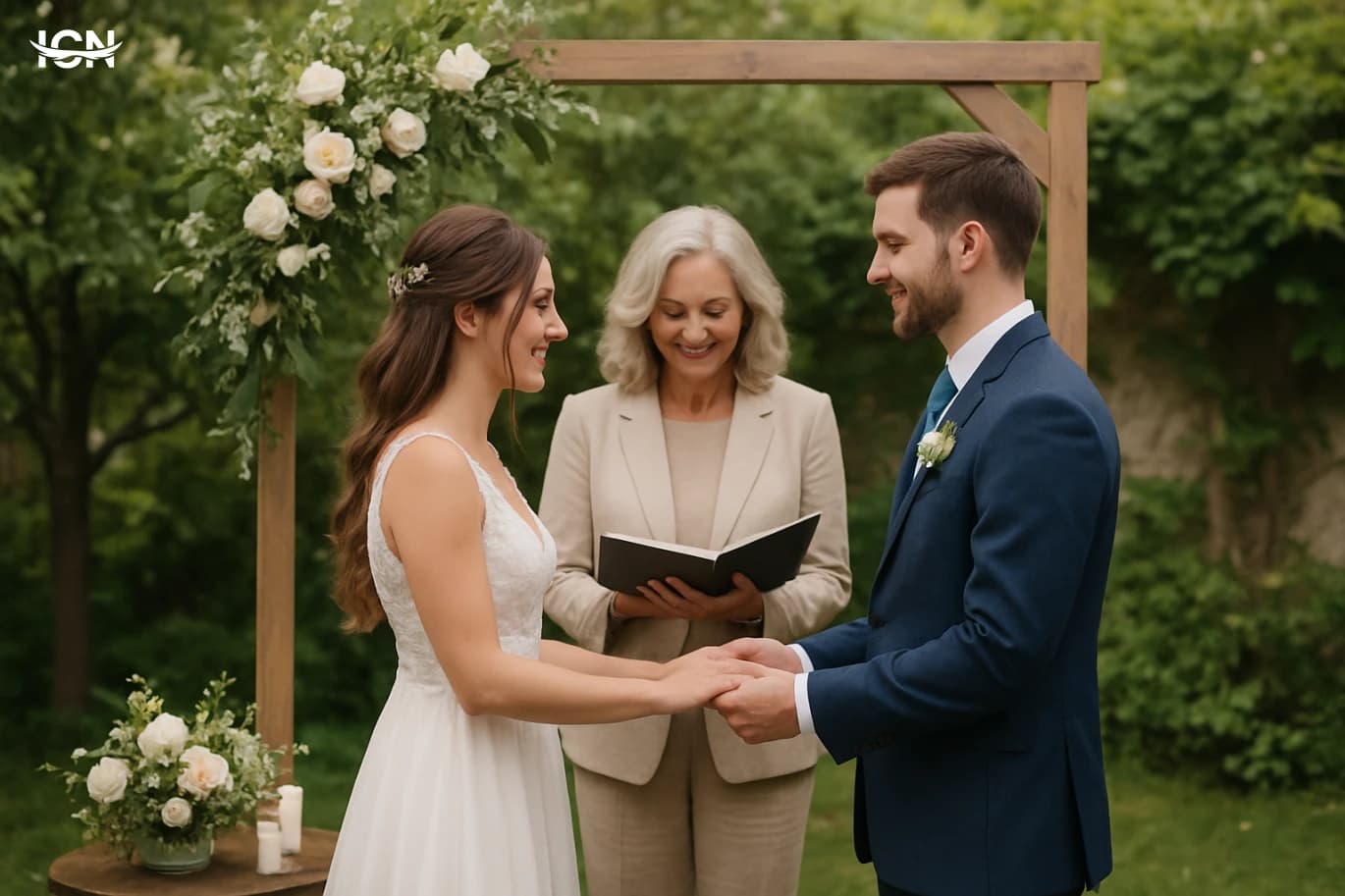
Micro weddings—typically 10 to 50 guests—are becoming a deliberate choice rather than a compromise. Couples are using smaller guest lists to prioritize meaningful time with attendees, reduce logistical pressure, and redirect budgets toward higher-quality food, photography, or a more comfortable venue. The format also supports flexible scheduling, including weekday ceremonies or short lead times, which can be helpful when venues are booked months in advance. This approach is not the same as an elopement. A micro wedding still includes the core elements of a traditional celebration—ceremony, vows, and hosted hospitality—just scaled down. The smaller size makes it easier to personalize the experience, from handwritten place cards to curated music and a menu that reflects family heritage. For guests, micro weddings often feel more intimate because they can actually talk with the couple and spend time together without the rush of a large reception.
Setting the Guest List Without Stress
The guest list is the defining feature of a micro wedding, and it needs a clear method. Start by listing your non-negotiables: immediate family, closest friends, and anyone with a direct role in your life today. Then decide on a cap—such as 20, 30, or 40—based on venue capacity and budget. A practical rule is to allocate seats by circles: family first, then friends, then mentors or colleagues, and stop when the cap is reached. To avoid confusion, communicate the format early. If you are hosting a small ceremony and a separate casual gathering later, say so directly on invitations and your wedding website. For families, a clear explanation helps: “We’re keeping it small so we can spend time with everyone.” Also plan for plus-ones with consistent criteria. For example, allow spouses and long-term partners, but not open-ended plus-ones. Consistency prevents hurt feelings and makes the plan easier to defend. Finally, prepare for declines and last-minute changes. Create a short waitlist of people you would love to include if space opens. Keep it private and only invite from it when you have confirmed cancellations. This keeps the event within your intended size while still allowing some flexibility.
Budgeting for Quality Over Quantity
A smaller wedding does not automatically mean a cheap wedding. The advantage is control: you can decide where to invest for maximum impact. Begin with a simple budget map: venue, food and beverage, photography/video, attire, décor, music, and stationery. Then pick two or three “priority categories” that matter most to you. Many couples choose food, photography, and guest comfort (seating, shade, heating, transportation). Micro weddings often allow upgrades that are difficult at larger scales. Instead of a standard buffet, you might offer a plated menu with a seasonal starter and a signature dessert. Instead of minimal florals, you can focus on fewer but higher-quality arrangements, such as a statement bouquet and a well-designed ceremony backdrop. For photography, a shorter coverage package may be enough—six hours instead of ten—while still securing an experienced professional. Track costs with real quotes, not estimates. Ask vendors for micro-wedding packages or hourly options, and confirm what is included: setup time, staffing, rentals, and overtime rates. Also plan for “hidden” items that still apply at any size, such as permits, insurance, service charges, and gratuities. A realistic contingency of 5–10% protects you from last-minute additions like extra chairs or weather-related rentals.
Choosing the Right Venue and Layout
The best micro-wedding venues are not always traditional ballrooms. Consider restaurants with private dining rooms, boutique hotels, small gardens, galleries, or family properties—provided they can support catering and guest flow. When evaluating a venue, focus on three practical points: acoustics for vows, weather backup options, and the comfort of the space at your guest count. A room designed for 200 can feel empty with 25 unless the layout is adjusted. Plan the layout to encourage conversation. A single long table, a U-shaped arrangement, or a few round tables of six to eight can create a welcoming atmosphere. Place the couple’s seats within the group rather than on a distant stage. For the ceremony, keep sightlines clear and avoid placing guests too far back. In small settings, details like chair spacing, aisle width, and lighting are noticeable. Also think about timing and transitions. Micro weddings can run smoothly with a simple structure: short ceremony, cocktail-style mingling, dinner, then a brief program such as speeches and a first dance. Because the group is small, you can reduce “dead time” by having the ceremony and dinner in the same location or within a short walk. Confirm vendor access, parking, and noise restrictions so the day stays on schedule.
Personal Touches That Actually Matter
Micro weddings are ideal for personalization, but the most effective touches are practical and guest-focused. Start with a clear welcome: a printed schedule, a short note at each place setting, or a host greeting that explains the flow of the evening. If guests are traveling, provide a simple guide with transportation options, parking details, and a short list of nearby cafés or landmarks. Food and music are the fastest ways to make the event feel specific to you. Consider a menu that includes a family recipe, a local specialty, or a non-alcoholic signature drink that matches the season. For music, a small live ensemble or a carefully planned playlist can work well; the key is volume control so people can talk. With fewer guests, you can also include interactive elements that would be difficult at scale, such as a short group toast, a shared dessert table, or a photo corner with a professional lighting setup. Keep décor intentional. Use fewer items but choose them well: quality linens, consistent tableware, and a cohesive color palette. Focus on lighting—candles, warm bulbs, or string lights—because it changes the atmosphere more than extra decorations. Finally, plan a meaningful way to acknowledge absent loved ones without turning it into a long segment; a small note in the program or a quiet moment during speeches is often enough.
A Simple Planning Timeline and Vendor Checklist
Micro weddings can be planned in a shorter window, but they still benefit from a clear timeline. For a three- to six-month plan, start with the date, guest cap, and venue. Next, secure the key vendors that affect availability: photographer, catering (or restaurant contract), and an officiant. Then confirm attire, music, and rentals. In the final month, lock the seating plan, finalize the menu, and share a detailed schedule with vendors. A practical vendor checklist for micro weddings includes: venue coordinator or point person, photographer, catering/restaurant, cake or dessert provider, florist (even minimal), hair and makeup (optional), music (DJ, musician, or playlist manager), rentals (chairs, linens, lighting), and stationery. If you are using a non-traditional venue, add essentials such as restrooms, power supply, and waste management. On the day, assign responsibilities so the couple is not managing logistics. A friend or coordinator can handle vendor arrivals, cue the ceremony, and manage timing for speeches and dinner service. Prepare a small “event kit” with printed schedules, extra pens, tape, stain remover, phone chargers, and a basic first-aid set. These details keep the celebration calm and professional, which is exactly what a well-executed micro wedding should feel like.