A Practical Plan for a Meaningful Anniversary

- Why anniversaries lose their spark
- Set a budget and a time plan
- Choose one theme that fits your story
- Build the day around two peak moments
- Gifts that feel personal without being expensive
- How to handle family, friends, and social media
Why anniversaries lose their spark
Many couples start with big expectations, then fall into a predictable routine: dinner reservation, a quick gift, a photo, and back to normal. The issue is rarely a lack of love; it is usually a lack of planning that reflects real life. Work deadlines, childcare, travel costs, and family obligations compress the day into a narrow window, so the celebration becomes a task to complete rather than an experience to share. Another common problem is mismatched assumptions: one partner expects a surprise, the other expects a quiet night, and both feel disappointed. A meaningful anniversary is less about spending more and more about choosing a clear purpose. Some couples want reconnection after a demanding year, others want to mark a recovery, a move, a new baby, or a shared achievement. When the goal is vague, the plan becomes generic. When the goal is specific, even a simple celebration can feel intentional. The most successful anniversaries are designed like a small project: define what matters, set a realistic budget and time frame, and build a few moments that feel personal rather than performative.
Set a budget and a time plan
Start with two numbers: how much you can spend comfortably and how many hours you can truly protect. A realistic budget prevents last-minute stress and avoids the common pattern of overspending to compensate for lack of ideas. Break the budget into categories: experience (hotel, dinner, tickets), a small gift, transportation, and a buffer for tips or unexpected fees. If you are planning a weekend, include hidden costs such as parking, resort fees, childcare, and pet care. Then build a time plan. If you have only one evening, decide on a start time that is not rushed, and protect it by arranging logistics early. Book restaurants at least two weeks ahead in busy seasons, and confirm dietary needs. If you want a staycation, check check-in and check-out times and plan one anchor activity that does not depend on perfect weather. Couples with children often find success with a split plan: a daytime family moment (cake at home, a short outing) and an adults-only evening. The point is to design the day around your constraints instead of pretending they do not exist.
Choose one theme that fits your story
A theme is not decoration; it is a decision filter. It helps you say no to random options and yes to choices that feel connected. Pick one theme that reflects your relationship this year. Examples that work well: “firsts” (revisit the first date location, first trip, first apartment neighborhood), “recovery and reset” (spa day, quiet hotel, phone-free evening), “food and culture” (a tasting menu, a cooking class, a neighborhood you have never explored), or “future planning” (a short retreat with a shared goals session). Once you choose the theme, build three touchpoints: one sensory element, one conversation element, and one keepsake. Sensory could be a playlist from your wedding year, a specific scent, or a meal that matters to you. Conversation could be a set of questions you answer over dessert, such as what you want more of next year and what you want to stop doing. Keepsake could be a printed photo, a short letter, or a small item you will actually use. This structure keeps the celebration grounded and prevents it from becoming only a social media moment.
Build the day around two peak moments
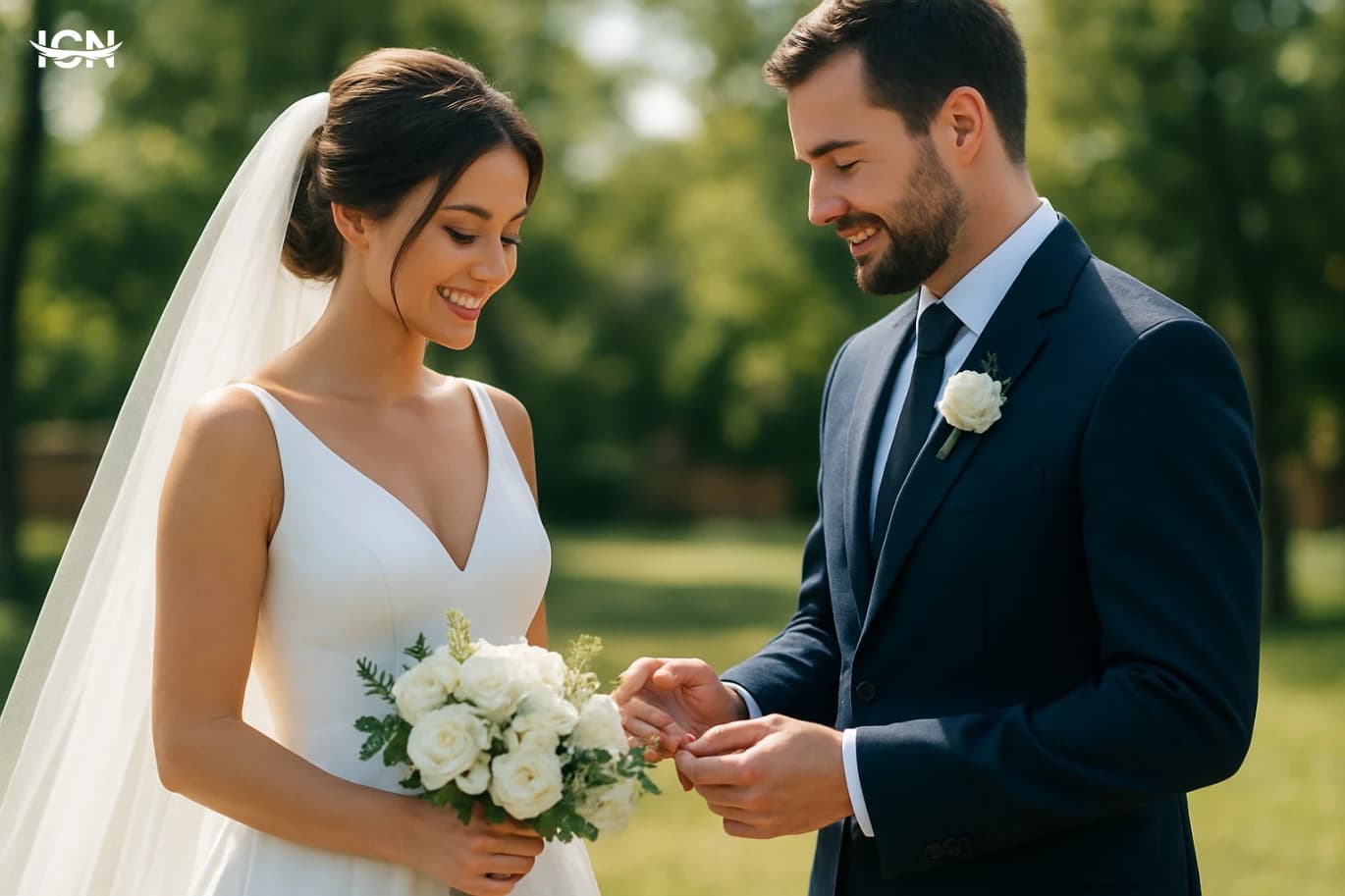
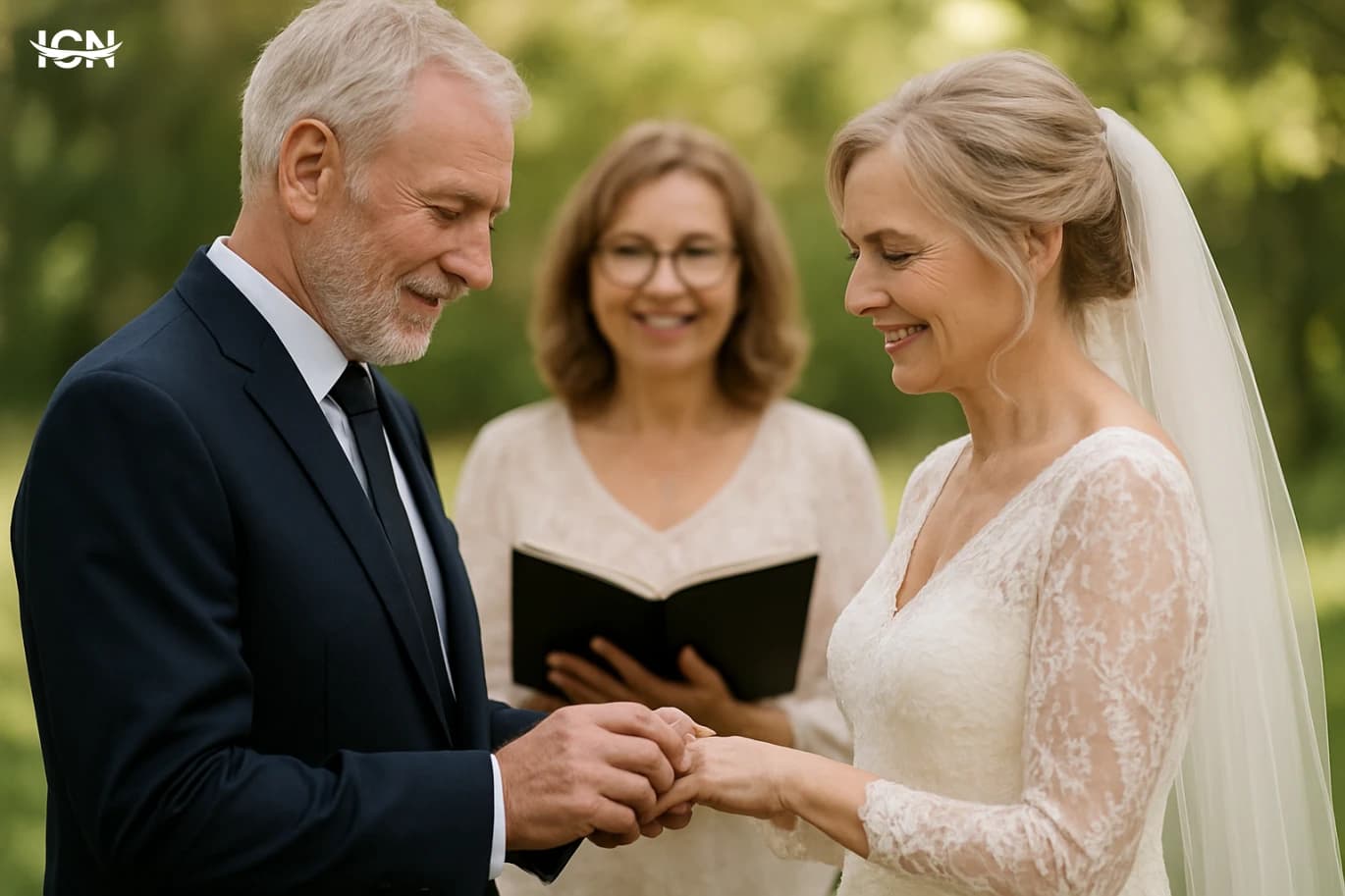
Instead of trying to fill every hour, plan two peak moments and let the rest be simple. Peak moments are the parts you will remember: a private toast at sunset, a surprise visit to a meaningful place, a short vow renewal at home, or a booked activity you both enjoy. For many couples, the first peak moment works best earlier than expected, before fatigue and distractions build up. The second peak moment can be a calm closing ritual, such as exchanging letters or reviewing a small photo set from the year. Keep transitions easy. Choose locations that reduce travel time, and avoid stacking reservations back-to-back. If you are doing dinner and a show, leave at least 45 minutes between them for traffic, parking, and a breather. If you are traveling, plan for delays and avoid the last flight of the day. The goal is not a packed itinerary; it is a day that feels smooth. A calm schedule also reduces the chance of conflict, which is one of the most common reasons couples say the anniversary “didn’t feel good” even when the plan looked perfect on paper.
Gifts that feel personal without being expensive
The most effective anniversary gifts tend to be specific, usable, and tied to shared memories. Instead of buying something generic, choose a gift that signals attention. Practical options include a framed print of a meaningful photo with the date and location, a small piece of jewelry with an initial or coordinate, a book with a handwritten note explaining why it fits your partner now, or a subscription that supports a shared habit such as coffee, flowers, or audiobooks. If you want a bigger gesture, focus on one upgrade that improves daily life: replacing worn luggage before a planned trip, booking a professional photo session, or arranging a home service you both benefit from. The key is to avoid gifts that create work, such as items that require complicated setup or add clutter. Pair the gift with a short letter that includes three concrete details: one thing you appreciated this year, one moment you want to repeat, and one promise for the year ahead. This turns a small item into a clear message, which is what most people remember.
How to handle family, friends, and social media
Anniversaries can attract outside expectations, especially when families are close or when friends are used to group celebrations. Decide early whether the day is private, shared, or split. If you want privacy, communicate it clearly and politely: set a specific time for calls, or plan a separate dinner with family on another date. If you want to include others, keep the main couple-focused moment protected, such as a morning ritual or a late-night conversation. Social media can also distort priorities. If posting matters to you, plan it rather than letting it take over. Choose one photo moment and keep the rest of the day phone-light. Agree on boundaries: no live posting, no arguing about captions, and no comparing your celebration to others. A useful rule is to post after the day ends, when you can select a photo calmly and write a short, factual caption. This keeps the focus on the relationship, not the performance. The best anniversary plan is the one you can repeat, adjust, and sustain year after year.