A Practical Plan for an Unforgettable Anniversary

- Start with a clear goal and budget
- Choose the right format for your relationship
- Build a day plan with smart logistics
- Personal touches that feel meaningful
- Capture memories without turning it into a shoot
- Follow-up that strengthens the next year
Start with a clear goal and budget
An unforgettable anniversary starts with alignment, not spending. Set a 20-minute planning chat where each of you answers three questions: What do we want to feel that day (relaxed, adventurous, romantic, social)? What do we want to avoid (crowds, long drives, late nights)? What is one non‑negotiable detail (a specific restaurant, a quiet hotel, a family visit, a photo session)? Write the answers down and agree on one shared theme. Next, set a budget range and split it into simple buckets: experience (dinner, hotel, activity), logistics (transport, parking, babysitter), and a small “surprise” line item. A practical split is 60% experience, 25% logistics, 15% surprise, but adjust to your reality. Decide early whether you are celebrating on the exact date or the nearest weekend; this single choice affects availability and pricing. If you have kids or work constraints, confirm childcare and time off before booking anything else. Finally, pick a planning timeline. For a major milestone, start 4–6 weeks ahead; for a simple evening, 7–10 days can work. Put two reminders on your calendar: a booking deadline and a confirmation day to re-check reservations, dress code, and travel time. This structure prevents last-minute stress and keeps the day focused on the relationship rather than logistics.
Choose the right format for your relationship
There is no single “best” anniversary plan; the best one matches your habits and energy. Pick one primary format and keep everything else supportive. If you both value conversation, choose a dinner built around time and comfort: a quieter restaurant, a table away from the kitchen, and a reservation early enough to avoid rush hour. If you prefer shared activities, book something that creates a story: a cooking class, a guided museum tour, a short hike with a planned picnic, or a spa session with a set end time. For couples who rarely get uninterrupted time, an overnight stay can be the highest-impact choice even if it’s local. Look for hotels with late checkout, on-site dining, and parking that doesn’t add friction. If travel is part of your identity, keep it realistic: one city, two anchor bookings, and plenty of open time. Over-scheduling is the fastest way to turn a celebration into a checklist. Also decide the social boundary. Some couples want a private day; others enjoy including close family or friends. If you plan a group element, separate it from the couple time: for example, brunch with family followed by an evening just for you. This avoids the common problem of spending the entire anniversary hosting other people.
Build a day plan with smart logistics
A practical schedule protects the mood. Start with a simple outline: one anchor moment in the afternoon (check-in, activity, or photo session) and one anchor moment at night (dinner, show, or a planned at-home experience). Leave buffer time between them for traffic, getting ready, and unexpected delays. If you’re using rideshare or driving, plan parking in advance and save the location in both phones. If you have children, logistics decide everything. Book a babysitter early, confirm the hours in writing, and prepare a short “home sheet” with bedtime routine, emergency contacts, and food notes. If you’re relying on family help, confirm the plan at least a week ahead and have a backup option. These steps are not romantic, but they prevent the most common anniversary disruptions. For at-home celebrations, treat the home like a venue. Decide what you will remove (laundry piles, work laptops), what you will add (fresh flowers, candles, a clean table setup), and what you will outsource (a delivered meal, a dessert from a bakery). Set a start time and an end time for the evening so it feels intentional rather than like a regular night with nicer food.
Personal touches that feel meaningful
Meaning comes from specificity. Choose one personal element tied to your history: recreate your first date menu, return to the neighborhood where you lived early in the marriage, or play a playlist that includes songs from key moments. If you’re giving a gift, make it connected to daily life rather than generic. Examples include a framed photo from a shared trip with the date and location, a book with a note referencing a private joke, or a small upgrade you will both use (better coffee setup, quality bedding, a class you take together). Write something short but concrete. A one-page letter works best when it includes three details: one memory you appreciate, one trait you respect, and one plan you want to do together in the next year. Avoid vague praise; use real examples such as “how you handled that move” or “how you supported me during that project.” If writing isn’t your style, record a two-minute voice note and send it at a planned time. If you want a surprise, keep it manageable. One surprise is enough: a dessert with a message, a small bouquet delivered to the hotel, or a pre-arranged stop at a viewpoint. Too many surprises create coordination problems and can feel performative rather than intimate.
Capture memories without turning it into a shoot
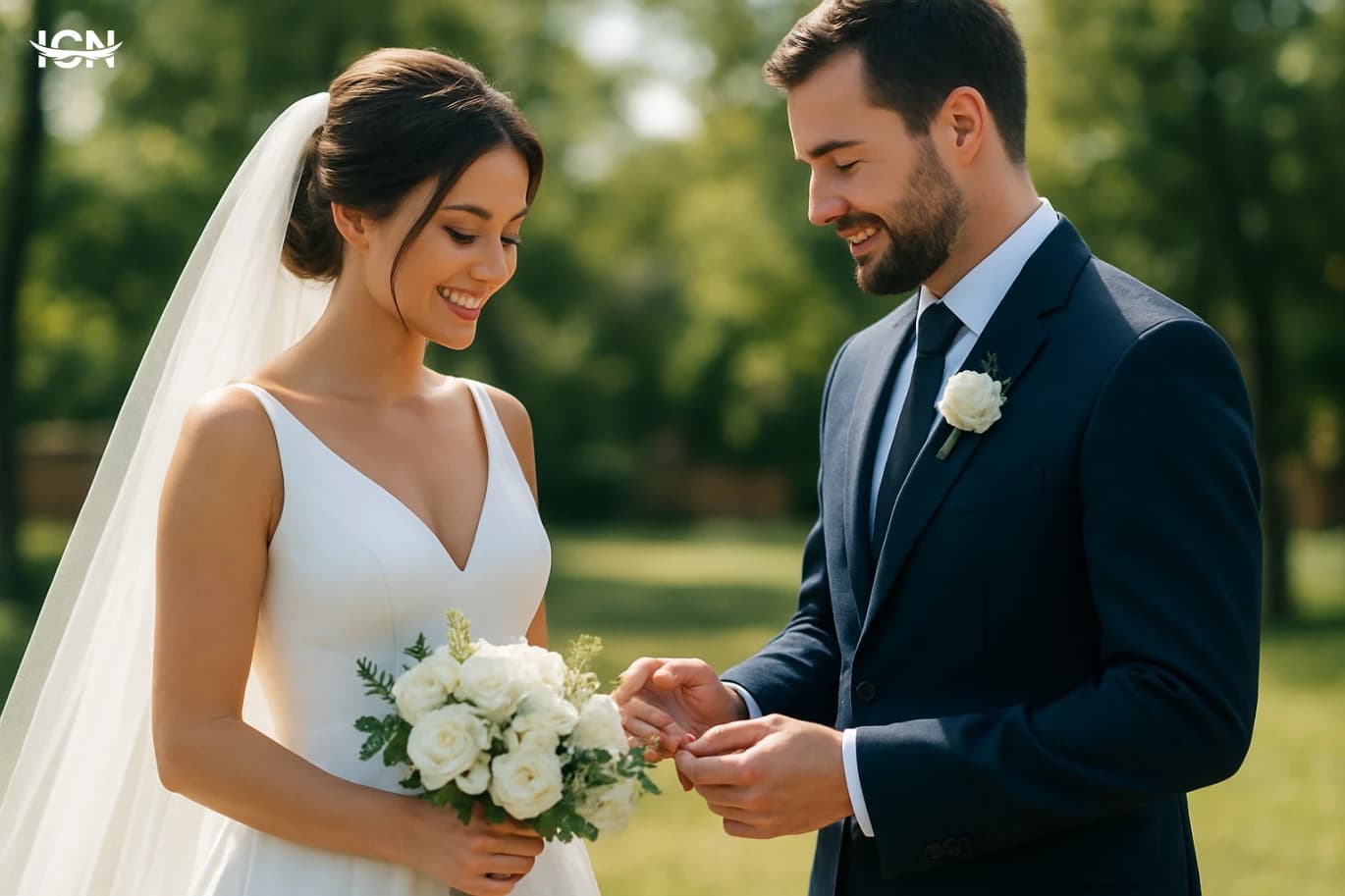
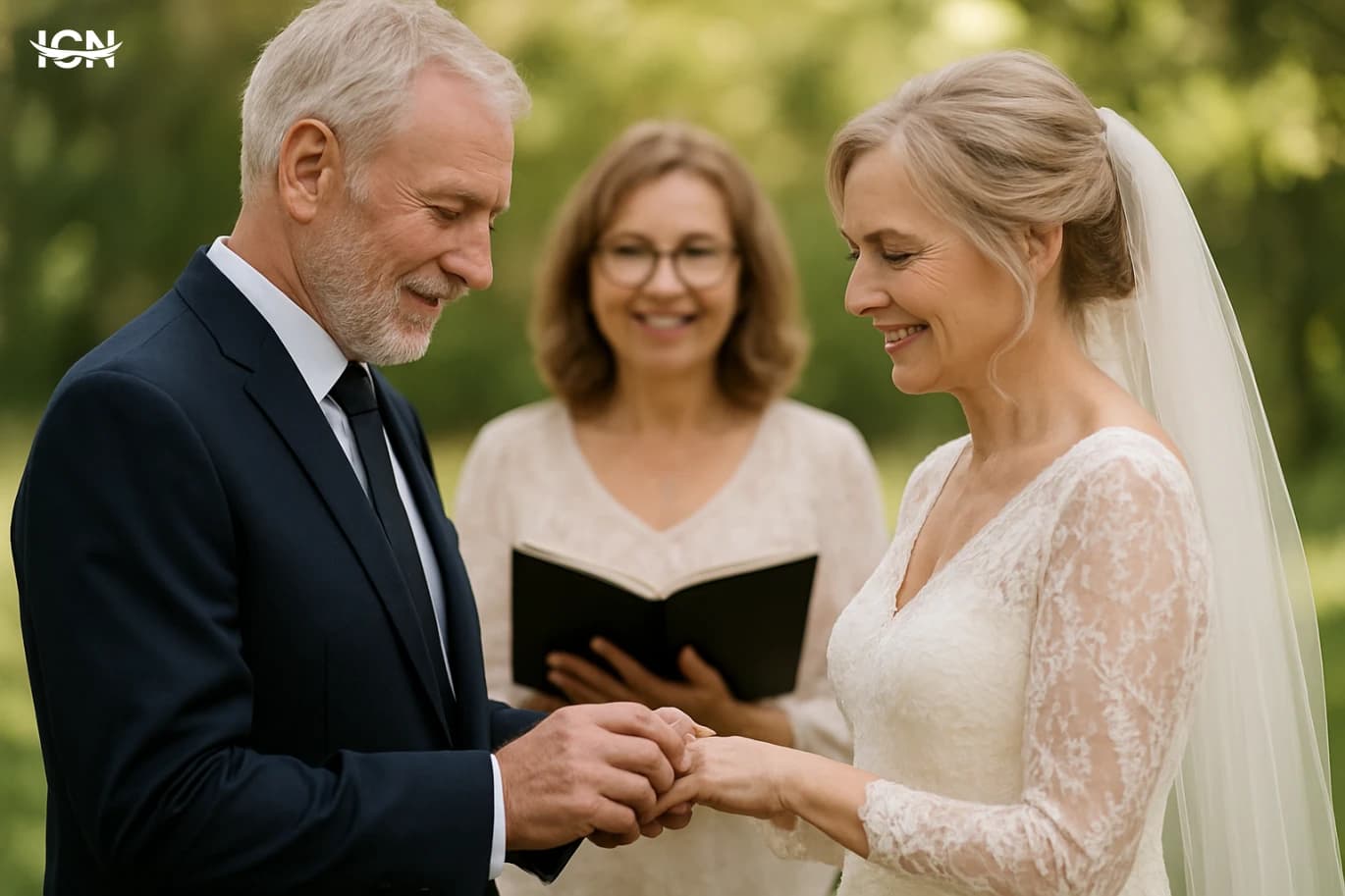
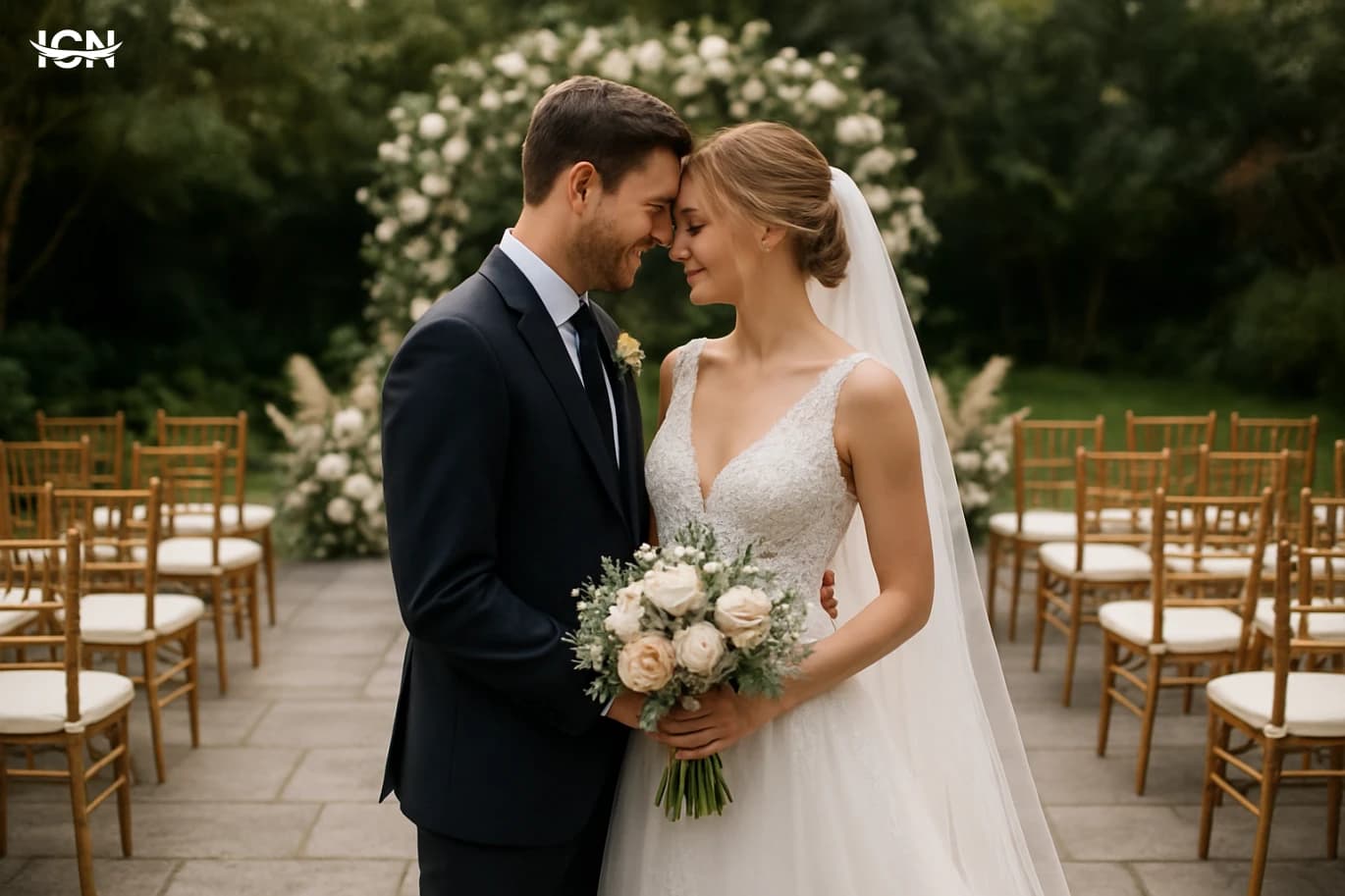
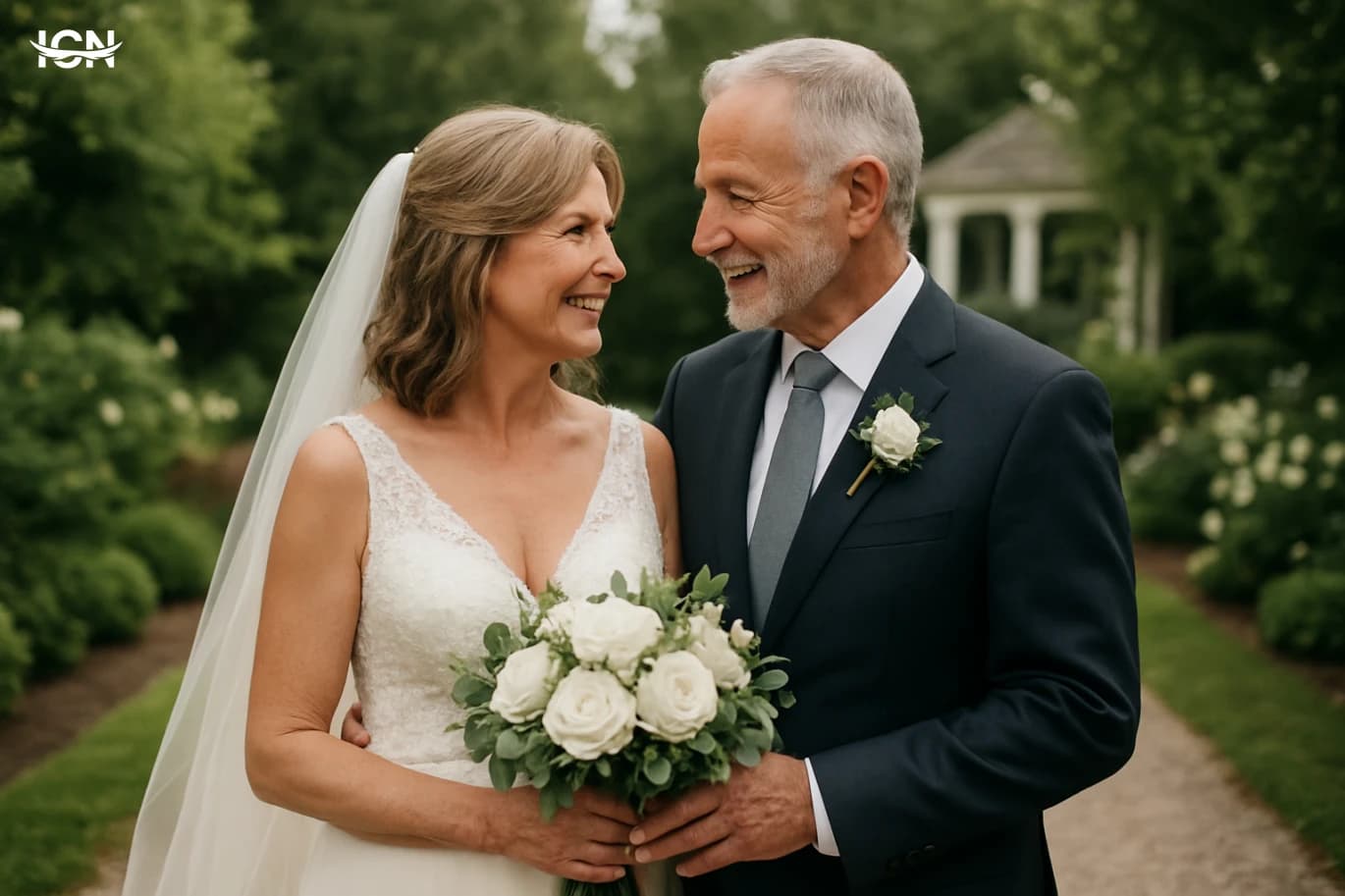
Photos help the day last, but constant filming can break the flow. Decide in advance how you’ll capture the memory. Option one: a 20–30 minute mini photo session before dinner, ideally near natural light, so you can put phones away afterward. Option two: a few planned shots—one at the start, one during the main moment, one at the end—then no more. If you book a photographer, share a short brief: the schedule, the vibe (formal or casual), and two must-have shots. Ask for a small number of edited images quickly rather than a huge gallery weeks later. If you’re doing it yourselves, use a tripod and a timer, and pick one location with a clean background. The goal is to document, not to manage a production. Consider a simple keepsake that doesn’t require extra effort: keep the menu, save a receipt from a meaningful place, or write down three highlights the next morning. These small records often become more valuable than dozens of similar photos.
Follow-up that strengthens the next year
The best anniversaries don’t end at midnight. Within 48 hours, do a short debrief over coffee: What worked? What felt stressful? What should we repeat next year? Keep it to 10 minutes and write down two decisions, such as “we’ll always book early” or “we prefer daytime activities.” This turns one celebration into a better pattern. Then convert the good mood into one concrete plan for the next month. It can be as simple as scheduling a monthly date night, booking a weekend away for later in the year, or starting a shared project like fitness classes or a home improvement task. The key is a calendar entry with a date, not a vague intention. Finally, close the loop with gratitude in a practical way: send one message that names a specific moment you appreciated, and share one photo with a short caption. These small follow-ups reinforce the feeling that the anniversary was not just an event, but a deliberate investment in the relationship.