A Practical Plan for a Meaningful Anniversary Party

- Define the purpose and the guest list
- Choose a venue that matches the story
- Design a timeline guests will enjoy
- Food, music, and details that feel personal
- Invitations, etiquette, and modern expectations
- Capture the memories and close the loop
Define the purpose and the guest list
Start by deciding what the anniversary is meant to celebrate: a private milestone for the couple, a family gathering, or a larger social event that includes friends and colleagues. This single decision shapes every other choice, from budget to venue size. A 10th or 25th anniversary often brings extended family expectations, while a 1st or 5th anniversary may feel more appropriate as a smaller dinner. Write a short statement of intent such as “an evening to thank our families and reconnect with close friends,” then use it to filter ideas that do not fit. Build the guest list in tiers. Tier one is non-negotiable: the couple, children, parents, and the closest friends who have been part of the marriage story. Tier two is “nice to have” guests such as cousins, neighbors, or work friends. Tier three is optional and should only be added if the venue and budget allow. This tiered approach prevents last-minute pressure and helps you handle declines without reshaping the entire plan. If you anticipate sensitive dynamics—divorced relatives, blended families, or friends who no longer speak—decide early whether you will separate seating, limit invitations, or choose a cocktail-style format that reduces forced interactions. Set a realistic budget range before you book anything. Include venue, food and beverage, photography, décor, entertainment, invitations, and a 10–15% contingency. If family members are contributing, clarify whether they want to host, co-host, or simply gift funds. Clear roles reduce misunderstandings and keep the event focused on the couple rather than on competing opinions.
Choose a venue that matches the story
The best anniversary venues are not always the most expensive; they are the ones that make the evening easy for guests and meaningful for the couple. Start with logistics: capacity, parking, accessibility for older relatives, and noise limits. A restaurant private room works well for 20–50 guests and simplifies catering. A small event hall or hotel ballroom suits 60–150 guests and offers built-in staffing. A home garden can be intimate and cost-effective, but it requires rentals, weather planning, and more coordination. Tie the venue to the couple’s story in a concrete way. If they met at a university, a nearby boutique hotel or a restaurant in that neighborhood can feel intentional. If the marriage has been shaped by travel, choose a venue with a menu that reflects a shared destination, but keep it approachable for all guests. For a 25th or 30th anniversary, many couples prefer a venue that can accommodate a short formal program and a comfortable dinner rather than a late-night party. Visit the venue at the same time of day as the event. Check lighting, sound, and the flow from entrance to seating. Ask exactly what is included: tables, chairs, linens, basic centerpieces, microphones, and staff hours. Confirm policies on outside vendors, cake cutting fees, and minimum spend. A clear contract should specify start and end times, payment schedule, cancellation terms, and what happens if the guest count changes. These details are where budgets often break. If you want a more personal feel, consider hosting a “memory corner” at the venue: a small table with framed photos, a guest book, and a few items that represent the couple’s life together. This adds meaning without requiring a large décor budget.
Design a timeline guests will enjoy
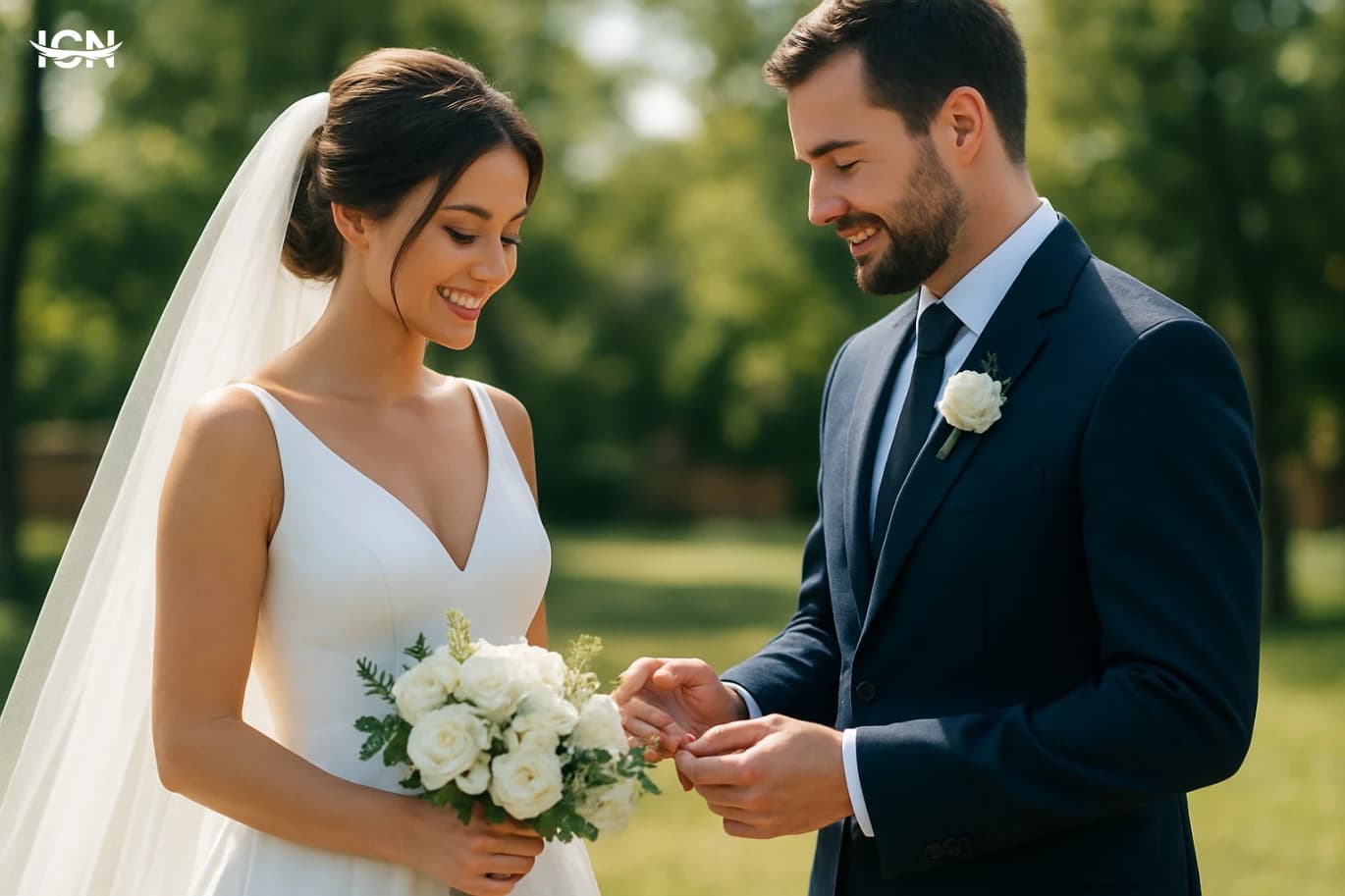
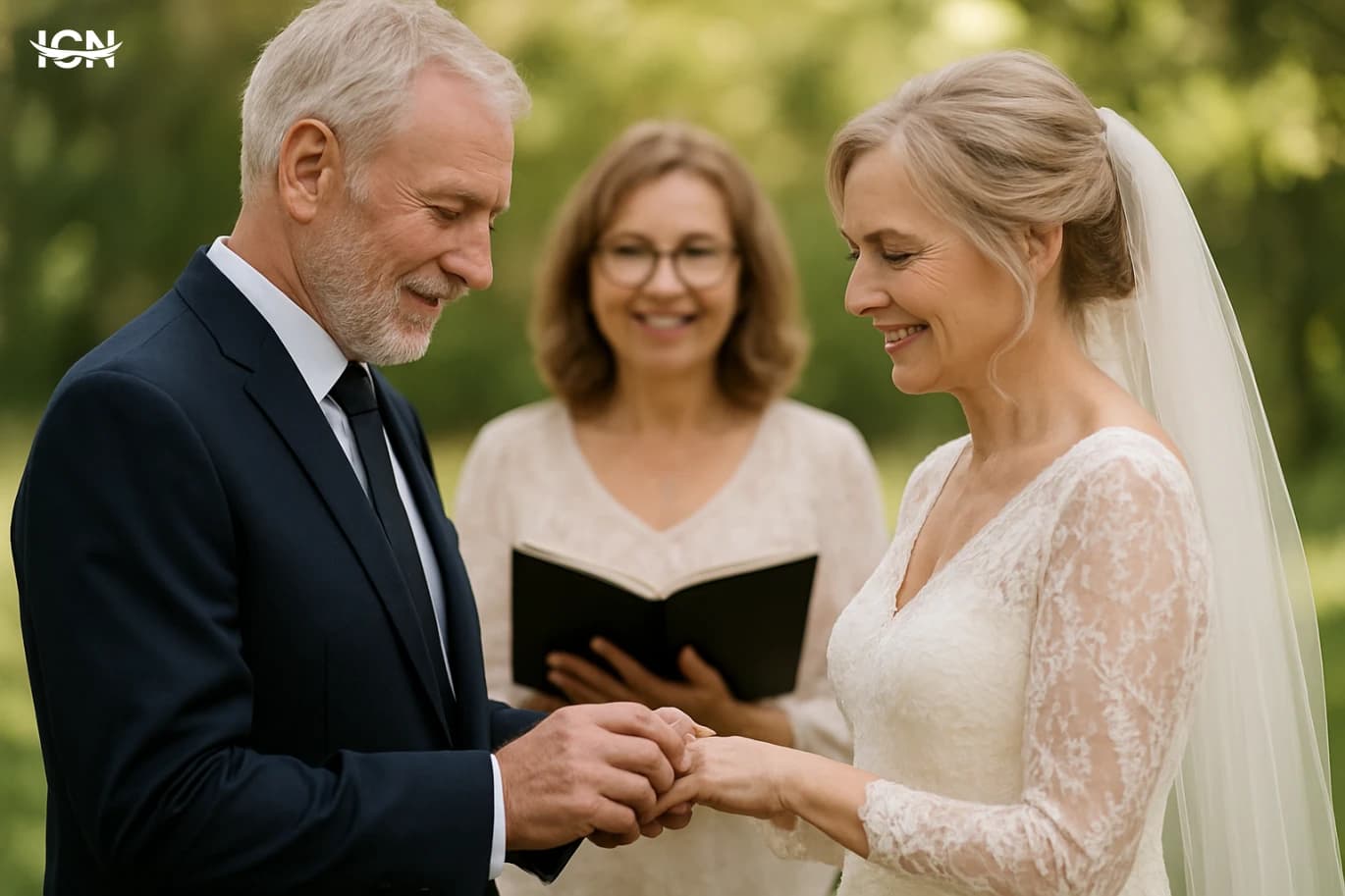
Anniversary parties feel best when the schedule is simple and predictable. A common mistake is packing the evening with too many activities, which leaves guests waiting between moments. For a three-hour event, a practical timeline is: 30 minutes for arrivals and greetings, 60–75 minutes for dinner or main service, 15 minutes for a short program, and the remaining time for dessert, photos, and relaxed conversation. If you want dancing, keep it optional and start it after the formalities. Keep the formal program short and specific. Two or three speakers are usually enough: a parent, a close friend, and one of the couple. Ask speakers to stay under three minutes and to focus on concrete memories rather than inside jokes that exclude most guests. If the couple wants to renew vows, consider a brief exchange of promises with a celebrant or a respected family member. It can be done in five minutes without turning the event into a second wedding. Plan for guest comfort. Ensure there is clear signage, a simple seating plan if needed, and a quiet corner for older relatives or families with children. If children are invited, provide a small activity table with coloring sheets or simple games. If the guest list includes people who do not know each other well, a cocktail reception with light background music can help conversations start naturally. Assign responsibilities so the couple can be present. A coordinator, a trusted friend, or a venue manager should handle vendor questions, timing cues, and any last-minute issues. The couple’s job should be to greet guests and enjoy the milestone, not to manage microphones and deliveries.
Food, music, and details that feel personal
Food is often the strongest memory guests take home, so prioritize quality and flow over novelty. Choose a menu that matches the time of day and the guest mix. For evening events, a plated dinner feels formal and controlled, while a buffet can work well if the venue manages lines and replenishment. If the couple has dietary needs in the family—vegetarian, gluten-free, or allergies—label options clearly and tell the caterer in advance. A signature mocktail or cocktail named after the couple can add personality without increasing complexity. For dessert, you do not need a large wedding-style cake unless the couple wants it. A smaller cutting cake plus a dessert table is often more practical and reduces waste. Consider including one item that connects to the couple’s background, such as a traditional sweet from their hometown or a dessert they always order together. Music should support conversation first, then shift if you want a more energetic mood. A playlist can be enough for small gatherings, but test the sound system and have a backup device. For larger events, a DJ or a small live band can manage transitions and announcements. Provide a short “do not play” list to avoid awkward moments. If speeches are planned, ensure there is a microphone and that the music stops fully during speaking. Personal details work best when they are specific and restrained. Use table cards that show key dates—first meeting, engagement, wedding day, first home—without turning the room into a scrapbook. Display a short photo sequence near the entrance rather than covering every wall. If you want favors, choose something useful such as a small box of sweets, a locally made candle, or a printed photo from the event, and keep branding minimal.
Invitations, etiquette, and modern expectations
Send invitations early enough for guests to plan, especially if travel is involved. For a formal event, six to eight weeks is a safe window; for a casual dinner, three to four weeks may be enough. Digital invitations are widely accepted and make RSVP tracking easier, but include clear details: date, start and end time, exact address, parking instructions, dress code, and whether children are invited. If the event is adults-only, state it politely and directly. Be clear about gifts. Many couples prefer “no gifts” for an anniversary, especially if they are established. If you do not want gifts, say so and offer an alternative such as a charity donation or a request for written messages in a guest book. If gifts are welcome, avoid registry language that feels like a wedding repeat; a small list focused on experiences or home upgrades can be more appropriate. Seating and introductions matter when families are blending or when friends from different parts of life are meeting. A simple seating plan can prevent awkwardness, but do not over-engineer it. Place natural connectors—siblings, long-time friends—at tables where conversation needs help. If the couple is from different cultural backgrounds, consider small etiquette adjustments such as offering both traditional and modern food options, or planning a short moment that acknowledges both families without turning it into a formal ceremony. Finally, communicate changes quickly. If timing shifts or the venue updates parking rules, send a short message to guests rather than assuming they will figure it out. Good communication is often the difference between an event that feels smooth and one that feels stressful.
Capture the memories and close the loop
Decide in advance how you want to document the anniversary. A professional photographer for one to two hours can cover arrivals, key moments, and group photos without the cost of full-event coverage. Provide a short shot list: couple portraits, immediate family, extended family, close friends, and any special items like a memory table. If budget is tight, assign one reliable friend to take structured group photos and create a shared album link for guests to upload candid shots. Think about lighting and backgrounds. Group photos look better near a plain wall, a well-lit corner, or a simple backdrop. If the venue is dark, ask about additional lighting or choose an earlier start time. For speeches, ensure the photographer knows when they will happen so they can be positioned correctly. After the event, close the loop with guests. Send a short thank-you message within a week, ideally with one or two photos. If gifts were received, acknowledge them individually. If the event included a guest book or written messages, set aside time for the couple to read them together; this is often the most meaningful part after the noise of the party is over. Finally, review what worked and what did not. Keep notes on vendor performance, timing, and guest feedback. These notes help if you plan future milestones, and they are useful to friends and family who may ask for recommendations. A well-run anniversary party is not about perfection; it is about clear planning, respectful hosting, and a program that keeps the focus on the couple’s shared life.