Vegetable Steak Rolls for Smart Meal Prep
- Why This Roll Works for Healthy Eating
- Choosing Steak and Vegetables
- Prep Steps That Keep Rolls Neat
- Cooking Methods and Timing
- Light Sauces and Smart Sides
- Meal Prep, Storage, and Common Fixes
Why This Roll Works for Healthy Eating
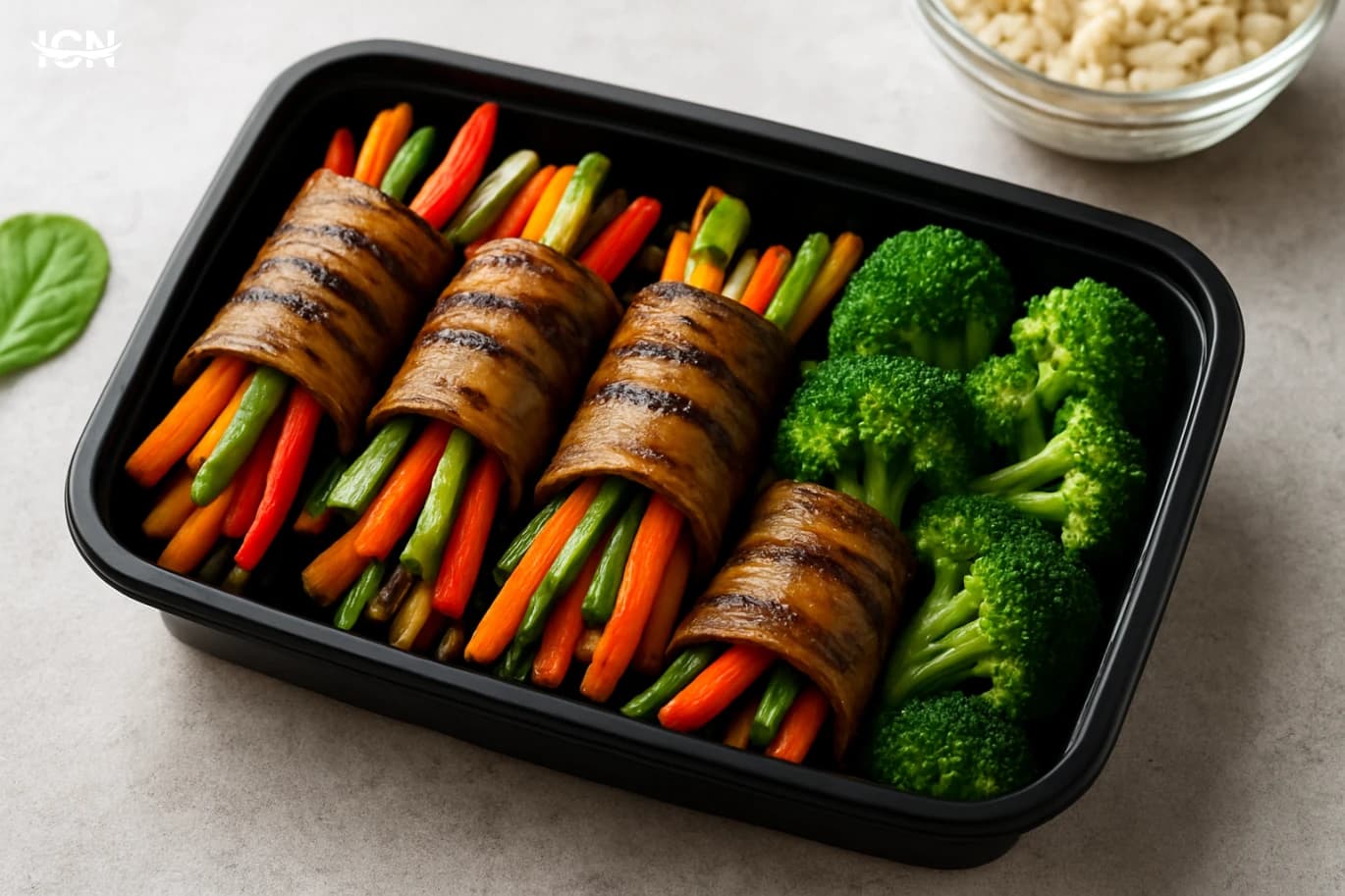
Vegetable steak rolls are a practical way to balance protein, fiber, and flavor in one portion without relying on heavy sauces or deep frying. The idea is simple: a thin cut of lean steak wraps a colorful mix of vegetables, then cooks quickly so the meat stays tender and the vegetables keep some texture. For healthy dishes, this format helps with portion control because each roll is a defined serving, and it reduces the temptation to overfill a plate with starches. From a nutrition standpoint, the roll structure makes it easier to increase vegetable volume while keeping calories predictable. You can aim for roughly half the filling to be vegetables such as bell peppers, zucchini, carrots, mushrooms, or spinach. The steak provides complete protein and iron, while the vegetables add potassium, vitamin C, and a range of antioxidants. When you choose a lean cut and cook it fast over medium-high heat, you can keep added fat low and still get a satisfying, savory result. This dish also fits modern meal-prep routines. Rolls can be assembled in batches, stored chilled, and cooked when needed. They reheat better than many stir-fries because the meat protects the vegetables from drying out. With a few smart choices—lean steak, minimal oil, and a light finishing sauce—you get a weeknight-friendly meal that still feels like a restaurant plate.
Choosing Steak and Vegetables
The best steak for rolls is thin, flexible, and relatively lean. Look for cuts that can be sliced into sheets or bought already thin: top round, sirloin tip, or flank steak are common options. If the steak is thicker than about 5–7 mm, it will be harder to roll and may cook unevenly. Ask the butcher to slice it thin, or partially freeze the meat for 20–30 minutes and slice it yourself across the grain to improve tenderness. Vegetables should be chosen for quick cooking and low water release. Bell peppers, carrots cut into matchsticks, green beans, asparagus tips, and mushrooms work well. Zucchini is fine if you salt it lightly and pat it dry to avoid excess moisture. Leafy greens like spinach can be used, but keep the quantity modest so the roll doesn’t become wet. A good guideline is to cut everything into similar lengths so the filling stacks neatly and the roll closes without tearing. For seasoning, keep it clean and consistent. Salt and black pepper are enough for the steak, while the vegetables benefit from garlic, a small amount of ginger, or dried herbs. If you want a Mediterranean direction, use oregano and a squeeze of lemon at the end. For an Asian-leaning profile, use low-sodium soy sauce, rice vinegar, and sesame seeds. The key for a healthy dish is to avoid sugar-heavy glazes and to use sodium carefully, especially if you plan to meal prep multiple portions.
Prep Steps That Keep Rolls Neat
Neat rolls start with a quick setup. Lay the steak slices between two sheets of parchment and gently pound them to an even thickness. This improves tenderness and makes the roll easier to seal. Pat the surface dry; moisture prevents browning and can cause steaming. Pre-cook the vegetables briefly. A 2–3 minute sauté in a nonstick pan with a teaspoon of olive oil is usually enough, or you can blanch firmer vegetables like green beans and carrots for 60–90 seconds and then cool them. The goal is not to fully cook the vegetables, but to remove the raw edge so they finish at the same time as the steak. Season the vegetables lightly while warm so the flavor distributes evenly. Assemble with restraint. Place the filling in a narrow line, leaving a 2 cm border on the sides. Roll tightly, tucking the sides in as you go. If the steak is very thin, it may seal on its own; otherwise, secure with a toothpick or tie with kitchen string. For meal prep, arrange the raw rolls in a single layer in an airtight container, separated with parchment. Keep them refrigerated and cook within 24–36 hours for best texture. A small but important detail is to avoid overfilling. Overfilled rolls split, leak vegetable juices, and end up braising rather than searing. Two to three tablespoons of filling per slice is a realistic starting point, adjusted based on steak size. When the roll is compact, you get better browning and a cleaner slice when serving.
Cooking Methods and Timing
Pan-searing is the fastest method and gives the best surface color with minimal oil. Heat a heavy skillet over medium-high, add 1–2 teaspoons of oil, and place the rolls seam-side down first to seal. Sear for about 2 minutes per side, turning to brown all around. If the steak is very thin, total cooking time may be 6–8 minutes. Use a thermometer if possible; for many lean cuts, pulling the rolls around 60–63°C and resting for 3 minutes helps avoid dryness. Oven finishing is useful when making a larger batch. Sear the rolls briefly in a skillet for color, then transfer to a 190°C oven for 6–10 minutes depending on thickness. This method reduces the risk of burning the exterior while the center warms through. If you prefer a lighter approach, you can bake without searing, but the flavor will be milder and the surface less appealing. Air frying can work well for meal prep because it is consistent and uses very little oil. Arrange rolls in a single layer, cook around 180°C for 8–12 minutes, and turn once. Because air fryers vary, check early and adjust. Avoid overcrowding; tight spacing traps steam and softens the exterior. Whatever method you choose, rest the rolls before slicing. Cutting immediately releases juices and can make the filling slide out. A short rest stabilizes the meat fibers and keeps the roll intact. Slice on a slight diagonal for a cleaner look and to show the vegetable layers.
Light Sauces and Smart Sides
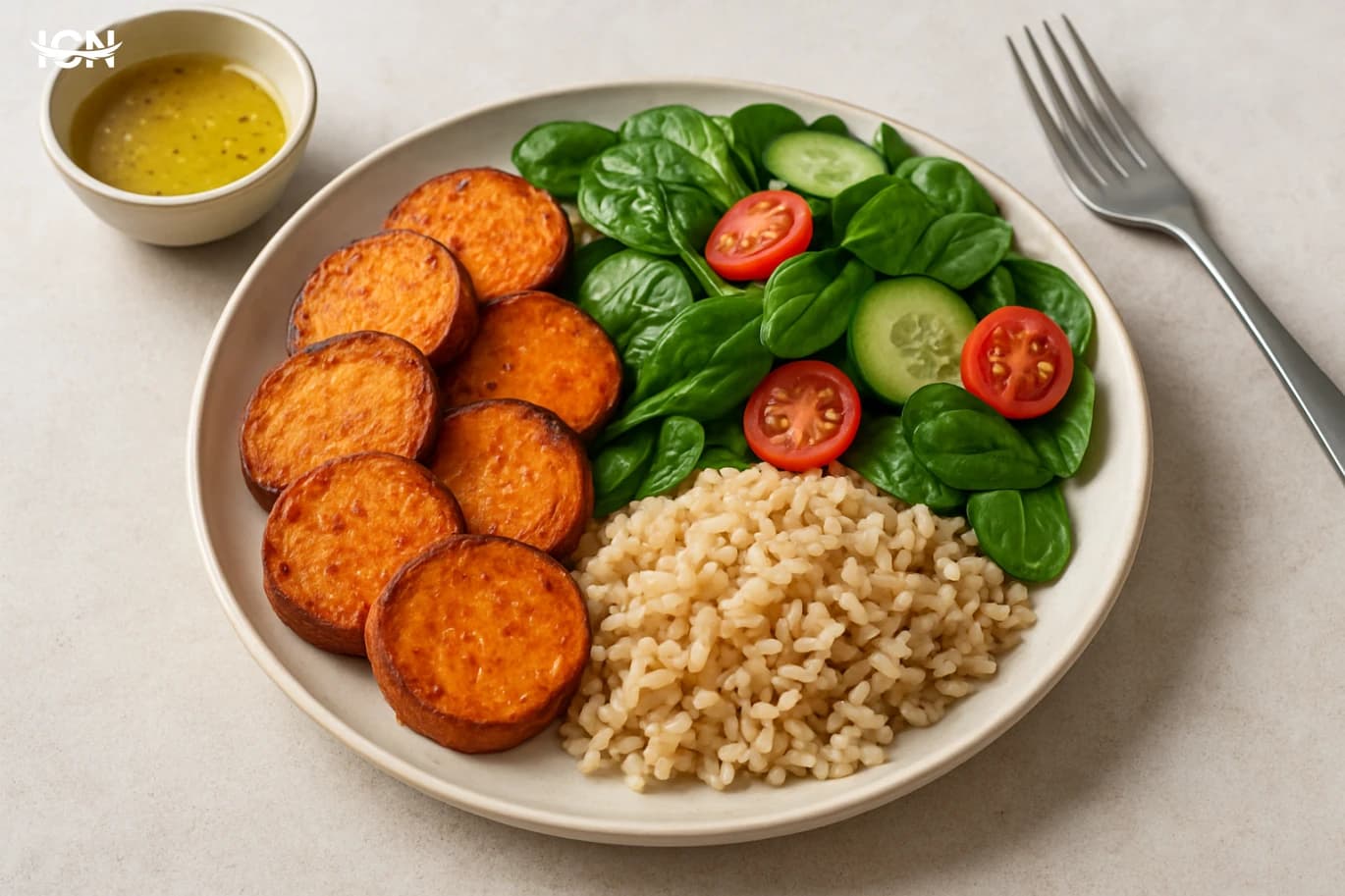
A healthy steak roll doesn’t need a heavy sauce. A quick pan sauce can be made by deglazing the skillet with a few tablespoons of low-sodium broth and a squeeze of lemon, then whisking in a teaspoon of Dijon mustard. This adds brightness and keeps calories low. Another option is a yogurt-based sauce: plain Greek yogurt mixed with grated garlic, chopped parsley, and a pinch of salt. It pairs well with peppery vegetables and adds protein. If you prefer an Asian-style finish, combine low-sodium soy sauce with rice vinegar and a small amount of toasted sesame oil, then spoon it lightly over the sliced rolls. Keep the sesame oil minimal because it is calorie-dense, and rely on vinegar and aromatics for impact. For sides, choose options that complement the roll without turning the meal into a high-carb plate. Good pairings include a large mixed salad with cucumbers and tomatoes, roasted cauliflower, or a simple lentil salad for extra fiber. If you want a grain, keep the portion measured: about half a cup of cooked brown rice, quinoa, or bulgur works for many people. The roll already contains vegetables, so the side should focus on hydration and fiber rather than more sautéed items. Presentation matters for satisfaction. Slice two rolls, fan them on a plate, add a crisp side salad, and drizzle sauce sparingly. This creates a complete-looking meal with controlled portions and clear components.
Meal Prep, Storage, and Common Fixes
For meal prep, you can store the rolls either raw (assembled) or cooked. Raw storage works best when you plan to cook within 1 day; keep them tightly covered in the coldest part of the refrigerator. Cooked rolls can be cooled quickly, then stored in airtight containers for up to 3 days. Reheat gently in a covered skillet with a splash of broth, or in the microwave at medium power to avoid toughening the steak. Freezing is possible, but texture is better when you freeze the rolls raw and cook from thawed. Wrap each roll individually, then place in a freezer bag and label with the date. Thaw overnight in the refrigerator. Avoid freezing rolls with very watery vegetables such as heavily salted zucchini or large amounts of spinach, because they can release water after thawing. If your rolls open during cooking, the usual causes are overfilling, insufficient sealing, or a pan that is not hot enough at the start. Reduce the filling, secure with toothpicks, and begin seam-side down. If the steak turns dry, the cut may be too lean or the cooking time too long; use a thermometer, shorten the cook, and add a rest period. If vegetables feel undercooked, pre-cook them slightly longer next time or cut them thinner. Once you have the basic method, you can rotate fillings to keep the week interesting: mushrooms with thyme, peppers with cumin, or spinach with a small amount of feta-style cheese if it fits your diet. The structure stays the same, which makes planning easier and keeps the dish aligned with healthy-dish goals.