App Logo

Download Our App

Shop your way

logologo
Image

Fattoush for Ramadan Tables
02/24/2026By: ICN Writer
Fattoush for Ramadan Tables

Why Fattoush Fits Ramadan

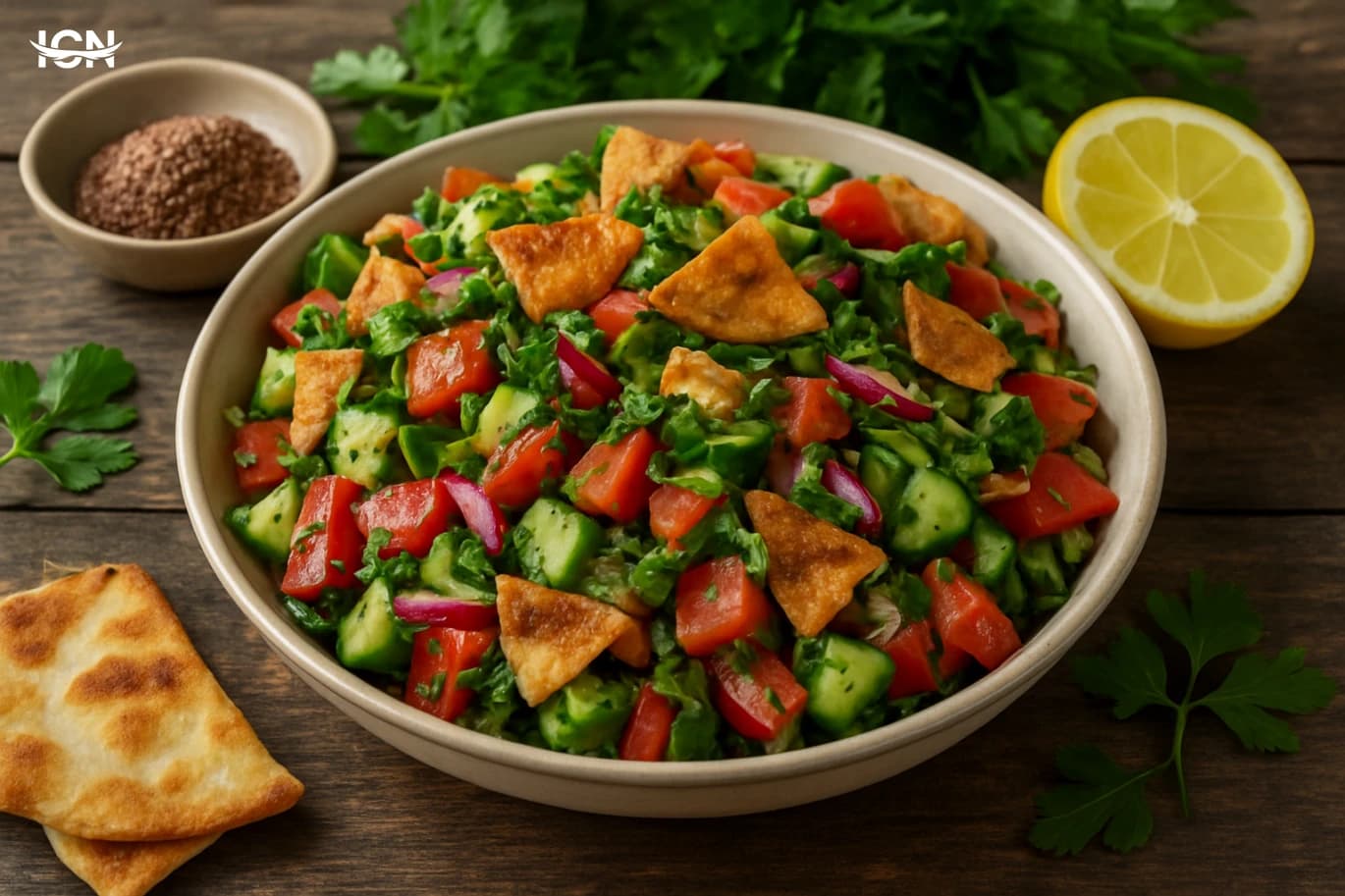
Across the Levant and in many Arab homes, fattoush is a familiar salad that appears frequently in Ramadan because it complements the rhythm of iftar. After long hours of fasting, many people prefer to start with water, dates, soup, and then something fresh that does not feel heavy. Fattoush answers that need with crisp vegetables, a bright dressing, and toasted or fried pieces of pita that add texture without turning the meal into a dense dish. Its popularity is also practical. The ingredients are widely available in local markets during Ramadan, and the salad can be assembled quickly while other dishes are still finishing on the stove. Families often prepare the vegetables in advance, keep the dressing separate, and add the bread at the last moment so it stays crunchy. In that sense, fattoush is not only a traditional choice but also a smart one for busy kitchens. From a healthy-dishes perspective, fattoush is naturally rich in fiber and water content thanks to lettuce, cucumber, tomatoes, and radish. It can help balance a table that may include fried appetizers, creamy sauces, and sweets. The salad’s acidity from lemon and sumac can also make it feel refreshing, which is one reason it remains a staple alongside grilled meats, rice dishes, and hearty stews during the month.

Core Ingredients and What They Add

A classic fattoush is built on a mix of chopped vegetables, herbs, and bread. The most common base includes romaine or local lettuce, tomatoes, cucumbers, and radishes. Each ingredient has a role: lettuce brings volume and crunch, tomatoes add juiciness and mild sweetness, cucumbers contribute freshness, and radishes provide a sharp bite that keeps the salad lively. Herbs are not decoration in fattoush; they are part of the flavor structure. Parsley is widely used, and mint—fresh or dried—adds a clean aroma that works well with lemon. Some households add green onions for a stronger savory note. The signature seasoning is sumac, which gives a tart, berry-like acidity that is different from lemon and helps the salad taste “complete.” The bread is what makes fattoush distinct from other chopped salads. Pita is usually cut into squares and toasted in the oven or quickly fried. Toasting reduces oil and keeps the salad lighter, while frying delivers a deeper crunch. Either way, the timing matters: adding bread too early can make it soggy, especially if the tomatoes are very ripe. For Ramadan, many cooks also include seasonal additions such as bell peppers, purslane, or pomegranate seeds when available. These extras can improve color and micronutrient variety, but the salad still relies on the same core idea: a balance of crisp vegetables, herbs, acidity, and bread texture.

The Dressing That Defines the Salad

Fattoush dressing is simple on paper, but it is the main reason the salad tastes distinct. The standard combination is lemon juice, extra-virgin olive oil, salt, and sumac. Many cooks add pomegranate molasses for depth and a gentle sweetness that pairs well with tomatoes and mint. Garlic can be included in small amounts, especially when the salad is served with grilled dishes. Balance is the key technical point, even in a home kitchen. Too much lemon can overwhelm the vegetables and make the salad feel sharp; too much oil can mute the acidity and weigh it down. A practical approach is to start with a higher proportion of lemon, then add oil gradually until the dressing tastes bright but rounded. Sumac should be noticeable but not dusty; it works best when mixed into the dressing rather than sprinkled only on top. During Ramadan, the dressing can also be adjusted to suit different tables. If the meal includes many salty items such as pickles, olives, or cheese pastries, reducing salt in the dressing helps. If the menu is heavy on fried foods, increasing lemon and adding a small amount of pomegranate molasses can make the salad feel more cleansing. Keeping the dressing separate until serving is one of the easiest ways to preserve texture and prevent the vegetables from releasing too much water. For people aiming for a healthier dish, the dressing is where calories can quietly rise. Using measured olive oil, relying on lemon and sumac for flavor, and avoiding excessive bread frying are small choices that keep fattoush light while maintaining its classic taste.

Health Profile and Smart Ramadan Choices

Fattoush is often described as a “light” dish, but its health profile depends on preparation. The vegetable base provides fiber, potassium, folate, and vitamin C, especially from tomatoes, parsley, and lemon. High-water ingredients such as cucumber and lettuce can support hydration, which is relevant in Ramadan when fluid intake is limited to non-fasting hours. The main variables are bread and oil. Fried pita can turn a salad into a calorie-dense side, particularly if the pieces absorb oil. Baking or air-toasting the bread keeps the crunch while reducing added fat. Another practical option is to use smaller bread portions and increase vegetables and herbs, which improves volume and micronutrient density. For people managing blood sugar, fattoush can be a helpful part of iftar because it is generally low in added sugars and provides fiber that supports satiety. The bread adds carbohydrates, so portion size matters, especially when the meal already includes rice, pasta, or sweet drinks. Pairing fattoush with lean proteins such as grilled chicken, fish, or legumes can create a more balanced plate. Sodium is another consideration. Restaurant versions may be saltier, and Ramadan tables often include salty sides. Using lemon, sumac, and mint to build flavor allows for less salt without making the salad bland. These adjustments keep fattoush aligned with the idea of Healthy Dishes while still matching the taste expectations of a Ramadan gathering.

How to Keep It Crisp for Iftar

Texture is the difference between an average fattoush and a great one, and Ramadan timing can make that challenging. The most common problem is a watery salad. Tomatoes release liquid after salting, and cucumbers can do the same. A simple solution is to chop vegetables shortly before serving, or to salt tomatoes lightly in a separate bowl, drain excess liquid, and then mix them into the salad. Bread management is equally important. Toast pita pieces until they are fully dry and golden; under-toasted bread softens quickly once it touches dressing. Store the toasted bread at room temperature in a paper bag or a loosely covered container so it stays crisp. Add it at the table, not in the kitchen, especially when iftar is delayed by prayer or guests arriving late. Another practical tip is to keep three components separate: chopped vegetables and herbs, dressing, and bread. This “assembly line” method works well for family gatherings because it allows the salad to be finished in two minutes. It also helps households adjust portions: more bread for those who want it, less for those aiming for a lighter plate. Finally, use a wide bowl rather than a deep one. A wide bowl makes it easier to coat the vegetables evenly without crushing them, and it reduces the chance that the bottom layer sits in dressing for too long. These small steps protect the salad’s freshness, which is exactly why fattoush earns its place on Ramadan tables.

bookmark

If you want a reliable Ramadan fattoush routine, focus on a short checklist. Choose firm tomatoes and crisp cucumbers, and dry washed greens well so the dressing clings instead of sliding off. Mix lemon, olive oil, sumac, and a small amount of pomegranate molasses, then taste before adding more salt. Toast pita until fully crisp, and keep it separate until the moment of serving. For a healthier version that still feels traditional, bake the bread, measure the oil, and increase herbs such as parsley and mint for stronger flavor with fewer calories. If you are serving a large group, prepare the vegetables and dressing in advance, but assemble at the table to protect crunch. These steps keep fattoush consistent, attractive, and easy to repeat throughout the month. Finally, remember that fattoush is flexible. You can add radish for bite, bell pepper for sweetness, or pomegranate seeds for a seasonal touch, but the defining identity remains the same: fresh vegetables, a tart dressing anchored by sumac, and bread added at the end. That combination is why fattoush continues to decorate Ramadan tables year after year.
* All articles published on this blog are sourced from various websites and are provided for informational purposes only. They should not be considered as confirmed studies or accurate information. Please verify the information independently before relying on it.

Similar ARTICLES

Vegetable Steak Rolls for Smart Meal Prep
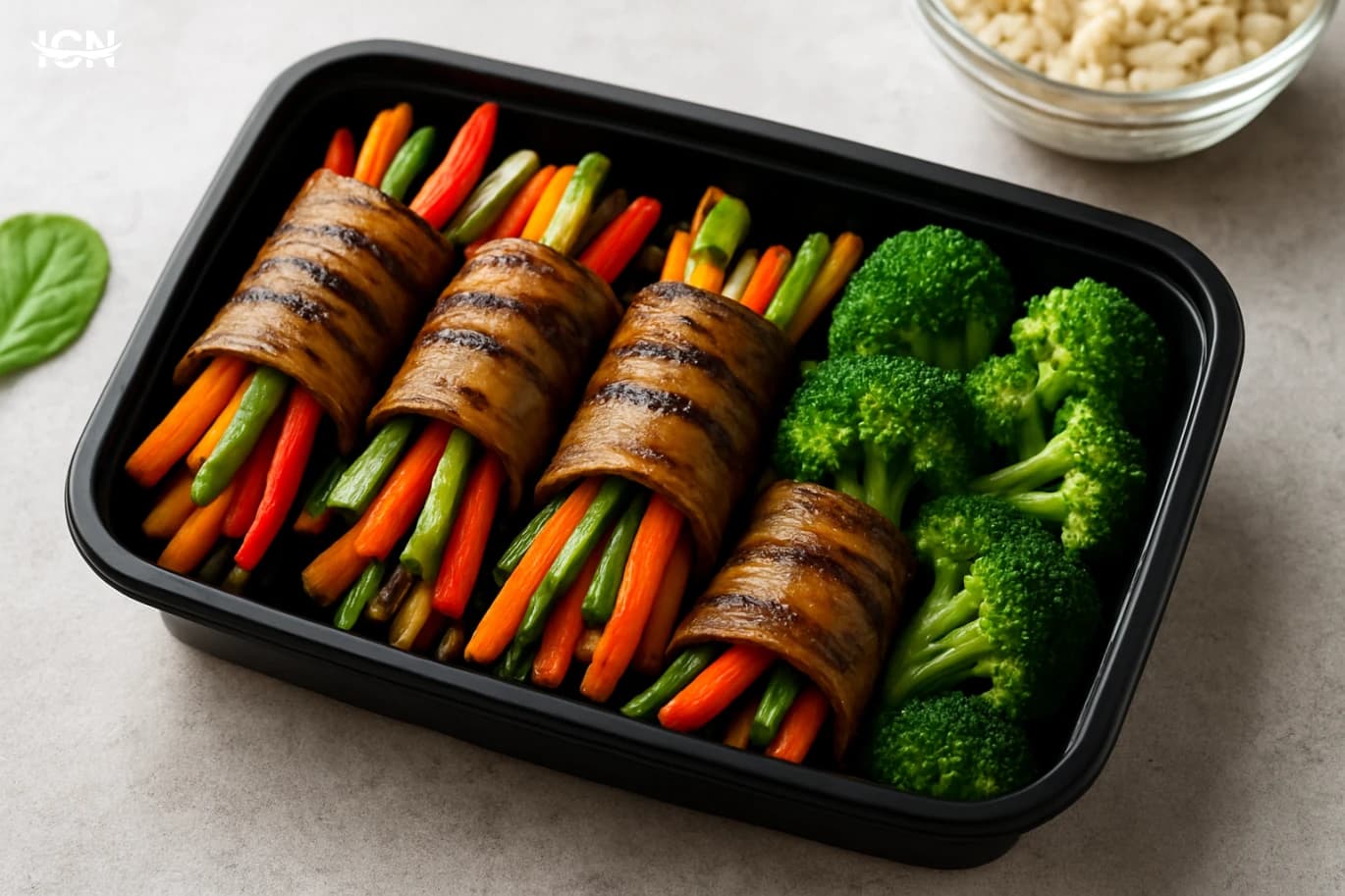
Vegetable steak rolls are a practical way to balance protein, fiber, and flavor in one portion without relying on heavy sauces or deep frying. The idea is simple: a thin cut of lean steak wraps a colorful mix of vegetables, then cooks quickly so the meat stays tender and the vegetables keep some texture. For healthy dishes, this format helps with portion control because each roll is a defined serving, and it reduces the temptation to overfill a plate with starches. From a nutrition standpoint, the roll structure makes it easier to increase vegetable volume while keeping calories predictable. You can aim for roughly half the filling to be vegetables such as bell peppers, zucchini, carrots, mushrooms, or spinach. The steak provides complete protein and iron, while the vegetables add potassium, vitamin C, and a range of antioxidants. When you choose a lean cut and cook it fast over medium-high heat, you can keep added fat low and still get a satisfying, savory result. This dish also fits modern meal-prep routines. Rolls can be assembled in batches, stored chilled, and cooked when needed. They reheat better than many stir-fries because the meat protects the vegetables from drying out. With a few smart choices—lean steak, minimal oil, and a light finishing sauce—you get a weeknight-friendly meal that still feels like a restaurant plate.
High-Protein Lentil Bowls for Busy Weeknights
Lentil bowls are one of the most practical healthy dishes for weeknights because they combine protein, fiber, and slow-digesting carbohydrates in a single plate. A standard serving of cooked lentils provides substantial plant protein and a high fiber load, which helps keep hunger stable between meals. Unlike many quick dinners that rely on refined grains or heavy sauces, a lentil bowl can be built with simple pantry ingredients and fresh toppings, keeping saturated fat and added sugar low. The format is also flexible: you can use green, brown, or red lentils, swap vegetables based on what is in season, and adjust flavors from Mediterranean to Southwest without changing the core nutrition. From a time-management perspective, lentils are forgiving. They hold up well in the fridge for several days, and their texture improves after resting, making them ideal for meal prep. A single pot of lentils can become multiple dinners by changing the vegetables and dressing. For households trying to eat healthier without spending hours cooking, this “base plus toppings” approach reduces decision fatigue and makes it easier to keep portions balanced. The key is to plan a consistent structure: a lentil base, at least two vegetables, one healthy fat, and a bright dressing or salsa for flavor.
Sheet Pan Mediterranean Dinner for Busy Nights
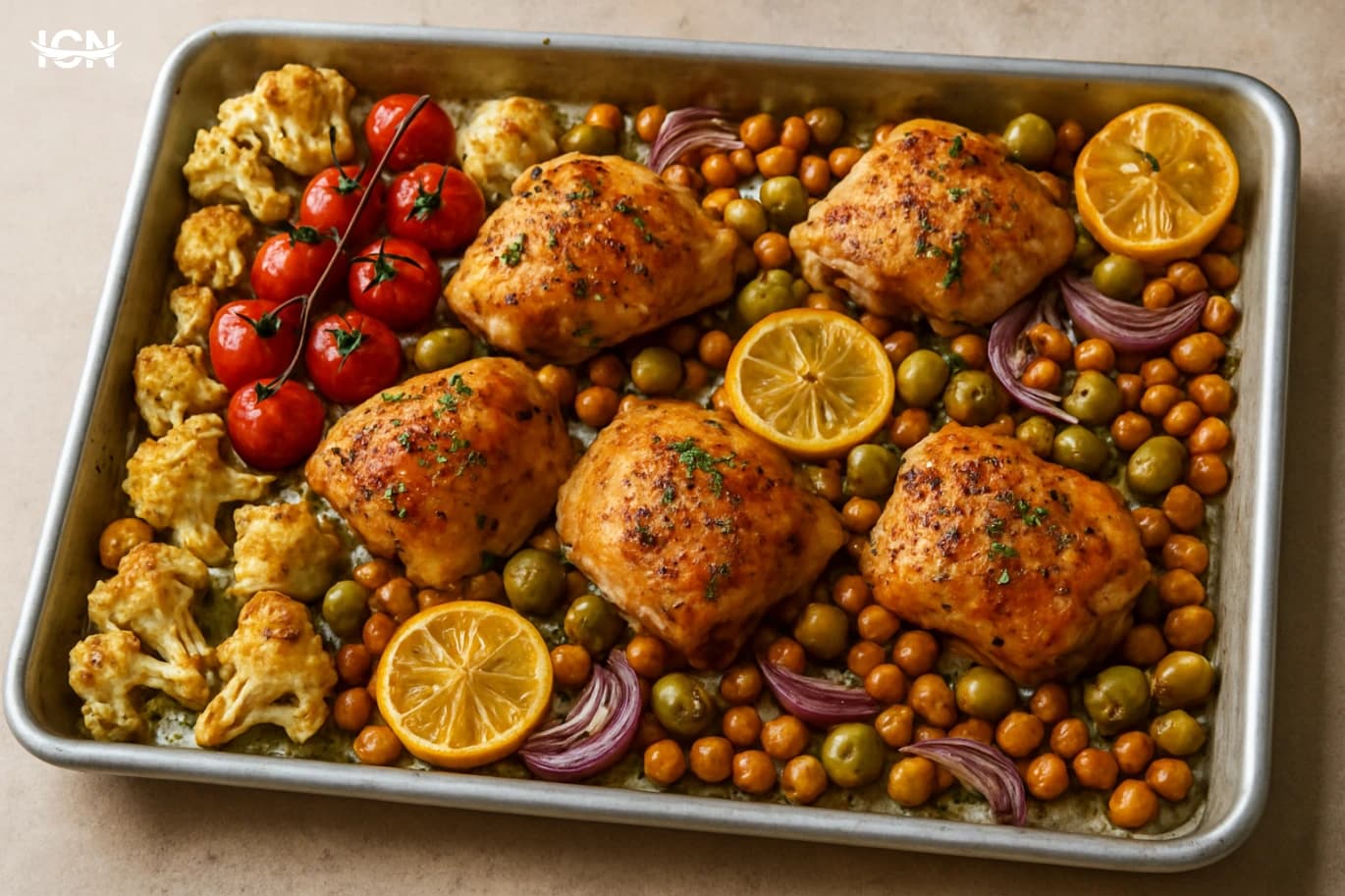
A sheet pan dinner is one of the most practical ways to cook a balanced meal without relying on processed convenience foods. By roasting everything together, you can build a plate that includes lean protein, fiber-rich vegetables, and a moderate portion of complex carbohydrates, all with minimal added fat. The method also supports portion control: ingredients are visible, measurable, and easy to divide into servings. For busy weeknights, it reduces decision fatigue because the cooking process is consistent—prep, season, roast, and serve. From a nutrition standpoint, roasting concentrates flavor so you can use less salt and fewer heavy sauces. High-heat roasting also helps vegetables caramelize naturally, making them more appealing without added sugar. Another advantage is predictability: once you learn a few timing rules, you can swap ingredients based on what is seasonal or already in your fridge. This topic focuses on a Mediterranean-style tray built around vegetables, chickpeas, and a simple protein, designed to be satisfying while staying within common healthy-eating goals like higher fiber, reasonable calories, and steady energy.
Sheet Pan Mediterranean Dinner Routine
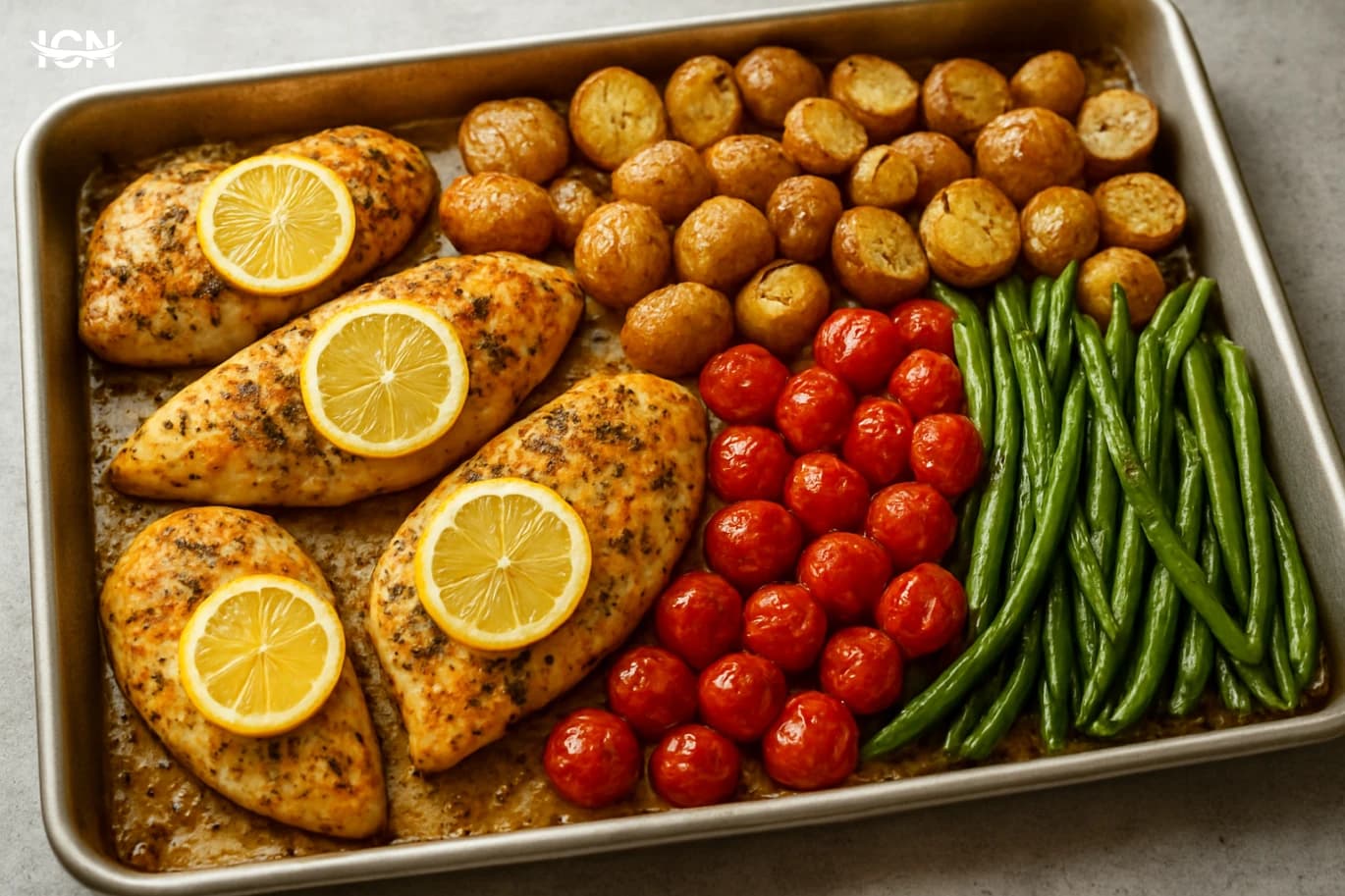
A sheet-pan dinner is one of the most reliable formats for healthy dishes because it controls portions, reduces added fats, and keeps preparation simple enough to repeat on busy weeknights. When everything cooks on one tray, you can build a balanced plate by design: a lean protein, a high-volume vegetable base, and a smart carbohydrate option that does not dominate the meal. The oven’s dry heat concentrates flavor, so you can rely on herbs, citrus, garlic, and spices instead of heavy sauces. It also makes it easier to track salt and oil; measuring one or two tablespoons of olive oil for an entire tray is more realistic than free-pouring into multiple pans. From a nutrition perspective, this approach supports steady energy and satiety. Roasting vegetables like zucchini, bell peppers, onions, and cherry tomatoes increases palatability, which helps people actually eat the recommended volume of produce. Pairing them with a protein such as chicken, chickpeas, or fish improves fullness and supports muscle maintenance. Because the method is consistent, it becomes a routine rather than a one-off recipe, which is often the difference between “healthy ideas” and sustainable healthy dishes.
High Protein Mediterranean Lunch Bowls
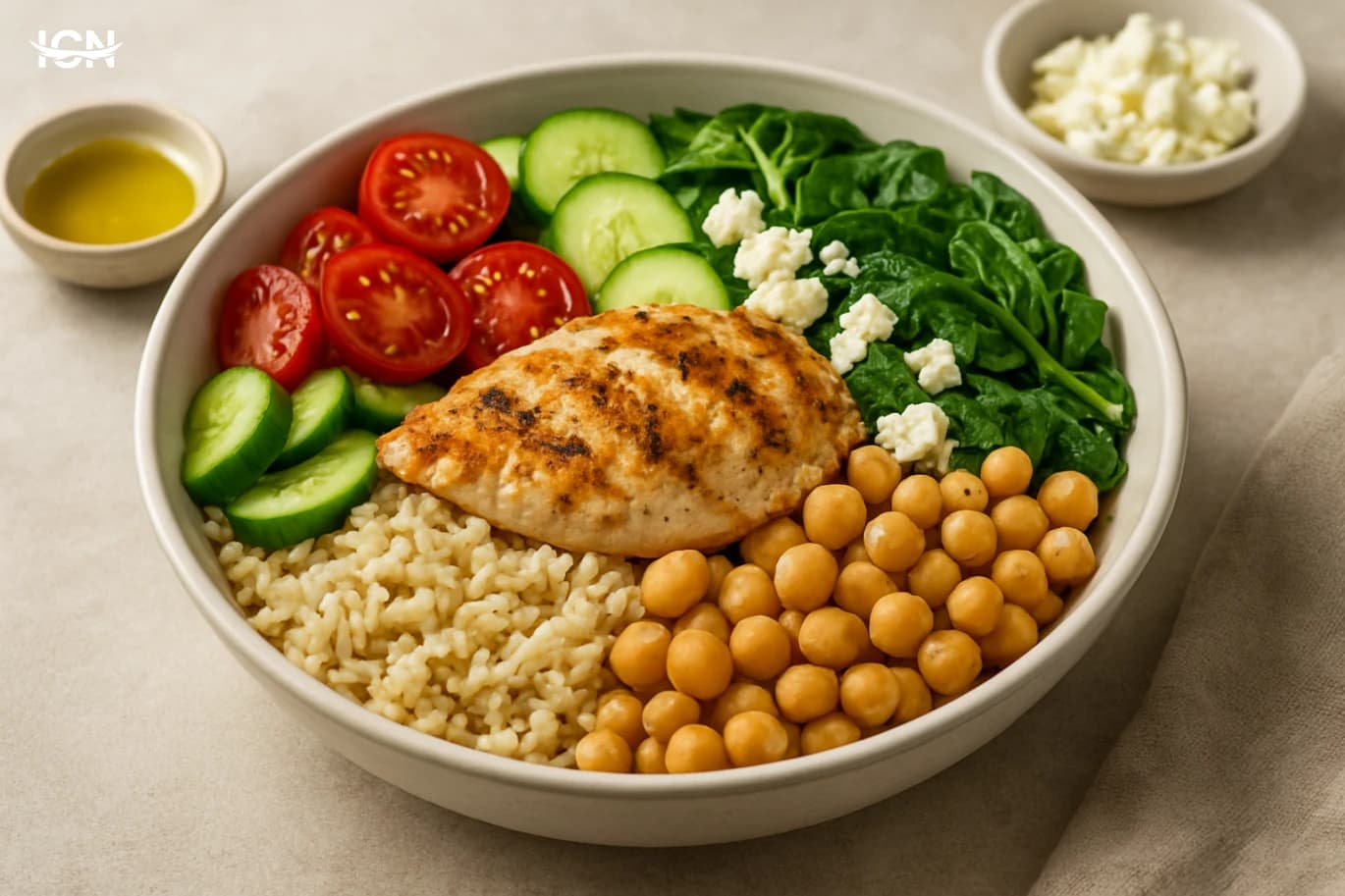
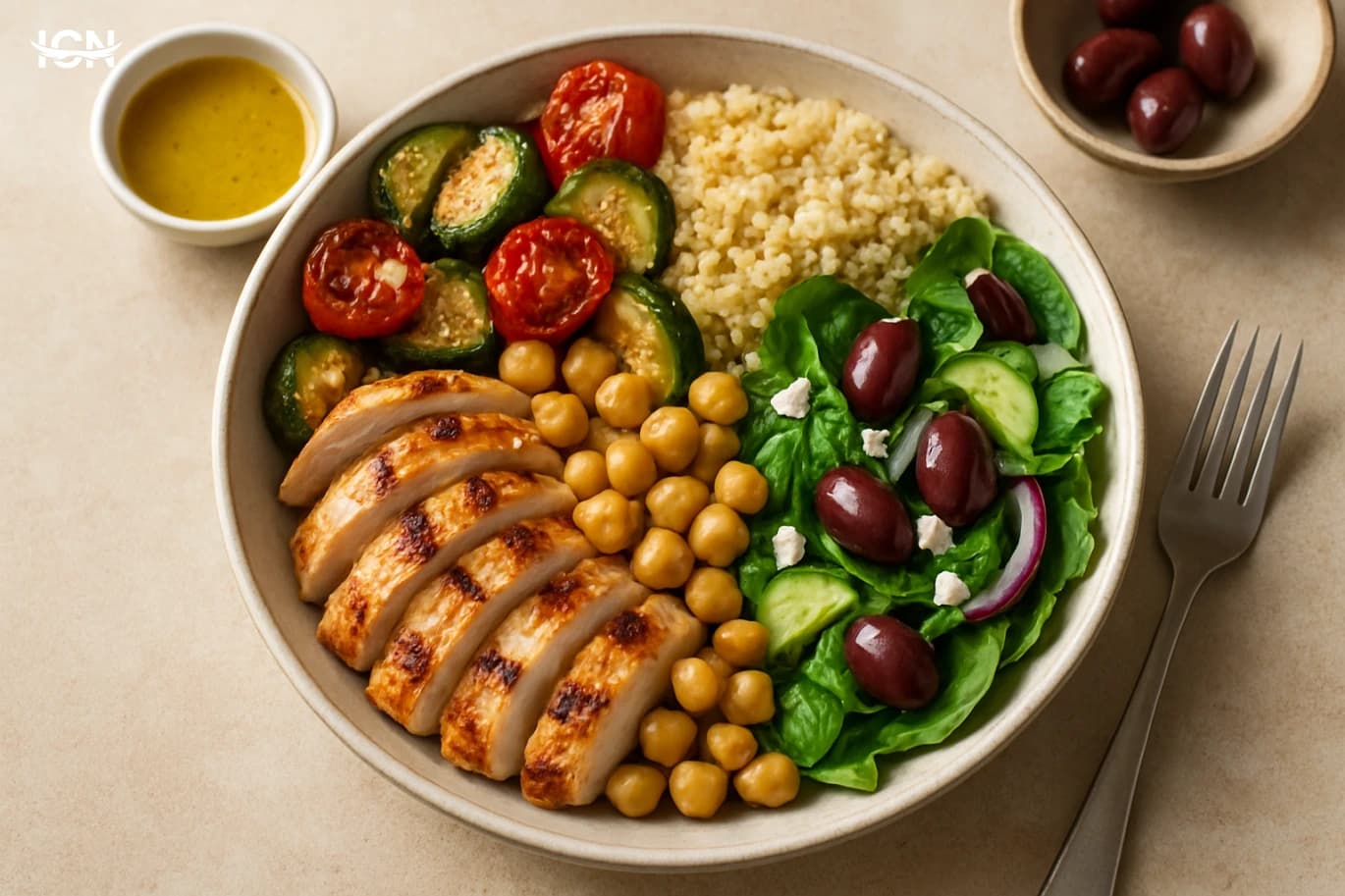
Mediterranean-style lunch bowls are a practical way to build healthy dishes without complicated cooking. They combine a protein base, fiber-rich vegetables, and a measured portion of whole grains or legumes, which helps many people stay satisfied through the afternoon. Because each component is prepared separately, you can adjust portions to match your needs: more vegetables for volume, more protein for training days, or fewer grains when you want a lighter meal. This format also reduces food waste, since leftover roasted vegetables, cooked grains, and simple sauces can be repurposed across several bowls. A high-protein approach does not mean heavy meals. In a Mediterranean pattern, protein often comes from fish, poultry, yogurt, beans, and lentils, supported by olive oil, herbs, and citrus for flavor. The result is a lunch that feels fresh, not bland, and is easy to pack for work or school. A bowl can be eaten cold or at room temperature, which makes it realistic for busy schedules. Most importantly, it encourages consistent, balanced eating because the structure is repeatable while the flavors can change every day.
One-Pan Mediterranean Bowls for Busy Weeknights
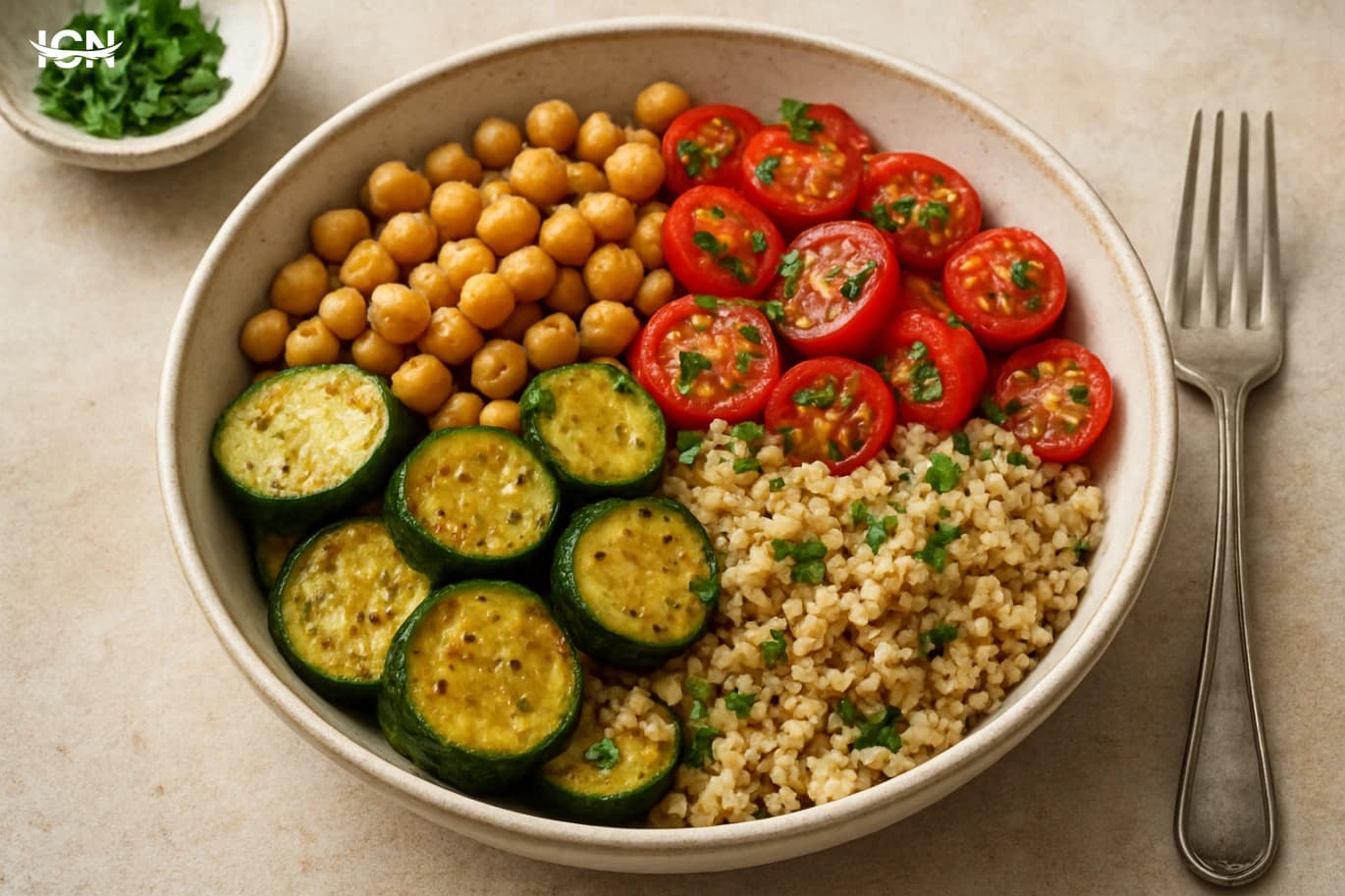
One-pan Mediterranean bowls are a practical way to build healthy dishes without turning dinner into a multi-hour project. The concept is simple: roast a mix of vegetables and a protein on a single sheet pan, then assemble bowls with a whole-grain base and a quick sauce. This structure keeps portions predictable and makes it easier to include fiber, lean protein, and healthy fats in one meal. From a nutrition standpoint, the Mediterranean pattern emphasizes vegetables, legumes, whole grains, olive oil, and moderate amounts of fish or poultry. When you roast everything together, you also reduce the temptation to rely on packaged sides. For busy weeknights, the biggest advantage is workflow: one oven, one pan, one timer, and minimal cleanup. It also scales well, so you can cook four servings at once and use leftovers for lunch without the meal feeling like “diet food.”
High Protein Mediterranean Lunch Bowls
Lunch bowls are a practical way to build a healthy dish because they keep portions visible and make it easy to balance protein, fiber-rich carbohydrates, and vegetables in one place. A Mediterranean-style bowl is especially useful for busy weekdays: it relies on familiar ingredients such as legumes, olive oil, herbs, yogurt, and seasonal produce, and it can be assembled quickly without complicated cooking. From a nutrition standpoint, the bowl format helps prevent “all-carb” lunches by giving protein a clear role, which supports satiety and steadier energy through the afternoon. It also reduces waste because you can use leftover grains, roasted vegetables, or cooked proteins and turn them into a complete meal. This topic focuses on high-protein Mediterranean lunch bowls that stay realistic for home kitchens. The goal is not extreme dieting, but consistent, repeatable meals that taste good and travel well. You will learn how to choose a protein anchor, how to add vegetables for volume and micronutrients, and how to use sauces and toppings to keep the meal satisfying without relying on heavy dressings. The result is a set of flexible templates you can adapt to your budget, your local produce, and your cooking time.
Nori Sheets as a Smart Healthy Staple
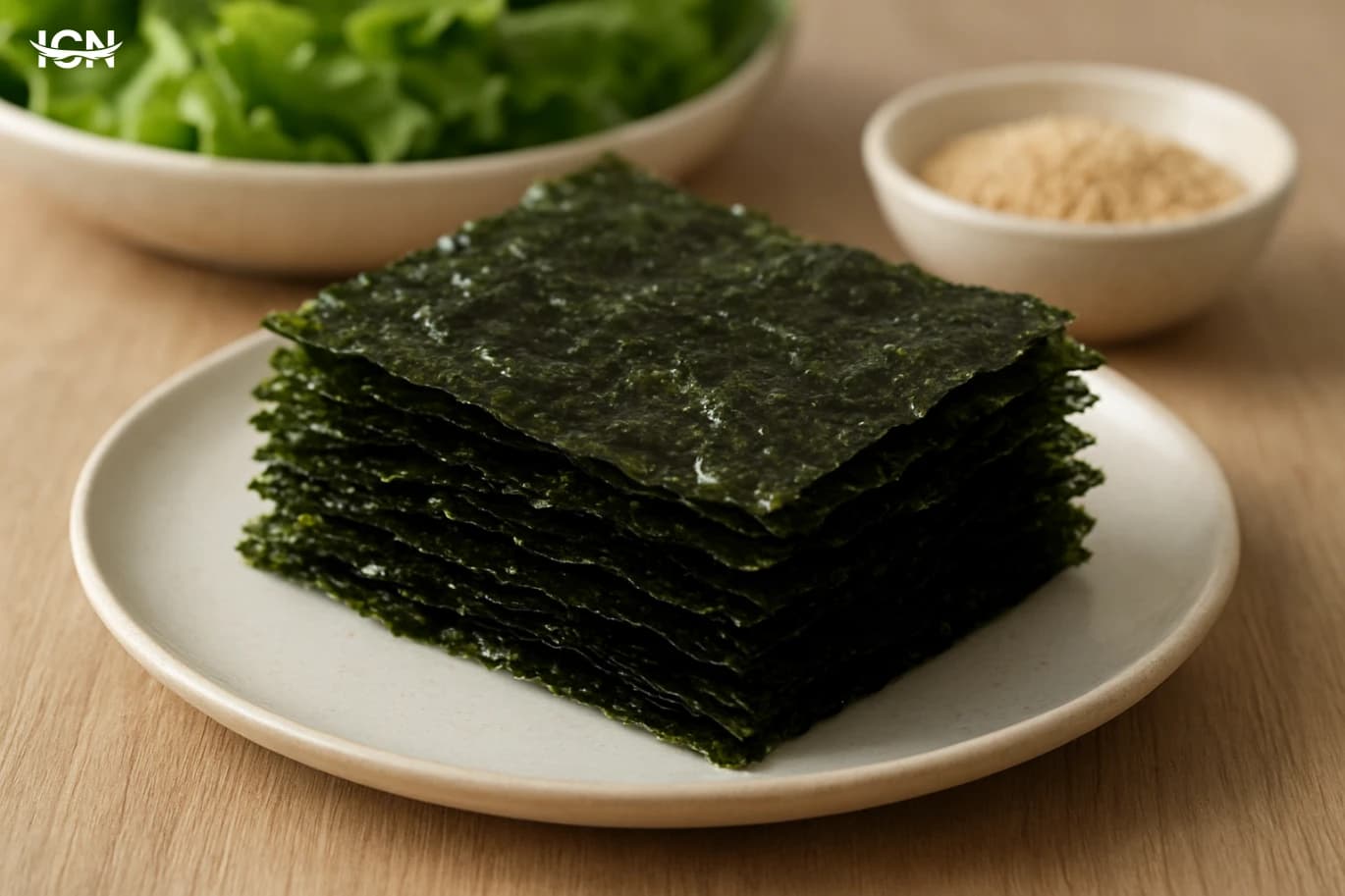
Sushi sheets, commonly called nori, are thin dried seaweed sheets made by washing, chopping, and pressing edible marine algae into paper-like layers, then drying and lightly toasting them. The most widely used types come from red algae in the Porphyra and Pyropia groups, cultivated in coastal waters and processed in facilities that control moisture and roasting time to keep flavor consistent. In everyday cooking, nori is best known for wrapping maki rolls, but it is also used as a topping for rice bowls, soups, and noodles, or cut into strips for salads. From a nutrition perspective, nori is a low-calorie ingredient with a concentrated profile because drying removes water while keeping many minerals and bioactive compounds. A typical sheet is light in weight, so it will not replace vegetables or protein in a meal, but it can meaningfully add micronutrients and flavor with minimal sodium and fat when you choose plain, unseasoned sheets. Understanding what nori is and how it is made helps explain why quality varies between brands and why storage and handling matter for taste and texture.
High-Protein Mediterranean Grain Bowls
Grain bowls can be either a balanced meal or a calorie-heavy mix, depending on how they are built. A truly healthy bowl starts with a measured base of whole grains such as farro, bulgur, brown rice, or quinoa, cooked with minimal oil and seasoned with herbs, citrus, and spices rather than heavy sauces. The second requirement is protein that is substantial enough to support satiety and muscle maintenance: legumes, fish, chicken breast, eggs, or strained yogurt-based dressings. The third is volume from vegetables, ideally a mix of raw and cooked for texture and nutrient variety, including leafy greens, tomatoes, cucumbers, roasted peppers, zucchini, or cauliflower. A Mediterranean approach keeps the bowl flavorful without relying on excess sugar or processed ingredients. It emphasizes olive oil in small amounts, lemon, vinegar, garlic, parsley, mint, and warm spices like cumin or paprika. It also encourages fiber and micronutrients through beans, lentils, and vegetables, which helps steady energy levels. The goal is not to eliminate carbs, but to choose slow-digesting grains and pair them with protein and healthy fats so the meal remains satisfying and practical for everyday lunches and dinners.
High Protein Mediterranean Bowls at Home
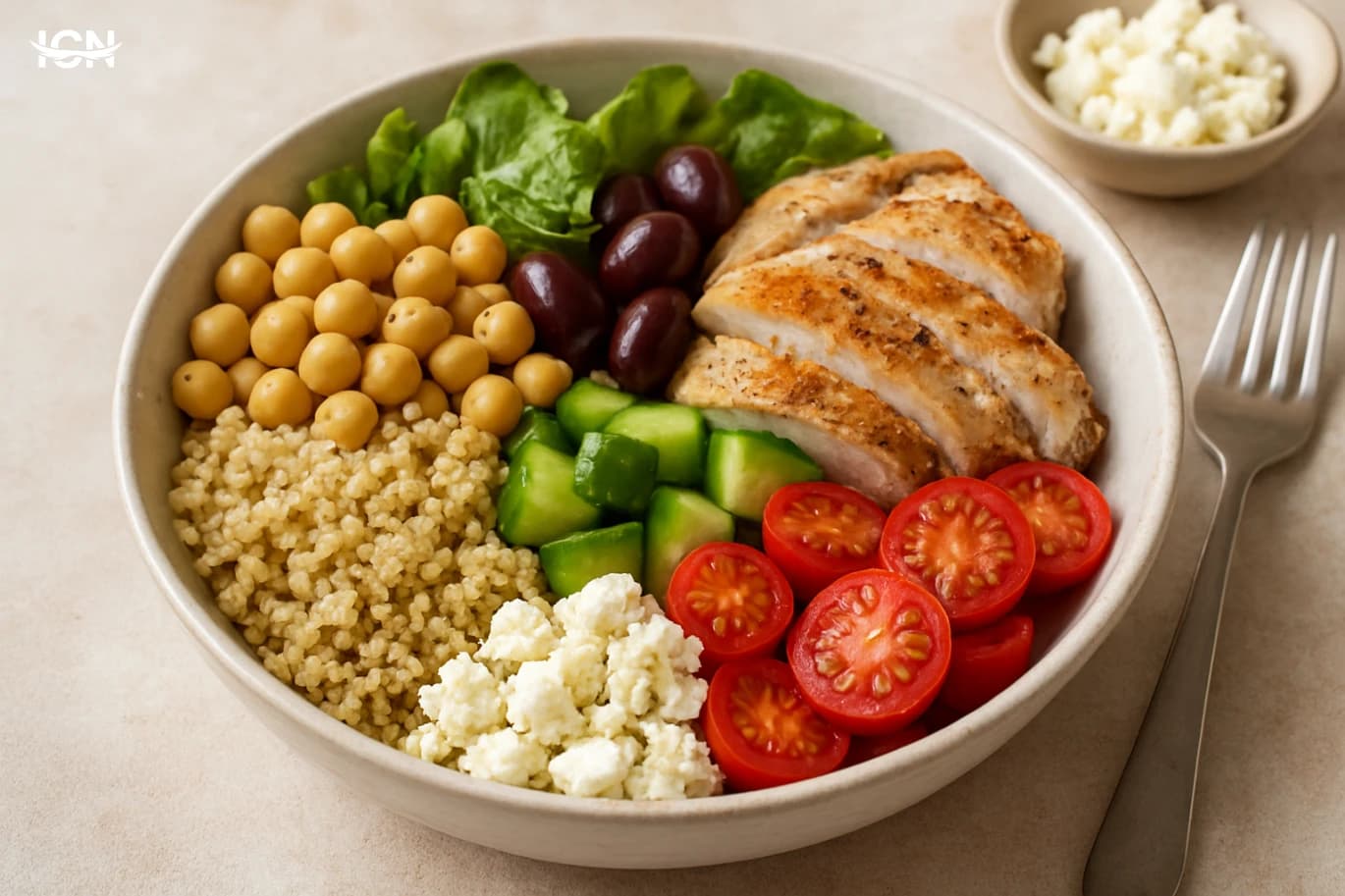
Mediterranean-style bowls are one of the easiest ways to build a healthy dish without complicated cooking. They rely on a clear structure: a protein base, a fiber-rich carbohydrate, several vegetables, and a sauce that adds flavor without turning the meal into a calorie-heavy plate. This format makes portion control simpler because each component has a role, and it reduces the temptation to overdo one ingredient like rice or bread. From a nutrition standpoint, these bowls can deliver high protein while keeping saturated fat and added sugar low. Using ingredients such as grilled chicken, tuna, eggs, lentils, chickpeas, or strained yogurt helps you reach a satisfying protein level. Pairing that with vegetables like cucumber, tomatoes, leafy greens, roasted peppers, and onions increases volume and micronutrients with minimal calories. When you add olive oil in measured amounts and lean on herbs, lemon, garlic, and spices, you get strong flavor without relying on heavy dressings.
Mediterranean Sheet Pan Dinner for Busy Weeks
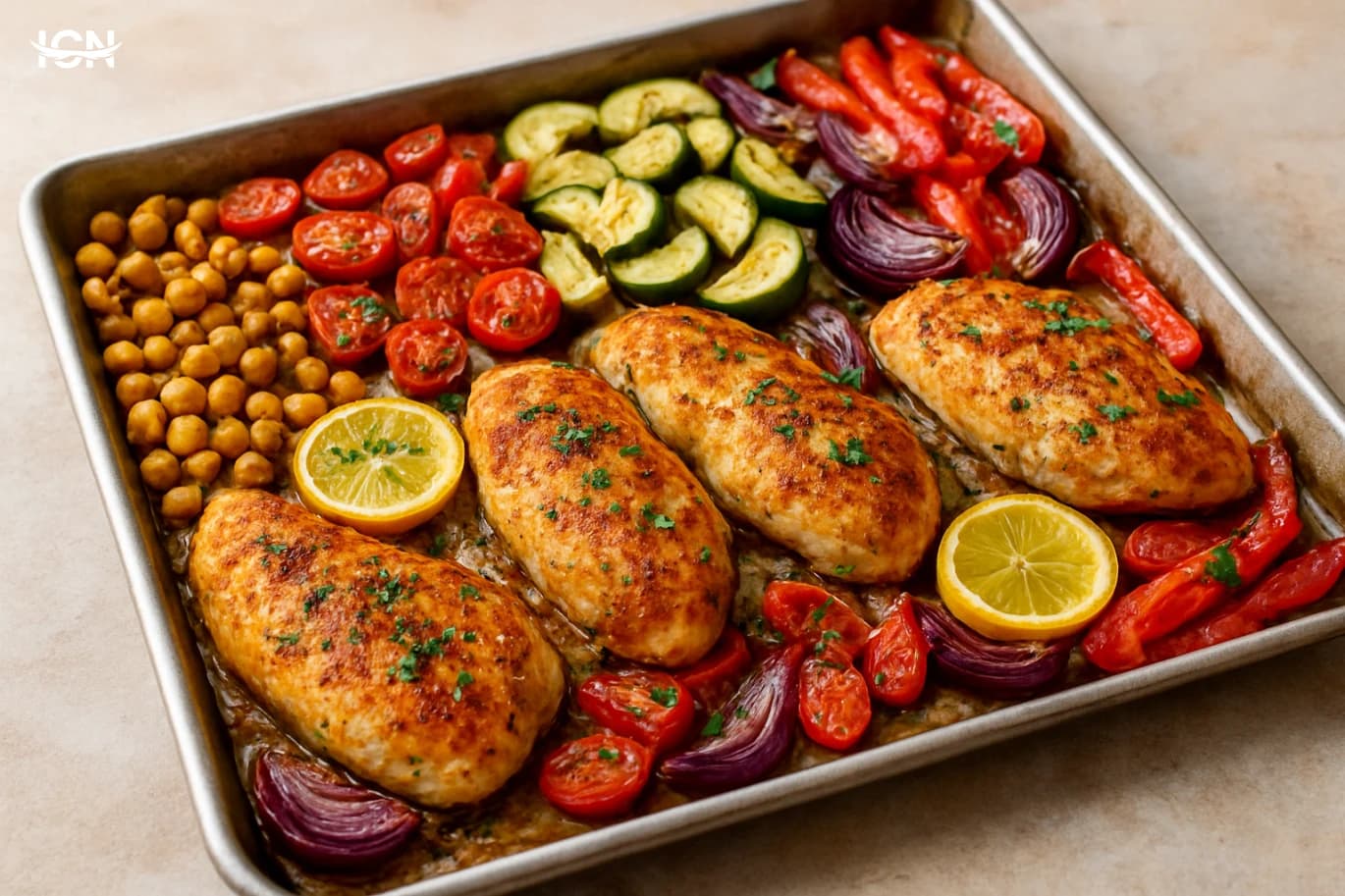
A Mediterranean-style sheet pan dinner is one of the most reliable ways to cook a healthy meal without turning weeknights into a project. The method is simple: arrange lean protein, vegetables, and a small portion of starchy sides on one tray, season with olive oil, lemon, and herbs, then roast. This approach naturally supports balanced plates because it prioritizes vegetables and uses cooking techniques that don’t require heavy sauces or deep frying. Nutritionally, the dish can be built around high-fiber vegetables such as zucchini, bell peppers, cherry tomatoes, and red onion, plus a protein like salmon, chicken breast, or chickpeas. Olive oil provides unsaturated fats, while lemon and herbs add flavor without extra sodium. The oven’s dry heat concentrates sweetness in vegetables, so the meal tastes satisfying even with moderate salt. For people trying to manage calories, the sheet pan format also makes portioning easier: you can visually separate protein, vegetables, and carbs before serving. From a practical standpoint, it reduces cleanup and helps with consistency. When healthy cooking feels complicated, people often default to takeout or packaged foods. A single-pan meal lowers the barrier: one cutting board, one tray, and a predictable cooking time. It also scales well, which matters for families and for meal prep. You can roast extra vegetables for tomorrow’s lunch, or cook two trays at once and store portions in the fridge for up to three days.
Everyday Healthy Dishes: Small Choices That Change the Plate
Healthy dishes often fail in real life because they are treated like a strict plan instead of a flexible plate. A plan can feel like a contract: you either follow it perfectly or you “break” it. A plate is different. It is a moment you can shape, meal by meal, without needing a complete lifestyle overhaul. When you focus on what is in front of you, you can make a healthier dish even on a busy day, even with limited ingredients, and even when you are not in the mood to cook. A practical way to begin is to decide what the meal needs to do for you. Do you need steady energy for the afternoon? Do you need something light but filling before sleep? Do you need comfort without the heavy crash afterward? Answering that question guides the dish more than any trend. For steady energy, you want a balance of protein, fiber-rich carbohydrates, and a bit of fat. For lighter meals, you can keep the same balance but reduce the portion of dense starch and increase vegetables and broth-based elements. Another helpful shift is to stop labeling foods as “good” or “bad” and instead label them by function. Some ingredients provide protein, some provide crunch, some provide sweetness, some provide aroma, and some provide satisfaction. When you build a dish with function in mind, you naturally include variety and reduce the need for extreme restriction. The goal is not to create a perfect meal; it is to create a repeatable meal that supports your body and still tastes like something you would choose again. Finally, start with what you already eat. If you love pasta, you do not need to abandon it; you can adjust the dish by adding vegetables, choosing a higher-fiber pasta, and pairing it with a protein. If you love rice, you can mix in legumes or cauliflower rice, or simply add a large vegetable side and keep the rice portion reasonable. Healthy dishes are often familiar dishes with smarter structure, not completely new foods you have to learn to like.
The importance of breakfast for a healthy body
A. The role of breakfast in enhancing energy and daily activity. Breakfast is considered one of the most important meals that the body needs at the beginning of the day. Breakfast provides the energy needed for activity and movement, and helps enhance the body's metabolism level. Eating a balanced breakfast can prevent hunger later and help maintain energy levels throughout the day. for. The effect of breakfast on mental performance and concentration. Breakfast directly affects mental performance and concentration. Research indicates that eating breakfast helps improve memory and concentration, which increases an individual's productivity. Therefore, breakfast is considered an essential meal to rely on to enhance academic and practical performance.
By clicking the SUBSCRIBE button, you are agreeing to our Privacy & Cookie Policy If you want to unsubsribe the marketing email, please proceed to our privacy center.
© 2005-2026 ICN. All Rights Reserved.