Mediterranean Sheet Pan Dinner for Busy Weeks
- Why this dish works for healthy eating
- Ingredients that keep it light and filling
- Step-by-step roasting plan
- Smart swaps for different goals
- Meal prep, storage, and food safety
Why this dish works for healthy eating
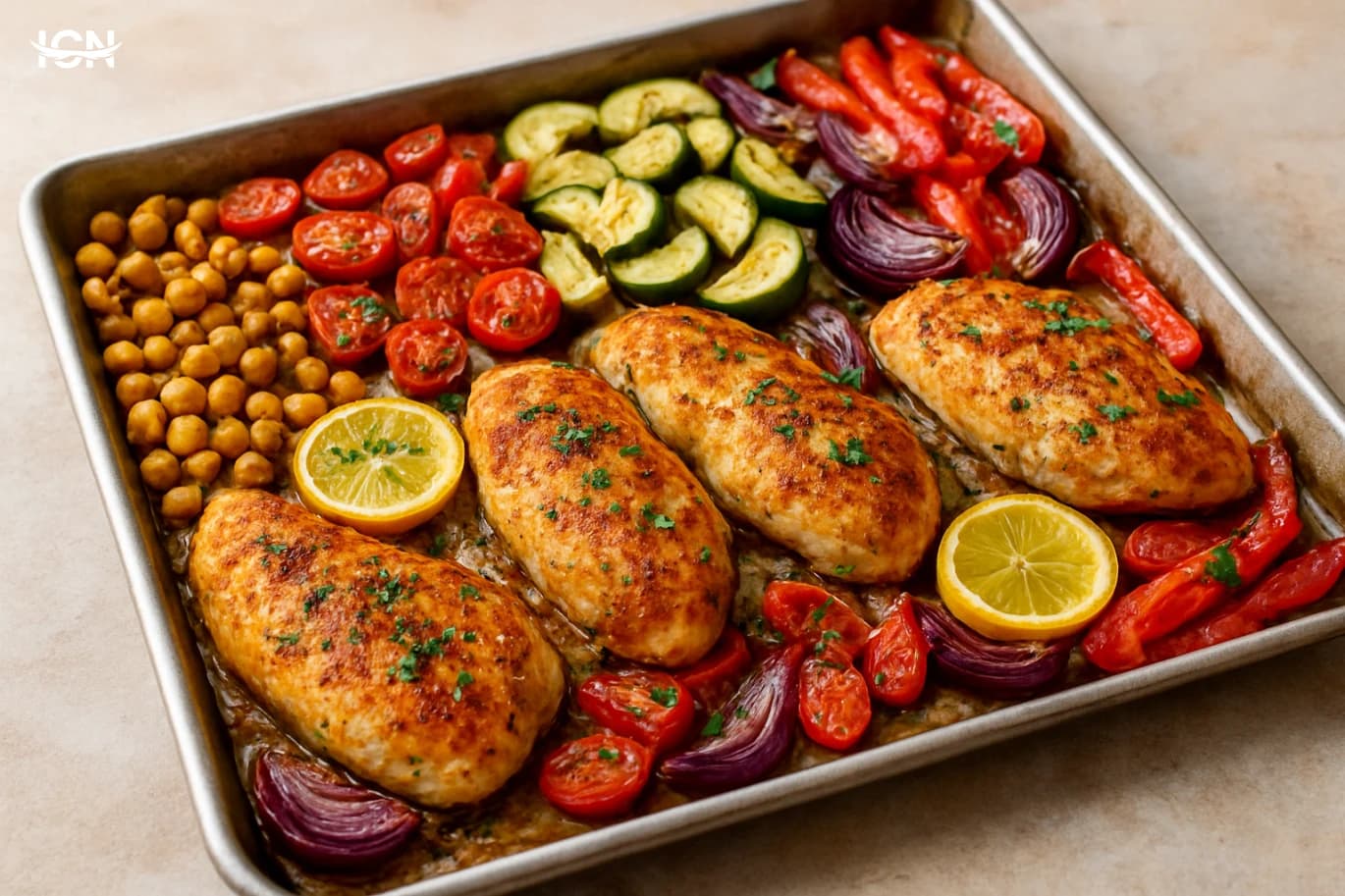
A Mediterranean-style sheet pan dinner is one of the most reliable ways to cook a healthy meal without turning weeknights into a project. The method is simple: arrange lean protein, vegetables, and a small portion of starchy sides on one tray, season with olive oil, lemon, and herbs, then roast. This approach naturally supports balanced plates because it prioritizes vegetables and uses cooking techniques that don’t require heavy sauces or deep frying. Nutritionally, the dish can be built around high-fiber vegetables such as zucchini, bell peppers, cherry tomatoes, and red onion, plus a protein like salmon, chicken breast, or chickpeas. Olive oil provides unsaturated fats, while lemon and herbs add flavor without extra sodium. The oven’s dry heat concentrates sweetness in vegetables, so the meal tastes satisfying even with moderate salt. For people trying to manage calories, the sheet pan format also makes portioning easier: you can visually separate protein, vegetables, and carbs before serving. From a practical standpoint, it reduces cleanup and helps with consistency. When healthy cooking feels complicated, people often default to takeout or packaged foods. A single-pan meal lowers the barrier: one cutting board, one tray, and a predictable cooking time. It also scales well, which matters for families and for meal prep. You can roast extra vegetables for tomorrow’s lunch, or cook two trays at once and store portions in the fridge for up to three days.
Ingredients that keep it light and filling
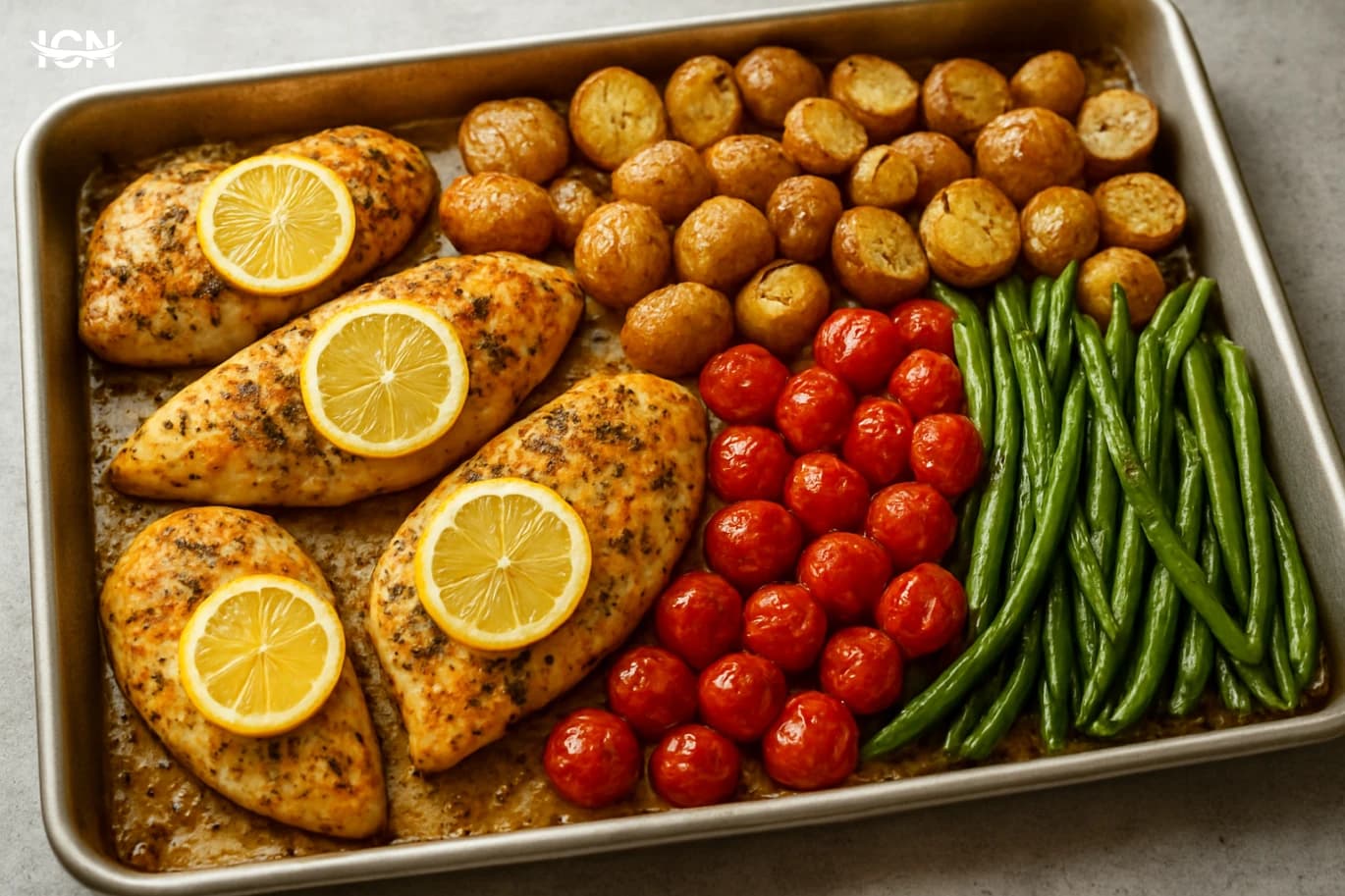
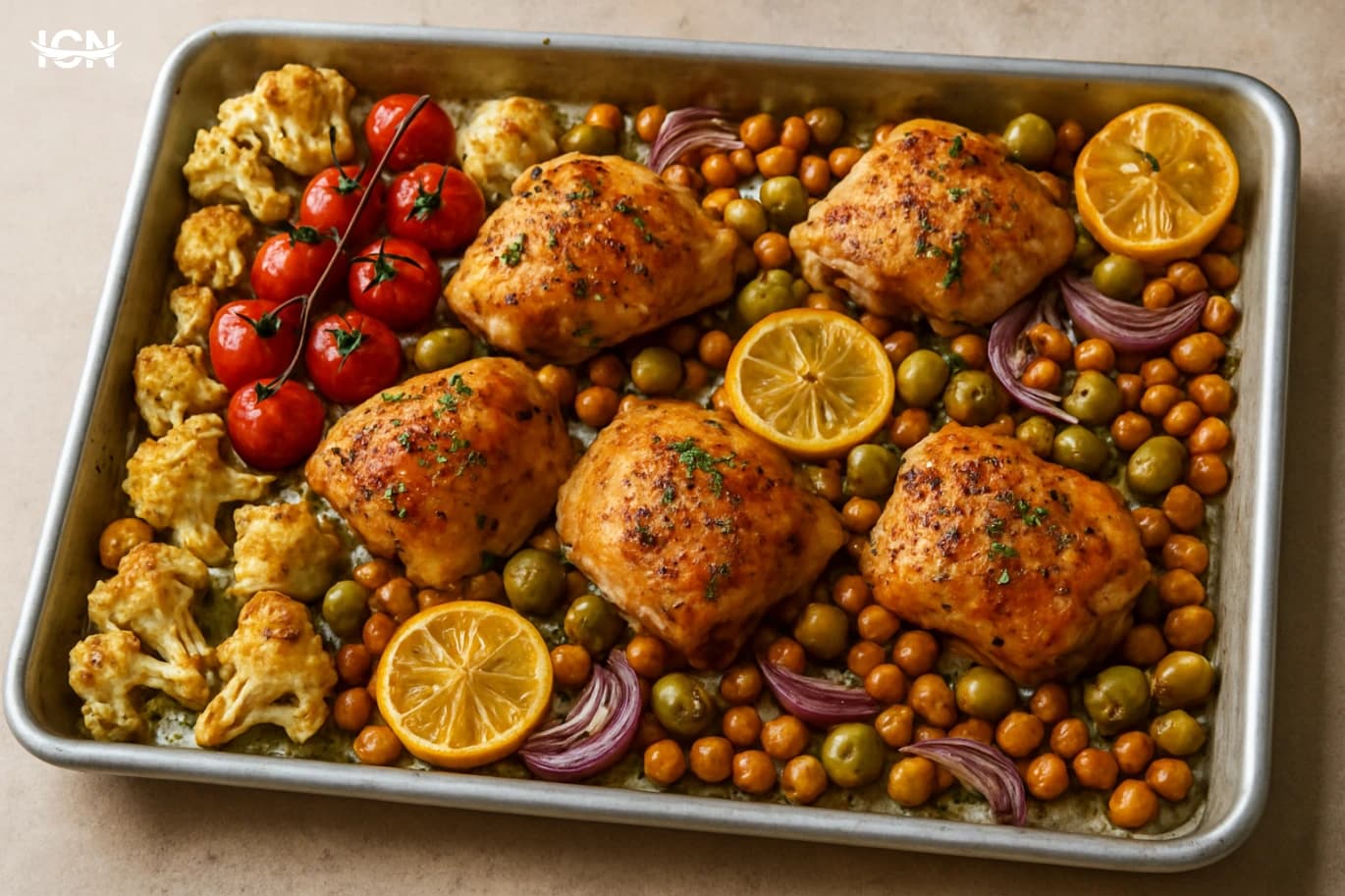
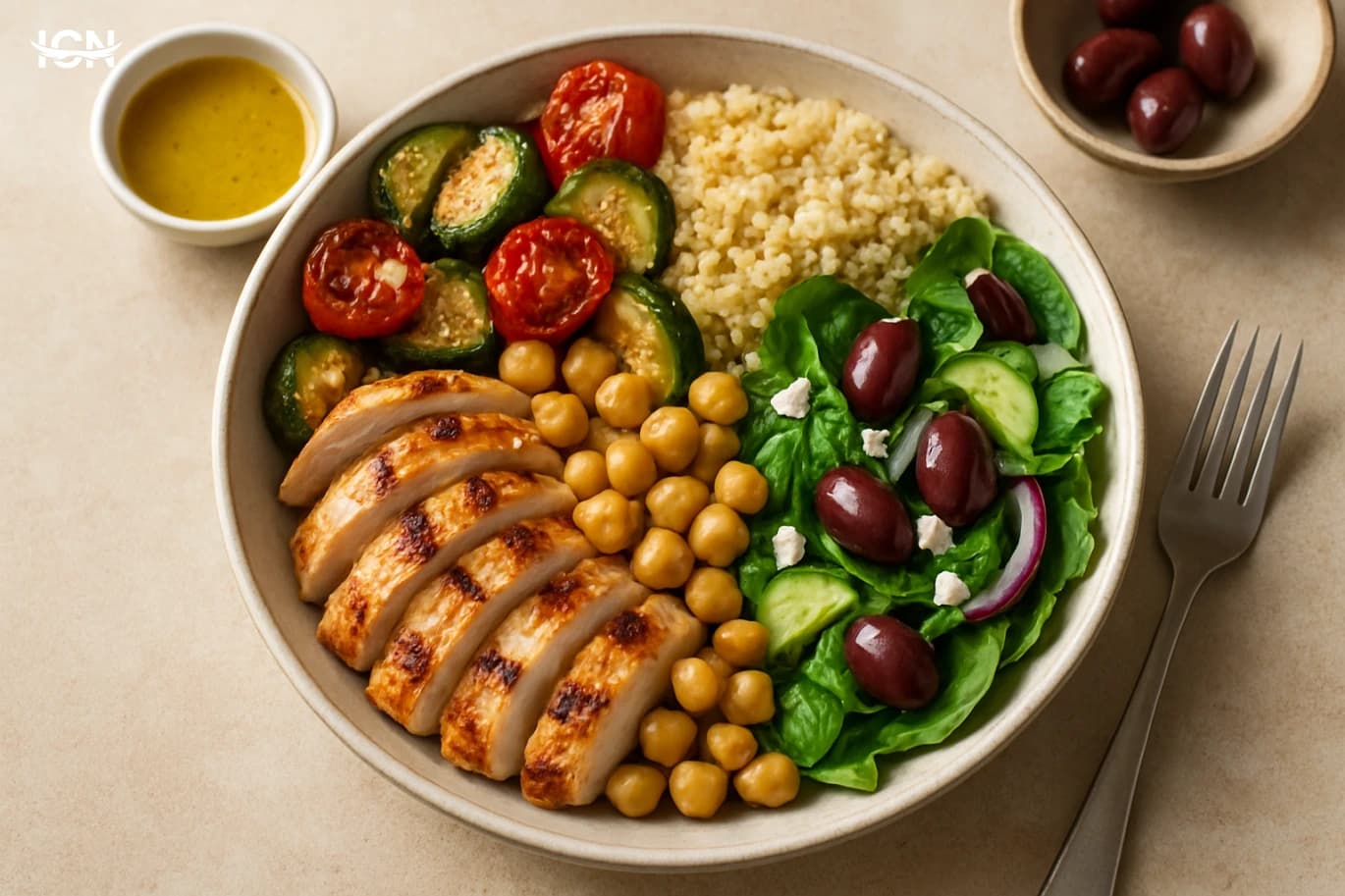
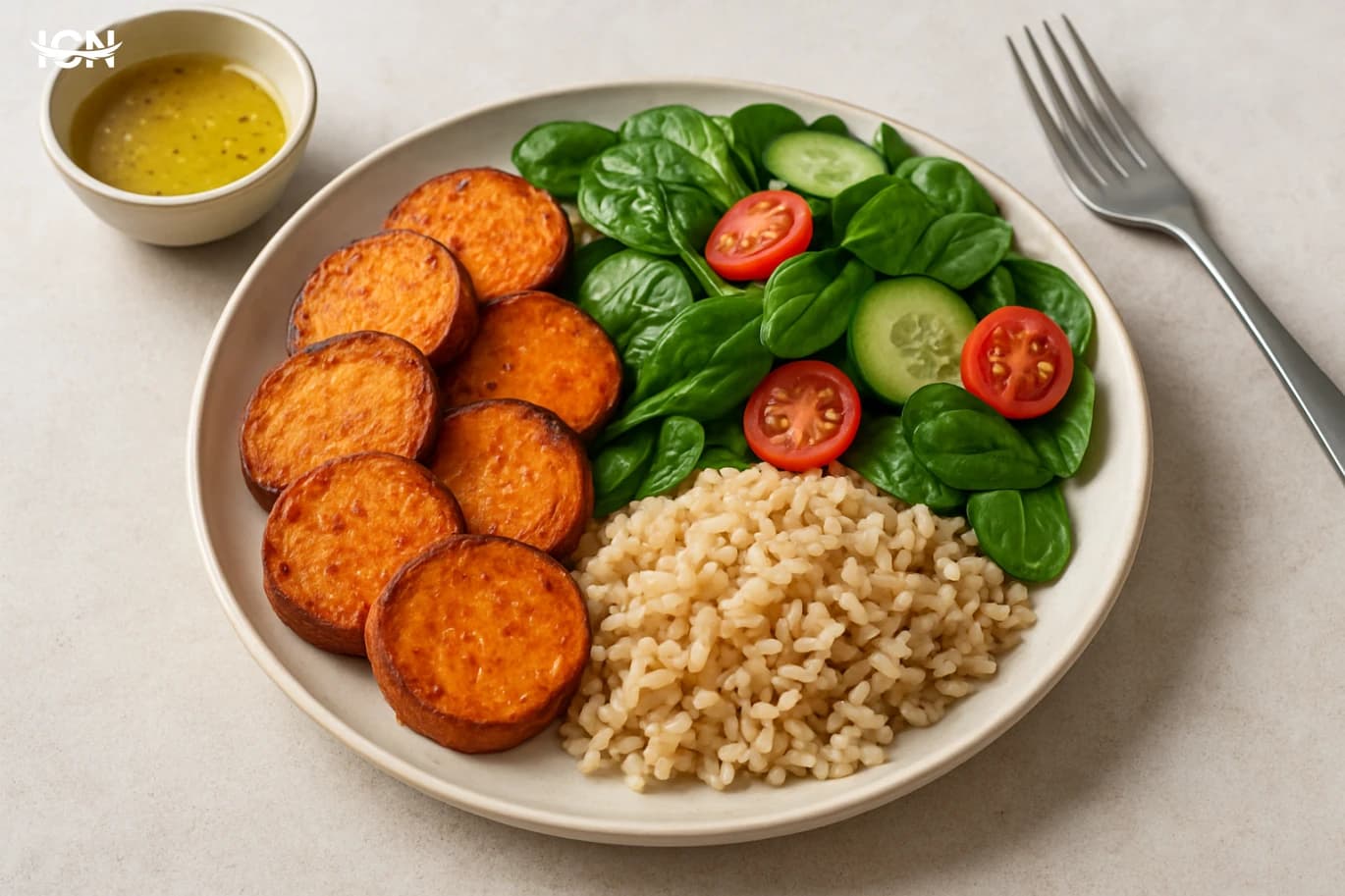
A strong sheet pan dinner starts with choosing ingredients that roast at similar speeds and deliver satiety. For protein, salmon fillets (about 120–170 g per person) cook quickly and provide omega-3 fats. If you prefer poultry, skinless chicken breast or thighs work well; just adjust the roasting time. Plant-based options can be built around drained chickpeas or cubed firm tofu, both of which crisp nicely when dried and tossed with a little oil. For vegetables, aim for a mix of textures and colors. Zucchini and bell peppers soften fast, while red onion and cherry tomatoes add sweetness and moisture. Add broccoli florets or cauliflower for extra fiber and a more substantial bite. If you want a starchy component, choose small portions that roast well: baby potatoes cut in halves, sweet potato cubes, or cooked quinoa served on the side. Keeping the starch to roughly a fist-sized portion per person helps maintain balance. The flavor base is where Mediterranean cooking shines without adding heaviness. A simple mix of olive oil, lemon juice, minced garlic, dried oregano, black pepper, and a pinch of salt is enough. For heat, add crushed chili flakes. For a brighter finish, top with chopped parsley or dill after roasting. If you like a creamy element, use a small spoon of plain Greek yogurt mixed with lemon zest as a sauce, rather than mayonnaise-based dressings. Shopping tip: choose vegetables that look firm and glossy, and avoid tomatoes that are overly soft. For fish, look for fillets with a fresh smell and moist surface, not dry edges. These small choices reduce waste and improve the final texture, which is often what makes people stick with home cooking.
Step-by-step roasting plan
The biggest challenge with sheet pan meals is timing: some ingredients need longer heat, while others dry out if overcooked. A simple staging plan solves this. Start by heating the oven to 220°C (425°F) and lining a large tray with parchment paper for easier cleanup. Cut vegetables into similar sizes so they roast evenly: zucchini in thick half-moons, peppers in wide strips, onion in wedges, and broccoli in medium florets. If you’re using potatoes or sweet potatoes, toss them first with olive oil, salt, pepper, and oregano, then roast for 15 minutes on their own. This head start prevents the rest of the tray from overcooking while the starch catches up. After 15 minutes, add the rest of the vegetables, lightly coated with the same seasoning mix, and return the tray for another 10 minutes. Add quick-cooking proteins last. Salmon typically needs 10–12 minutes depending on thickness. Place the fillets among the vegetables, brush with the lemon-garlic oil, and roast until the fish flakes easily and looks opaque. For chicken, you may need 18–25 minutes total depending on cut; in that case, start the chicken earlier and add delicate vegetables later. For chickpeas or tofu, add them with the vegetables so they have time to brown. Finish with a short broil if you want extra color, but watch closely to avoid burning. Once out of the oven, squeeze fresh lemon over the tray and add herbs. Let the food rest for 3–5 minutes; this helps juices settle in proteins and keeps vegetables from tasting watery. Serve directly from the tray for a casual dinner, or portion into containers for lunches. A practical benchmark for meal prep is to cool food for about 20 minutes before sealing containers to reduce condensation and keep textures better.
Smart swaps for different goals
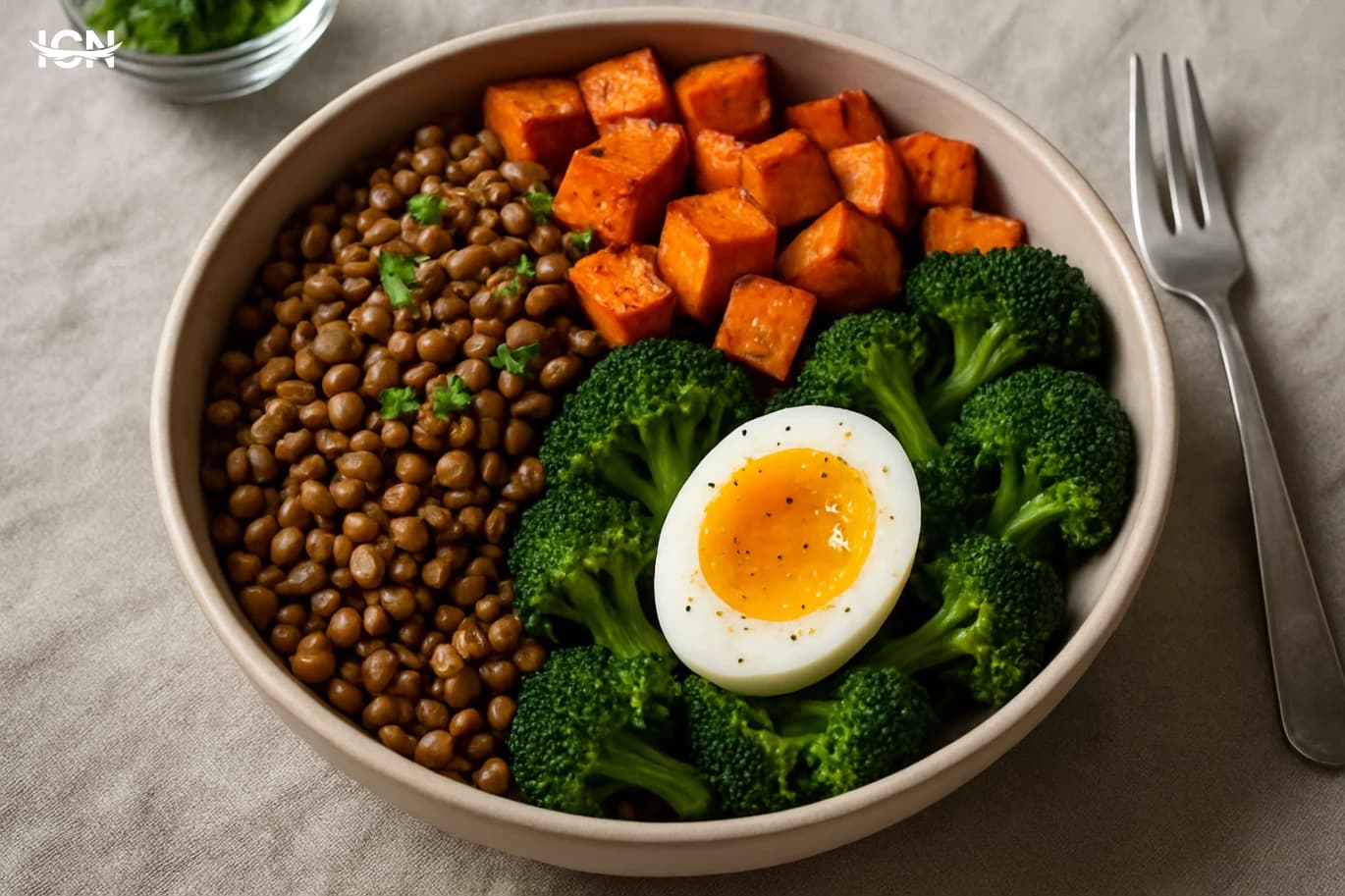
One advantage of this dish is how easily it adapts to different health goals without losing its core identity. If your priority is higher protein, keep the vegetable volume the same but increase the protein portion slightly and choose a lean option. For example, use chicken breast or extra-firm tofu, and add a side of lentils instead of potatoes. You can also sprinkle a small amount of feta for flavor, but keep it modest because it adds sodium. If you’re aiming for lower calories, reduce the oil to about 1–2 teaspoons per person and rely more on lemon, vinegar, garlic, and herbs. Use non-starchy vegetables as the bulk: zucchini, mushrooms, peppers, and cauliflower. Choose fish or chickpeas rather than higher-fat cuts of meat. A simple serving strategy is to fill half the plate with roasted vegetables, a quarter with protein, and the last quarter with starch only if needed. For heart-friendly eating, focus on olive oil, fish, and legumes, and keep processed ingredients minimal. Avoid ready-made seasoning packets that often contain high sodium. Instead, build flavor with smoked paprika, cumin, oregano, and fresh herbs. If you need to watch sodium, use capers or olives sparingly and rinse them first. For families with picky eaters, separate the tray into zones. Keep one section mild with just olive oil and a little salt, and season the rest more boldly with chili and garlic. You can also roast a few lemon slices; kids often like the aroma even if they skip the tartness. These small adjustments make the meal more repeatable, which is the real driver of healthier routines.
Meal prep, storage, and food safety
Sheet pan dinners are especially useful for meal prep because the components hold up well in the fridge. After cooking, cool the food at room temperature briefly, then refrigerate in shallow containers. Most roasted vegetables and cooked proteins keep their quality for about 3 days. If you’re using fish, aim to eat it within 1–2 days for best texture and flavor. For reheating, use an oven or air fryer when possible to restore crisp edges. A microwave works for convenience, but it can soften vegetables; a simple fix is to reheat in short bursts and avoid overcooking. If you plan to pack lunch, keep any yogurt-based sauce separate and add it just before eating. Food safety matters with mixed trays. Use a clean cutting board for raw proteins, and wash knives and hands before touching vegetables that will be eaten with minimal additional handling. If you’re cooking chicken, ensure it reaches a safe internal temperature (commonly 74°C/165°F). For salmon, cook until opaque and easily flaked. When in doubt, use a thermometer; it removes guesswork and helps prevent both undercooking and drying out. To reduce waste, repurpose leftovers. Roasted vegetables can become a next-day salad with arugula and a lemon dressing, or a warm wrap with hummus. Extra chickpeas can be tossed into a grain bowl. This flexibility is part of what makes the dish a realistic healthy habit rather than a one-time recipe.