High Protein Mediterranean Bowls at Home
- Why Mediterranean bowls work
- Choose your protein and target portions
- Build the base with smart carbs and vegetables
- Sauces and toppings that stay light
- Three bowl templates you can rotate
- Meal prep, storage, and common mistakes
Why Mediterranean bowls work
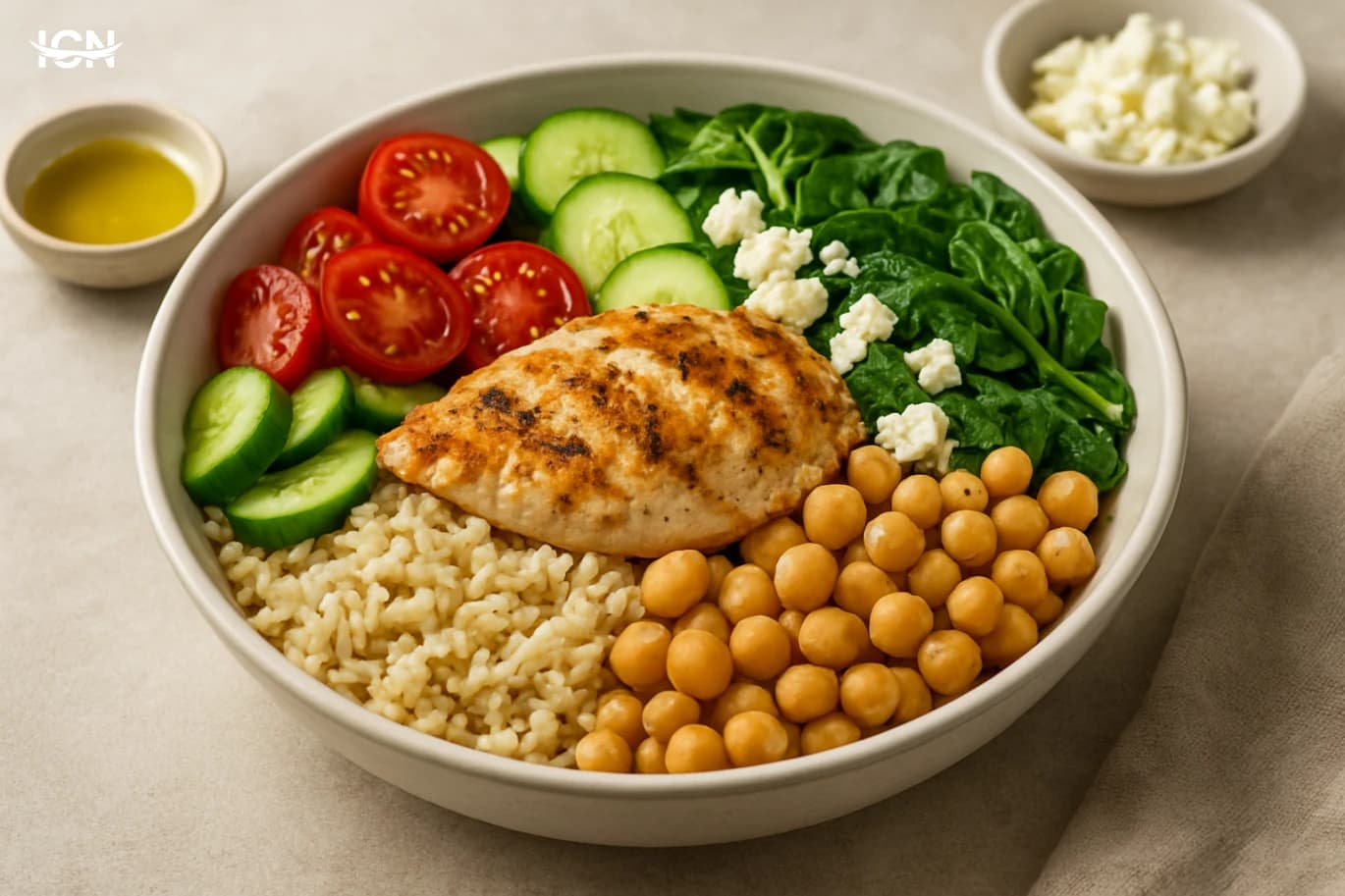
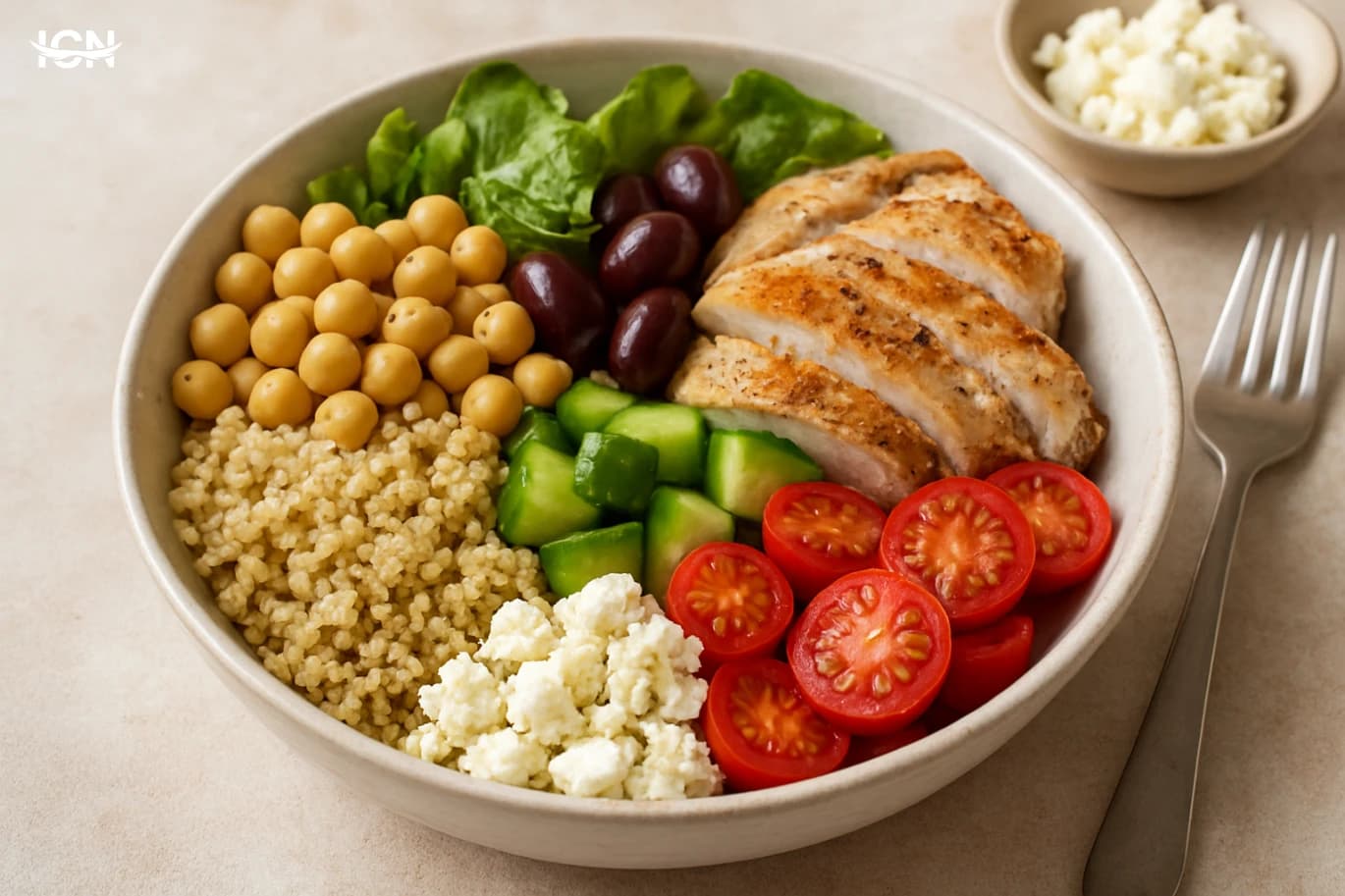
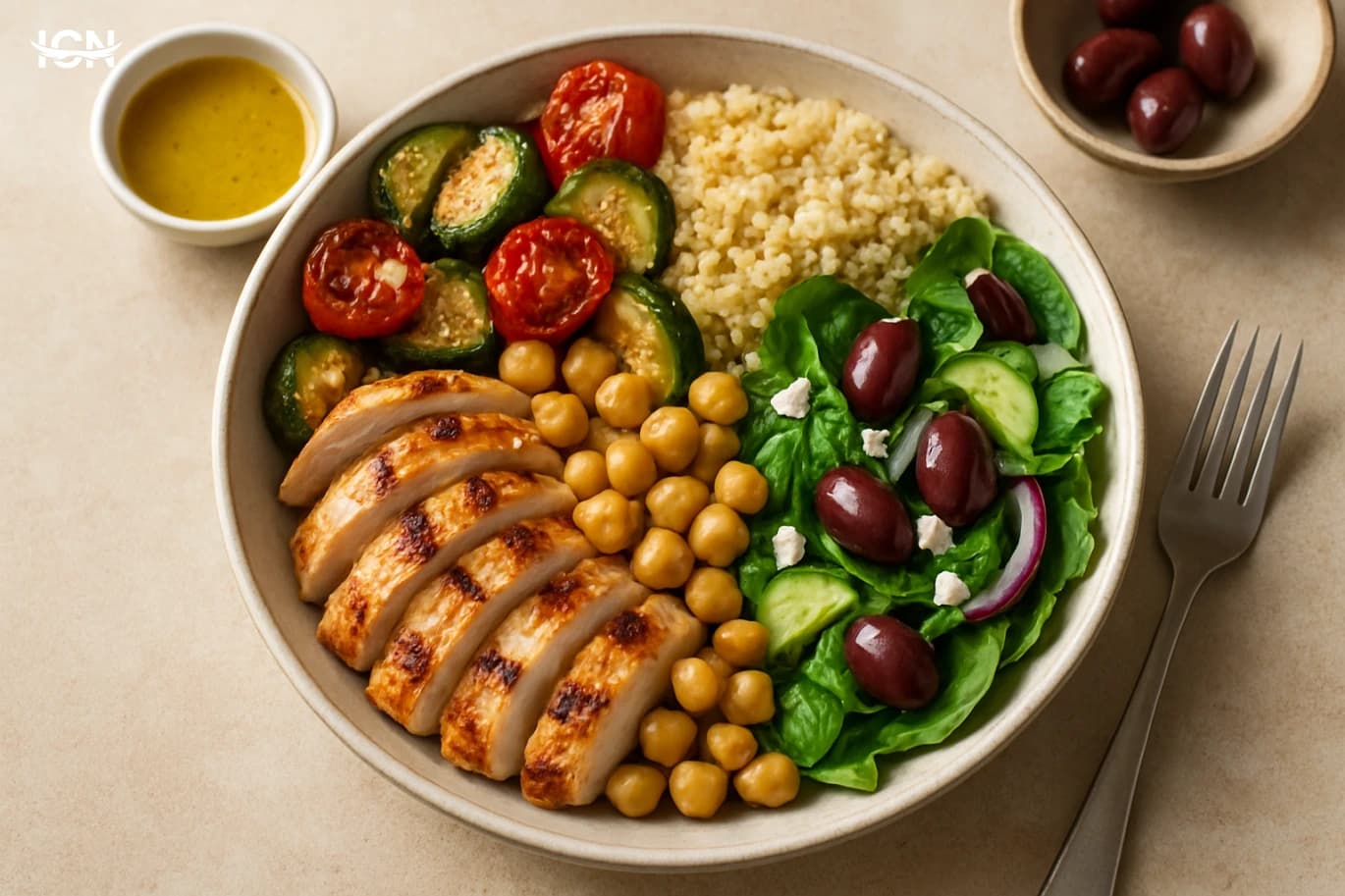
Mediterranean-style bowls are one of the easiest ways to build a healthy dish without complicated cooking. They rely on a clear structure: a protein base, a fiber-rich carbohydrate, several vegetables, and a sauce that adds flavor without turning the meal into a calorie-heavy plate. This format makes portion control simpler because each component has a role, and it reduces the temptation to overdo one ingredient like rice or bread. From a nutrition standpoint, these bowls can deliver high protein while keeping saturated fat and added sugar low. Using ingredients such as grilled chicken, tuna, eggs, lentils, chickpeas, or strained yogurt helps you reach a satisfying protein level. Pairing that with vegetables like cucumber, tomatoes, leafy greens, roasted peppers, and onions increases volume and micronutrients with minimal calories. When you add olive oil in measured amounts and lean on herbs, lemon, garlic, and spices, you get strong flavor without relying on heavy dressings.
Choose your protein and target portions
Start by deciding what “high protein” means for your bowl. For most adults, a practical target is 25–40 grams of protein per meal, depending on body size and activity. You can reach that with 120–170 grams of cooked chicken or turkey, one can of tuna or salmon, 2–3 eggs plus a small portion of beans, or 200 grams of Greek yogurt alongside chickpeas. If you prefer plant-based options, combine legumes with a grain to improve amino acid balance, such as lentils with quinoa or chickpeas with bulgur. Cooking method matters. Grilling, baking, air-frying, and pan-searing with minimal oil keep calories controlled while preserving texture. Season proteins with paprika, cumin, black pepper, oregano, and lemon zest to get a Mediterranean profile without sugary marinades. If you are using canned fish, choose options packed in water or olive oil and drain excess oil if you are watching calories. For legumes, rinsing canned beans reduces sodium and makes the bowl taste fresher.
Build the base with smart carbs and vegetables
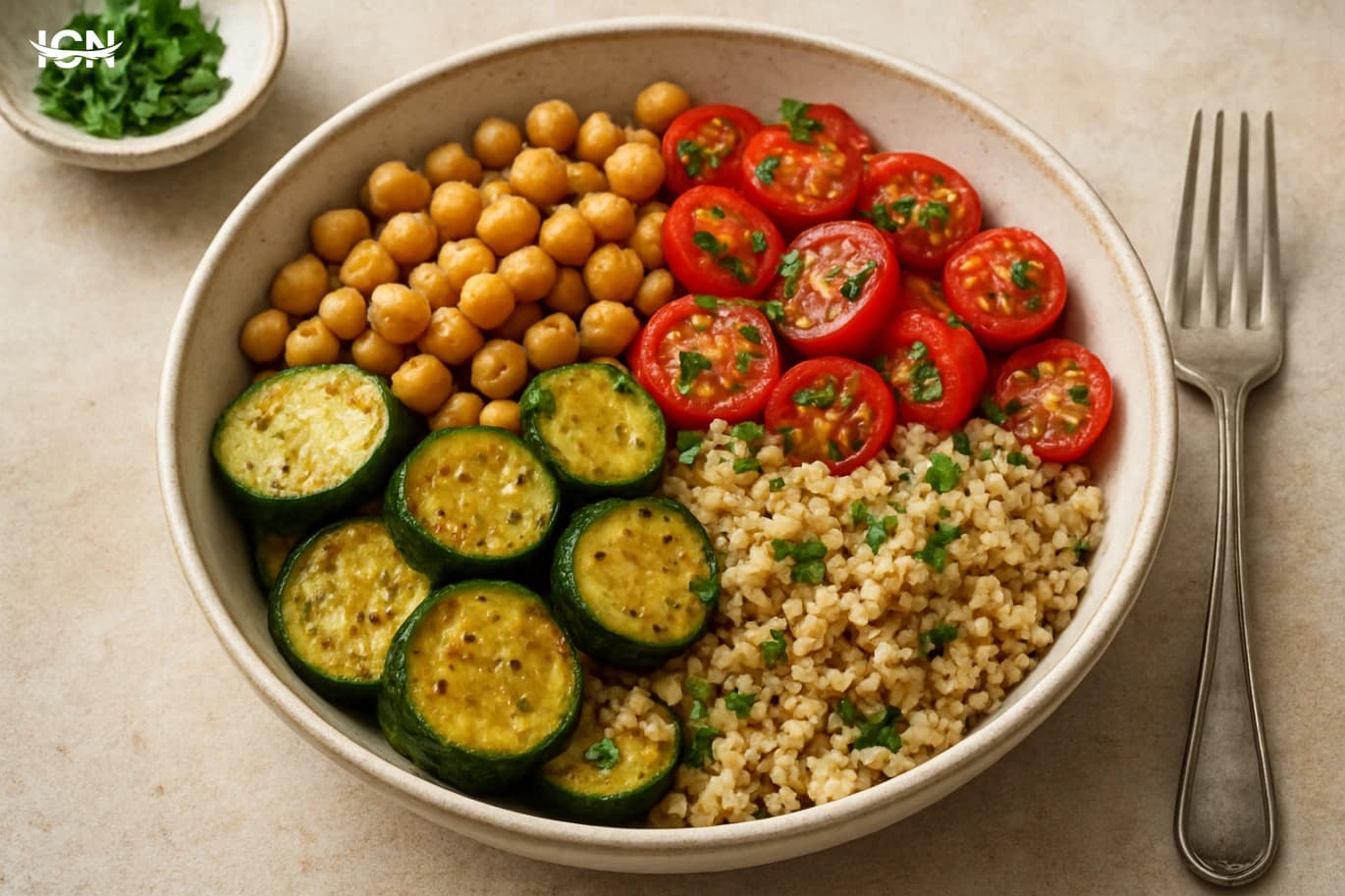
A bowl needs a base that supports energy and satiety without pushing refined carbs too high. Good Mediterranean-friendly options include quinoa, bulgur, farro, brown rice, whole-wheat couscous, or roasted sweet potato cubes. A typical cooked portion is about 1/2 to 3/4 cup, adjusted to your activity level. If you are aiming for lower carbs, swap part of the grain for cauliflower rice, extra greens, or grilled vegetables. Vegetables should take up the largest visual space. Use a mix of raw and cooked for better texture: chopped cucumber and tomatoes for crunch, shredded carrots for sweetness, and roasted zucchini or eggplant for depth. Add leafy greens like arugula, spinach, or romaine as a volume booster. For extra fiber and minerals, include olives in a measured amount, capers, or pickled onions, but keep an eye on sodium. A simple rule is to include at least three different colors of vegetables in each bowl to diversify nutrients and keep the meal interesting.
Sauces and toppings that stay light
Sauce is where many “healthy” bowls quietly become heavy. Keep it simple and measured. A classic option is a lemon-garlic yogurt sauce: Greek yogurt, lemon juice, minced garlic, salt, pepper, and chopped dill or parsley. Another is a quick tahini-lemon dressing thinned with water; it is nutrient-dense, so 1–2 tablespoons of tahini is usually enough. For a dairy-free option, blend roasted red pepper with a little olive oil, vinegar, and smoked paprika. Toppings add crunch and satisfaction, but they can also add calories fast. Choose one or two: toasted pumpkin seeds, chopped walnuts, or a small sprinkle of feta. Fresh herbs are a high-impact topping with almost no calorie cost, so use them generously. If you like heat, add chili flakes or harissa in a small amount. A practical guideline is to keep added fats to about 1 tablespoon of olive oil or an equivalent portion of nuts/seeds per bowl, unless your overall diet plan calls for more.
Three bowl templates you can rotate
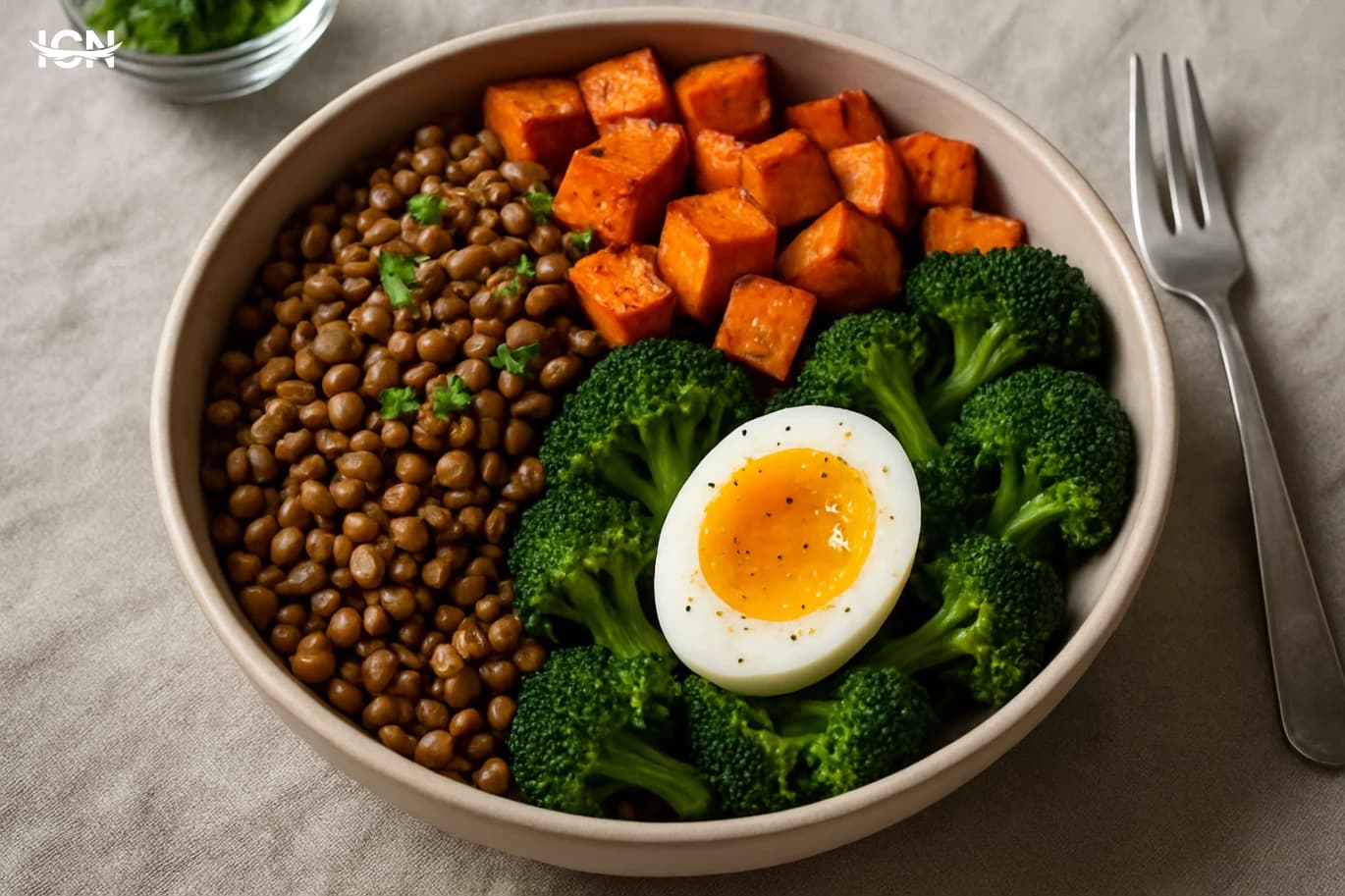
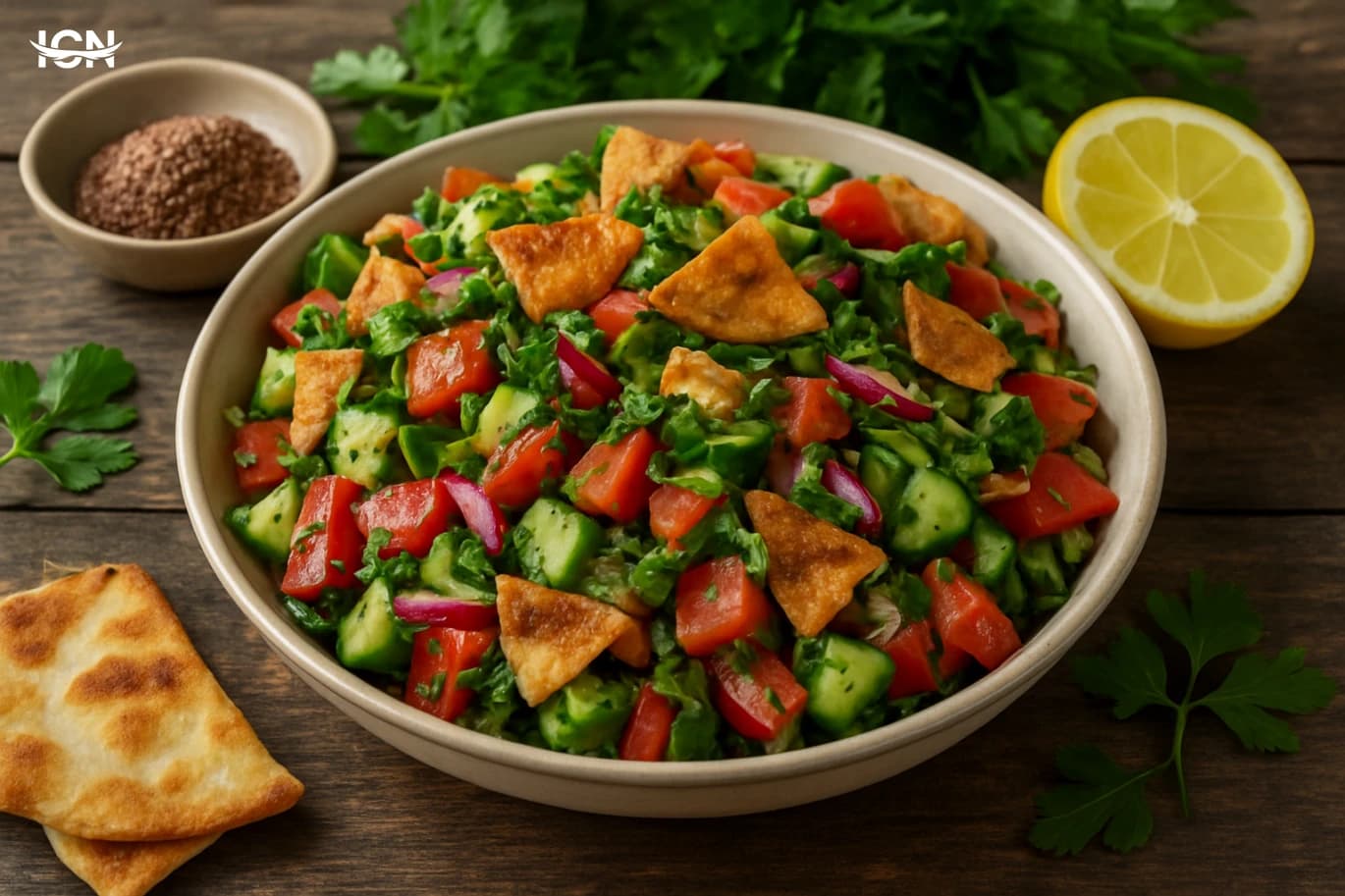
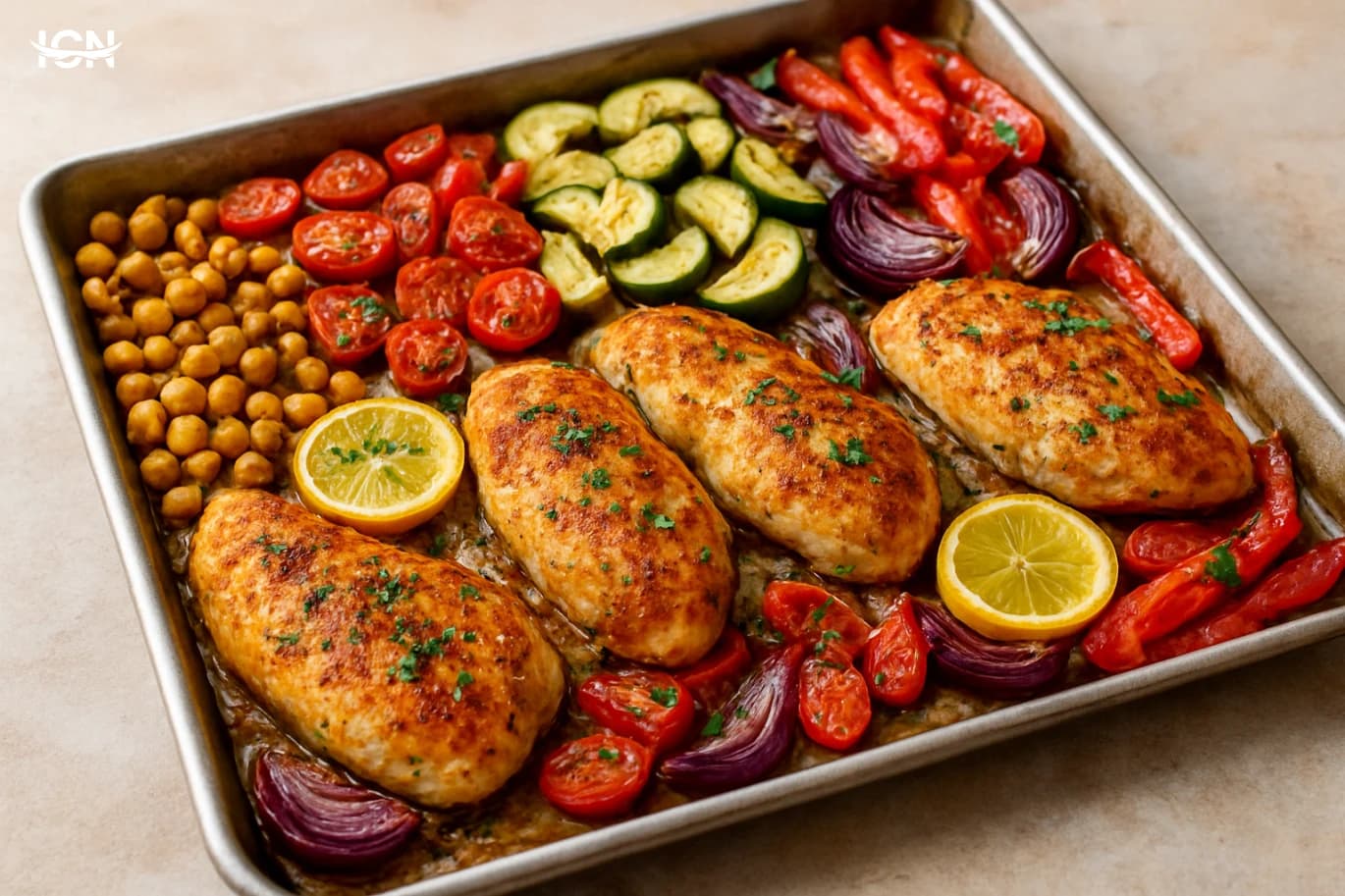
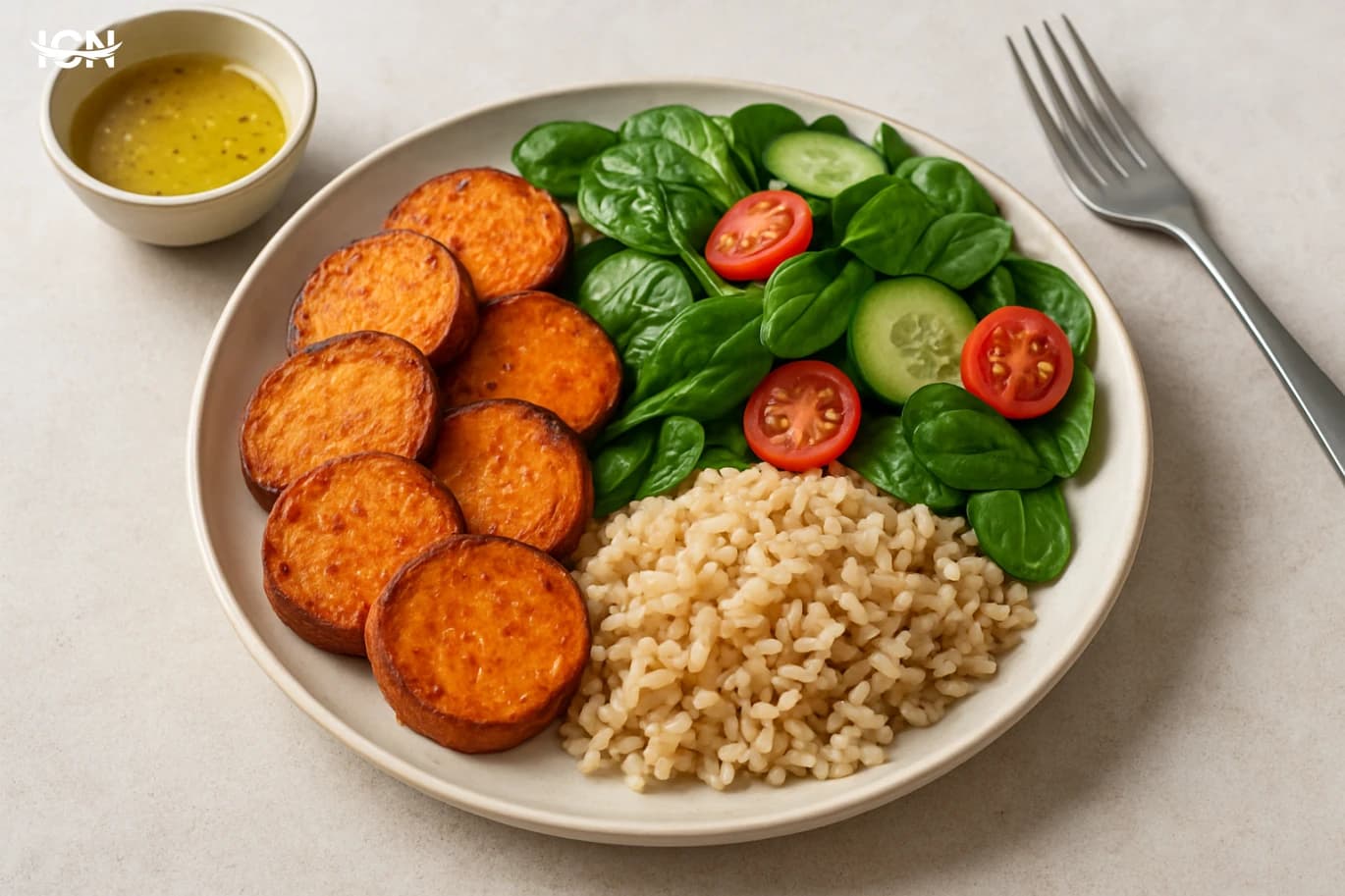
Template 1: Chicken shawarma-style bowl. Base: bulgur or brown rice. Protein: grilled chicken seasoned with cumin, paprika, garlic, and lemon. Vegetables: chopped cucumber, tomatoes, parsley, and pickled onions. Sauce: yogurt-lemon sauce. Optional topping: 1 tablespoon toasted almonds. This bowl is high protein and works well for meal prep because the chicken stays flavorful even after refrigeration. Template 2: Tuna and white bean bowl. Base: mixed greens plus a small portion of quinoa. Protein: tuna (drained) mixed with white beans, lemon, black pepper, and chopped celery. Vegetables: roasted peppers, cherry tomatoes, and arugula. Sauce: a light olive oil and vinegar dressing, measured to about 1 tablespoon oil. Optional topping: capers or olives for a salty accent. Template 3: Lentil and egg bowl. Base: roasted sweet potato cubes. Protein: cooked lentils plus two soft-boiled eggs. Vegetables: spinach, grated carrots, and sliced cucumbers. Sauce: tahini-lemon dressing thinned with water. Optional topping: sesame seeds and fresh mint. This template is especially useful when you want a budget-friendly bowl with strong satiety from fiber and protein.
Meal prep, storage, and common mistakes
For meal prep, cook proteins and grains in batches and store them separately. Keep chopped watery vegetables like tomatoes and cucumbers in a different container to avoid sogginess. Most cooked proteins and grains hold well for 3–4 days in the refrigerator when cooled quickly and stored in sealed containers. Sauces should be stored in small jars and added just before eating to maintain texture. Common mistakes include using too much sauce, relying on refined carbs as the main base, and forgetting salt balance. If your bowl tastes bland, add acidity first (lemon or vinegar), then herbs and spices, and only then adjust salt. Another frequent issue is underestimating calories from “healthy fats” like olive oil, tahini, nuts, and cheese. Measuring these with a tablespoon rather than pouring freely keeps the bowl aligned with healthy goals. Finally, aim for variety across the week by rotating proteins and vegetables; this improves nutrient coverage and makes it easier to stick with the habit.