Sheet Pan Mediterranean Dinner Routine
- Why a sheet pan works for healthy dinners
- The core ingredient formula
- A complete tray example with timing
- Smart swaps for different goals
- Meal prep and leftovers that stay fresh
Why a sheet pan works for healthy dinners
A sheet-pan dinner is one of the most reliable formats for healthy dishes because it controls portions, reduces added fats, and keeps preparation simple enough to repeat on busy weeknights. When everything cooks on one tray, you can build a balanced plate by design: a lean protein, a high-volume vegetable base, and a smart carbohydrate option that does not dominate the meal. The oven’s dry heat concentrates flavor, so you can rely on herbs, citrus, garlic, and spices instead of heavy sauces. It also makes it easier to track salt and oil; measuring one or two tablespoons of olive oil for an entire tray is more realistic than free-pouring into multiple pans. From a nutrition perspective, this approach supports steady energy and satiety. Roasting vegetables like zucchini, bell peppers, onions, and cherry tomatoes increases palatability, which helps people actually eat the recommended volume of produce. Pairing them with a protein such as chicken, chickpeas, or fish improves fullness and supports muscle maintenance. Because the method is consistent, it becomes a routine rather than a one-off recipe, which is often the difference between “healthy ideas” and sustainable healthy dishes.
The core ingredient formula
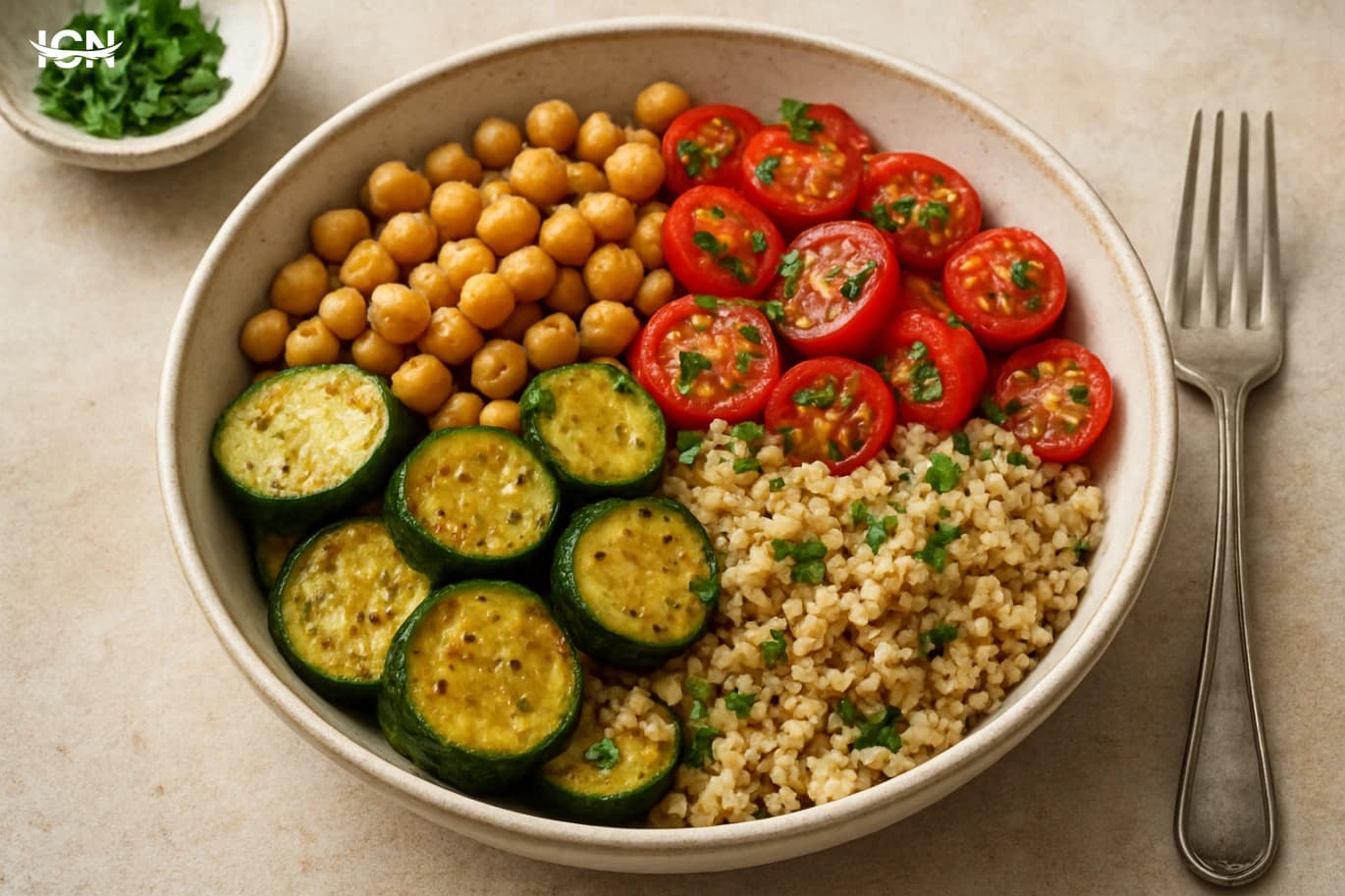
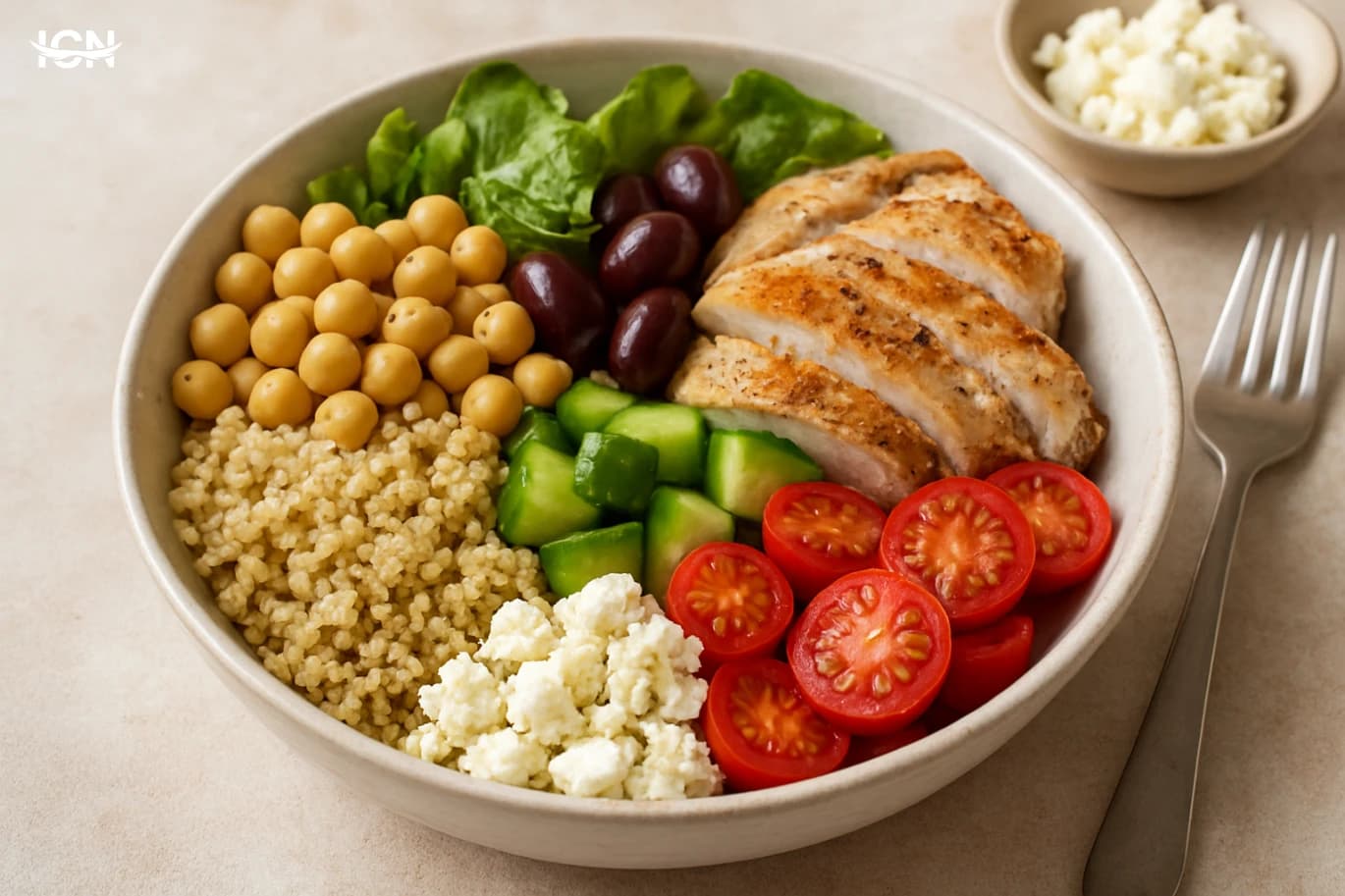
To keep this Mediterranean sheet-pan routine flexible, use a simple formula that you can shop for in 10 minutes. Start with one protein: chicken thighs or breasts, salmon fillets, shrimp, firm tofu, or a can-based option like chickpeas. Aim for about 120–170 grams per person for animal proteins, or 3/4 to 1 cup cooked legumes for plant-based meals. Next, choose three to five vegetables that roast well and hold texture: red onion wedges, zucchini half-moons, eggplant cubes, bell pepper strips, broccoli florets, cauliflower, mushrooms, or cherry tomatoes. A good rule is to fill at least half the tray with vegetables. Add a “Mediterranean flavor kit” that stays consistent: olive oil, lemon, garlic, oregano, cumin, black pepper, and a small amount of salt. Optional boosters include smoked paprika, sumac, capers, or a spoon of tomato paste diluted with water. For carbohydrates, pick one: baby potatoes, sweet potatoes, cooked farro, bulgur, or a side of whole-grain pita. If you roast potatoes on the tray, cut them small and start them 10–15 minutes earlier than quick-cooking vegetables. Finally, plan a finishing element that adds freshness without extra cooking: chopped parsley, mint, a quick cucumber-tomato salad, or a yogurt-lemon sauce. This last step is what makes the meal feel complete and restaurant-level while staying firmly in the healthy dishes category.
A complete tray example with timing
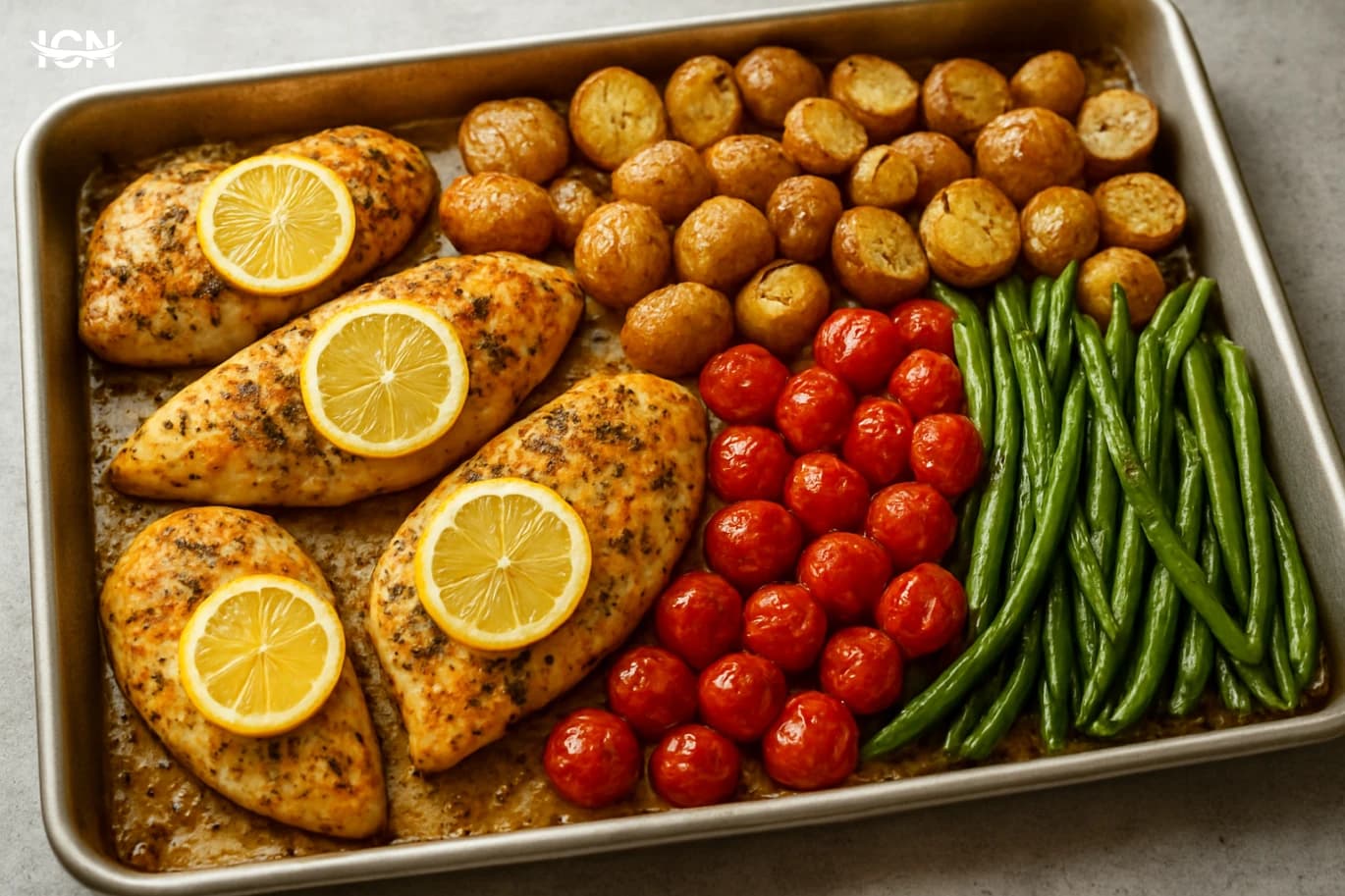
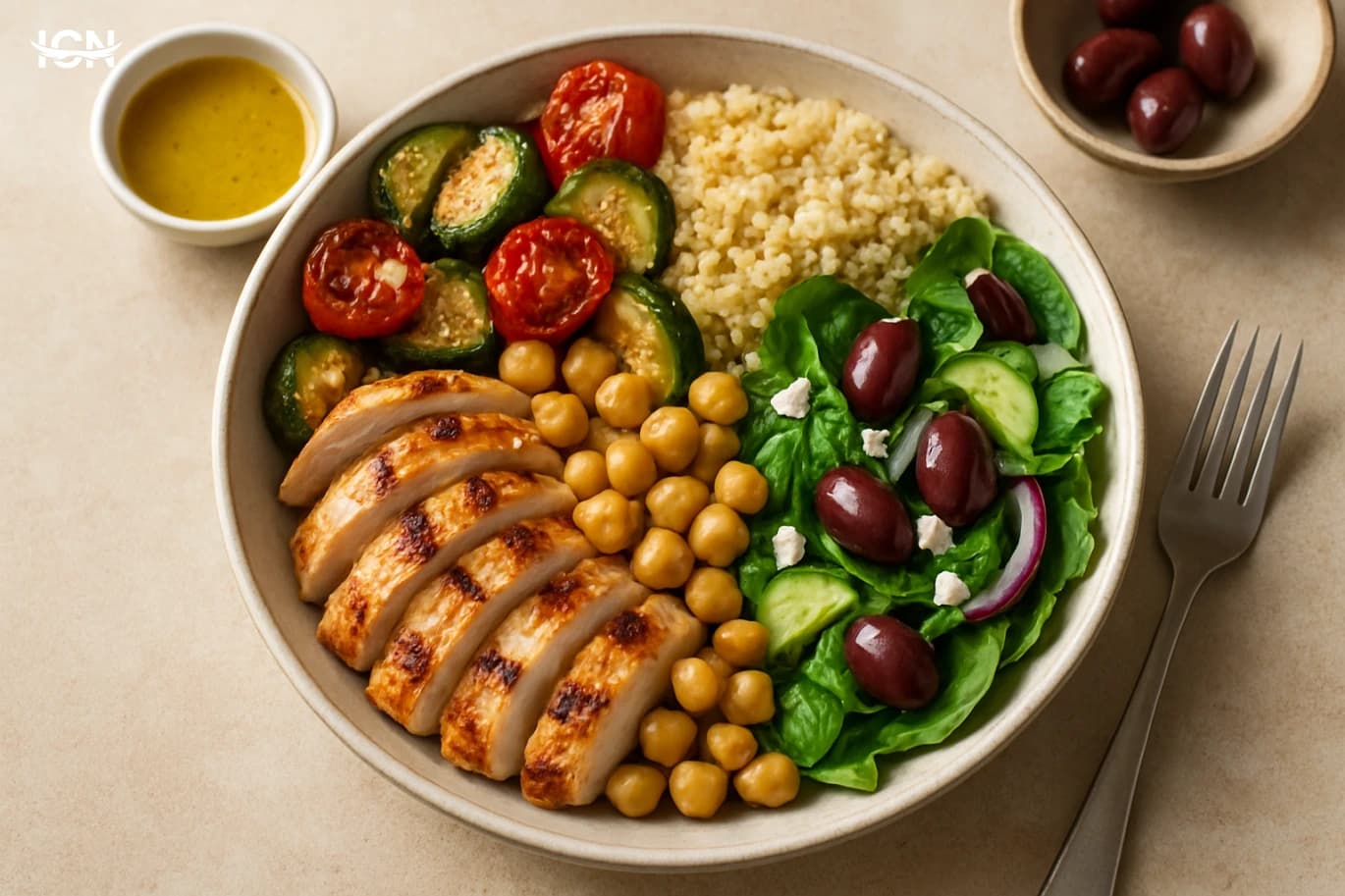
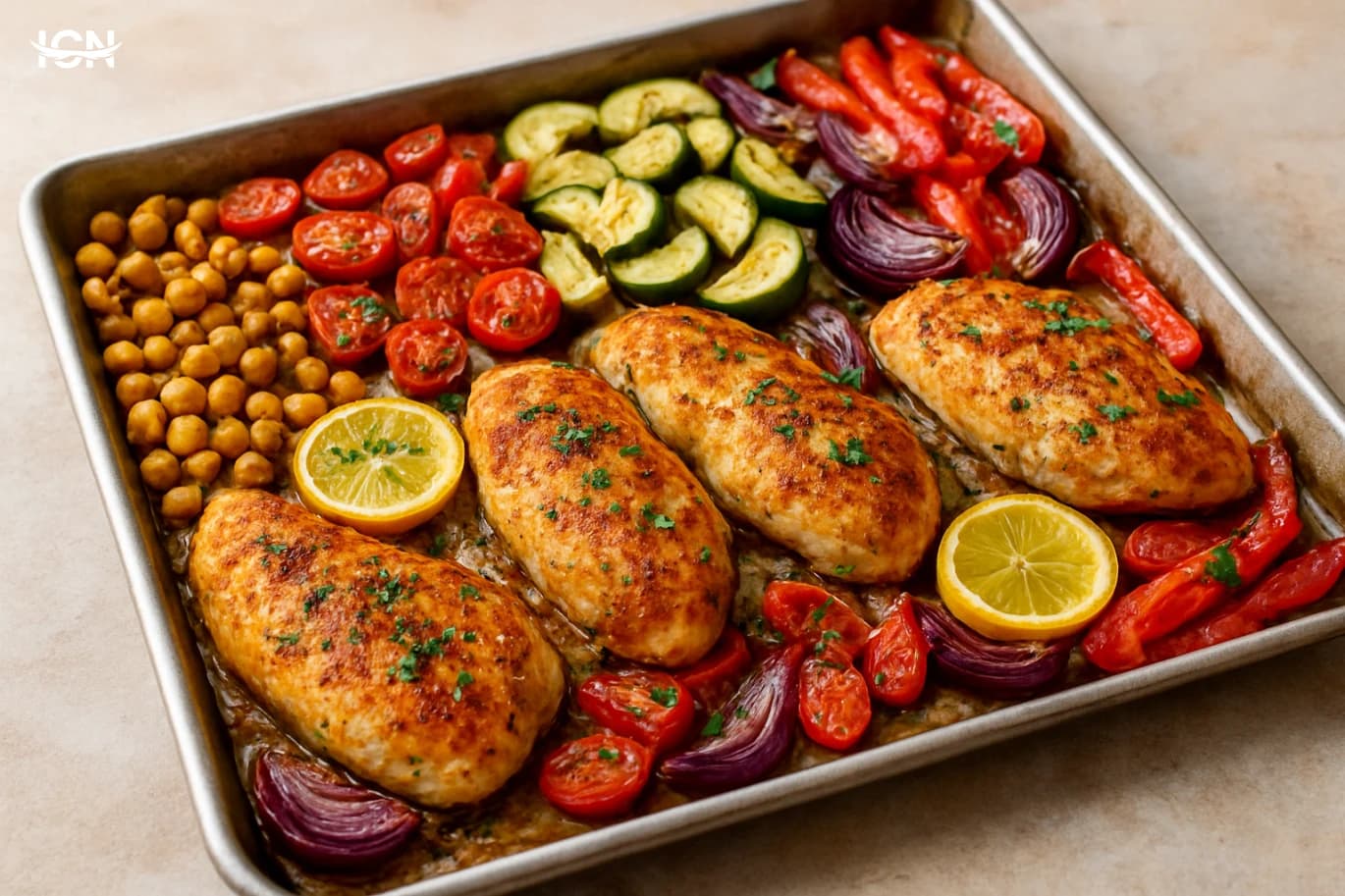
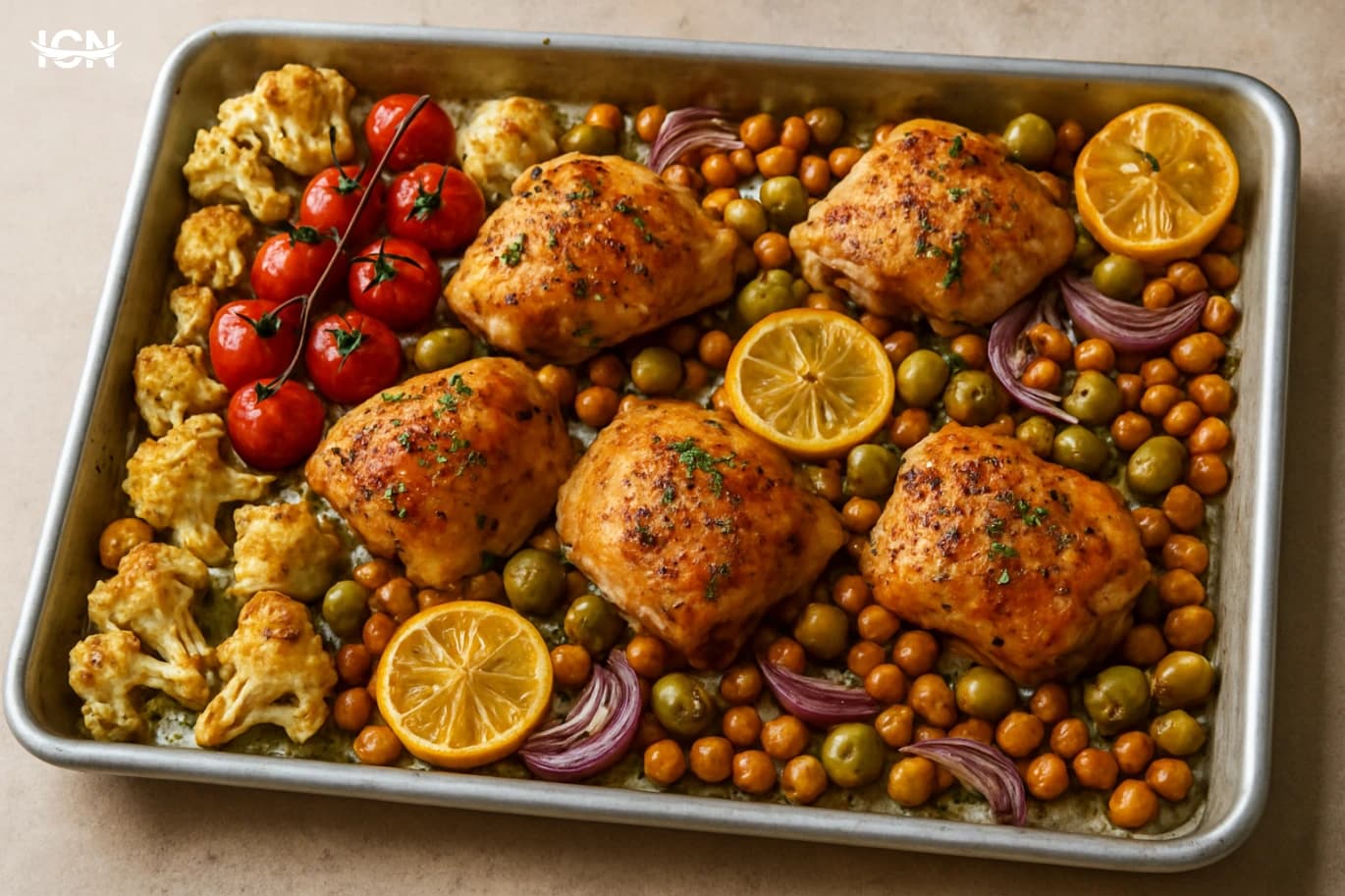
Here is a specific tray you can repeat and adjust: lemon-oregano chicken with roasted vegetables and chickpeas. Preheat the oven to 220°C. On a large sheet pan, add 2 cups drained chickpeas, 1 sliced red onion, 1 zucchini (half-moons), 1 bell pepper (strips), and 1 cup cherry tomatoes. In a bowl, mix 1.5 tablespoons olive oil, juice of 1 lemon, 3 minced garlic cloves, 1.5 teaspoons dried oregano, 1 teaspoon cumin, 1/2 teaspoon black pepper, and 3/4 teaspoon salt. Toss the vegetables and chickpeas with half the mixture. Place 600–700 grams of chicken pieces on the same tray, then rub with the remaining seasoning. Spread everything so the chicken has direct contact with the pan for browning. Roast for 18 minutes, then stir the chickpeas and vegetables to prevent sticking. Continue roasting for 10–15 minutes until the chicken is cooked through and the vegetables have caramelized edges. If you want extra color, broil for 2 minutes at the end while watching closely. Finish with chopped parsley and a quick sauce: 3/4 cup plain yogurt, 1 tablespoon lemon juice, a pinch of salt, and grated cucumber if you have it. Serve with a small portion of whole-grain pita or a side of cooked bulgur. This single tray provides protein, fiber, and a high volume of vegetables without requiring multiple pots, which is exactly why it fits a sustainable healthy dishes plan.
Smart swaps for different goals
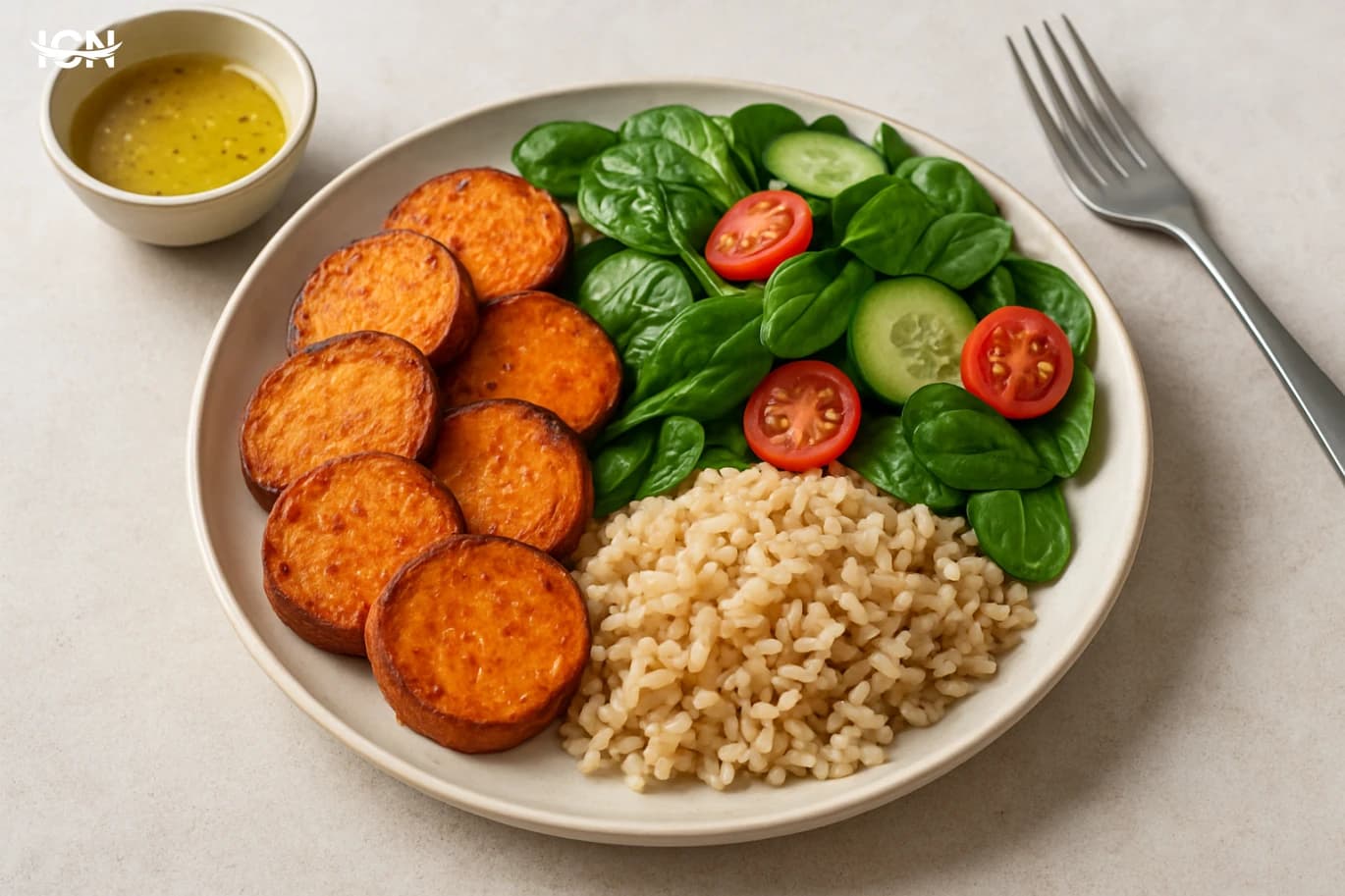
The strength of this routine is how easily it adapts to different nutrition goals without changing the method. For higher protein, use chicken breast, turkey cutlets, or add a second protein like shrimp for the last 6–8 minutes of roasting. For a plant-forward version, replace chicken with extra chickpeas plus cubed tofu; toss tofu in the same lemon-garlic mixture and roast until edges are firm. If you are watching sodium, reduce salt in the tray seasoning and rely on acid and aromatics: more lemon zest, extra garlic, and herbs like dill or parsley. For lower calories, increase the vegetable share and keep oil measured. A practical target is 1 tablespoon of olive oil per two full trays, then use lemon juice and a splash of water to help spices coat the ingredients. For higher energy needs, add a carbohydrate that holds well for leftovers: roasted sweet potatoes, cooked farro, or brown rice. If you want more fiber, keep chickpeas in the tray even when using animal protein, or add sliced carrots and broccoli. Food sensitivities can be managed with simple changes. Dairy-free eaters can swap yogurt sauce for tahini-lemon dressing thinned with water. Gluten-free eaters can skip pita and use quinoa or potatoes. The key is to keep the structure consistent—protein, vegetables, measured fat, and a fresh finish—so the meal stays in the healthy dishes lane while meeting personal needs.
Meal prep and leftovers that stay fresh
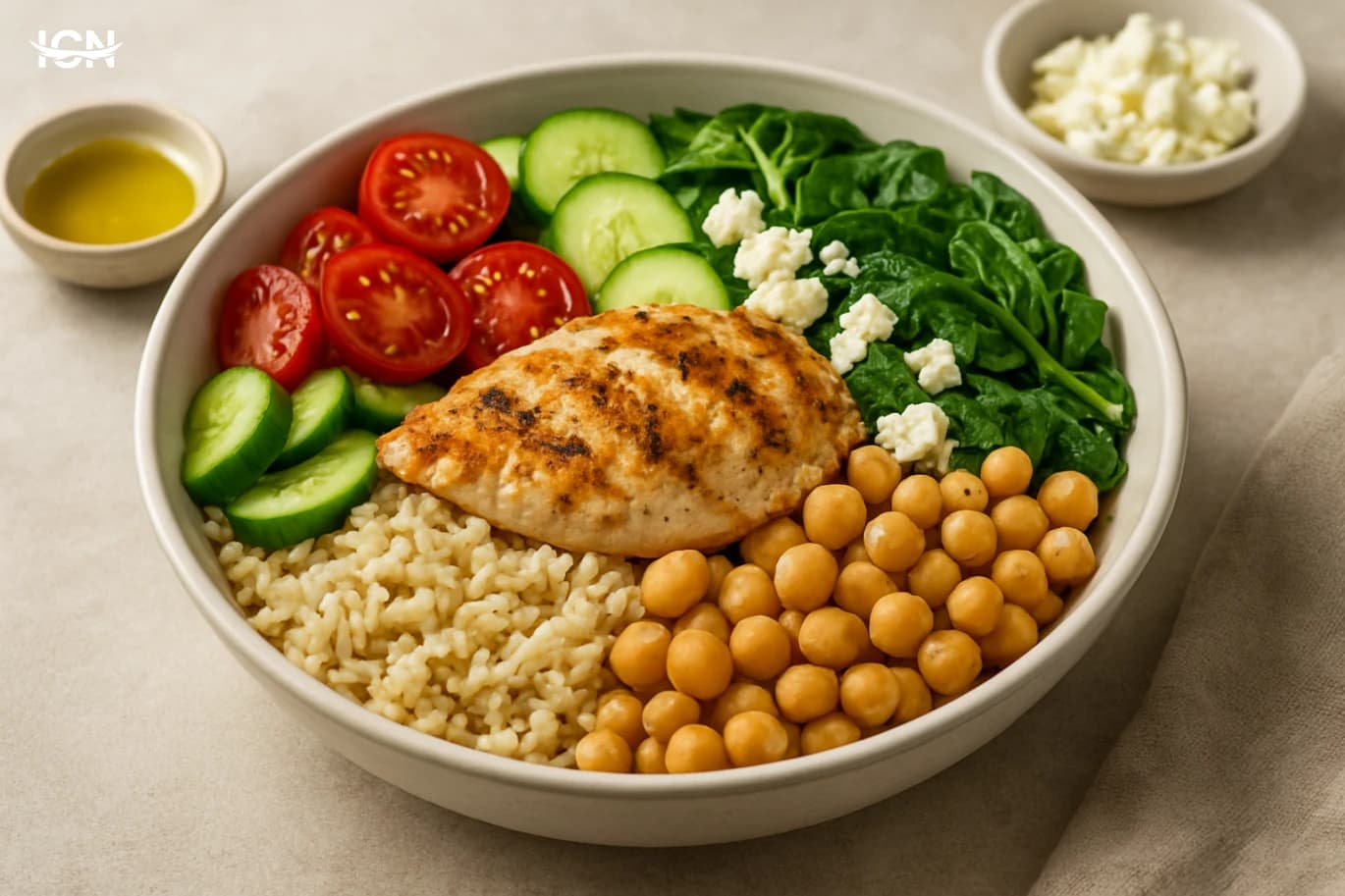
This sheet-pan approach is ideal for meal prep because the components reheat well and can be repurposed into multiple healthy dishes. After cooling, store roasted vegetables and chickpeas in one container and protein in another to prevent sogginess. In the refrigerator, most trays hold quality for 3–4 days. For reheating, use an oven or air fryer for 6–8 minutes to restore texture; microwaving works but softens vegetables. Leftovers can become new meals without extra cooking. Turn the roasted mix into a grain bowl by adding cooked bulgur or quinoa and a spoon of yogurt or tahini sauce. Make a quick wrap using whole-grain pita, adding fresh cucumber and greens for crunch. You can also transform it into a warm salad: reheat lightly, then add arugula, lemon juice, and a drizzle of olive oil. Shopping and prep can be streamlined further by keeping a “tray staples” list: canned chickpeas, lemons, garlic, dried oregano, and a rotating set of vegetables. If you wash and cut vegetables once, you can assemble a tray in under 10 minutes. This is the kind of repeatable system that helps healthy dishes move from intention to routine.