Tummy tuck operations
- Introduction to tummy tuck operations
- Types of tummy tuck operations
- Preparations before tummy tuck surgery
- Steps of the tummy tuck procedure
- Convalescence and recovery period
Introduction to tummy tuck operations
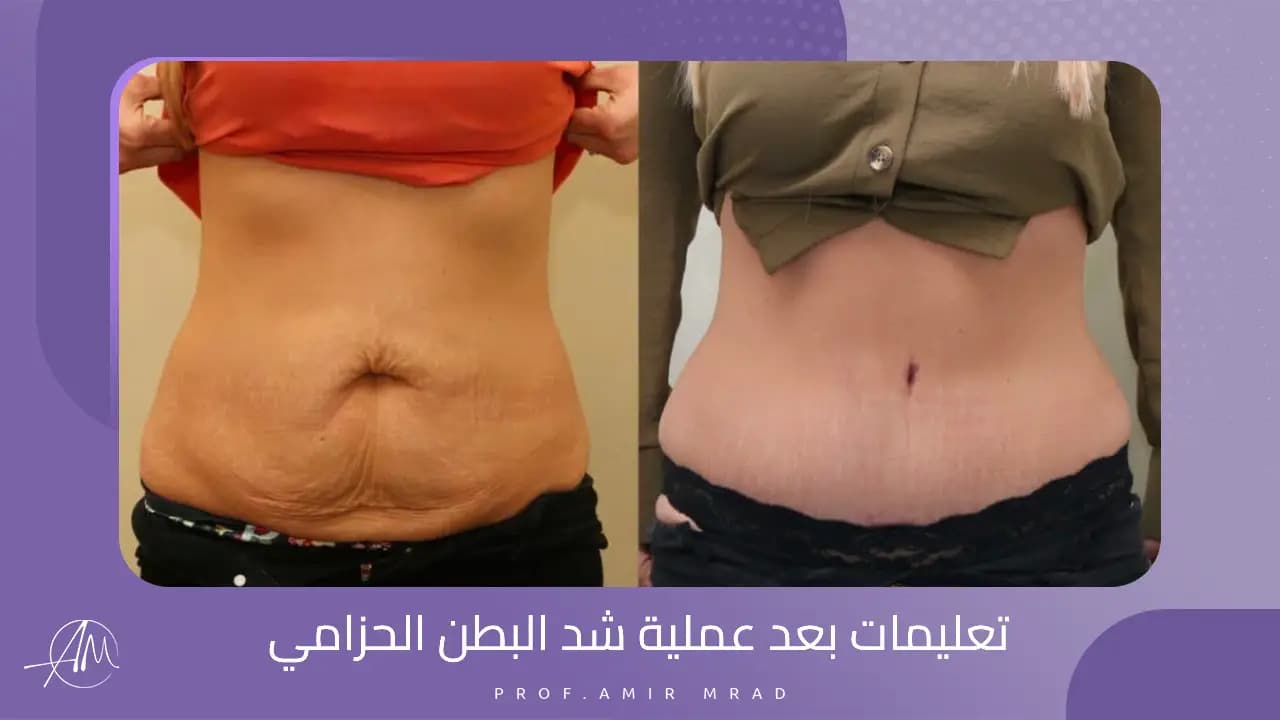
A. Definition of tummy tuck surgery: Tummy tuck surgery is considered a cosmetic surgical procedure that aims to restore the ideal shape of the abdomen by removing excess fat and sagging skin, and reshaping the muscles. This procedure makes the abdomen appear more proportional, and is popular among people who have lost significant weight or women after pregnancy. for. Reasons for resorting to a tummy tuck operation There are many reasons for resorting to a tummy tuck operation, as many people seek to obtain a toned body and a better aesthetic appearance. Significant weight loss or changes in the body after pregnancy may lead to sagging that harms the overall appearance. Many individuals consider this process a step towards enhancing self-confidence and feeling satisfied with their external appearance.
Types of tummy tuck operations
A. Traditional tummy tuck The traditional tummy tuck is one of the most popular types of operations, as it includes removing fat and excess skin from the abdominal area, and in some cases the muscles can be reshaped to maintain a symmetrical abdominal shape. This type of surgery is suitable for people who suffer from visible sagging after weight loss or pregnancy. for. Muscle-guided tummy tuck The muscle-oriented tummy tuck mainly aims to improve the condition of muscles that have been stretched or lost. Through this procedure, the muscles are reshaped to become more toned and the appearance of the abdomen is enhanced. This type of more precise technical operation helps achieve better results for people seeking to sculpt their abdomen in particular.
Preparations before tummy tuck surgery
A. Necessary medical examinations Before undergoing a tummy tuck procedure, the patient must undergo a set of medical examinations. These examinations include assessing general health, and checking for any medical conditions that may affect the procedure, such as diabetes or blood pressure. The doctor must also ensure that the functions of the heart and lungs are intact to ensure that the operation is performed safely. for. Instructions before the operation: There are a set of instructions that the patient is advised to follow before the operation, such as refraining from eating and drinking for a specific period, and avoiding taking some medications that may increase the risk of bleeding. Also, it is preferable to avoid smoking for a period before the operation to ensure rapid improvement after surgery.
Steps of the tummy tuck procedure
A. Anesthesia and preparation The procedure begins with general or local anesthesia depending on the doctor's discretion and the patient's condition. The patient is prepared and the target area is precisely defined, ensuring that the doctor can work effectively and accurately during the procedure. for. Perform the procedure with caution. A tummy tuck is performed through tiny incisions in the skin that allow the removal of fatty deposits and excess skin. The surgeon works carefully to achieve the best possible results, ensuring a tight and attractive abdominal shape. After completing the operation, the patient is monitored for a short period to ensure that there are no complications.
Convalescence and recovery period
A. Post-operative care After a tummy tuck procedure, the patient is advised to rest completely and use an abdominal support if necessary. The patient must carefully follow the doctor's instructions, including taking prescribed medications to relieve pain and avoiding strenuous physical activity for a period of time. for. Tips to speed up healing: To speed up the healing process, you must drink sufficient amounts of water and eat healthy meals rich in protein and vitamins. In addition, it is important to practice light walking a few days after the operation to improve blood circulation and promote rapid recovery, while any heavy lifting or straining should be avoided.