The most famous breakfast dishes in Arab countries during Ramadan
- Famous Breakfast Dishes in Arab Countries During Ramadan 2026
- Famous Ramadan Dishes According to Region in Arab Countries
- Group cooking and serving large dishes in Ramadan
- Comparison of main breakfast dishes in Arab countries
- Frequently Asked Questions About Ramadan Breakfast Dishes
Famous Breakfast Dishes in Arab Countries During Ramadan 2026
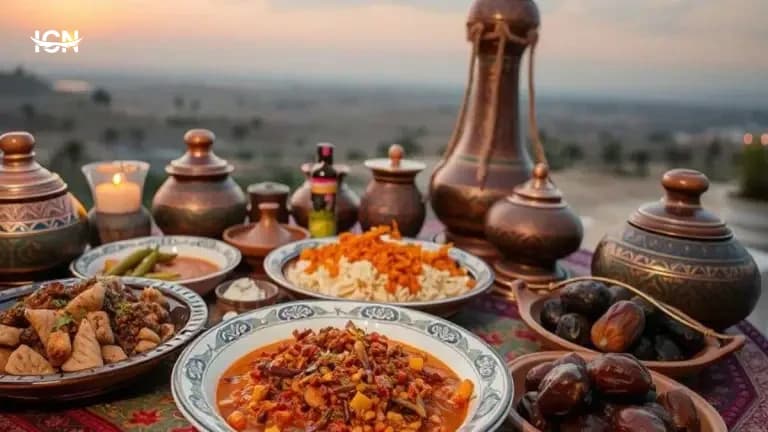
The holy month of Ramadan arrives with the blessing of spiritual atmospheres. Tables across Arab countries are adorned with the most delicious traditional dishes that reflect the region's rich heritage. Families and friends gather around these tables, embodying the spirit of sharing and social bonding. These dishes are not merely food, but an integral part of traditional Arab food culture and a symbol of celebrating the blessed month. Ramadan's main dishes vary from country to country in the Arab world, but they share one essence: authenticity and rich flavors prepared with care. Each dish tells a story and reflects the unique culture and taste of each area. Together, we will explore the most famous iftar dishes that adorn the tables of Arab countries during this holy month in the year 2026, discovering the unique Ramadan food traditions. Famous Ramadan dishes by region: Diversity of the Arab table The Arab tables are characterized by their vast diversity during Ramadan, with famous Ramadan dishes standing out by region. In the Levant, such as Syria, Lebanon, Palestine, and Jordan, dishes like Maqluba, a beloved main dish for everyone, and Kibbeh in its various forms such as baked and yogurt kibbeh, are famous. In the Maghreb, Harira is a staple soup on tables, while Mansaf dominates the Jordanian table as a national dish par excellence. Communal cooking and large servings in Ramadan: Spirit of sharing Ramadan dishes in Arab countries are often prepared in large quantities to suit family feasts and gatherings. Many Ramadan recipes, like Maqluba and Kibbeh, are prepared in large trays or pots, making them ideal for family gatherings. These dishes are prepared in advance to save time and effort during the holy month, embodying communal cooking and the spirit of sharing that distinguishes Ramadan traditions. Traditions and authenticity in choosing ingredients and recipes: Culinary heritage Iftar dishes in Arab countries reflect the region's rich cultural heritage. Traditions and authenticity in choosing ingredients and recipes are the foundation of each dish. Stable ingredients such as rice, meat, and seasonal vegetables are used, and traditional cooking methods are applied to enhance the flavor and highlight the identity of the dish. These recipes are not just food, but an integral part of the Arab food heritage passed down through generations. Gulf and Iraq dishes: Rice and slow cooking In the Gulf Arab countries such as Saudi Arabia, Kuwait, Bahrain, Qatar, United Arab Emirates, and Iraq, tables are distinguished by rich rice dishes. Kabsa, Majboos, and Harees are main dishes that rely on slow-cooking meat with rice and traditional Arab spices. Dolma (stuffed vine leaves and vegetables) is also a famous dish in Iraq, embodying the Gulf food culture that focuses on deep flavors and high-quality ingredients. Egyptian and Sudanese dishes: Casseroles and feasts Egypt and Sudan are characterized by serving hearty and nutritious Iftar dishes, often served in casseroles or large dishes suitable for Ramadan feasts. Molokhia, stuffed vegetables (such as mixed and zucchini Mahshi), and Fattah are basic dishes found on every table in Egypt and Sudan. These dishes are prepared in large quantities for easy serving and to meet the needs of visits and family gatherings, reflecting the rich food culture of Egypt and Sudan. Maghrebi dishes and their diversity in Ramadan: A blend of flavors In the Maghreb countries, including Morocco, Algeria, and Tunisia, Ramadan dishes are characterized by unique diversity and a blend of flavors. Couscous, Tagine, and Harira are traditional dishes that are slowly cooked to develop their rich flavors. Sweets like Chebakia are also part of the table. These dishes reflect the Maghrebi cuisine culture that combines sweetness and saltiness in many recipes, making it an unforgettable food experience. Traditional Jordanian dishes: Mansaf and Maqluba The Jordanian cuisine is rich with traditional dishes that hold a special place on the Ramadan table. The Jordanian Mansaf, a national dish, is served at major events and feasts, relying on rice, meat, and Jameed. Alongside it, Maqluba and Musakhan are famous Palestinian and Jordanian dishes, using basic ingredients such as rice, meat, yogurt, and virgin olive oil. These dishes are not just meals, but part of the Jordanian cultural heritage and a symbol of hospitality.
Famous Ramadan Dishes According to Region in Arab Countries
Gulf dishes are characterized by slow-cooking style, enhancing flavor and making the meat very tender. Harees is another popular dish, especially in the United Arab Emirates, made of wheat and meat, cooked for long hours until smooth, and is considered a slow-cooked meat dish. In Iraq, Dolma is a favorite, consisting of vegetables stuffed with rice and minced meat. Traditional Arabic spices and regional spice blends are widely used in these dishes, giving them a distinctive and deep flavor, reflecting the rich Gulf food culture. Egyptian and Sudanese dishes: Clay pots and feasts The Ramadan table in Egypt and Sudan is filled with traditional dishes associated with the holy month for decades. Among the most prominent is Molokhia, served with rice and chicken or rabbits, and is considered a main dish in Ramadan. Stuffed dishes are also essential in Egypt, such as stuffed grape leaves and zucchini. Fattah is a main dish, especially in the early days of Ramadan. It consists of rice, fried bread, sauce, and meat, and is considered an Egyptian Ramadan feast. Egyptian and Sudanese kitchens are known for preparing large quantities of dishes, making it easy to serve and suitable for feasts and family visits. Various types of clay pots are an integral part of the table, such as vegetable pots with meat served hot and delicious. These rich dishes provide a sense of fullness after a long day and are balanced Ramadan dishes that supply energy, showcasing the Sudanese and Egyptian food culture. Maghreb dishes and their variety during Ramadan In the Maghreb countries, Iftar tables are uniquely diverse, reflecting the region's rich food heritage. Harira is an essential soup in Morocco, rich in chickpeas, lentils, vegetables, and Moroccan spices, usually served with Chebakia pastry, a distinctive Moroccan Ramadan recipe. In Tunisia, Brik is among the most famous Ramadan dishes, similar to a pastry, filled with tuna and parsley and fried. In Algeria, tables feature barley soup known as Chaabia, alongside the traditional dish, Chakchouka, with tomato sauce, highlighting the diversity of Maghreb dishes. Couscous and Tagine are also traditional dishes common in the region, relying on slow cooking methods and a mix of sweet and savory flavors. These dishes reflect the region's rich food heritage and are an integral part of the Ramadan food culture in the Maghreb. Traditional Jordanian cuisine Mansaf is the most famous dish in Jordan, especially during Ramadan. It represents the customs and traditions of the country and is considered a symbol of Jordanian hospitality. It consists of lamb, rice, and jameed yogurt, served with nuts, and is a high-nutritional-value dish suitable for family feasts. Preparing Mansaf is 'mandatory' during the early days of Ramadan, considered a high-nutritional dish suitable for family feasts. Maqluba is also common in Jordan, as in Palestine and Syria. Musakhan, a bread topped with chicken, onions, and sumac, is another beloved dish in Jordanian cuisine. These dishes rely on basic ingredients like rice, meat, yogurt, and olive oil, served at family gatherings and celebrations. These traditional Jordanian dishes are carefully made to reflect Jordan's rich food heritage and are an essential part of Iftar meals during Ramadan.
Group cooking and serving large dishes in Ramadan
Ramadan dishes highlight the rich heritage of the Arab region, especially in Arab countries, where ingredients and recipes are selected with great care. This reflects the rich Arab food culture. Constant ingredients like rice, meat, and seasonal vegetables are used, and these ingredients are the cornerstone of many main Ramadan dishes. These ingredients ensure the quality and authentic taste that distinguishes traditional Arab cuisine. The traditional cooking method, such as slow cooking, is an essential part of authenticity. These methods help make the dishes distinct, as each recipe carries tales of ancestors and reflects the rich food heritage passed down through generations in family iftar feasts. Preserving these traditions ensures the continuity of an authentic Arab food culture. They are not just meals, but part of the cultural identity that manifests in Ramadan food traditions, from local ingredients to regional spice blends. In the Gulf and Iraq, Gulf rice dishes such as Kabsa and Majboos, which rely on slow cooking to enhance flavor, are known. In the Levant, main Levantine dishes like Maqluba shine, prepared in large quantities to suit family iftar feasts. In Egypt and Sudan, Egyptian Ramadan feasts are famous for dishes such as stuffed vegetables and Molokhia, which are served as part of large family feasts. These dishes are prepared in advance to save time during the holy month and facilitate serving guests.
Comparison of main breakfast dishes in Arab countries
Gulf Dishes: Kabsa, Majboos, and Harees In the Gulf countries like Saudi Arabia, Kuwait, and the United Arab Emirates, rice dishes hold a special place in Ramadan meal planning. Kabsa and Majboos are special Ramadan dishes, relying on slow-cooked rice and meat with traditional Arab spices. Harees, made of wheat and meat, also represents a rich and nutritious main dish, reflecting home-cooking traditions in the region. Egyptian and Sudanese Dishes: Molokhia, Mahshi, and Fatta Iftar tables in Egypt and Sudan feature rich dishes prepared for celebrations and feasts. Molokhia, whether with chicken or rabbits, is a favorite dish, along with the various types of Mahshi prepared in large quantities. Fatta, with its layers of rice, bread, and meat, is a main dish in Egyptian Ramadan feasts and Sudanese food culture, providing balanced nutrition for those fasting. Maghreb Dishes: Harira, Couscous, and Tagine In the Maghreb, including Morocco, Tunisia, and Algeria, Ramadan recipes include a unique blend of sweet and savory flavors. Harira, a soup rich with grains and meat, is an essential dish to break the fast. Couscous, with its diverse preparation methods, and Tagine, with its slow-cooked dishes, serve as main dishes reflecting regional spice blends. Let's not forget the famous Tunisian Brik, which adds a distinctive touch to the Iftar table. These dishes highlight the traditional Arab cuisine and its rich diversity, focusing on slow cooking and the use of traditional spices that distinguish each region. Preparing dishes in advance is also common to save time during the holy month. Region/Country Main Dish Key Ingredients Notes Levant (Syria, Lebanon, Palestine, Jordan) Maqluba, Kibbeh, Mahshi Rice, Meat, Eggplant, Bulgur, Vegetables Suitable for feasts, prepared in large quantities Gulf (Saudi Arabia, Kuwait, UAE) Kabsa, Majboos, Harees Rice, Meat, Spices, Wheat Rely on slow cooking, rich in spices Egypt and Sudan Molokhia, Mahshi, Fatta Chicken/Rabbits, Rice, Bread, Meat, Vegetables Prepared in large quantities for feasts, rich dishes Maghreb (Morocco, Tunisia, Algeria) Harira, Couscous, Tagine, Brik Grains, Meat, Vegetables, Semolina, Tuna Flavor diversity, a mix of sweet and savory Here we provide answers to the most frequently asked questions about Iftar dishes in Arab countries during Ramadan, to introduce you to Ramadan traditions and the rich diversity of Arab cuisine.
Frequently Asked Questions About Ramadan Breakfast Dishes
Yes, preparation methods vary significantly between Ramadan dishes. Some dishes rely on slow cooking for long hours, like harees and kabsa, to ensure a rich flavor and perfect texture. Other dishes, like stuffed vegetables, require precise manual stuffing. Each dish has its unique cooking style that reflects the region's culinary heritage and homemade recipes. What is the cultural significance of Ramadan dishes in Arab countries? Ramadan dishes hold great cultural significance in Arab countries. They are not just meals, but an integral part of each country's heritage and identity. These dishes strengthen family and social bonds during family iftar gatherings and are a symbol of generosity and hospitality. They are passed down from generation to generation as part of the long-standing Ramadan traditions. How can balanced Ramadan dishes be chosen throughout the month? To choose balanced Ramadan dishes, it is recommended to focus on diversity in iftar meal ingredients. Meals should include proteins, complex carbohydrates, vegetables, and fruits. Pre-planning Ramadan meals and preparing some dishes in advance can save time. Additionally, using fresh local ingredients adds nutritional value and better flavor, contributing to balanced nutrition in Ramadan.