The Last Ten Nights of Ramadan

- Why These Nights Matter
- Laylat al-Qadr and Its Signs
- Prophetic Practice and Community Traditions
- Practical Worship Plan for Ten Nights
- Character, Charity, and Daily Conduct
- bookmark
Why These Nights Matter
Across the Muslim world, the last ten nights of Ramadan are treated as the peak of the month’s spiritual season. Many believers increase worship during this period because it gathers several key meanings at once: the closing stretch of fasting, the hope of forgiveness, and the search for Laylat al-Qadr, a night described in Islamic tradition as better than a thousand months. In practical terms, this is when mosques often extend night prayers, families adjust schedules to make room for worship, and charitable giving becomes more intentional. The importance of these nights is also tied to the idea of finishing strong. Ramadan is not only about abstaining from food and drink; it is a month of discipline, reflection, and improved conduct. The final ten nights are widely viewed as a time to consolidate what was started earlier—regular prayer, Qur’an recitation, and restraint from harmful habits—and to carry those gains beyond the month. For many, this period becomes a structured opportunity to reset priorities before Eid and the return to normal routines.
Laylat al-Qadr and Its Signs
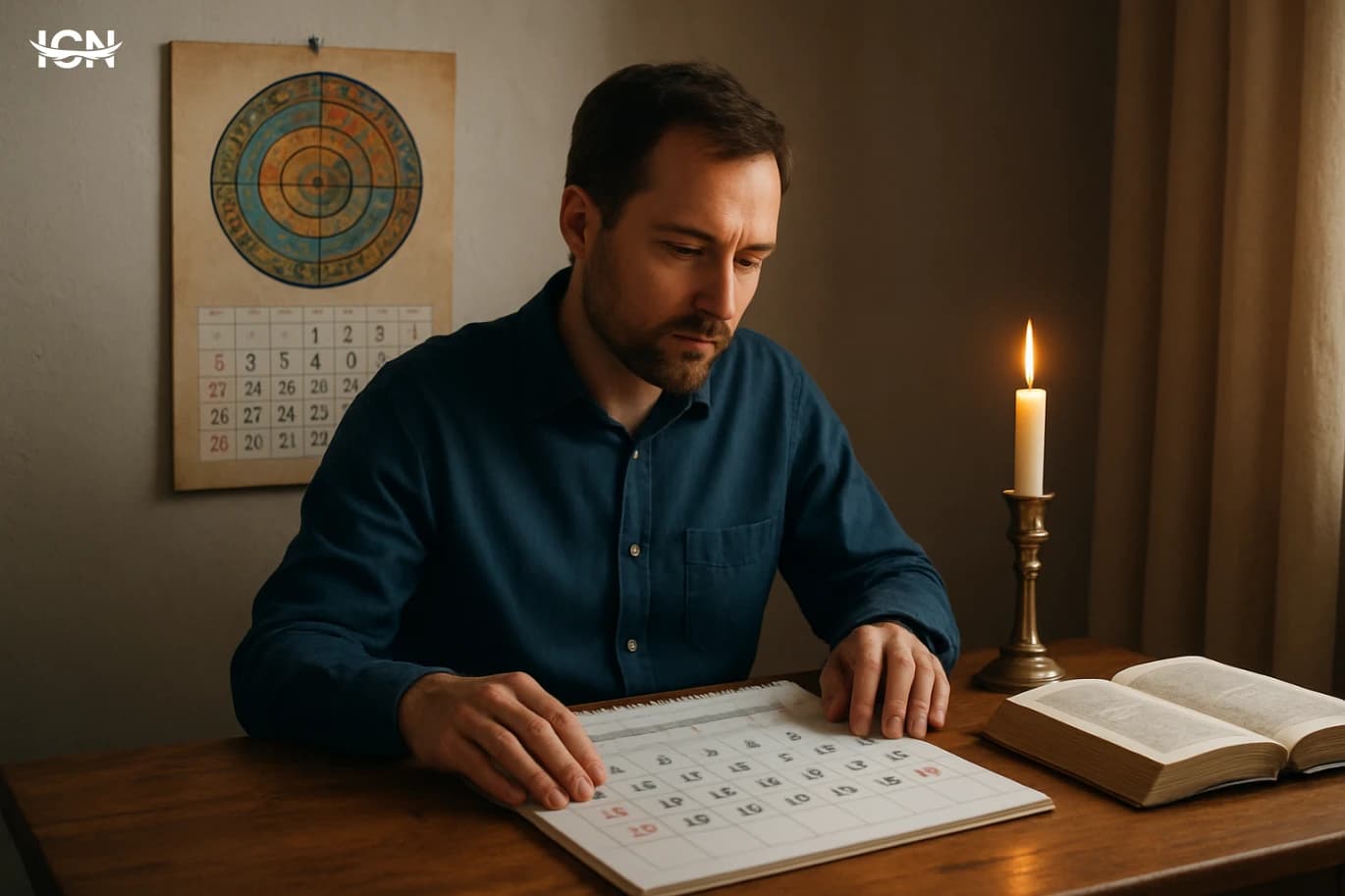
A central reason the last ten nights receive special attention is the search for Laylat al-Qadr. Islamic sources describe it as a night of immense value, associated with the Qur’an’s revelation and with divine mercy and forgiveness. Many Muslims focus on the odd-numbered nights within the last ten—often the 21st, 23rd, 25th, 27th, and 29th—while also keeping worship consistent across all ten nights to avoid missing it. In community discussions, people sometimes ask about “signs” of Laylat al-Qadr. Traditional references mention a sense of calm and a distinctive serenity, but scholars also emphasize that the most reliable approach is not to depend on subjective feelings. Instead, the recommended practice is steady worship: prayer, Qur’an recitation, remembrance, and sincere supplication. This approach keeps the focus on actions within one’s control rather than speculation. In many households, the last ten nights become a planned routine: lighter evening commitments, earlier rest when possible, and a clear intention to dedicate time for worship and reflection.
Prophetic Practice and Community Traditions
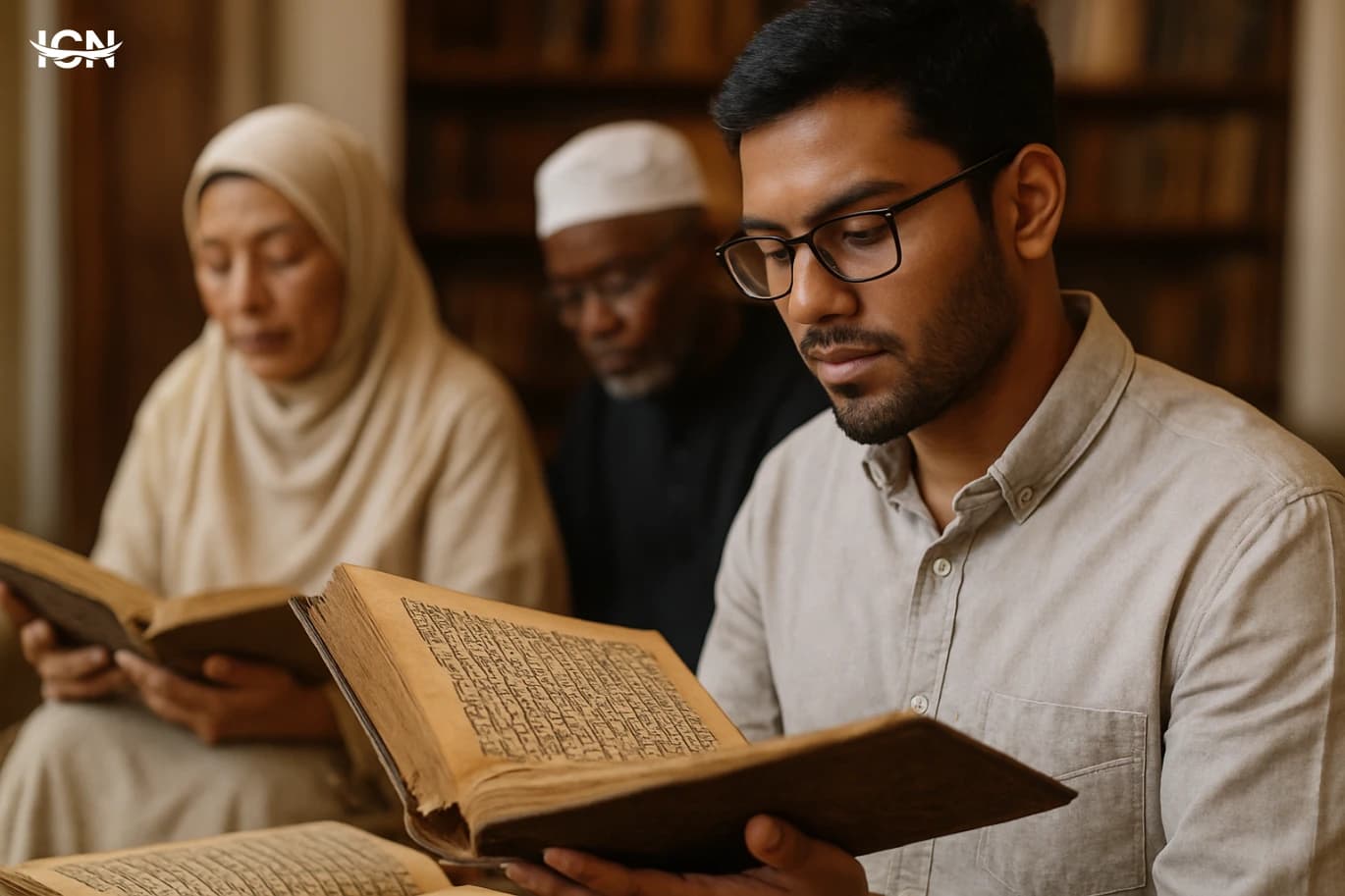
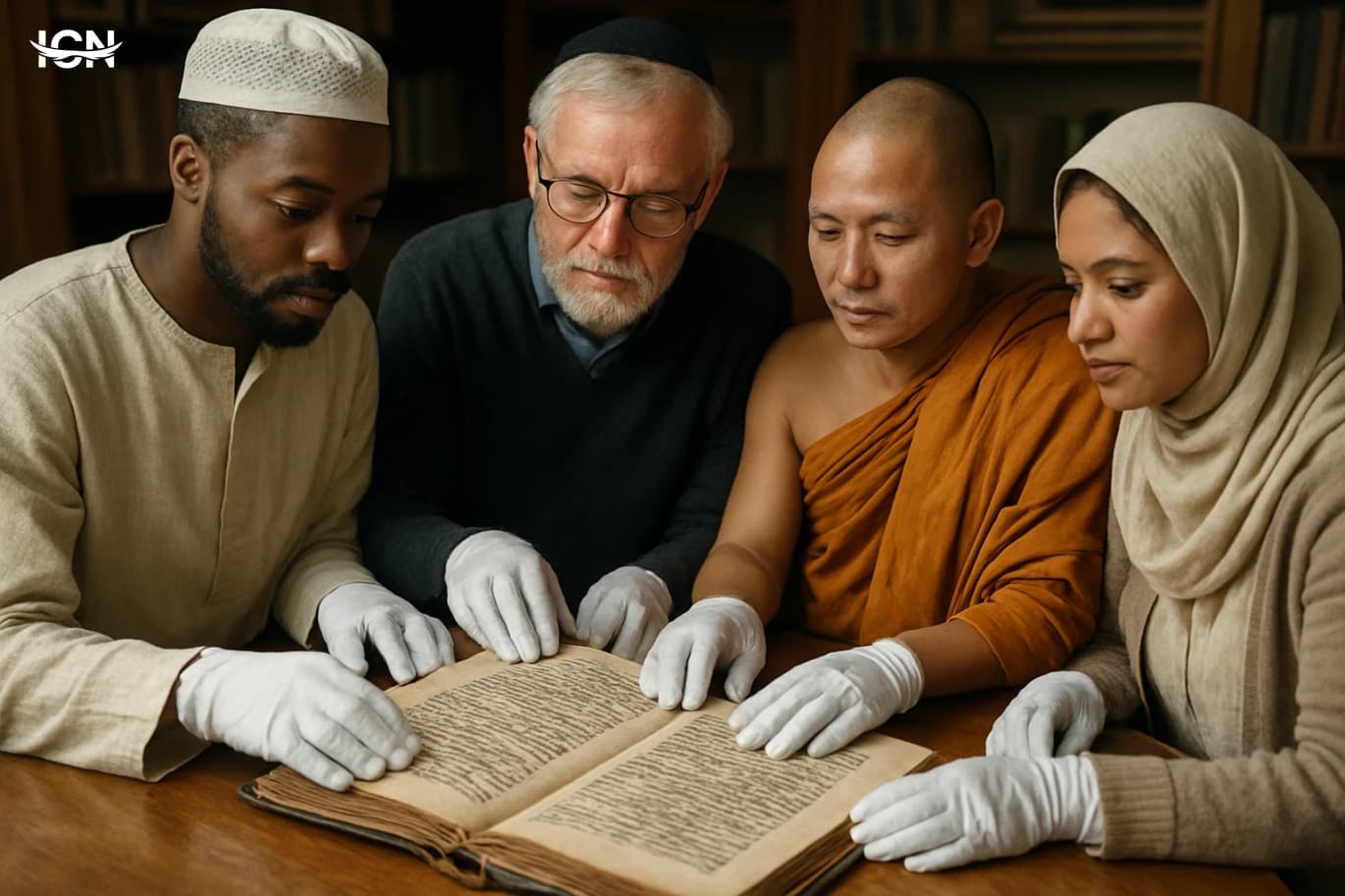
Muslim practice in the last ten nights is strongly shaped by reports that the Prophet Muhammad intensified worship during this period. This has influenced how communities structure Ramadan: longer nightly prayers, increased Qur’an recitation circles, and a stronger emphasis on personal devotion. In many places, mosques adjust logistics—additional prayer spaces, extended opening hours, and volunteer teams—to accommodate larger attendance. One well-known tradition is i‘tikaf, a form of seclusion in the mosque for worship and focus. While not everyone can participate, it remains a symbol of dedicating time away from distractions. Even those who cannot perform i‘tikaf often adopt its spirit by limiting social media, reducing entertainment, and setting clear boundaries around time. Community traditions also include coordinated charity drives, food distribution, and support for travelers or workers who may struggle to break their fast. These practices connect private worship with public benefit, reinforcing the idea that the last ten nights are not only personal but also communal in impact.
Practical Worship Plan for Ten Nights
A realistic plan helps many people benefit from the last ten nights without burnout. One approach is to set a minimum daily target and a flexible “bonus” target. The minimum could include praying ‘Isha and Taraweeh consistently, reading a set portion of the Qur’an, and making a focused dua list. The bonus could be additional night prayer at home, extra charity, or longer Qur’an reflection. This structure makes worship sustainable even for those with work or family responsibilities. Time management matters. Many find it helpful to prepare for the night earlier: a lighter iftar to avoid fatigue, a short rest before late prayer, and a clear cutoff for distractions. For Qur’an recitation, dividing reading into short sessions—after Fajr, after Asr, and after Taraweeh—can be more effective than one long session. For dua, writing down specific requests encourages concentration and reduces repetition. The goal is not to copy someone else’s routine but to create a consistent rhythm that keeps the heart engaged and the schedule realistic.
Character, Charity, and Daily Conduct
The last ten nights are often discussed in terms of prayer and Qur’an, but their impact is also measured in daily conduct. Many Muslims treat this period as a checkpoint for character: controlling anger, avoiding gossip, keeping promises, and improving family and workplace interactions. These changes are not abstract; they show up in practical decisions such as speaking more carefully, being punctual, and reducing unnecessary arguments. Charity also becomes more structured. Some people set a nightly donation, even if small, to align with the possibility of Laylat al-Qadr. Others focus on targeted giving: food baskets, medical support, educational assistance, or paying off essential bills for those in need. The emphasis is on responsible, verified channels and on giving that meets real needs. In many communities, volunteers coordinate distribution so that support reaches people discreetly and efficiently. This combination of worship and ethical behavior reflects a broader understanding of Ramadan as a month that reforms both the inner life and the public footprint.
bookmark
As the last ten nights end, many people ask how to keep the momentum. A practical takeaway is to identify two or three habits that were most beneficial and keep them after Eid. Examples include a weekly Qur’an reading schedule, a fixed set of morning and evening remembrance, or a monthly charity commitment. The transition works best when the goal is modest and measurable rather than ambitious and vague. It also helps to evaluate the month with simple questions: Which worship practices were consistent? What distracted me most? Which relationships improved through better manners? Writing down brief notes can turn Ramadan into a learning cycle rather than a one-time burst of effort. In this way, the last ten nights serve not only as a conclusion to Ramadan, but as a bridge into the rest of the year, with clearer priorities and a more disciplined routine.