How Faith Communities Preserve Heritage Today
- Why Heritage Preservation Matters
- Protecting Places of Worship and Sacred Sites
- Oral Traditions, Music, and Community Memory
- Digital Preservation and Online Access
- Education, Youth Engagement, and Continuity
- Funding, Partnerships, and Practical Next Steps
Why Heritage Preservation Matters
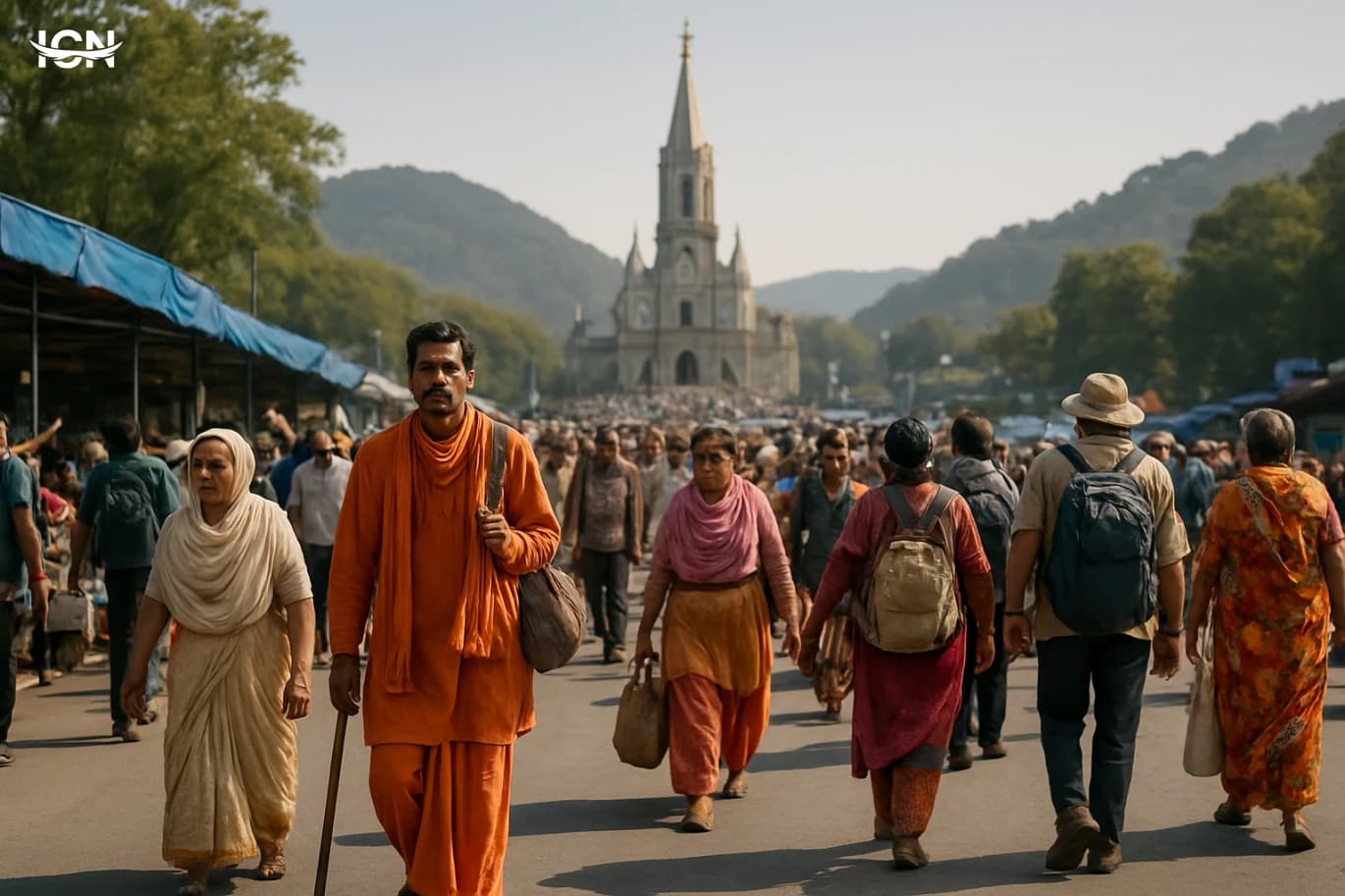
Across many religions and belief traditions, heritage is not limited to old buildings or museum artifacts. It includes languages used in prayer, styles of calligraphy, music traditions, seasonal calendars, and community rules that shape daily life. When these elements fade, communities often lose practical knowledge about how to gather, teach, and support one another. This is why preservation has become a modern priority rather than a nostalgic hobby. In recent years, faith communities have faced rapid urban development, migration, and changing family structures. A neighborhood place of worship might be replaced by new construction, or a community may relocate and struggle to maintain its customs in a new setting. At the same time, younger members often learn and socialize online, which changes how traditions are transmitted. Preservation efforts now focus on documentation, education, and access, aiming to keep heritage usable and understandable rather than simply “saved.” This topic is also relevant beyond any single tradition. Many communities share similar challenges: limited funding, volunteer burnout, and the need to balance openness with respect for sacred practices. Understanding how preservation works in practice helps readers see faith heritage as living culture with clear social, educational, and economic impacts.
Protecting Places of Worship and Sacred Sites
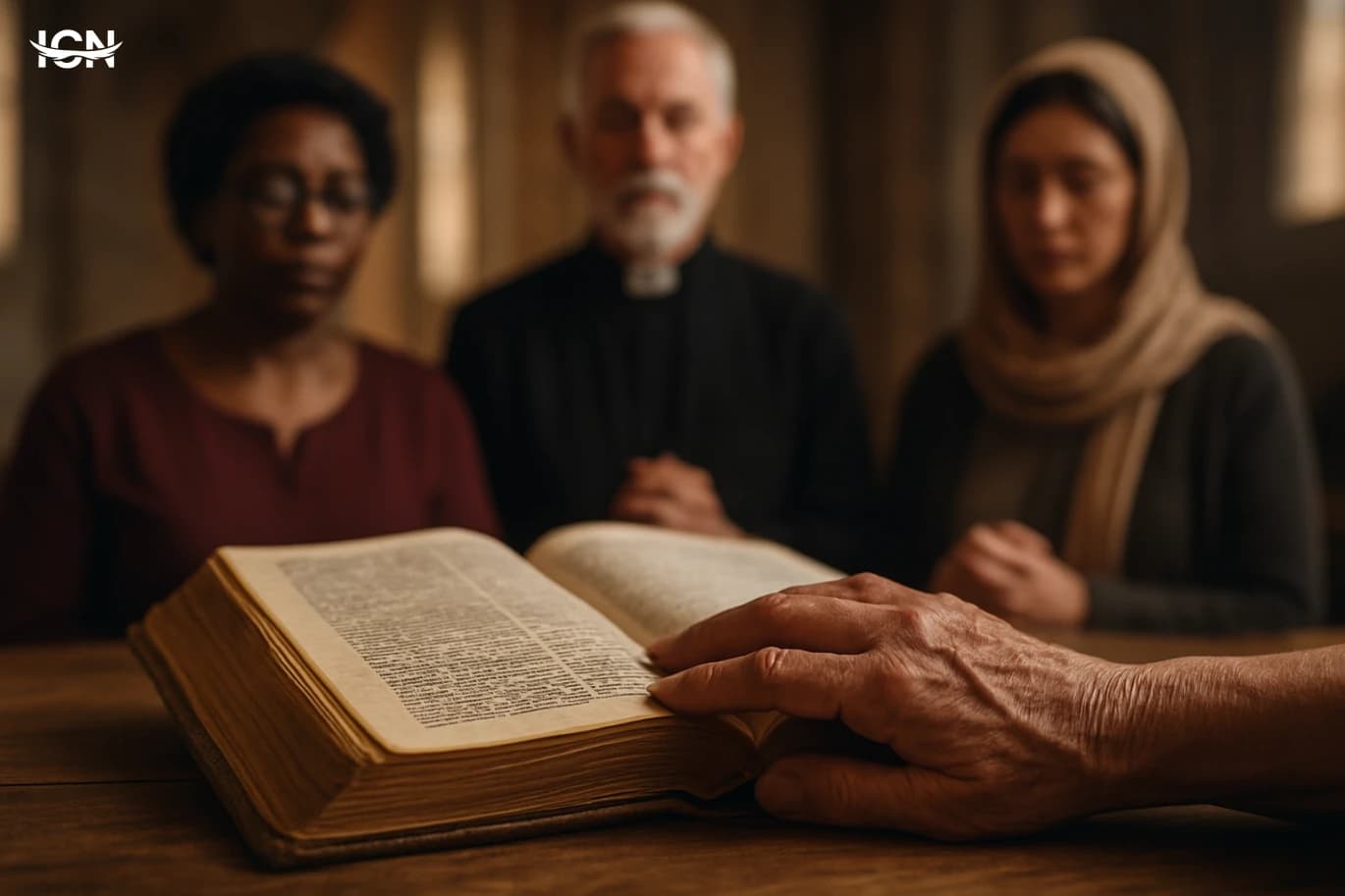
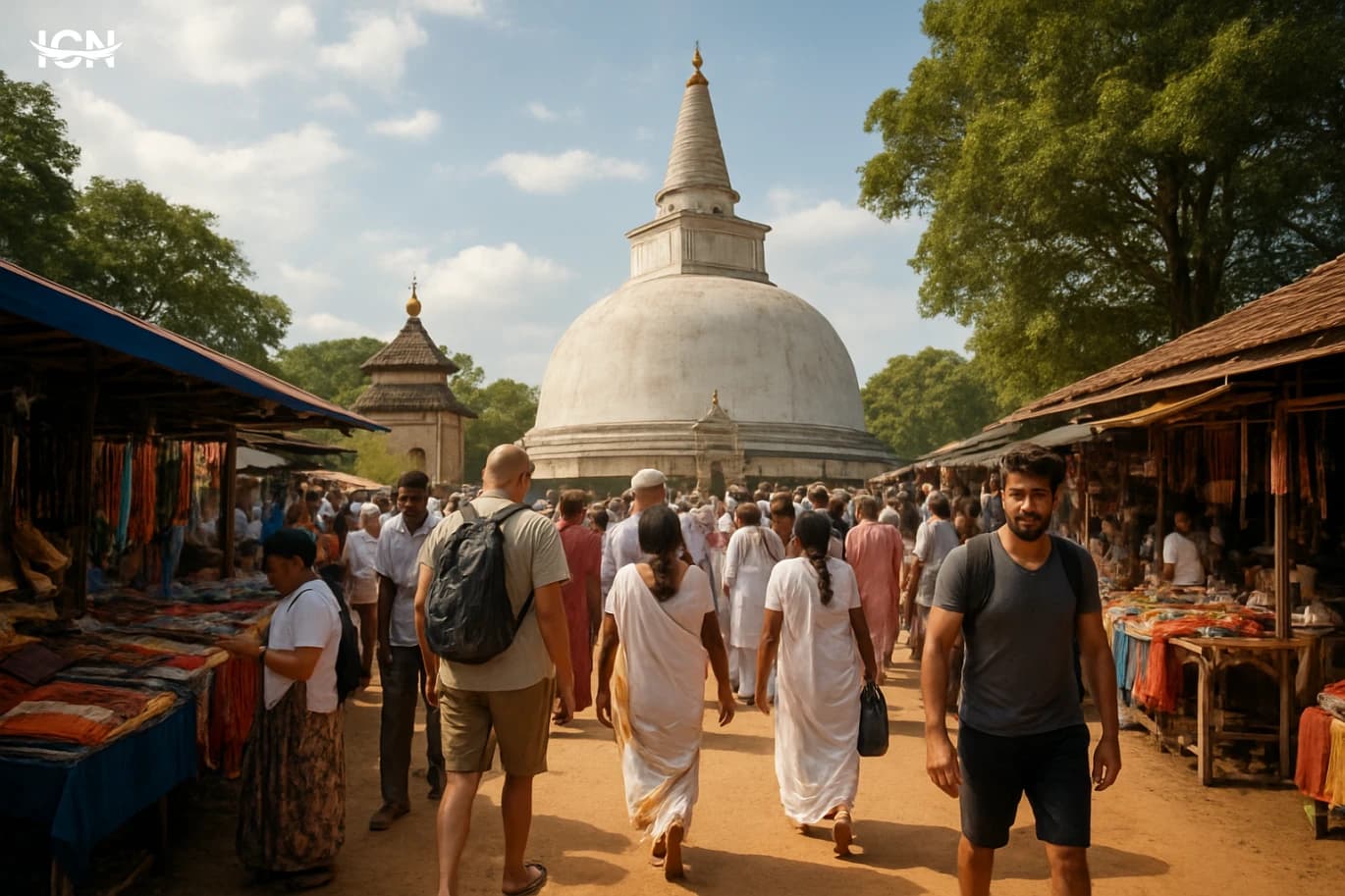
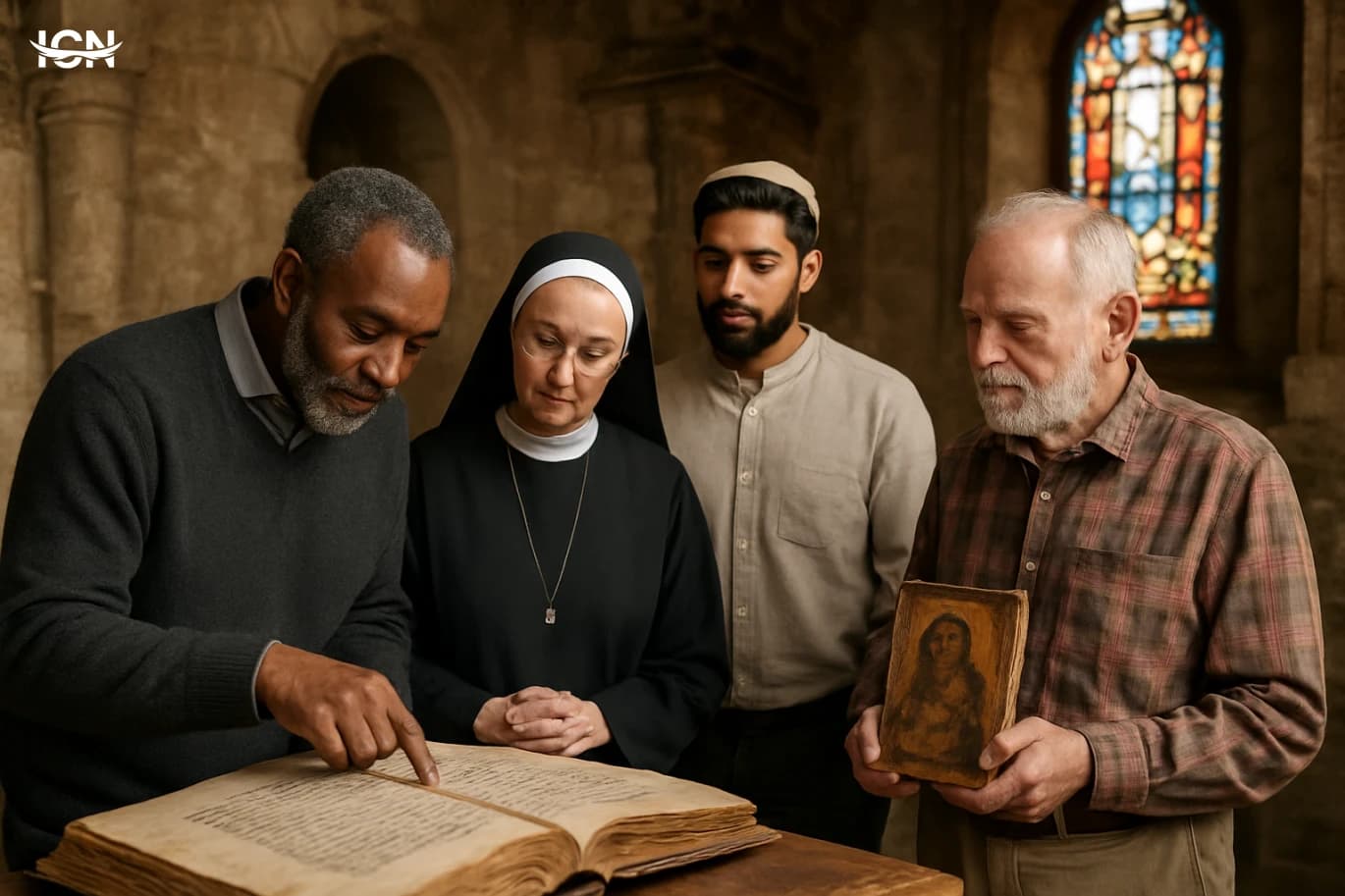
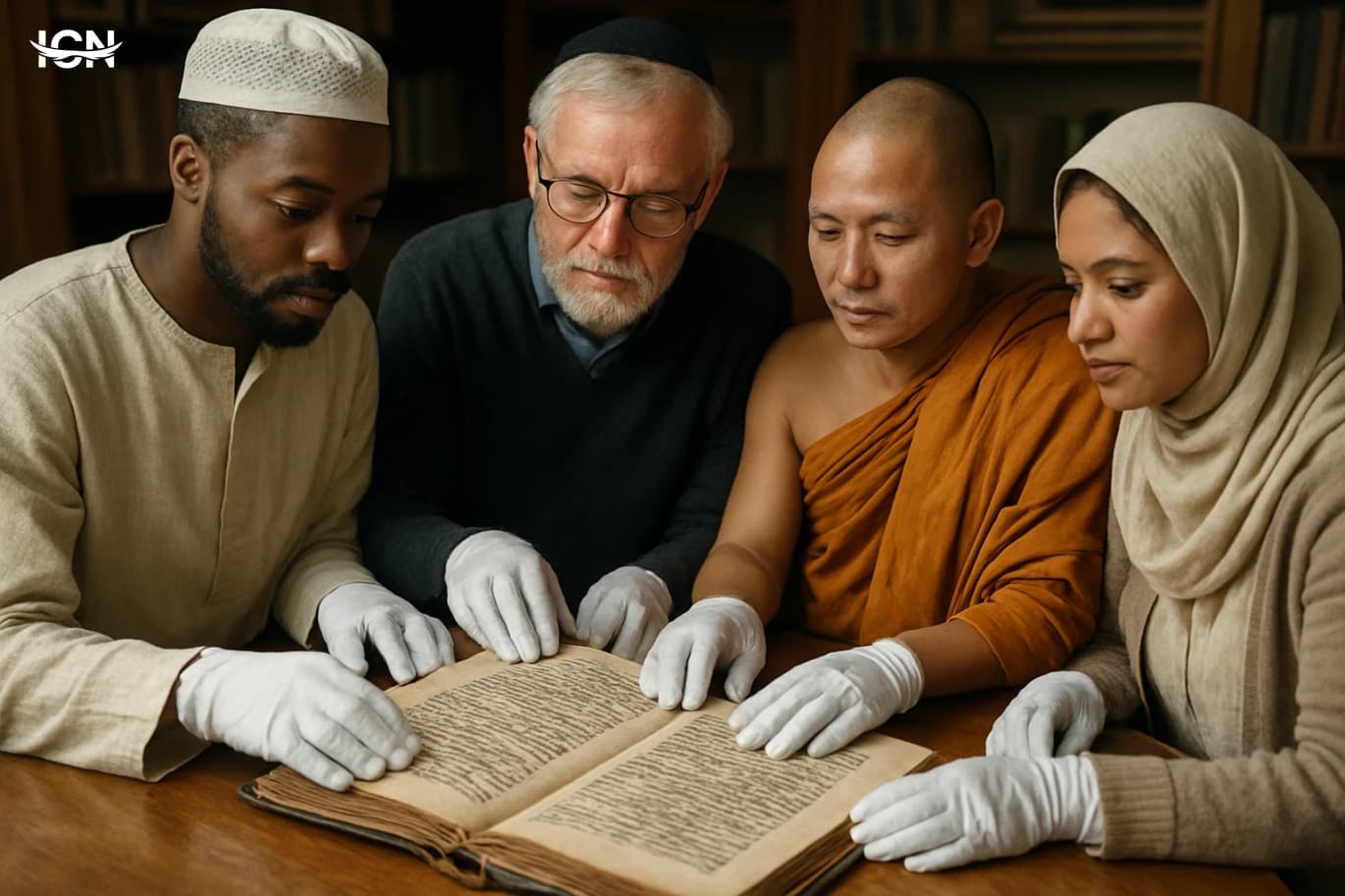
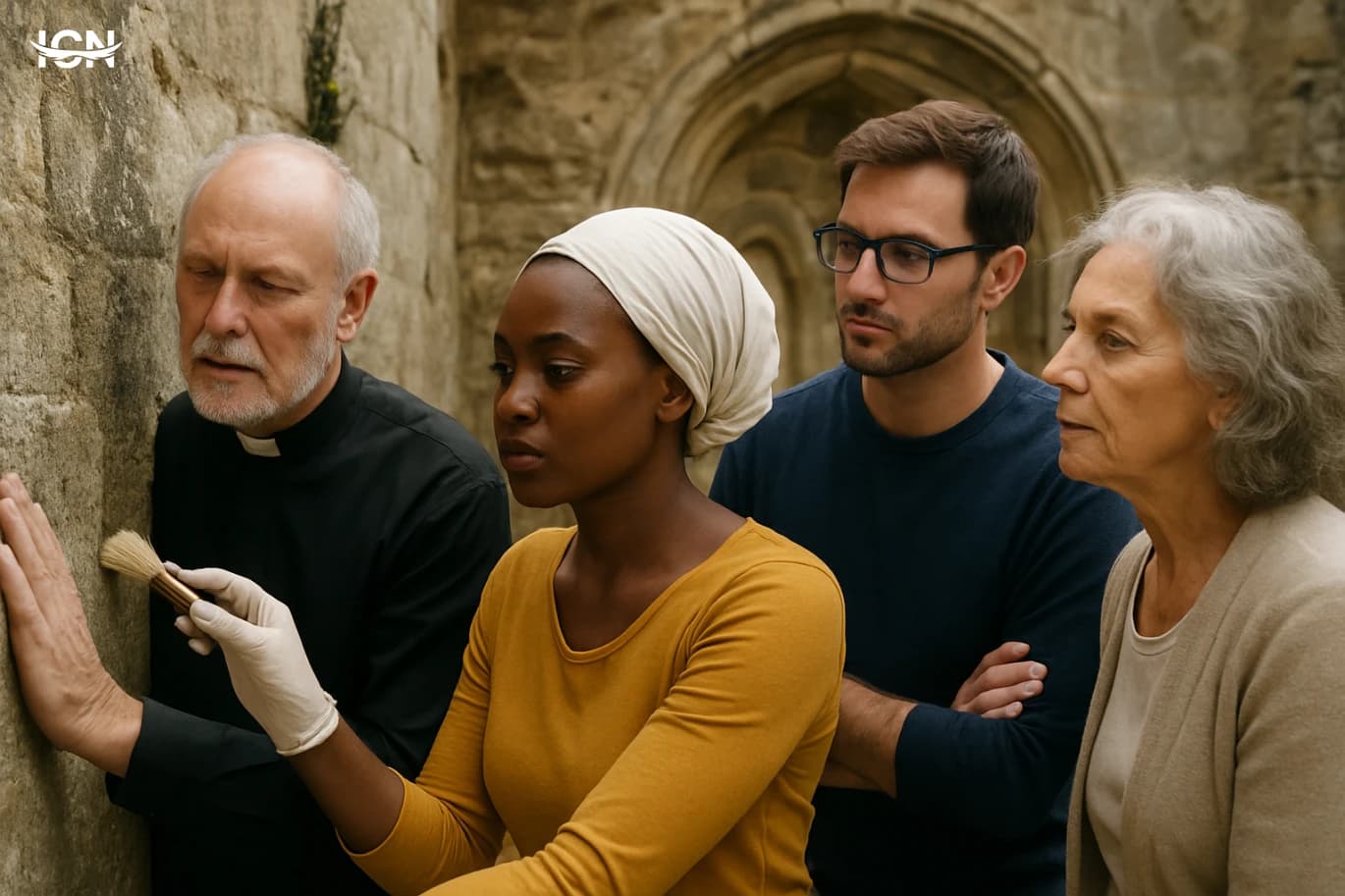
Physical sites remain the most visible part of religious heritage, but protecting them requires more than repairs. Communities often start with basic asset mapping: listing buildings, cemeteries, libraries, and objects such as manuscripts, textiles, or ritual items. This inventory helps set priorities, especially when budgets are tight. A roof leak in an archive room can be more urgent than repainting a public hall, because water damage can destroy unique records in a single season. Many preservation projects now use professional assessments: structural surveys, humidity monitoring, fire safety planning, and digitized condition reports. Even small congregations can adopt low-cost measures such as proper storage boxes, controlled lighting for fragile materials, and clear handling rules for volunteers. Where possible, partnerships with local universities, municipal heritage offices, or conservation labs provide expertise that communities may not have internally. Access is another modern issue. Some sacred sites welcome visitors; others restrict entry to protect worship practices. Successful models often separate visitor flow from prayer areas, use scheduled tours, and provide clear signage about respectful behavior. This approach supports both preservation and community needs, reducing wear on sensitive spaces while allowing the public to learn about the site’s history and meaning.
Oral Traditions, Music, and Community Memory
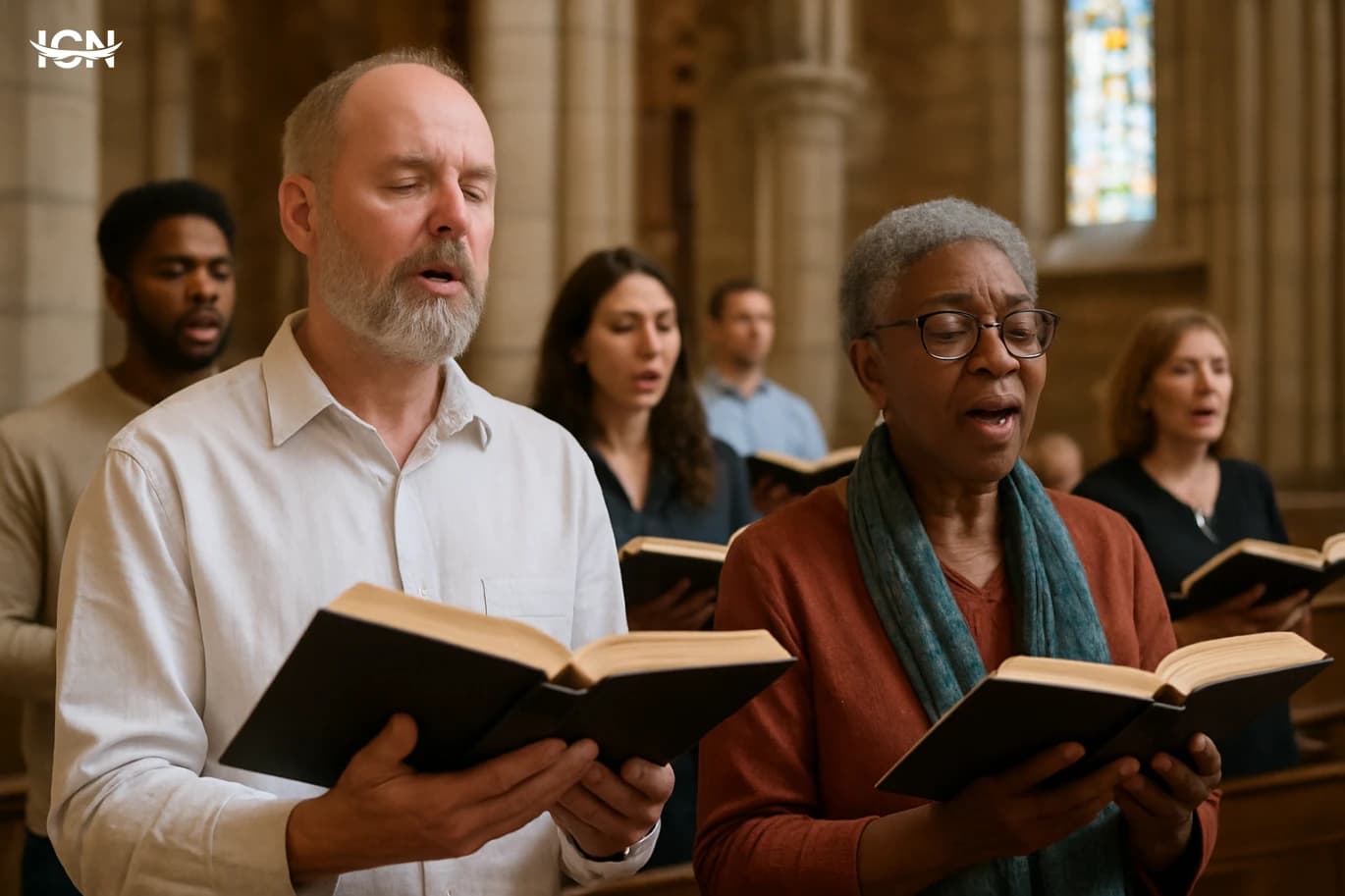
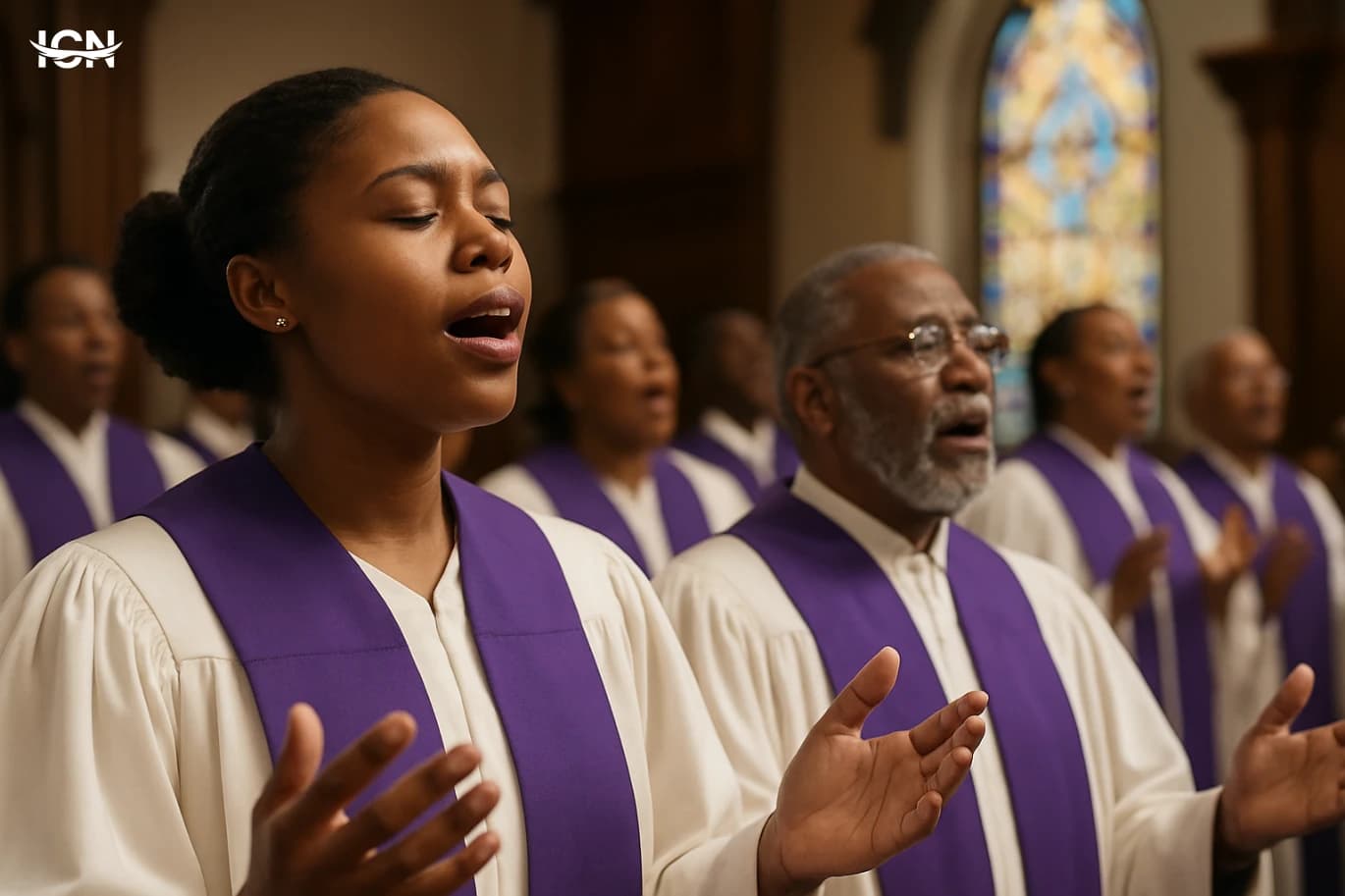
Not all heritage can be placed behind glass. Oral teaching, recitation styles, and community stories often carry as much meaning as any physical object. Yet these forms are vulnerable when elders pass away or when families disperse. Many communities now record interviews with long-time members, document local variations of chants, and create annotated collections that explain context: when a song is used, who leads it, and what language or dialect it follows. A practical approach is to build a community archive that combines audio, video, and written notes. Clear metadata matters: dates, names, locations, and permissions for use. Without this, recordings become hard to search and easy to misinterpret. Some groups also run “heritage workshops” where younger members learn directly from experienced practitioners, with sessions focused on specific skills such as pronunciation, instrument handling, or the etiquette of communal gatherings. Community memory also includes everyday practices: food traditions linked to fasting periods, charitable routines, and seasonal events. Documenting these does not require turning them into performances. Instead, communities can produce simple guides, recipe booklets with background notes, or calendars that explain the purpose of each observance. These materials help newcomers and younger members participate confidently, strengthening continuity without forcing uniformity across different regions or families.
Digital Preservation and Online Access
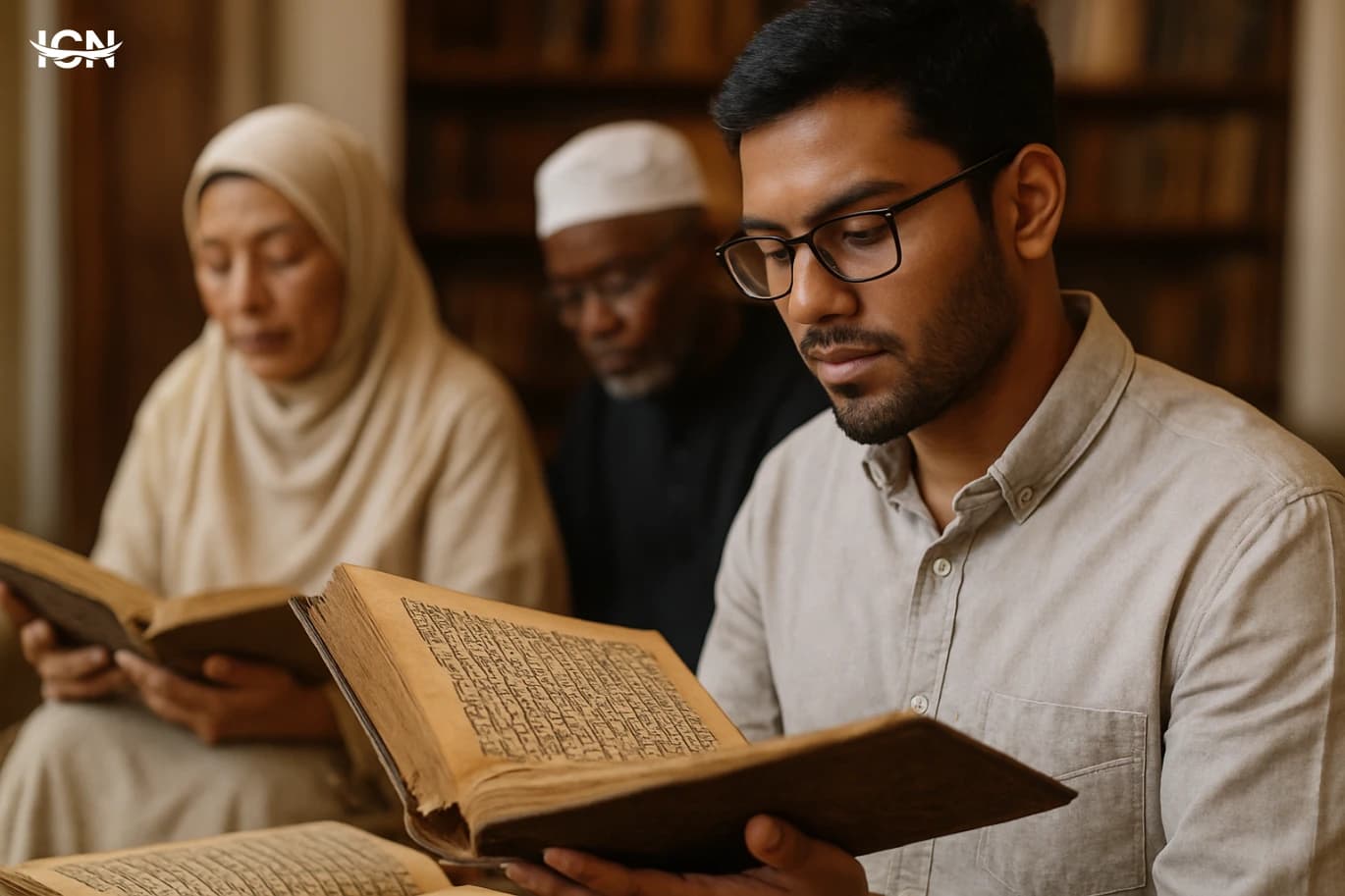
Digitization has become a central tool for preserving religious heritage, especially for fragile manuscripts, rare photographs, and community newsletters that were never stored properly. Scanning and photographing are only the first steps. Sustainable projects plan for file formats, backups, and long-term storage costs. A common best practice is the “3-2-1” approach: three copies, on two different media, with one stored off-site or in a trusted cloud service. Online access can expand learning, but it also raises questions about privacy and sacred boundaries. Communities often create tiered access: public galleries for general history, member-only portals for internal teaching materials, and restricted collections for sensitive items. Clear consent policies are essential, especially for recordings of living individuals or images taken during worship. Digital tools also support education. Short explainer videos, interactive timelines, and searchable glossaries help younger audiences understand terminology and context. Importantly, digital projects work best when they are tied to real community routines: regular upload schedules, volunteer training, and a designated editor who checks accuracy. Without governance, websites become outdated, and valuable material can be lost in personal devices rather than preserved in a shared system.
Education, Youth Engagement, and Continuity
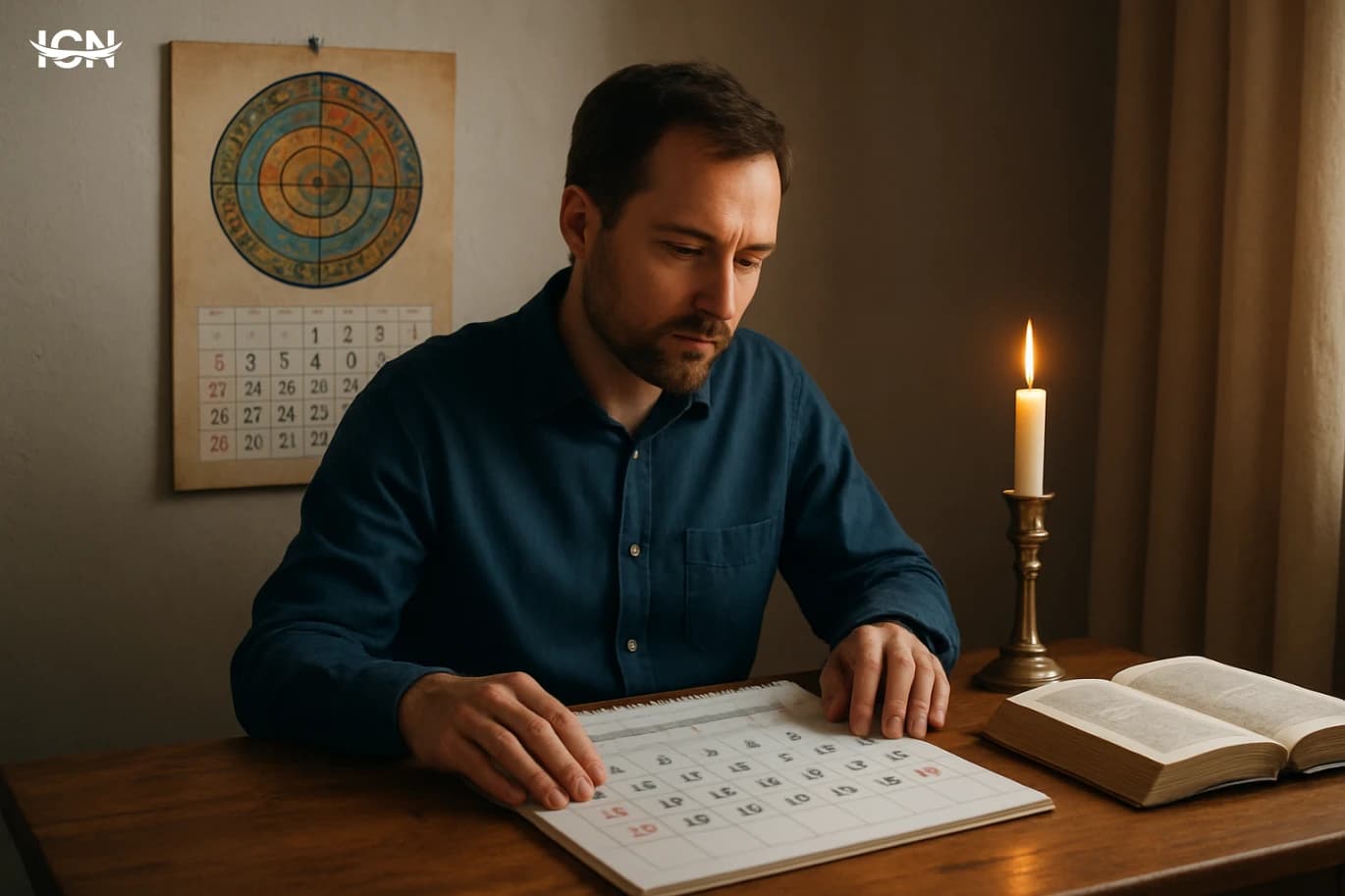
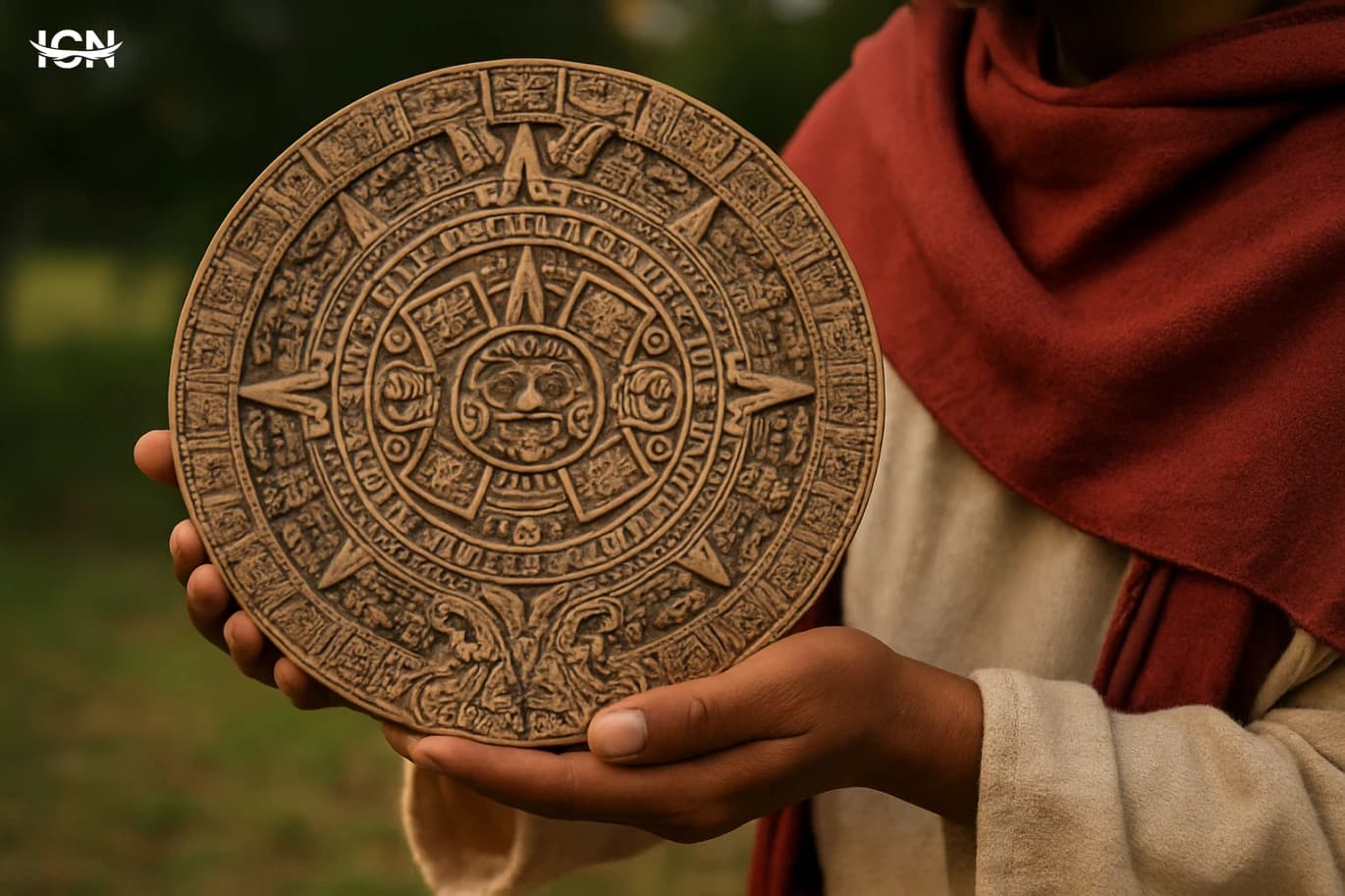
Preservation succeeds when it is connected to learning. Many communities are redesigning educational programs to include heritage skills: reading older scripts, understanding historical calendars, or learning the meaning behind rituals rather than memorizing steps. This approach helps younger members see heritage as practical knowledge that supports identity and community service. Youth engagement works best with clear roles. Some groups create “heritage teams” where students help catalog items, translate captions, or edit short interviews. These tasks build responsibility and digital literacy while keeping content accurate. Mentorship is crucial: pairing a young volunteer with an experienced community member reduces mistakes and strengthens intergenerational trust. Continuity also depends on inclusion of newcomers. Migrants, converts, and inter-community families may not share the same background knowledge. Providing orientation sessions, bilingual materials, and simple guides to etiquette makes participation easier and reduces misunderstandings. When communities treat heritage as teachable and accessible, they are more likely to retain members and maintain traditions without turning them into rigid rules that discourage involvement.
Funding, Partnerships, and Practical Next Steps
Heritage preservation often fails for predictable reasons: unclear ownership of materials, lack of a plan, and reliance on a single volunteer. Communities that make progress usually start with governance. They appoint a small committee, define what counts as heritage, and set rules for storage, access, and decision-making. A simple annual plan can cover inventory updates, priority repairs, and a digitization target such as “scan 500 pages of newsletters.” Funding sources vary. Some projects use member donations earmarked for preservation, while others apply for cultural heritage grants offered by local foundations or municipal programs. Partnerships can reduce costs: a university may provide scanning equipment, a library may advise on cataloging, and a local museum may train volunteers in basic conservation handling. Clear agreements matter, especially about who owns digital copies and how materials can be used. Practical next steps are straightforward. Start with an inventory spreadsheet, photograph items for reference, and store originals in stable conditions away from heat and moisture. Create a naming system for digital files and back them up. Finally, publish a short public-facing summary of the project to build trust and attract support. Preservation is most effective when it is treated as routine community work with measurable goals, not as an occasional emergency response.