How Communities Preserve Sacred Texts
- Why Preservation Matters
- Oral Tradition and Memorization
- Manuscripts, Scribes, and Material Care
- Translation, Commentary, and Teaching
- Digitization and Modern Access
- What Readers Can Do
Why Preservation Matters
Across many faith traditions, sacred texts are treated as more than historical documents. They are used in worship, education, and daily decision-making, which means accuracy and continuity matter to communities over long periods. Preservation is not only about keeping old manuscripts in storage; it is also about ensuring that a text remains readable, teachable, and trusted as it moves across generations and geographies. Communities often connect preservation to identity. When a text is recited in a familiar cadence, copied in a recognizable script, or taught through established methods, it reinforces a shared sense of belonging. At the same time, preservation has practical stakes: fragile materials decay, languages evolve, and political or economic disruptions can scatter collections. The result is a constant balancing act between protecting originals and enabling access for learners and practitioners.
Oral Tradition and Memorization
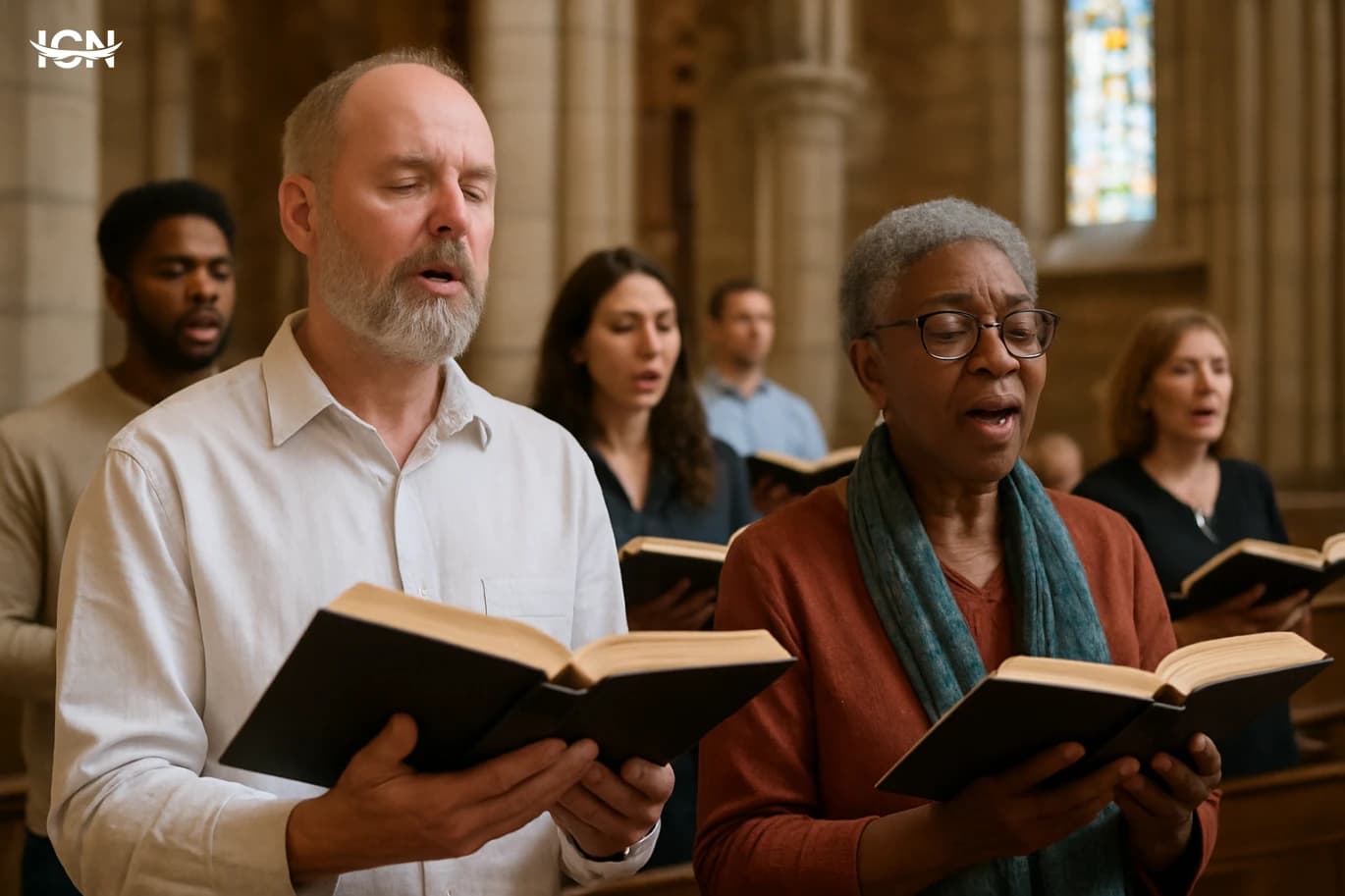
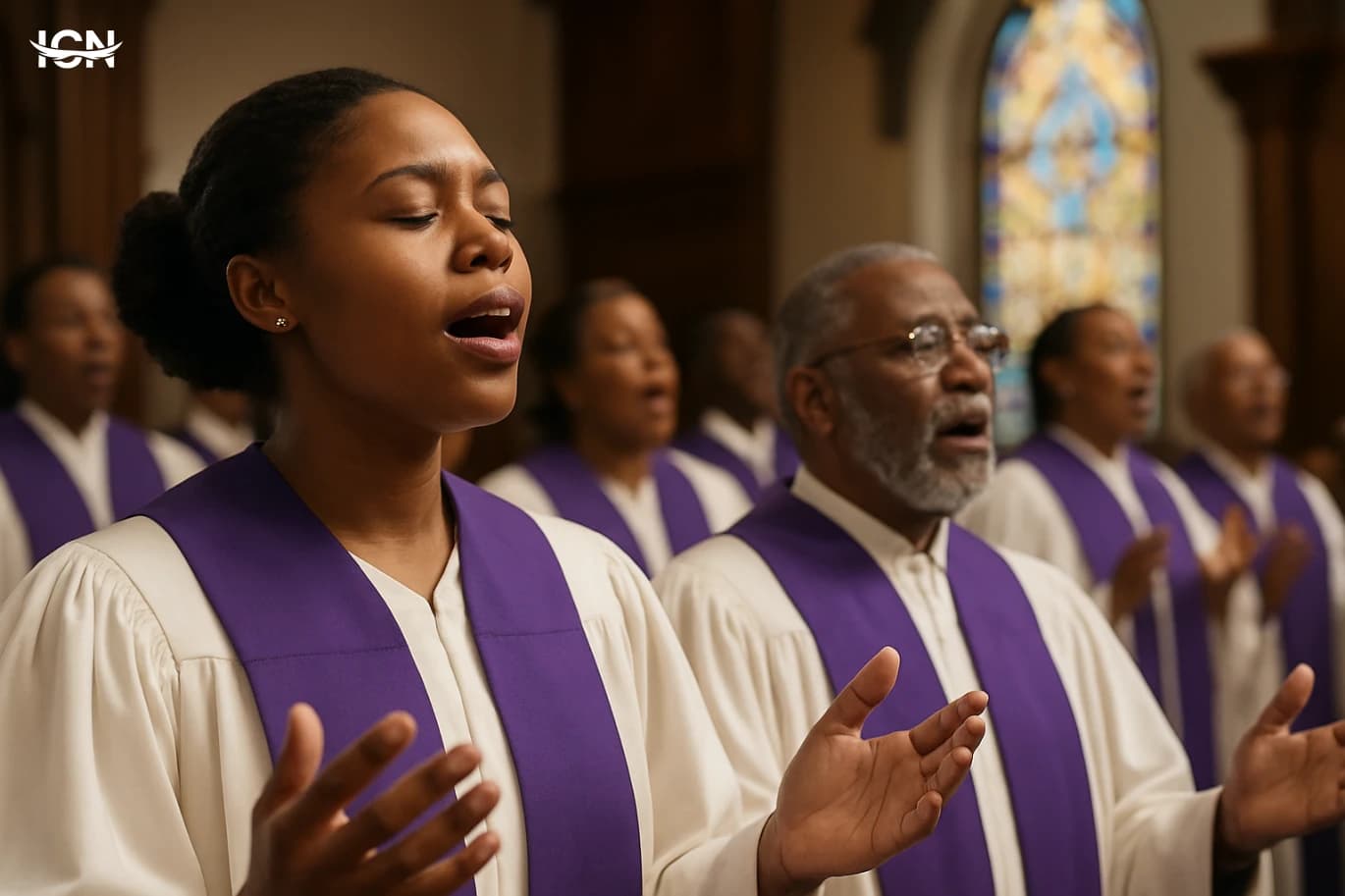
Long before widespread printing, oral transmission played a central role in keeping sacred texts stable. Memorization systems rely on repetition, peer correction, and public recitation. In many communities, learners study with a teacher who verifies pronunciation, rhythm, and wording, creating a human chain of quality control. Group recitations and regular readings also function as ongoing audits: when many people know a passage, errors are easier to detect. Oral methods are not informal by default. They often include structured curricula, graded milestones, and recognized certifications that signal competence. These practices also address a key preservation problem: materials can burn, fade, or be lost, but a community of trained reciters can reconstitute a text even after disruptions. In the modern era, audio recordings and broadcast media have added another layer, allowing standardized recitations to circulate widely while still being anchored in teacher-student validation.
Manuscripts, Scribes, and Material Care
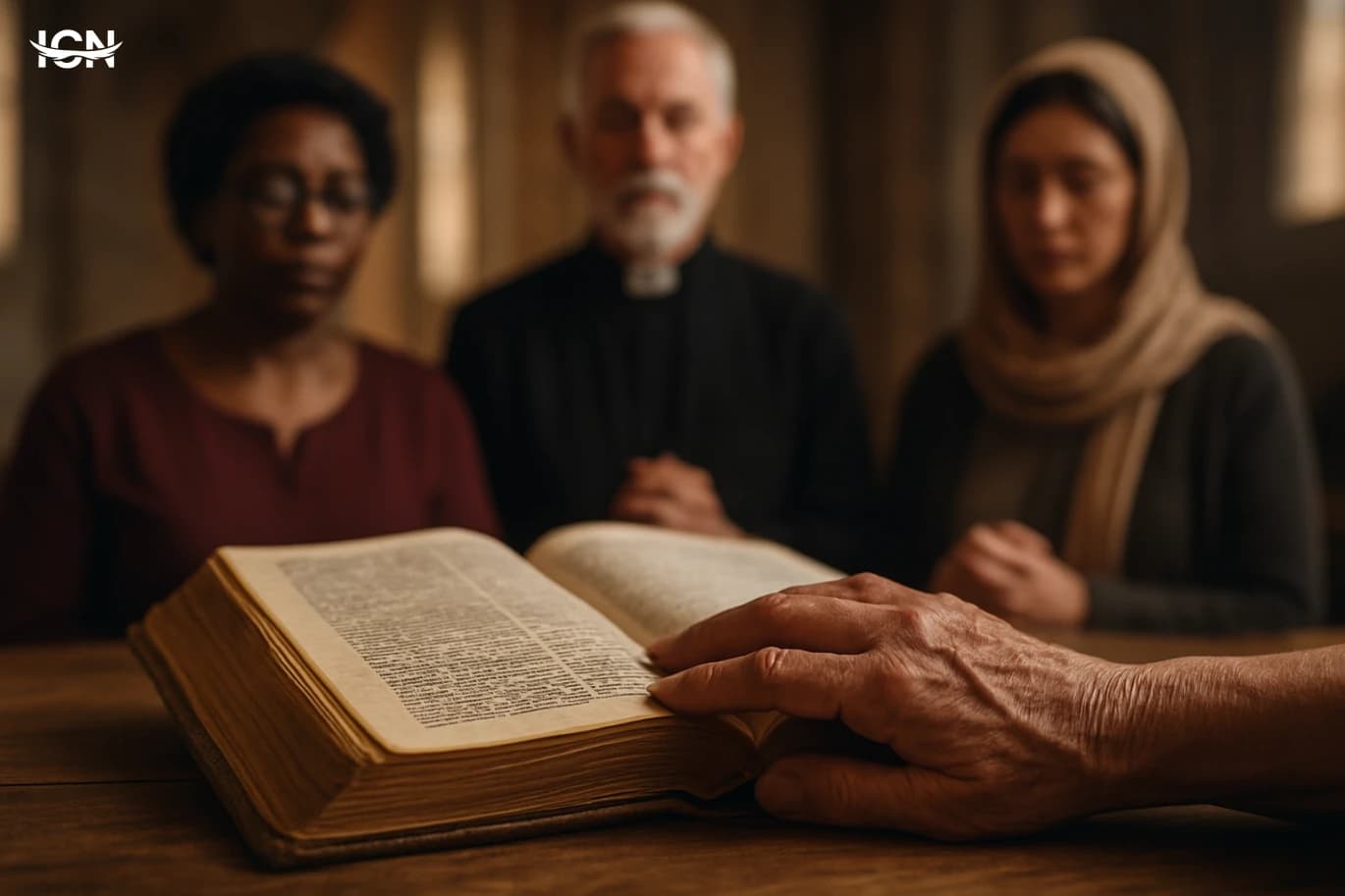
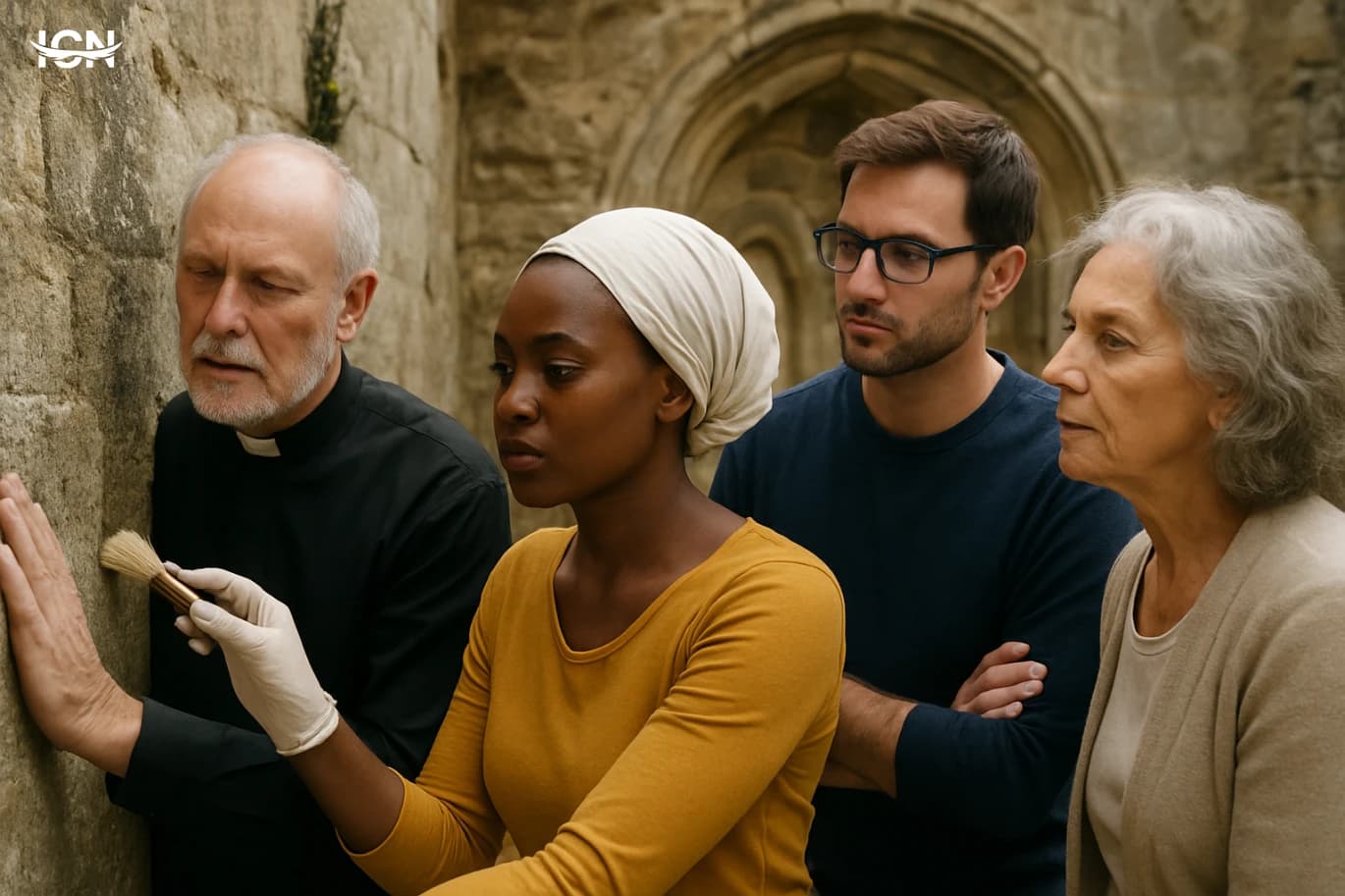
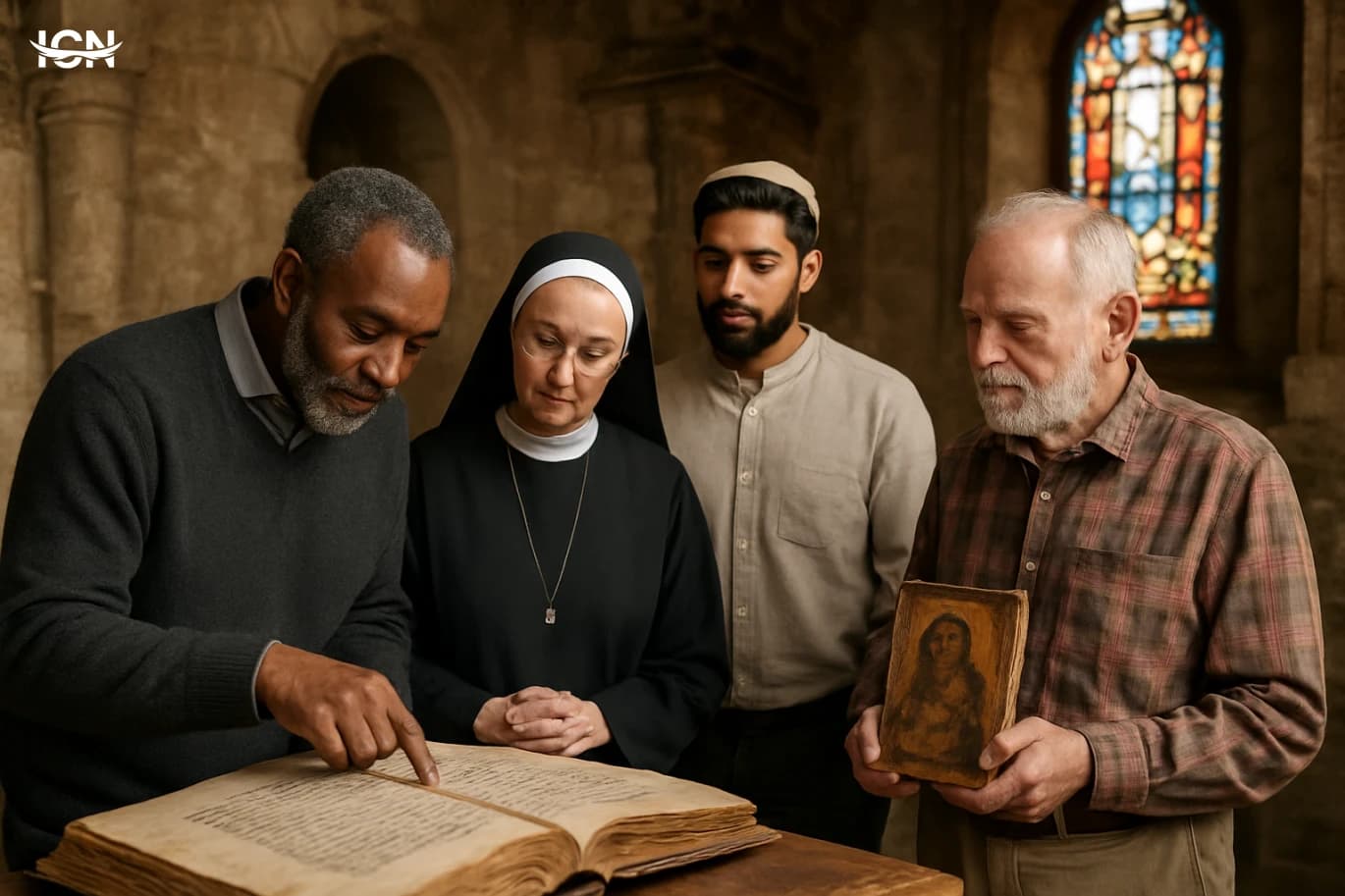
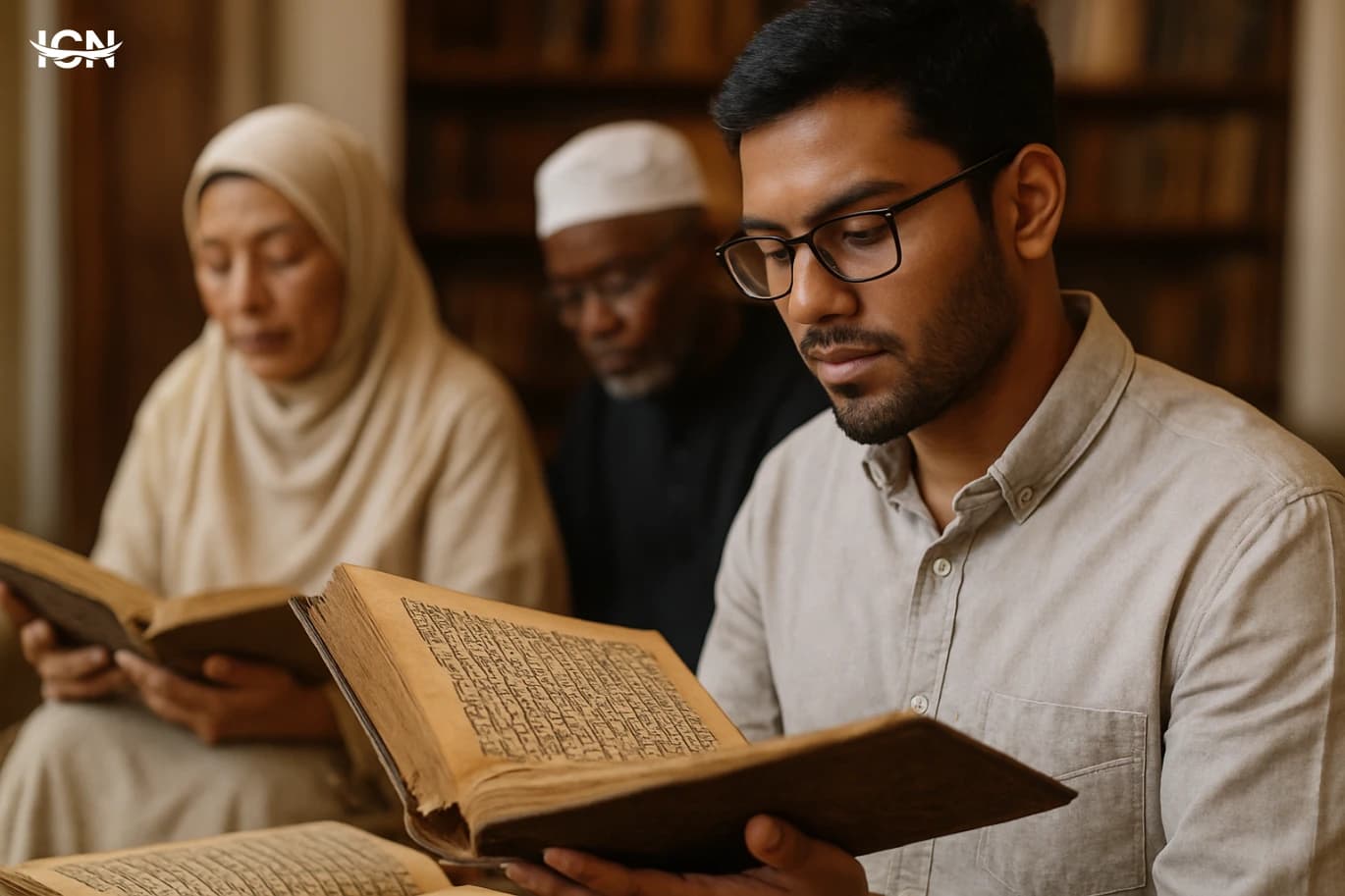
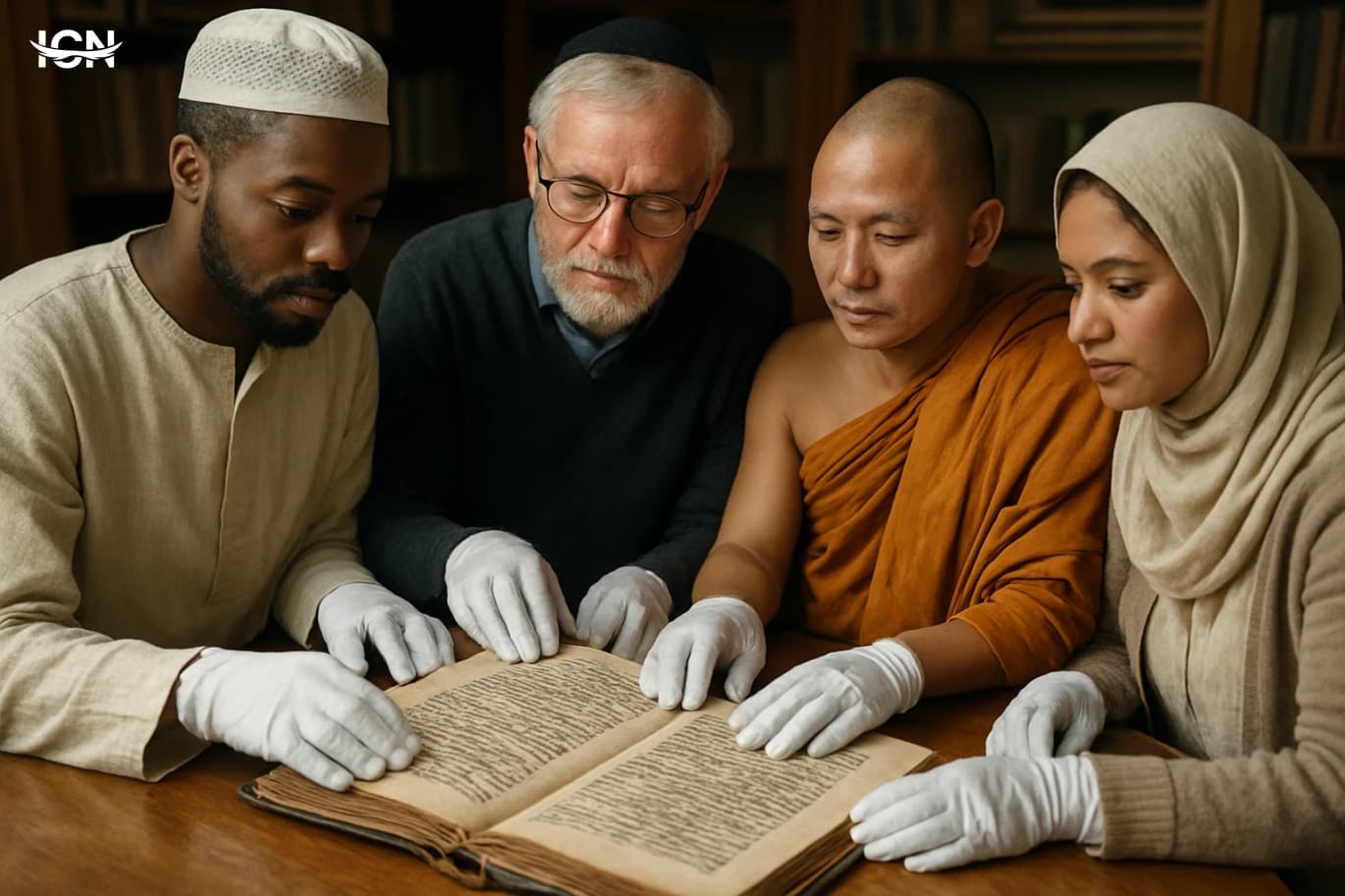
Hand-copied manuscripts are a major reason many sacred texts survived for centuries. Scribes developed disciplined routines: careful layout, consistent letterforms, and deliberate pacing to reduce mistakes. Some traditions used checklists, marginal notes, or counting methods to verify lines and words. Others relied on a second reader who compared the copy against an authoritative exemplar. These practices created a culture where copying was not only a technical task but also a responsibility. Material choices mattered. Ink composition, paper or parchment quality, and binding techniques influenced how long a manuscript could endure. Communities also developed storage norms: keeping texts away from moisture, controlling light exposure, and using protective covers. In libraries and monasteries, cataloging systems helped track holdings and reduce loss. Today, conservation specialists continue this work with deacidification, climate control, and careful repair, often in partnership with religious institutions that set rules for handling and access.
Translation, Commentary, and Teaching
Preservation is also intellectual. As communities move and languages change, translations and commentaries help keep meaning accessible without replacing the original. Many traditions maintain a clear distinction between the sacred language of the text and the languages used for explanation. This approach allows worship and recitation to remain anchored while education expands to new audiences. Commentary traditions often function like a long-term knowledge infrastructure. They record how earlier scholars interpreted difficult passages, how legal or ethical guidance was derived, and how historical context shaped understanding. In classrooms and study circles, teaching methods reinforce continuity: standardized reading plans, memorization paired with explanation, and cross-checking interpretations against established references. Modern publishing has widened access through annotated editions, parallel-text formats, and study guides, but communities still debate how much simplification is acceptable without losing nuance.
Digitization and Modern Access
Digitization has changed preservation by separating access from physical handling. High-resolution scanning allows scholars and practitioners to consult rare manuscripts without exposing them to repeated touch, light, or transport. Large digital repositories can also reunite dispersed collections virtually, enabling comparison of variants and scribal styles across regions. For communities, searchable text databases and mobile apps make daily reading and study more consistent, especially for people far from major libraries. However, digital preservation introduces new risks. File formats become obsolete, storage media fail, and online platforms can disappear. Responsible projects plan for redundancy: multiple backups, open standards, and clear metadata describing provenance and condition. There are also governance questions, including who controls access, how sacred materials are displayed, and how to prevent misuse or misquotation. Many institutions address this by combining technical safeguards with community guidelines and review processes.
What Readers Can Do
Individuals can support preservation in practical ways. When using printed sacred texts, basic care extends their life: clean hands, avoiding food and liquids nearby, and storing books upright in a stable, dry environment. For older family copies, documenting provenance—who owned it, where it was used, and any notes inside—can add historical value. If a text is damaged, consulting a conservator is safer than using household tape or glue, which can cause long-term harm. Readers can also contribute to responsible access. Choosing reputable editions, checking citations before sharing, and learning the difference between translation and original wording reduces the spread of errors. For those involved in community education, supporting libraries, digitization initiatives, and training programs for reciters, teachers, or archivists strengthens the ecosystem that keeps texts both protected and understood. Preservation ultimately succeeds when it is treated as a shared, ongoing practice rather than a one-time project.