How Communities Mark Time With Sacred Calendars
- Why sacred calendars still matter
- Solar, lunar, and lunisolar systems
- How dates are determined in practice
- Ritual seasons and community logistics
- Diaspora life and the challenge of two calendars
- Digital tools and respectful planning
Why sacred calendars still matter
Sacred calendars are not just lists of holidays; they are systems that organize community life through recurring dates, seasons, and rituals. In many traditions, the calendar sets the rhythm for fasting periods, pilgrimage windows, weekly gatherings, and commemorations of foundational events. Even in highly digital societies, people still plan travel, school schedules, and family visits around these dates because they carry shared meaning and clear expectations. A sacred calendar also creates continuity: it links individuals to earlier generations who observed the same cycle, often using similar prayers, foods, and customs. For journalists and analysts, calendars are a practical lens for understanding how belief becomes routine behavior, how institutions coordinate large groups, and how communities maintain identity across time and geography.
Solar, lunar, and lunisolar systems
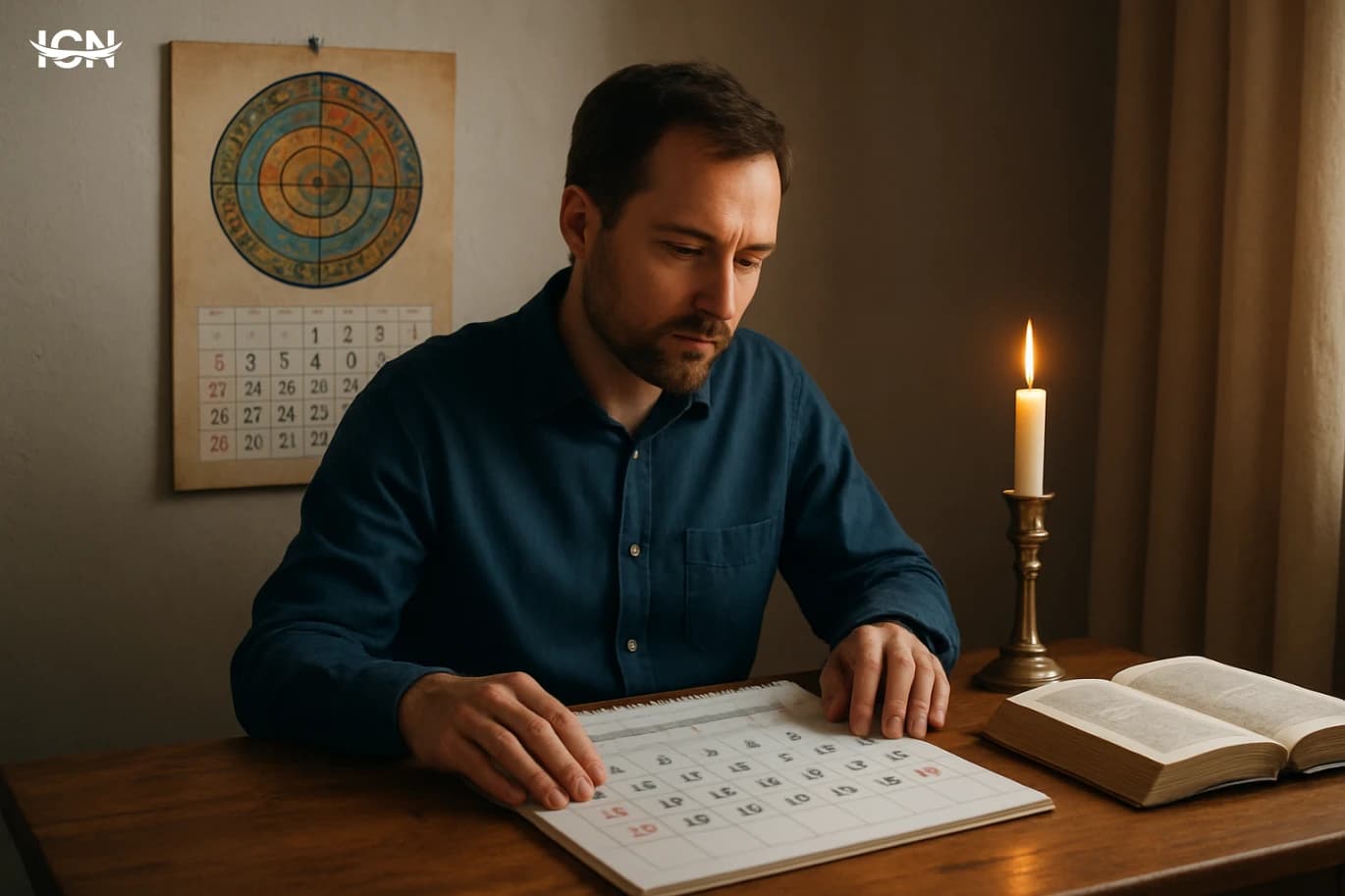
Most sacred calendars are built on one of three timekeeping logics. Solar calendars track the year by the sun, keeping seasons stable; this makes them useful for fixed seasonal observances and agricultural timing. Lunar calendars follow the moon’s cycles, so months align with visible phases; they are often experienced as more immediately “observable,” but they drift across seasons unless adjusted. Lunisolar calendars combine both: months follow the moon while periodic adjustments keep major festivals in the same season. These choices shape how a community experiences time. A lunar-based festival may arrive earlier each solar year, changing weather, daylight, and travel conditions, while a solar-based festival stays tied to a familiar seasonal setting. Understanding the underlying system helps explain why some observances move on civil calendars, why interfaith scheduling can be complex, and why local authorities sometimes publish annual guides to help communities plan.
How dates are determined in practice
Behind every date on a religious calendar is a method for deciding it, and that method can vary by tradition and region. Some communities rely on direct observation of the moon or other natural markers, while others use calculated tables that project dates years in advance. Observation-based approaches can create local variation, especially across time zones and weather conditions, which is why the same observance may begin on different evenings in different countries. Calculation-based approaches support long-term planning for schools, employers, airlines, and event venues, but they can be debated when communities value visible confirmation. Many traditions also have rules for what happens when an observance falls on a weekly rest day or clashes with civic obligations: services may shift, fasts may be adapted, or commemorations may be moved. These practical decisions show how religious authority, community consensus, and modern logistics interact in everyday life.
Ritual seasons and community logistics
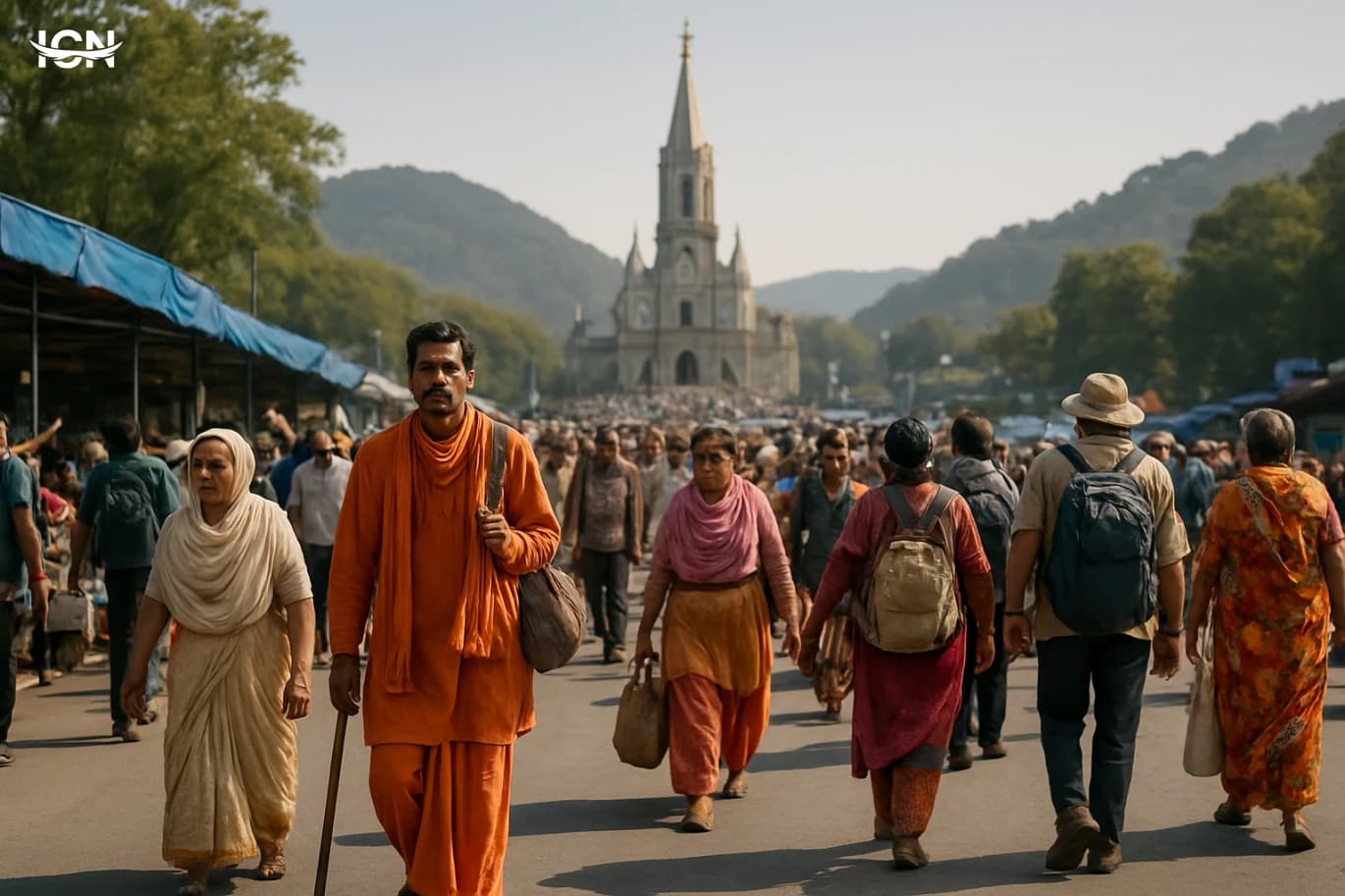
Sacred calendars often work through seasons rather than single days. A fasting month, a pilgrimage season, or a period of reflection can affect food markets, transportation demand, media schedules, and workplace routines. Local businesses may adjust operating hours, while community organizations coordinate charity drives, educational programs, and volunteer staffing. Places of worship plan crowd management, additional services, and accessibility support for elders and families. In cities with diverse populations, municipal services may also adapt, for example by anticipating higher evening foot traffic or adjusting public event calendars to avoid major overlaps. These patterns show that religious timekeeping is also a form of operational planning. It creates predictable peaks and quiet periods that shape how communities allocate resources, communicate expectations, and maintain social cohesion.
Diaspora life and the challenge of two calendars
For diaspora communities, religious calendars are often navigated alongside a civil calendar that governs school terms, public holidays, and work contracts. This can create practical questions: how to request leave for a moving festival, how to schedule exams during a fasting period, or how to organize community events when venues are booked far in advance. Many families develop strategies such as planning key gatherings on weekends, using community-published date guides, and coordinating with employers early. Community centers and faith leaders may also provide templates for communicating needs to schools and workplaces, including explanations of why dates shift year to year. Over time, these adaptations can shape new local customs, such as holding public cultural events on the nearest convenient day while keeping core rituals on the traditional date. The result is a living calendar practice that balances continuity with the realities of modern institutions.
Digital tools and respectful planning
Technology has made sacred calendars more visible and easier to integrate into daily planning. Many people subscribe to calendar feeds that automatically add observances to phone and desktop apps, while community organizations publish annual PDFs with local timing details. However, accuracy depends on the method used, the user’s location settings, and updates when observation-based dates are confirmed. A practical approach is to use reputable sources, verify local announcements for observances tied to sighting, and avoid scheduling major public events on widely observed dates when possible. For workplaces and schools, respectful planning can be straightforward: provide flexible leave options, publish key dates early, and create a process for employees or students to flag conflicts without needing to disclose personal details. When done well, calendar awareness becomes a low-cost way to reduce friction and support inclusion in a concrete, operational manner.