How Communities Preserve Sacred Texts Today
- Why Preservation Still Matters
- Manuscripts, Materials, and Care
- Authority, Standardization, and Trust
- Digitization Without Losing Meaning
- Education and Community Transmission
- A Practical Preservation Checklist
Why Preservation Still Matters
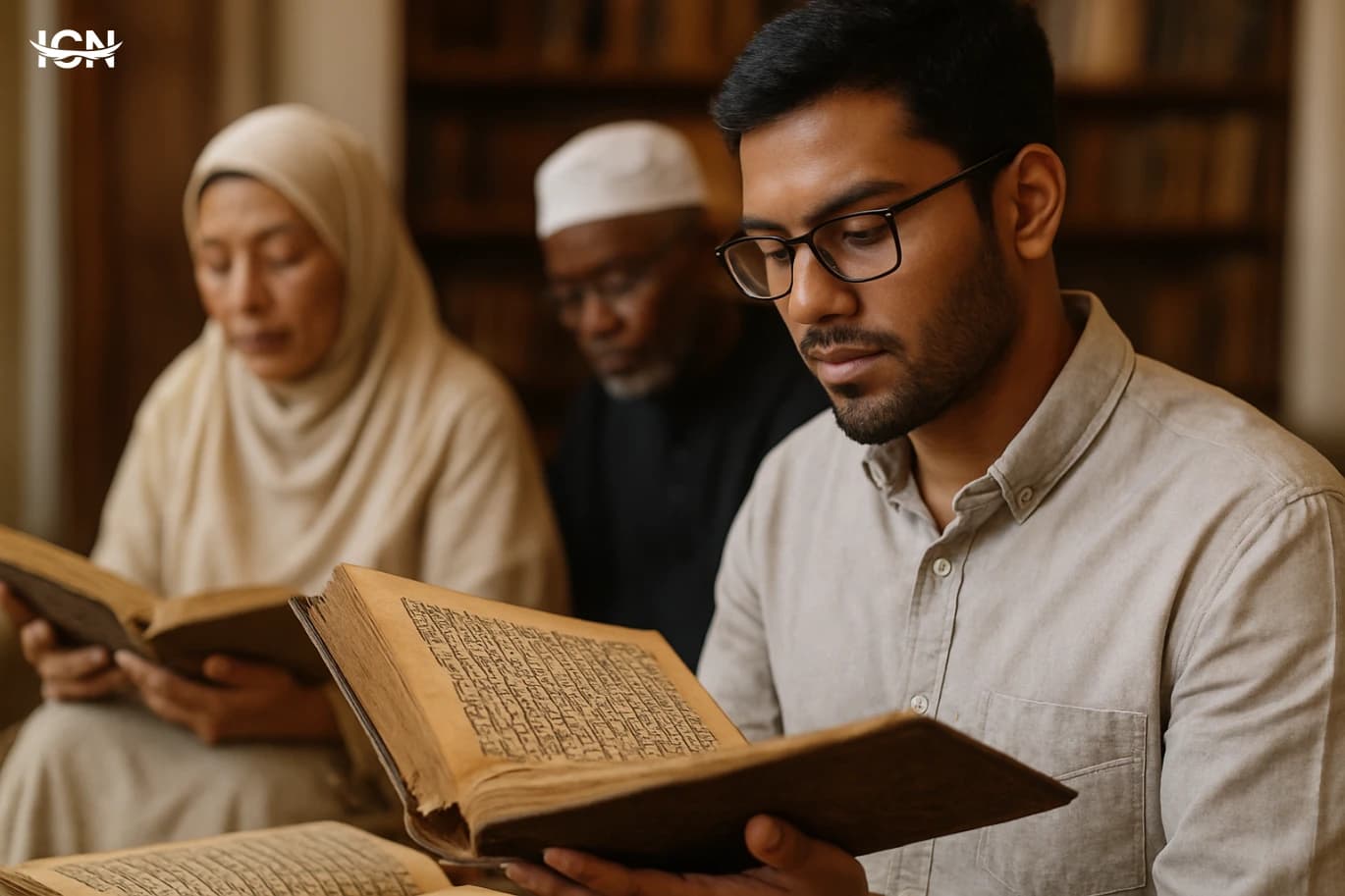
Sacred texts are not only sources of belief; they also shape education, ethics, language, and community memory. Preservation matters because many faith communities rely on stable wording for worship, teaching, and legal or moral guidance. Even small changes can affect interpretation, recitation, and the continuity of tradition across generations. In practice, preservation is also about access: communities want reliable copies that can be read in homes, schools, and places of worship without uncertainty about authenticity. Modern pressures make this work more complex than it appears. Climate risks, migration, aging paper collections, and the decline of specialized skills can all threaten physical manuscripts. At the same time, digital copying creates new questions about version control, provenance, and long-term storage. The result is that preservation today is a blend of scholarship, community governance, and practical logistics, with decisions that influence how future readers encounter foundational texts.
Manuscripts, Materials, and Care
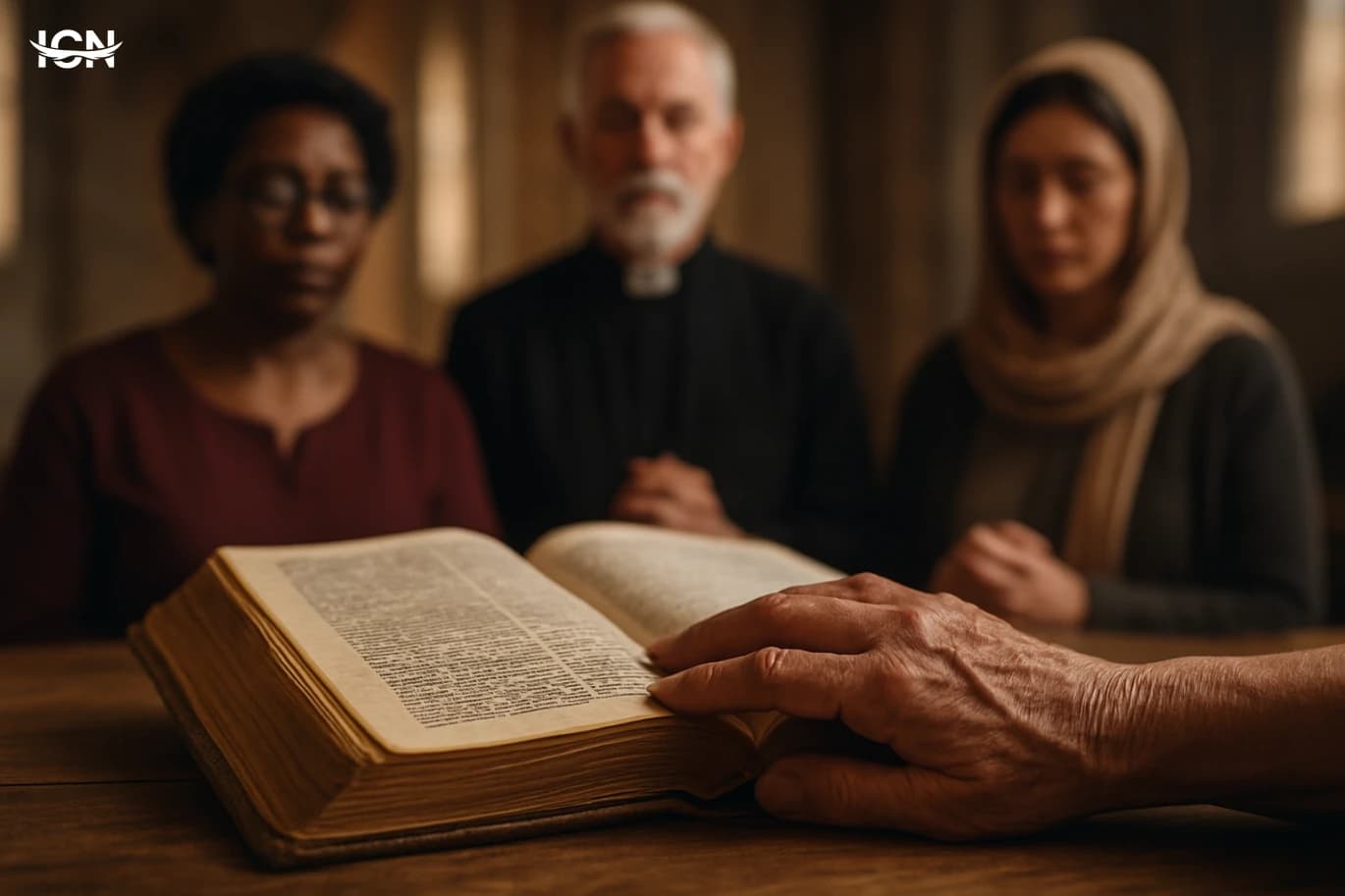
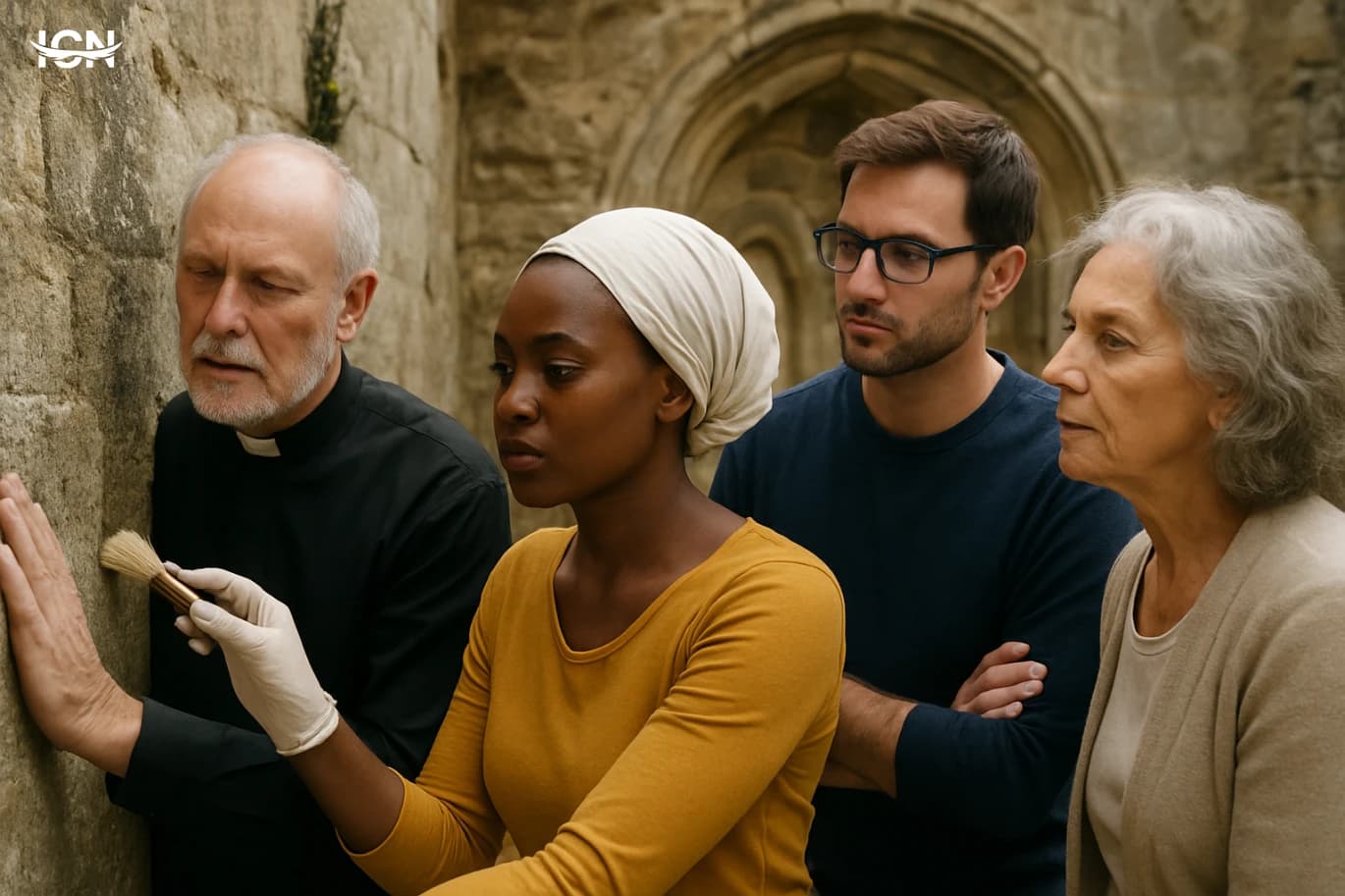
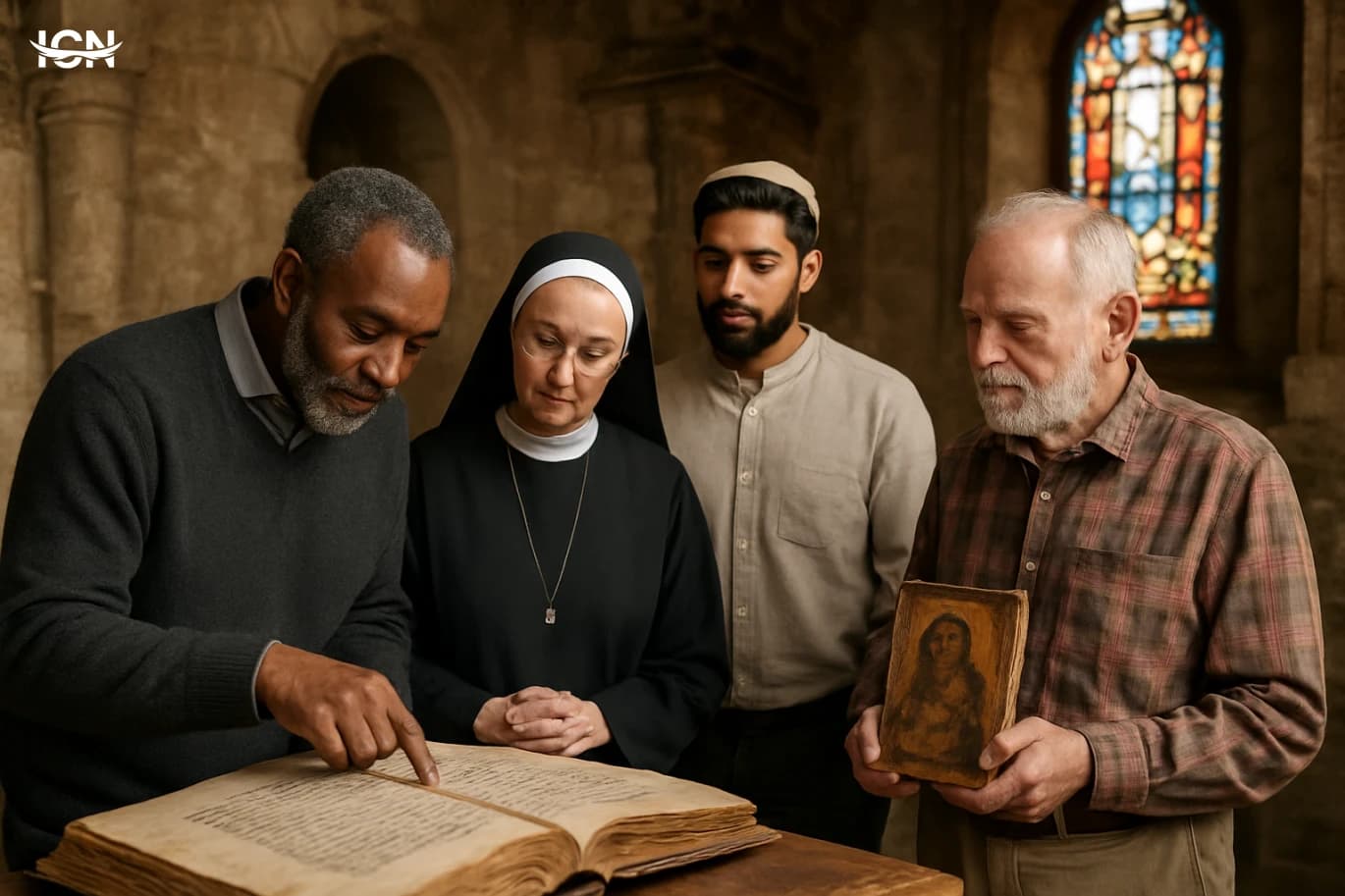
For communities that hold manuscripts, preservation begins with basic environmental control. Stable temperature and humidity reduce mold and paper brittleness, while filtered light limits ink fading. Many collections use archival boxes, acid-free folders, and careful shelving to prevent warping and insect damage. Handling rules can be as important as storage: clean hands or gloves, support cradles for fragile bindings, and restrictions on photocopying help reduce wear. Conservation work is often a partnership between religious institutions and professional conservators. Treatments may include surface cleaning, mending tears with compatible papers, consolidating flaking pigments, and repairing bindings without altering the original structure. Decisions are typically documented so future caretakers know what was changed and why. In some traditions, the material form itself carries meaning—specific scripts, inks, or layouts—so conservators aim to stabilize rather than “modernize.” This approach keeps the text readable while respecting the artifact as a witness to a community’s history.
Authority, Standardization, and Trust
Preserving a sacred text is not only about keeping pages intact; it also involves deciding which version is authoritative for public use. Many communities maintain councils, editorial boards, or recognized scholars who oversee editions, approve corrections, and set rules for printing and distribution. Standardization can include consistent spelling conventions, punctuation practices, or page layouts that support communal recitation and study. When changes are necessary—such as correcting a known typographical error—transparent documentation helps maintain trust. Trust is strengthened by provenance: knowing where a manuscript or printed edition came from, who copied it, and how it was transmitted. Libraries and religious archives increasingly record chain-of-custody information, catalog details, and high-resolution images that allow comparison across copies. In communities with multiple historical traditions, preservation work may focus on documenting variation rather than forcing uniformity. The practical goal is clarity: readers should know whether they are using a liturgical edition, a study edition with notes, or a historical reproduction, and what standards guided its preparation.
Digitization Without Losing Meaning
Digitization has transformed preservation by reducing handling of fragile originals and expanding access. High-resolution scanning captures details such as marginal notes, ink density, and page texture, which can be crucial for scholars and community educators. Metadata—dates, locations, script types, and catalog identifiers—helps users search and verify what they are viewing. Some projects also record audio recitations linked to specific editions, recognizing that oral transmission is part of how many communities preserve meaning. However, digital preservation is not automatic. Files can become unreadable as formats change, storage media fail, or platforms shut down. Responsible programs plan for redundancy, regular integrity checks, and migration to new formats. They also address governance: who can upload, edit, or annotate a digital text, and how changes are tracked. For sacred texts, presentation matters too. A digital interface that respects traditional page layouts, reading directions, and typographic conventions can reduce confusion and help users feel continuity with printed or handwritten forms.
Education and Community Transmission
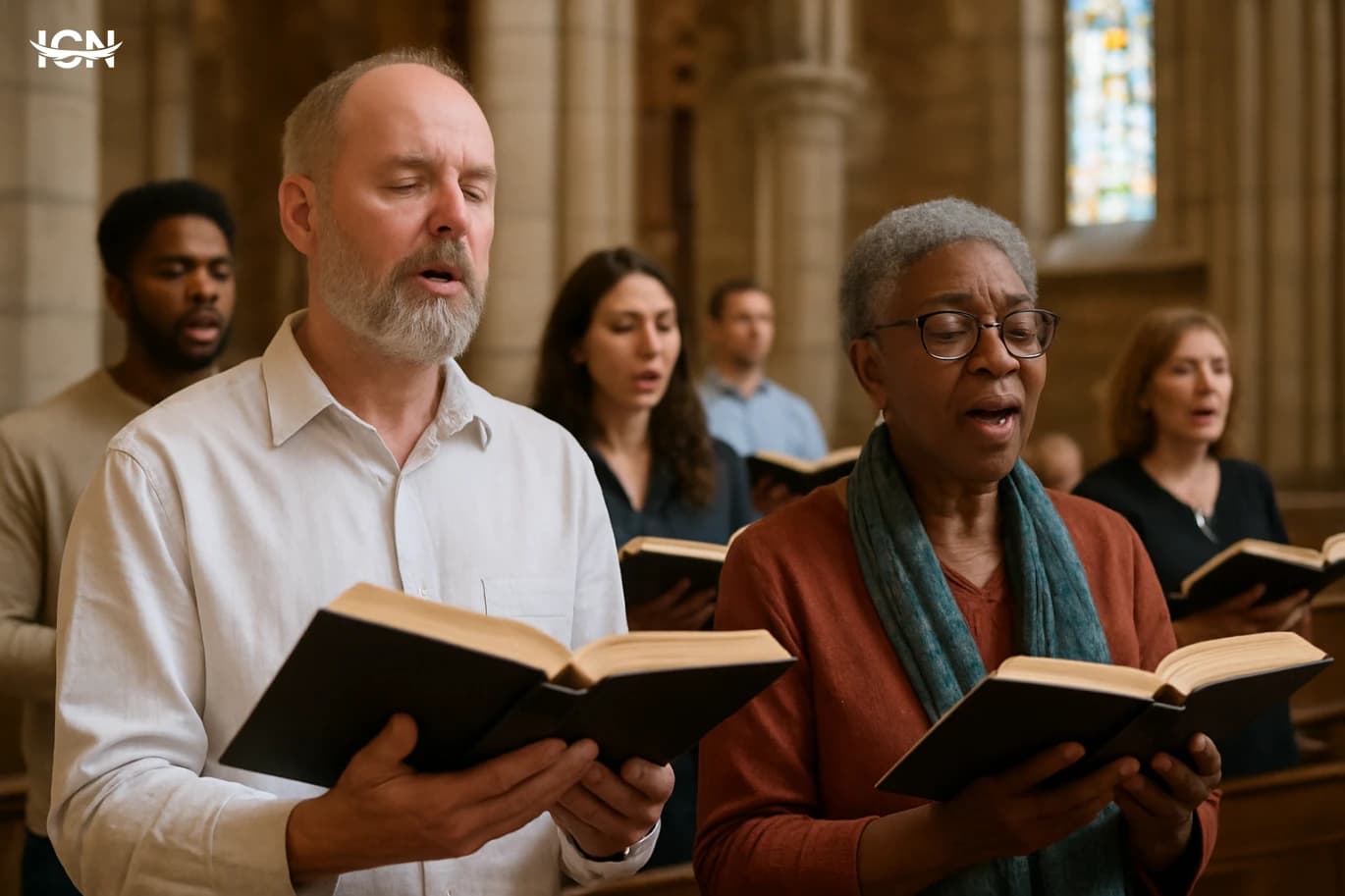
Preservation succeeds when communities invest in people, not only collections. Training programs for readers, teachers, and caretakers help maintain accurate recitation, careful copying practices where relevant, and informed use of editions. Many institutions run workshops on manuscript handling, basic archival awareness, and the responsible use of digital resources. In settings where memorization is central, structured curricula and certification systems can serve as quality control, ensuring that learning aligns with recognized standards. Community transmission also depends on language support. Sacred texts may be read in a classical or liturgical language that differs from everyday speech. Study guides, glossaries, and parallel translations can improve comprehension while keeping the primary text intact. Clear labeling is essential so readers understand what is translation, what is commentary, and what is the original wording. When communities treat education as part of preservation, they reduce the risk that a text becomes a museum object rather than a living reference used with care and understanding.
A Practical Preservation Checklist
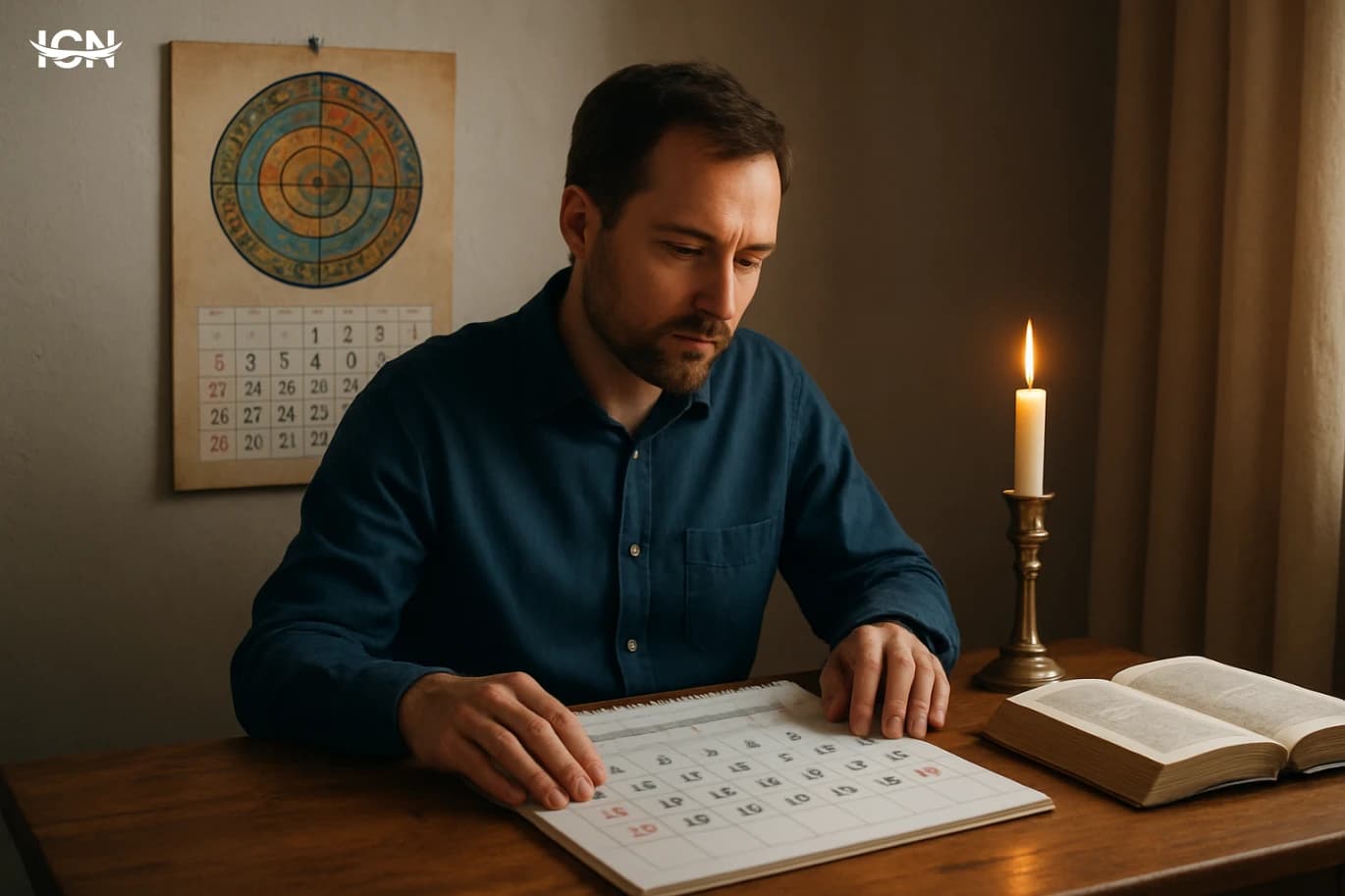
Communities looking for a realistic plan can start with a few measurable steps. First, create an inventory: list manuscripts and editions, note their condition, and record where they are stored. Second, improve storage conditions with affordable controls such as dehumidifiers, light management, and protective enclosures. Third, set handling policies and assign responsibility to trained staff or volunteers. Fourth, digitize strategically: prioritize the most fragile or most used items, capture metadata, and store files in multiple locations. Fifth, establish an approval process for any new printings or digital releases, including proofreading standards and a method for reporting errors. Sixth, invest in education: teach users how to cite editions, distinguish commentary from text, and use digital archives responsibly. Finally, plan for continuity by documenting procedures and budgeting for periodic reviews. Preservation is not a one-time project; it is ongoing operational work. When communities treat it as routine infrastructure—like maintaining a building or a library system—they are more likely to protect both the physical artifacts and the integrity of the words they carry.